Here is a delightful picture of some mudcracks, taken during somewhere in the western USA in Fall 2005 when I was on my undergraduate field program “The Stretch.” I don’t remember exactly where this picture was taken, but I recently found it again in my folder of field camp photos. I think this picture also shows little round imprints from a recent light rainfall on the mud– what do you think?
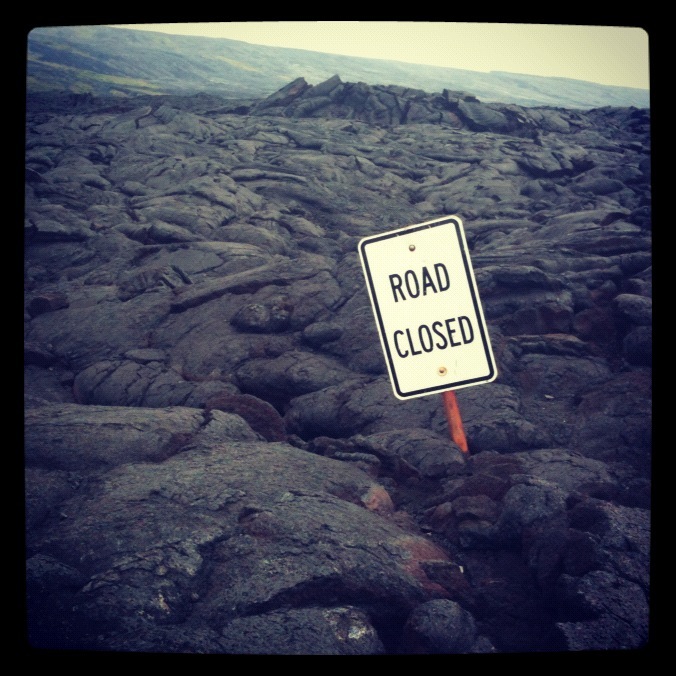
My friend Arthur recently visited Hawai’i and sent me some wonderful pictures of lava and basalt! My favorite picture is the one above of a former road now almost completely covered by basalt. Arthur informs me that the sign was for Chain of Craters Road, which is now buried under several meters of basalt in places. Here’s the approximate location of the roadsign.
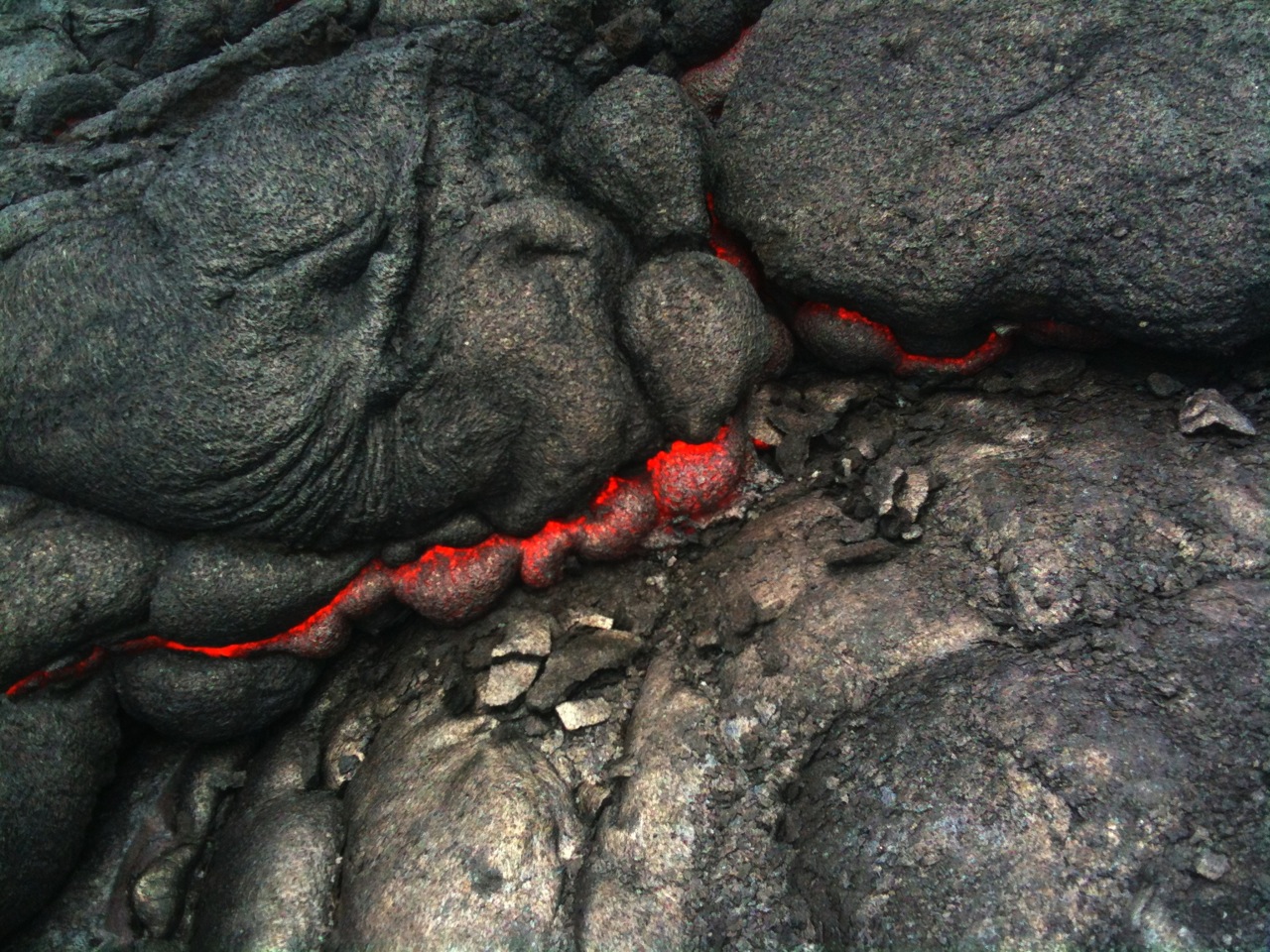
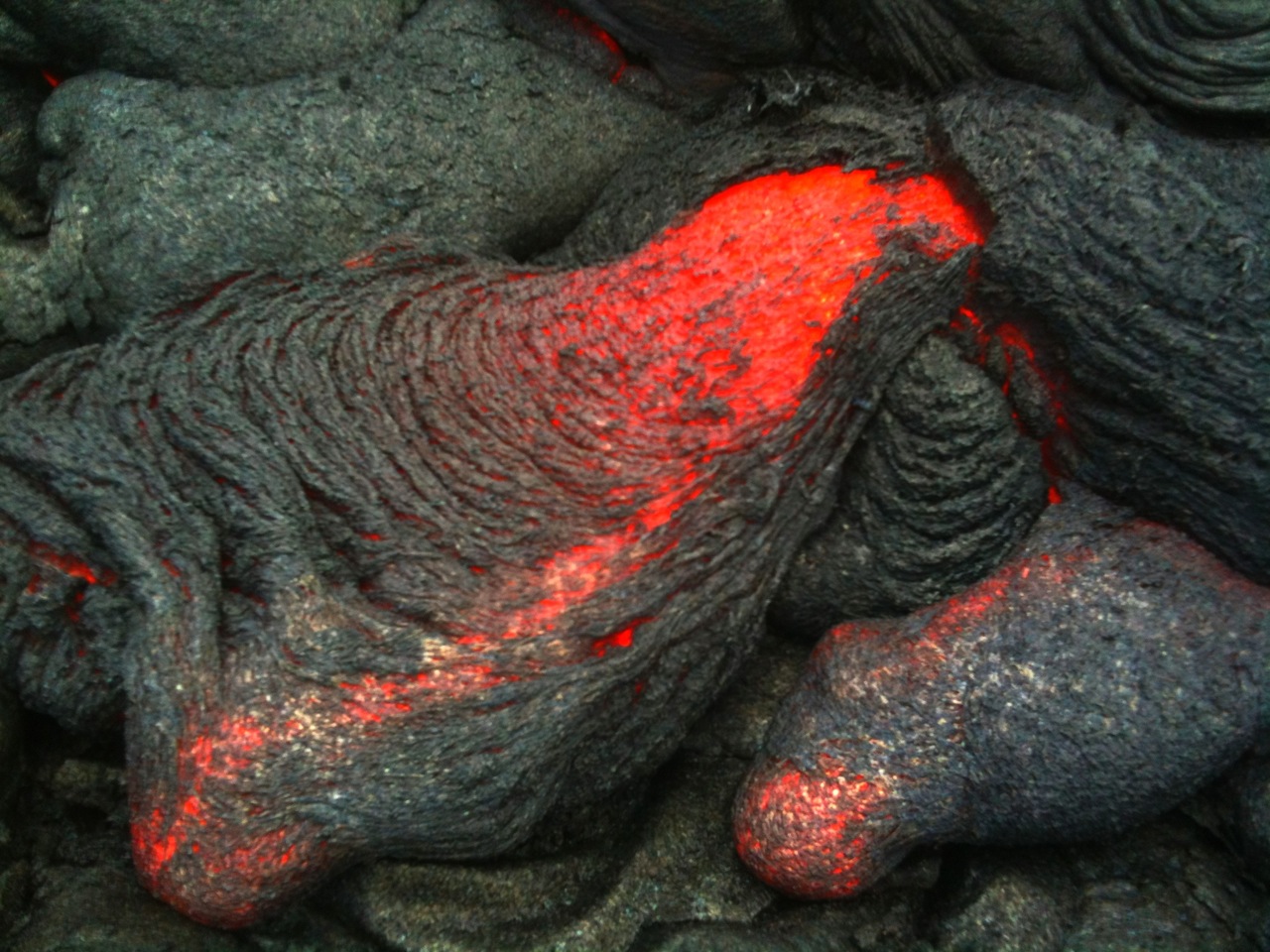
Arthur also sent me a few pictures of some active lava flows. Wonderful! There’s nothing like fresh lava to get a geologist’s blood boiling with excitement!
Homework in the field! Don't you think this picture should be in a Dartmouth brochure or something?
When I was in college, I sure did plenty of homework. Mostly, I did my homework in my dorm room, the library, or in a cafe with a study group. However, when I went on Dartmouth College’s semester-long geology field program (called “The Stretch”) in the Western USA in Fall 2005, I found myself doing homework in cabins, hotel lobbies, tents, and– more often than not– outside on picnic tables, as shown in the above picture. I can genuinely say that I really enjoyed my experiences during The Stretch, including all the homework done on picnic tables. Sure, we complained a little on the nights we found ourselves working on homework by headlamp, but really the homework wasn’t too bad. I was fortunate enough to participate in The Stretch with an amazing group of students, teaching assistants, and professors. We had many a good time– and laugh– while working on our Stretch homework. Does anyone else have pictures of “Homework in the Field”?
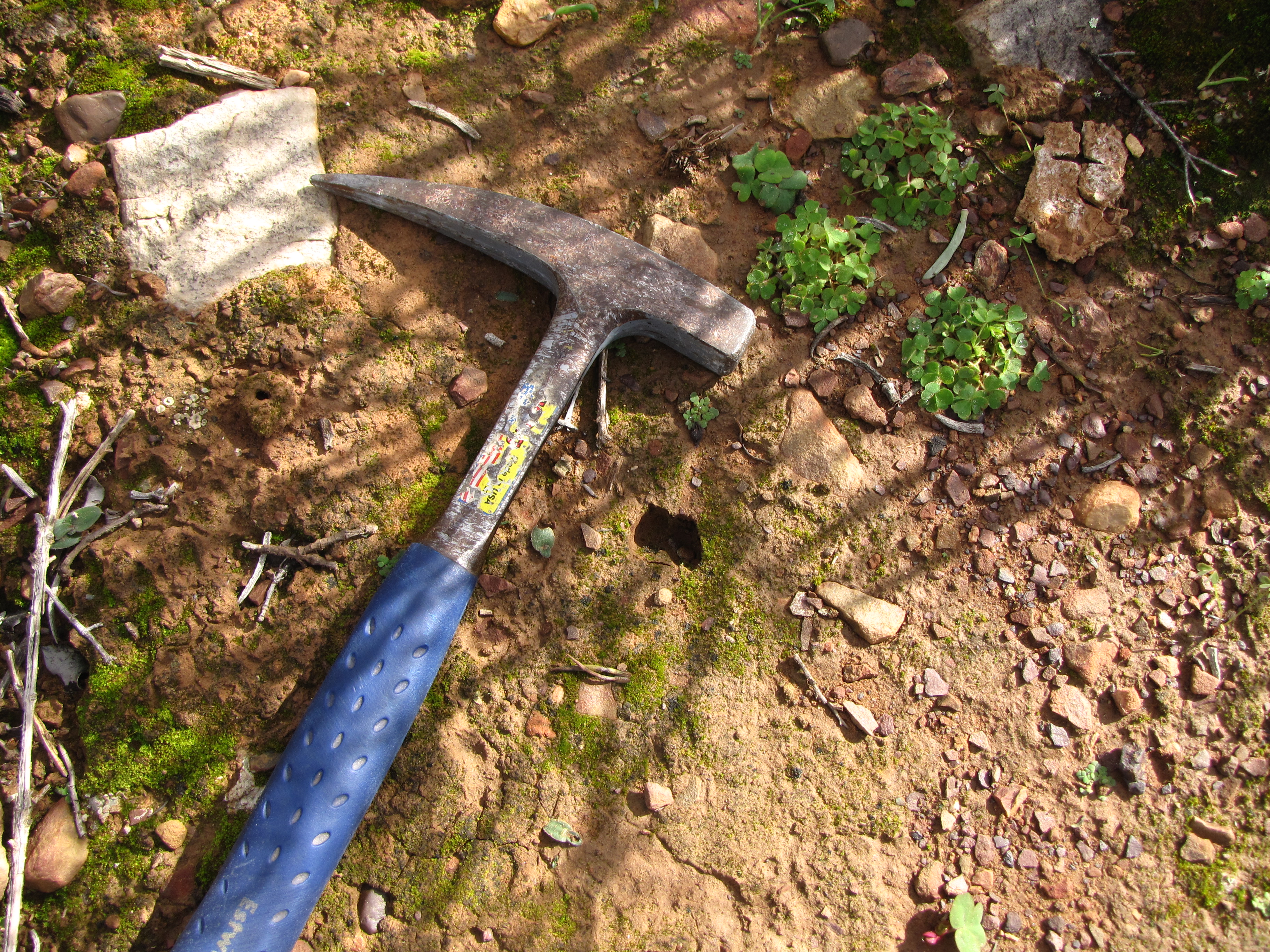
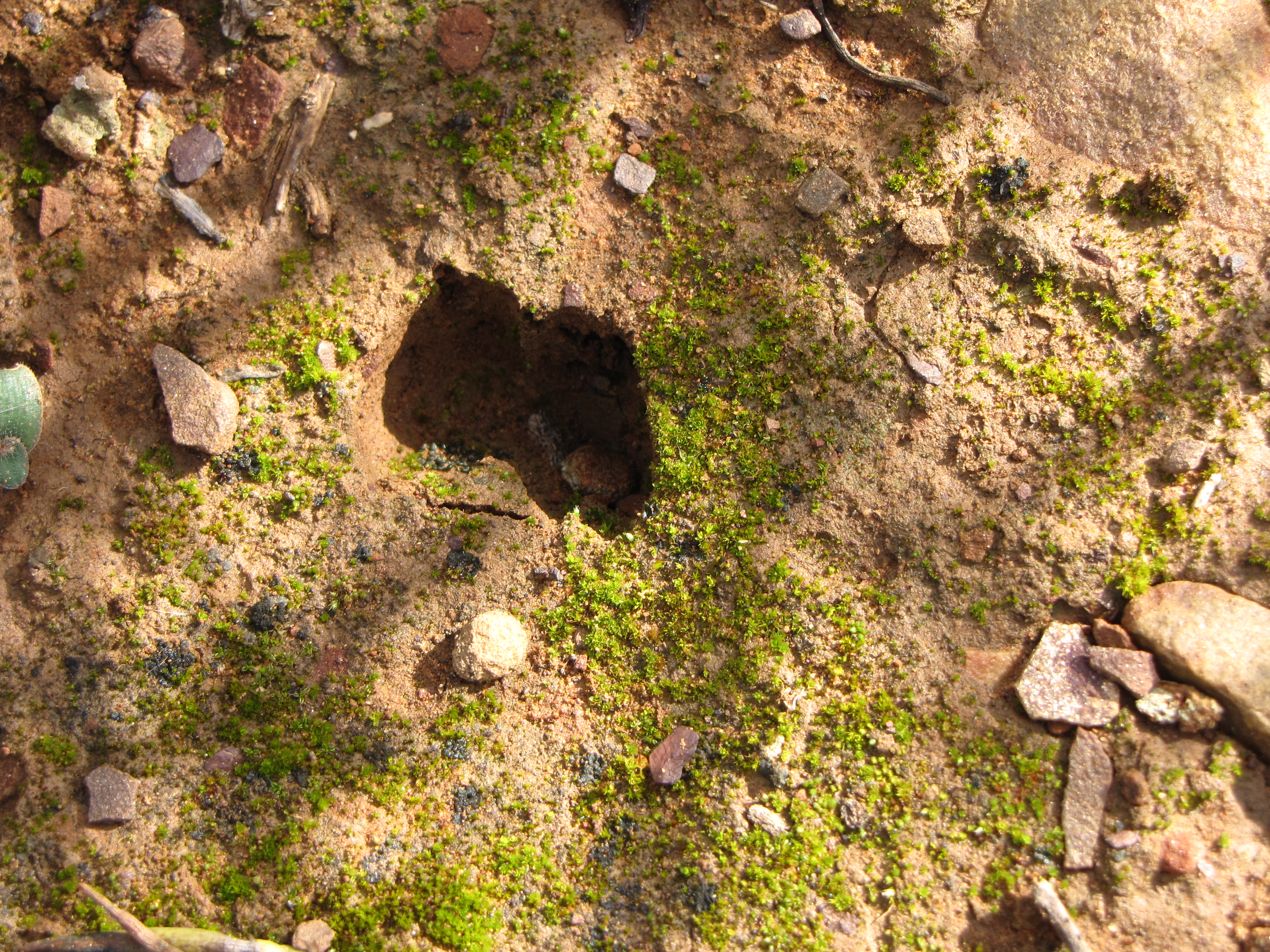
Teeny tiny footprints, with hammer for scale.Little duiker footprint!
When my husband and I visited Gnoem Gnoemskloof in the Robertson area of South Africa a little over a week ago, we noticed some teeny tiny footprints, shown above with a rock hammer for scale. We’re not animal footprint experts, but we suspect that these tiny footprints belong to the duiker, a little antelope which is found throughout sub-saharan Africa. Most likely, these are footprints of the common duiker.
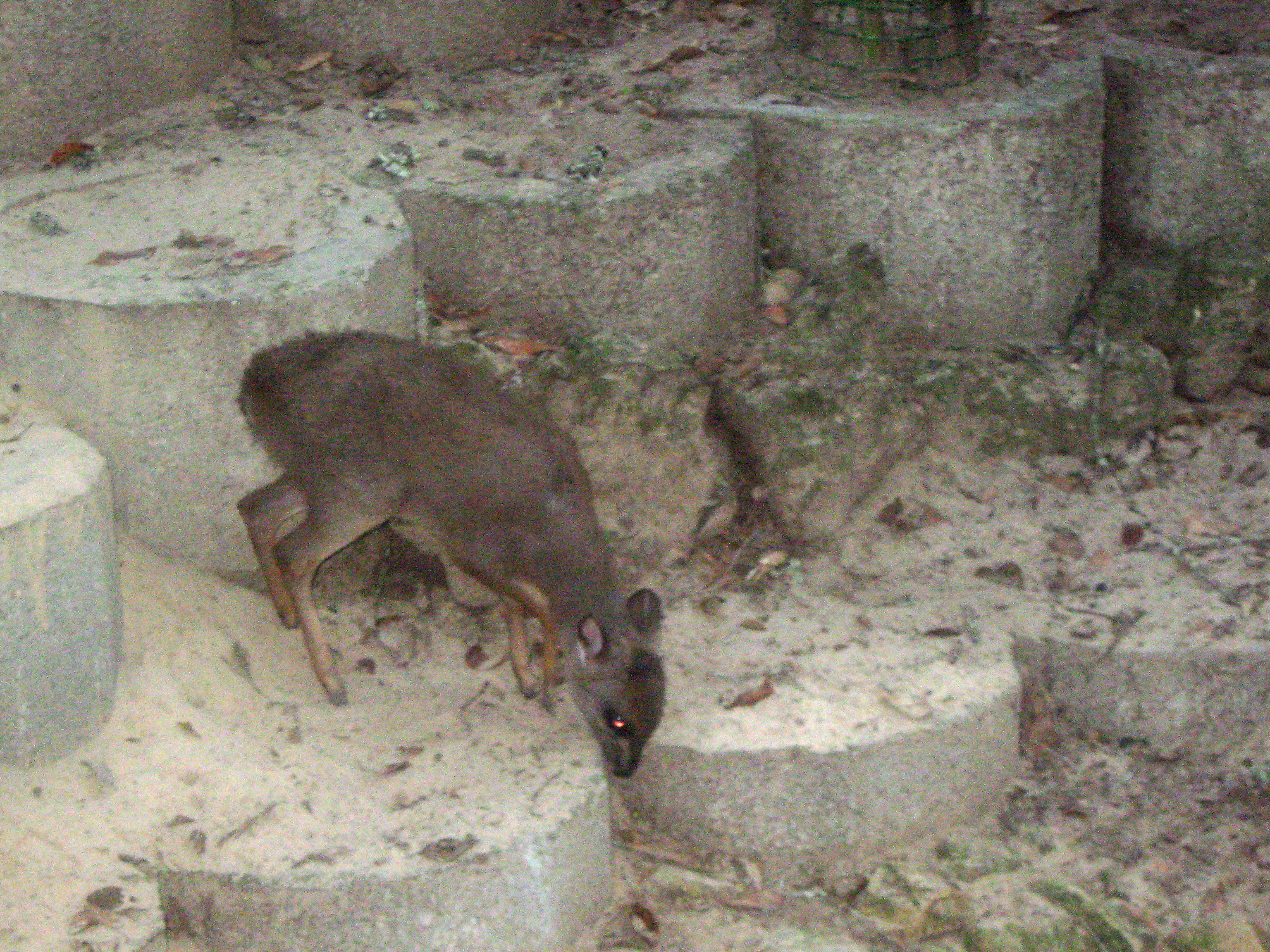
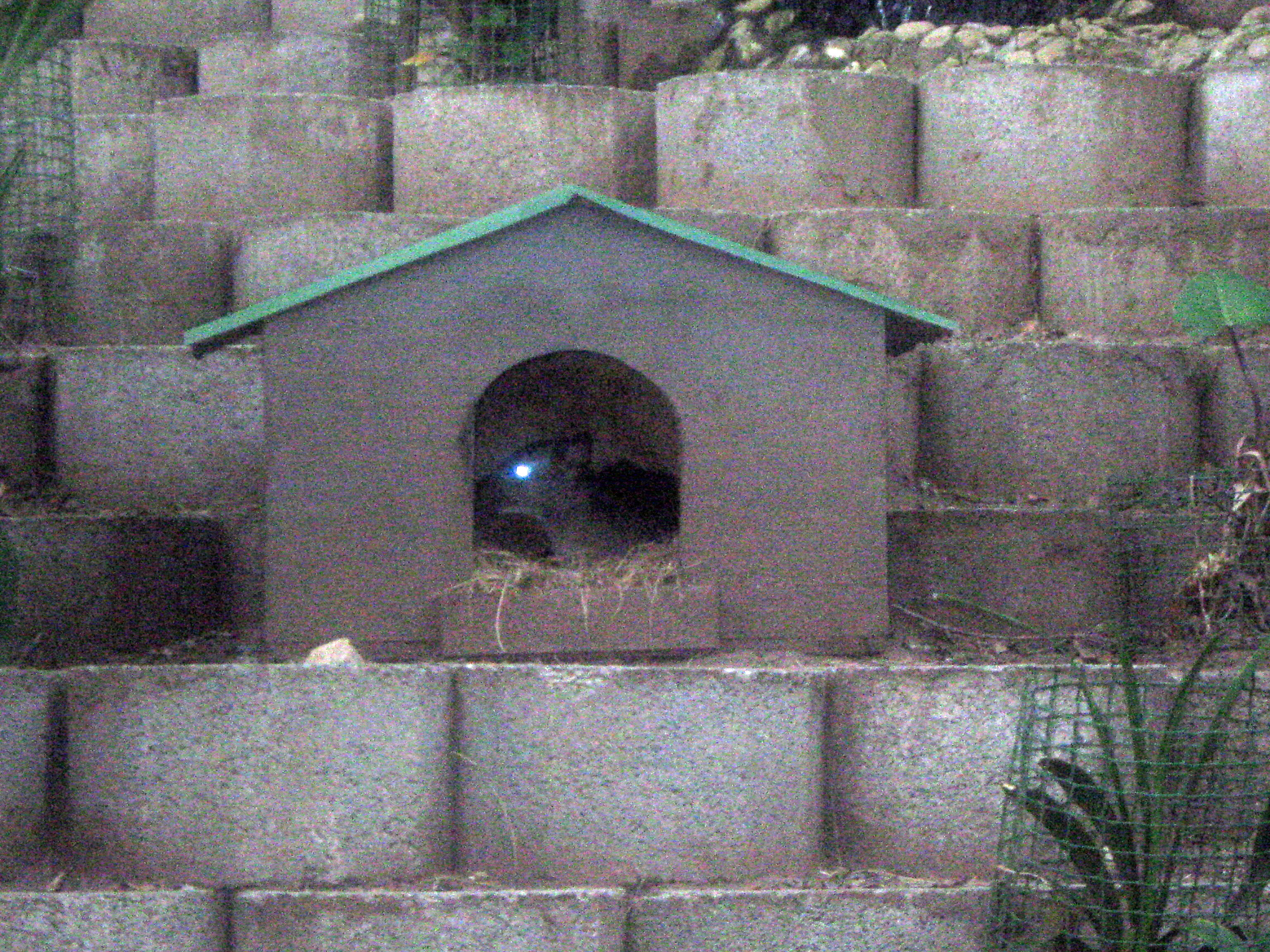
I have yet to take a good picture of a duiker in the wild (these little antelope move quickly!), but here are a few pictures of duiker in a small zoo in Knysna, South Africa:
A little duiker taking a drink.Another little duiker.A little duiker house.All nestled in the little house.
Aren’t these little duiker cute? I especially love their little houses!
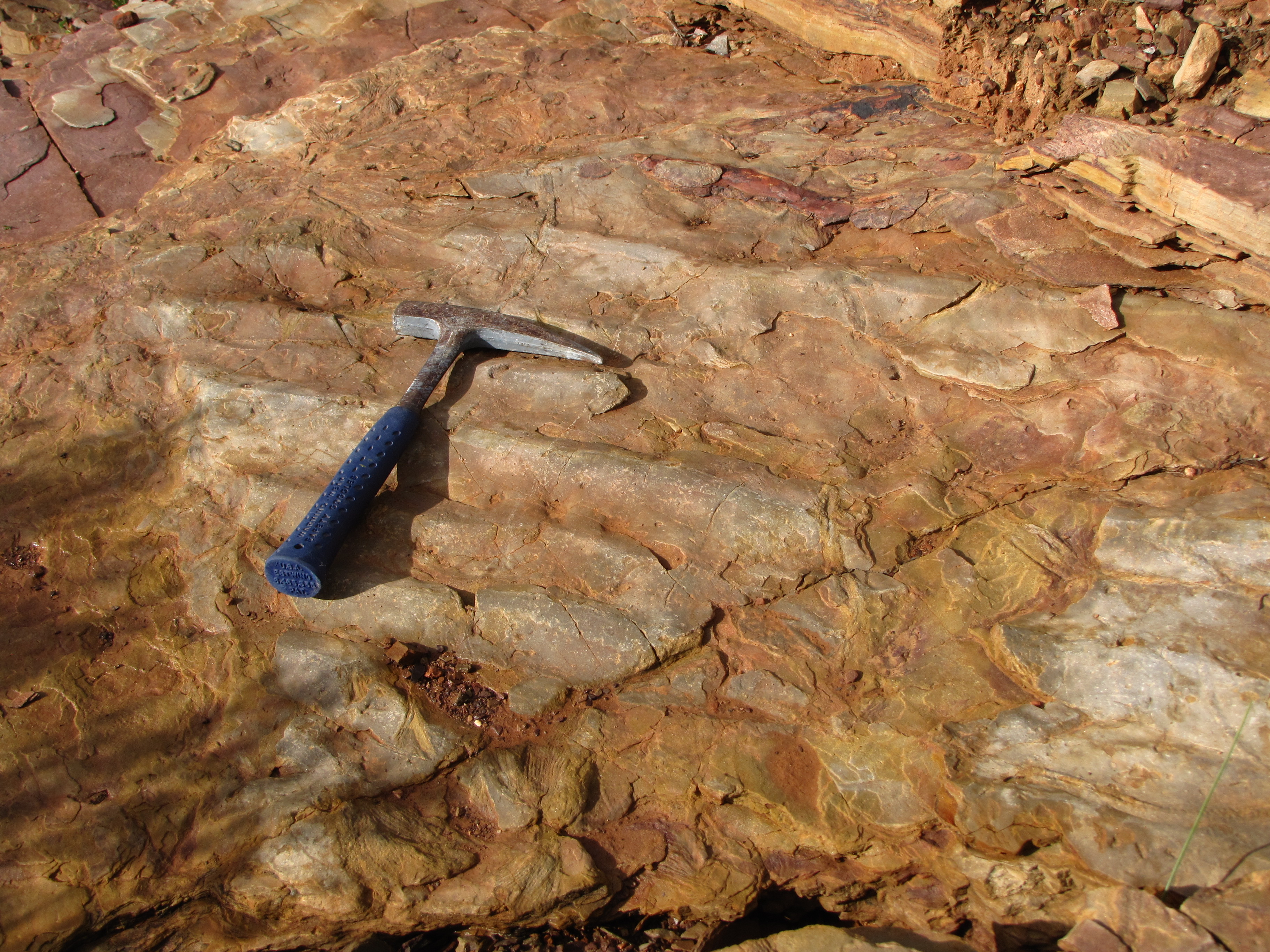
This past Saturday my husband and I visited the Robertson area, which is about an hour and a half drive from Cape Town, South Africa. We went to visit my husband’s grandmother and also to meet up with a very nice woman named Francie, who emailed me several months ago about some rocks on her property outside of Robertson. Francie asked if she could send me some rock pictures, and I told her I’d do better and come look at her rocks. Saturday morning we finally met up with Francie as well as her husband and daughter at their property, which is delightfully called “Gnoem Gnoemskloof” (pronounced like “Noom Noomskloof”). Gnoem Gnoemskloof is located in the Cape Fold Belt, so the rocks we saw on the property were all sandstones. There were some beautiful sandstones on the property. I’ll be sharing some more pictures and geologic information from our visit to Gnoem Gnoemskloof in the future. For today, I thought I would share this neat picture of ripple marks which have been preserved in the sandstone.
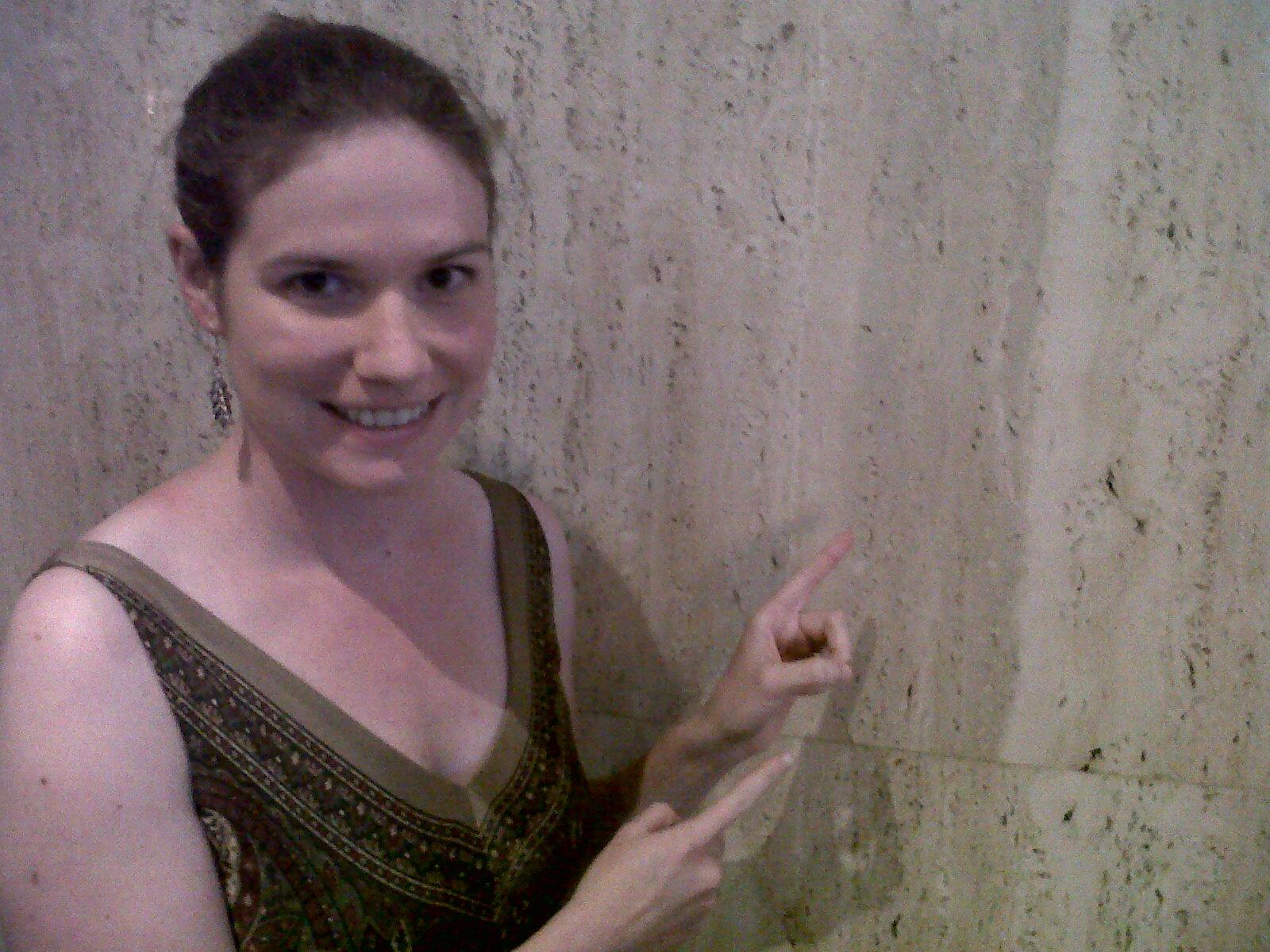
Travertine building stone at the Artscape Theatre in Cape Town, South Africa.
Several months ago, my husband and I went to the opera. Specifically, we went to see a South African production of “The Phantom of the Opera” at the Artscape Opera House in our home city of Cape Town. I had never visited the Opera House before, and I was impressed with the beautiful building. In this week’s geology picture, I am enthusiastically pointing out some travertine building stone in the Opera House. The opera was excellent– very enjoyable, particularly since I’d never seen a live production of “The Phantom of the Opera” before. I had the opera music stuck in my head for weeks!
A boulder resting on some rocks at Sea Point, Cape Town, South Africa. This picture was taken during my first visit to Sea Point in January 2008.
For this week’s geology picture, here is an image of a boulder resting on some rocks at Sea Point here in Cape Town, South Africa. I took this picture back in 2008, but I’ve visited Sea Point numerous times since then. Fairly recently, my husband and I brought Callan and his wife Lily to Sea Point back in December 2011.
I’m enjoying being back home in Cape Town. I spent much of my first week at home sorting out immigration matters (I now have my residency permit! Hooray!) and unpacking and recovering from a cold (still a bit sick, unfortunately), but hopefully I’ll be back to some more blogging soon.
Rollins Chapel at Dartmouth College in Hanover, NH.
Last week my husband and I visited my alma mater Dartmouth College in Hanover, New Hampshire. Dartmouth has a beautiful campus, and one of my favorite buildings on the campus is Rollins Chapel. The chapel is a multi-faith spiritual center that is used by students and alumni for a variety of purposes. The chapel is used for spiritual services, quiet reflection, weddings, seminars, speeches, and other events. When I was a student at Dartmouth several years ago, the climbing club even used the outside of Rollins Chapel as a bouldering or “buildering” location.
I’m not religious, but I enjoyed and continue to enjoy visiting Rollins Chapel for quiet reflection and also to admire the chapel’s beautiful building stones. The chapel was built with large, rounded blocks of gray-white granite that are complemented by rusty red, more square blocks of sandstone. The chapel also contains some stunning stained glass windows.
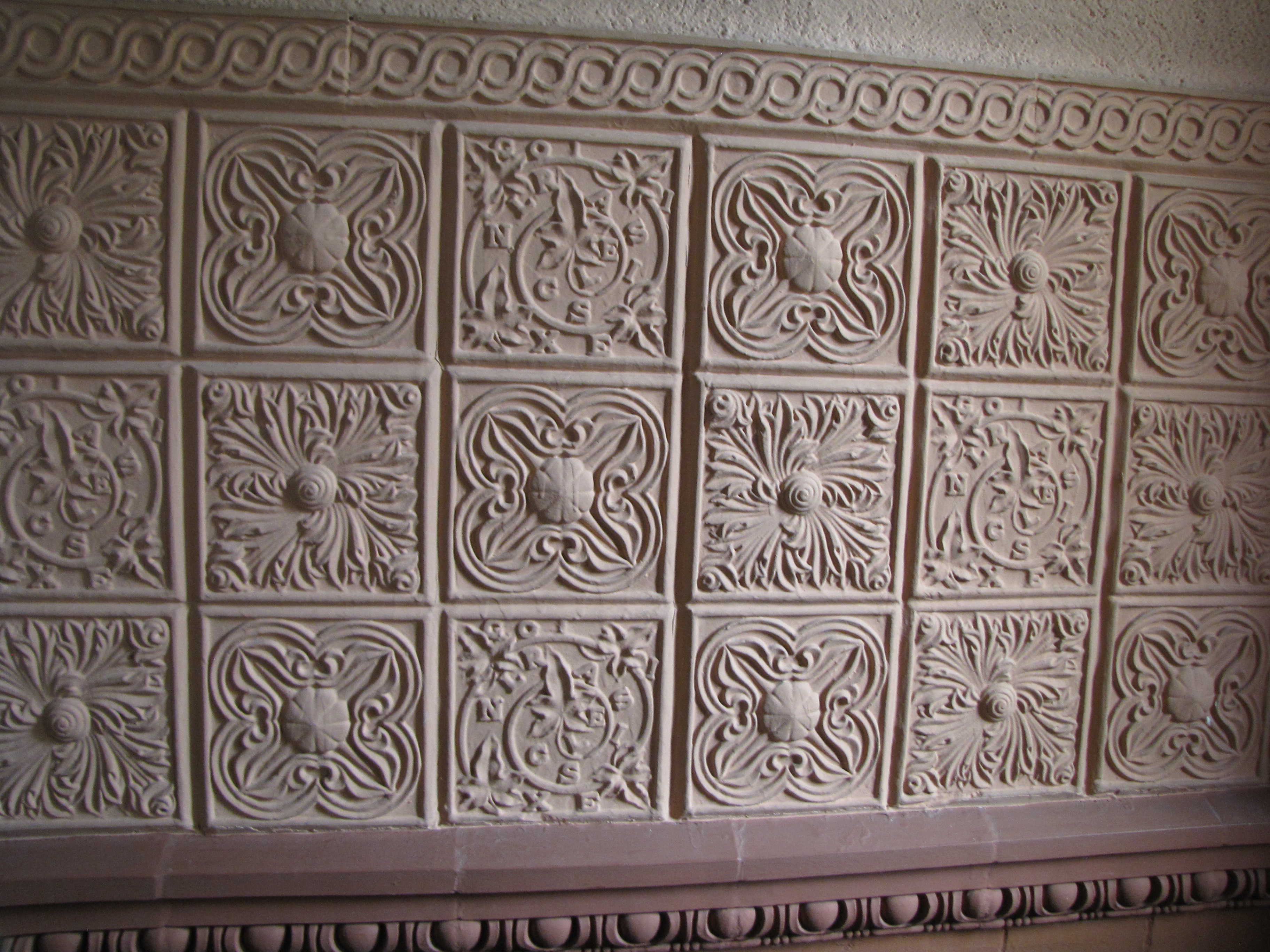
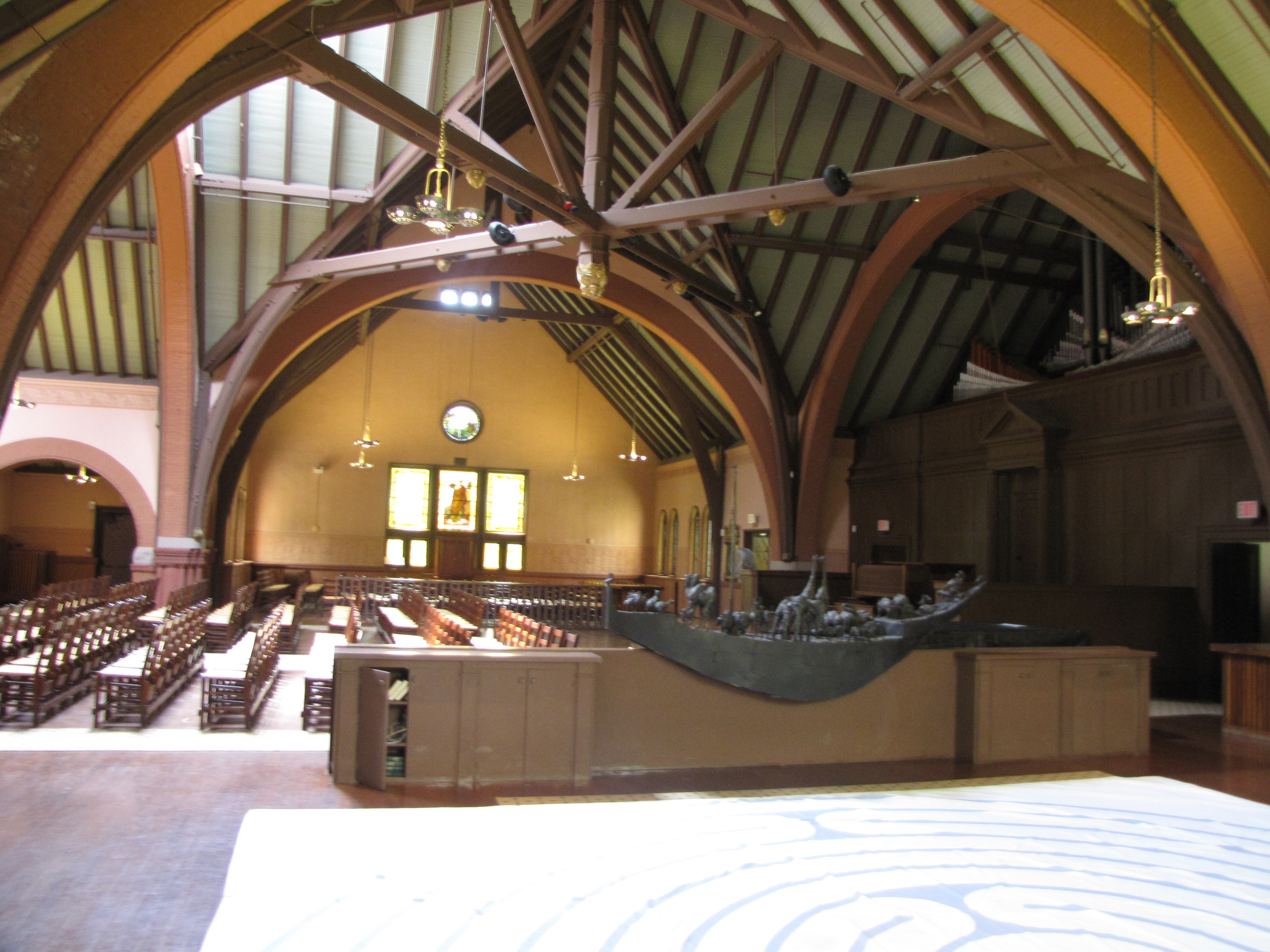
Here are some more pictures from our visit to Rollins Chapel last week:
Close-up of the outside of the chapel #1.Close-up of the outside of the chapel #2.Inside of the chapel.A detail of the inside of the chapel. A closer look at some decorative trim inside the chapel.Another view inside the chapel.Carved sandstone inside the chapel.
I highly recommend a visit to Rollins Chapel if you’re ever on the Dartmouth College campus.
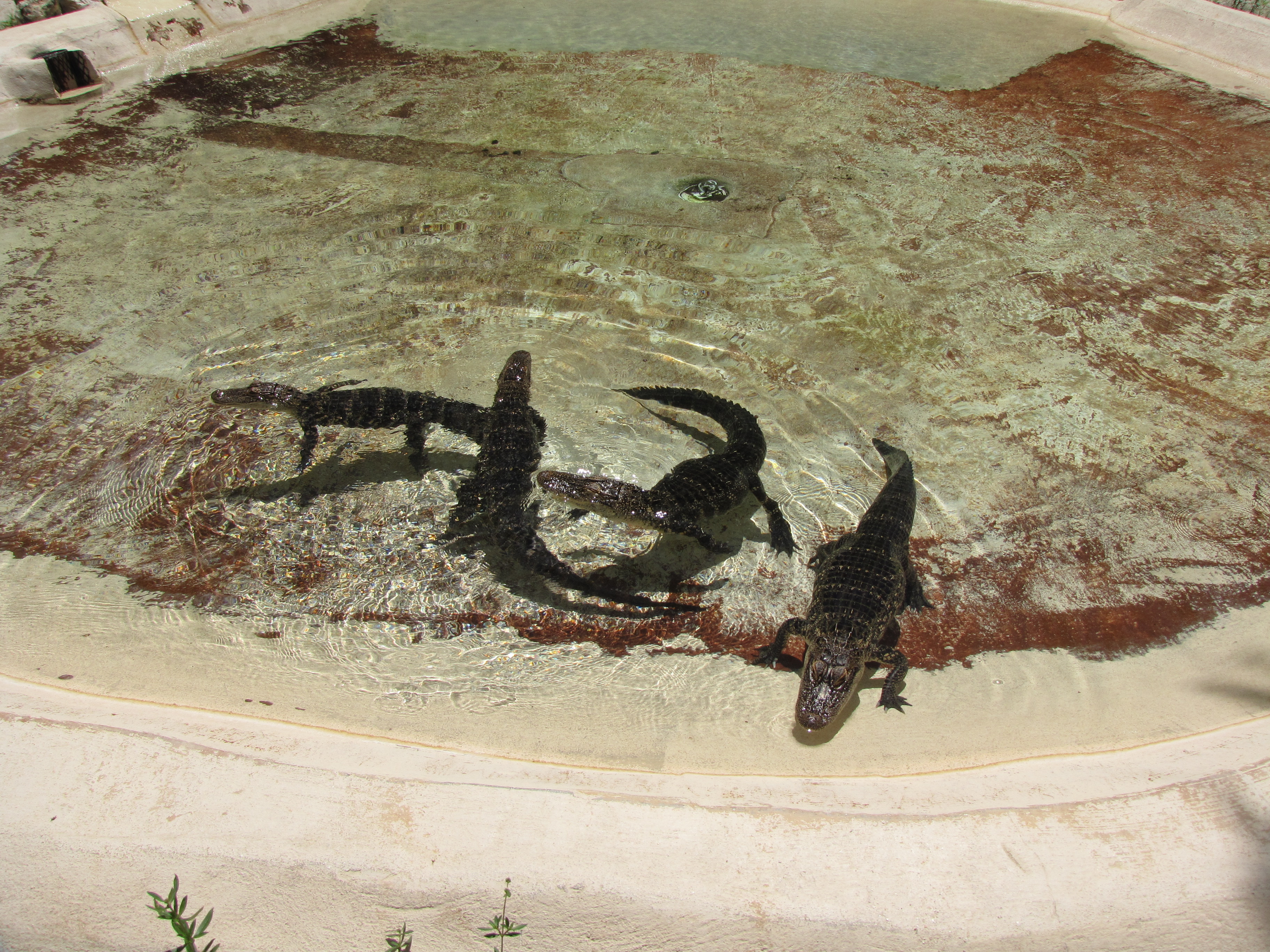
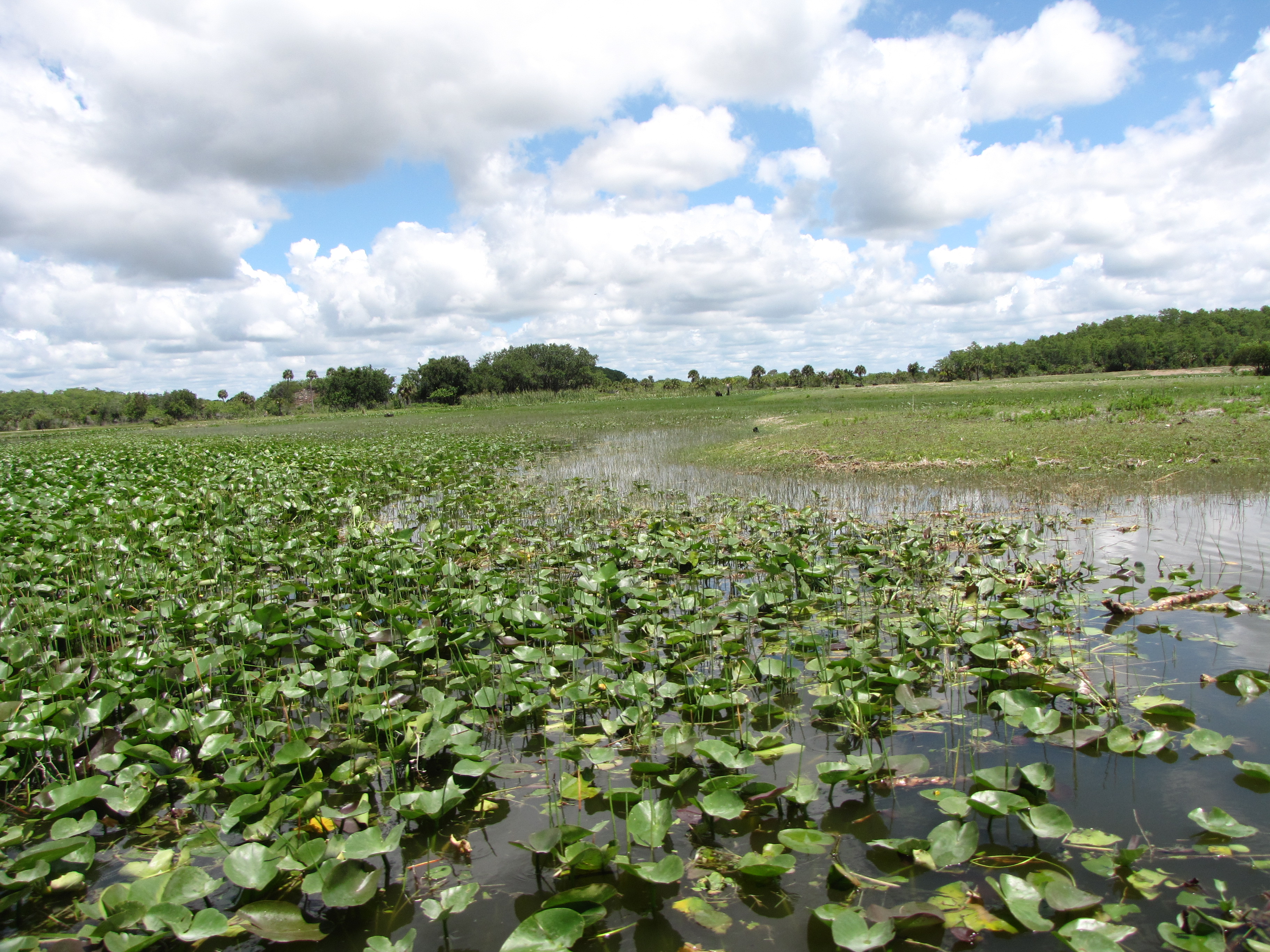
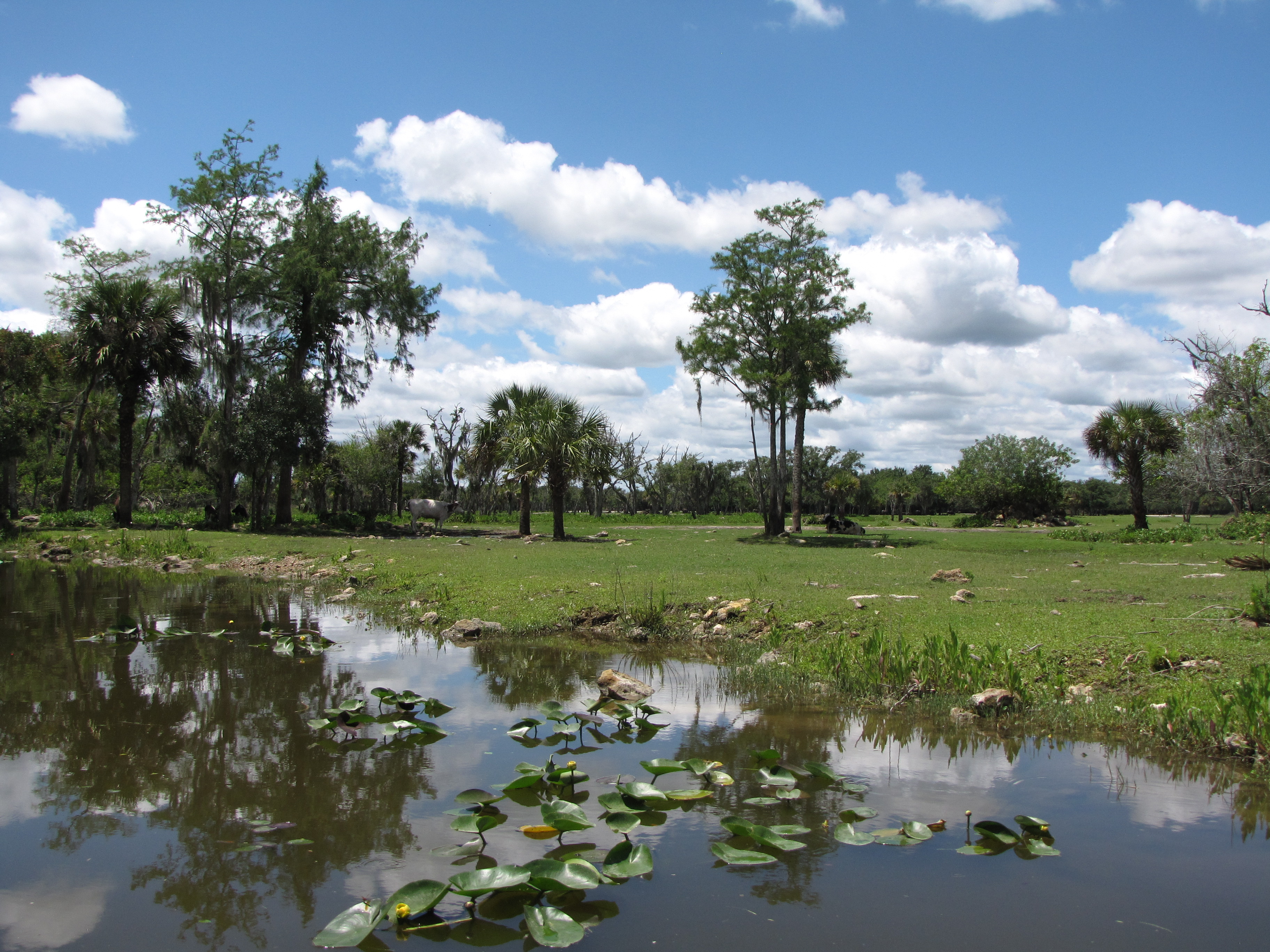
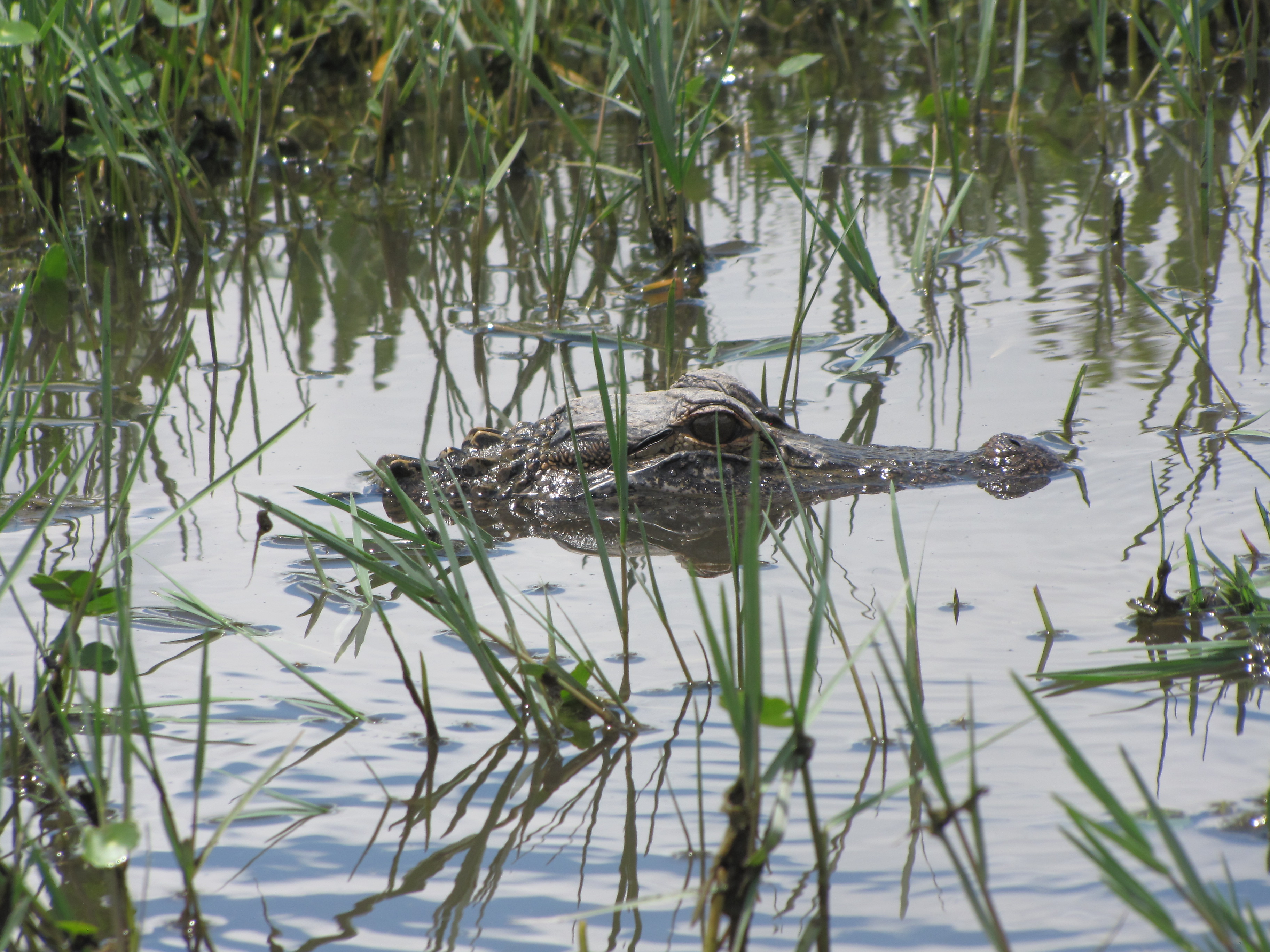
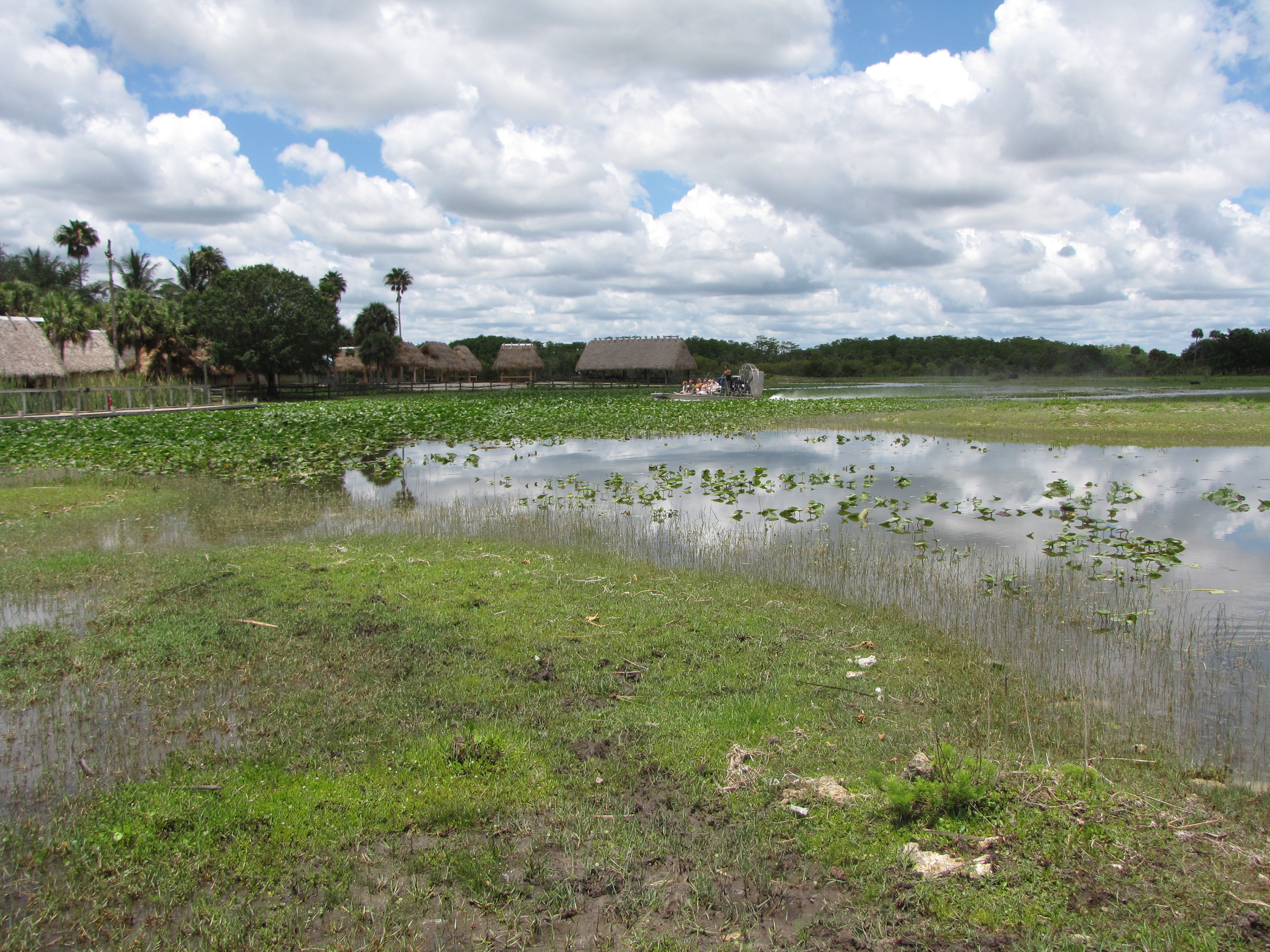
Today I thought I would share a few more pictures from my recent trip to Florida with my husband. These pictures don’t have much to do with geology except that the Everglades is an important geological feature in Florida. These pictures were all taken at the Billie Swamp Safari, which I highly recommend visiting if you’re ever down in southern Florida. Enjoy!
Baby alligators in a pond.A view of the everglades from an airboat.The last airboat tour.Into a cedar forest.A swampy bank.Alligator!Alligator #2!Coming back to the dock on the airboat.
An airboat giving a tourist tour in the everglades.
For this week’s geology picture, I thought I’d share a picture that I recently took in the Florida everglades. My husband and I were recently down in Florida for five days, and one day we visited the Bille Swamp Safari. I highly recommend visiting the safari park, which is located on a Seminole Native American reservation about an hour’s drive from Fort Lauderdale. We spend the whole day at the safari park. We went on an airboat ride and a buggy ride, went to a venomous snake show and a critter (creepy-crawly things) show, we visited various zoo animals (my favorite were the Florida panthers, and we went on a nature walk on a raised walkway through the swamp. If you’re ever in the area, I highly recommend the safari park.














 Georneys