I’m visiting family in New Hampshire at the moment… and also spending a little time with my favorite glacial erratic. I’ve posted about this particular glacial erratic before here and here. For this week’s Monday Geology Picture post I thought I’d share another shot of this stunning glacially deposited boulder. Enjoy!
I have been highly negligent in my blog writing recently. I hope to make up for that over the next few months… starting with writing my “Monday Geology Picture” posts regularly again.
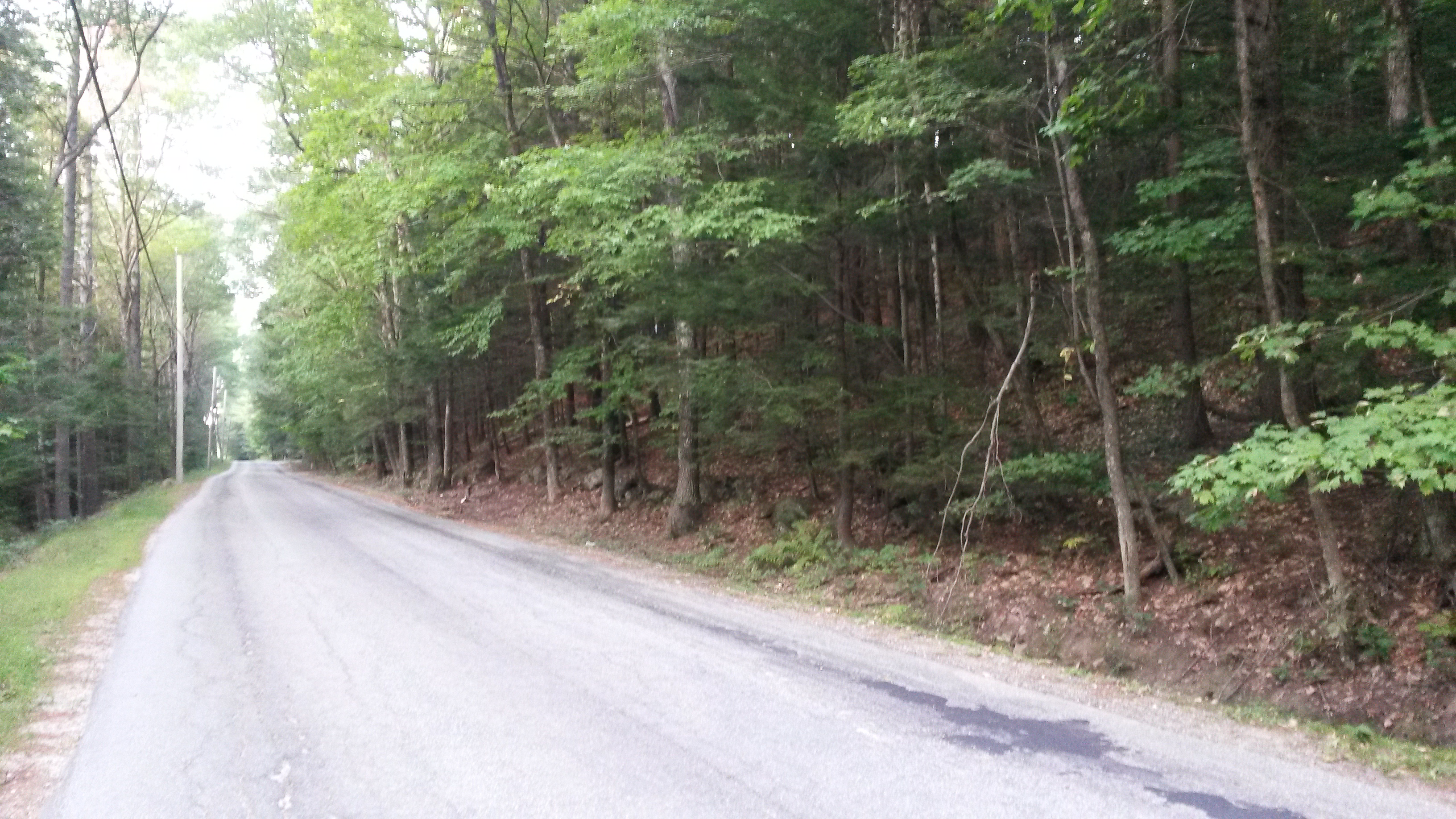
For this week’s picture I’m sharing a picture that I took today in Deering, New Hampshire. The picture shows an old stone wall, now partly covered over by forest. Here in New England one often runs across old stone walls in the forest. These walls are generally remnants showing the outlines of former fields, most likely used long ago for sheep or other animals. Every now and then in the forest you run across other signs of former farming, such as apple trees and old stone foundations. Land use changes over the years, and here in New England much former farmland has returned to forest, albeit new growth forest full of young trees and other vegetation.
Here are a couple more pictures of the stone wall that I saw today:
Stone Wall 2, September 2015.Stone Wall 3, September 2015.
Enjoying a stop at a bench in front of some Sydney sandstone with classic cross-bedding.
Goodness, I’ve been busy recently! I’m afraid that my blogging has been quite neglected… as it has been for the past few months.
However, things have finally calmed down a little now, so I’m going to make an effort over the next few weeks to share some geological pictures from some of my recent travels… and also possibly from some travels in 2014 that I neglected to blog about.
I’ll start with this quick “Monday Geology Picture” post. This week’s picture shows me sitting on a bench in front of some sandstone in Sydney, Australia. This particular sandstone displays some impressive cross-bedding. My husband took this picture when we were on a beachside walk near Bondi Beach back in March 2015. I wish that all benches had such great geological scenery in the vicinity!
This week’s Monday Geology Picture was taken during my recent vacation in Australia. One day my husband and I drove outside of Sydney to spend some time exploring the Blue Mountains. One of the tourist attractions that we visited is a lovely rock formation known as The Three Sisters. This rock formation was carved (by erosion) out of ~250 million year old sandstone.
My apologies that I’ve been very quiet here on Georneys recently. My travel and work schedule were extremely hectic during the past month… plus I was working on a couple of scientific papers related to my PhD thesis research. However, life is a bit calmer now, so hopefully I’ll catch up on some blogging soon! I want to share some more pictures from my trip to Australia, amongst other things.
I’ll start with a few pictures from my recent trip to Namibia. Recently, I had the good fortune to spend a couple of weeks in the Sperrgebiet in Namibia doing some fieldwork on behalf of De Beers. I do not blog about my industry work here on Georneys (unless the work is published and thus in the open domain), so I can’t share the details of my trip. However, I can share a few pictures of some of the “tourist attractions” that I saw during my field work.
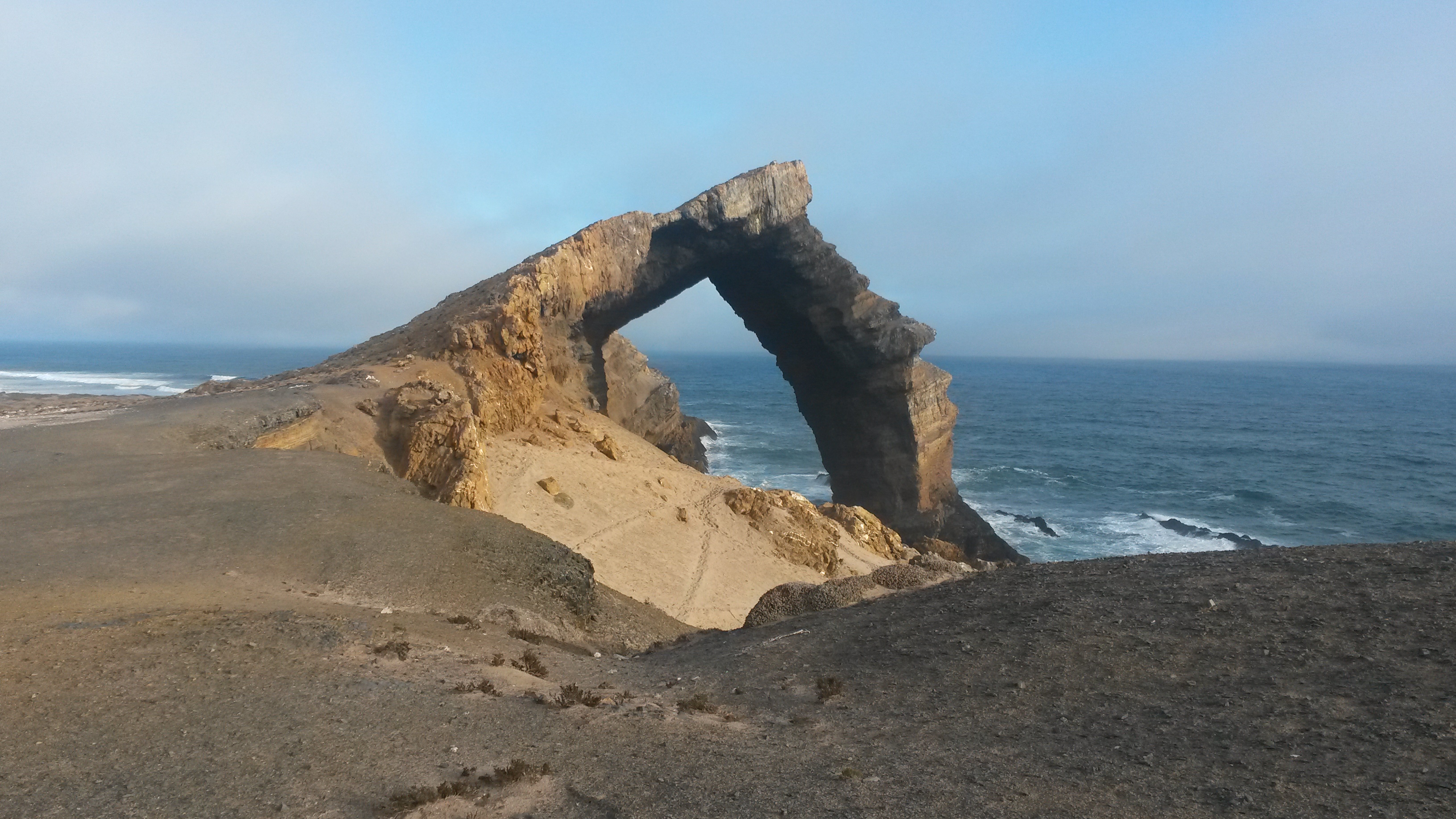
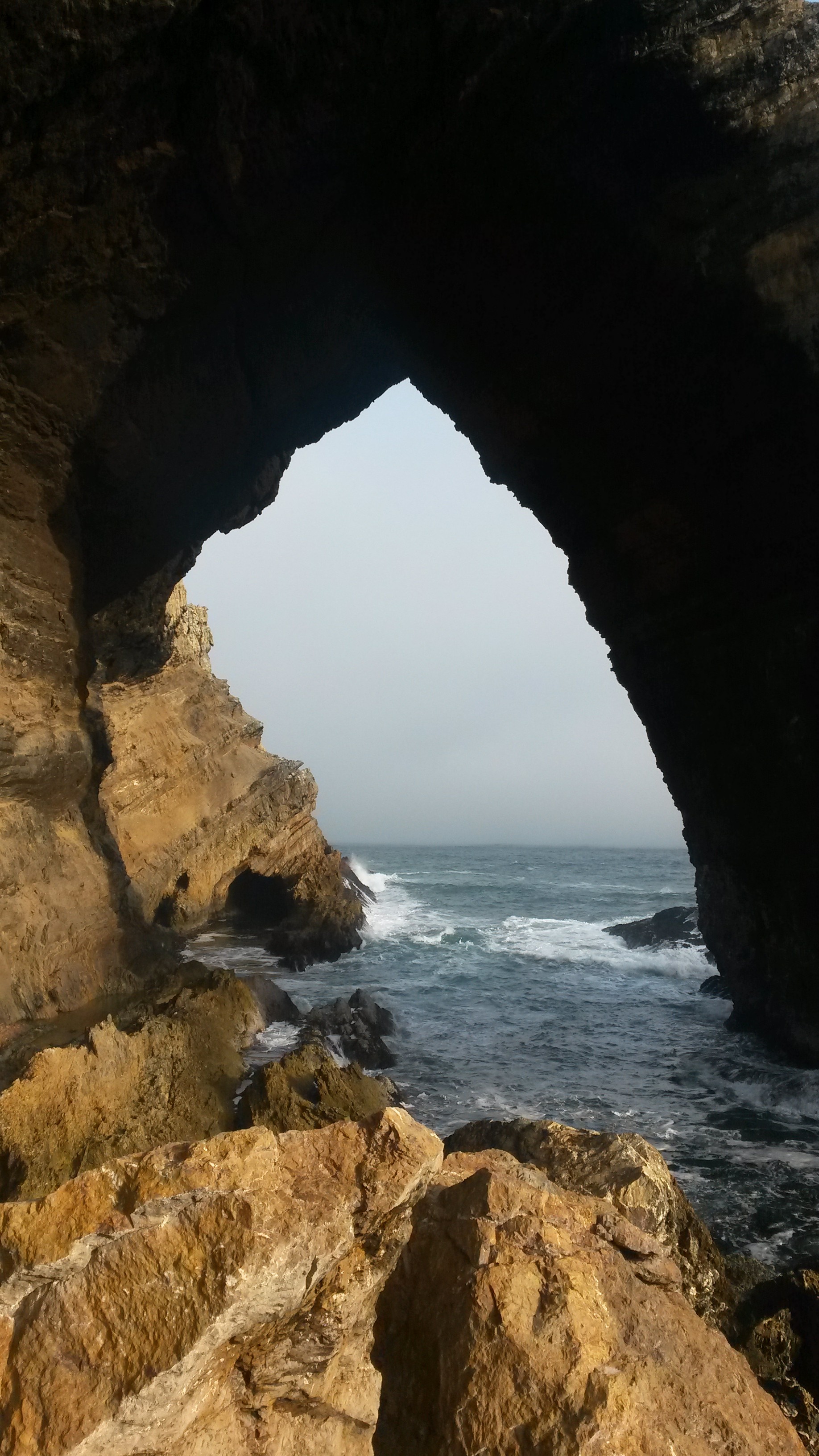
Sperrgebiet means “Prohibited Area” in German (the Germans colonized Namibia, so some German words and town names are still found in the country). The Sperrgebiet is an area in southern Namibia (stretching between Lüderitz and Oranjemund) where very rich placer diamond deposits are found. Since the early 1900s, access to this area has been highly restricted. Even for De Beers employees, special police clearances and permits are required to enter the area, and security remains strict. However, for those who do have access, the Sperrgebiet is a fascinating and magical place. Aside from the fantastic hard rock and sedimentary geology (and wildlife!) that one can see, the area contains a number of historical and archaeological sites. There are a number of abandoned diamond mining “Ghost Towns” that are weathering away in the desert, pretty much undisturbed (by humans, anyway) since they were abandoned tens of years to more than a hundred years ago. For the general public, it is extremely difficult to enter the Sperrgebiet. However, there is one tour company that operates a day trip (from Lüderitz) to Pamona, one of the abandoned diamond mining towns, and the Bogenfels Rock Arch, which is the subject of today’s post. If you ever find yourself in southern Namibia, I highly recommend the tour although you must remember to submit paperwork for the tour well in advance. Even tourists require a permit to enter the Sperrgebiet!
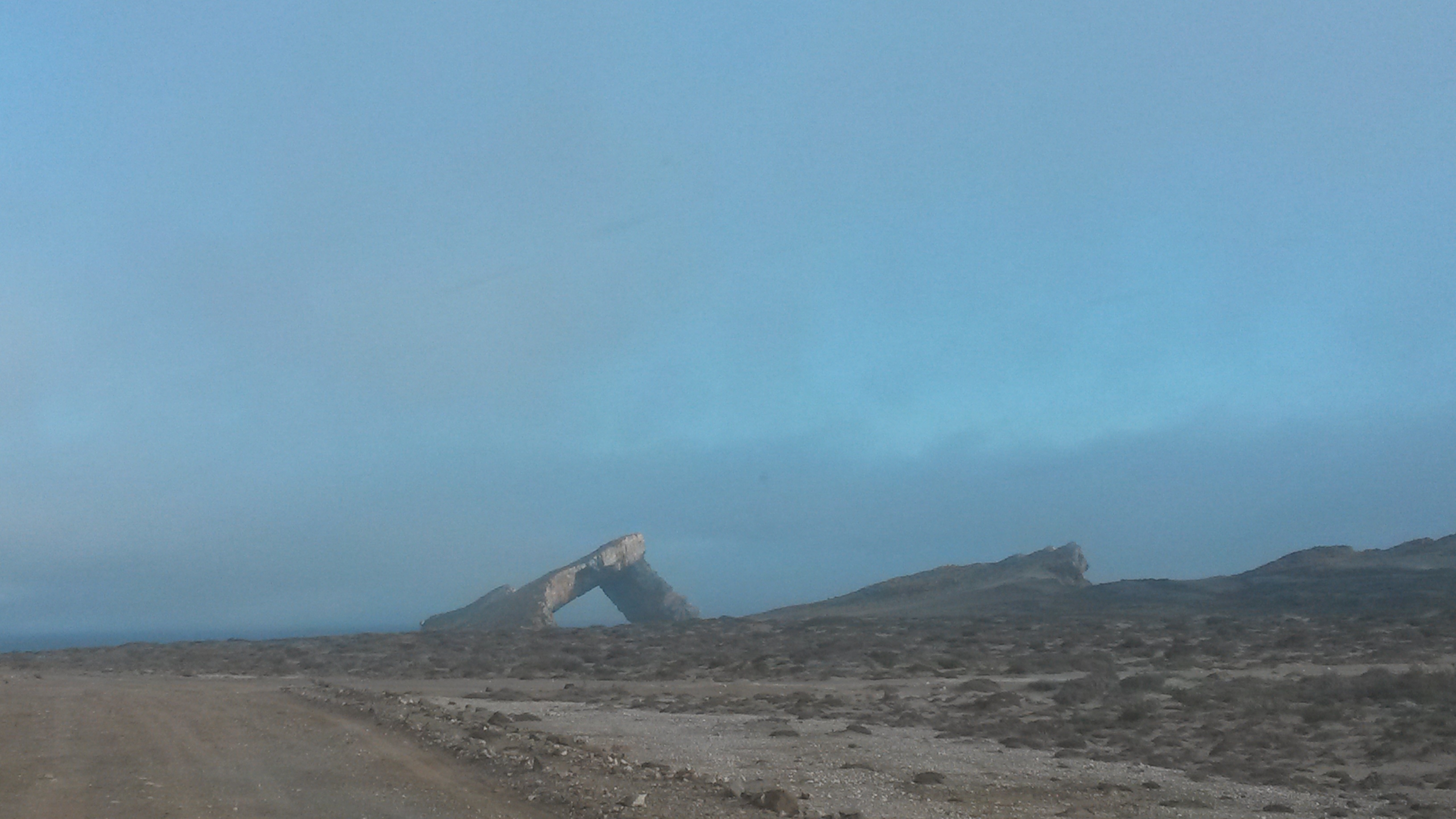
Without further ado, I present a few more pictures of the impressive Bogenfels Rock Arch below. From what I understand “Bogenfels” actually means “Rock Arch” in German. Certainly, the arch is an impressive feature located right on the coastline.
Bogenfels Rock Arch #2 – from a distance.Bogenfels Rock Arch #3.Bogenfels Rock Arch #4.
That’s all for now… stay tuned for a few more pictures from Namibia!
South Africa is currently facing a significant shortage of electricity. Recently, there have been regular periods of “load shedding” or planned power outages. Basically, there is often not enough power to go around, so the power is purposely turned off on a rotating schedule. In the neighborhood where I live and work in Cape Town, the power is regularly turned off for two hours a day or sometimes for four or more hours per day. As you can imagine, these regular power outages are quite disruptive to work and home life and certainly have a negative impact on the economy.
There is a great need for more power sources here in South Africa. Thus, I was quite pleased when I recently drove past a relatively new wind farm near Jeffrey’s Bay, South Africa. As the wind turbines spun, I smiled thinking about the power that they are diligently producing. Although wind farms will probably only play a small role in solving South Africa’s energy crisis, every little bit helps. Also, every megawatt of power produced by a wind farm is one less megawatt of power than needs to be produced by “dirtier” carbon emitting power plants, such as coal plants.
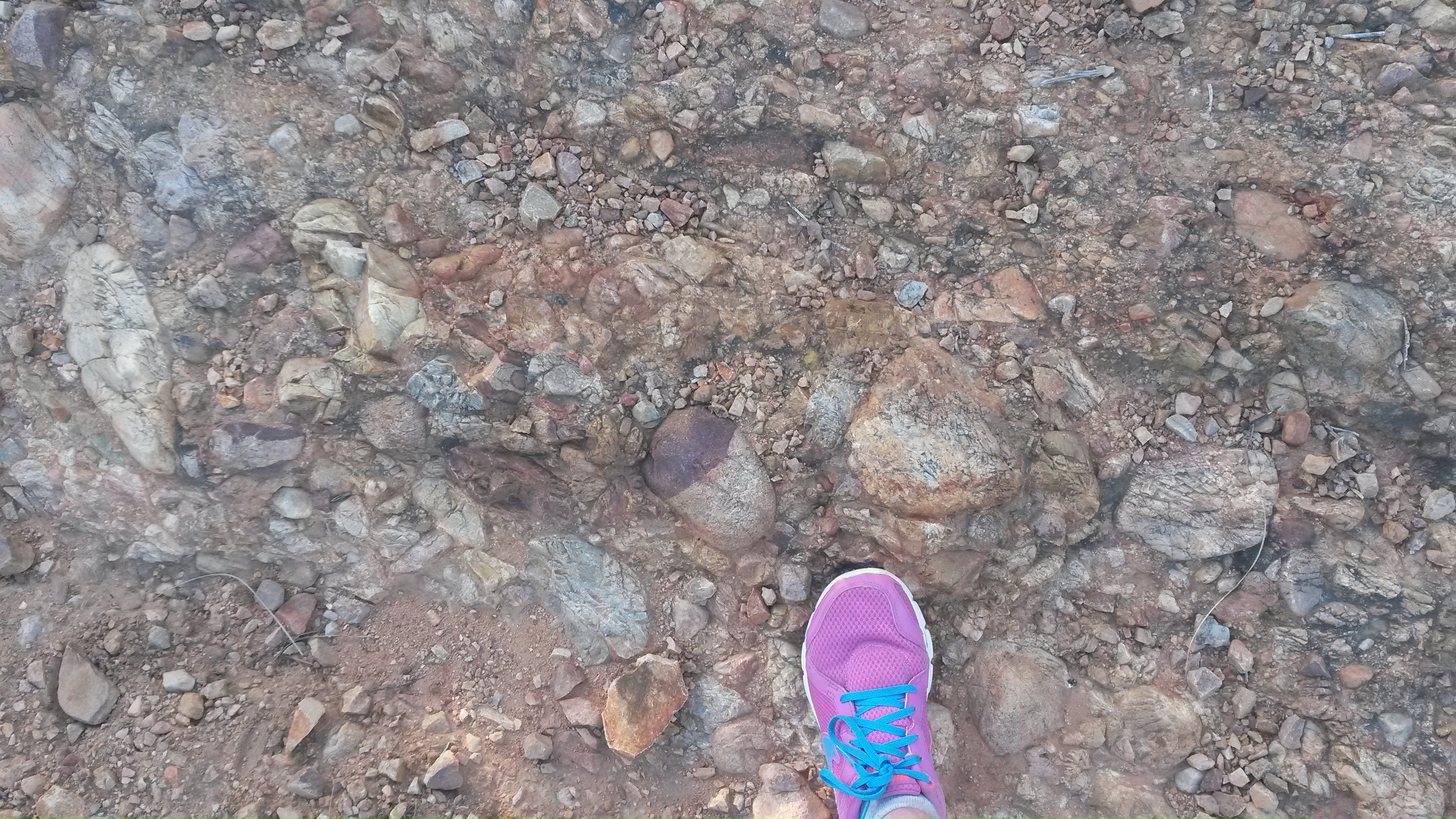
A couple of weeks ago I spent part of a weekend staying near Oudtshoorn, South Africa. During a hike, I walked by and, at times, across a beautiful Cretaceous age conglomerate. Here’s one image of the conglomerate, taken when I hiked across it. I’ll share some more pictures in another post.
Sandstone building stones used in a bridge in North Sydney.
During my recent travels in Australia, I noticed quitea bit of sandstone around Sydney. Therefore, I was not particularly surprised to also see quite a few sandstone building stones around the city. For example, the stones shown in the above picture, which shows part of a bridge in North Sydney.
By the way, I’m back home in South Africa now and won’t be travelling for a little while. So, I hope to have time to write up several posts on my recent Australian trip. Stay tuned!
Sandstone with iron oxidation coloration and bedding.
I’m still in Australia at the moment but will be home in a few days. I’m looking forward to writing up a few blog posts about some geological sights in Australia once I’m back home. For now, though, here’s a picture showing another beautiful example of sandstone in the Sydney area. This picture was taken at the Sydney Zoo. The red and orange colors are a result of iron oxidation. The white is sandstone that lacks a color change from iron oxidation. Some bedding is also visible in this sandstone outcrop.









 Georneys