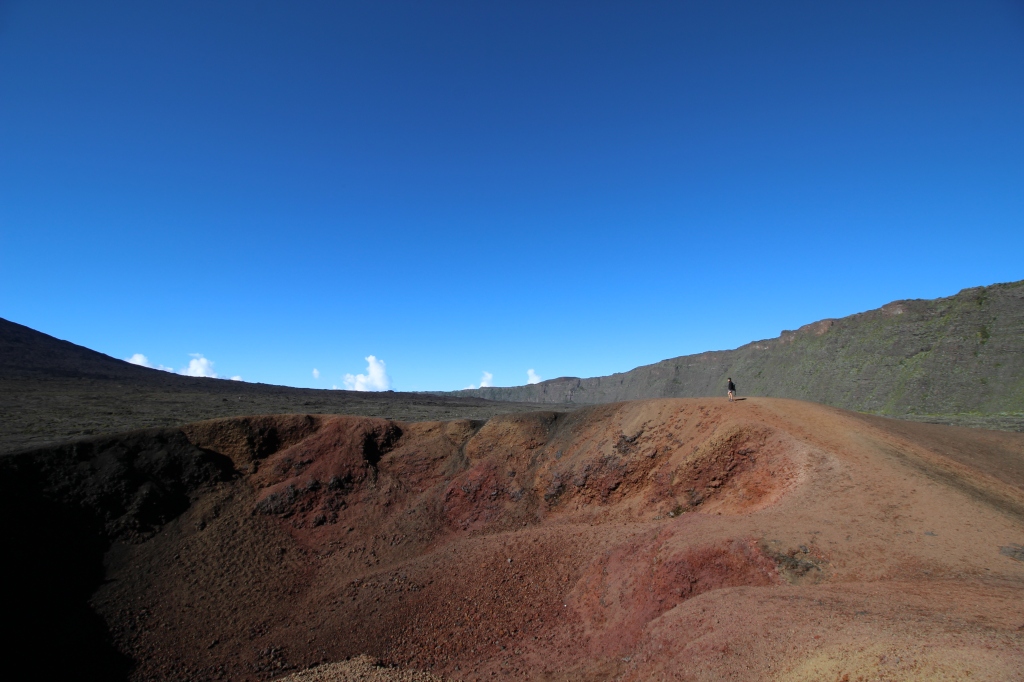
Monday Geology Picture: Another View of Formica Leo Volcanic Crater

A closer view of the volcanic crater. Note the person for scale.

Last week I shared a picture of the beautiful and impressive Formica Leo, a volcanic crater located at the Piton de la Fournaise volcano on Réunion Island in the Indian Ocean. Last week’s picture showed the crater from a distance. You can just barely make out some small people in last week’s picture, to give you some sense of scale. However, I thought I would share a closer view of the crater this week. This picture, which was taken as we hiked around the rim of the crater, shows a person and gives you a sense that this crater is actually pretty large, if small compared to the overall volcano. The background also gives you a glimpse of the edge of the larger volcanic feature in which this small crater sits. You can see some lava flows on the cliffs in the background.

Stay tuned for more pictures and information from Réunion — there’s much interesting geology to share!

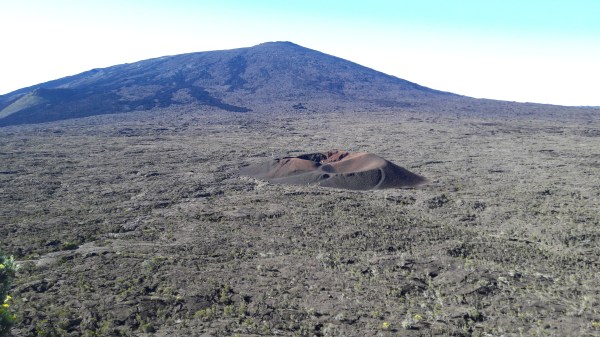
Monday Geology Picture: Formica Leo Volcanic Crater

A gorgeous volcanic crater known as “Formica Leo”. Note the people for scale – click to enlarge image.

Today I’m sharing a picture of the stunning Formica Leo (foreground), a volcanic crater located at the Piton de la Fournaise volcano on Réunion Island in the Indian Ocean. My husband and I hiked up this crater when we visited the island for a holiday last year. We also hiked up to the top of the volcanic hill in the distance — crossing over a number of lava flows of various ages. If you ever have the chance, I highly recommend a visit to Piton de la Fournaise — and to Réunion in general. We certainly plan to go back within the next couple of years.

Monday Geology Picture: Newcastle Coal

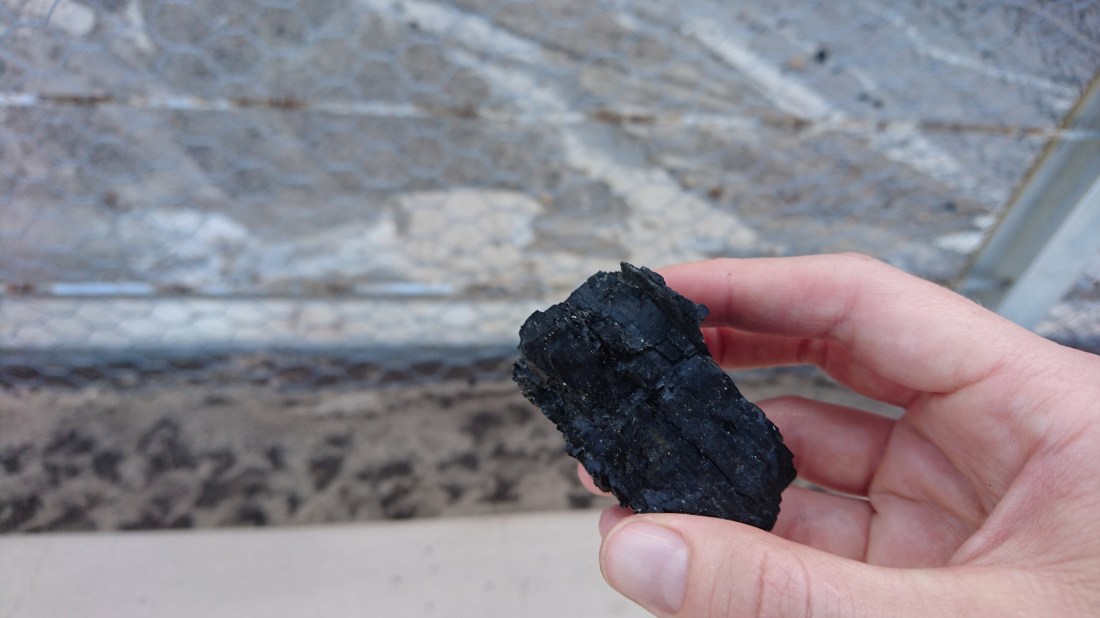
A piece of coal in my hand — freshly fallen from an outcrop.

During my recent trip to Australia, I was able to pick a piece of coal off of the ground — something that I’ve never done before. I was in Newcastle, a coal mining region, for a conference. One evening I went for a walk along the beach, where coal seams are visible in outcrop. The picture above shows a piece of coal that I picked up off of the beach walking path. Pretty neat! I’ll blog a little more about Newcastle coal when I have a chance — stay tuned!

Monday Geology Picture: Weathered Sandstone at Cottage Point, Australia

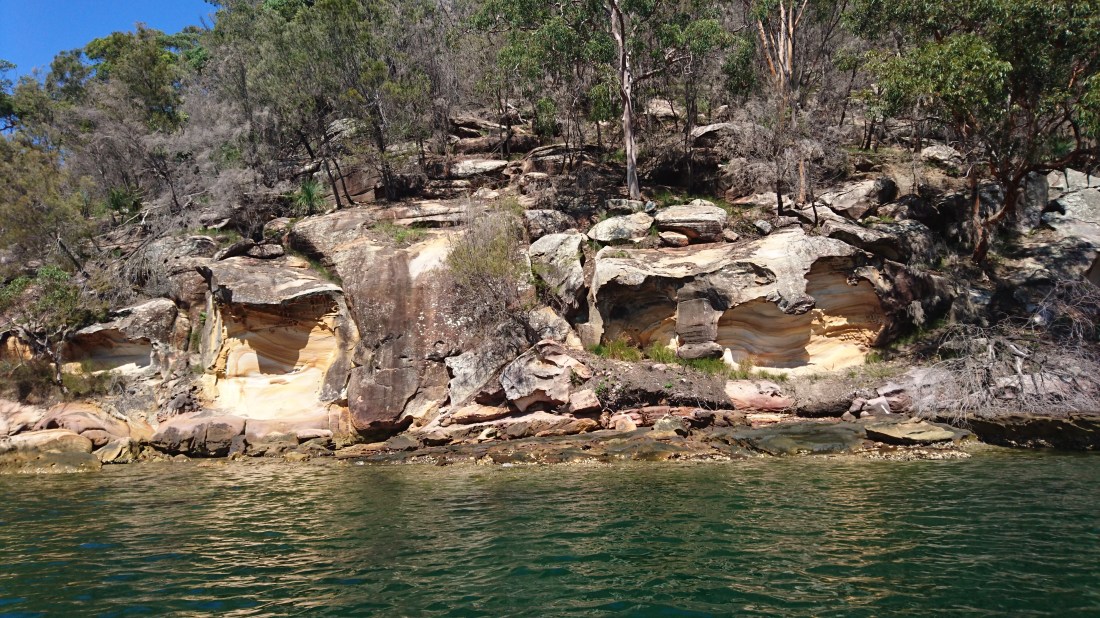
Weathered sandstone exposure at Cottage Point, Australia.

Here’s another picture from my recent trip to Australia. This picture shows a weathered  sandstone outcrop that I saw (by kayak!) at a place called Cottage Point. You can see fresh banded sandstone (light in color) underneath a darker weathering rim. Weathering has created some very interesting shapes in this outcrop!

There are quite a few sandstone rocks in the Sydney area. They are frequently used as building stones — for example, the ones I shared in an earlier post.

Monday Geology Picture: A Living Fossil Tree

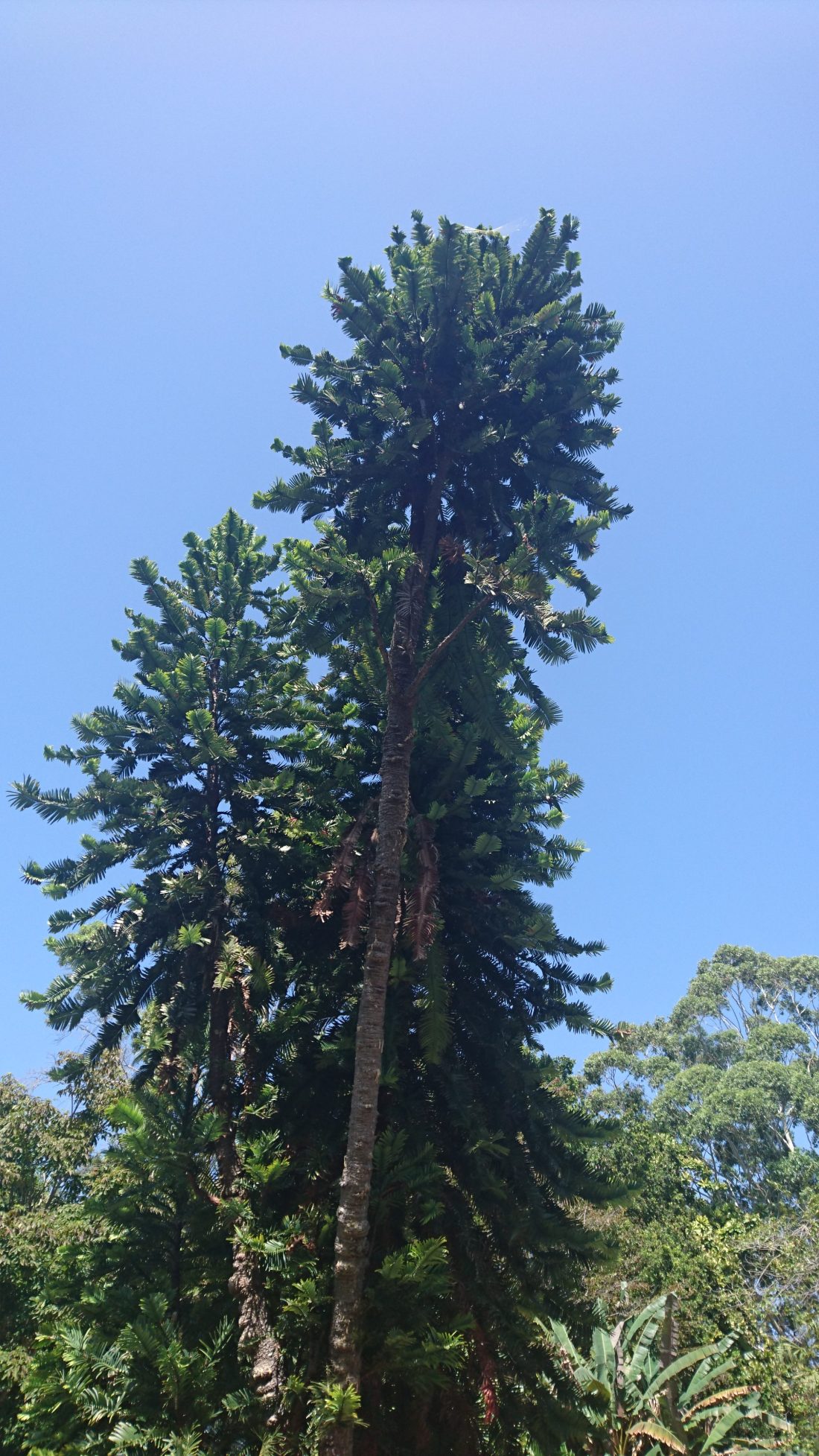
The majestic Wollemi Pine — it certainly looks like a tree that grew during the time of the dinosaurs! And it did grow at that time!

Today is my last day in Australia. Today, my family, some friends, and I spent a few hours exploring the Royal Botanic Garden in Sydney. There are many beautiful and amazing plants in the garden. However, one plant in particular caught my eye: the Wollemi Pine, which is considered a living fossil because until the tree was discovered in the 1990s it was only known from the fossil record. The Wollemi Pine is critically endangered, with only few wild trees remaining in remote sandstone gorges located about 150 km outside of Sydney. While wild trees are uncommon, cultivated trees have become fairly common. In fact, you can buy your very own Wollemi Pine tree in the garden gift shop. I didn’t buy one because I live in South Africa, but if you’re in Australia you should consider buying one to add to your garden.

Here’s a sign board with a little more information about the tree:

Sign board next to the tree. Click to enlarge.

Monday Geology Picture: Sandstone Building Stone

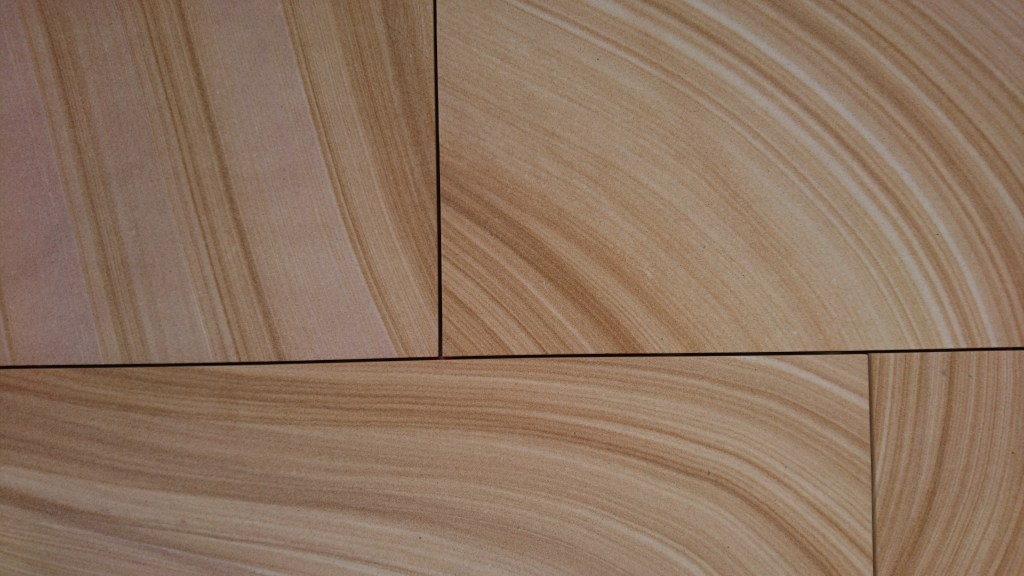
Gorgeous sandstone building stones.

I’m currently on the east coast of Australia, where local sandstone is commonly used as a building stone. Above is a picture that I took this morning. This picture shows some beautiful building stones on display at the University of Newcastle. The cross-bedding and variable coloration of the sandstone layers is just gorgeous. What a lovely building stone!

Monday Geology Picture: Great Barrier Reef View

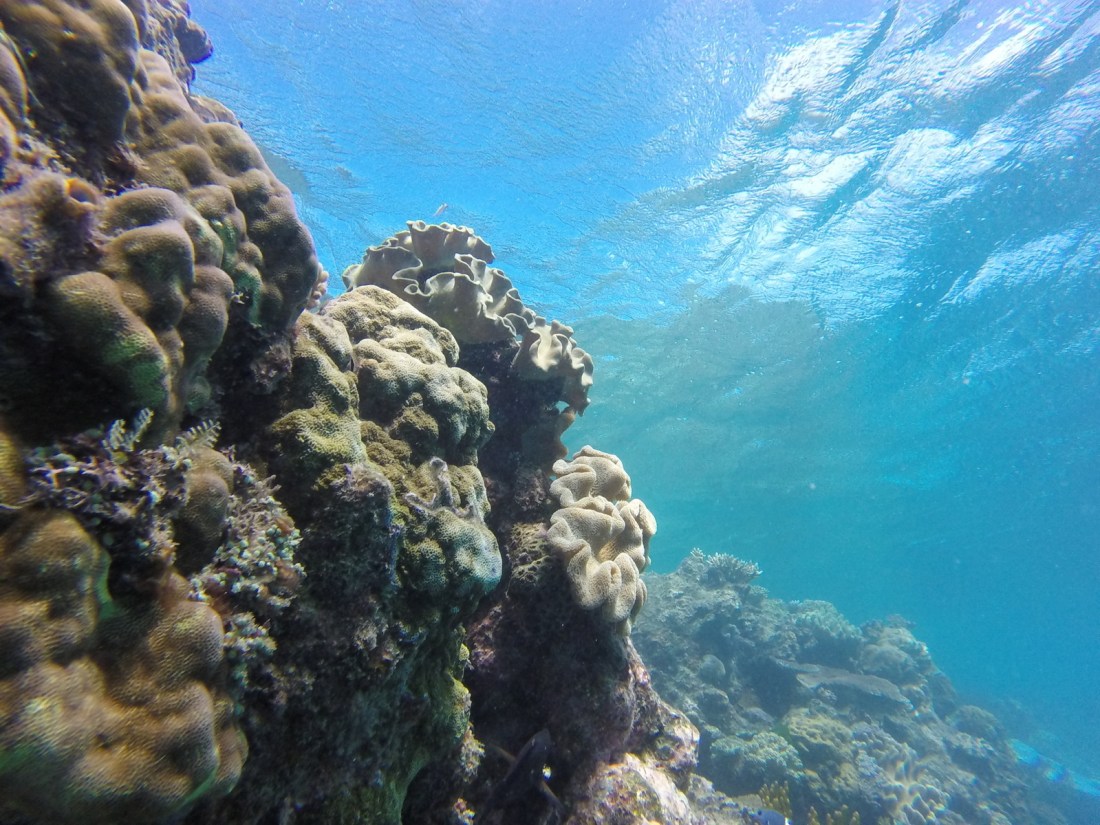
Underwater view of the reef, taken offshore of Port Douglas.

My family and I are flying to Australia tomorrow, so for this week’s “Monday Geology Picture” I thought I would share a view of the Great Barrier Reef that we took when we last visited Australia back in 2015 — before the serious coral bleaching events of 2016 and 2017. I’ll be sharing more Australia pictures soon, so stay tuned!

Monday Geology Picture: Airplane View of Table Mountain

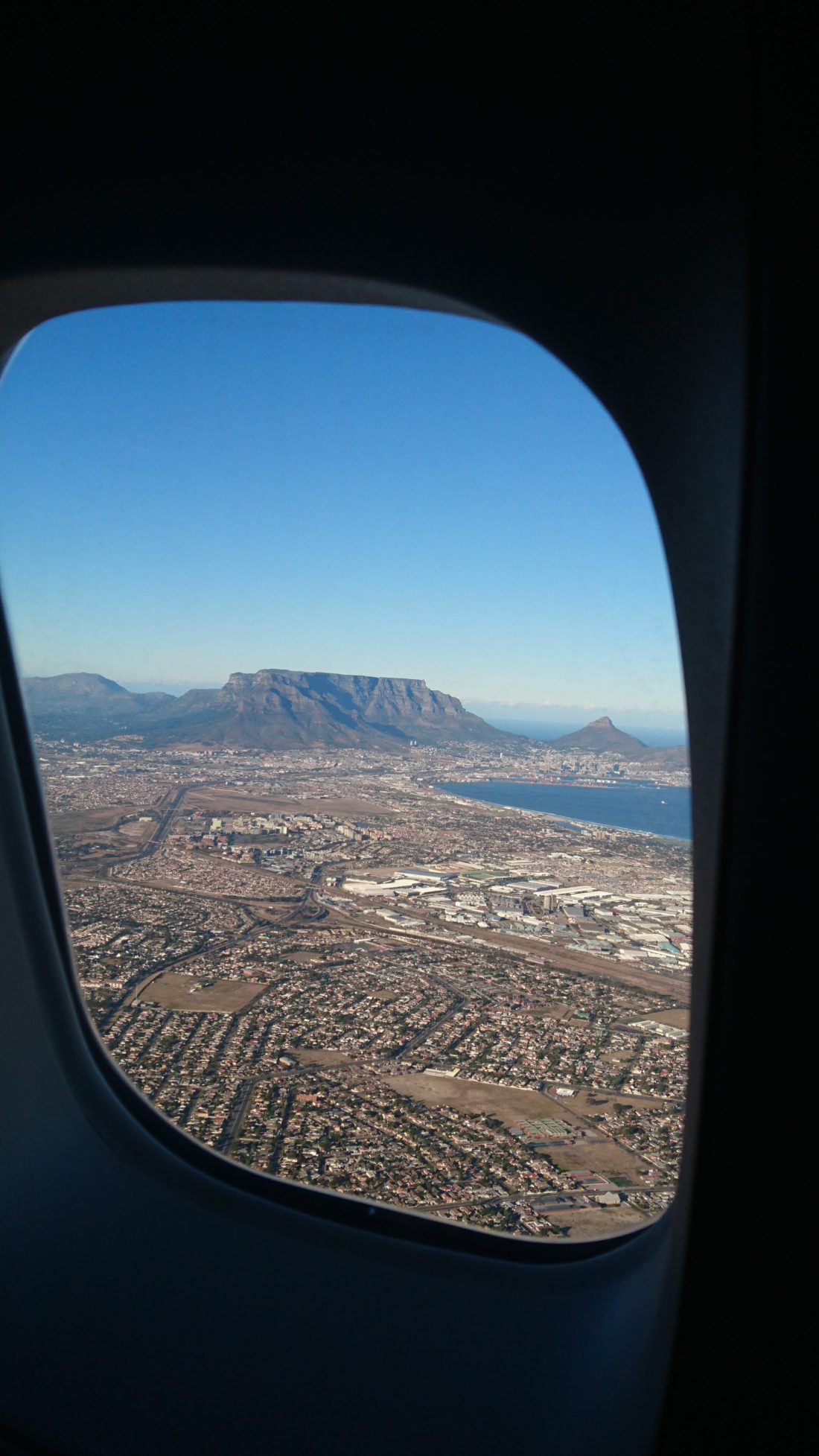
Airplane window view of beautiful Cape Town.

Yesterday morning I flew back to Cape Town after a business trip. I arrived a little after 7 am and was treated to a stunning view of Table Mountain and Lion’s Head as I flew in. I’m sharing a picture I snapped of that view as this week’s geology picture. Here’s a closer look as well:

A closer look at the mountain.

I am lucky to live in such a beautiful city! However, you can see that the city is looking somewhat brown and dry, due to the drought and water restrictions. No one is watering their gardens!

Monday Geology Picture: Nooitgedacht Glacial Pavement

Sitting on top of the glacial pavement.

Today I’m continuing with my recent theme of blogging about glacial pavements, and I’m sharing a picture of me sitting on top of a glacial pavement at Nooitgedacht, which is near the town of Kimberley in South Africa. I’ll share more pictures and information about this pavement soon. For now, however, you can read a little about the pavement on Wikipedia here. Although this pavement is located about 700 km away from the pavement at Oorlogskloof (which I blogged about recently), it was carved by the same 300 million year old Dwyka glaciation!