Monday Geology Picture: Written in Stone

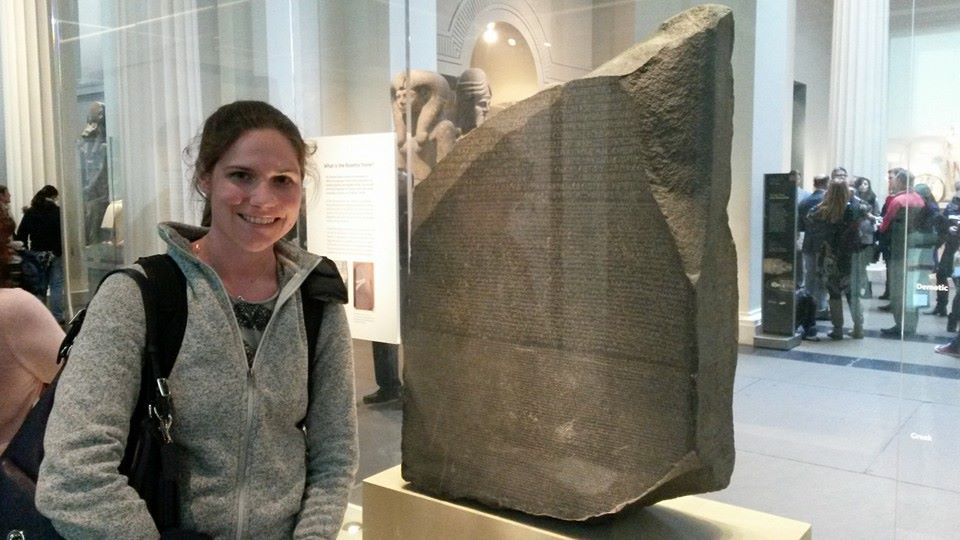
Yours truly posing with the Rosetta Stone at the British Museum. November 2014.

A few weeks ago I flew from the USA back to my home base of Cape Town, South Africa. During the journey, I had a long layover in London, so I left the airport for awhile and did some sightseeing. Among other touring, I spent several hours at The British Museum, where I saw many interesting artefacts. The most fascinating and awe-inspiring artefact that I saw was a slab of granodiorite. Now, a slab of granodiorite may not sound like much. After all, granodiorite is a common rock type. However, this particular slab of granodiorite has some words written on it. Specifically, it has an Ancient Egyptian royal decree written on it in three different scripts: Ancient Egyptian hieroglyphs, Demotic (another type of Ancient Egyptian script), and Ancient Greek. That’s right… this granodiorite slab is the Rosetta Stone, the artefact that allowed modern linguists to decode the meaning of Ancient Egyptian hieroglyphs. After linguists puzzled out the text on the Rosetta Stone, people were, for the first time in centuries, able to read hieroglyphs. This makes the words on the Rosetta granodiorite some of the most important ever to be written in stone. Discovered in 1799, the Rosetta Stone has been on display at The British Museum since 1802. The picture above shows me visiting the Rosetta Stone in November 2014.
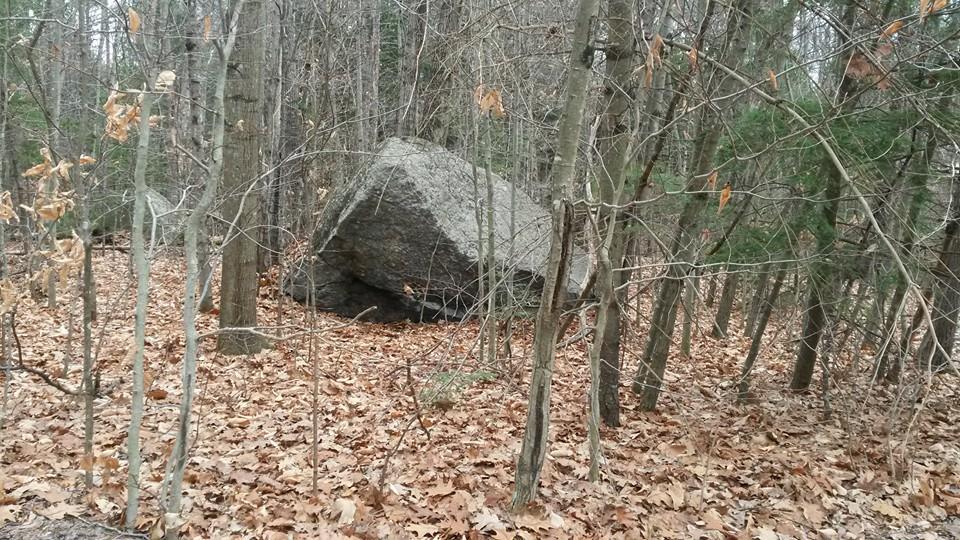
Monday Geology Picture: A Glacial Erratic in the New Hampshire Woods

A glacial erratic in the woods near the Mervine Family Cabin in New Hampshire.

I spent the last two weeks of November visiting my family in New Hampshire. While I was in the US, I went on some long jogs and walks and took pictures of some glacial erratics, which can be found all around the Mervine Family Cabin in southern New Hampshire. This week’s “Monday Geology Picture” features a glacial erratic in the woods just down the road from the cabin. This large, angular rock was deposited during the retreat of the last ice age.

Monday Geology Picture: Sand Sign at Kolmanskop

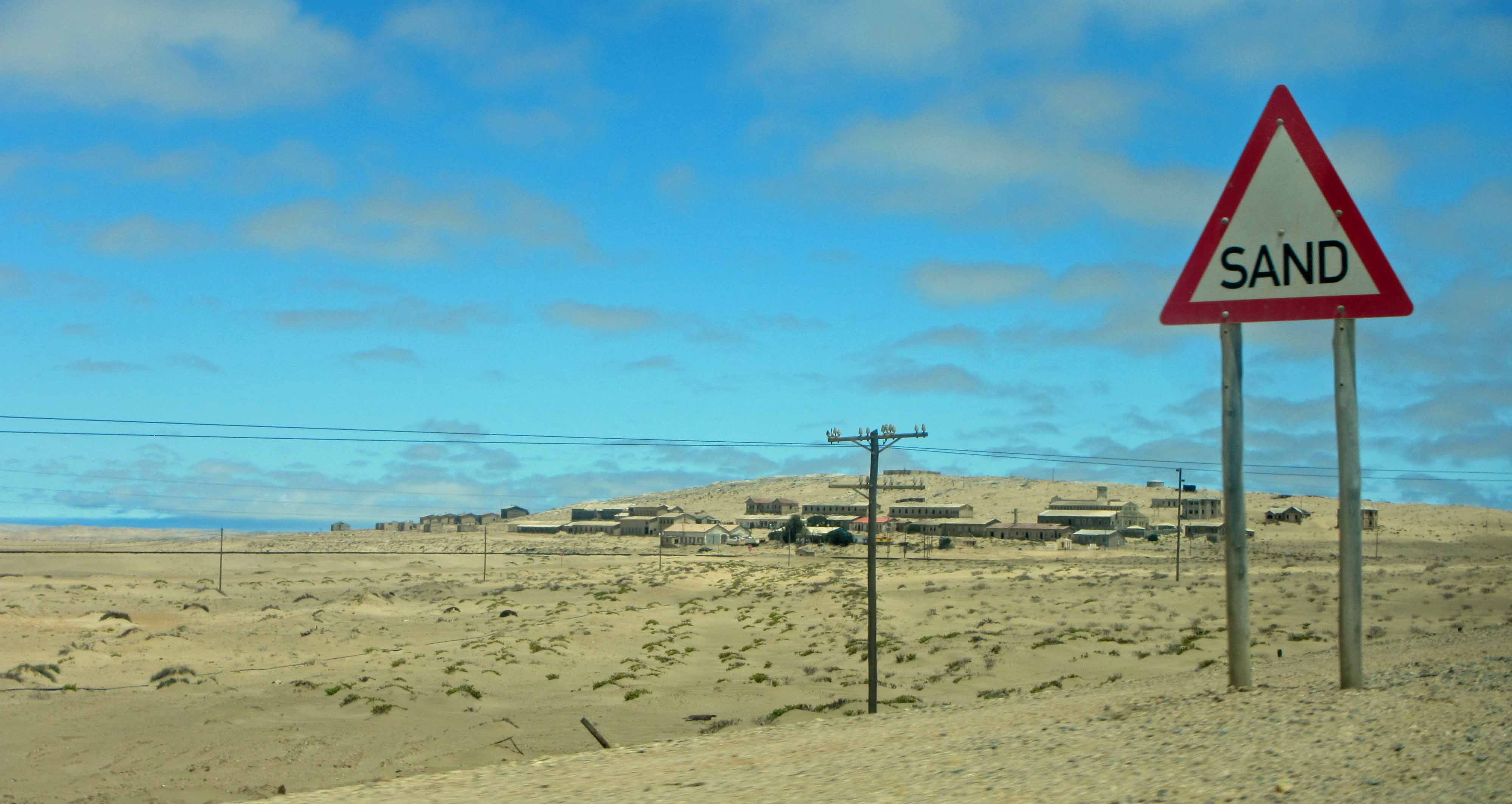
An appropriate sign near Kolmanskop, Namibia.
A road sign near Kolmanskop, Namibia.

For this week’s “Monday Geology Picture” I’m sharing another picture from Kolmanskop, an abandoned diamond mining town in Namibia. Many of the buildings at Kolmanskop have been partially filled with sand. You can see more of my pictures from Kolmanskop here. When you drive along the paved road near Kolmanskop, you pass a roadside warning sign that says “Sand”. I suppose that the sign is warning drivers about sand covering the road or perhaps sandstorms creating poor visibility for driving, but when I saw the sign I thought that it was quite funny because it really states the obvious. Of course there is sand in the Namib Desert, especially at Kolmanskop!

Does anyone else have pictures of fun geologically themed roadsigns?

Monday Geology Picture: A Few Fossils

A few fossils on display at a booth at the Gilsum Rock Swap in New Hampshire in June 2014.

My work schedule is still keeping me quite busy, but some more in depth blogging will be coming soon… I’ve put in a couple of weeks of leave for later in November and December. In the meantime, here’s another “Monday Geology Picture” to tide my readers over. I snapped this picture of a few fossils at a booth at the Gilsum Rock Swap in New Hampshire in June 2014.

Monday Geology Picture: Peridot at the Smithsonian

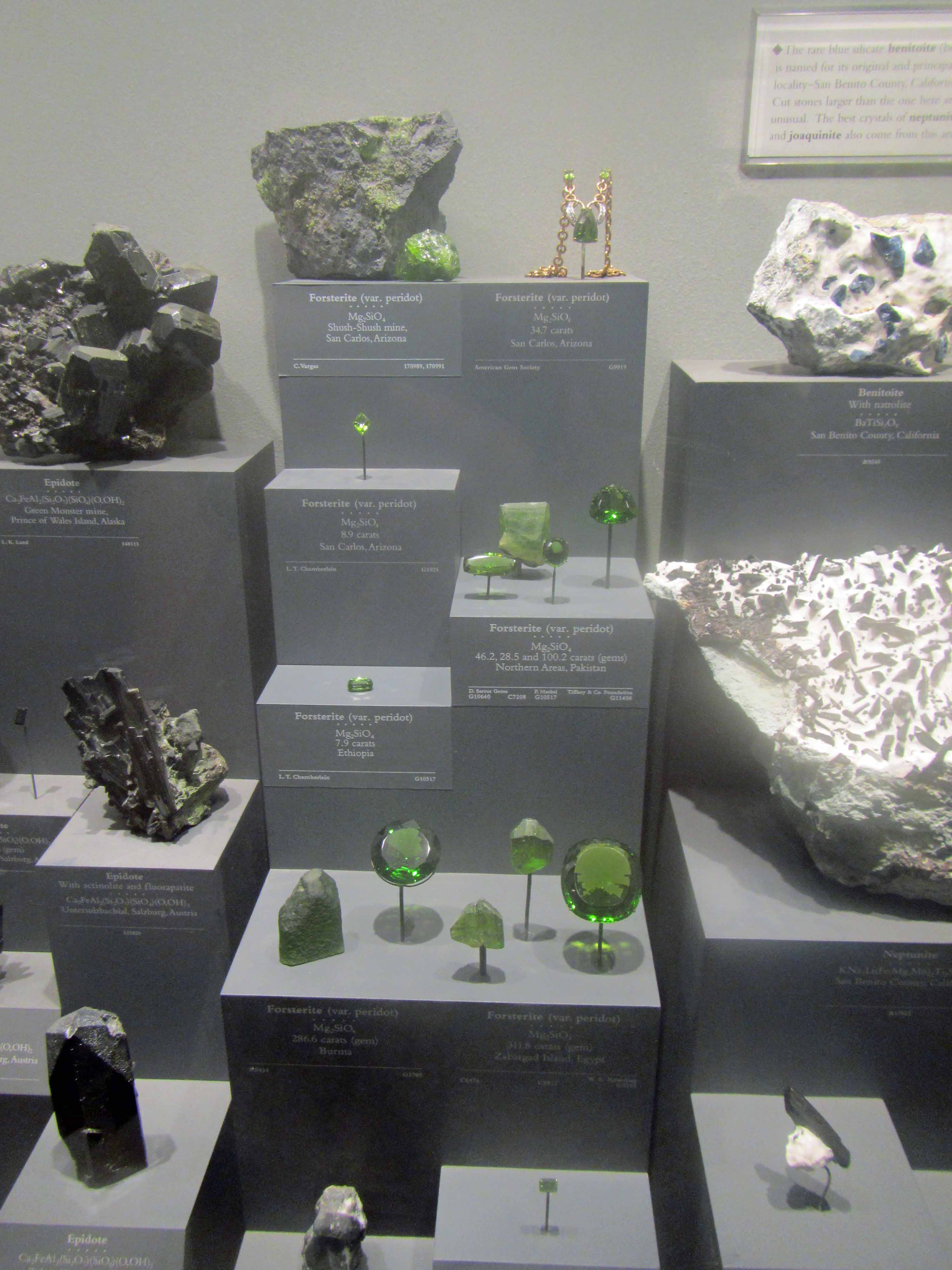
Pretty peridot on display at the Smithsonian, June 2014.

For this week’s “Monday Geology Picture” I thought that I would share another image from my recent (June 2014) trip to the Smithsonian Natural History MuseumPeridot is my favorite gemstone, and I saw some truly stunning peridot gemstones on display at the Smithsonian. Aren’t they lovely?

Here’s a closer view of some of the pretty peridot gems:

A closer view of some of the pretty peridot gemstones.
Five pretty peridots.

I’m still in the field, but when I’m back home in a few days I hope to catch up on some blogging… stay tuned!

Monday Geology Picture(s): Geological Sampling on the Moon

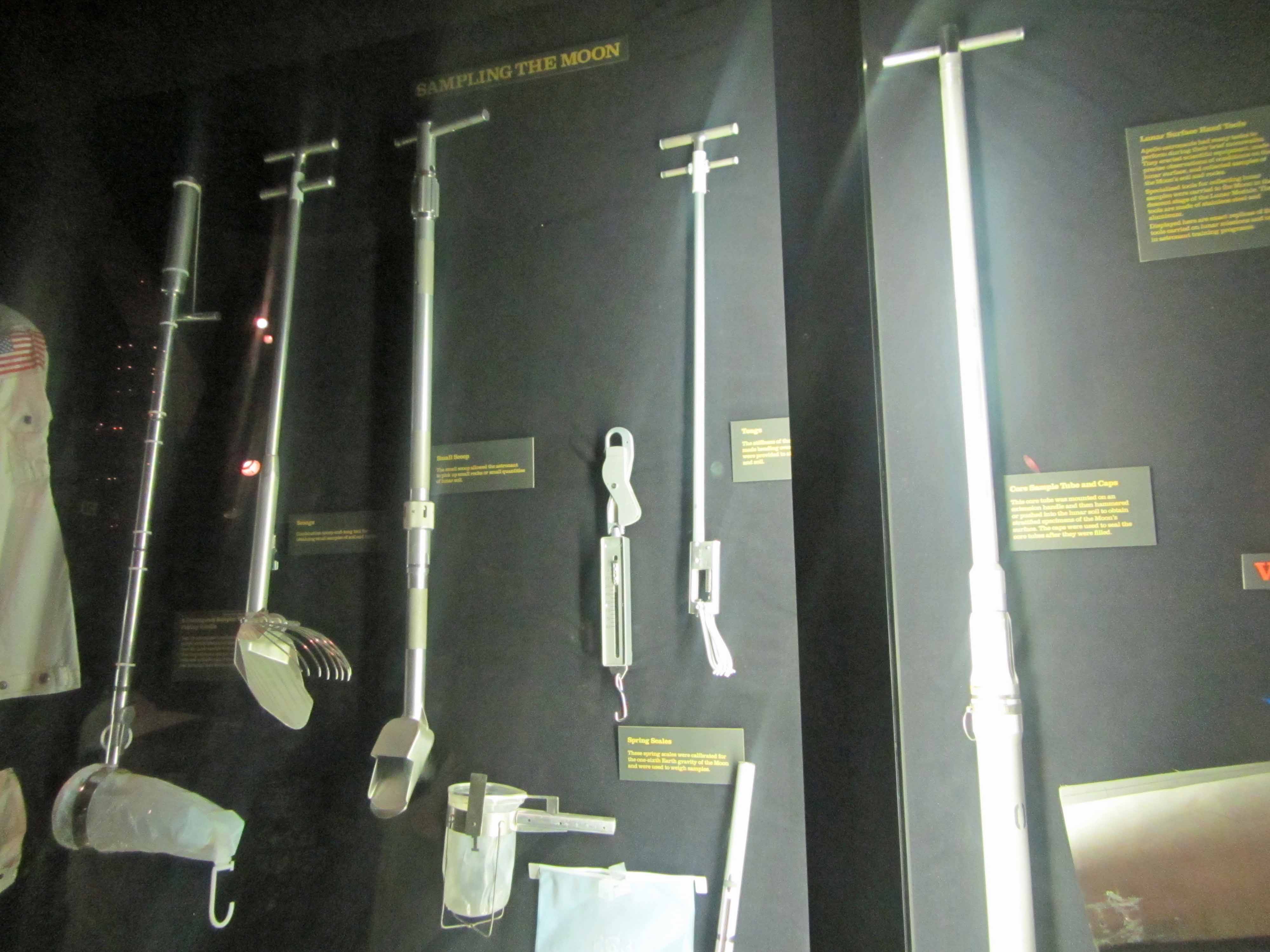
Lunar geological sampling tools #1.

If you think that regular geological field work and sampling can be challenging, try doing those tasks in a spacesuit. During my recent (June 2014) trip to Washington, DC, I visited the Smithsonian Air and Space Museum. Among many wonderful things, I saw a display that included some sampling tools that astronauts in spacesuits used to help them collect samples from the lunar surface during the Apollo missions. You can read more about these sampling tools here, and you can read more about the geology of the moon here.

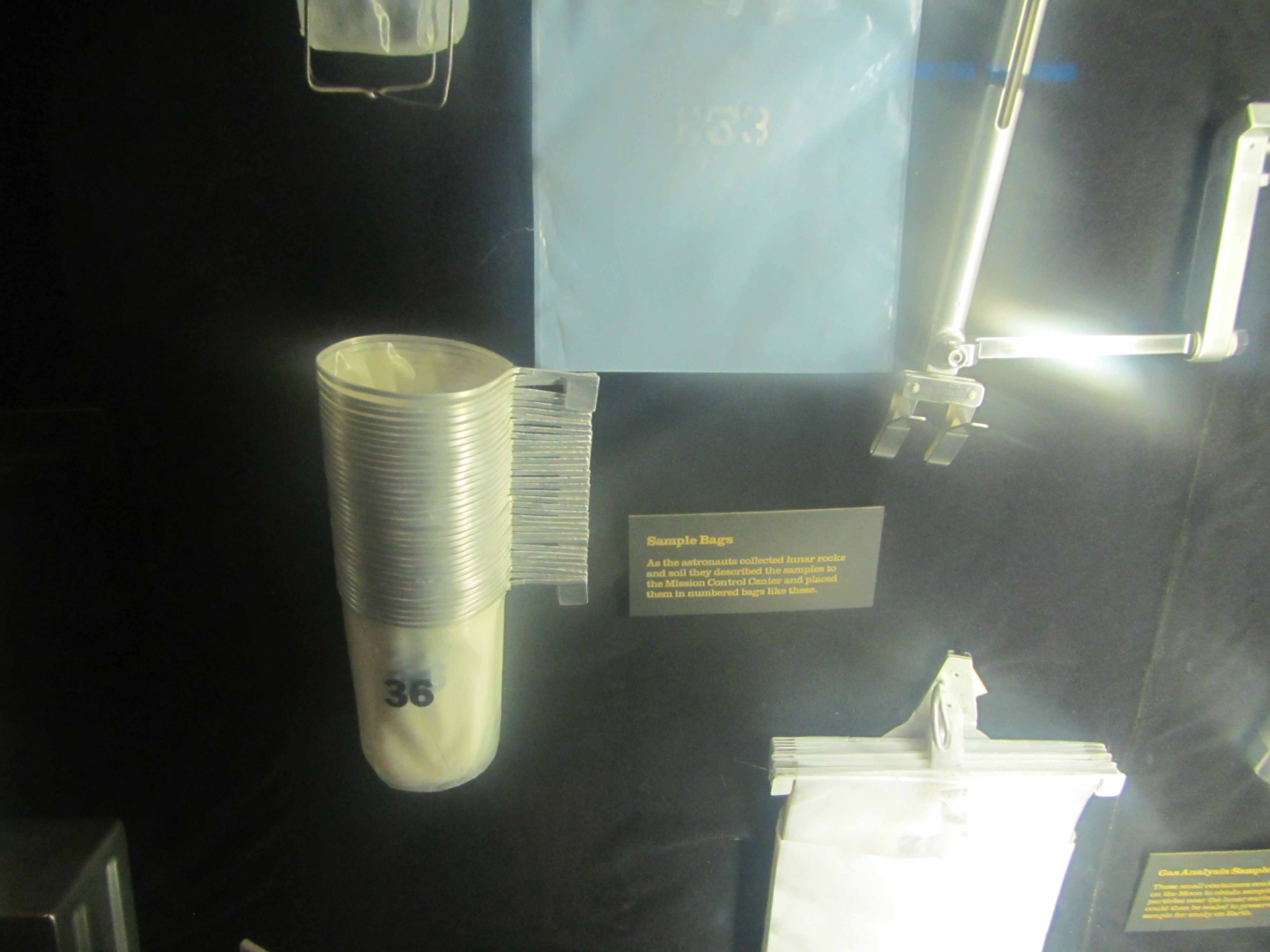
Below are a few more pictures of the lunar geological sampling tools. My apologies for the poor quality of the images The displays were difficult to photograph with my point-and-shoot camera.

Lunar sampling #2.
Lunar geological sampling tools #2.
Lunar geological sampling tools #3.
Lunar geological sampling tools #4.
Lunar geological sampling tools #5.

Monday Geology Picture: A Mineral Rainbow at the Smithsonian

MineralRainbow
A mineral rainbow on display at the Smithsonian Natural History Museum, June 2014.

Minerals come in a rainbow of colors. Sometimes, mineral color is a result of the mineral’s composition. For example, azurite is always blue. Other times, mineral color is a result of small quantities of trace elements or structural defects in the mineral. For example, quartz, one of the most common minerals, is most often clear or white but can be other colors such as rose pink, yellow, purple, and even brown. The rose pink color, for example, is a result of trace amounts of titanium, iron, or manganese. Thus, it can be difficult to impossible to identify minerals by color alone. Other physical attributes, such as hardness, density, shape, and luster, must also be considered to properly identify a mineral.

I visited the Smithsonian Natural History Museum in Washington, DC, back in June 2014. The museum has very impressive displays of rocks, minerals, and gemstones. I spent a few hours looking at the displays although I unfortunately found myself in the midst of throngs of summer visitors. Despite the crowds, I enjoyed looking at all of the mineral displays, and I even managed to take a few halfway decent snapshots. However, the displays are much more impressive in real life.

This week’s “Monday Geology Picture” shows a mineral rainbow display at the Smithsonian Natural History Museum. What a wonderful display of red-orange-yellow-green-indigo-violet minerals!

Monday Geology Picture: Cape Town from the Sea

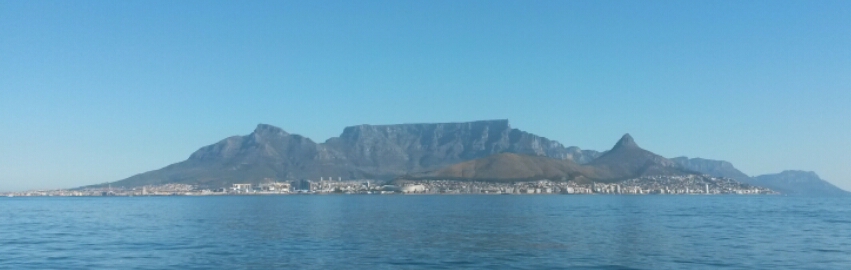
Table Mountain viewed from the sea. Bon Voyage, Cape Town!

On Saturday, I unexpectedly had to hop on a ship for a month for a work trip. So, blogging may be a little bit light over the next month. I’ll try to post when I can, but I’ll be limited by the slow shipboard internet.

As the ship was leaving Cape Town on Saturday afternoon, I enjoyed some stunning views of Cape Town from the sea. The picture above shows a beautiful view of Table Mountain with the city of Cape Town in front of it.

Monday Geology Picture: U-Shaped Glacial Valley, Seward Peninsula, Alaska

A U-shaped glacial valley on the Seward Peninsula outside of Nome, Alaska. Picture taken Summer 2013.

When glaciers erode landscapes, they often leave behind characteristic U-shaped valleys. This week’s Monday Geology Picture shows a U-shaped glacial valley on the Seward Peninsula in Alaska. This valley is located just outside of the gold mining town of Nome.

Does anyone else have good pictures of U-shaped valleys?

Monday Geology Picture(s): Two Views from the Top of Table Mountain

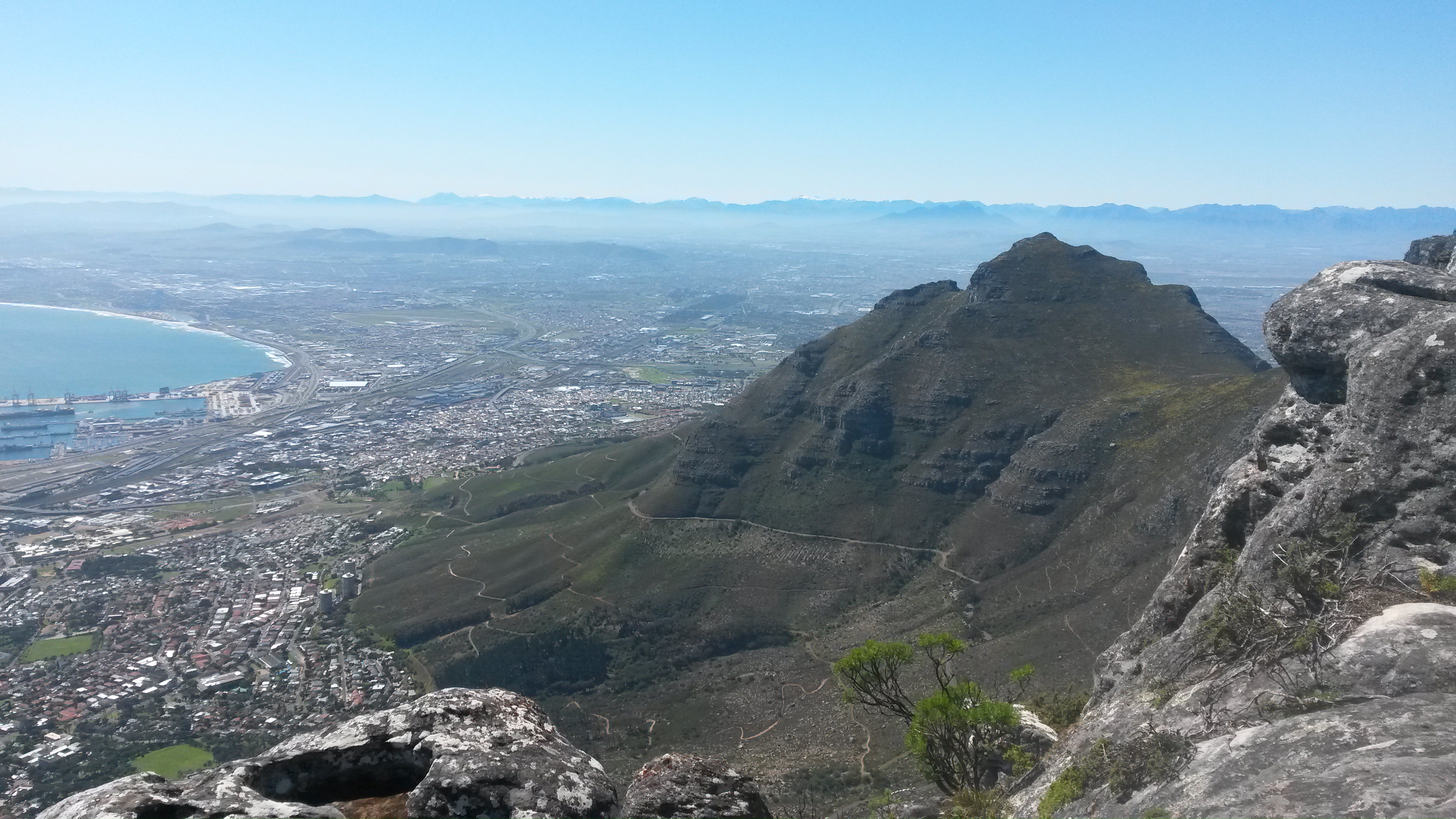
My two American geologist friends, with whom I went ziplining amidst some sedimentary rocks a little over a week ago, left on Saturday. Before they left on their evening flight, we decided to go up Cape Town’s beautiful Table Mountain. We took the cable car up the mountain, hiked around on the top for a couple of hours, and then took the cable car back down. Saturday was a beautiful sunny day with good visibility, so we saw some stunning views from the top of the mountain. Here are two of them:

Table Mountain, sloping down to the city of Cape Town below.
Another view from the top of Table Mountain, this time looking towards the inselberg Lion's Head (the knob of rock) and Robbin Island.
Another view from the top of Table Mountain, this time looking towards the inselberg Lion’s Head (the knob of rock) and Robbin Island.

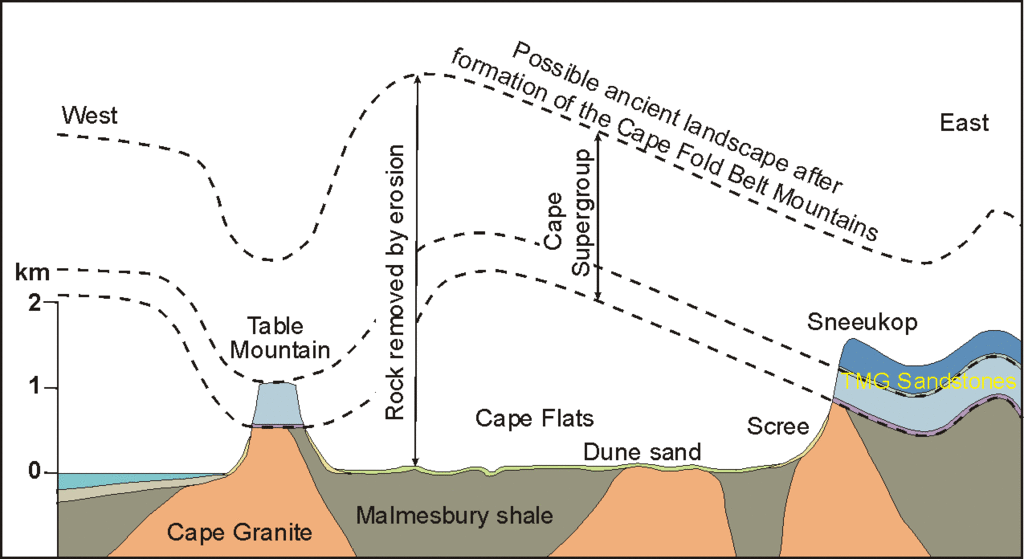
Table Mountain is comprised of the same sandstone rocks that we saw when we went ziplining in the Cape Fold Belt. However, the sandstone rocks of Table Mountain are relatively flat and unfolded, their preservation a result of the mountain’s granite core. Here’s a figure, taken from Prof. John Compton’s book The Rocks and Mountains of Cape Town, that explains the geological relationship:

Geology of the greater Cape Town area, showing how the Table Mountain Group sedimentary rocks are related to uplifted rocks in the Cape Fold Belt. Image taken from  Compton (2004).
Geology of the greater Cape Town area, showing how the Table Mountain Group sedimentary rocks are related to uplifted rocks in the Cape Fold Belt. Image taken from Compton (2004). Click image to enlarge.