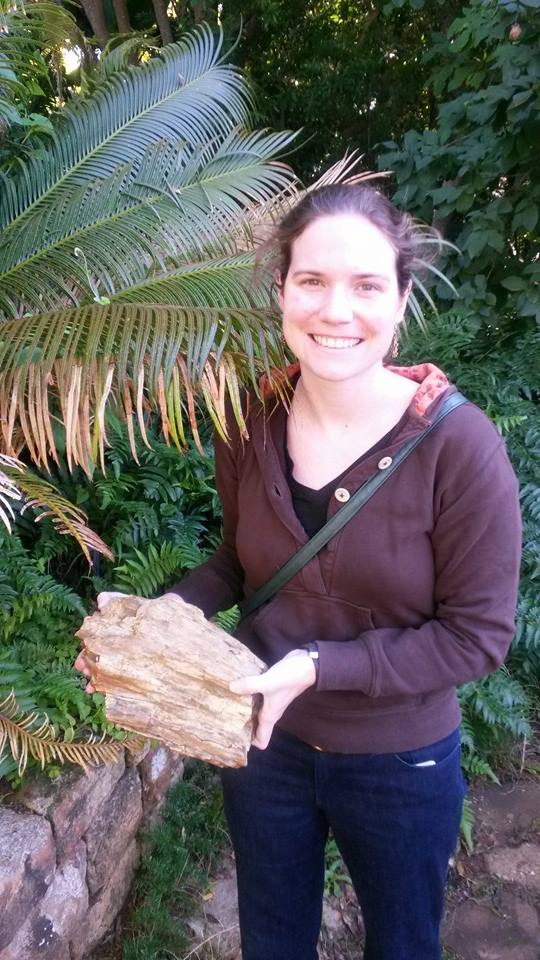
Monday Geology Picture: Posing with Petrified Wood in Kirstenbosch Garden

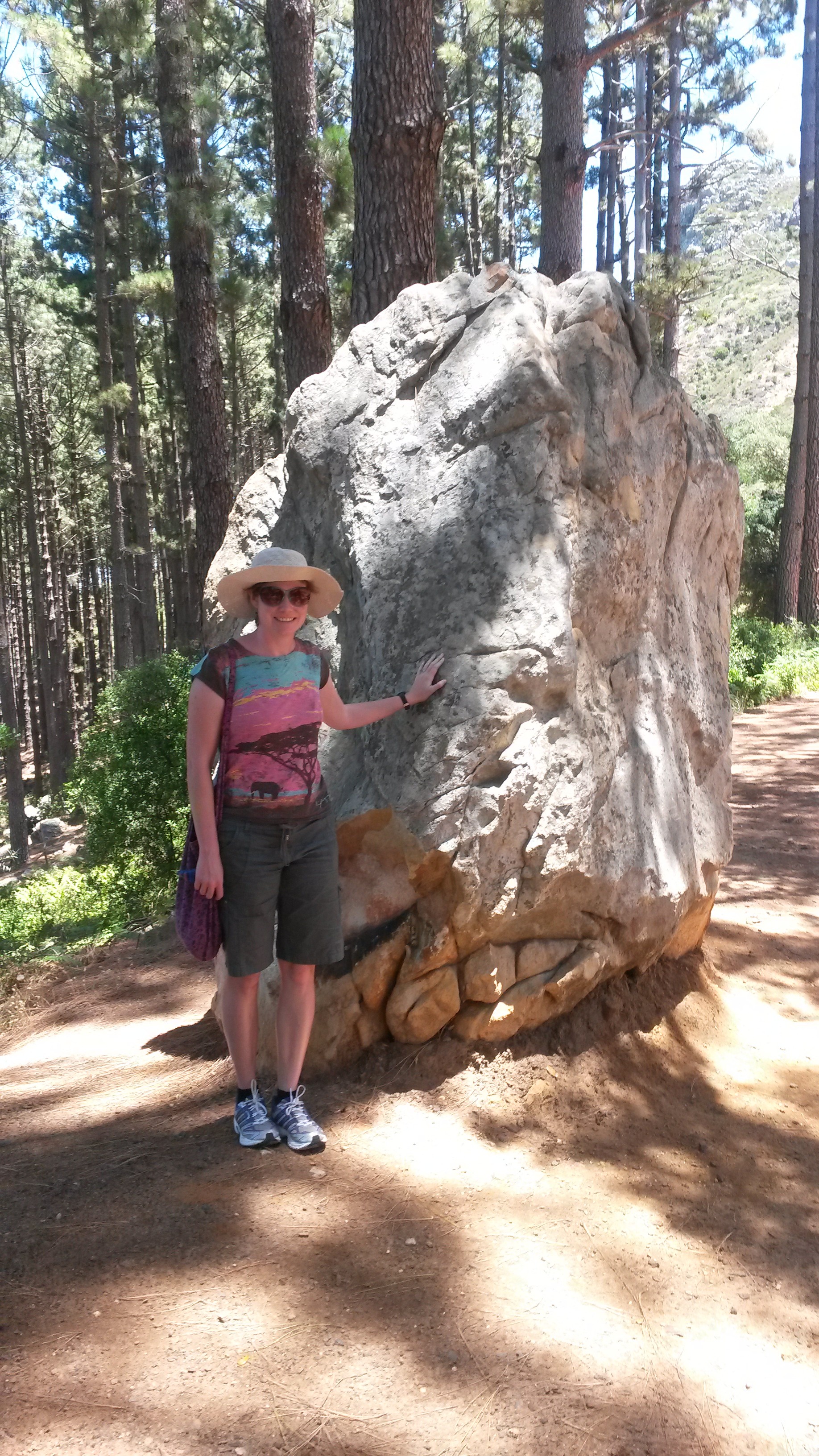
Posing with some petrified wood in Kirstenbosh Garden, May 2014.

My apologies that my blogging has been very light over the past few weeks. I didn’t even post my “Monday Geology Picture” these past few weeks! A busy work schedule combined with some family issues meant that something had to go, and unfortunately that something was blogging here on Georneys. Never fear, though! I won’t abandon you! That said, starting in mid-June, I am going to be travelling for ~3 months, but before I depart I will set up many “Monday Geology Pictures” to auto-post. I have a few of my own geology pictures that I can share. However, if you have a fun geology picture, please feel free to email it to me (georneysblog at gmail), and I’d be delighted to share your picture here. Please include a caption, photographer credit, and a link to your website/blog (if you like me to link to something).

Before I depart for my travels, I’ll also wrap up my “Sutherland Sky” series of posts, and I’ll share some geological pictures from my March vacation to the beautiful volcanic island of Mauritius. And, when I have some downtime during my travels, I’ll post a few other things.

With that explanation, let me move on to this week’s “Monday Geology Picture.” This week I thought I’d share a picture of me posing with some petrified wood. A couple of weeks ago my husband and I visited Kirstenbosch National Botanical Garden here in Cape Town, South Africa. We’ve been to Kirstenbosch many times, but this was the first time that we discovered Kirstenbosch’s rock garden! I have to say, as a geologist, I enjoyed the rock garden even more than the regular garden… but of course the regular garden is lovely as well. I’ll share some more pictures from Kirstenbosch in the future.

Monday Geology Picture: Table Mountain Silhouette

Table Mountain viewed from Milnerton Beach, April 2014.

I am very fortunate to live in beautiful Cape Town, South Africa. One of Cape Town’s best geographical (and geological) features is Table Mountain. I see Table Mountain pretty much every day– I have a nice view of it on my drive to work. For this week’s Monday Geology Picture I’m sharing a beautiful view of Table Mountain. I took this picture from Milnerton Beach during a recent weekend walk.

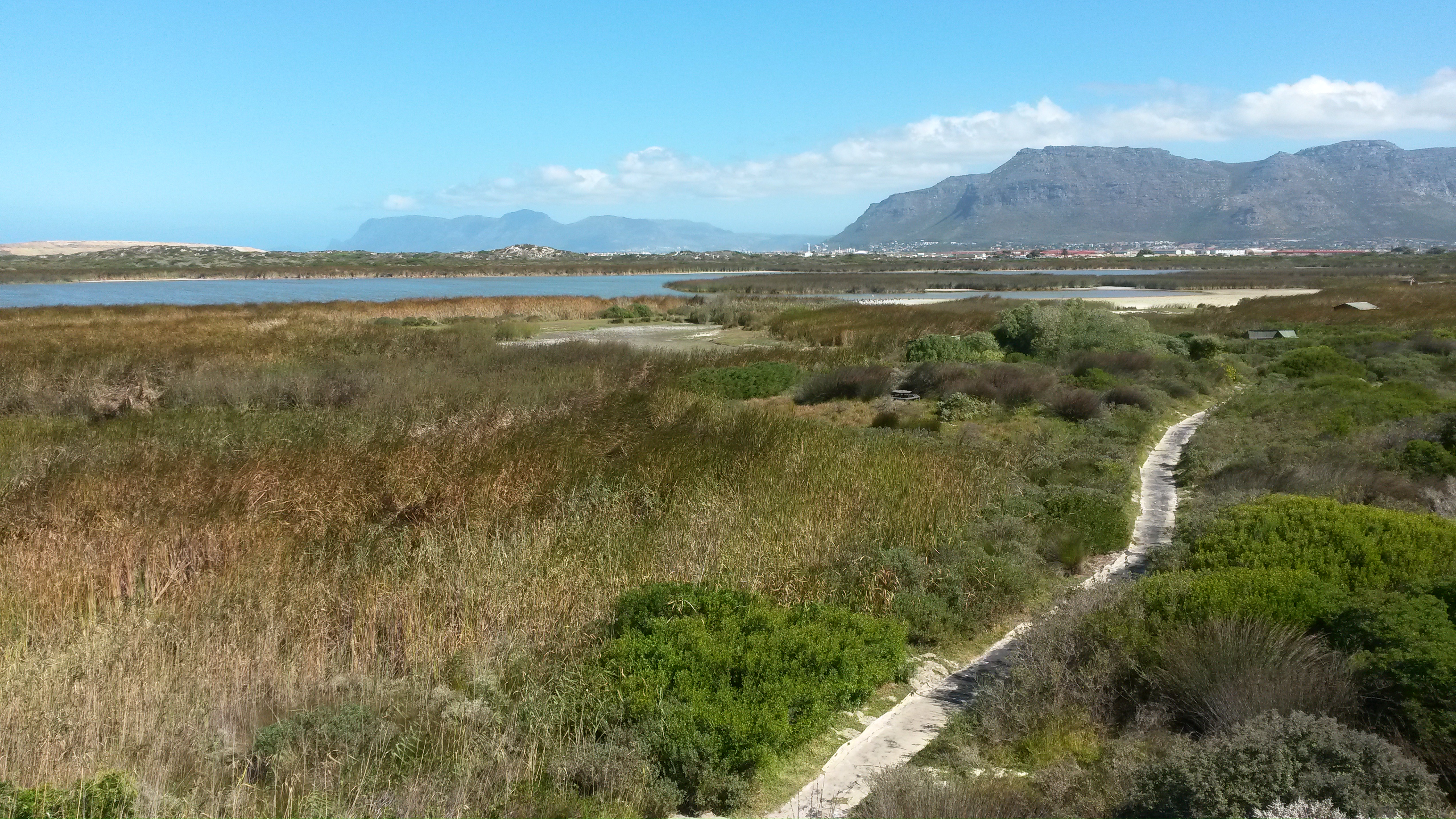
Monday Geology Picture(s): A Few More Pictures from Rondevlei

A view of some of Cape Town's mountains, with Rondevlei in the foreground.
A view of some of Cape Town’s mountains, with Rondevlei in the foreground.

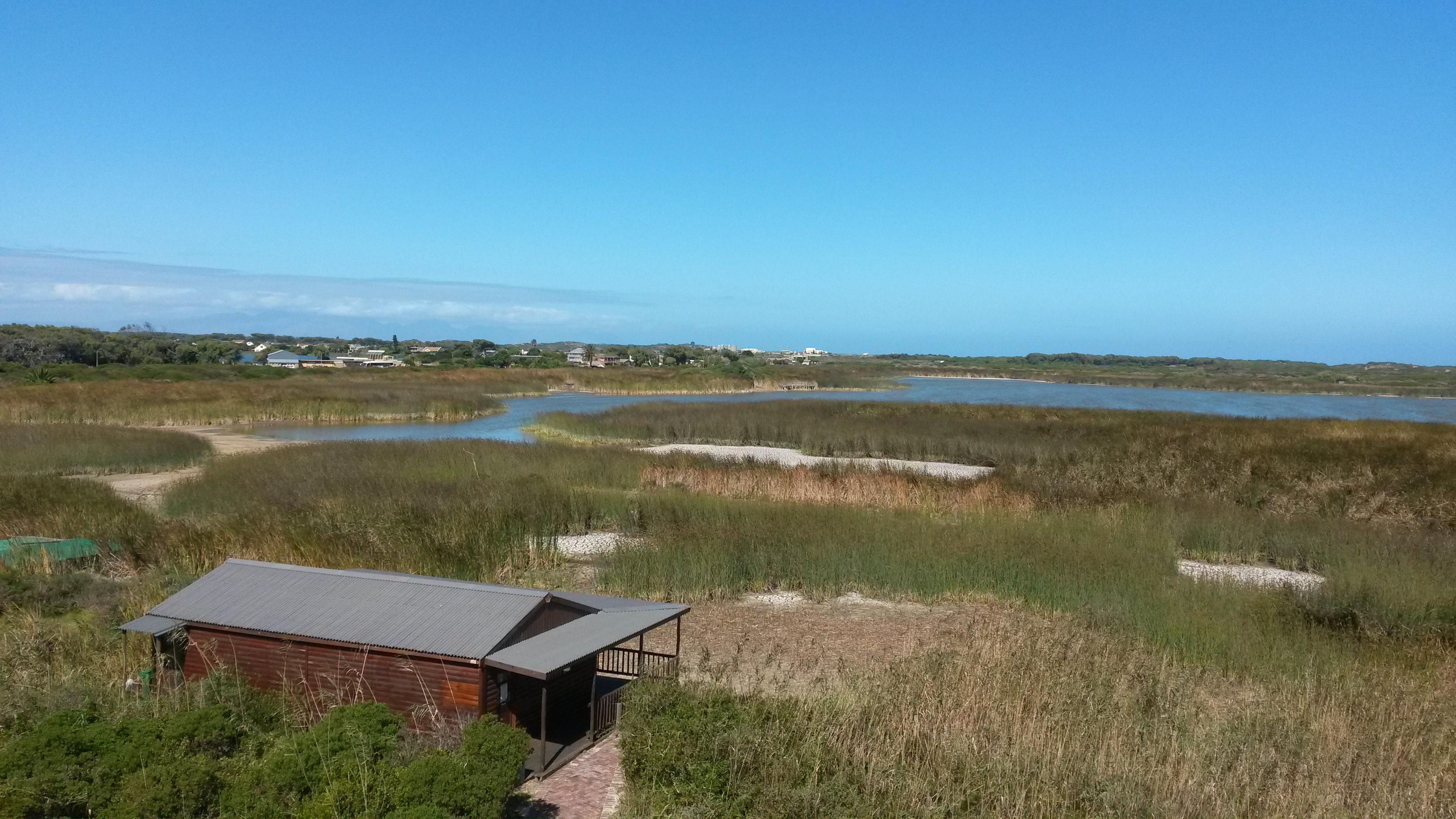
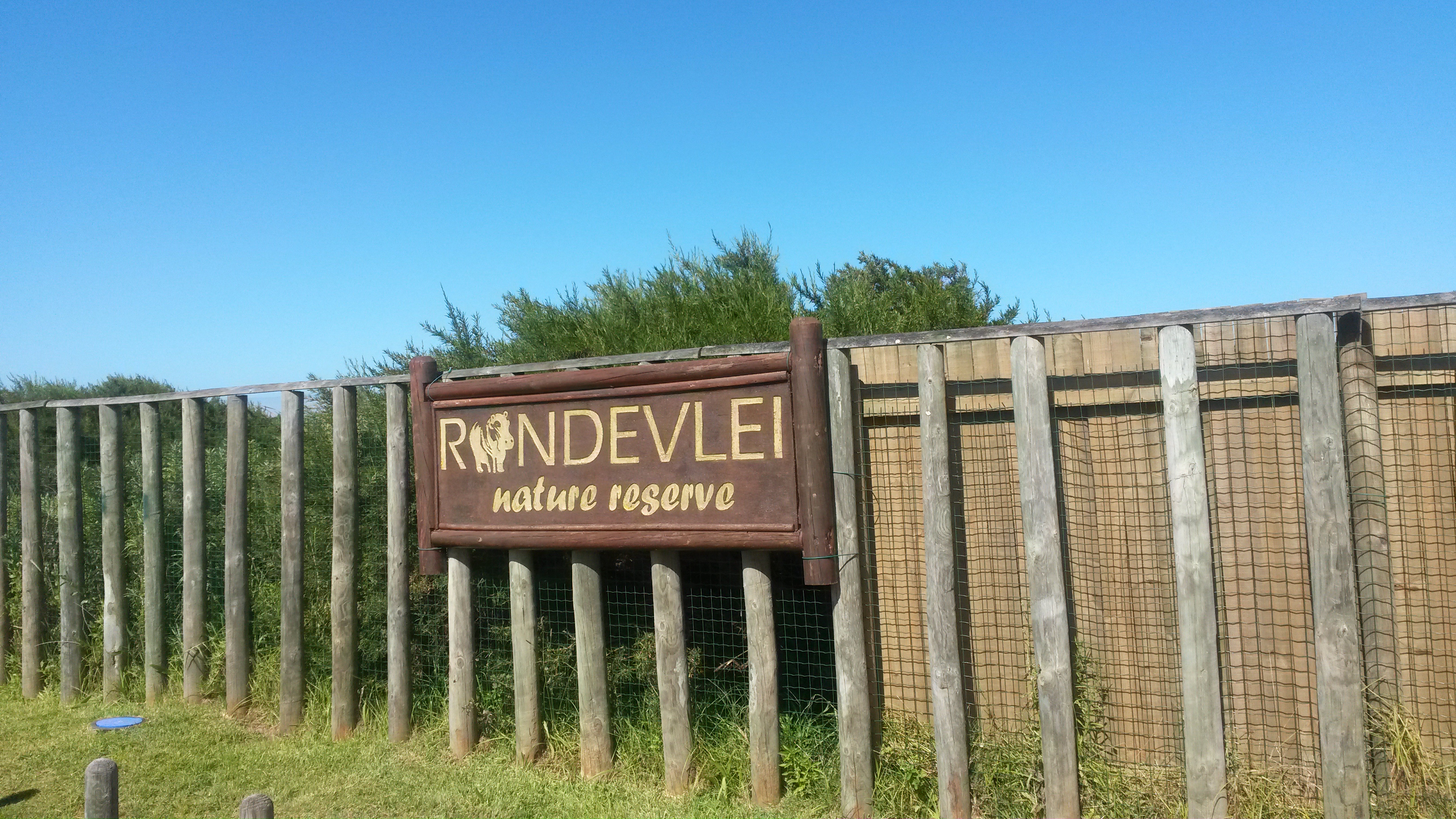
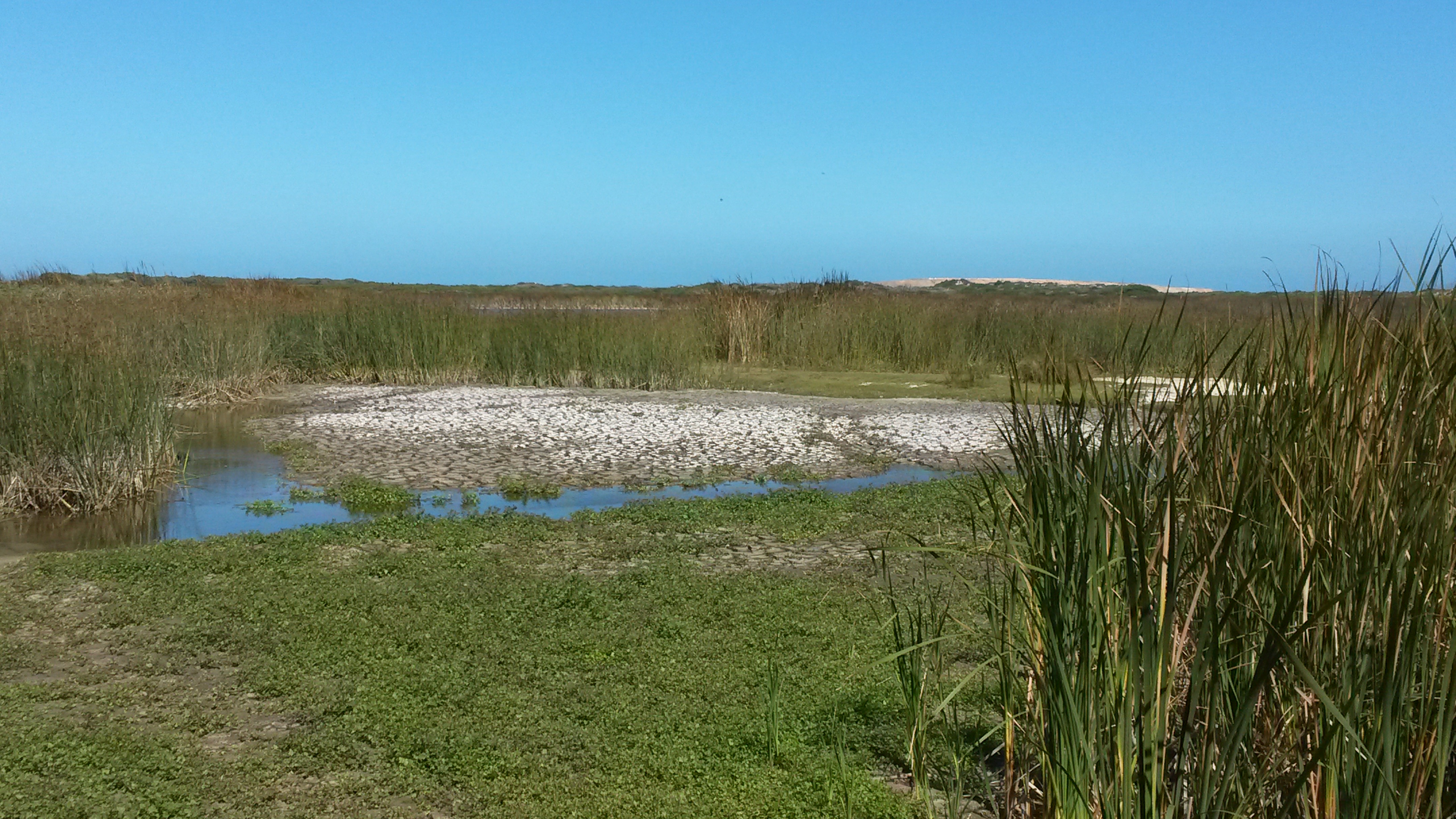
For this week’s “Monday Geology Picture” post I thought I would share a few more pictures from my recent visit to Rondevlei Nature Reserve here in the Western Cape of South Africa. I shared one picture last week. As a quick reminder, Rondevlei is a vlei or marsh that is home to the Western Cape’s only population of hippos. When I visited the vlei a little over a week ago, the water level was low, and I saw some very impressive mudcracks and salt accumulations. I didn’t see any hippos, unfortunately– I’ll have to go back to the vlei one evening since the hippos are not active during the day.

Another view of Rondevlei. This picture was taken from one of the observation towers on the nature reserve.
A picture of the Rondevlei sign... with hippo theme!
A picture of the Rondevlei sign… with hippo theme!
More mudcracks at Rondevlei.
Low water levels at Rondevlei.
Another view of the low water levels at Rondevlei.
A close-up view of some mudcracks and salt accumulations.

Monday Geology Picture: Mudcracks at Rondevlei


Mudcracks at Rondevlei.

Yesterday my husband and I visited the Rondevlei Nature Reserve here in the Western Cape of South Africa. Rondevlei is the only place in the Western Cape where hippos live. Hippos lived in the Western Cape historically, but they went extinct in the 1700s. A few hippos were re-introduced to Rondevlei in the 1980s. We didn’t see any hippos during our walk around Rondevlei– apparently hippos are seen in the evening when they’re active. However, we did see some impressive mudcracks since the water level in the vlei or marsh is quite low at the moment. A view of some of the mudcracks is shown above.

Monday Geology Picture(s): More Views of the Shipwreck on Noordhoek Beach, South Africa

Beautiful Noordhoek Beach, February 2014.

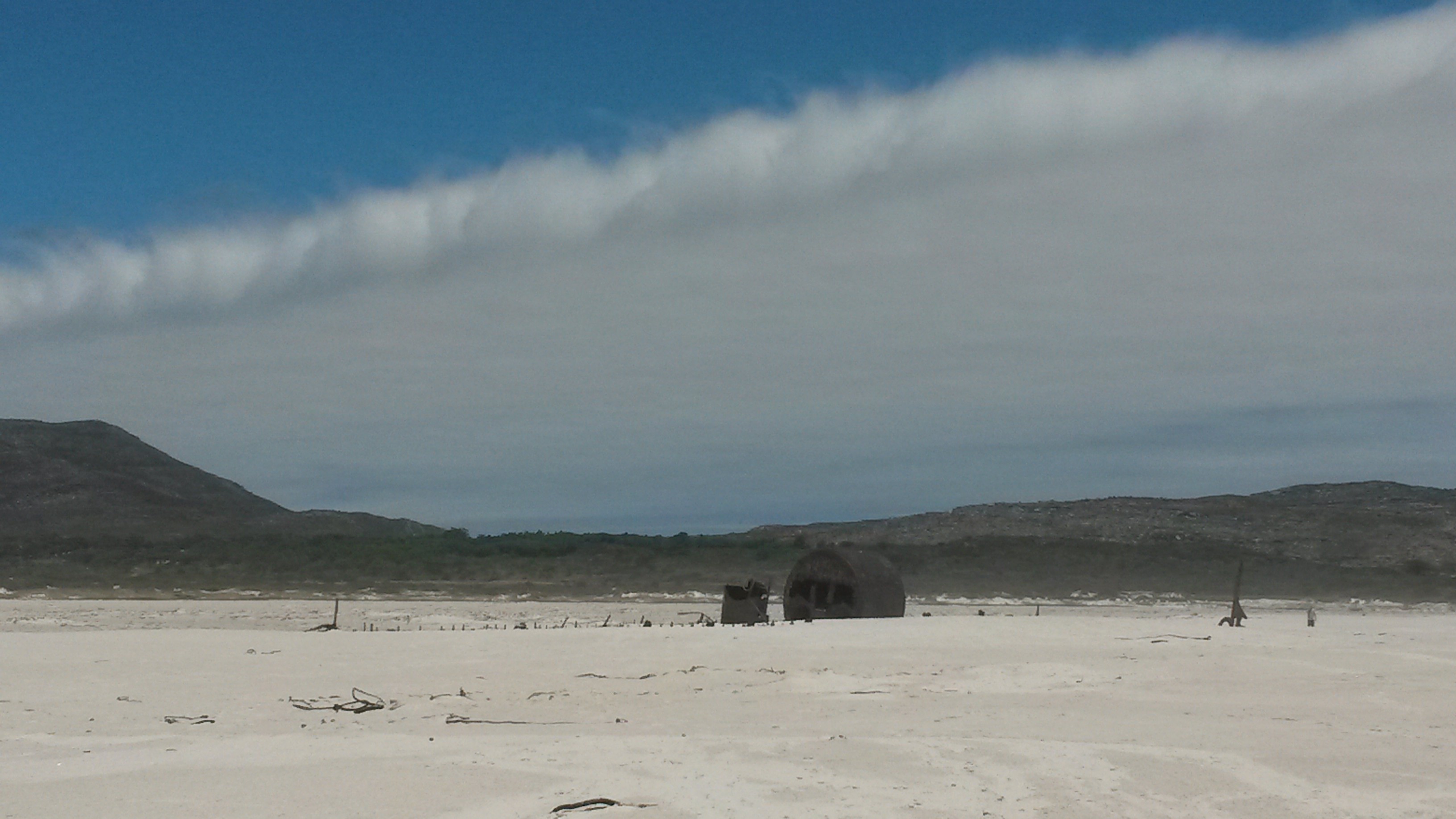
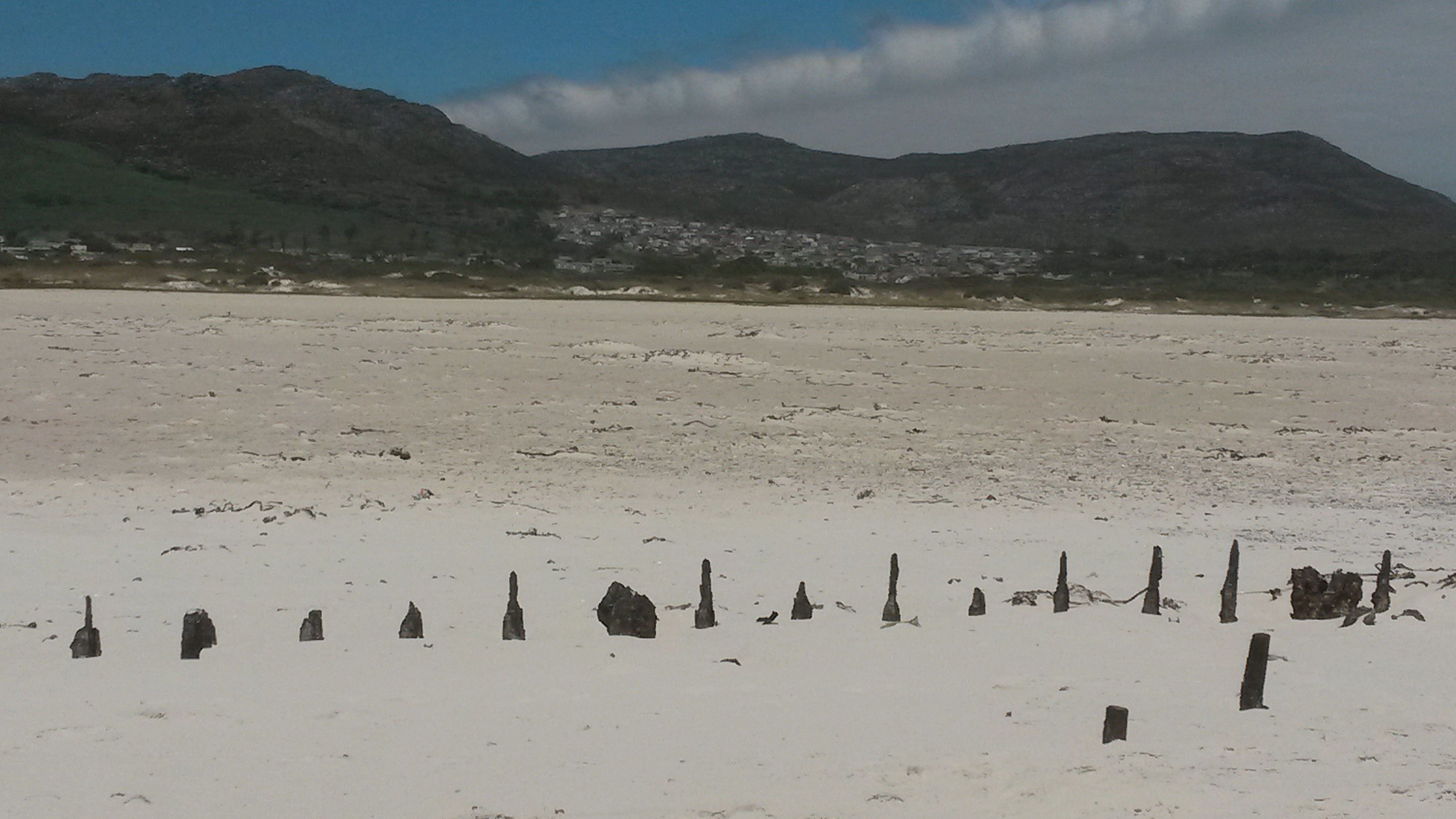
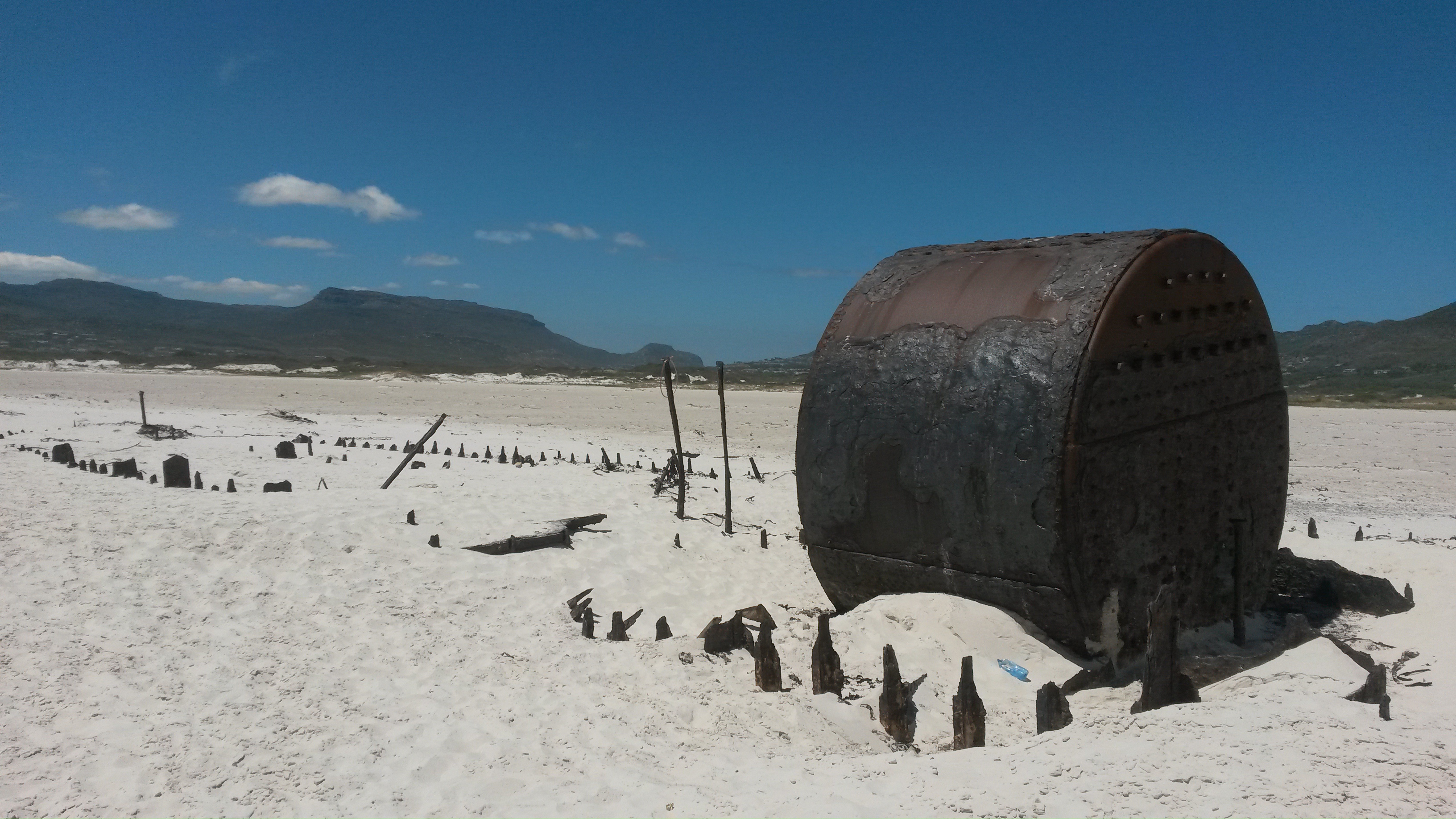
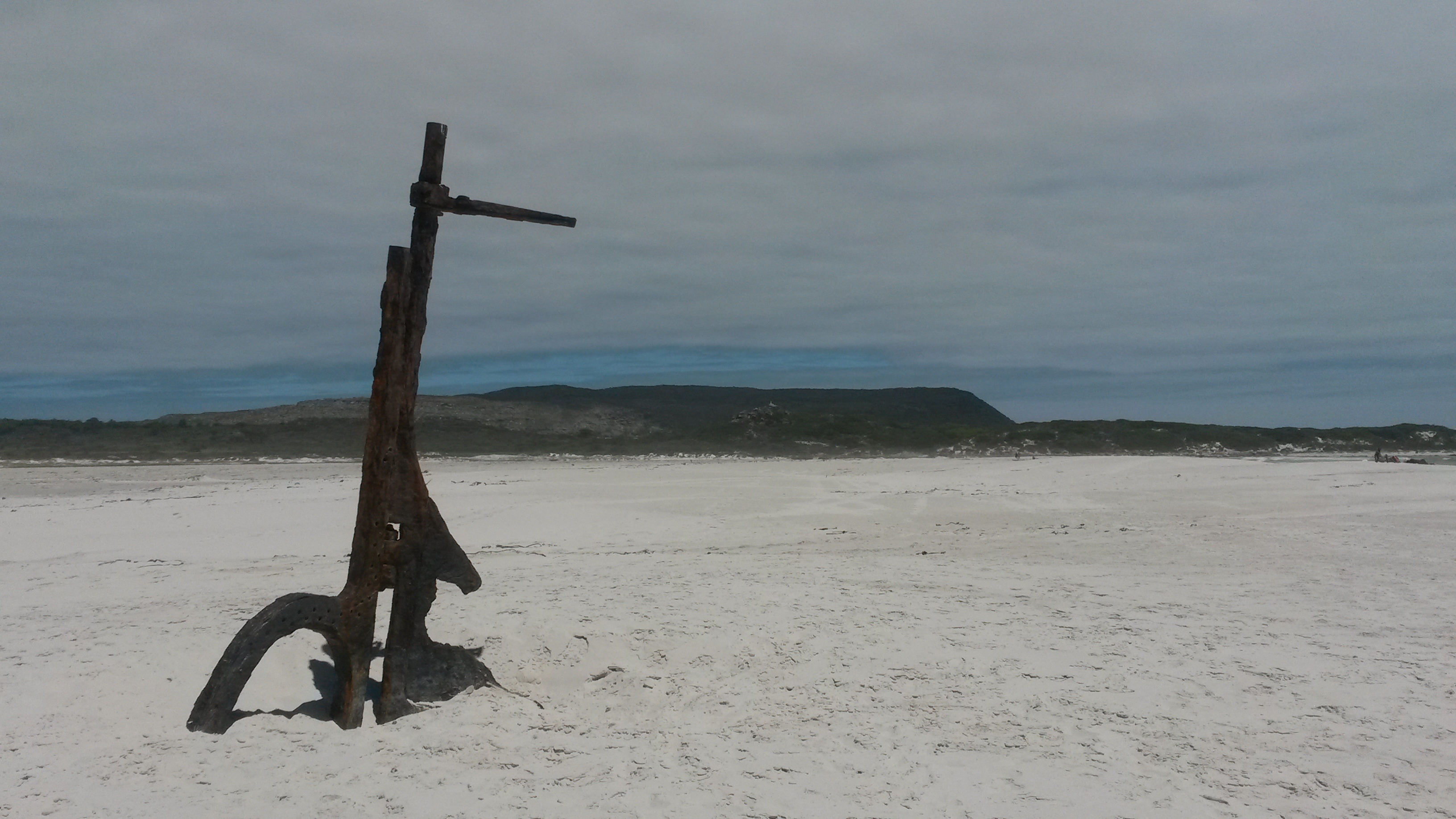
A few weeks ago I featured a picture of the S. S. Kakapo shipwreck on Noordhoek Beach in the Cape Town, South Africa, area for my “Monday Geology Picture” post. Yesterday my husband and I took a walk along Noordhoek Beach, which is quite a long beach. Walking from the parking lot at one end of the beach to the shipwreck at the other end of the beach takes about an hour at a leisurely pace. For this week’s “Monday Geology Picture” post I thought I would share a few more pictures of the Noordhoek Beach shipwreck. Enjoy!

The SS Kakapo shipwreck from a distance, February 2014.
The S. S. Kakapo shipwreck from a distance, February 2014. There is also a spectacular cloud in the sky.
Approaching the shipwreck, February 2014.
Rusty remains, February 2014.
More rusted remains, February 2014.
More rusty remains, February 2014.
A close-up view of the rusty remains of the boiler, February 2014.
Another view of the rusty boiler, February 2014.
Ship skeleton on the sand, February 2014.
A rusted pillar in the sand, February 2014.
A rusted ship sculpture in the sand, February 2014.

Monday Geology Picture: Shipwreck on Noordhoek Beach, South Africa

The S. S. Kakapo shipwreck on Noordhoek Beach.

Sometimes, manmade objects become part of the geological landscape. For example, on Noordhoek (which means “North Corner”, in Dutch and Afrikaans) Beach near Cape Town, South Africa, there is a shipwreck at one end of the beach. Two rusted boilers and a ring of metal ribs– sticking up out of the sand like a picket fence– are all that remain of the S. S. Kakapo, a New Zealand steamship that became stranded on the beach in 1900. You can read all about the wreck of the S. S. Kakapo here. In this Anthropocene time discarded manmade objects no doubt have a big impact on the Earth and its various processes. While the remains of the S. S. Kakapo likely have a fairly small impact on the environment, the skeletal shipwreck nonetheless reminds me of the traces we humans leave behind. 114 years after the shipwreck, the ghostly metal outline of the S. S. Kakapo remains.

Monday Geology Picture(s): Oudekraal Beach, South Africa

A stunning location for a birthday.
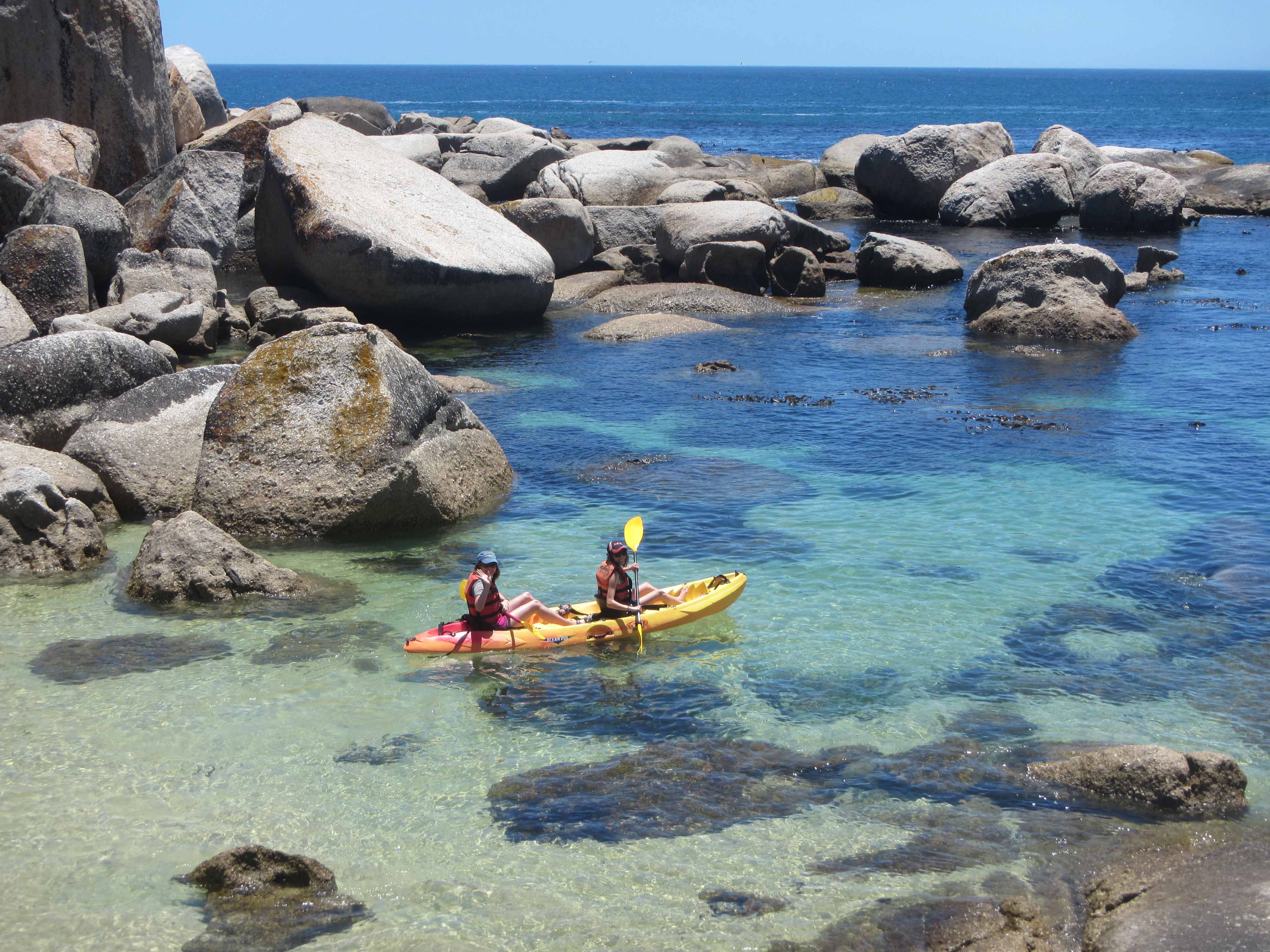
A stunning location for a birthday party. In this picture my friend Kaylee and I check out some of the giant granitoid boulders by kayak.

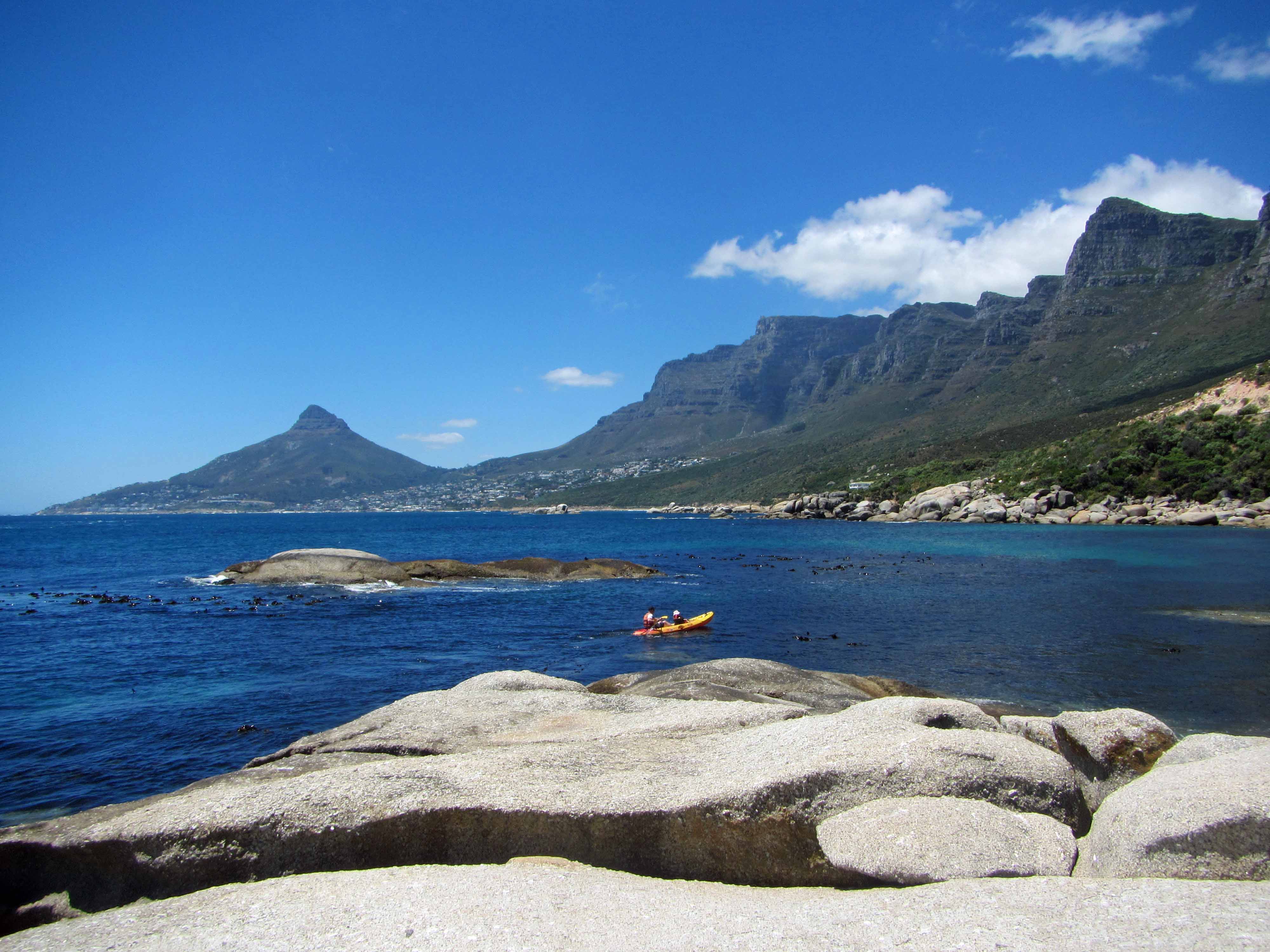
Yesterday was my 30th birthday. Amongst other wonderful things, my husband Jackie organized a surprise birthday party for me at Oudekraal, a beautiful beach (and national park) here in Cape Town. Bordered on one side by gigantic boulders and turquoise-blue waters and flanked on the other side by tall, jagged, gray-green mountains, Oudekraal is a stunning location. Jackie rented a kayak, brought plenty of delicious picnic food, and invited many good friends for my party. The weather was beautiful, and we all had a great time. I’d never been to Oudekraal Beach before, but I hope to return soon!

Here are a few more views of gorgeous Oudekraal:

Anohter view of stunning Oudekraal.
Exploring the bay near Oudekraal Beach.
A jagged mountain range .
Jagged mountain peaks.
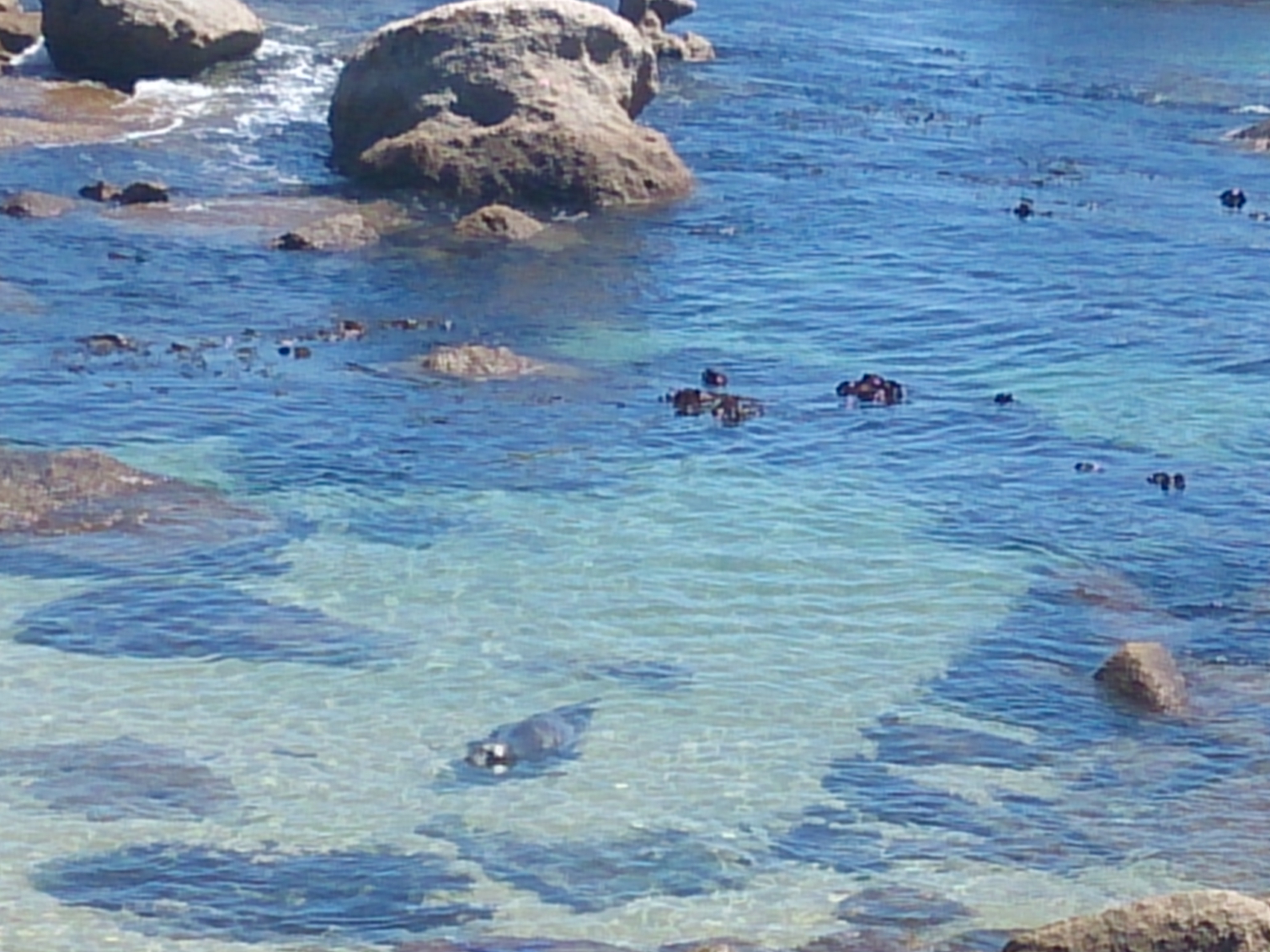
A seal came to visit! We saw several seals, actually.
DSC_1032
A closer view of the seal. Hello!

Constantia Nek Walk in Pictures

Below are a few more pictures from a recent walk along the Constantia Nek contour path here in Cape Town. I featured a picture from this same walk in this week’s “Monday Geology Picture” post.

A view of some of Cape Town's winelands. Picture taken December 2013.
A view of some of Cape Town’s winelands. Picture taken December 2013.
Yours truly posing with a boulder of Table Mountain Group quartzite. Picture taken December 2013.
A pretty red flower along the path. Picture taken December 2013.

I feel very fortunate to live in a city that has many beautiful walks and hikes. I’ll do my best to explore some more of them– and re-visit some old favorites– in 2014.

Monday Geology Picture: Two Little Landslides on Table Mountain

Two debris slides on Table Mountain. Picture taken December 29th, 2013.
Two little landslides on Table Mountain. Picture taken December 29th, 2013.

Yesterday my husband and I took advantage of the sunny summer weather here in Cape Town and went for an easy walk along Constantia Nek, a contour path along Table Mountain that eventually leads to the beautiful Kirstenbosch Gardens. Along the walk, I noticed a few small landslides on Table Mountain, including the two shown in the picture above. If you’re looking for an easy and beautiful hike in the Cape Town area, I recommend Constantia Nek. There’s some interesting geology to see along the way… including, at the moment, some landslides.

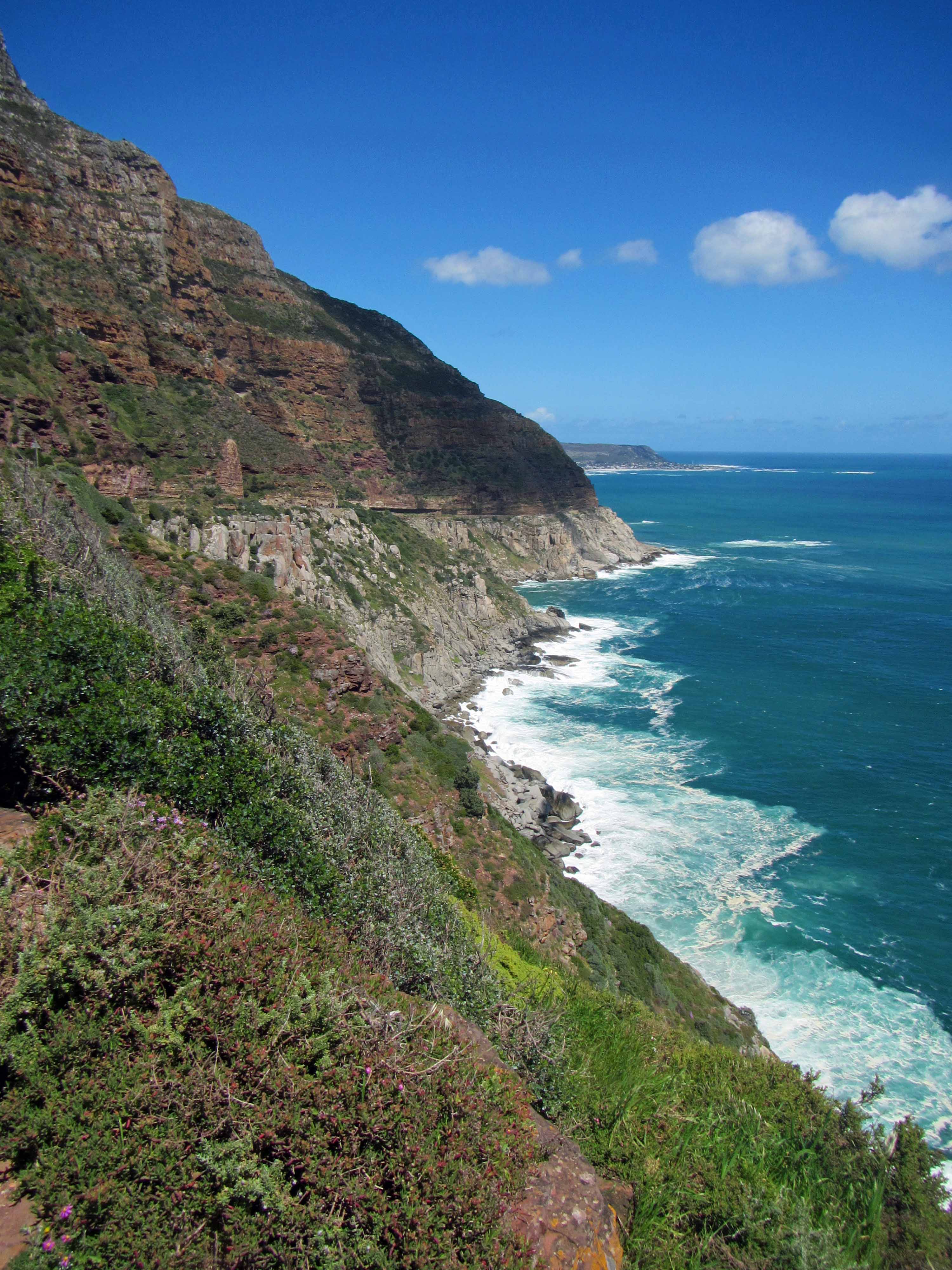
Monday Geology Picture: Chapman’s Peak Nonconformity, South Africa

Chapman's Peak Nonconformity, September 2013.
Chapman’s Peak Nonconformity, September 2013.

This week I thought I’d share a picture of my favorite nonconformity: the nonconformity between the ~550 million year old Cape Granite and the ~450 million year old Table Mountain Sandstone Group here in the Cape Town area. This famous viewpoint of this famous nonconformity is located along the Chapman’s Peak Drive. Can you spot the nonconformity? Once you’ve had a look, check out this previous post in which I explain the nonconformity in detail.