


Continuing with some pictures from the recent vacation of my friends Nia and Patrick to the Seychelles, here is a stunning sunset shot. This picture makes me want to take my own vacation to the Seychelles!
Continuing with some pictures from the recent vacation of my friends Nia and Patrick to the Seychelles, here is a stunning sunset shot. This picture makes me want to take my own vacation to the Seychelles!

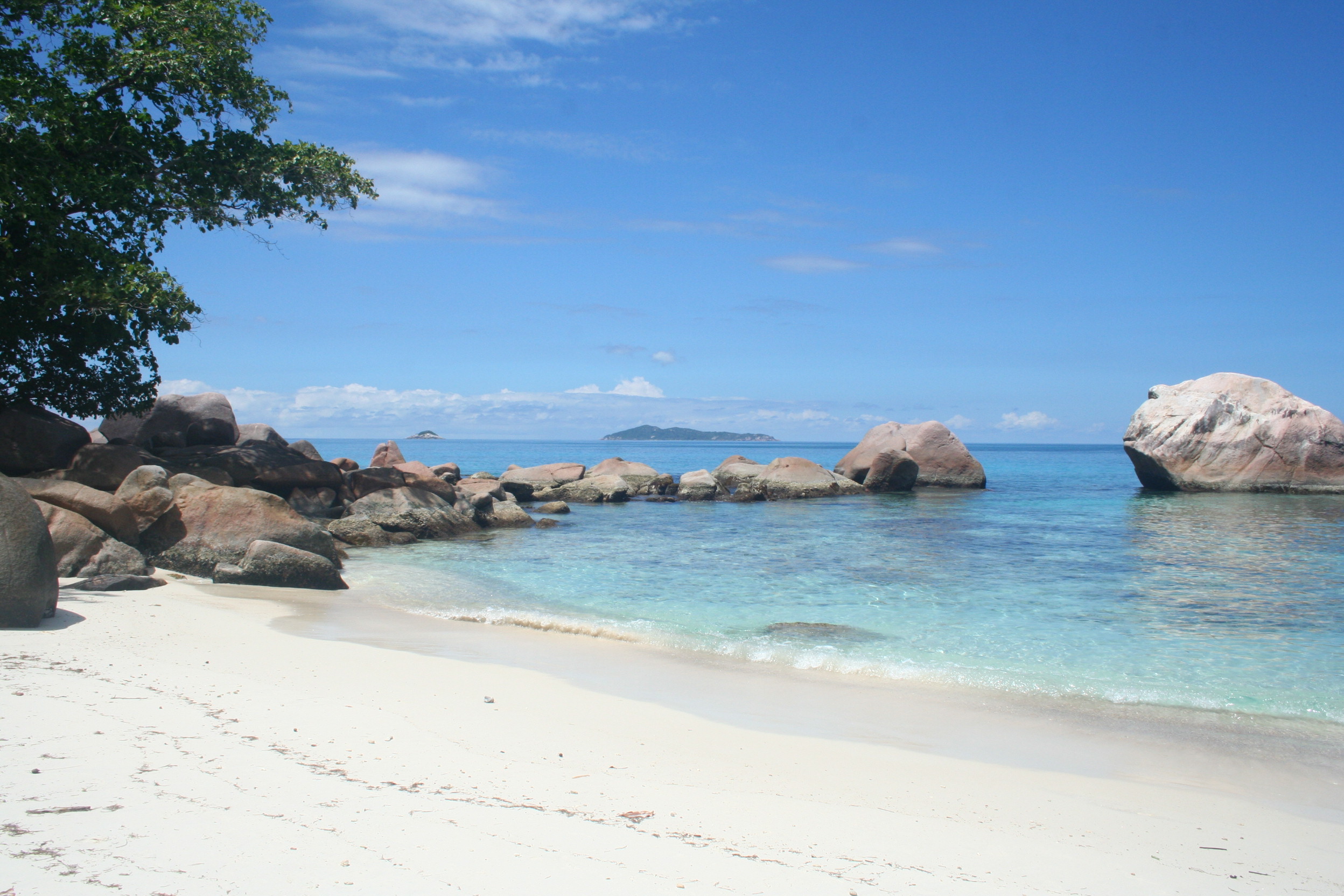
Last week I shared some pictures of Gondwana granites that were taken by my good friends Nia and Patrick on their recent holiday to the Seychelles. This week I thought I’d share a couple more pictures of Seychelles granites. Enjoy!
I’d like to write a few more posts about my visit to Alaska earlier this year. In case you missed them, here are some earlier posts about Alaska:
Geology Word of the Week: G is for Glacial Erratic
A Drive to Salmon Lake, Alaska in Pictures
Nome, Alaska in Pictures: Part I
Nome, Alaska in Pictures: Part II
Nome, Alaska in Pictures: Part III
Monday Geology Picture(s): Garnet Sands in Nome, Alaska
Plane Views: Anchorage to Nome
Plane Views: Minneapolis to Anchorage
And, last but not least…
Whale Carcass on the Beach in Nome, Alaska
Clearly, I’ve already shared a fair amount about the two months I spent in Alaska. However, I still have some more to share! I’ll start out with a post about Anchorage and a very big earthquake.
My husband Jackie and I spent a few days in Anchorage back in July before traveling up to Nome, where we spent the months of August and September doing field work. One day when we were in Anchorage we had lunch at a place called Gwennie’s Old Alaska Restaurant, a place that had been recommended to us by some locals.
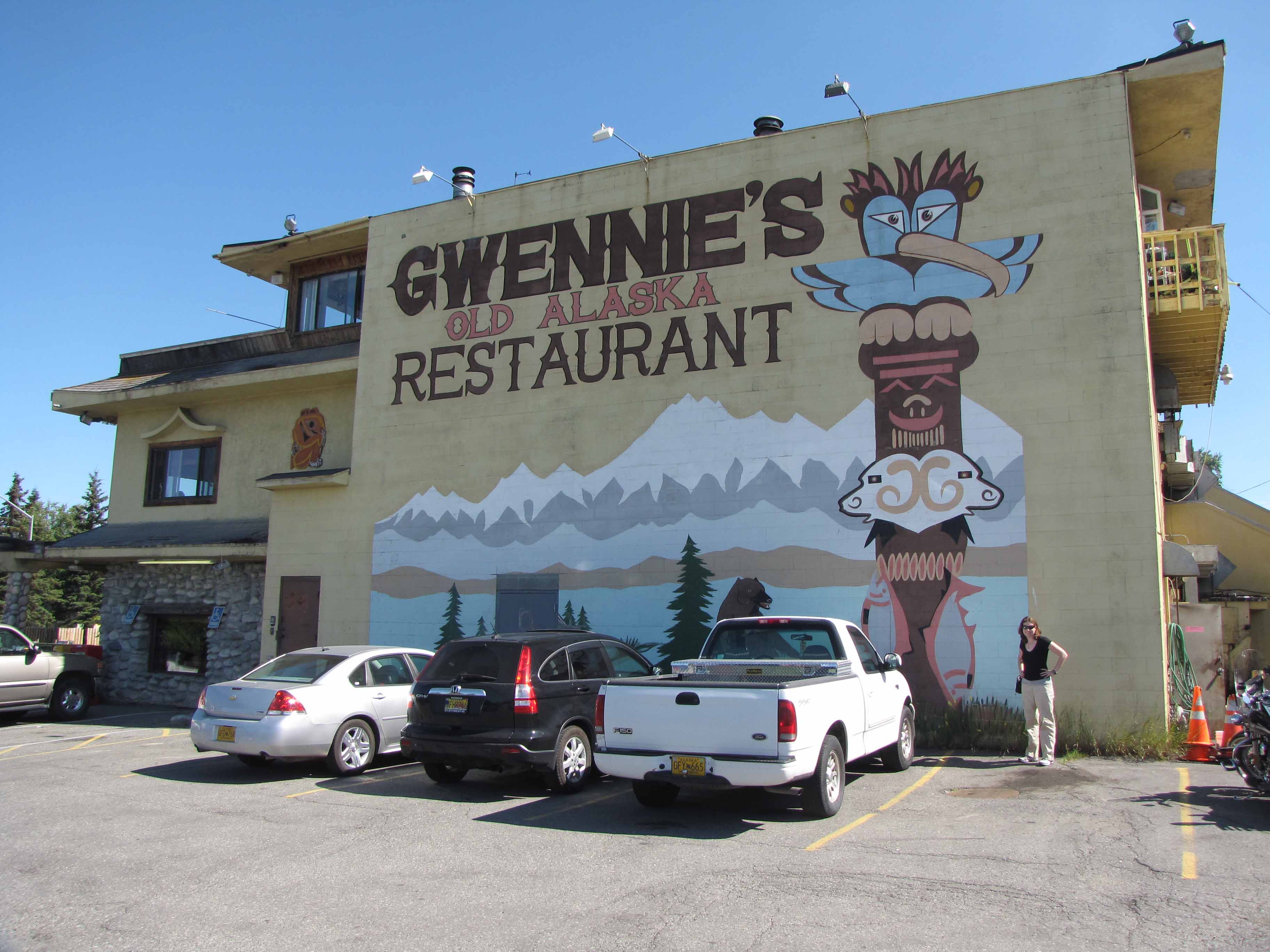
Gwennie’s is full of kitsch and crazy: taxidermied animals and antlers are strewn about everywhere, and in-between one finds everything from Iditarod posters to stained glass windows depicting gold prospectors. The food is served on cheap plates with cheap cutlery, but it’s pretty good. Both my husband and I enjoyed the reindeer sausage with fries and a large drink since we were dehydrated from running errands all over Anchorage on a beautiful, sunny, warm summer day.


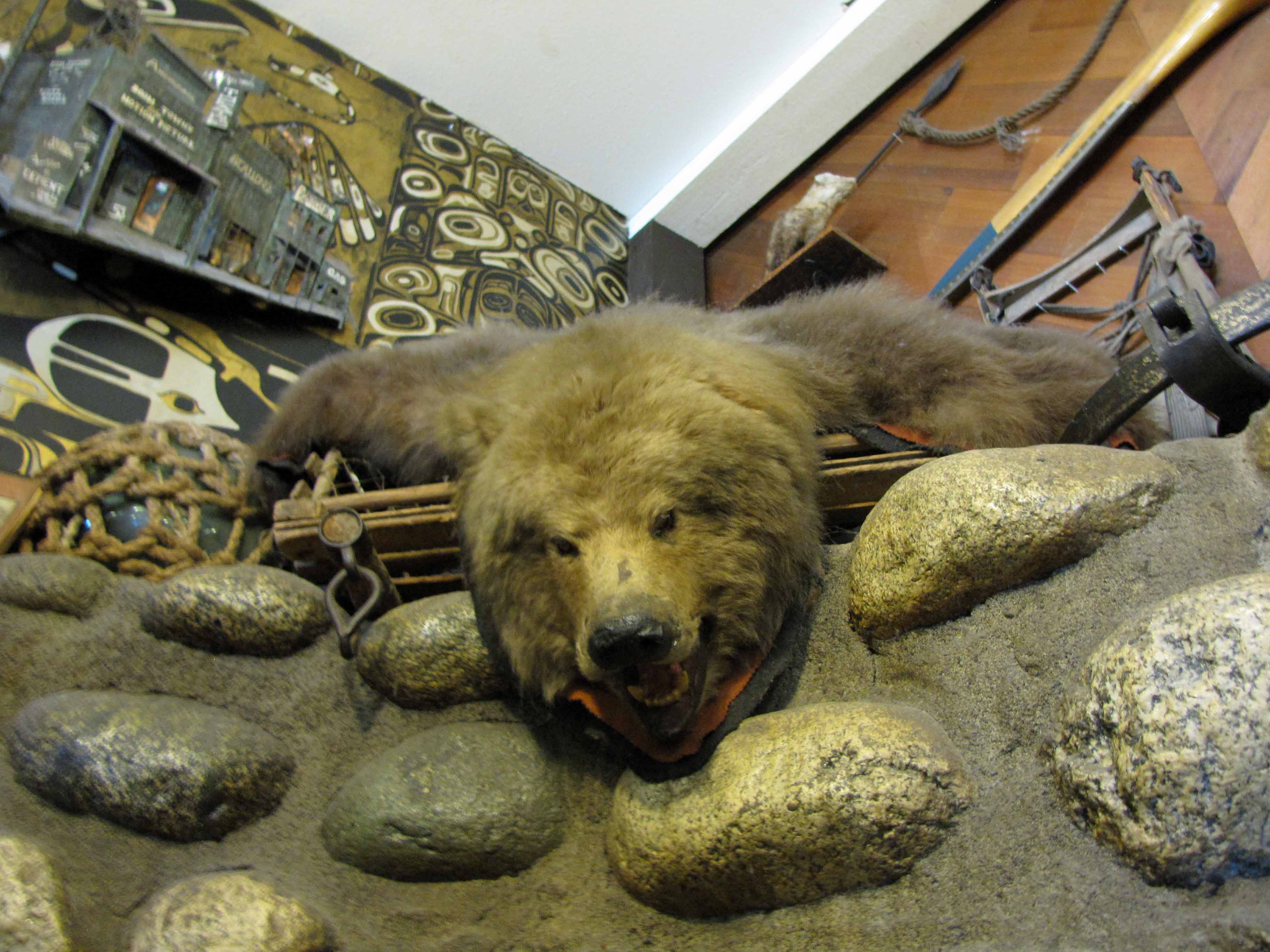

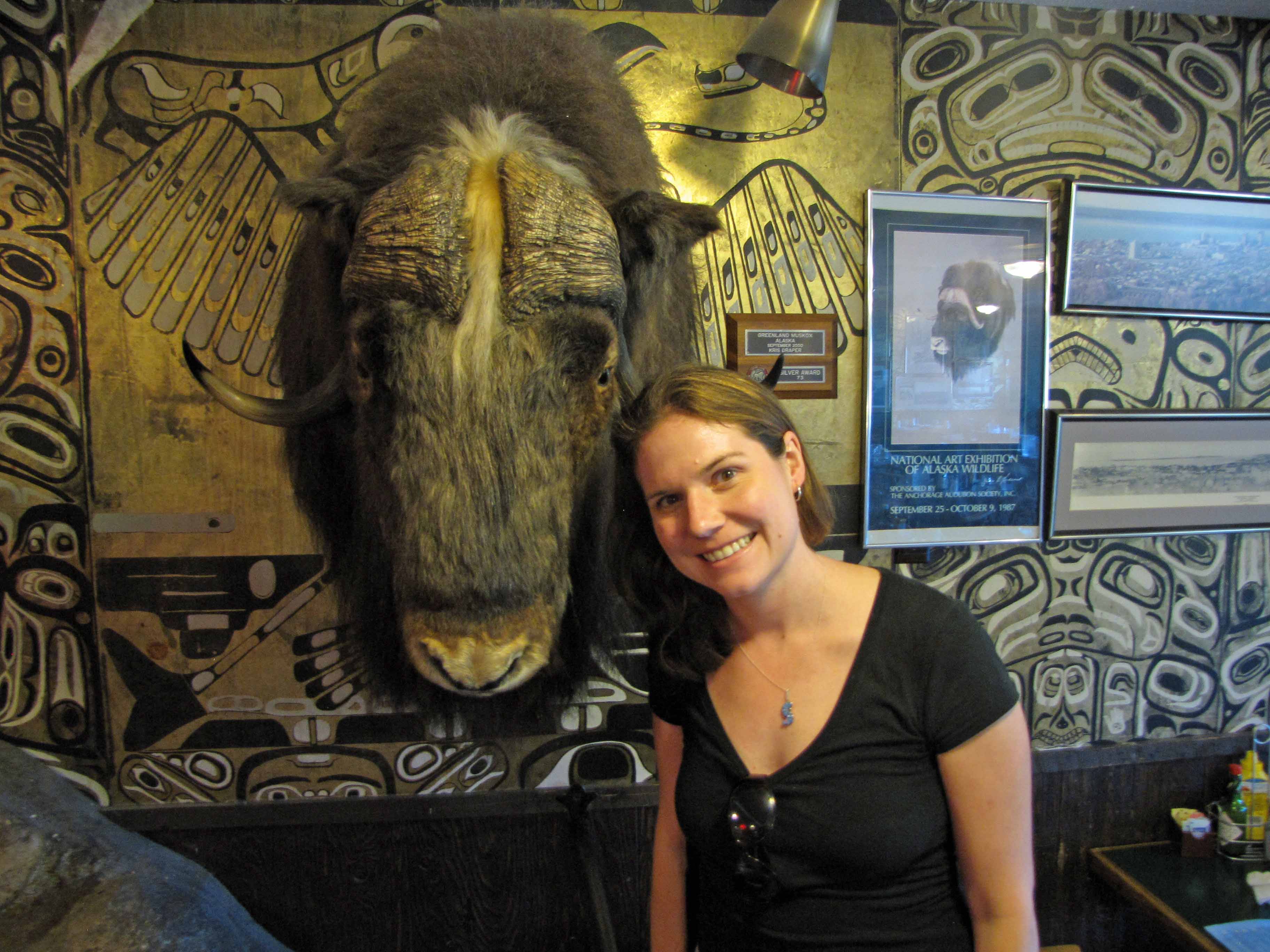

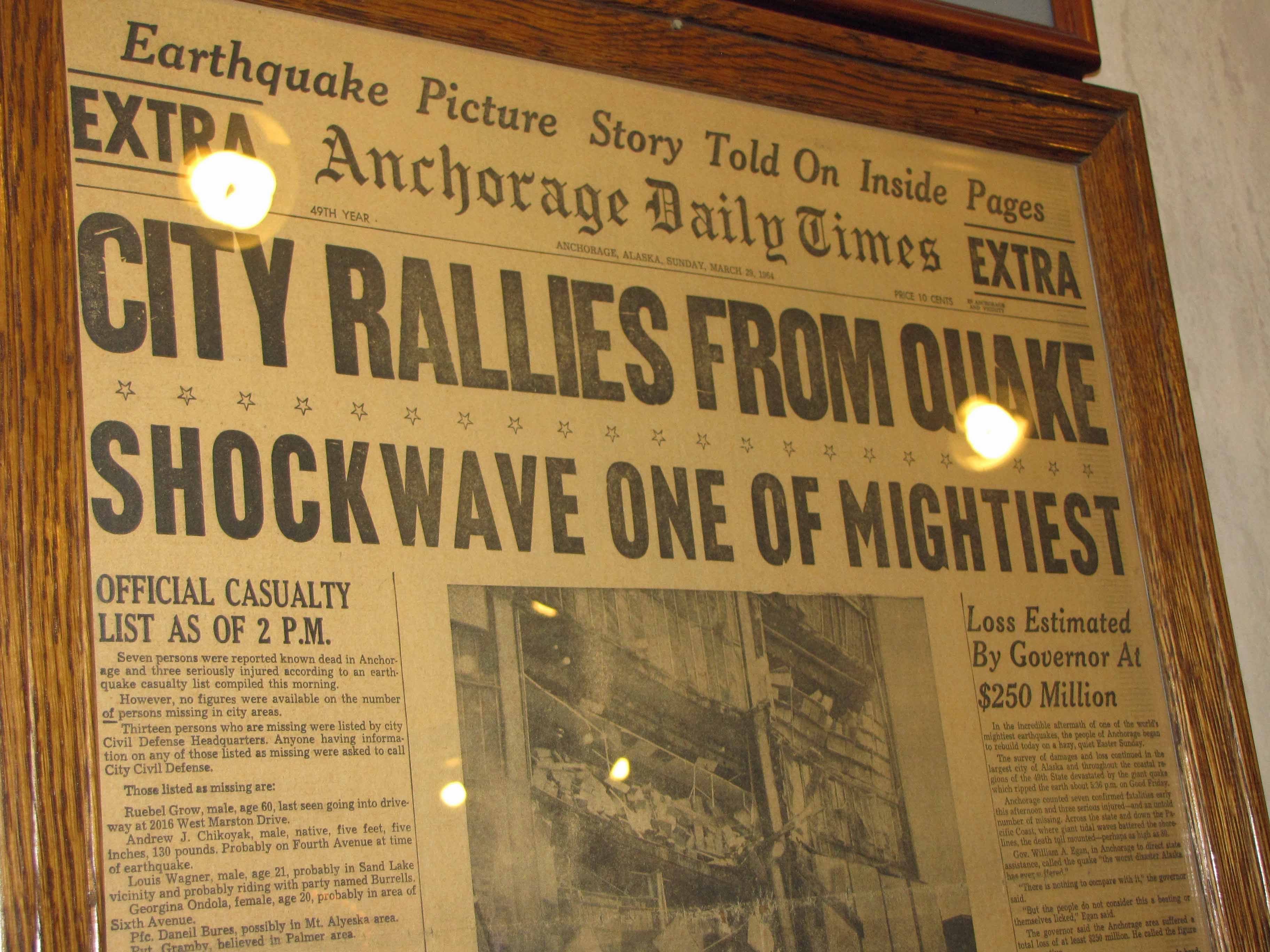
Jackie and I enjoyed looking at all of Gwennie’s unusual decorations, most of which had an Alaskan theme. As we were wandering around looking at the various decorations, one of the waitresses suggested that we go over to the bar to take a look at all of the newspaper clippings from the 1964 Alaska earthquake. This earthquake was enormous, registering 9.2 on the Richter Scale. For reference, that’s the same magnitude as the 2004 Indian Ocean earthquake that created the large tsunami that devastated parts of Asia. Jackie and I had heard and read about the 1964 Alaska earthquake before, but seeing the newspaper clippings and pictures really put the earthquake in perspective. The clippings put a human face on the earthquake, which was so destructive that some Alaskan towns never bothered to rebuild but simply were abandoned. Looking at the pictures of the earthquake’s destruction was fascinating, humbling, and awe-inspiring.
Here are some of the earthquake newspaper clippings that we saw at Gwennie’s:
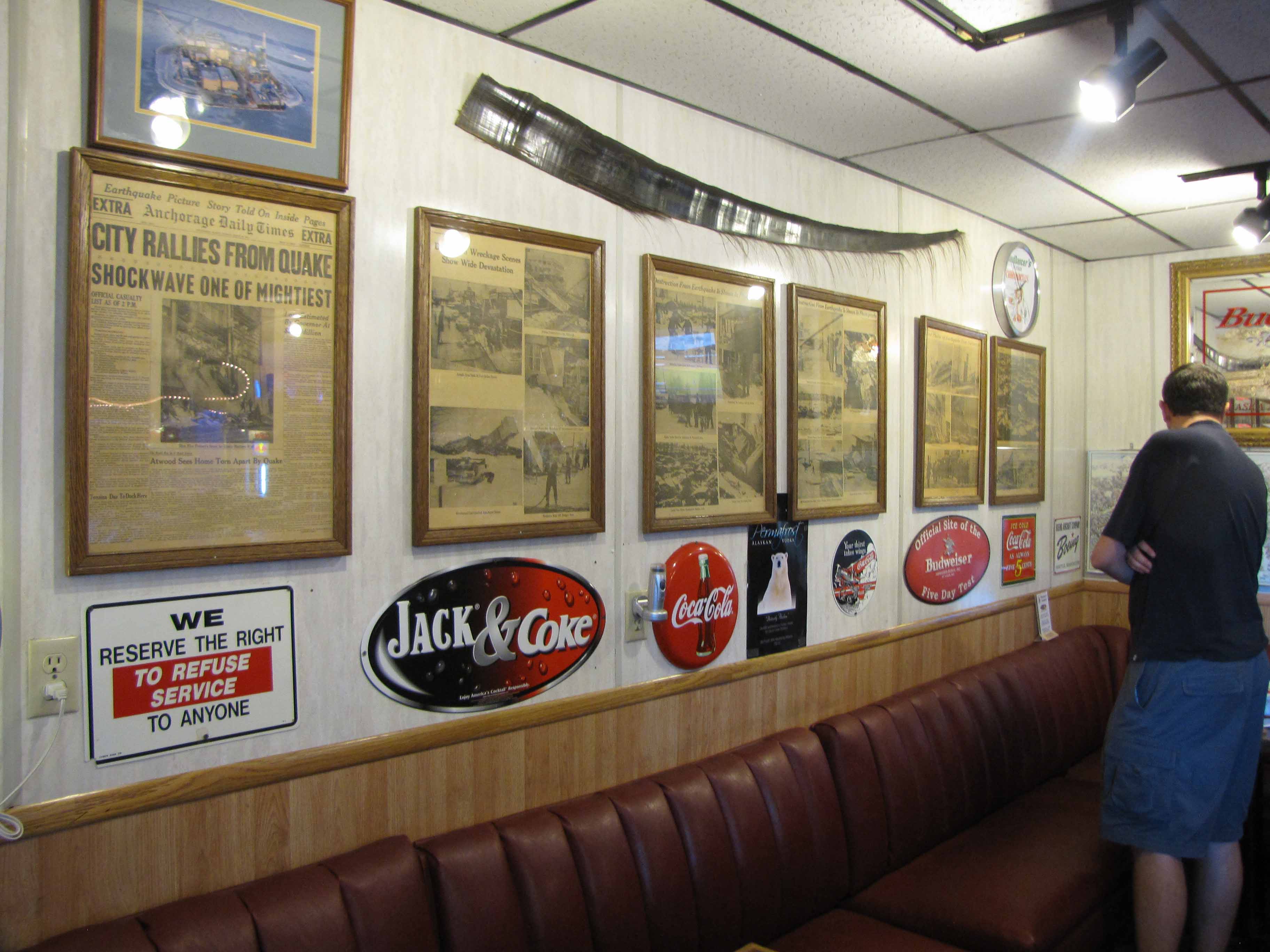
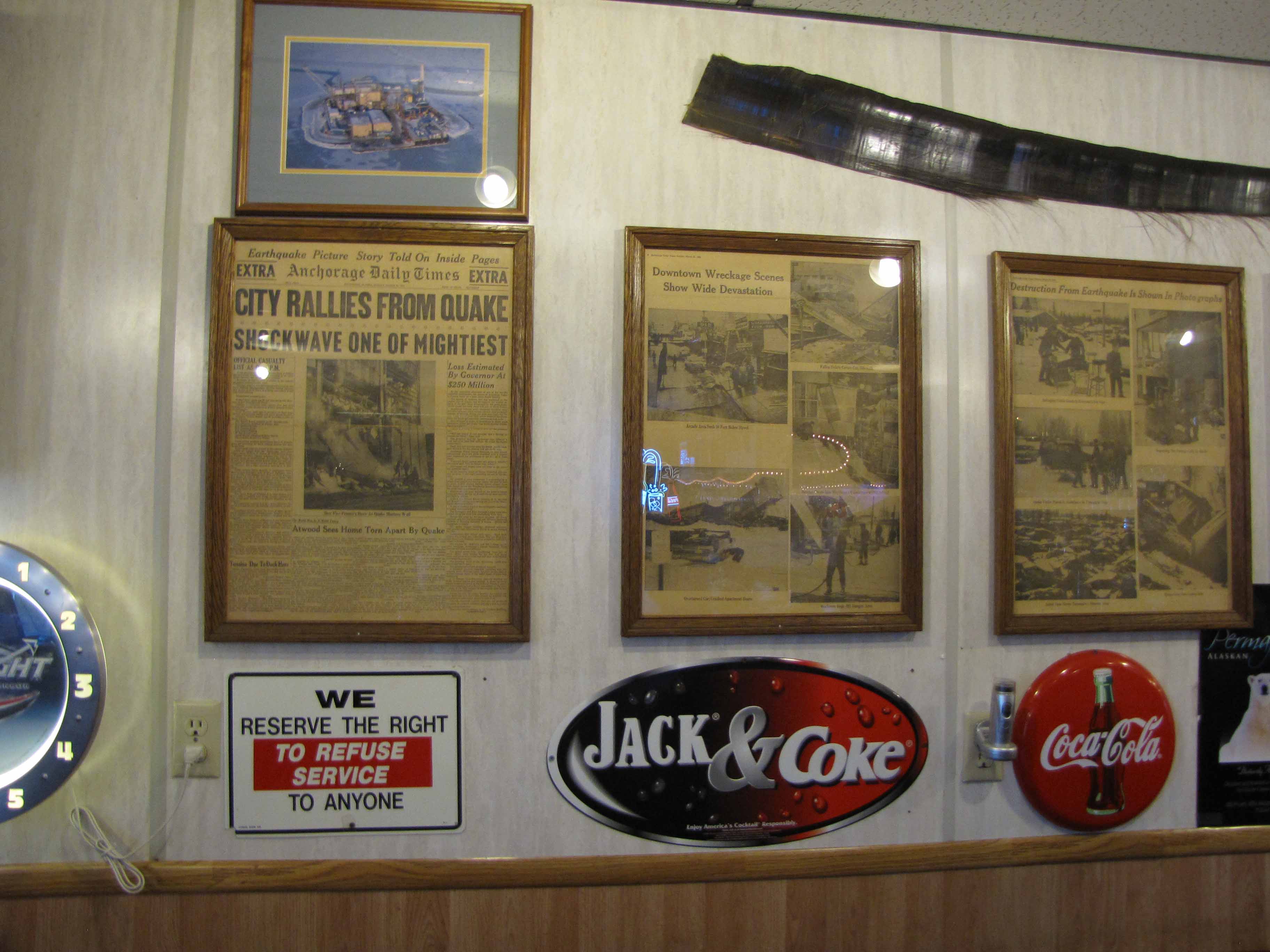
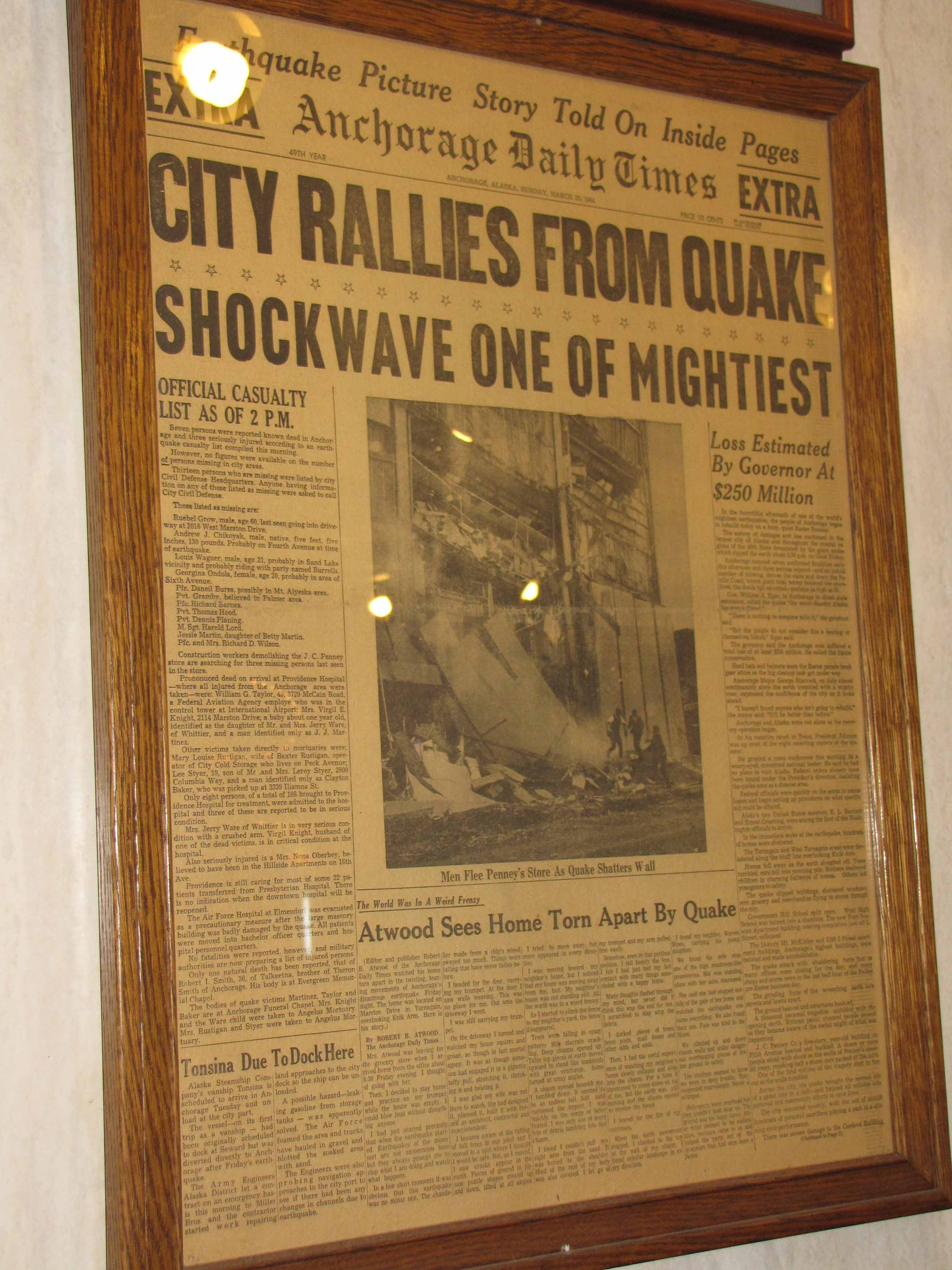


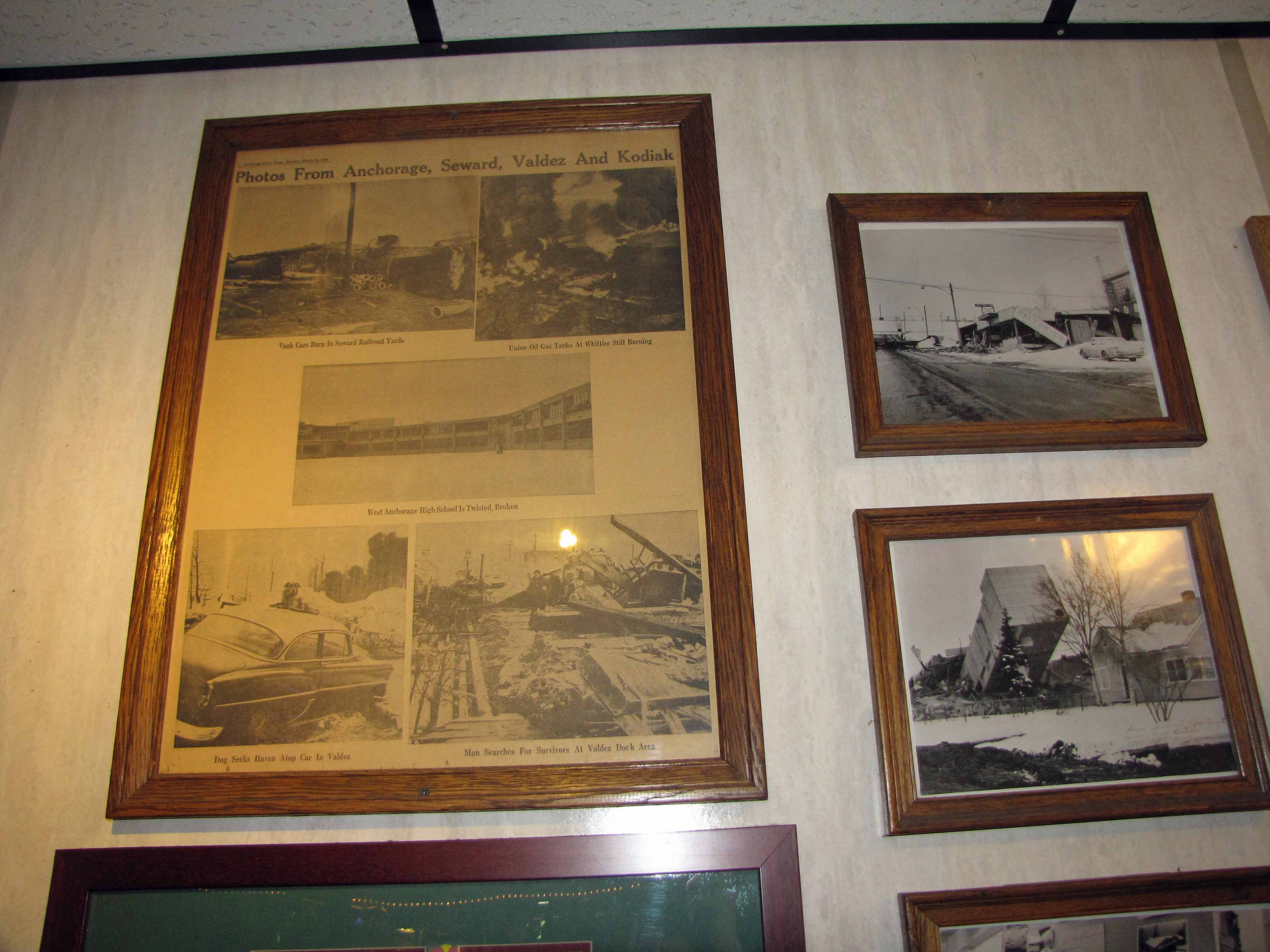
If you’re ever in Anchorage, I highly recommend going to Gwennie’s for a bite to eat and a look around. At least have a drink and take a look at the earthquake newspaper clippings.
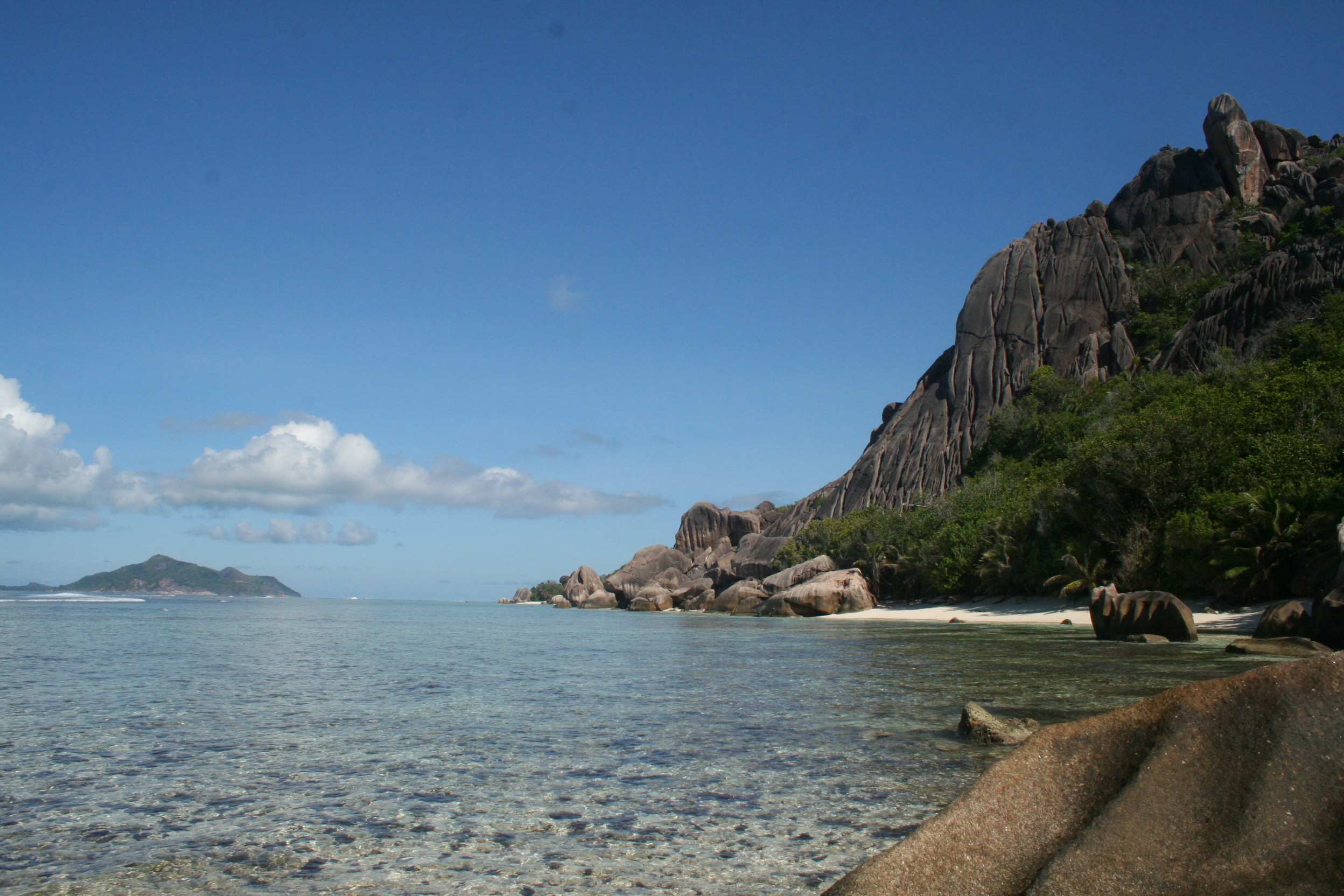
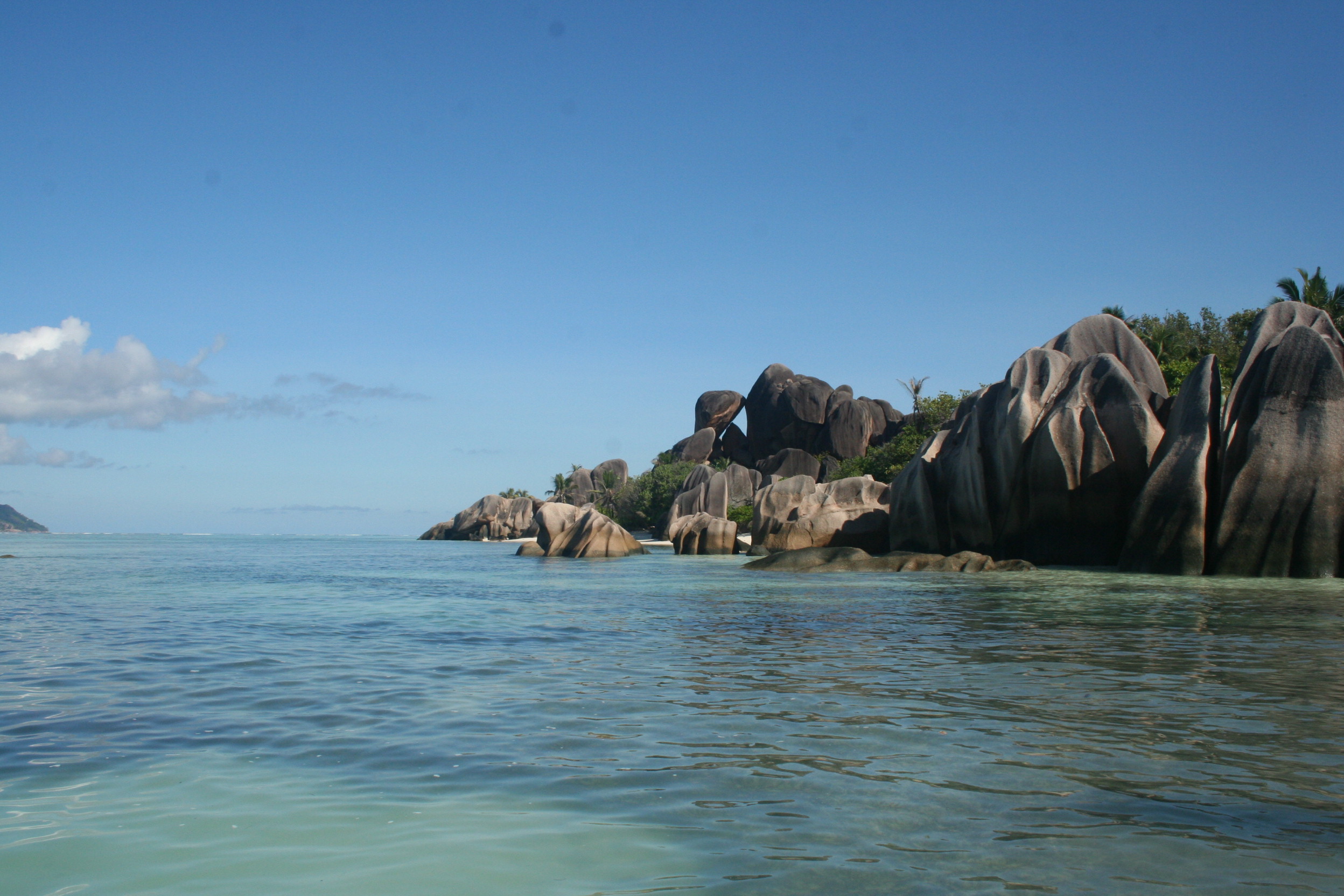
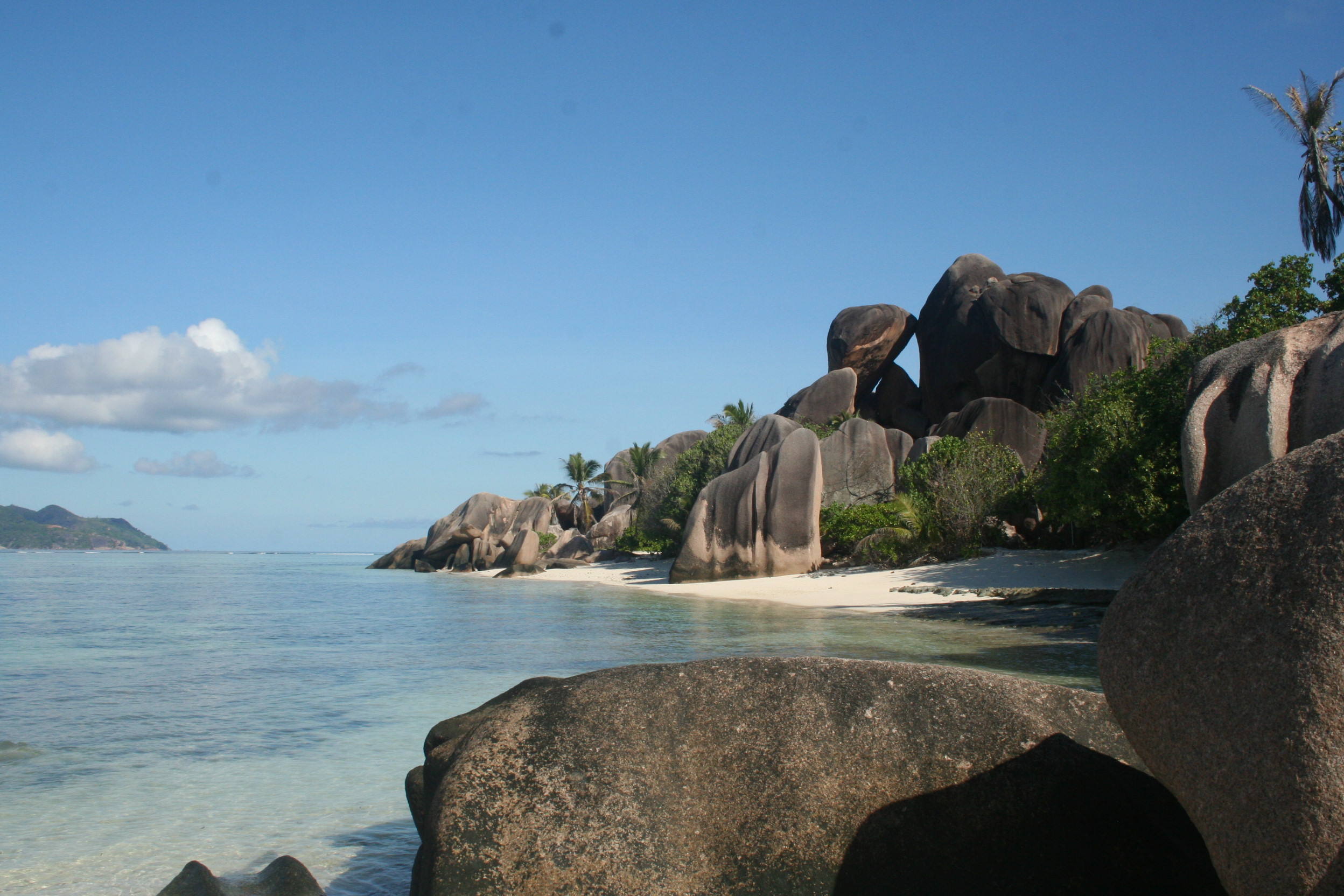
My good friends Nia and Patrick recently went on holiday in the Seychelles, an archipelago nation consisting of 115 islands. The Seychelles are located north of Madagascar. Along with Mauritius and Zanzibar, the Seychelles are a popular tropical vacation destination for South Africans.
Geologically, the Seychelles are very interesting. There are two types of islands in the Seychelles: young coral islands and older islands made of granite. There are approximately 40 granite islands in the “Inner Island” area, which is where the vast majority of the Seychelles population is located. The Seychelles islands are part of the Mascarene Plateau. The approximately 700 million year old granites found on some of the Seychelles islands (and on the northern Mascarene Plateau) are a fragment of the ancient supercontinent Gondwana. Pretty amazing, huh?
Over the next few weeks, I’ll be sharing some of Nia and Patrick’s Seychelles pictures for my “Monday Geology Picture” posts. I hope you enjoy seeing little fragments of Gondwana! The pictures in this post were all taken on the island of La Digue.

def. Glacial Erratic:
A rock which has been transported and deposited by a glacier and which has a different lithology than the rock upon which it has been deposited. Often, erratic rocks have an angular shape because they were broken off of bedrock by glaciers and have not yet had time to be weathered and rounded by water, wind, and other erosional forces. Glacial erratics can range in size from very small pebbles to very large boulders, but usually it is the boulders which are noticed since these stand out in the landscape and are not easily transported away again.
Recently, I have been thinking a fair amount about glacial erratics and other glacial rocks and deposits, such as tills and moraines. That’s because I currently work for a marine gold exploration company that has a project offshore Nome, Alaska, where glaciers have transported gold to the coast along with erratics and other glacial sediments. If you walk along the beaches of Nome, you can spot quite a few glacial erratics, such as the one I’m standing upon in the above picture.
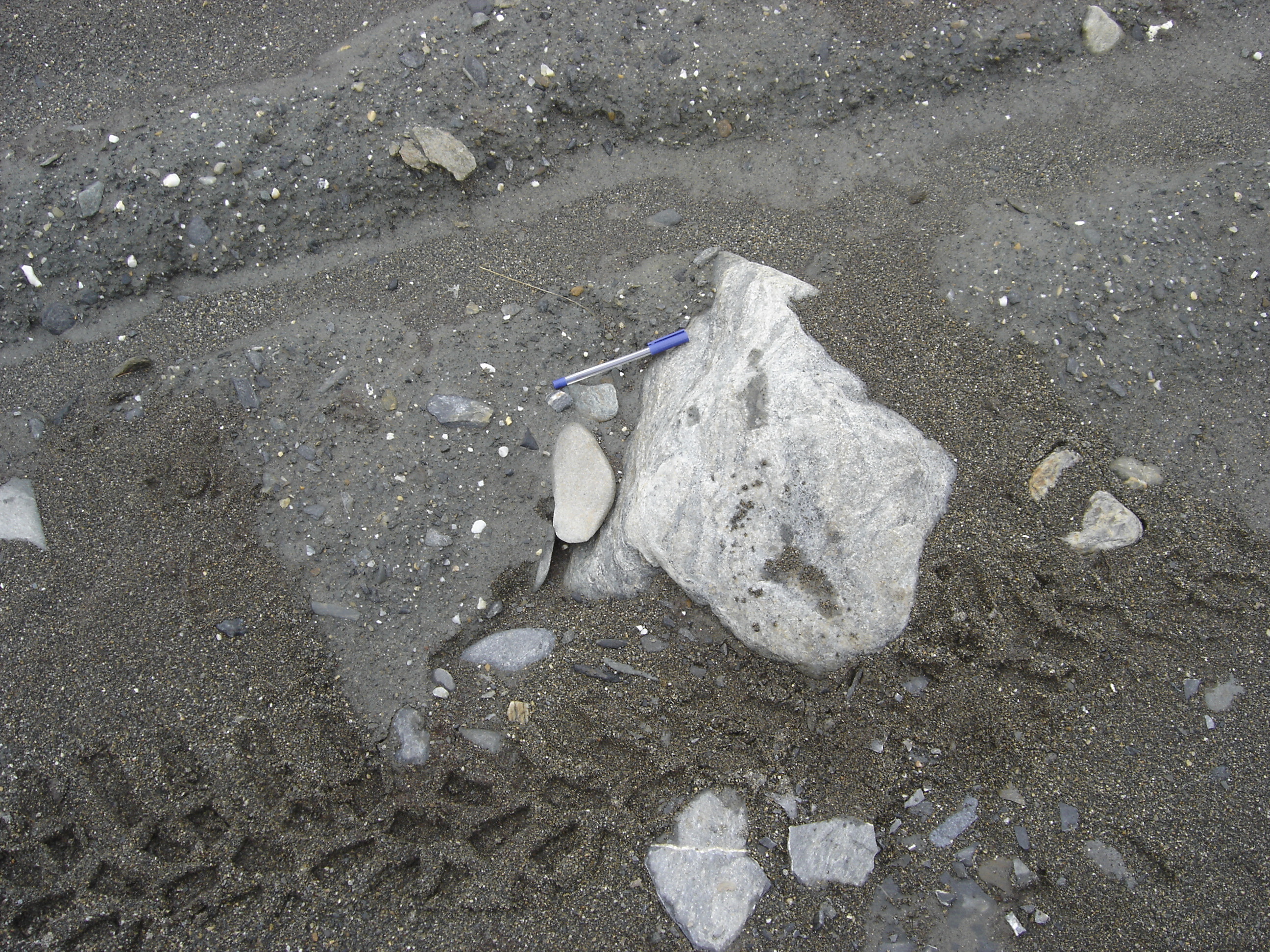
Having grown up in New England, I’m no stranger to glacial erratics. In fact, back in September I wrote a little about my favorite glacial erratic, which sits on an island in front of my parents’ lakeside cabin in New Hampshire.


For this week’s geology picture, I thought I would share the view from my hotel room in Phuket, Thailand. You can see some of Phuket’s famous islands in this view. One of the Phuket islands is the famous James Bond Island that was featured in the 1974 Bond flick “The Man with the Golden Gun.” I was only in Phuket briefly and didn’t have time to visit James Bond Island, but I hope to do so on a future visit to Thailand.
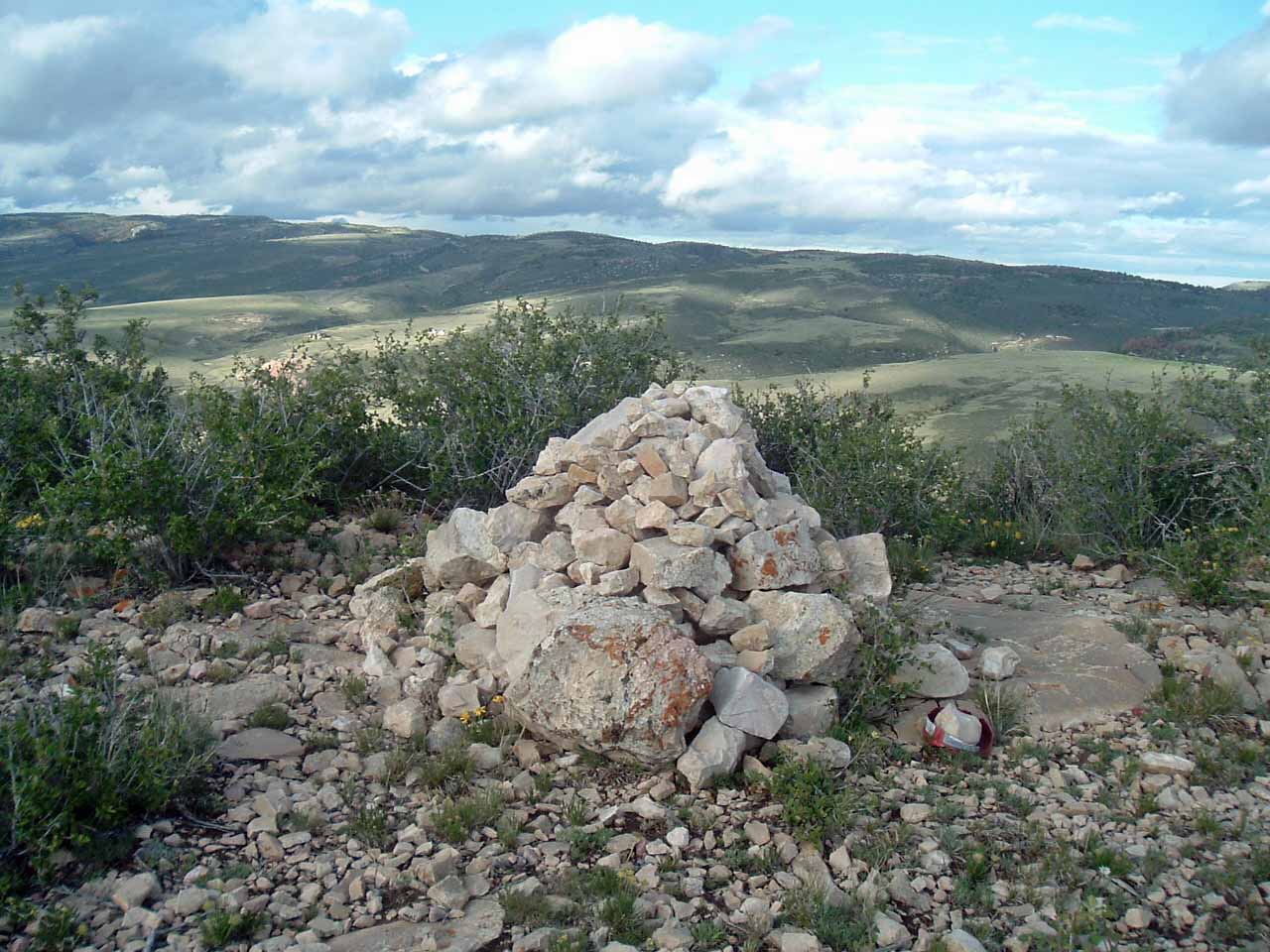
def. Float:
Loose pieces of rock that are not connected to an outcrop.
If you’re in the field with a geologist, you’re very likely to hear the word “outcrop” and the phrase “in situ“. When describing, identifying, mapping, and understanding rocks, geologists like to see rocks in context. If rocks were alive, you might say that geologists like to observe rocks in their natural habitats. You might say that geologists like to observe where rocks live and who their neighbors are and how they interact with their neighbors. Of course, rocks aren’t alive, but geologists still find it very useful to observe rocks in situ, a Latin phrase that literally means “in position.” When rock is observed in situ, that means that it is attached to an outcrop, which is a place where bedrock or other “in position” rock is exposed at the Earth’s surface. Sometimes, outcrops are natural– they are places where weathering, erosion, faulting, and other natural processes have exposed hard rock above softer soil, sediment, alluvium, and colluvium. Often, outcrops are manmade. Geologist are found of observing rocks exposed at manmade outcrops such as roadcuts and quarry walls. Observing rocks in situ at outcrops allows geologists to gather much more information about the rocks than can be gleaned from a fragment of rock alone. By observing rocks in context, geologists can gather much information about the structure, stratigraphic position, size, degree of weathering, and many other aspects of a particular body of rock. Observing rocks in situ at an outcrop is particularly important for geological mapping. Only rocks observed at an outcrop can be confidently delineated on a geologic map.

When geologists encounter pieces of rock that are not found in situ at an outcrop, they refer to these rocks as “floats.” Floats are pieces of rock that have been removed and transported from their original outcrop. Sometimes, float rocks are found very close to outcrops. For example, weathering and erosion may create a pile of float rocks at the bottom of a hill below an outcrop. Often, geologists will first notice float rocks and then will look around– and often find– the outcrop from which the float rocks originated. Of course, geologists can never be 100% sure that a float rock originated from a particular outcrop, but they can be pretty certain if there is a similar rock in outcrop nearby the float. Other times, float rocks are found very far from their original outcrops. Water, ice, and even wind can transport rocks very far from their original outcrops. A well-known type of float rock is a glacial erratic, a rock which has been scraped up and transported by a glacier.

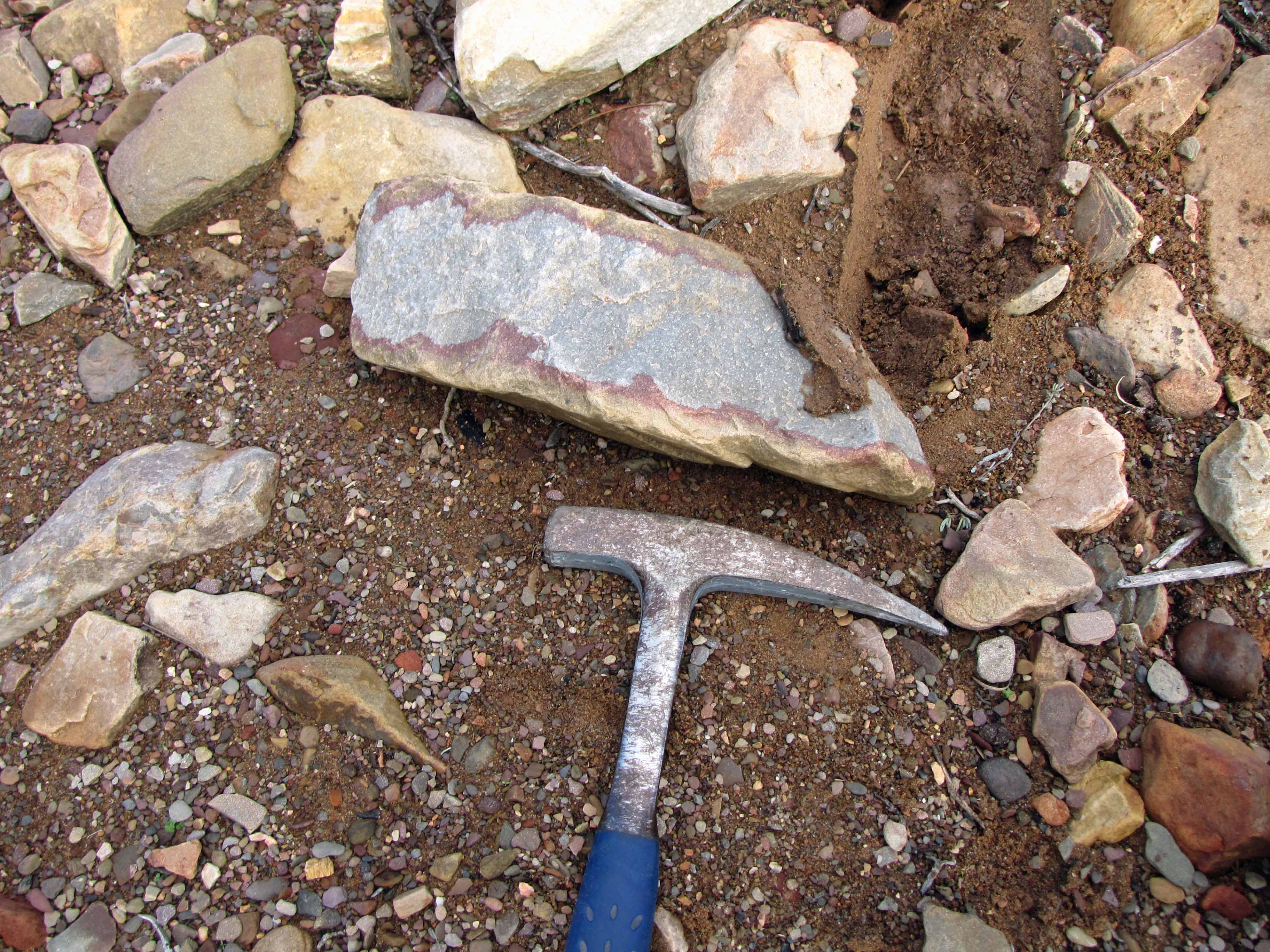
Float rocks can even be transported by anthropogenic activities. Many rocks are quarried and used for buildings, walls, roads, bridges, and other construction projects. Anthropogenic activities can move rocks far from their original outcrops. For example, in rural New Hampshire where I grew up many of the roads are gravel roads. The gravel that covers the roads is quarried and brought in by truck. I like to walk along the gravel roads near my parents’ house in New Hampshire and pick up interesting pieces of gravel. Sometimes, the gravel pieces contain spectacular garnets, micas, and other pretty minerals. I often find myself wondering about the geology of these gravel rocks. I can understand some things about the geology of these gravel float rocks, but to really understand these rocks I’d need to track down the quarry locations and go look at an outcrop or two.
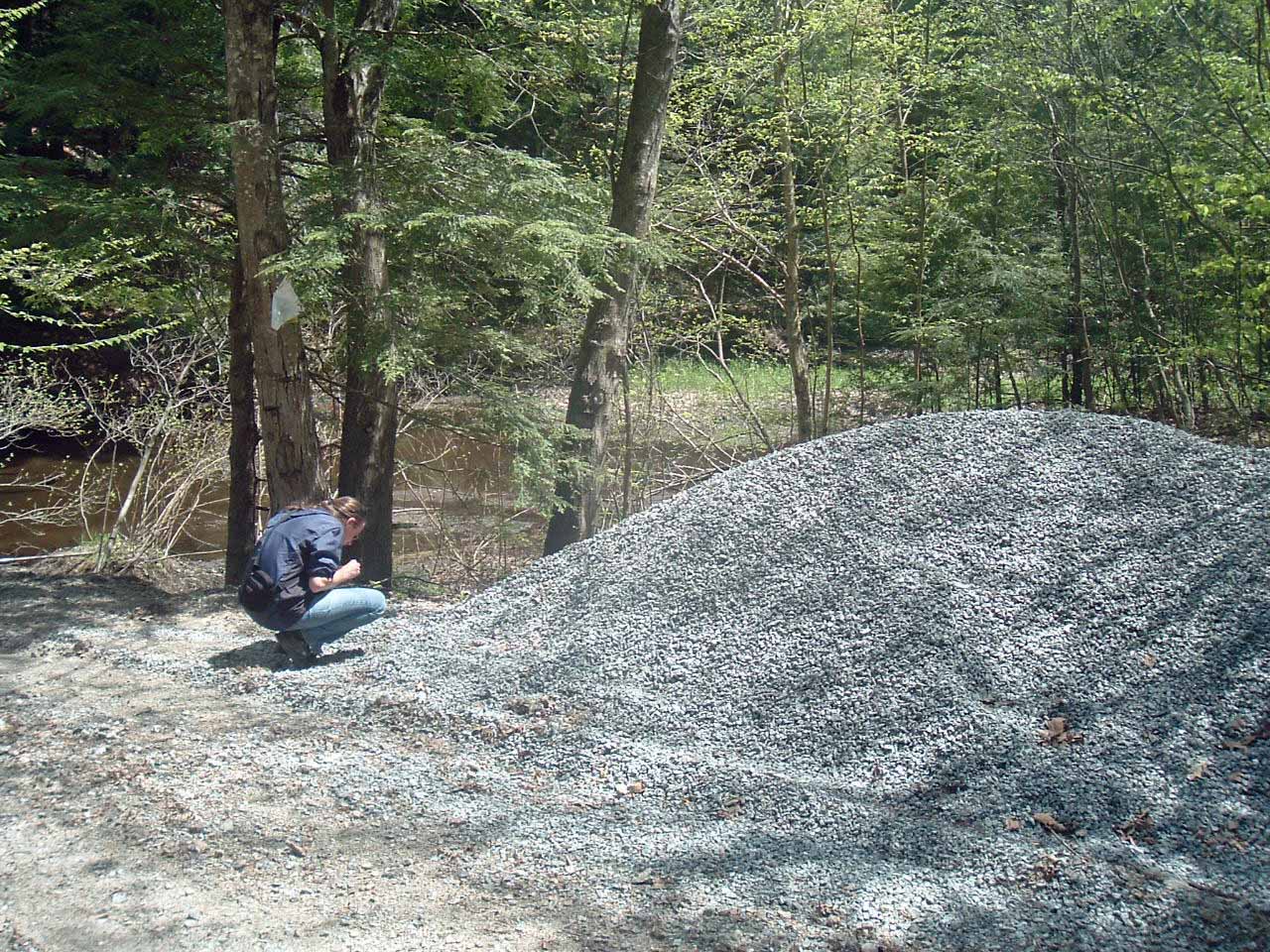
Often, geologists are brought float rocks to identify. Curious non-geologists often pick up loose pieces of rock and bring them to geologists for identification. Commonly, people pick up dark-colored rocks and wonder if they are meteorites (most often, they’re not). Whenever I am brought a float rock (or am sent pictures of a float rock), one of the first questions I ask is, “Where did you find the rock?” I also often ask, “Were there any outcrops of the rock nearby? I mean, places where the rock was still attached to the Earth?” Often, the reply to these questions is, “No, I just picked up the rock. I don’t really remember where– somewhere in such and such place.” I do my best to identify float rocks when I can, but the truth is that there is only so much information that a geologist can gain from a float rock. Don’t get me wrong– geologists can still learn a great amount from float rocks. Nevertheless, geologists prefer to observe rocks in their natural habitats.
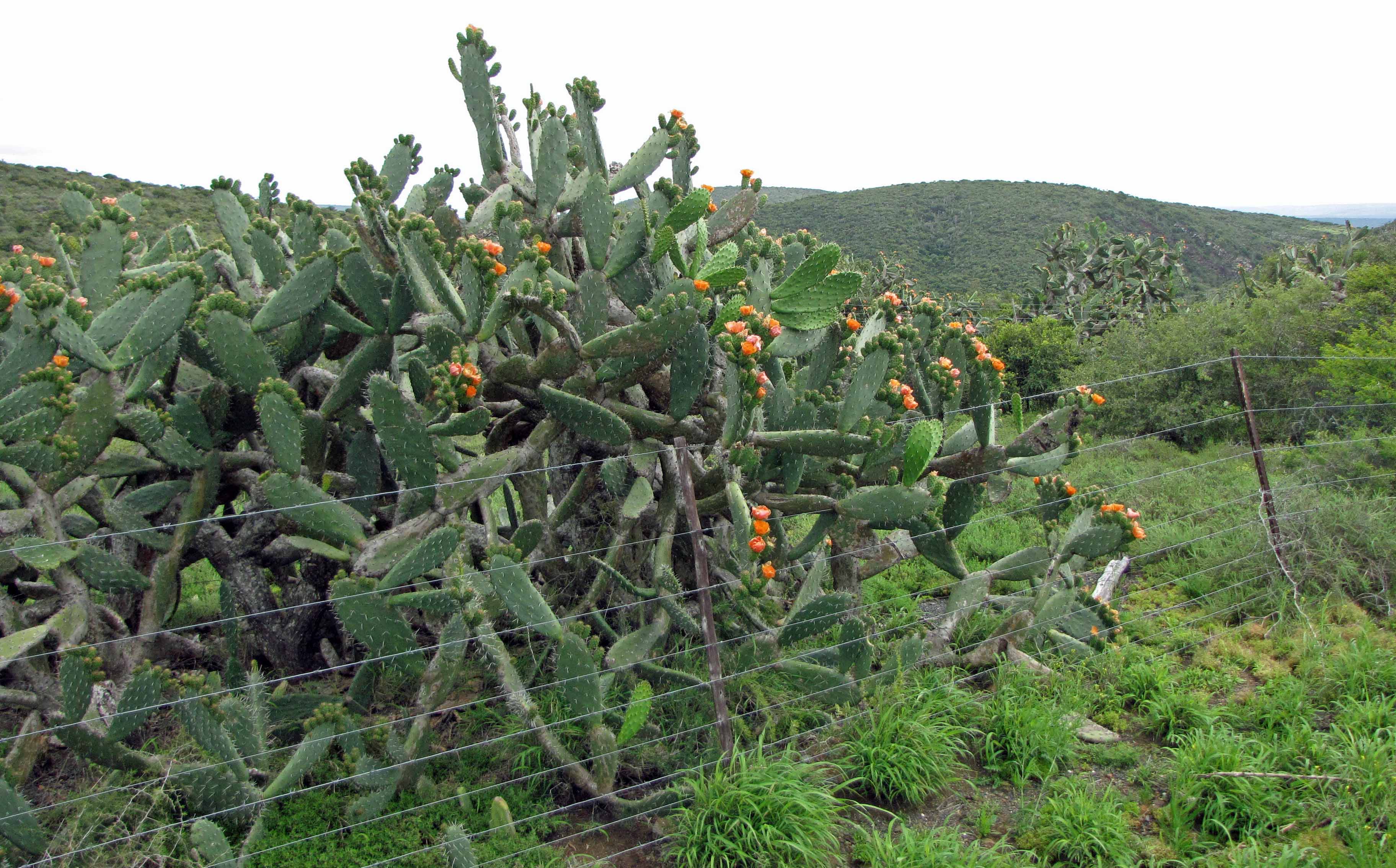
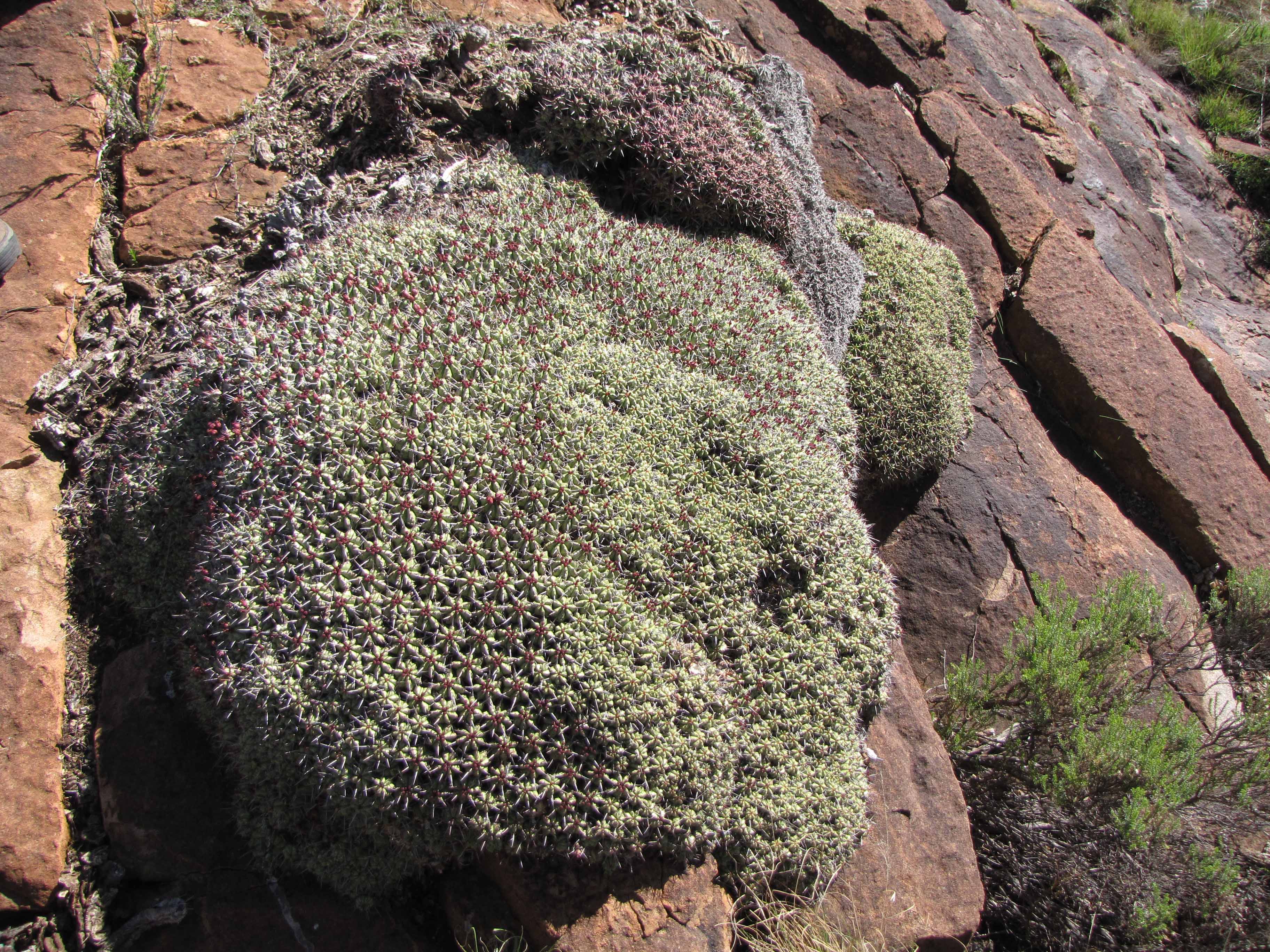
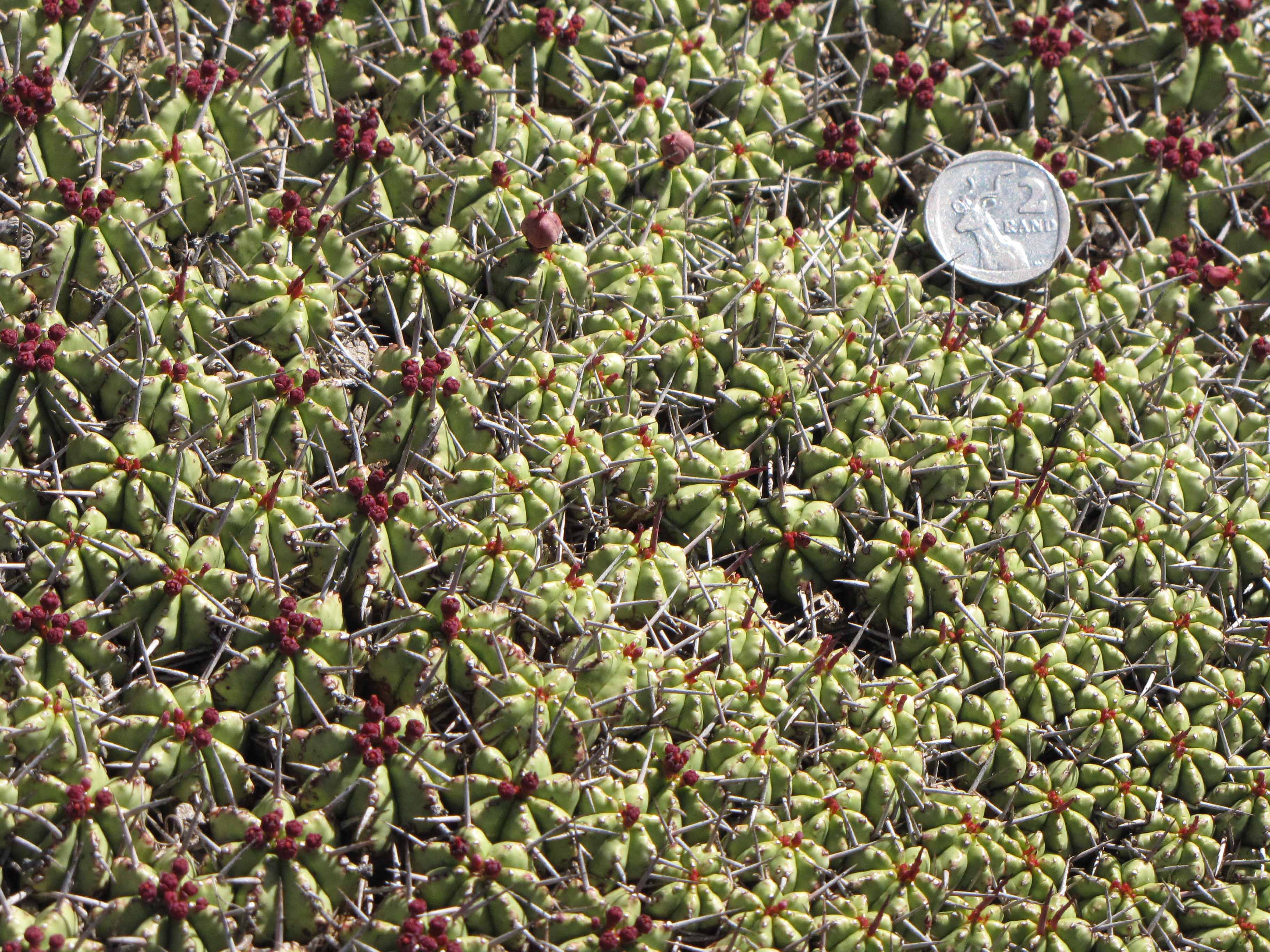
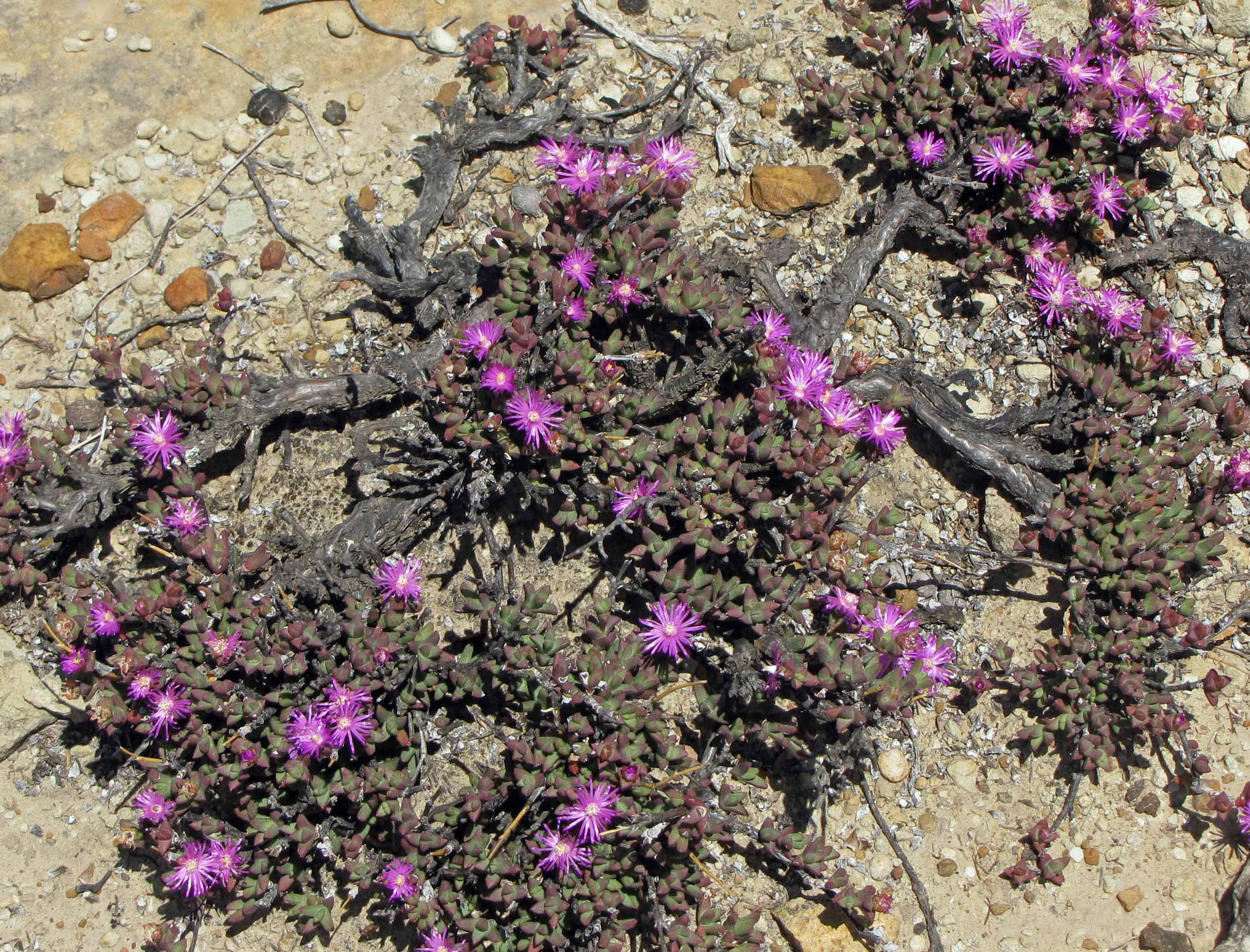
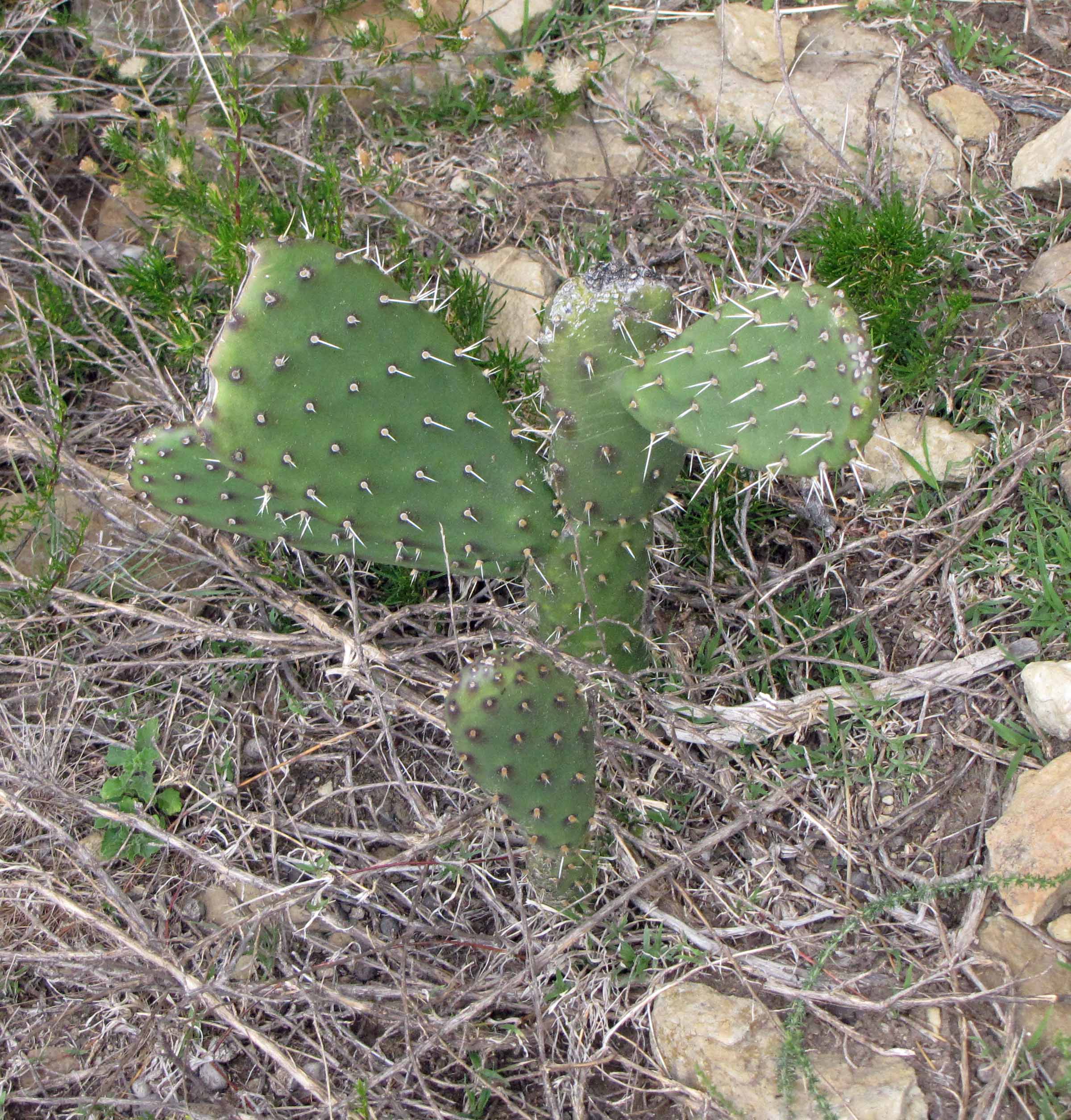
So, I’ve been meaning to put up another LASI V post or two, but I’ve been extremely busy with my day job over the past few weeks. I hope to have another substantive LASI V post up soon, but in the meantime here’s a lovely biological interlude post that contains pictures of some vegetation which I observed during the LASI V field trip to South Africa’s Karoo. As I geologist, I generally dislike vegetation since it covers up all the pretty rocks. Sometimes, though, vegetation is pretty enough that I don’t mind it too much. If any botanists read this post and know about the vegetation in the pictures, please enlighten us geologists!
Observed on Day #1 of the LASI V Field Trip:


Observed on Day #2 of the LASI V Field Trip:

Observed on Day #3 of the LASI V Field Trip:





This week I thought I would I share a picture of my beautiful sister-in-law Bonita on her honeymoon in Mpumalanga, South Africa back in September. In the above picture Bonita is standing in front of a geological feature known as “The Three Rondavels”.
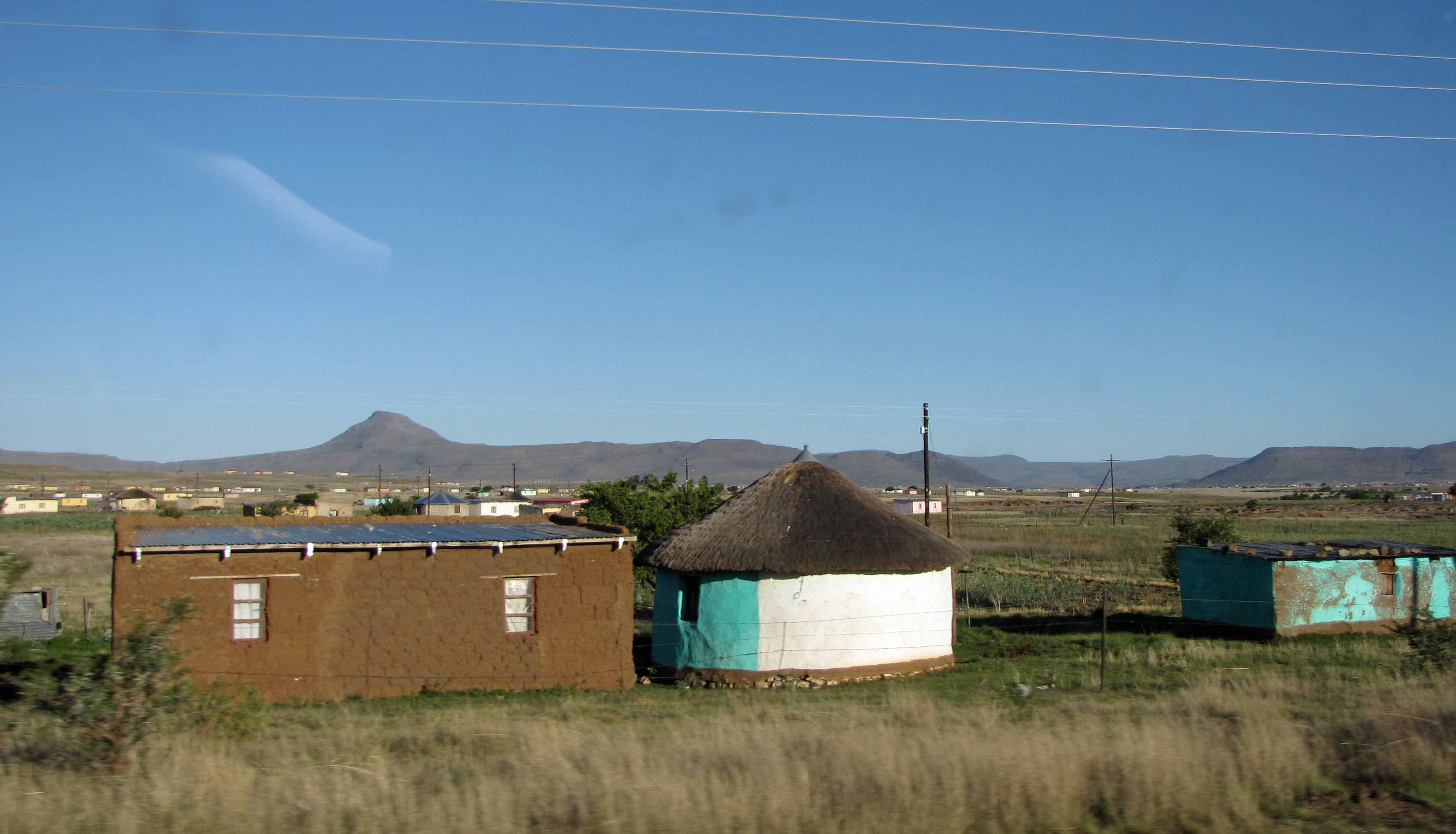
A rondavel is a type of traditional African house which is circular in shape. Here’s a picture of a rondavel in the Karoo region of South Africa:
My sister-in-law and her husband saw some other geological wonders on their honeymoon. Be sure to check out the previous posts on Berlin Falls and Bourke’s Luck Potholes. I’ll probably be sharing some more pictures from their honeymoon, too!

def. Eurypterid:
1. A group of extinct arthropods that were fearsome marine predators of the Paleozoic. There were over 200 different species of eurypterid, and they ranged from very small (less than 20 cm) to very large (greater than 8 feet). Because of their long tail, eurypterids are sometimes called “sea scorpions.” Indeed, they are closely related to today’s scorpions and other arachnids. One species of eurypterid, Eurypterus remipes, is the state fossil of New York.
2. A really, really cool fossil that I one day hope to add to my rock collection.
You can find out much more about eurypterids on wikipedia and Google. You can also buy your very own plush eurypterid here.
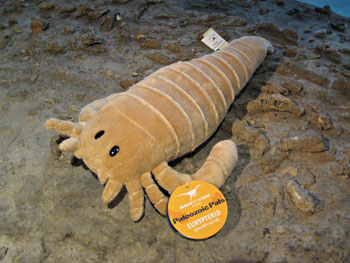
***Thanks to Liz Johnson for suggesting this week’s word, inspired by my own What to Buy a Geologist for Christmas: 2012 Edition post. Thanks also to Tony Martin for providing the wonderful picture of eurypterid fossils.***
 Georneys