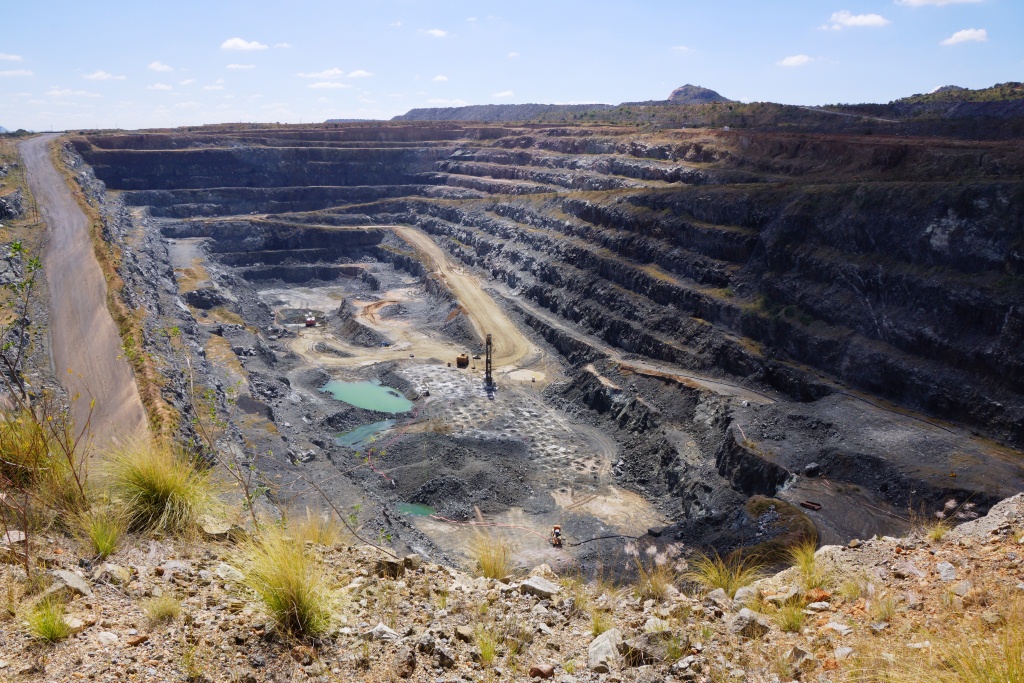
Monday Geology Picture: Mogolokwena Platinum Mine, South Africa

One of the impressive open pits at Mogolokwena Platinum Mine. Picture taken by Jackie Gauntlett.

Today’s Monday Geology Picture and description are courtesy of my husband Jackie Gauntlett, who is sharing another picture from his recent field trip as part of his masters degree in Exploration Geology at Rhodes University.

From Jackie:

Mogolokwena Platinum Mine is the largest platinum mine in the world and is situated on the Northern Limb of the Bushveld Complex in South Africa. This image shows one of four open pits currently being mined by Anglo Platinum on this mine. South Africa holds around 90% of the world’s platinum reserves, and it is envisioned that the Mogolokwena pits could one day extend almost 100 km in uninterrupted length. At the moment, Mogolokwena Mine has a life of mine of 130 years, a number that climbs by decades after every drilling program. At this rate the exploration team had better stop working so quickly as they’re likely to drill themselves out of a job! This mine truly represents a world class platinum deposit.

Weekly Geology Picture(s) #2: Barberton Mountainland, South Africa

To make up for missing the last two Monday Geology Picture posts, here’s another guest post by my husband Jackie Gauntlett. This post shares more pictures from his recent mining / exploration geology field trip in South Africa.

Figure 1. Pillow lavas. Picture taken by Jackie Gauntlett.

The Barberton Mountainland in north-eastern South Africa is underlain by the some of the oldest and best preserved rocks in the world – the Barberton Greenstone Belt. The rocks of this unique area allow geologists to peer into the world of 3.5 billion years ago. The variety of rocks making up this ancient belt provide some of the earliest evidence for deep bodies of water (pillow lavas – Figure 1), running water and fluvial systems (conglomerate beds and cross-bedding (Figures 2 and 3)), tidal systems (symmetrical ripples, Figure 4) and…our ancestors. The oldest form of life was discovered here, a bacterial micro fossil Archaeospheroides barbertonis and has been identified as being 3.2 billion years old (Figure 5).

Figure 2. Conglomerate. Picture taken by Jackie Gauntlett.
Figure 3. Cross-bedding. Picture taken by Jackie Gauntlett.
Figure 4. Ripple marks. Picture taken by Jackie Gauntlett.
Figure 5. Archean fossils! Picture taken by Jackie Gauntlett.

The Barberton Makhonjwa Geotrail is an amazing initiative, and I urge anyone passing through to spend a day absorbing this unique and spectacular part of South Africa. Check out a description of the trail here.

Weekly Geology Picture(s) #1: Chromitite in the Bushveld Complex, South Africa

So, I have been quite negligent recently and missed both last week’s and this week’s Monday Geology Picture. My apologies for that! Life has been very busy with things such as writing a paper and preparing for upcoming fieldwork. To make up for missing the Monday Geology Picture the last two weeks, my husband Jackie is going to share two sets of pictures (one today, one tomorrow) from his recent mining / exploration geology field trip in South Africa.

Without further ado, here’s the first guest post from my husband Jackie Gauntlett:

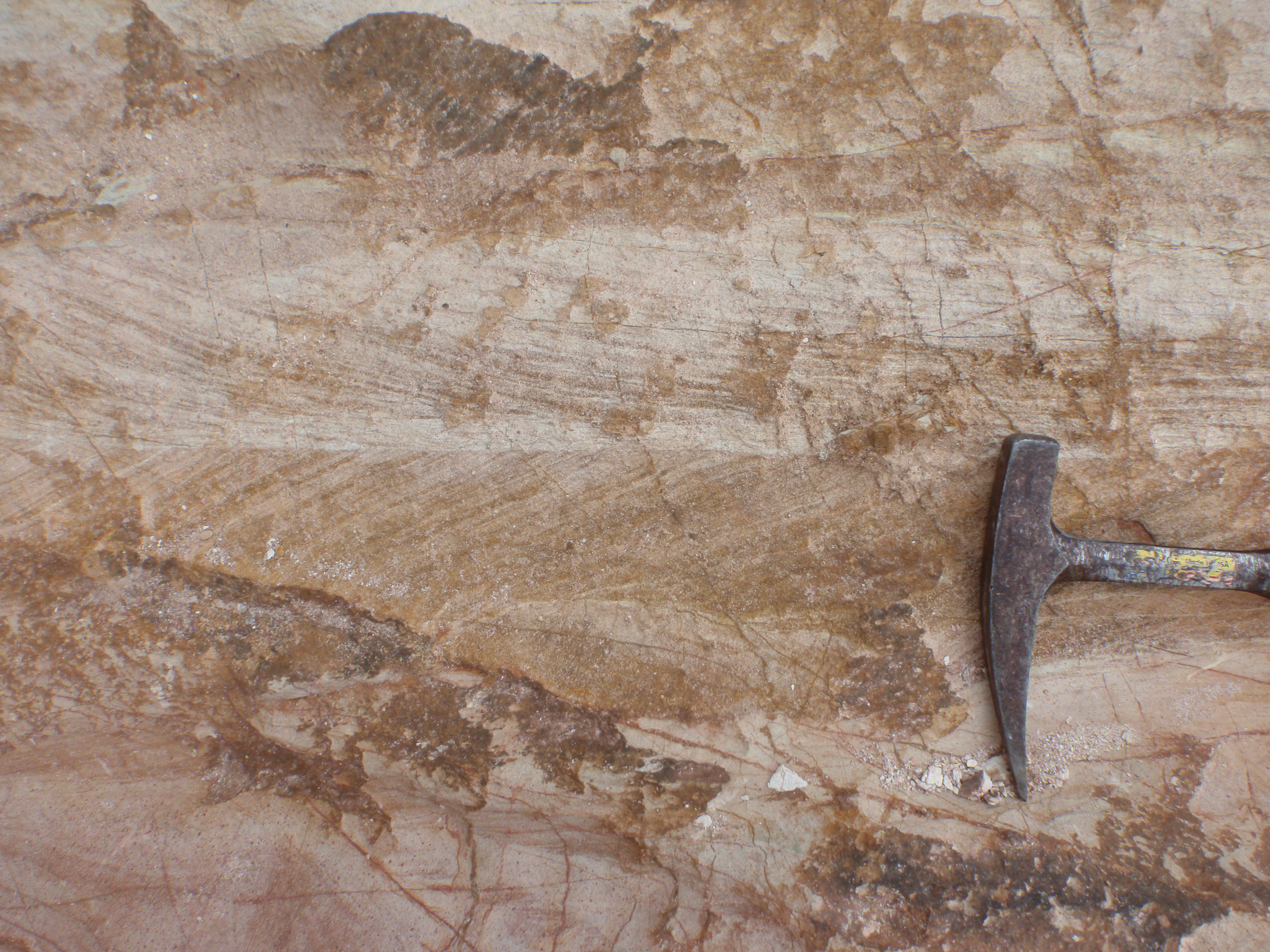
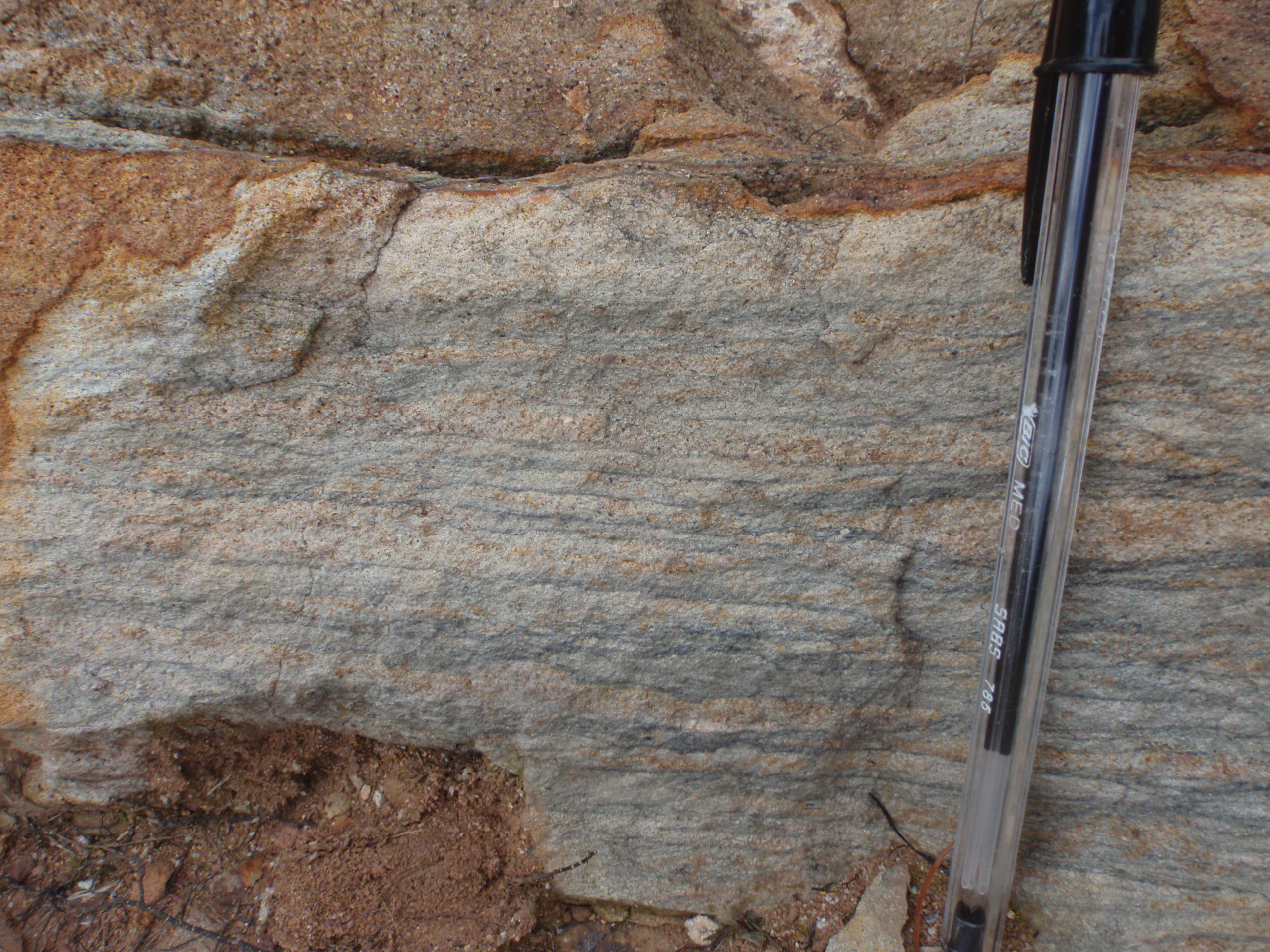
Chromitite seams in the Bushveld Igneous Complex, exposed at Dwars Rivier. Picture taken by Jackie Gauntlett.
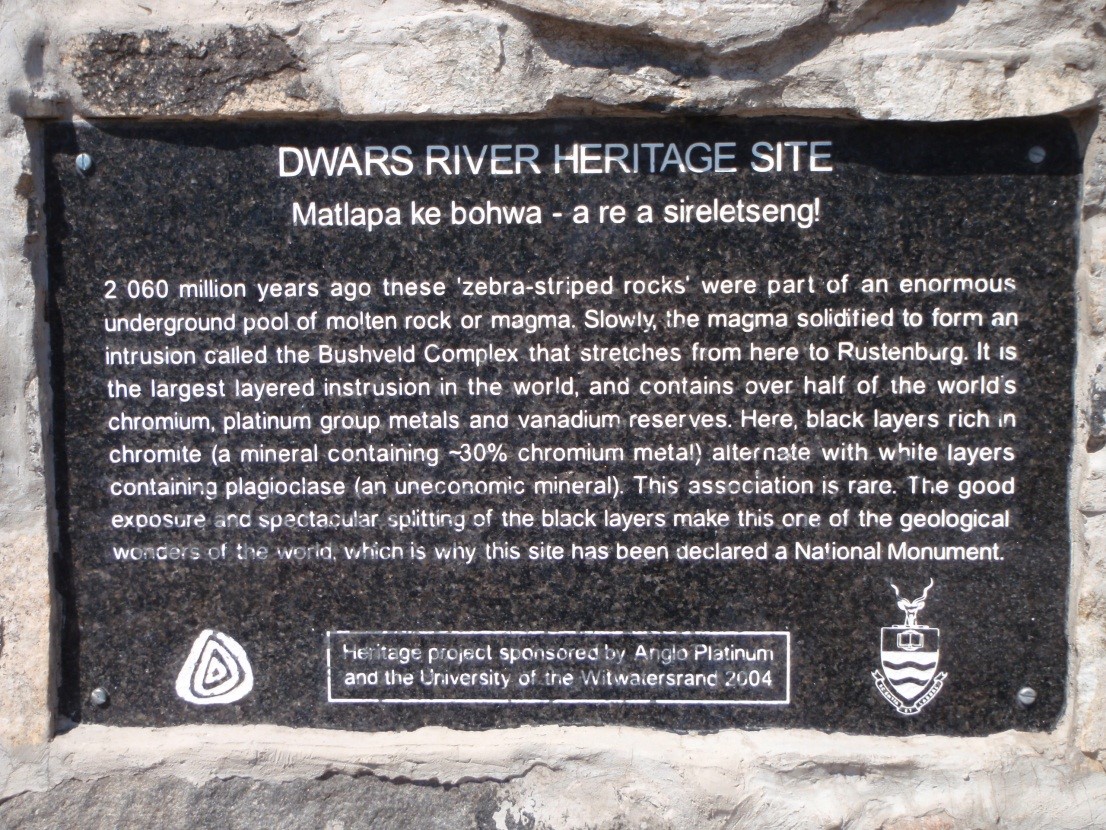
Informational sign for the Dwars River Heritage Site in the Bushveld Igneous Complex. Picture taken by Jackie Gauntlett.

The Bushveld Igneous Complex in northern South Africa is an amazing, yet somewhat enigmatic, geological phenomenon. At around 8 km thick, this layered igneous intrusion is the largest in the world by an order of magnitude. Its features also allow geologists a look into the inner workings of large magma chambers. In the image above we see layers of chromitite (a rock made up of ~40% chromite) within an anorthosite package. Conventional thinking from other similar igneous bodies would suggest that these layers were laid down inside a magma chamber one on top of the other during fractional crystallisation. However, outcrops like the one at Dwarsrivier show bifurcating seams which often rejoin and anorthosite xenoliths (rip-up clasts maybe?), alluding to a horizontal intrusion mechanism within a hot chamber. Interestingly, even though bifurcating seams are common, the total chromitite thickness remains constant and individual seams can be traced – across 200 km!

Monday Geology Picture: Table Mountain and Lion’s Head

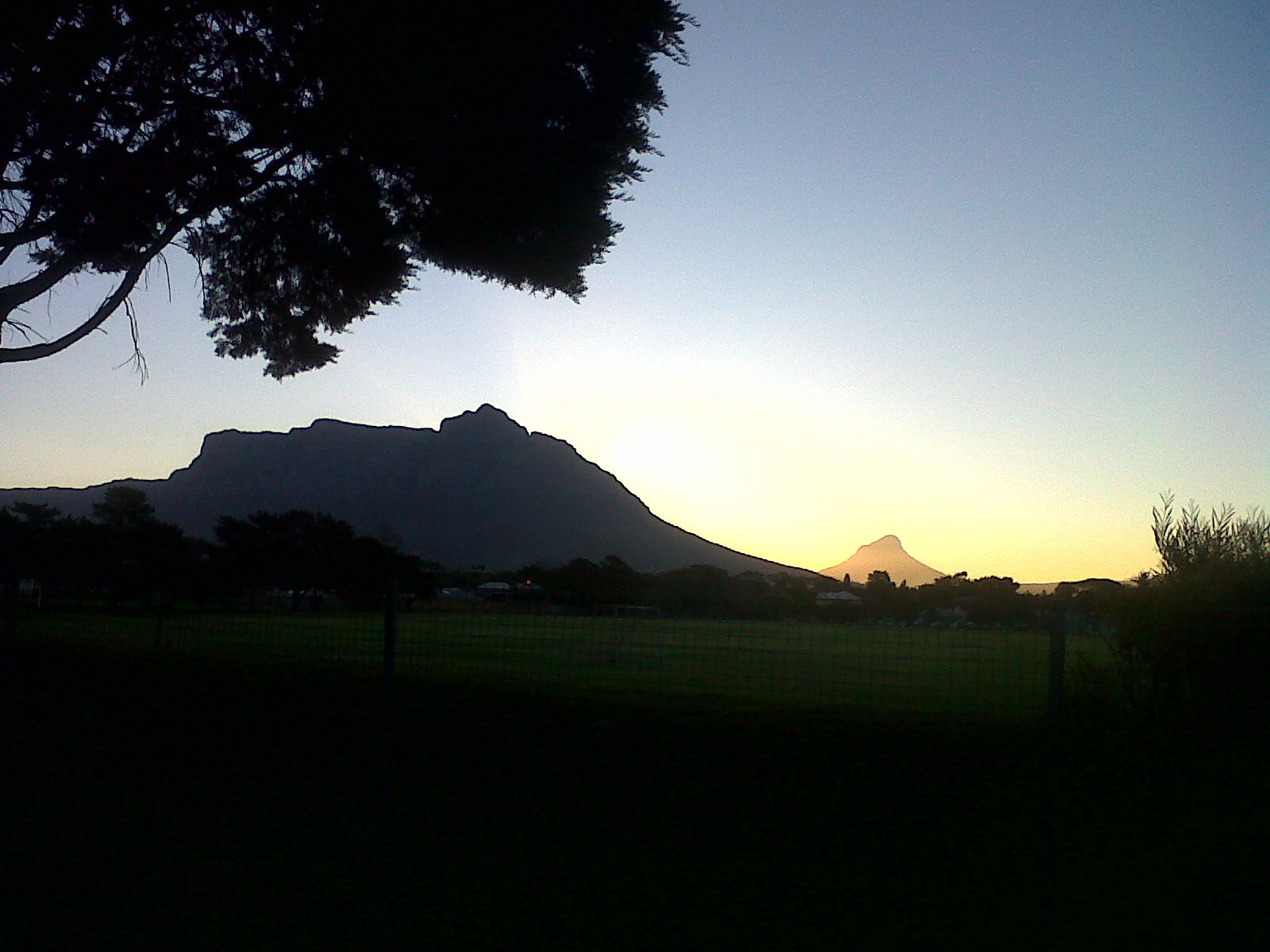
Mountain sunset along one of my walking / running routes.

For this week’s geology picture, I thought I’d share a picture that I took during one of my regular evening walks / runs here in Cape Town, South Africa. This picture shows Table Mountain and Lion’s Head, one of our local inselbergs, at sunset. I feel very fortunate to live in a city with such impressive and beautiful geology.

Monday Geology Picture(s): Petrified Trees

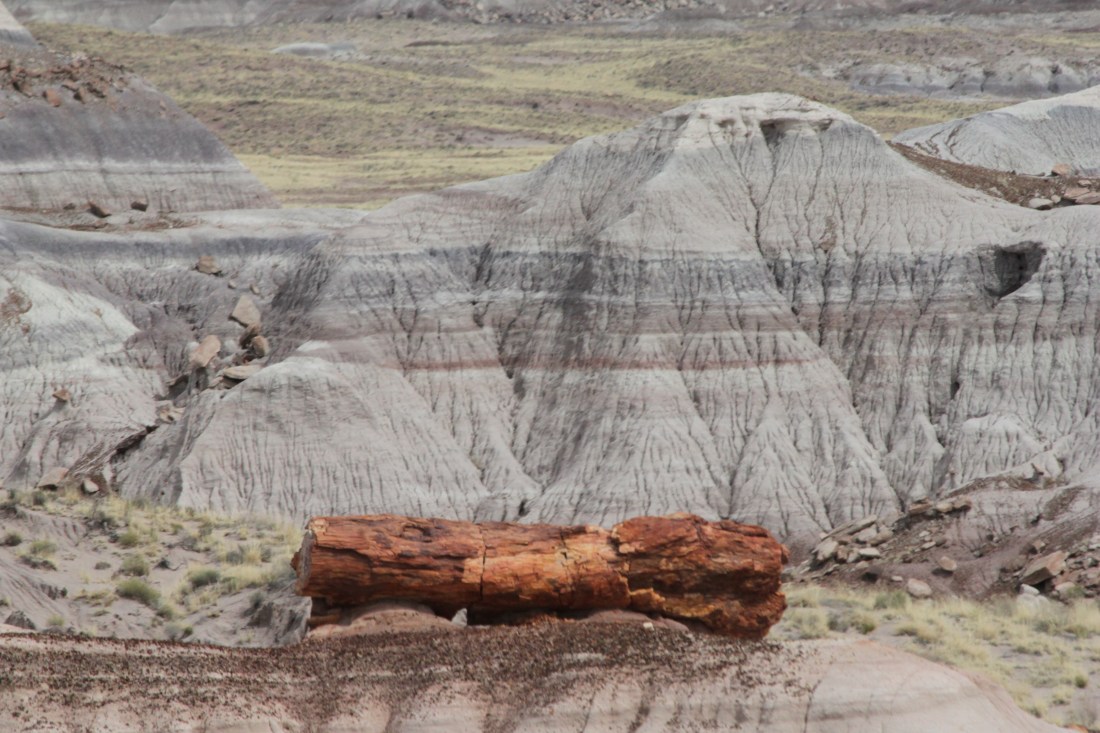
Petrified Forest National Park #1.

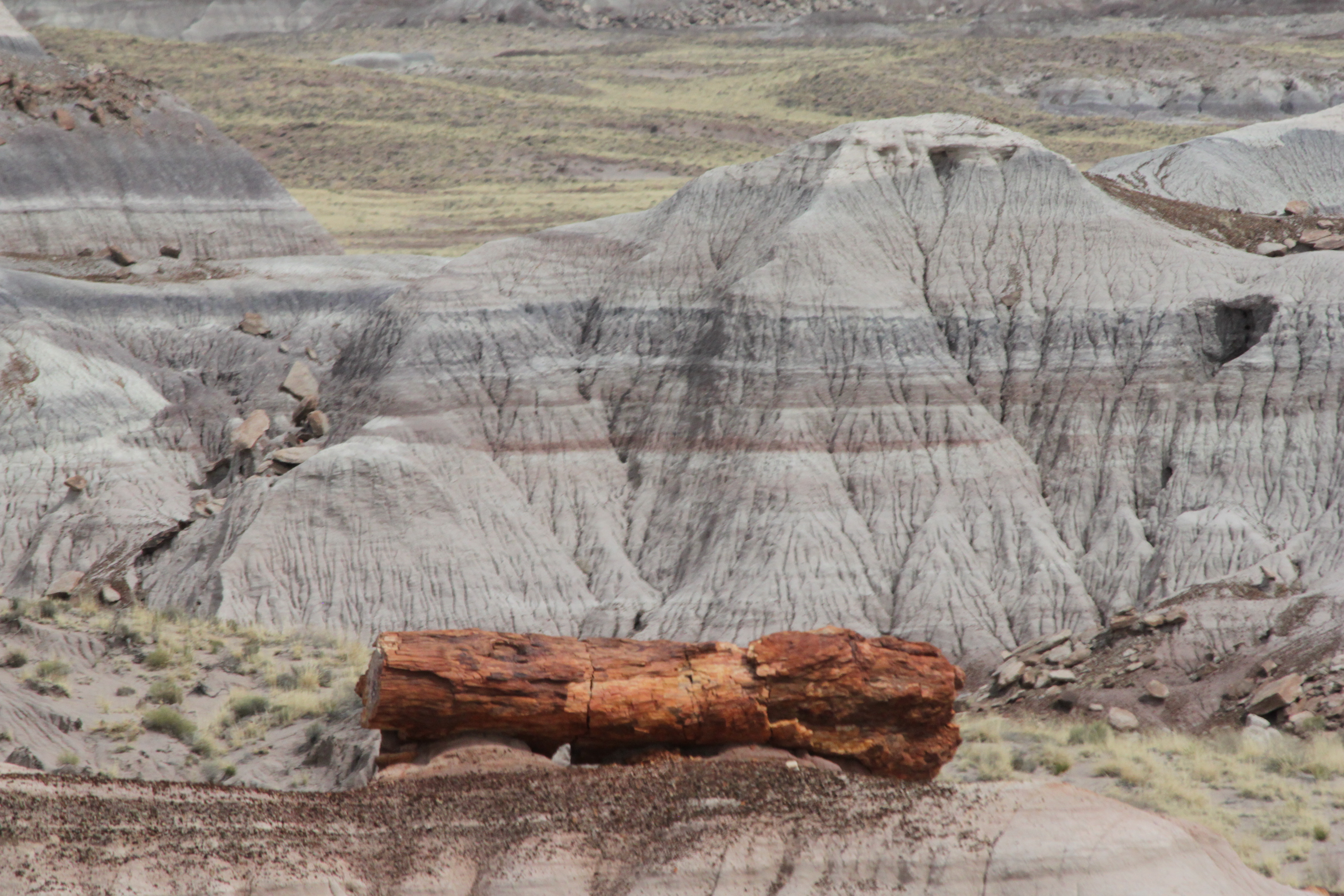
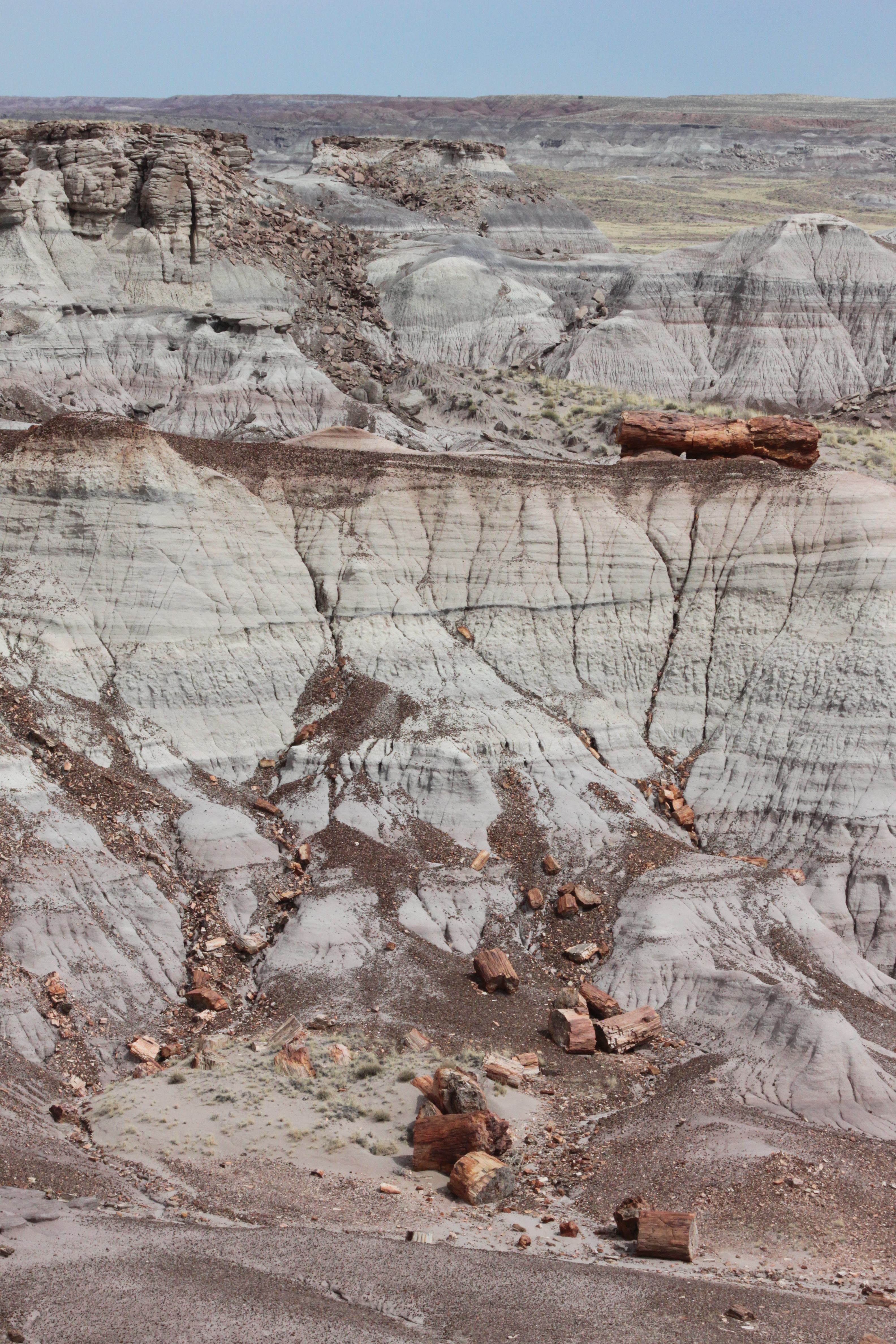
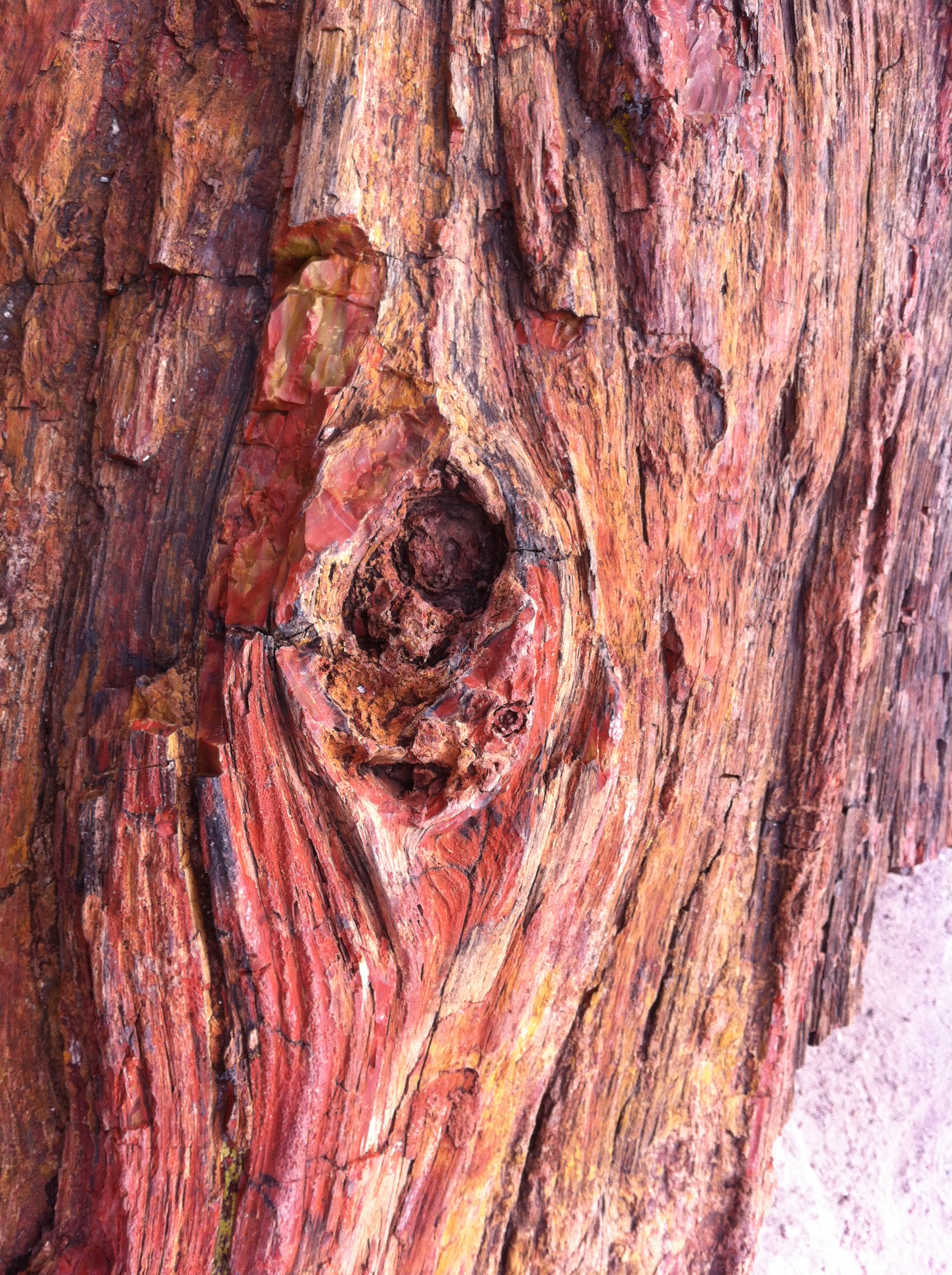
My friend Ray recently visited Petrified Forest National Park in Arizona and was kind enough to send me some of his gorgeous pictures of the landscape, including the petrified trees. Ray says that these pictures were all taken along the Blue Mesa Loop. These fossilized trees are about 225 million years old! They are weathering out of the Chinle Formation, a beautiful Triassic sedimentary unit. I’ve never visited this park, but it’s now very high on my list of geological places I’d like to visit!

Thanks for sharing some pictures here on Georneys, Ray!

Petrified Forest National Park #2.
Petrified Forest National Park #3.
Petrified Forest National Park #4.

Monday Geology Picture(s): Gold Reef City– Some Historical Views

Old mining picture in the Gold Reef City museum. Looks like hard work!

This week I’m sharing the last pictures from my September 2012 visit to Gold Reef City, Gold Reef City, a gold mining themed amusement park in Johannesburg, South Africa. The amusement park is built on the site of an old gold mine, and these pictures provide some insight into what life was like on the mine in days gone by. There is a museum with some pictures and information on what life was like for the miners– it wasn’t always great, by any means. There are also some historical buildings that were used by the mine supervisors and their families. These buildings are filled with historical artifacts. The museum and historical houses weren’t particularly crowded– I guess the rides are much more attractive than the history, which is a shame.

Another picture in the museum.
A recreation of some of the mineworkers' quarters. Doesn't look very comfortable!
My husband Jackie in front of one of the old houses that belonged to the mine managers / bosses.
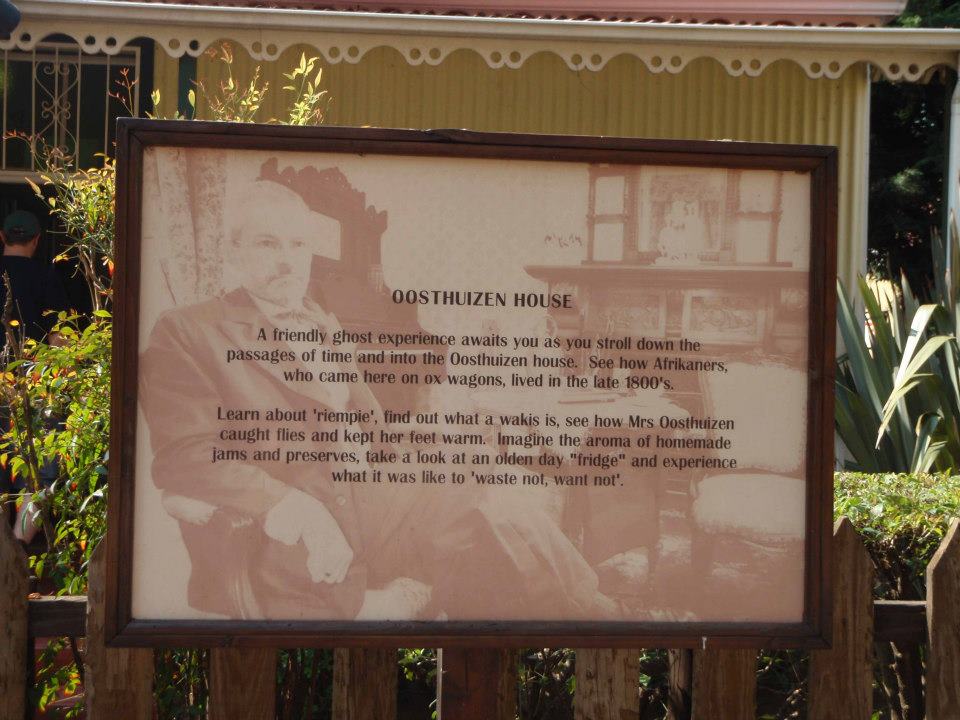
A sign in front of one of the historical houses.
Another sign in front of another historical house.
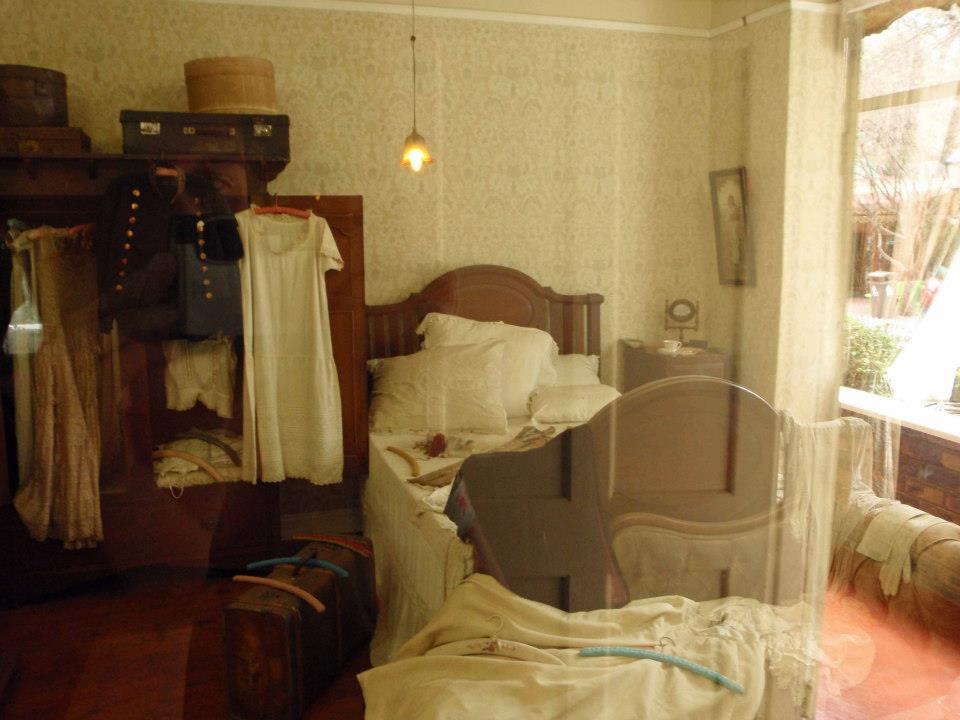
Inside one of the houses.
Another view of the room. This bed looks much more comfortable than where the mineworkers slept!
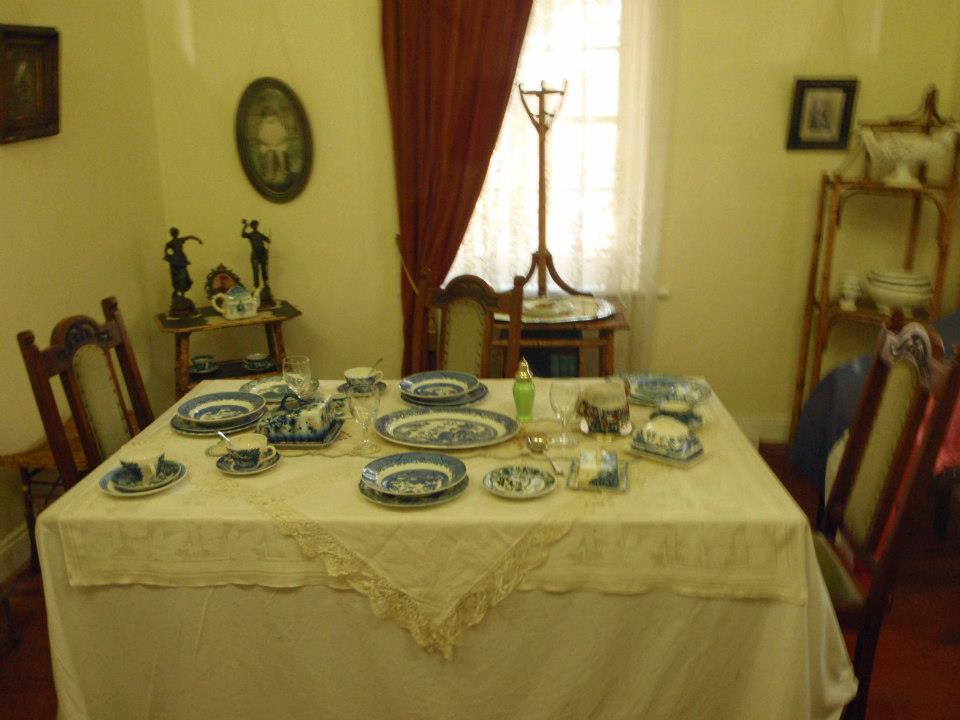
A dining room table. I really like Willow Ware plates such as the ones on the table.
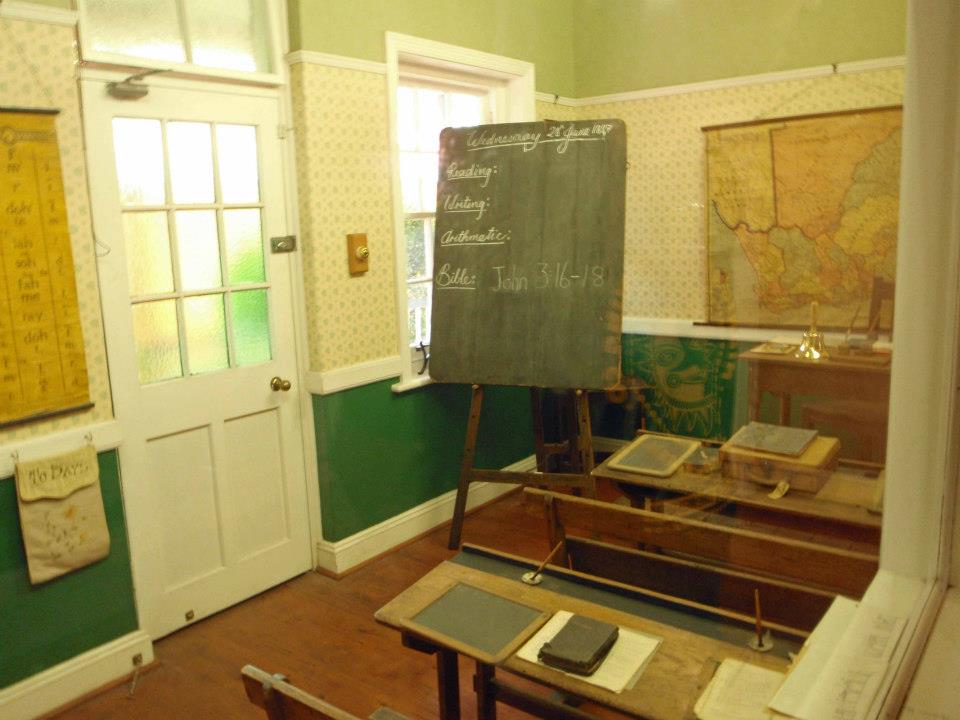
An old classroom.

I hope you’ve enjoyed all the pictures from Gold Reef City. If you ever find yourself in Johannesburg, I definitely recommend a visit to the park.

Here’s the full list of previous posts about Gold Reef City:
The Entrance
Underground Mine Tour

Gold Pouring Demonstration
Panning for Gold
Some Rides
Trains

Stay tuned fore more geology pictures next week!

Monday Geology Picture(s): Gold Reef City– Trains

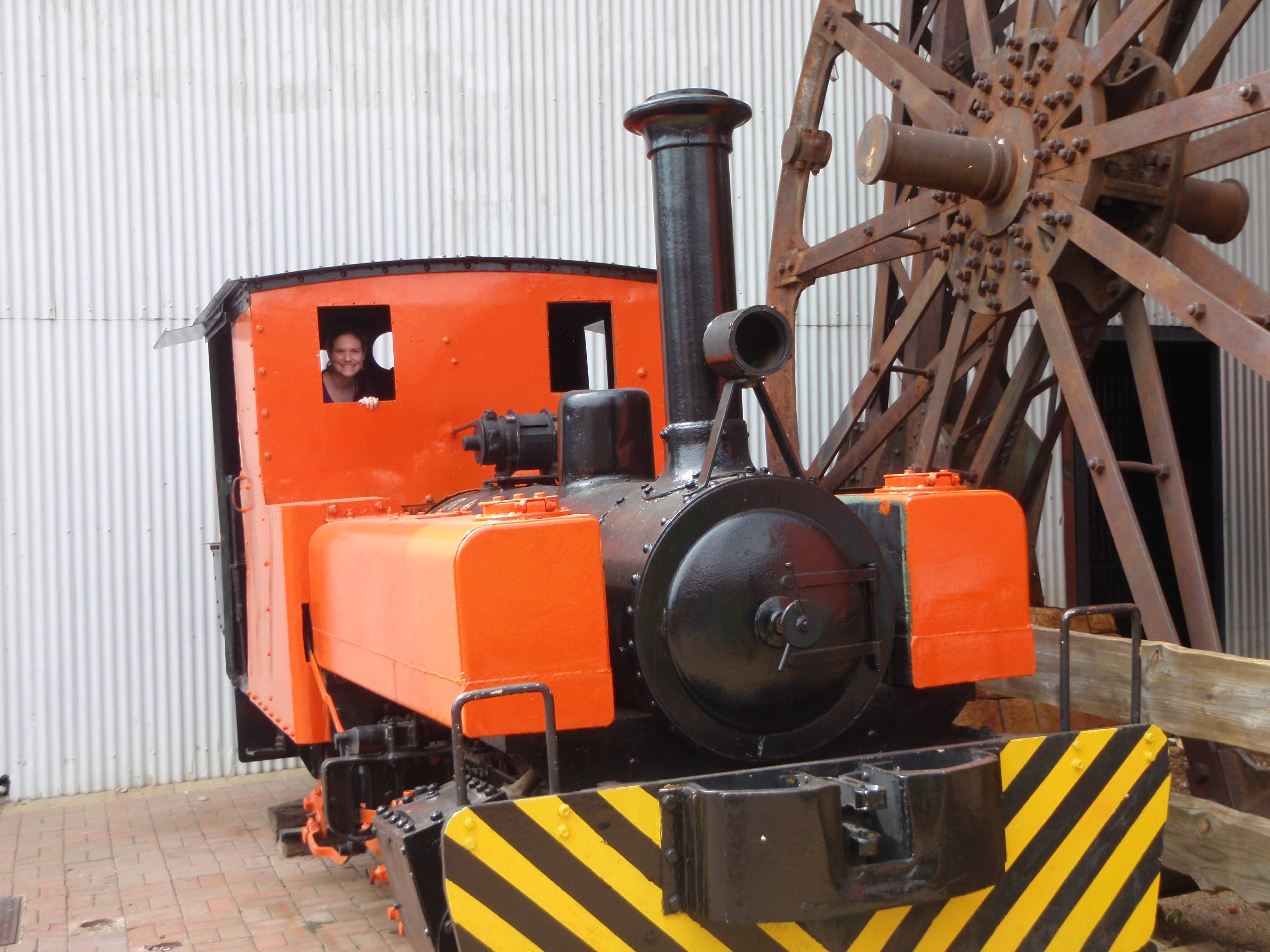
Exploring one of Gold Reef City's many trains.

I have a few more pictures to share with you from my September 2012 visit to Gold Reef City, a gold mining themed amusement park in Johannesburg, South Africa. Check out some of my previous “Monday Geology Picture” posts for some more pictures from the park.

This week I’m sharing some pictures of trains. One of the things that I like about Gold Reef City is that there are trains (or train-like things? I’m not sure all of these pictures show true trains) throughout the park. The trains fit well with the park’s mining theme– I imagine that there were many trains among the mines of Johannesburg in the past. If anyone is a train buff and knows anything about these trains, please feel free to leave a comment below.

Another view of the little orange train.
I think this maybe isn't a train? Anyone know what it is?
A train... and a peacock! There are peacocks wandering throughout the park. They're lovely. Also, that's a rollercoaster in the background.
My husband Jackie posing next to one of the trains.
Another little train? Or train-like thing?
Another train with peacocks.

I still have a few more pictures to share from Gold Reef City. Over the next couple of weeks, I want to share some pictures from the historical exhibits that will give some insight into what life was like for mine bosses and their workers during early Johannesburg mining days. Life wasn’t too great for many of the workers, but you’ll learn more about that next week. It’s a fascinating history.

Monday Geology Picture(s): Gold Reef City– Some Rides

The start of one of Gold Reef City's many rides.

After passing through the mining themed entrance, enjoying an underground mine tour, watching a gold pouring demonstration, and panning for gold, my husband and I decided to enjoy some of the rides during our visit to Gold Reef City, a mining-themed amusement park in Johannesburg, South Africa. We visited the theme park back in September 2012.

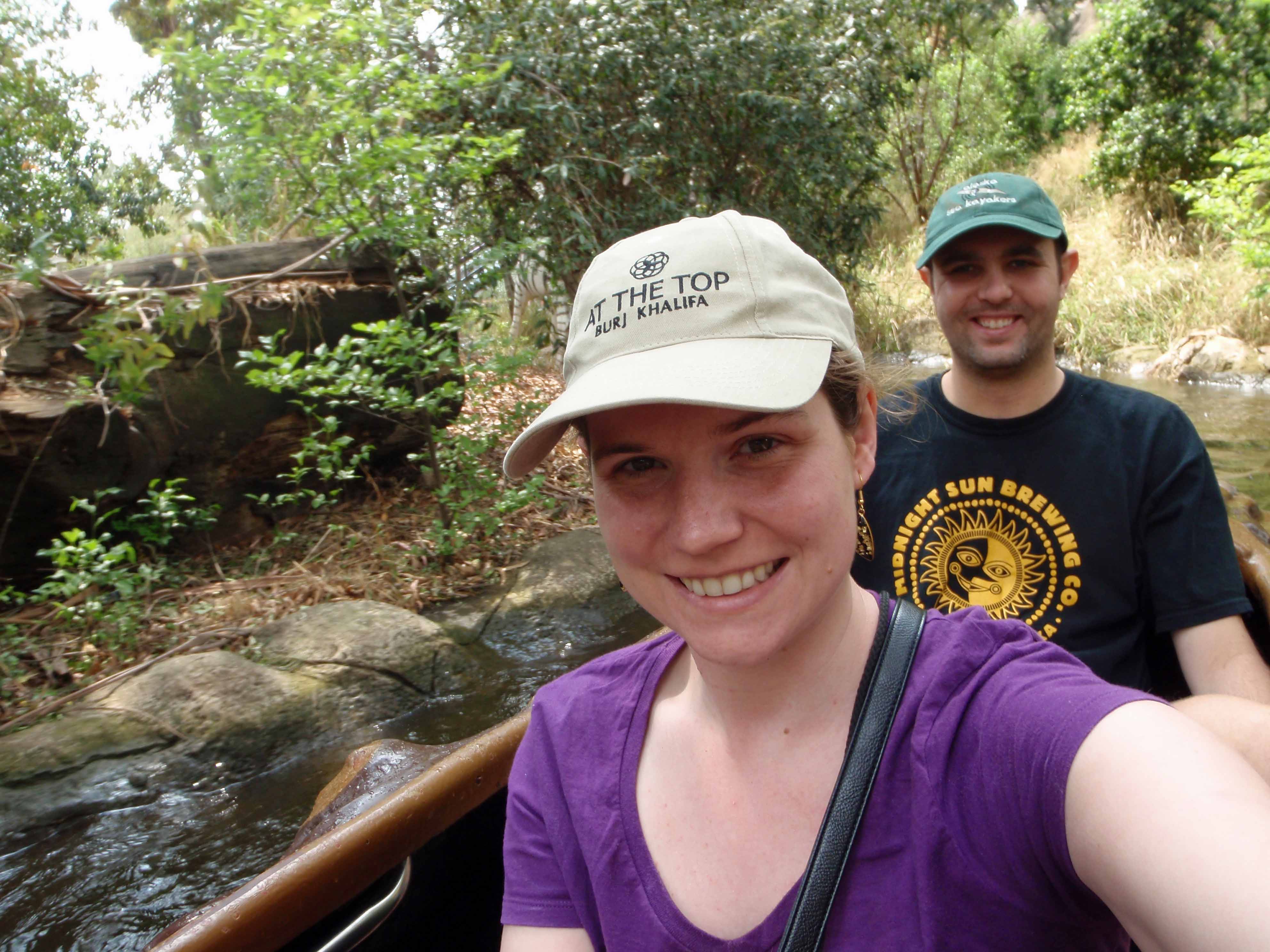
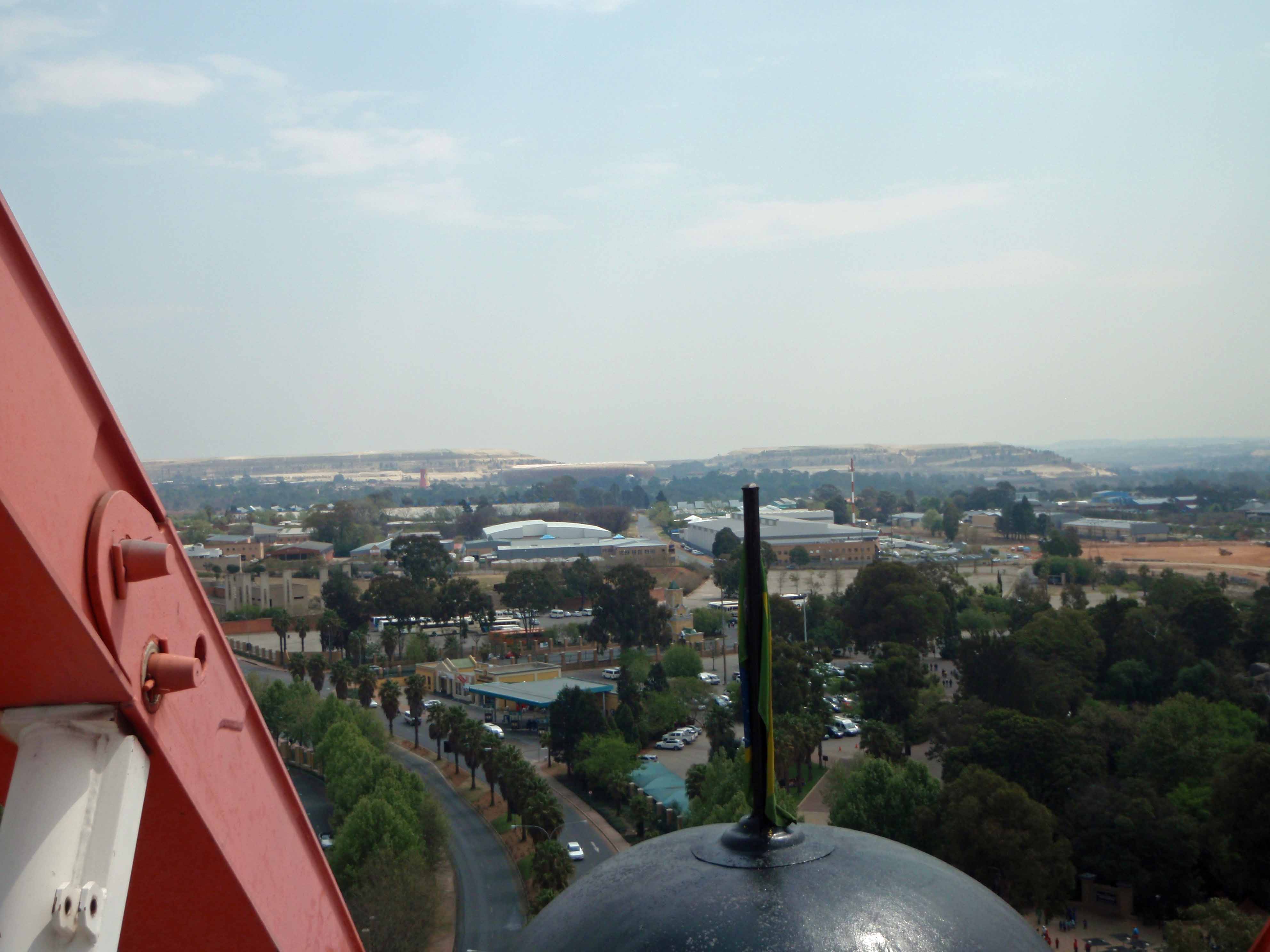
The first ride that we went on was some sort of crazy rollercoaster where they lift you up and then drop you very fast. It’s one of the scariest rides in the park, apparently. I wasn’t too impressed with my husband as I thought we were just going on a normal rollercoaster. After I recovered from the scary ride, we did go on a couple of the easier rollercoasters and also a couple of fun water rides.There are all sorts of fun amusement park rides, and many of them have gold mining themes. There is also a wonderful Ferris Wheel. From the top, you can see large mine tailings that remind you of Johannesburg’s extensive gold mining history.

The scary ride that drops you suddenly. They have made this ride look like an old mine shaft.
Thunder Mountain! Hang on... isn't that also at Disney?
On the Thunder Mountain log ride at Gold Reef City.
A steep part of the log ride.
Another water ride. I like this one. You go down rapids in a giant spinning boat.
One of the rollercoasters!
A view of the Ferris Wheel.
Some main tailings (in the distance) viewed from the top of the Ferris Wheel.
More mine tailings (distance) viewed from the top of the Ferris Wheel.
Downtown Johannesburg viewed from the top of the Ferris Wheel.

Monday Geology Picture(s): Gold Reef City– Panning for Gold

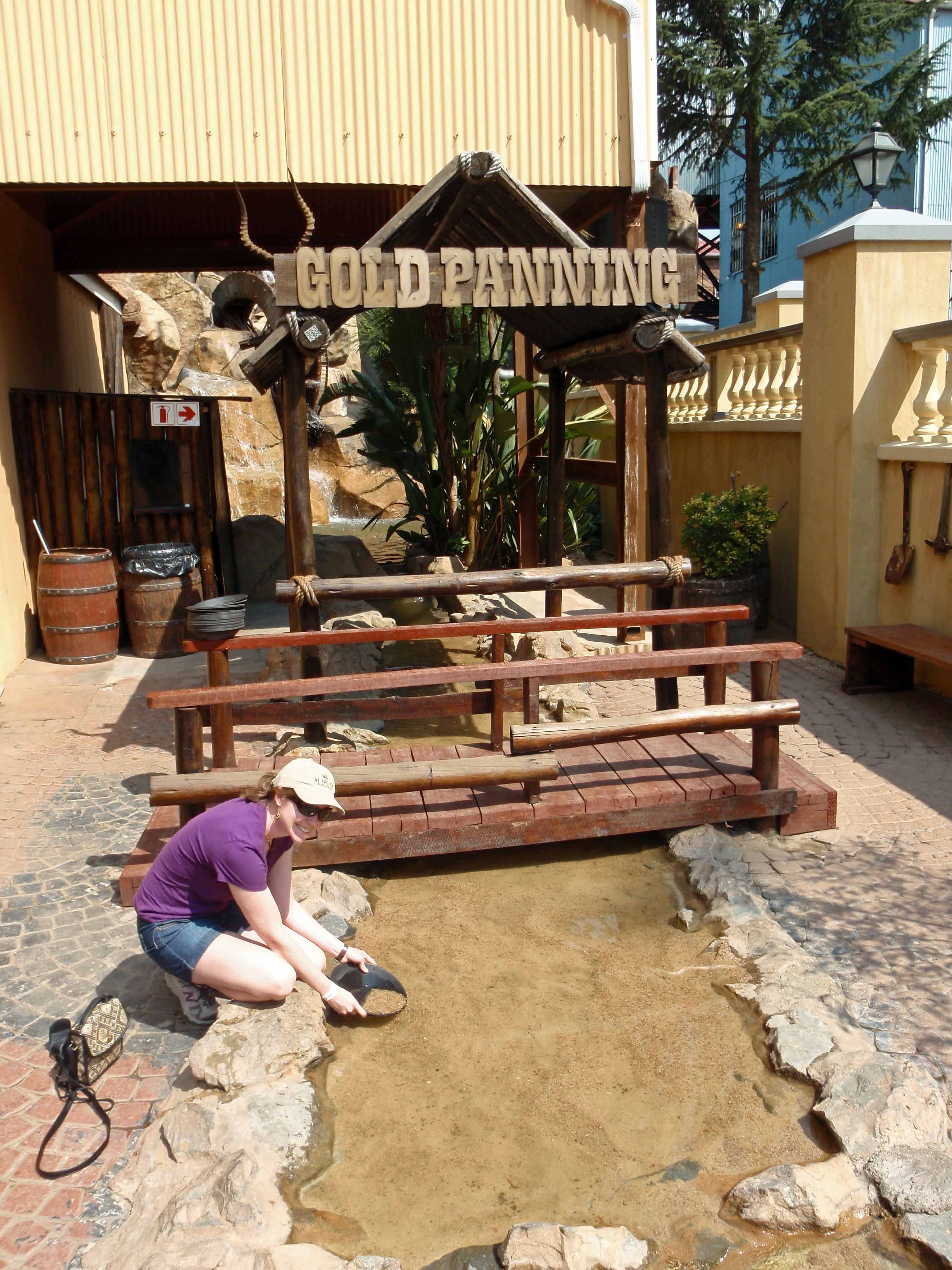
"Panning" for "gold" at Gold Reef City.

After passing through the mining-themed entrance, going on an underground mine tour, and watching a gold pouring demonstration at Gold Reef City (a gold mining themed amusement park in Johannesburg, South Africa), my husband and I decided to try the “Gold Panning” activity. I must admit, we were somewhat disappointed in this activity, which involved “panning” for some shiny metal (but not gold– it was very different in texture, density, etc.) in a fake stream filled with some quartz sand. My husband and I both work for a gold exploration company, so we have experience panning for real gold in the field. We found the Gold Reef City “Gold Panning” experience to be less-than-satisfying. But we took a picture of me “panning” anyway.

Stay tuned… there will be more pictures from Gold Reef City next week!

Here are some pictures of real gold panning in Alaska:

My husband Jackie panning for gold on the beach in Nome, Alaska, Summer 2012.
Me, posing with a bag of heavy mineral concentrate (and gold!) on the Nome beach. That's an old gold mining dredge in the background. Nome, Alaska, Summer 2012.
A gold pan with garnet-rich sand and little flakes of gold. Nome, Alaska, Summer 2012.

Monday Geology Picture(s): Gold Reef City– Gold Pouring Demonstration

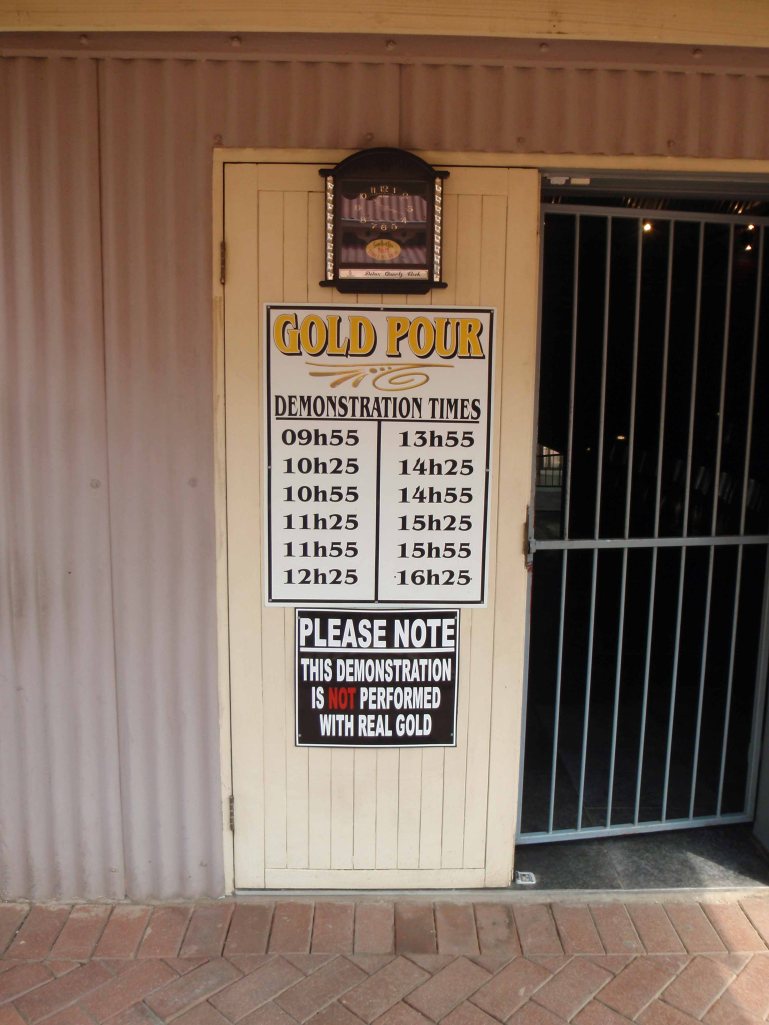
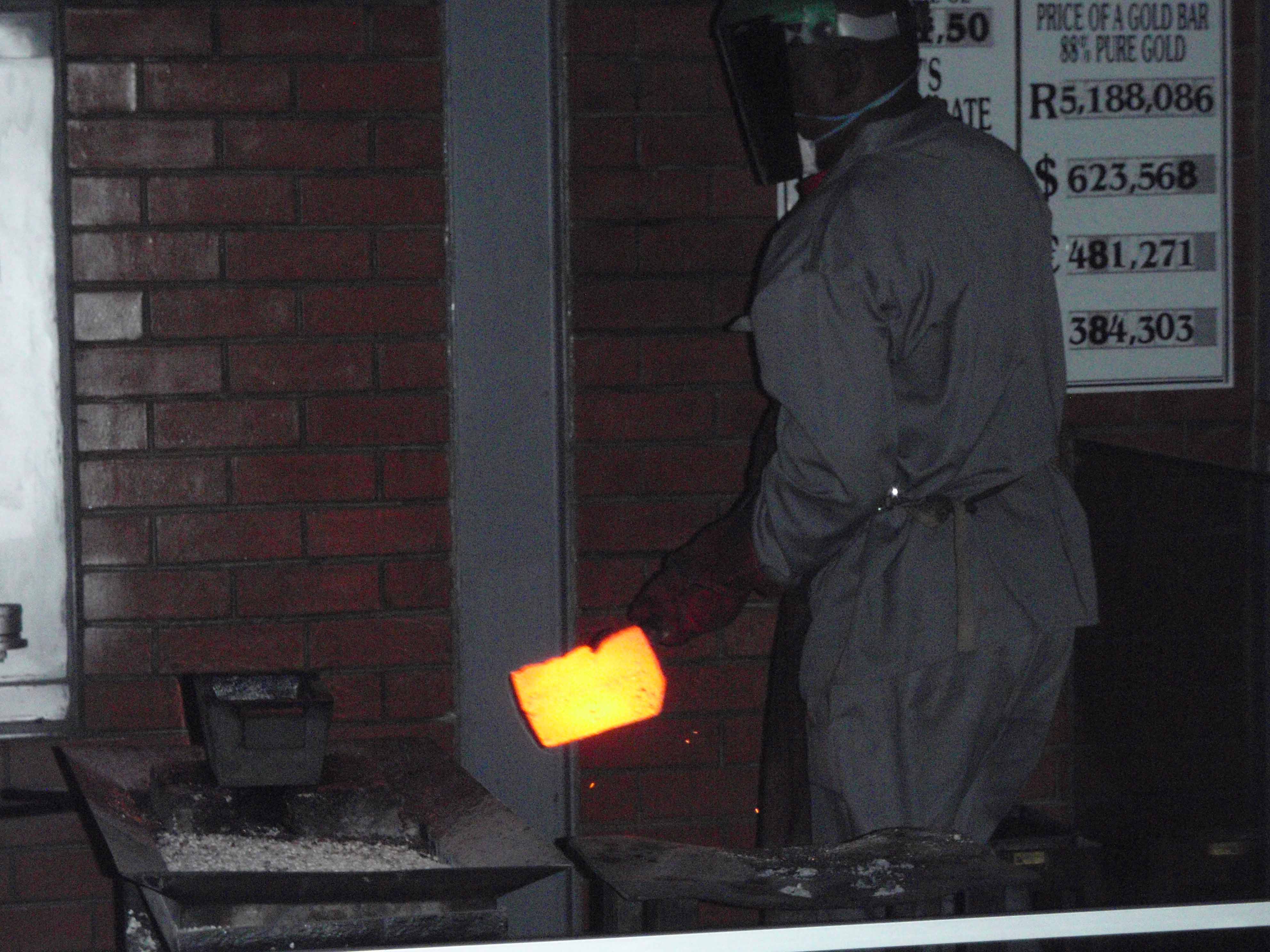
Gold pouring demonstration? Sounds highly interesting! Those "This demonstration is not performed with real gold" signs were everywhere. I guess it would be very tempting to steal the gold otherwise!

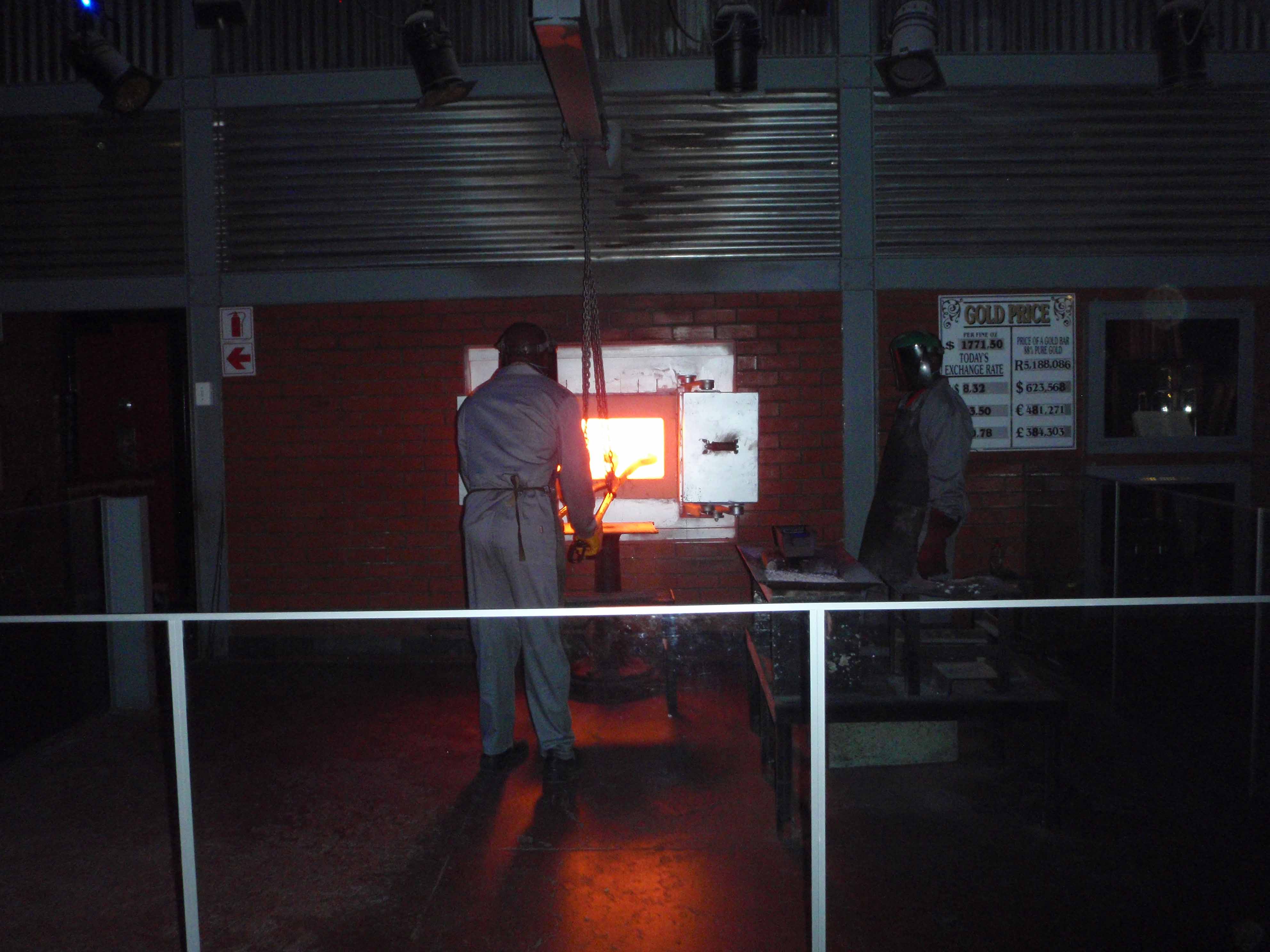
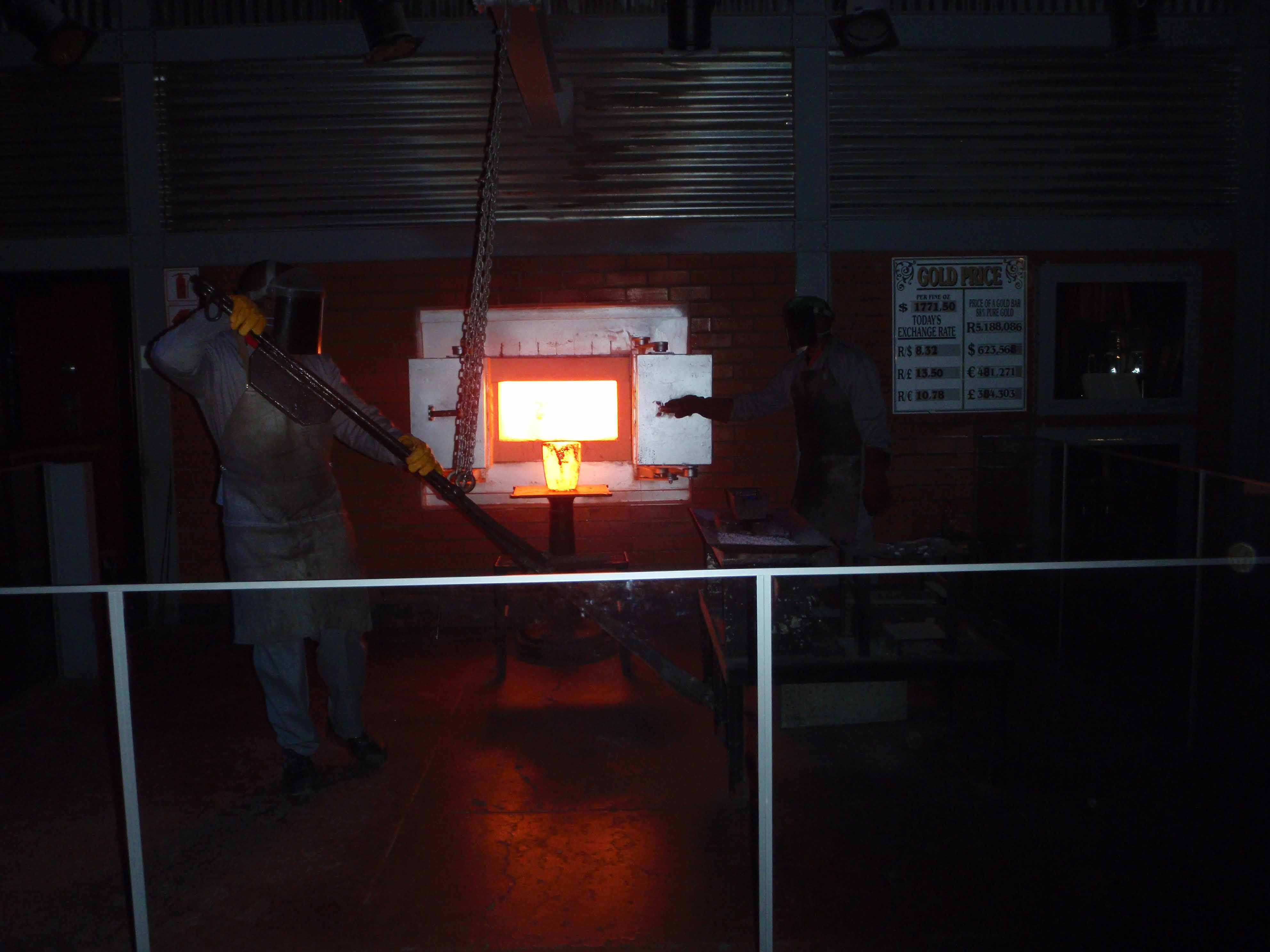
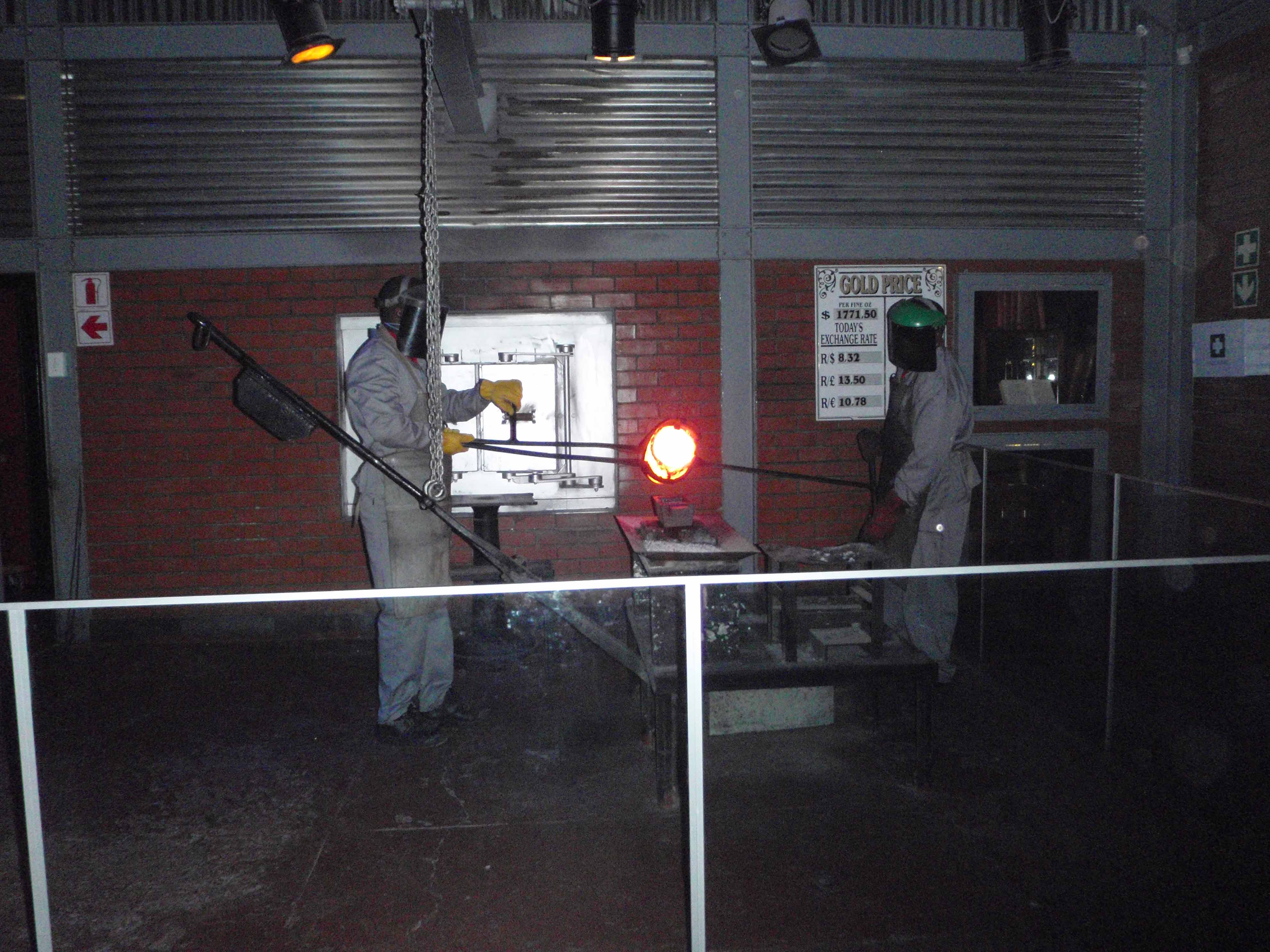
After entering through the impressive entrance and going on the underground mine tour, my husband and I went to the gold pouring demonstration at Gold Reef City, a theme park in Johannesburg, South Africa that is situated on the site of an old gold mine. We visited the theme park back in September 2012.

The gold pouring demonstration doesn’t use real gold but is nevertheless impressive! Also, there is a real gold brick (I think– possibly it’s a fake brick) displayed on a table at the end of the demonstration. My husband tells me that in the old days they used to say that whoever could pick up the gold brick with just two fingers could take it home with them. I don’t think anyone was ever successful!

The gold price in September 2012. This sign is updated daily, I believe. The gold price has dropped significantly since last September.
Another reminder.
Demonstration #1.
Demonstration #2.
Demonstration #3.
Demonstration #4.
Hot hot hot!
Hot and glowing.
A real gold brick. I think. Possibly this is a fake brick.

That’s all for now. I’ll share some more pictures from Gold Reef City next week.