Accretionary Wedge #57: Seeing Geology Everywhere

Pandora the cat illustrating a normal fault. Taken from Geokittehs here: http://geokittehs.blogspot.com/2011/10/under-pressure.html.

I’m hosting this month’s Accretionary Wedge. For those of you who don’t know, the Accretionary Wedge is a monthly geoblog carnival which is hosted by various geology bloggers. The host proposes a topic and everyone– from amateur to professional geologist, from brand-new to seasoned blogger– is encouraged to post on the topic. If you have a blog, write a post on this month’s topic and then put a link to the post in a comment below. If you don’t have a blog, feel free to email me your entry (georneysblog AT gmail). Please send your entries through by June 20th. I apologise for the short deadline, but I’d like to compile the posts before I leave for fieldwork in Alaska on June 24th.

Here’s the call for posts:

This month’s Accretionary Wedge topic is “Seeing Geology Everywhere.” Like many geologists, I often see geology in places where there are no rocks. I see landslides and orogenies in messy piles of papers on my desk; I see stratigraphy in my desserts and chemical diffusion in my accompanying cups of tea; I see interference colors in paintings in modern art museums.

My geology vision, so to speak, is heightened when I am especially excited about a geological subject– and when I am working long hours on a geology project. For example, back in 2007 I participated in a 50 day long research cruise along the Ninetyeast Ridge in the Indian Ocean. I worked long shifts describing the rock samples that were dredged up from the ridge. One evening after a particularly long shift, I was brushing my teeth before bed and found myself estimating phenocryst percentages in the speckled linoleum tiles on the bathroom floor.

One (in)famous example of geology vision is Geokittehs, a blog about geology and cats that I started with my friend Dana Hunter two years ago. Yes, for two years I have regularly written a blog about geology as shown through cats in various poses. If that doesn’t qualify as “Seeing Geology Everywhere” I don’t know what does!

Now it’s your turn: Do you see geology in unexpected places? Do you often find yourself viewing the world through geology-tinted glasses? Do you have any adorable cat pictures that could be used to illustrate geology?

Please participate in this month’s Accretionary Wedge! I look forward to reading your entries.

Finally, I think we need some volunteers for future Accretionary Wedge hosts. If you’d like to host, please leave a comment below, and we’ll make the necessary arrangements within the geoblogosphere community.

Decorative Stones of the Sheikh Zayed Grand Mosque, Abu Dhabi – Part II

Some of the gorgeous decorative stones of the Sheikh Zayed Grand Mosque.

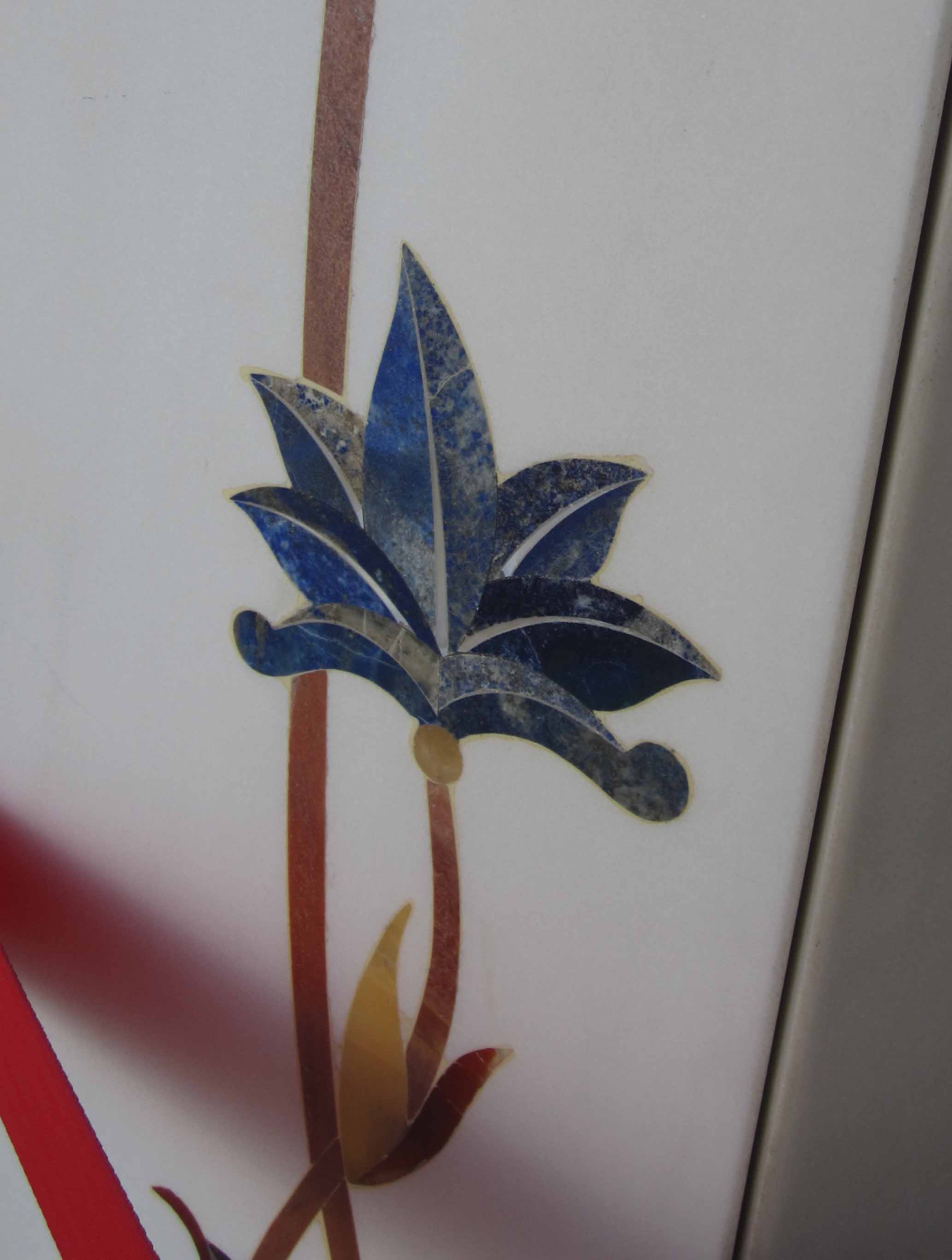
After putting up my recent blog post Decorative Stones of the Sheikh Zayed Grand Mosque – Part I, I decided to write to the mosque to inquire about the lithologies and origins of the various decorative stones. I promptly received this reply from Michelle Sabti, the Chief Tour Guide for the mosque:

Greetings to you Evelyn from the Sheikh Zayed Grand Mosque Center!

Thank you for your email, we are glad that your tour and experience with us was such a positive and memorable one!

I can provide you with the list of many of the marbles and semi-precious stones that were used in the Sheikh Zayed Grand Mosque construction.  I trust this assists you.

The different types of major marble supplied on site:

–              SIVEC Supplier FHL Country of Origin Greece/Macedonia

–              LASA Supplier Lasa Quarry Country of Origin Italy

–              MAKARANA Supplier Country of Origin India

–              AQUABIANCA Country of Origin Italy

–              BIANCO P Supplier Carrara Country of Origin Italy

–              MING GREEN Supplier UMGG Country of Origin China

–              EAST WHITE Supplier UMGG Country of Origin China

In the external columns the stones used are:

–              1)     Dark Lapis lazuli

–              2)     Light Lapis lazuli

–              3)     Red Agate

–              4)     Dark Amethyst

–              5)     Light Amethyst

–              6)     Dark Green Adventure

–              7)     Light Green Adventure

–              8)     Moss Agate

–              9)     Pink Adventure

–              10)   Dark Red Adventure

–              11)   Light Red Adventure

–              12)   Abalone Shell

–              13)   White Mother of Pearl

–              14)   Fancy Jasper

–              15)   Sodalite

–              16)   Haqiq Red

–              17)   All Veins in Leaves: White Jambu

–              18)   Mehndi Pfizer

Have a great day!

I am very grateful to Michelle for providing this information about the decorative stones.

I recognize many of the stone types such as:

Marble

Lapis Lazuli

Agate

Amethyst

Jaspser

Sodalite

I’m not sure about the lithology of the “adventure” (or the “white jambu” or “mehndi pfizer”) stones. I presume that these are names for decorative stones provided by a particular supplier– or possibly “adventure” could be referring to adventurine. I think that the “haqiq red” stone may be carnelian.  I also noticed some green serpentine rocks around the mosque. Likely the green marble contains plenty of serpentine!

It is important to bear in mind that often decorative building stones are given names that are different from the actual lithologies. For example, a variety of rocks are sold as “granite” without actually being real granite! That’s because everyone wants granite countertops– even when other types of stones are just as good as (and often rarer and more beautiful than!) granite. Thus, some of the decorative stones used in the mosque could possibly have rock names that differ from the true (i.e. scientifically accurate) rock names.

Perhaps next time I visit Abu Dhabi (which I hope to do before too long!) I can inquire further about the decorative stones used in the mosque. I’d certainly love to learn even more about these beautiful building stones!

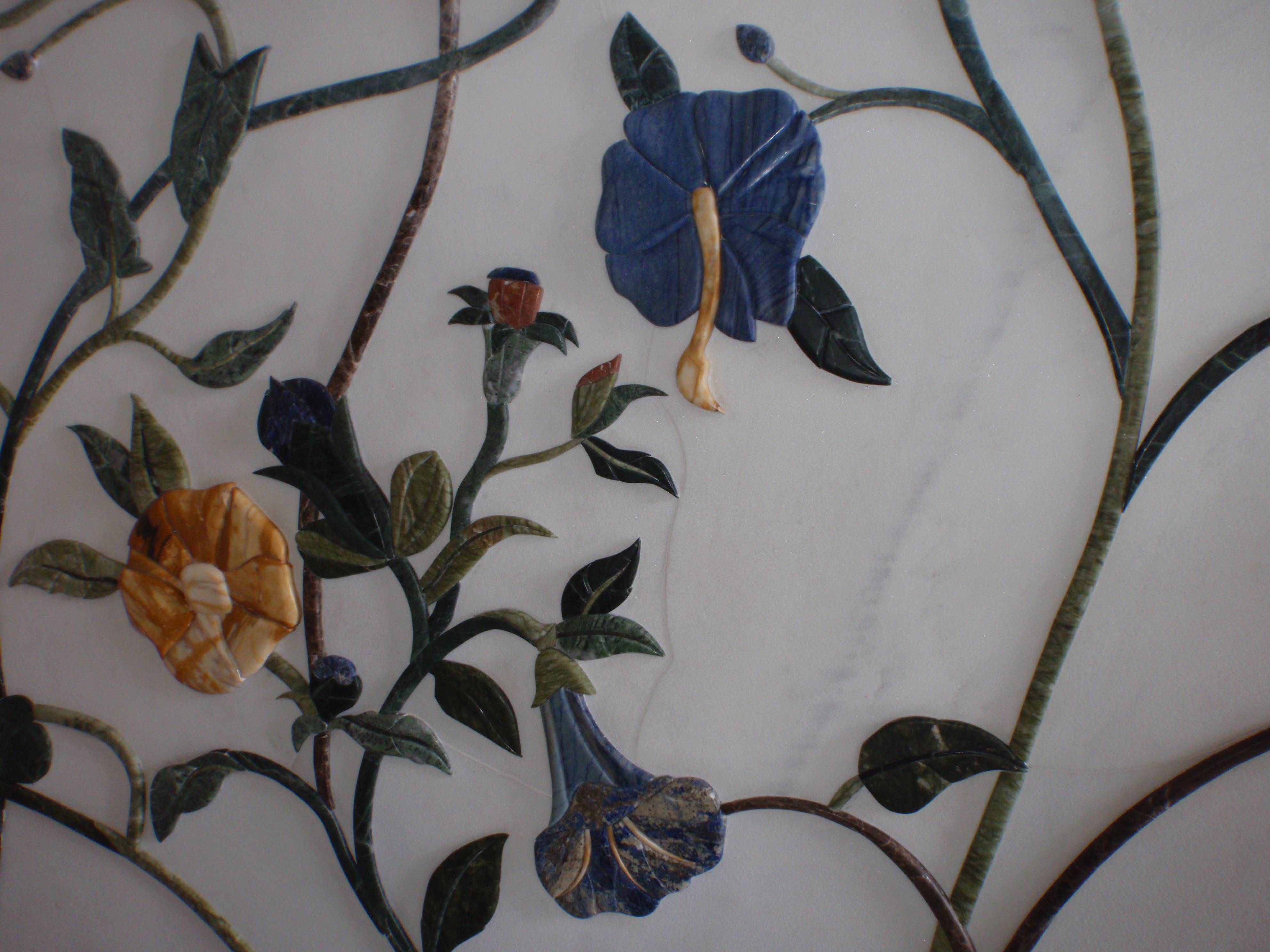
Detail of one of the stone flowers.

Again, I highly recommend visiting the Sheikh Zayed Grand Mosque if you ever find yourself in Abu Dhabi. I was very impressed with my (free!) tour and also impressed with the mosque’s quick reply to my inquiry email about the decorative stones. Above and beyond that, the mosque is the most stunning building that I have ever visited — it is a truly awe-inspiring place.

Decorative Stones of the Sheikh Zayed Grand Mosque, Abu Dhabi – Part I

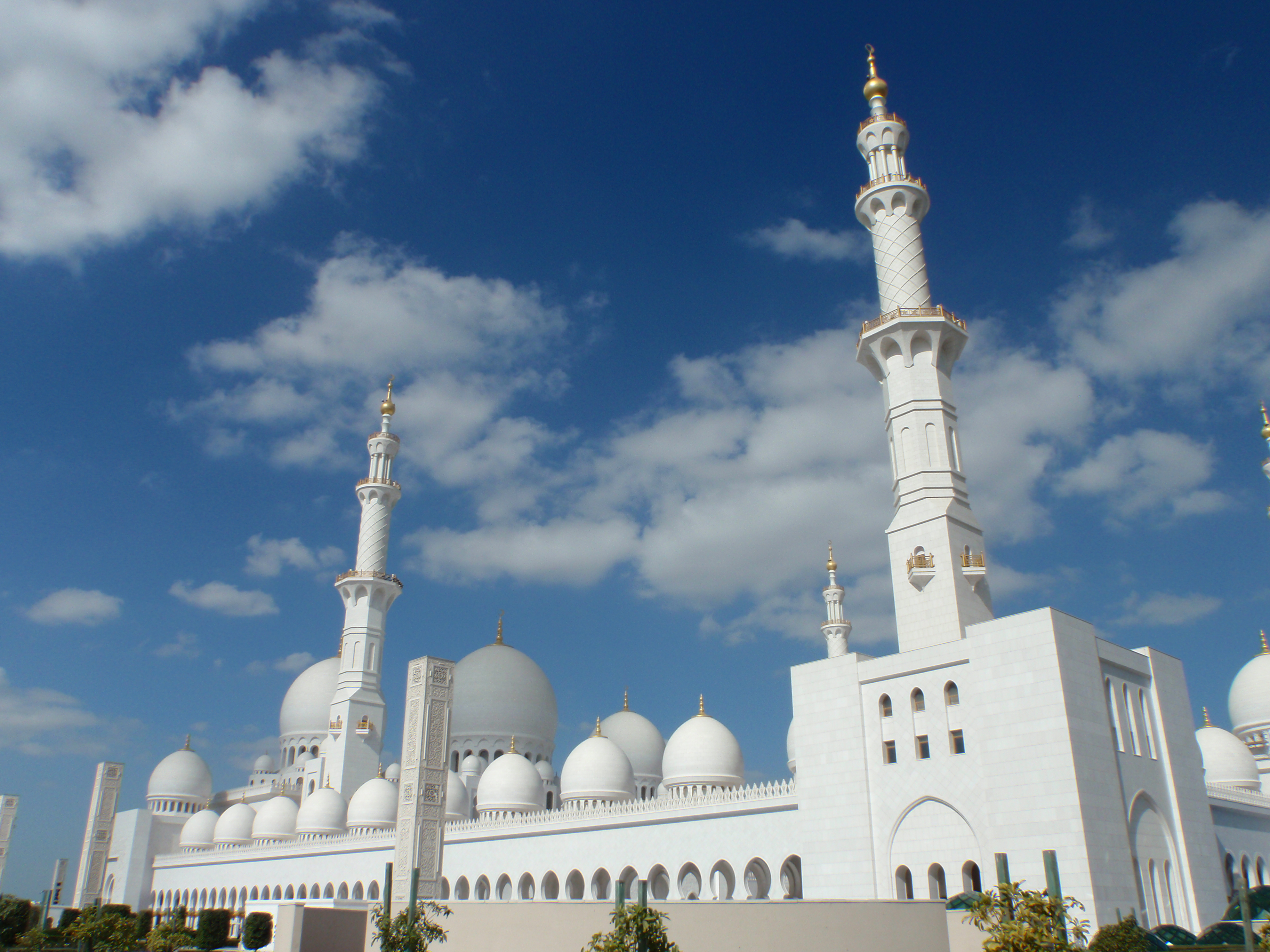
Sheikh Zayed Grand Mosque #1.

UPDATE: See Part II for some more information on the decorative stones used in the mosque.

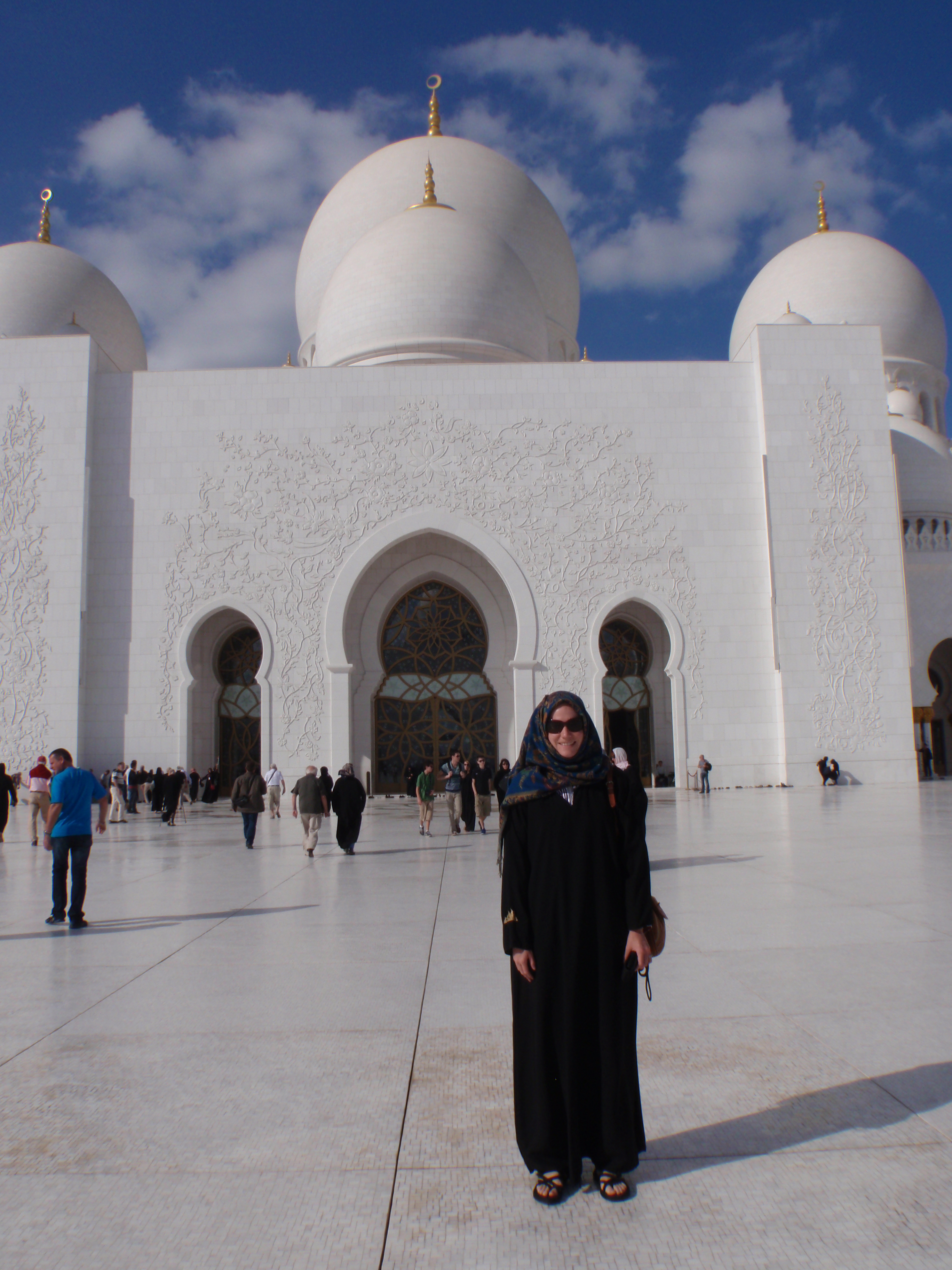
After sharing my mangrove kayaking pictures for this week’s “Monday Geology Picture” post, I thought I would share some more pictures from my January 2012 trip to Abu Dhabi, United Arab Emirates. The day after kayaking, my friend Karima and I visited the stunningly beautiful and elaborate Sheikh Zayed Grand Mosque. This impressive mosque was built for an estimated $545 million USD, is the size of 5 football fields, and can accommodate 40,000 worshipers. The mosque was built over many years and opened in 2007. The mosque welcomes tourists as well as Islamic worshipers. For our visit to the mosque, Karima and I donned conservative, respectful clothing (long skirts, long sleeves, and headscarves) and joined a tour group. The mosque is breath-taking– it was hard to believe, sometimes, that it was real. At times, I felt as if we had stepped into a magical world. I greatly enjoyed my visit to the mosque and highly recommend the tour to anyone visiting Abu Dhabi.

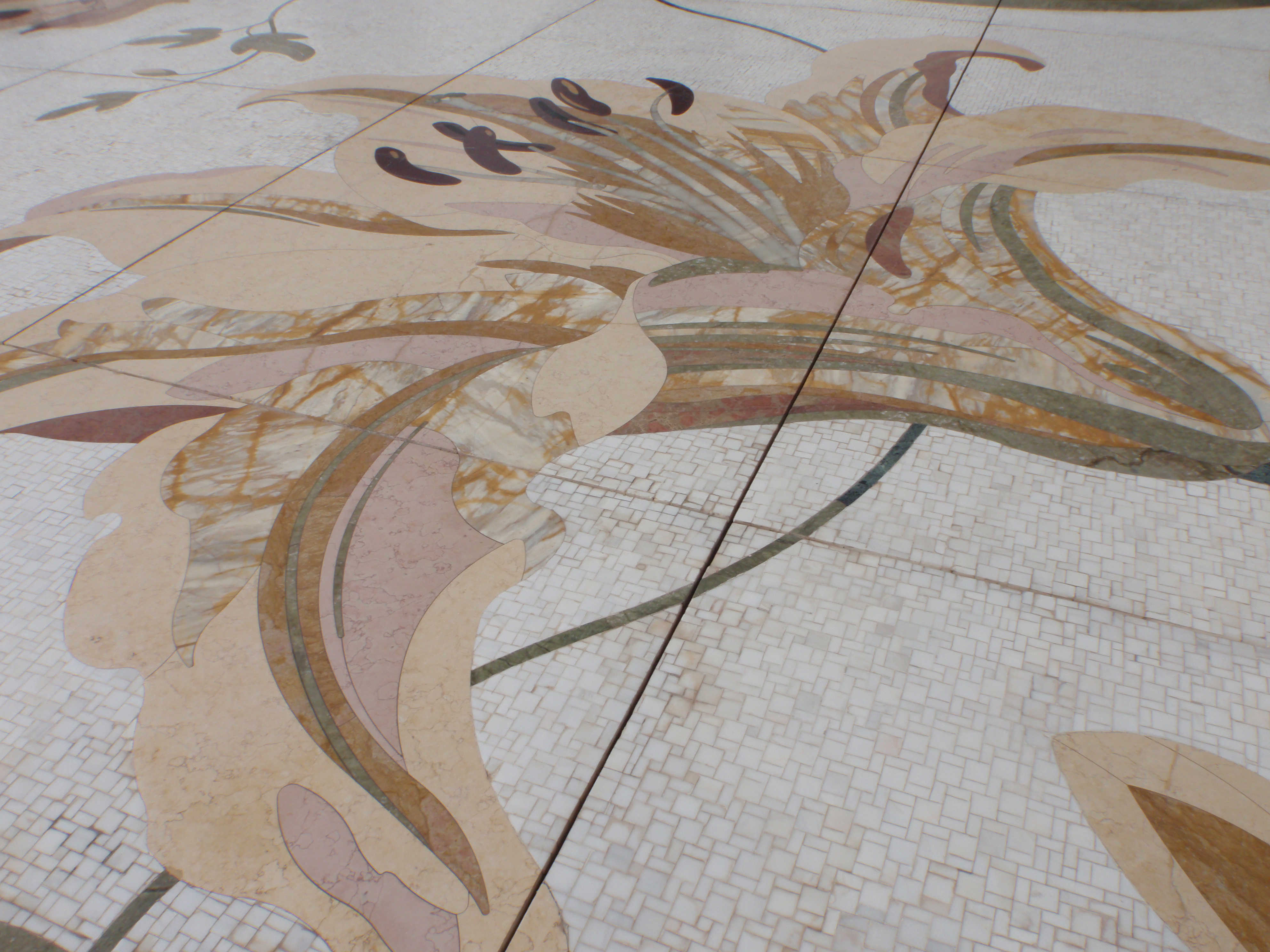
During the tour, I spent much of my time admiring the decorative building stones, which come in all colors, shapes, and lithologies and were likely sourced from all over the world. The primary building stone used in the mosque is a stunning white marble. I tried to identify the other decorative stones when I could. How many stones can you identify? Where do you think the stones might be from? Leave a comment below!

The Sheikh Zayed Grand Mosque #2.
The Sheikh Zayed Grand Mosque #3. That's me dressed up in mosque-appropriate clothing.
The Sheikh Zayed Grand Mosque #4. Shoes are left outside the mosque in the courtyard.
The Sheikh Zayed Grand Mosque #5. More shoes in the courtyard.
Sheikh Zayed Grand Mosque #6. An incredibel courtyard floor!
Sheikh Zayed Grand Mosque #7. Detail of a leaf.
Sheikh Zayed Grand Mosque #8.
Sheikh Zayed Grand Mosque #9. Intricate stone flowers on the wall of the mosque.
Sheikh Zayed Grand Mosque #10. More intricate stone flowers. How many different lithologies can you spot?
Sheikh Zayed Grand Mosque #11.
Sheikh Zayed Grand Mosque #12.
Sheikh Zayed Grand Mosque #13.
Sheikh Zayed Grand Mosque #14.
Sheikh Zayed Grand Mosque #15. Stone flowers everywhere!
Sheikh Zayed Grand Mosque #16.
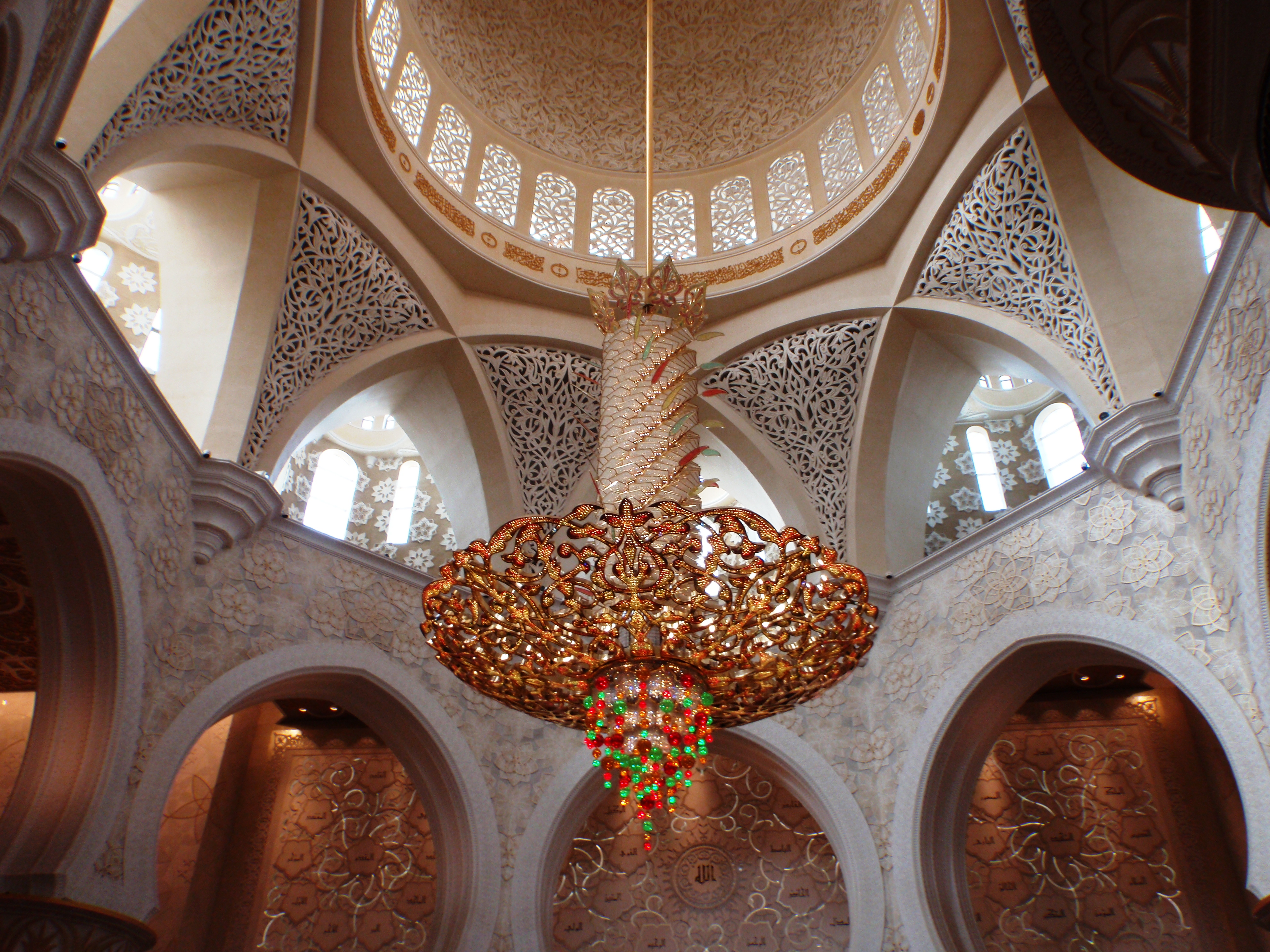
Sheikh Zayed Grand Mosque #17. A stunning chandelier.
Sheikh Zayed Grand Mosque #18. Awestruck inside the mosque.
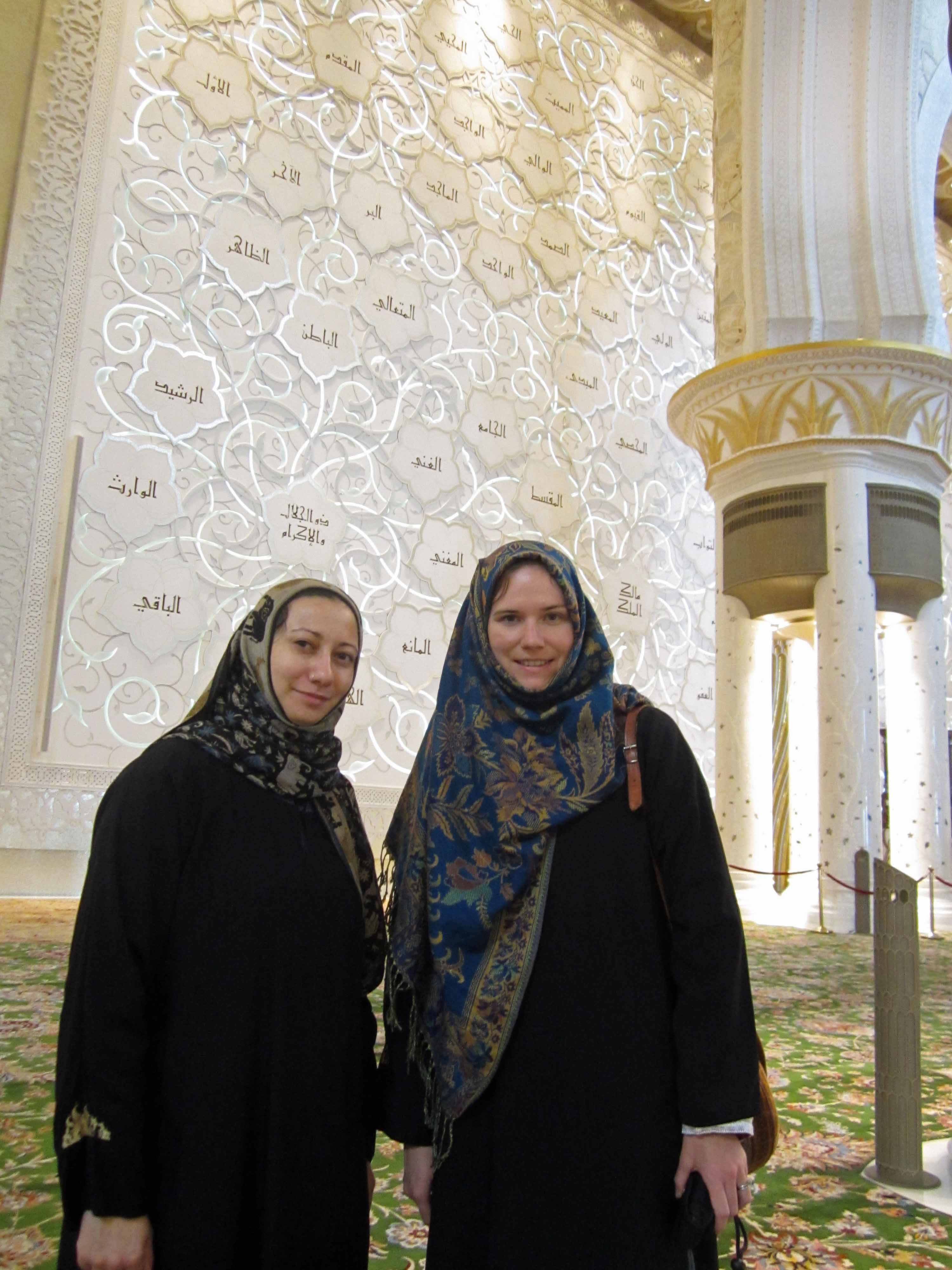
Sheikh Zayed Grand Mosque #19. Karima and I inside the mosque. The wall behind us features the 99 names of God in Islam.
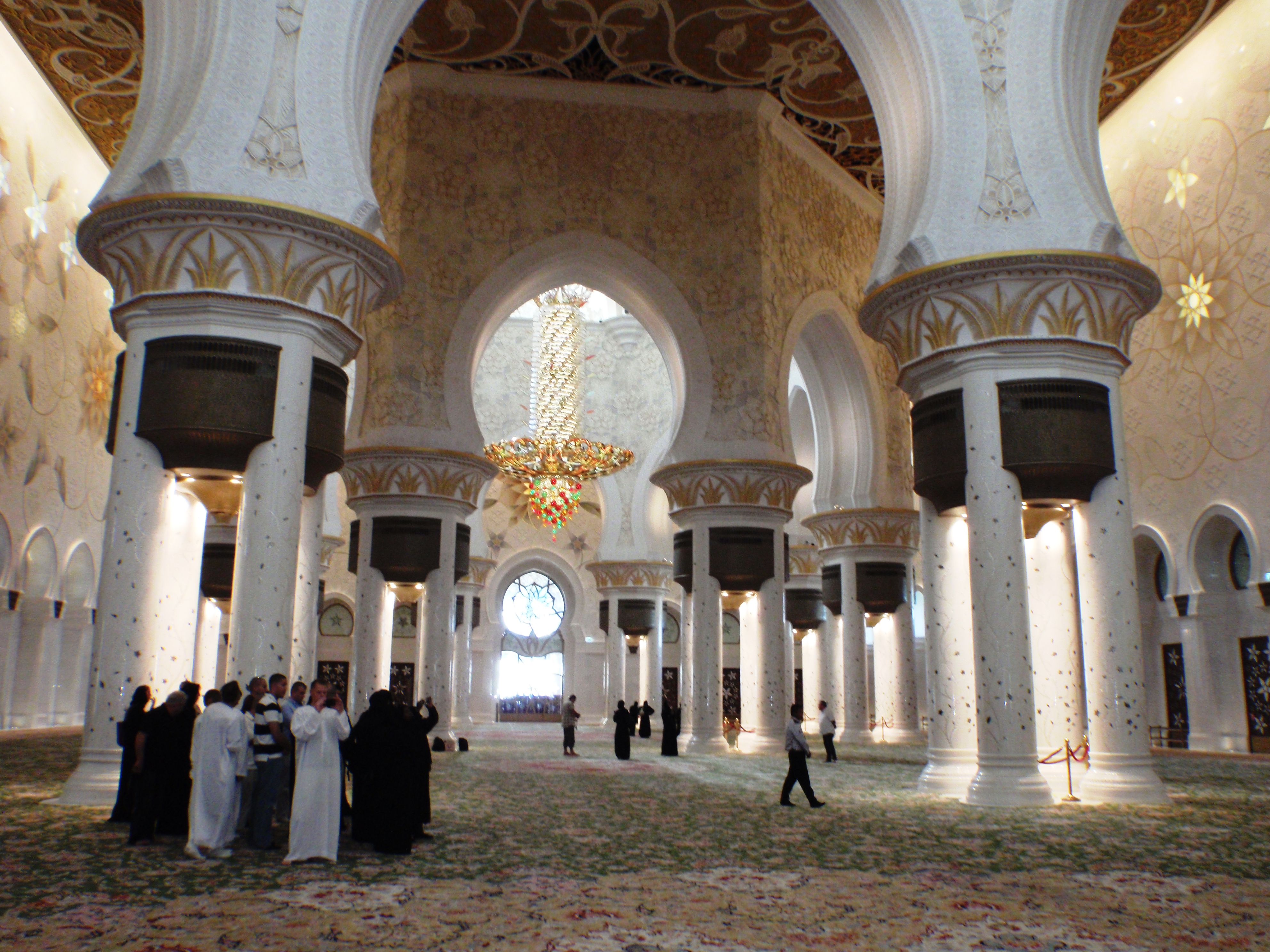
Sheikh Zayed Grand Mosque #20. The carpet inside the mosque is incredible- intricate and very, very beautiful. And also one of the largest carpets in the world!
Sheikh Zayed Grand Mosque #21. Another view of the amazing carpet.
Sheikh Zayed Grand Mosque #22.
Sheikh Zayed Grand Mosque #23. Beautifully carved stone.
Sheikh Zayed Grand Mosque #24. Decorative tilework in one of the courtyards.
Sheikh Zayed Grand Mosque #25. Yours truly posing with some beautiful tilework.
Sheikh Zayed Grand Mosque #26. More decorative stones (outside the main courtyard areas) with shoe for scale.
Sheikh Zayed Grand Mosque #27.
Sheikh Zayed Grand Mosque #28.

Monday Geology Picture: Mogolokwena Platinum Mine, South Africa

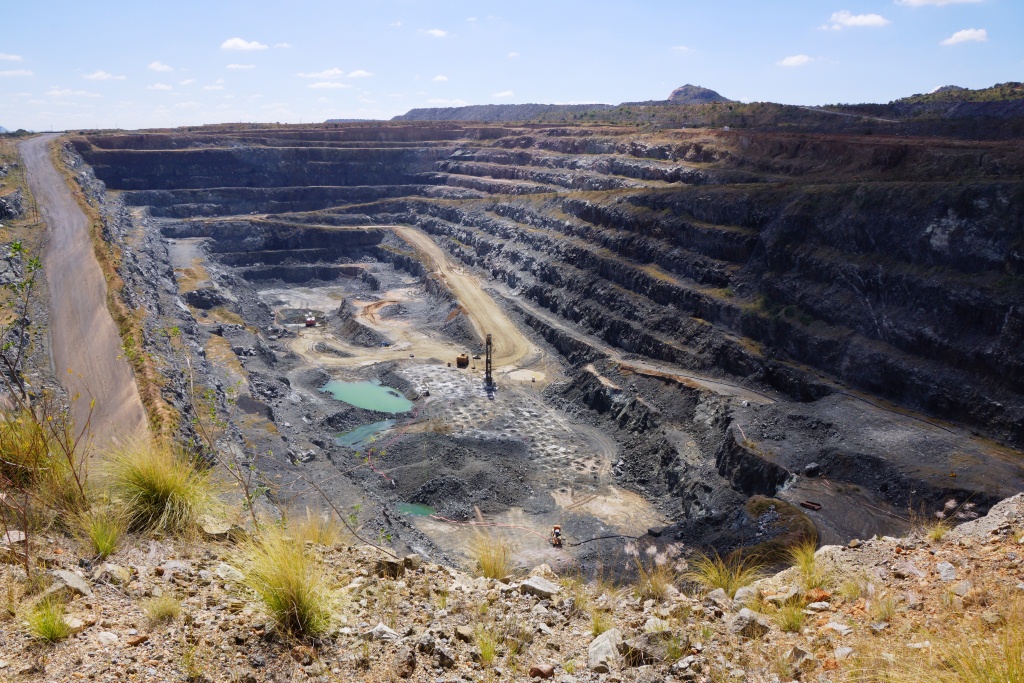
One of the impressive open pits at Mogolokwena Platinum Mine. Picture taken by Jackie Gauntlett.

Today’s Monday Geology Picture and description are courtesy of my husband Jackie Gauntlett, who is sharing another picture from his recent field trip as part of his masters degree in Exploration Geology at Rhodes University.

From Jackie:

Mogolokwena Platinum Mine is the largest platinum mine in the world and is situated on the Northern Limb of the Bushveld Complex in South Africa. This image shows one of four open pits currently being mined by Anglo Platinum on this mine. South Africa holds around 90% of the world’s platinum reserves, and it is envisioned that the Mogolokwena pits could one day extend almost 100 km in uninterrupted length. At the moment, Mogolokwena Mine has a life of mine of 130 years, a number that climbs by decades after every drilling program. At this rate the exploration team had better stop working so quickly as they’re likely to drill themselves out of a job! This mine truly represents a world class platinum deposit.

Weekly Geology Picture(s) #2: Barberton Mountainland, South Africa

To make up for missing the last two Monday Geology Picture posts, here’s another guest post by my husband Jackie Gauntlett. This post shares more pictures from his recent mining / exploration geology field trip in South Africa.

Figure 1. Pillow lavas. Picture taken by Jackie Gauntlett.

The Barberton Mountainland in north-eastern South Africa is underlain by the some of the oldest and best preserved rocks in the world – the Barberton Greenstone Belt. The rocks of this unique area allow geologists to peer into the world of 3.5 billion years ago. The variety of rocks making up this ancient belt provide some of the earliest evidence for deep bodies of water (pillow lavas – Figure 1), running water and fluvial systems (conglomerate beds and cross-bedding (Figures 2 and 3)), tidal systems (symmetrical ripples, Figure 4) and…our ancestors. The oldest form of life was discovered here, a bacterial micro fossil Archaeospheroides barbertonis and has been identified as being 3.2 billion years old (Figure 5).

Figure 2. Conglomerate. Picture taken by Jackie Gauntlett.
Figure 3. Cross-bedding. Picture taken by Jackie Gauntlett.
Figure 4. Ripple marks. Picture taken by Jackie Gauntlett.
Figure 5. Archean fossils! Picture taken by Jackie Gauntlett.

The Barberton Makhonjwa Geotrail is an amazing initiative, and I urge anyone passing through to spend a day absorbing this unique and spectacular part of South Africa. Check out a description of the trail here.

Weekly Geology Picture(s) #1: Chromitite in the Bushveld Complex, South Africa

So, I have been quite negligent recently and missed both last week’s and this week’s Monday Geology Picture. My apologies for that! Life has been very busy with things such as writing a paper and preparing for upcoming fieldwork. To make up for missing the Monday Geology Picture the last two weeks, my husband Jackie is going to share two sets of pictures (one today, one tomorrow) from his recent mining / exploration geology field trip in South Africa.

Without further ado, here’s the first guest post from my husband Jackie Gauntlett:

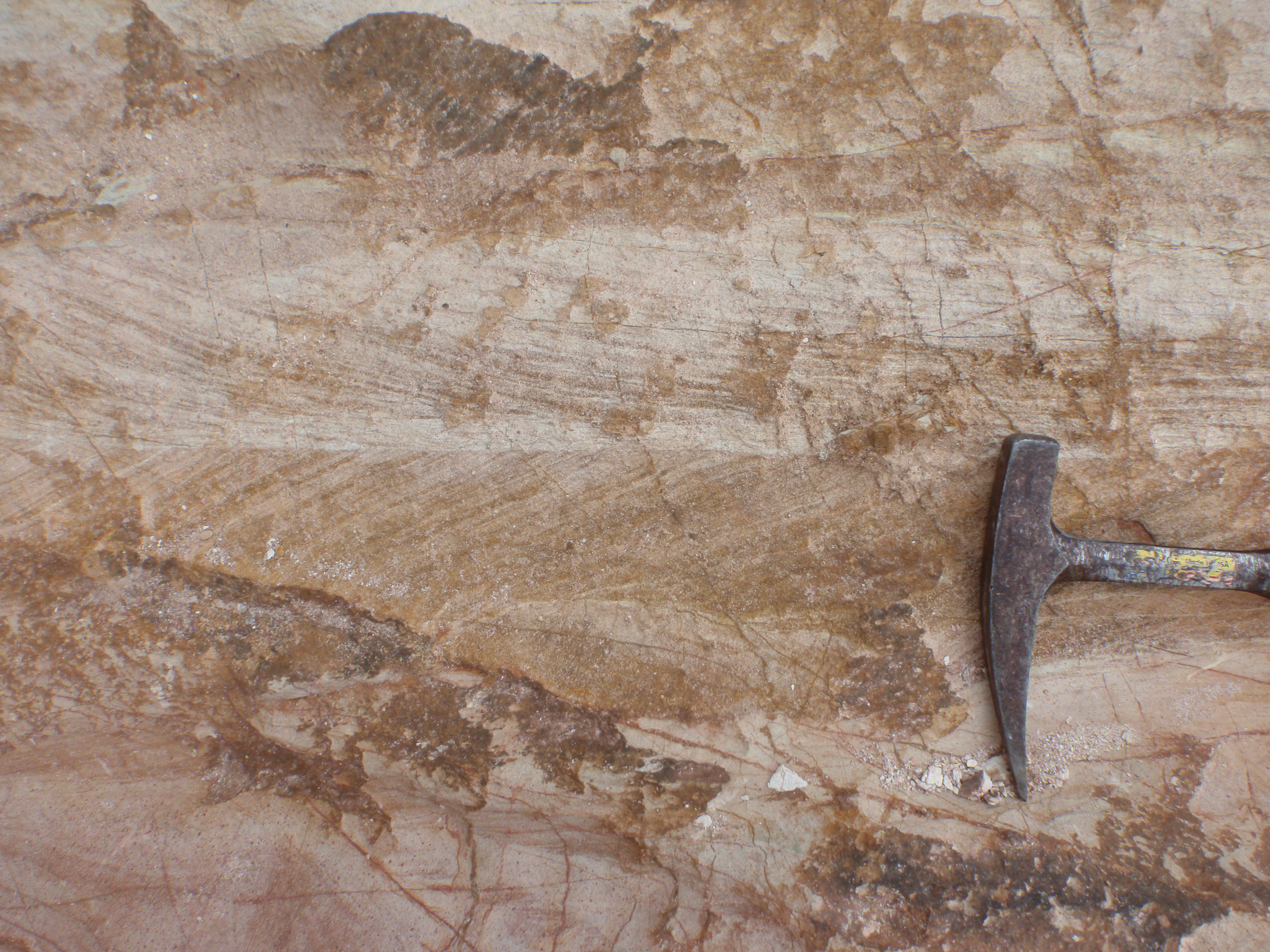
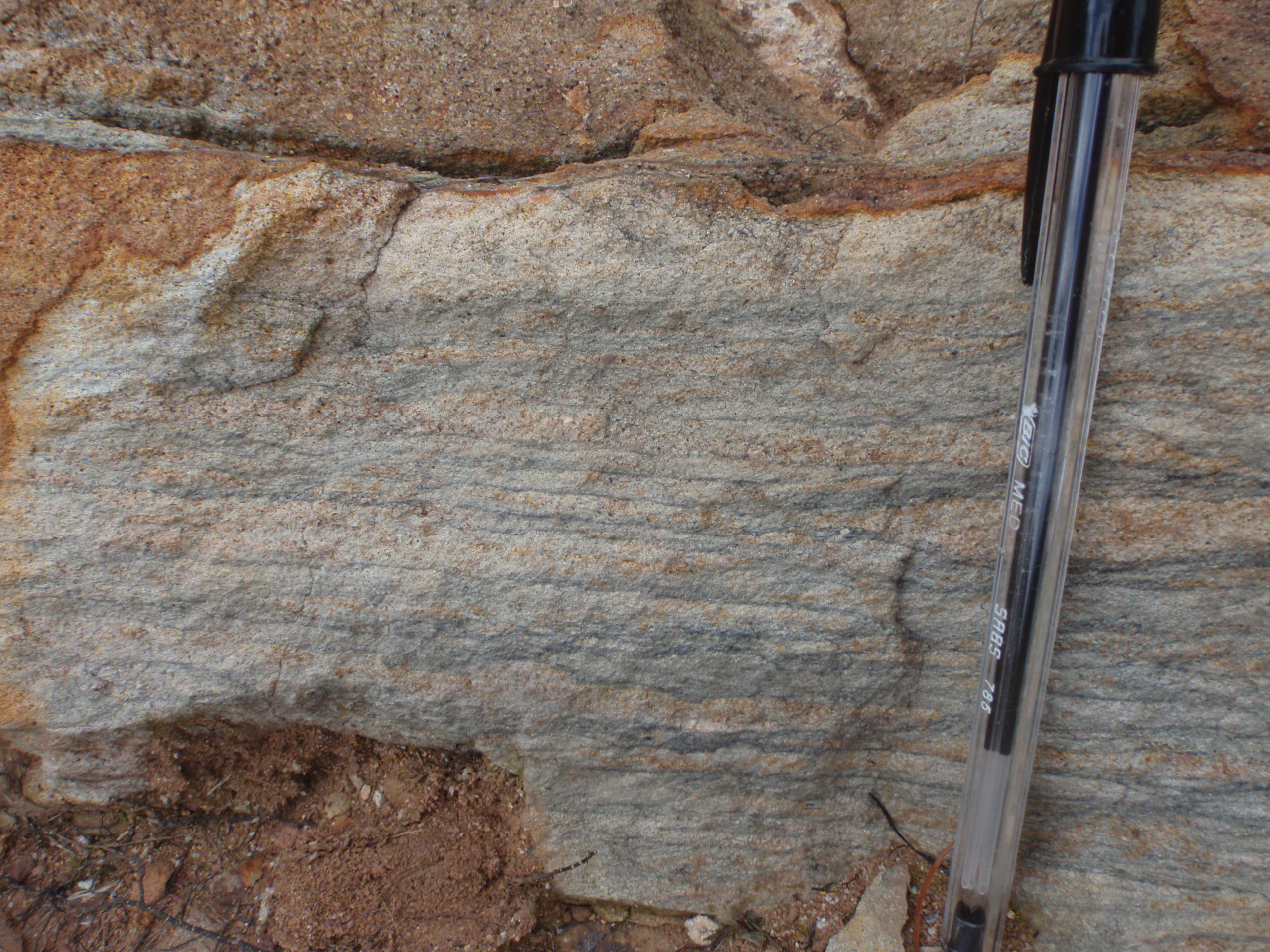
Chromitite seams in the Bushveld Igneous Complex, exposed at Dwars Rivier. Picture taken by Jackie Gauntlett.
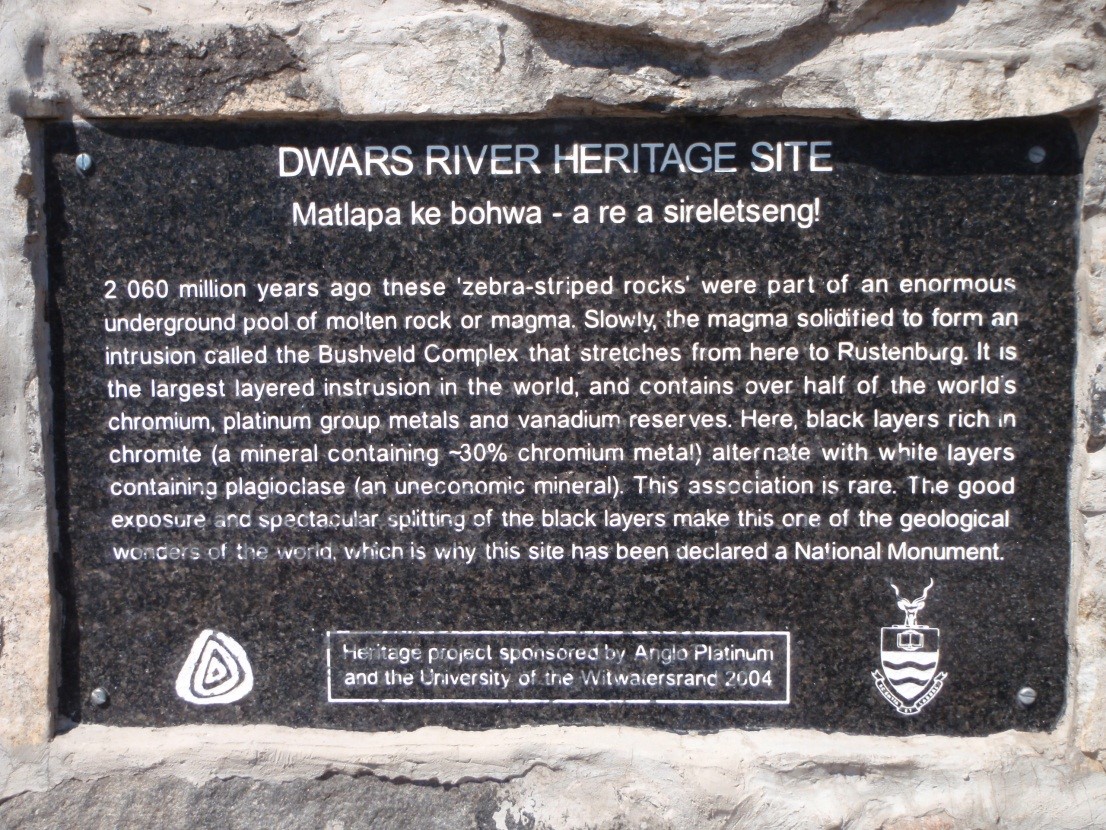
Informational sign for the Dwars River Heritage Site in the Bushveld Igneous Complex. Picture taken by Jackie Gauntlett.

The Bushveld Igneous Complex in northern South Africa is an amazing, yet somewhat enigmatic, geological phenomenon. At around 8 km thick, this layered igneous intrusion is the largest in the world by an order of magnitude. Its features also allow geologists a look into the inner workings of large magma chambers. In the image above we see layers of chromitite (a rock made up of ~40% chromite) within an anorthosite package. Conventional thinking from other similar igneous bodies would suggest that these layers were laid down inside a magma chamber one on top of the other during fractional crystallisation. However, outcrops like the one at Dwarsrivier show bifurcating seams which often rejoin and anorthosite xenoliths (rip-up clasts maybe?), alluding to a horizontal intrusion mechanism within a hot chamber. Interestingly, even though bifurcating seams are common, the total chromitite thickness remains constant and individual seams can be traced – across 200 km!

Monday Geology Picture(s): Petrified Trees

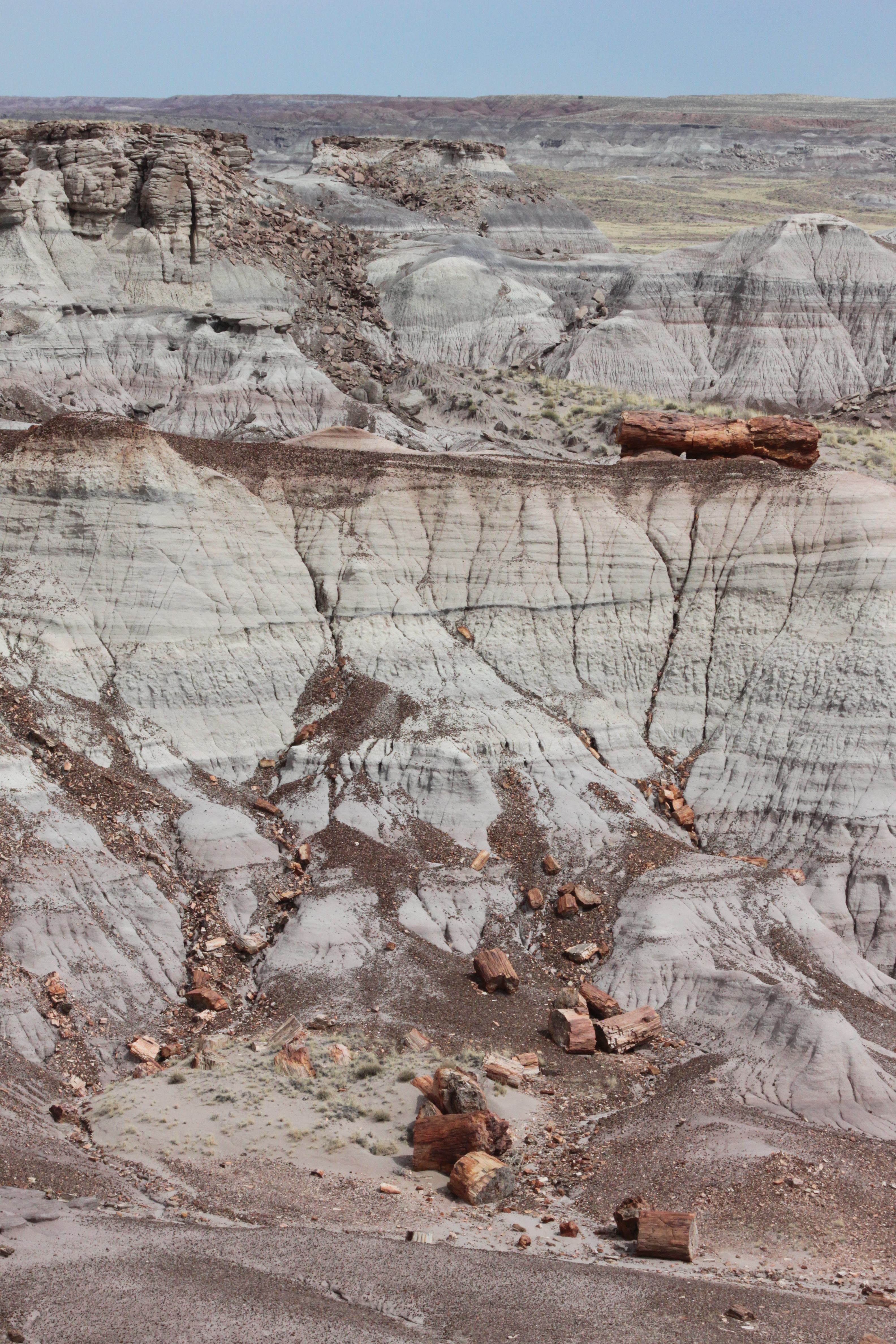
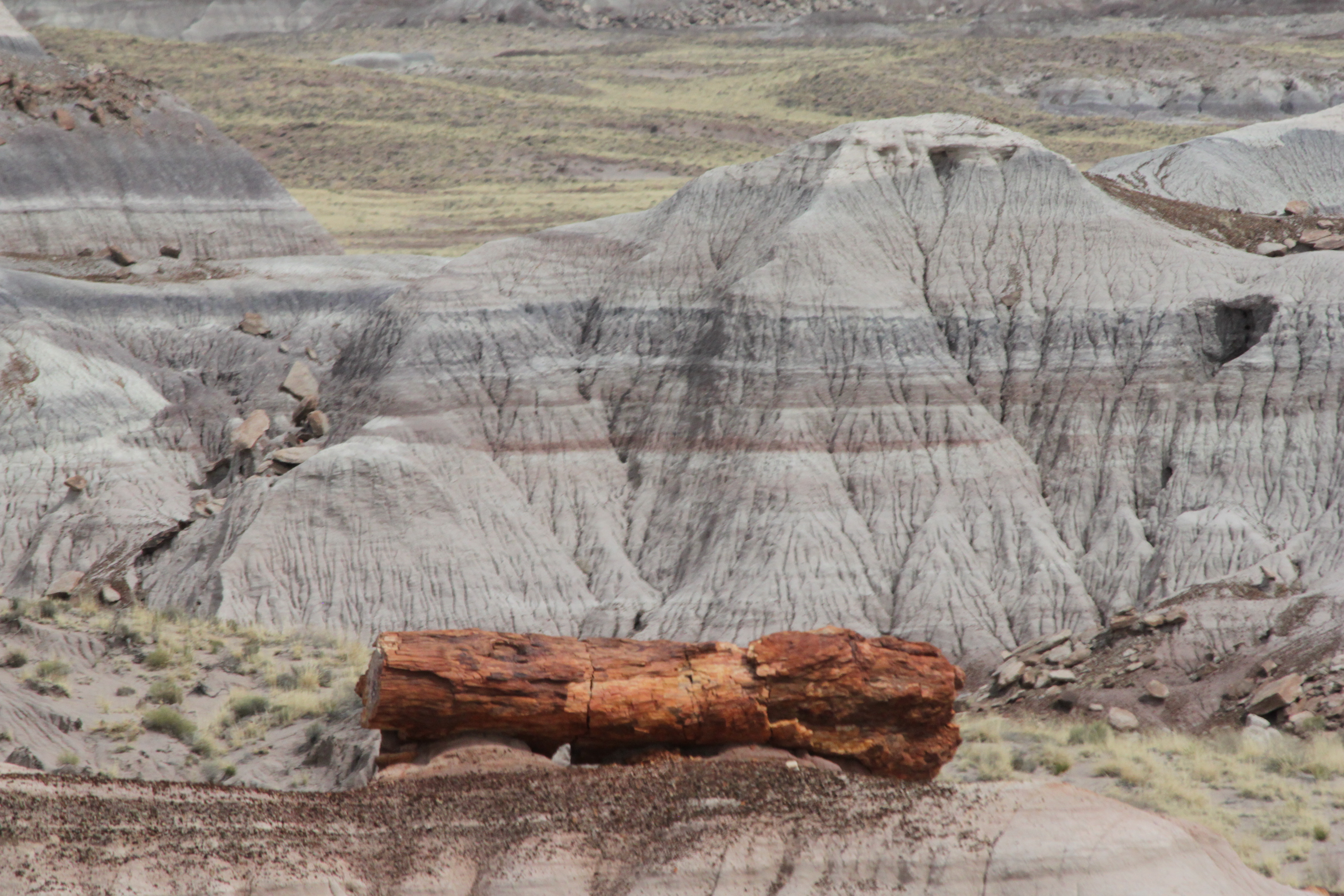
Petrified Forest National Park #1.

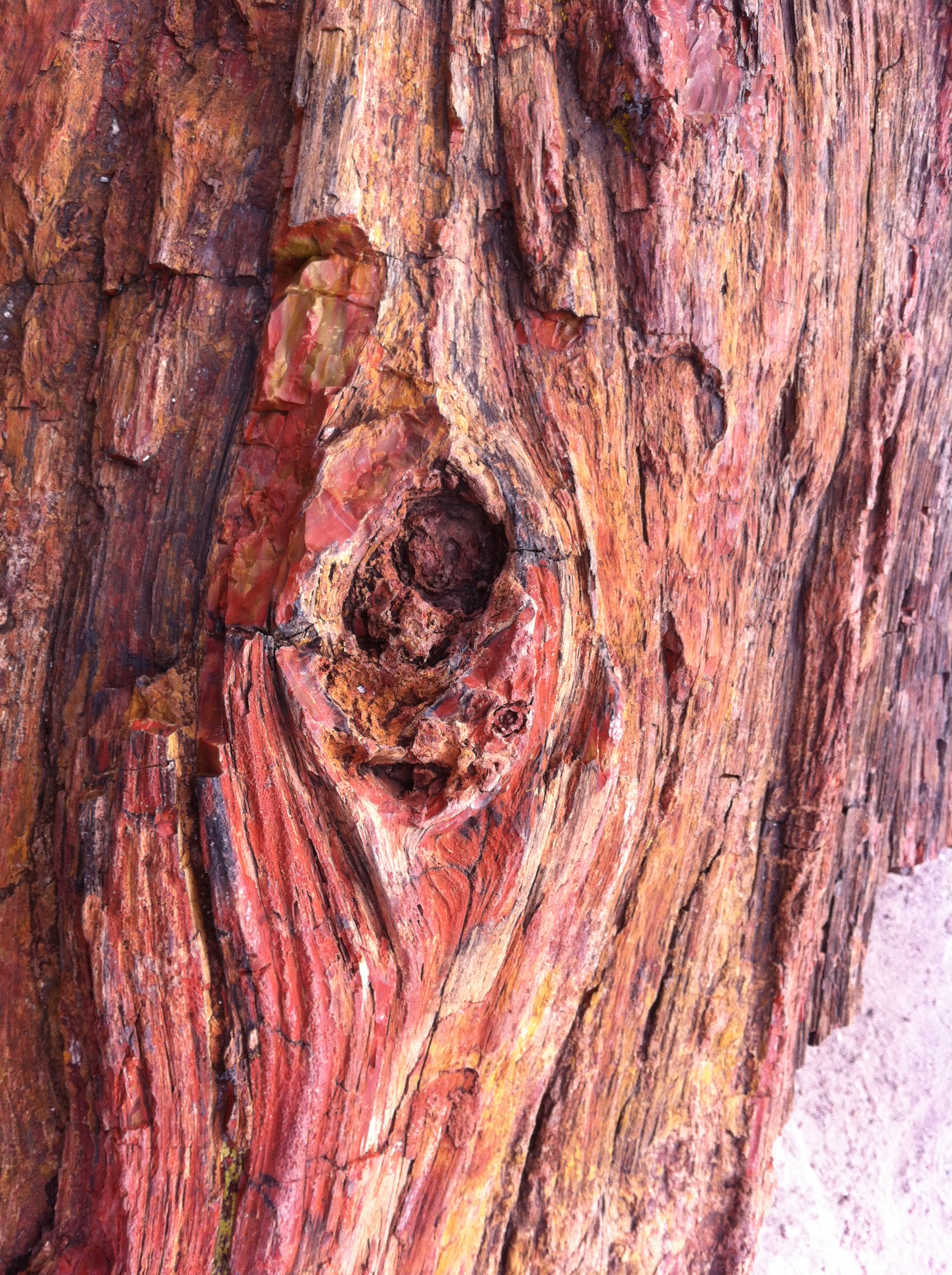
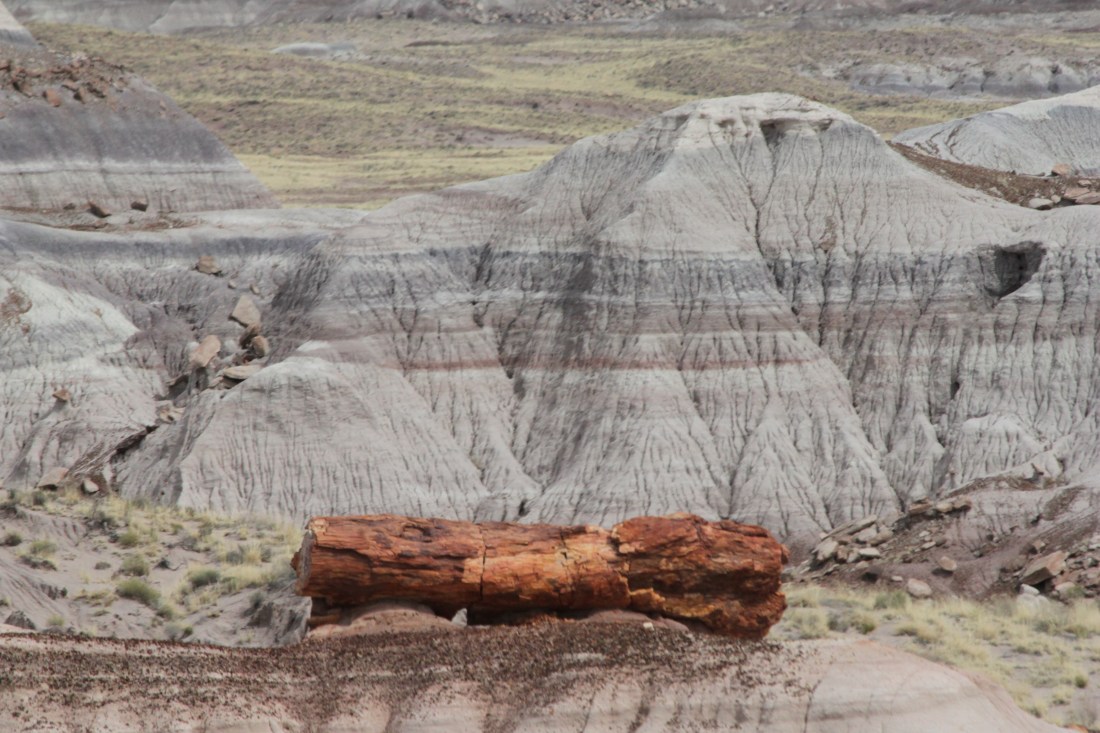
My friend Ray recently visited Petrified Forest National Park in Arizona and was kind enough to send me some of his gorgeous pictures of the landscape, including the petrified trees. Ray says that these pictures were all taken along the Blue Mesa Loop. These fossilized trees are about 225 million years old! They are weathering out of the Chinle Formation, a beautiful Triassic sedimentary unit. I’ve never visited this park, but it’s now very high on my list of geological places I’d like to visit!

Thanks for sharing some pictures here on Georneys, Ray!

Petrified Forest National Park #2.
Petrified Forest National Park #3.
Petrified Forest National Park #4.

Plane Views: Amsterdam to Cape Town– Part II

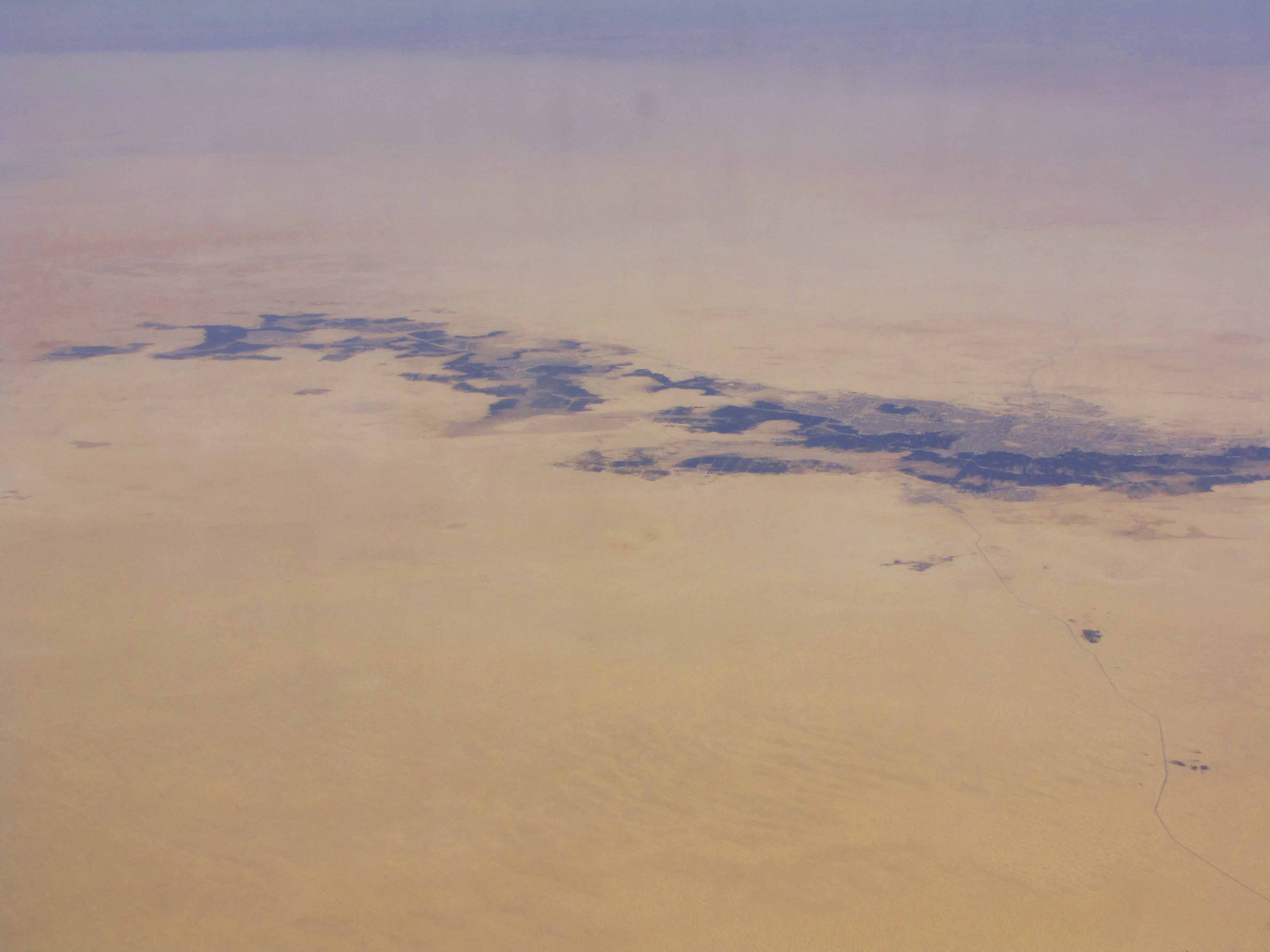
Algeria #1.

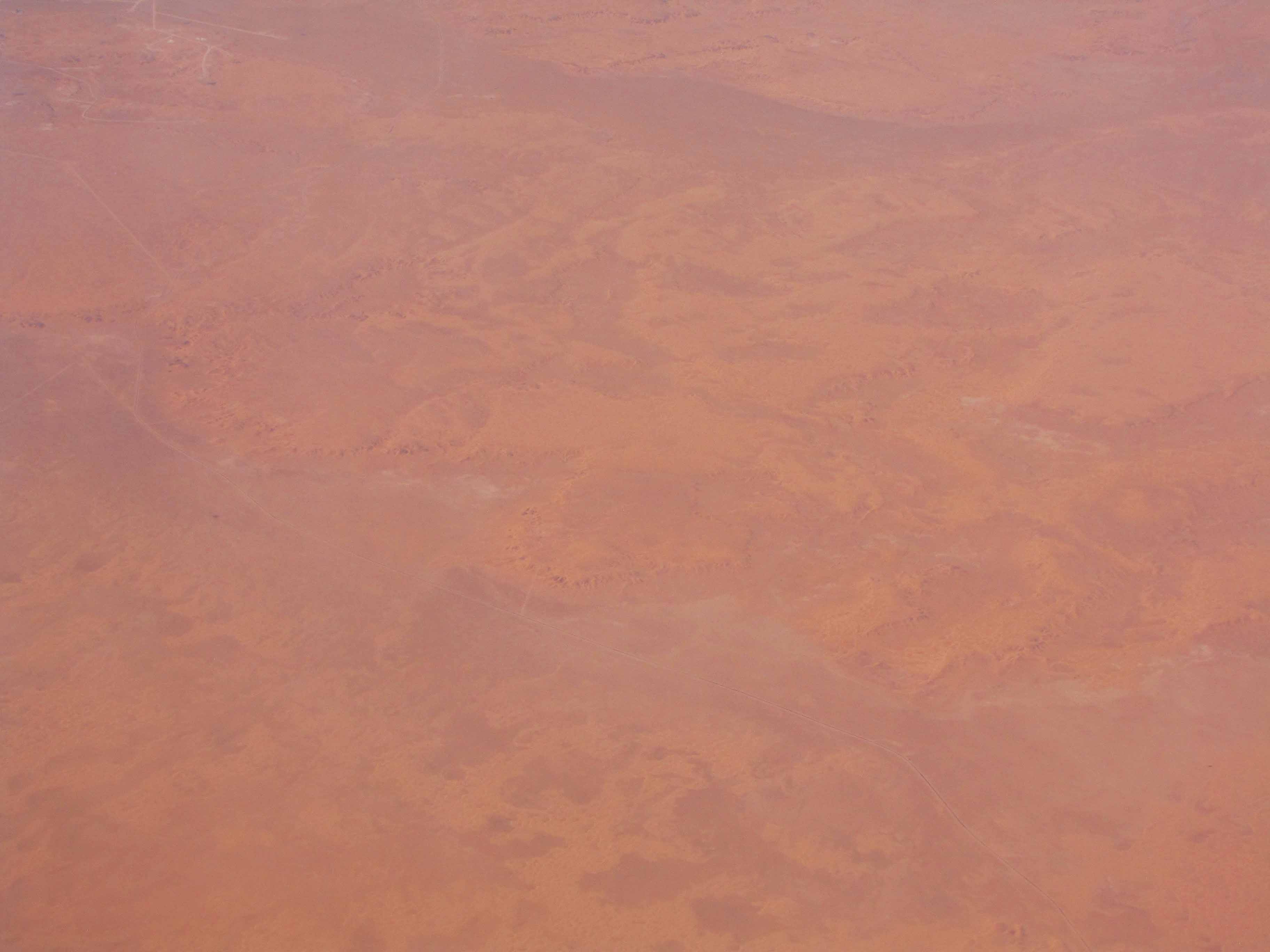
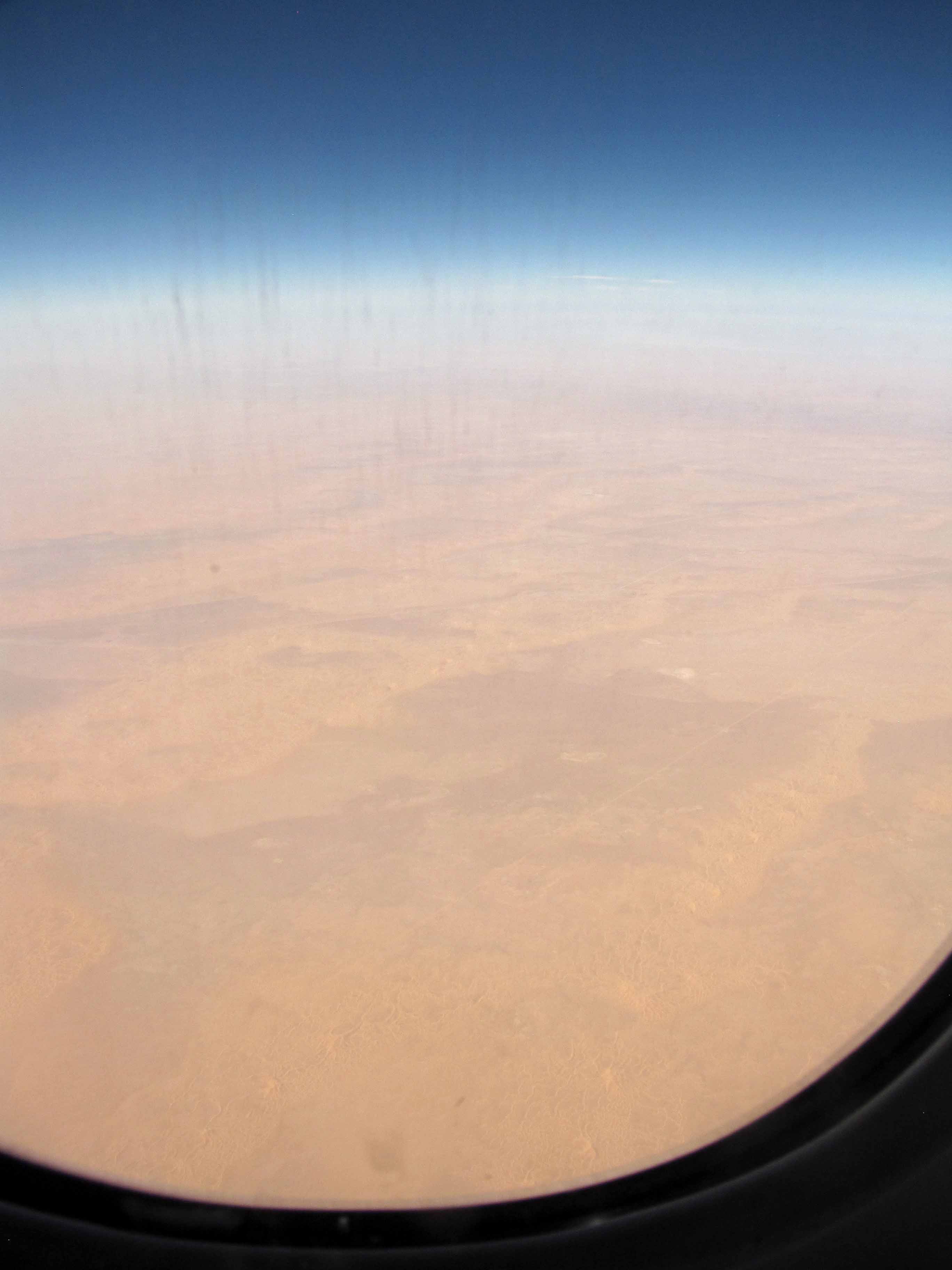
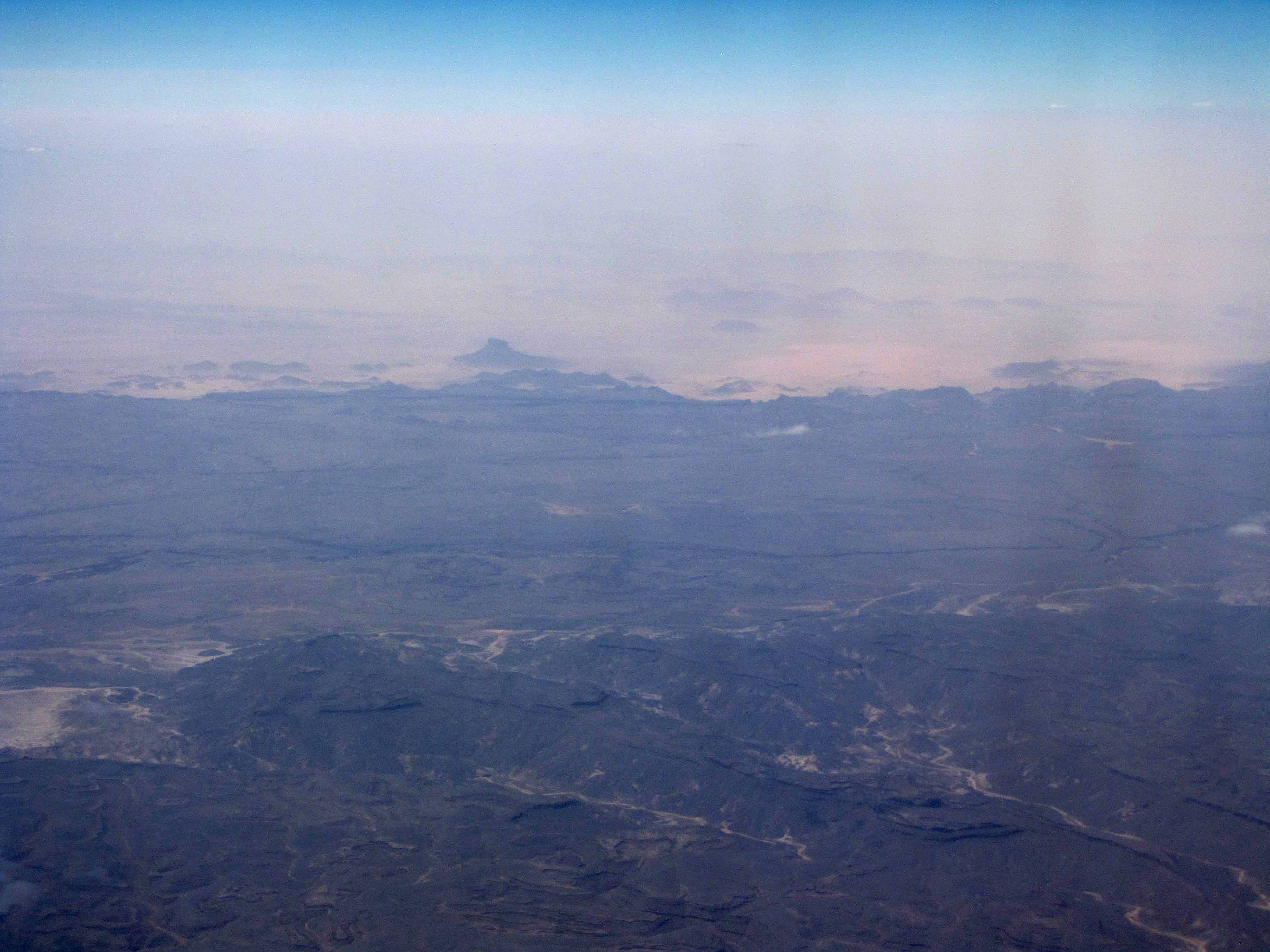
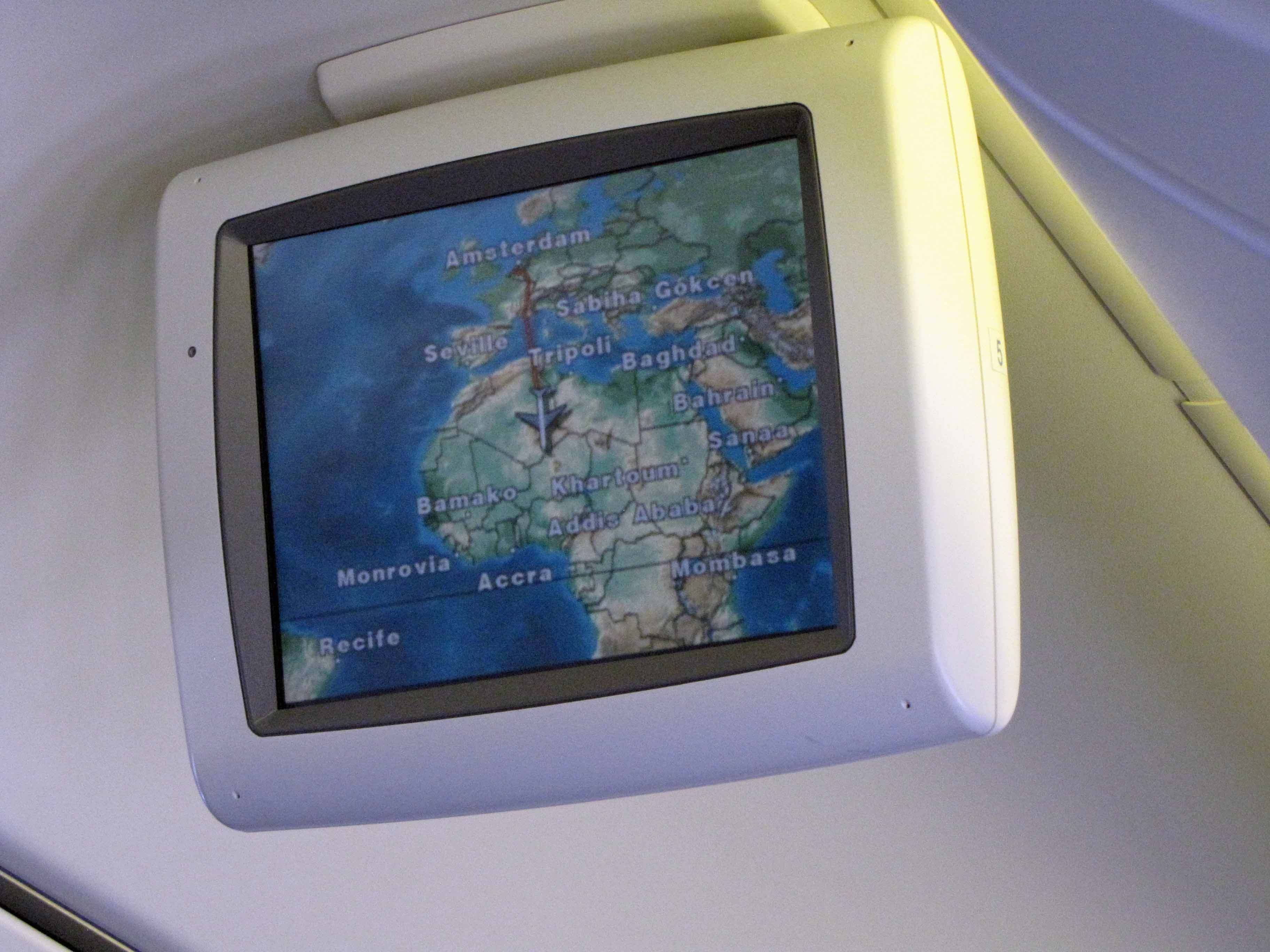
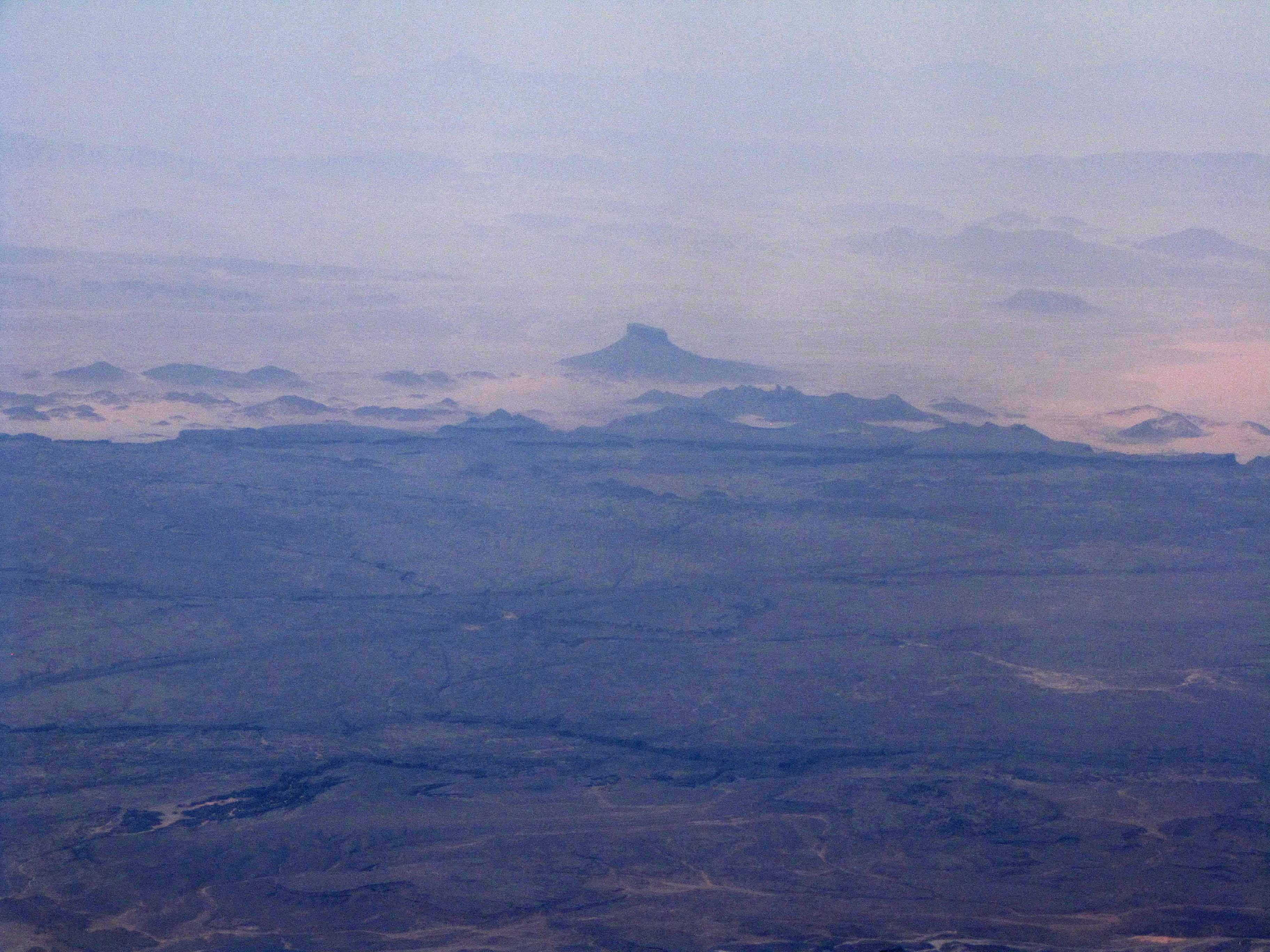
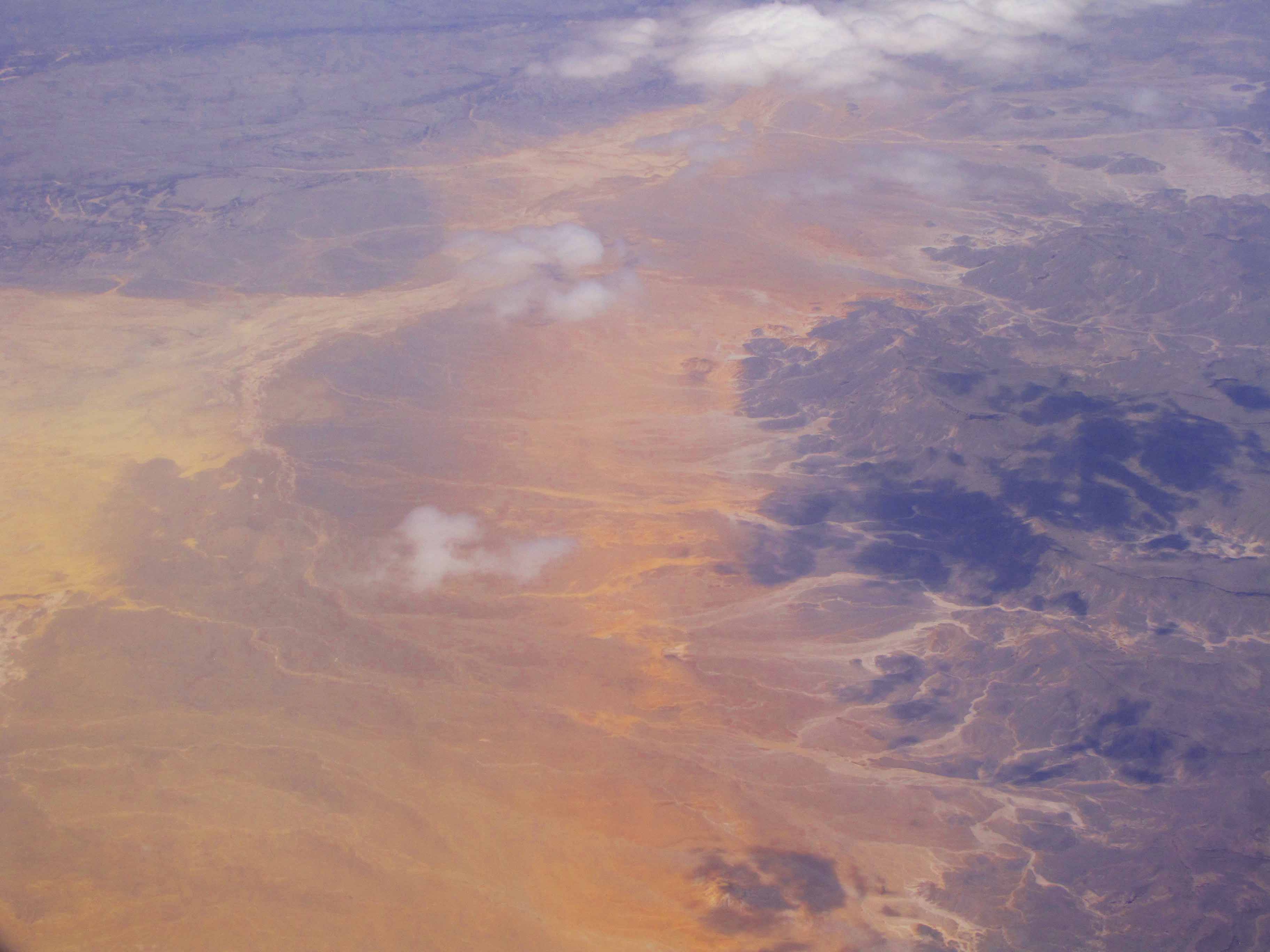
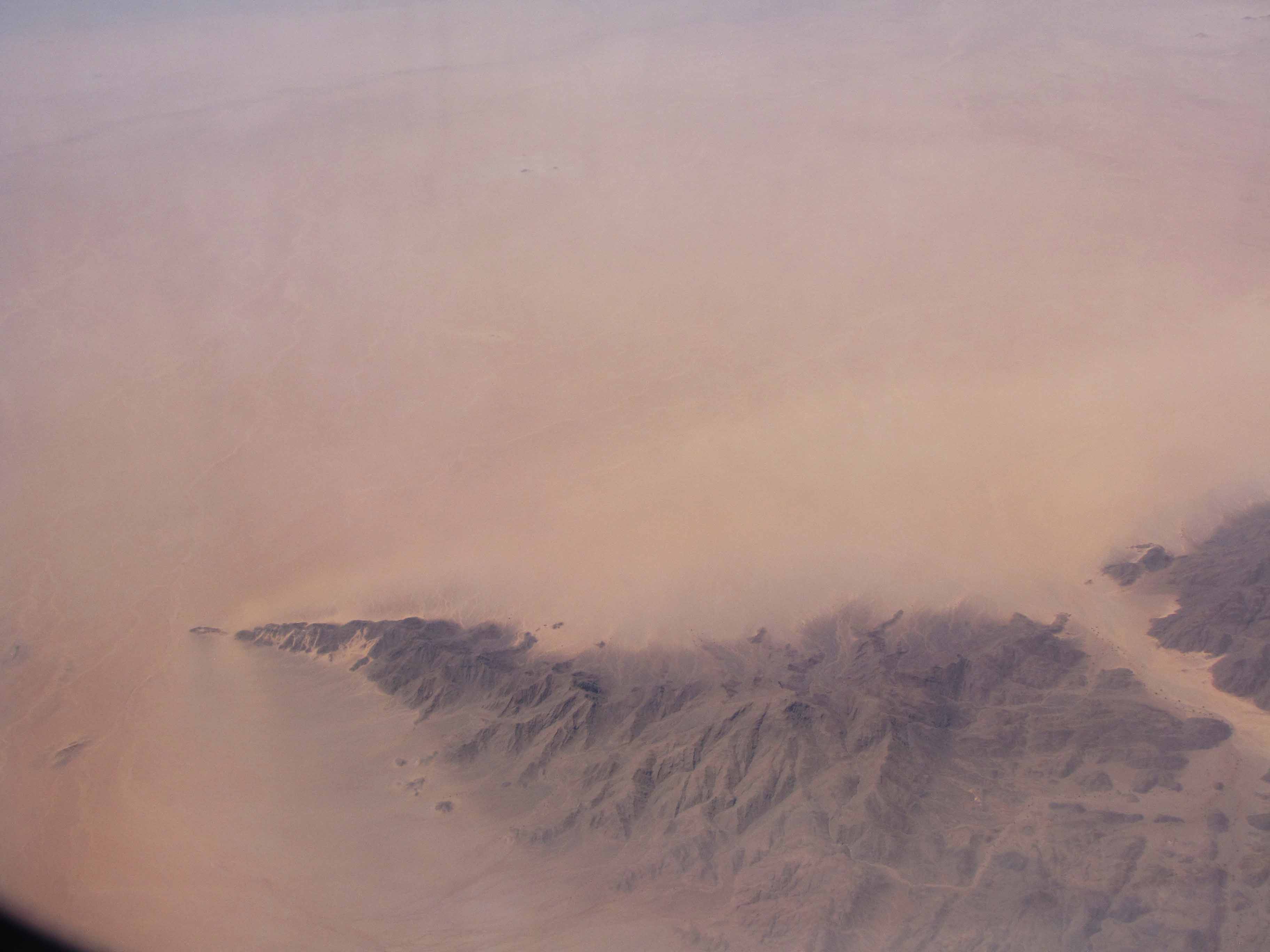
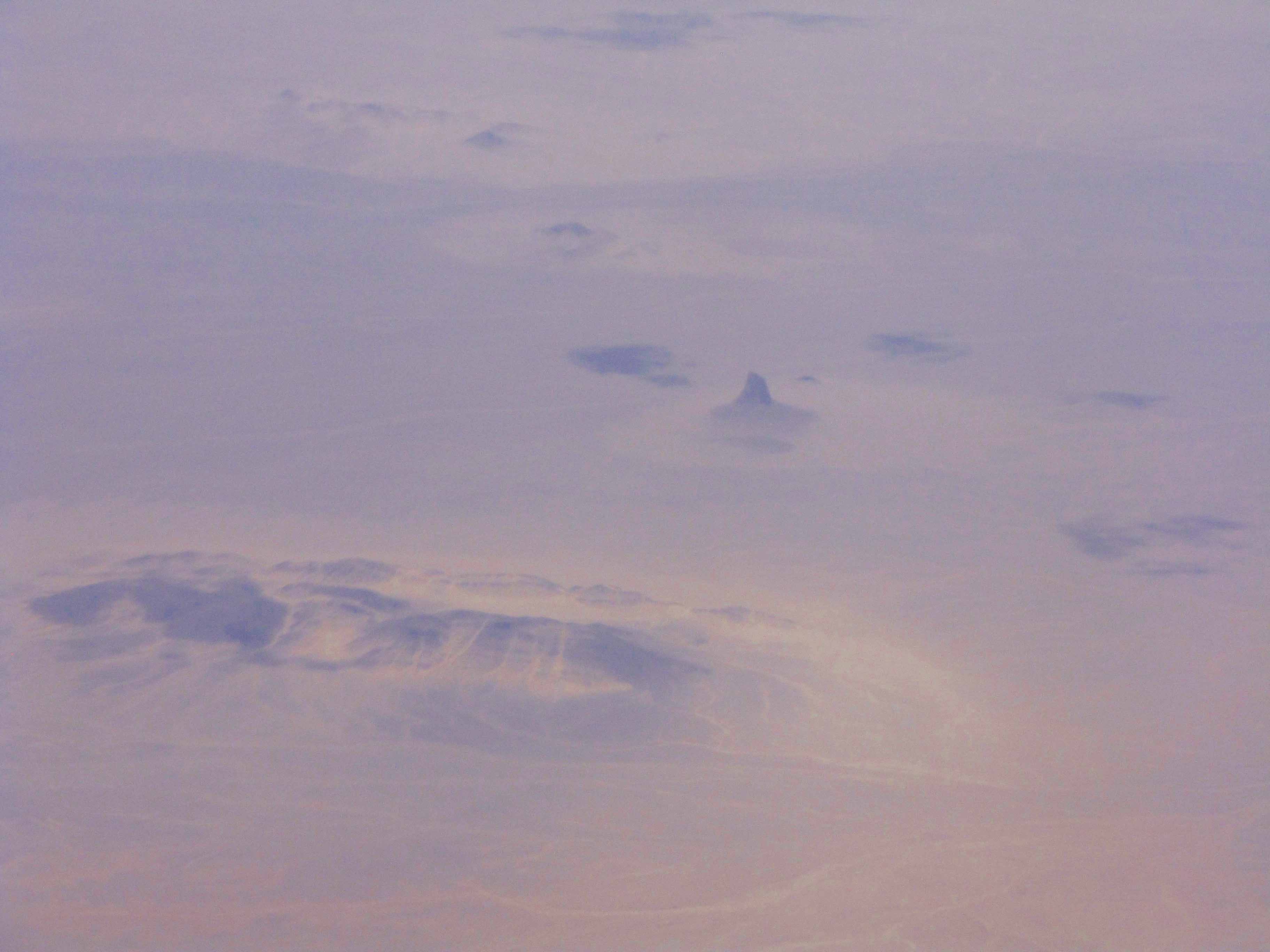
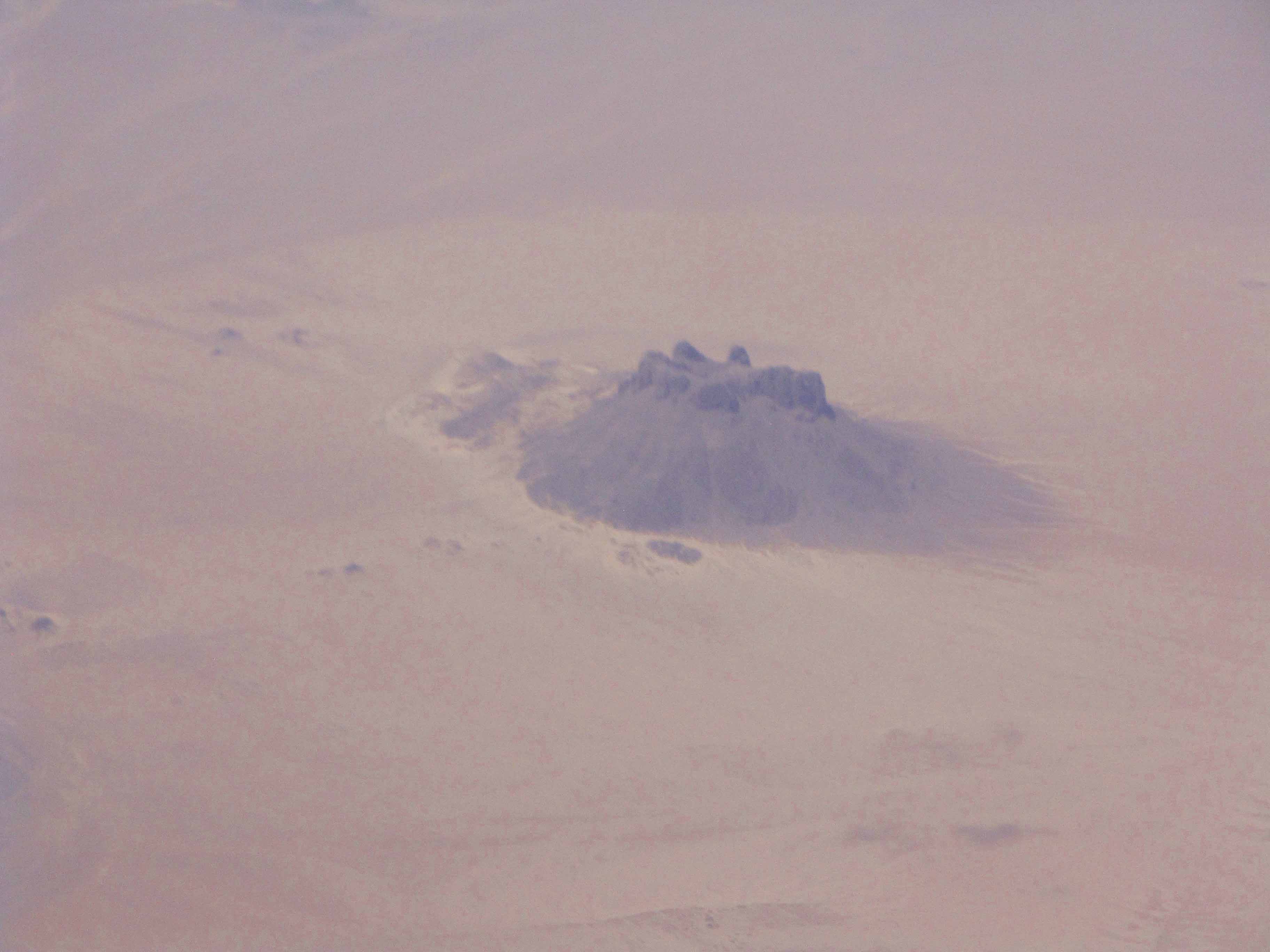
Here is Part II of the views that I observed during a flight from Amsterdam to Cape Town back in September 2012. Part I is here. I believe that all of these shots were taken over Algeria. There are some stunning desert views. Although I grew up in relatively lush New England, I have always liked deserts. I think I first became enchanted by deserts when I was an exchange student and lived in Jordan for 5 months when I was 15 years old. My school in Jordan took me on visits to places such as Wadi Rum and Petra, and I quickly fell in love with the sands, rocks, animals, people, and historical ruins of the deserts there. Visiting the Jordanian deserts certainly helped inspire me to study geology.
I’ve never been to Algeria, but the desert views I observed while flying over Algeria are certainly enchanting. The young, volcanic Hoggar Mountains look particularly enticing. I hope that I can one day visit the deserts of Algeria. Has anyone been there?
Enjoy the desert views below. And, as always, feel free to point out interesting locations and geological features.

I still have some more views to share from this flight, so stay tuned for Part III!

Algeria #2.
Algeria #3.
Algeria #4.
Algeria #5.
Algeria #6.
Algeria #7. Sand ripples.
Algeria #8. Sings of man.
Algeria #9. A lone fire.
Algeria #10. Another view of the fire.
Algeria #11. Sand, sand, sand.
Algeria #12.
Algeria #13.
Algeria #14. Signs of salt.
Algeria #15.
Algeria #16.
Algeria #17. Red, white, and blue desert hues.
Algeria #18.
Algeria #19. A winding wadi leading into the Hoggar Mountains.
Algeria #20.
Algeria #21.
Algeria #22.
Algeria #23.
Algeria #24.
Algeria #25.
Algeria #26. Volcanic mountain tops.
Algeria #27.
Algeria #28.
Algeria #29.
Algeria #30.
Algeria #31.
Algeria #32.
Algeria #33.
Algeria #34.
Algeria #35.
Algeria #36.

Plane Views: Amsterdam to Cape Town– Part I

Amsterdam to Cape Town #1.

After flying from Nome to Anchorage and then from Anchorage to Seattle and then from Seattle to Amsterdam, my husband and I finally boarded our last flight home, which was from Amsterdam to Cape Town. The flight was long (11.5 hours!), but we were fortunate to observe plenty of amazing scenery along the way.
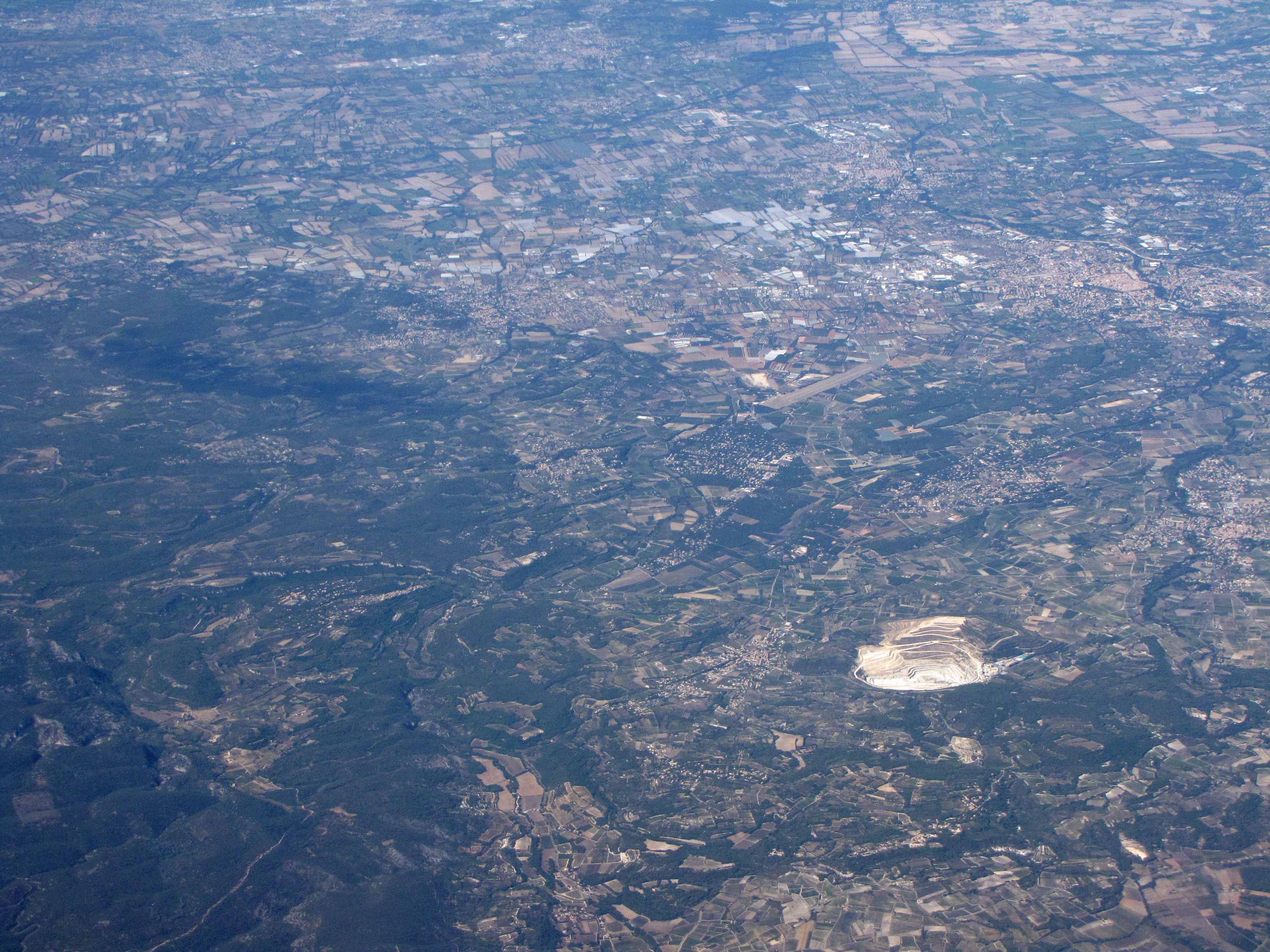
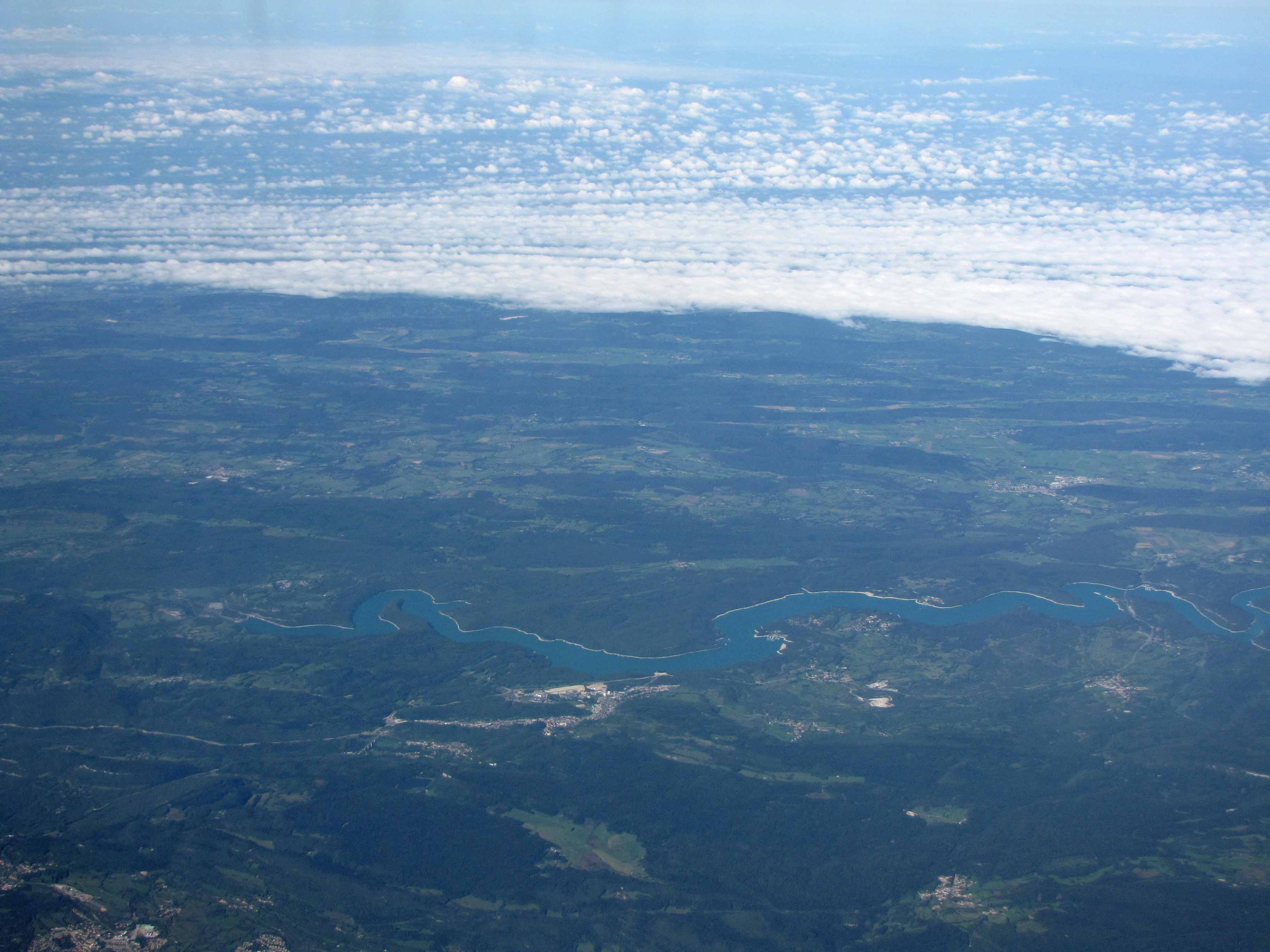
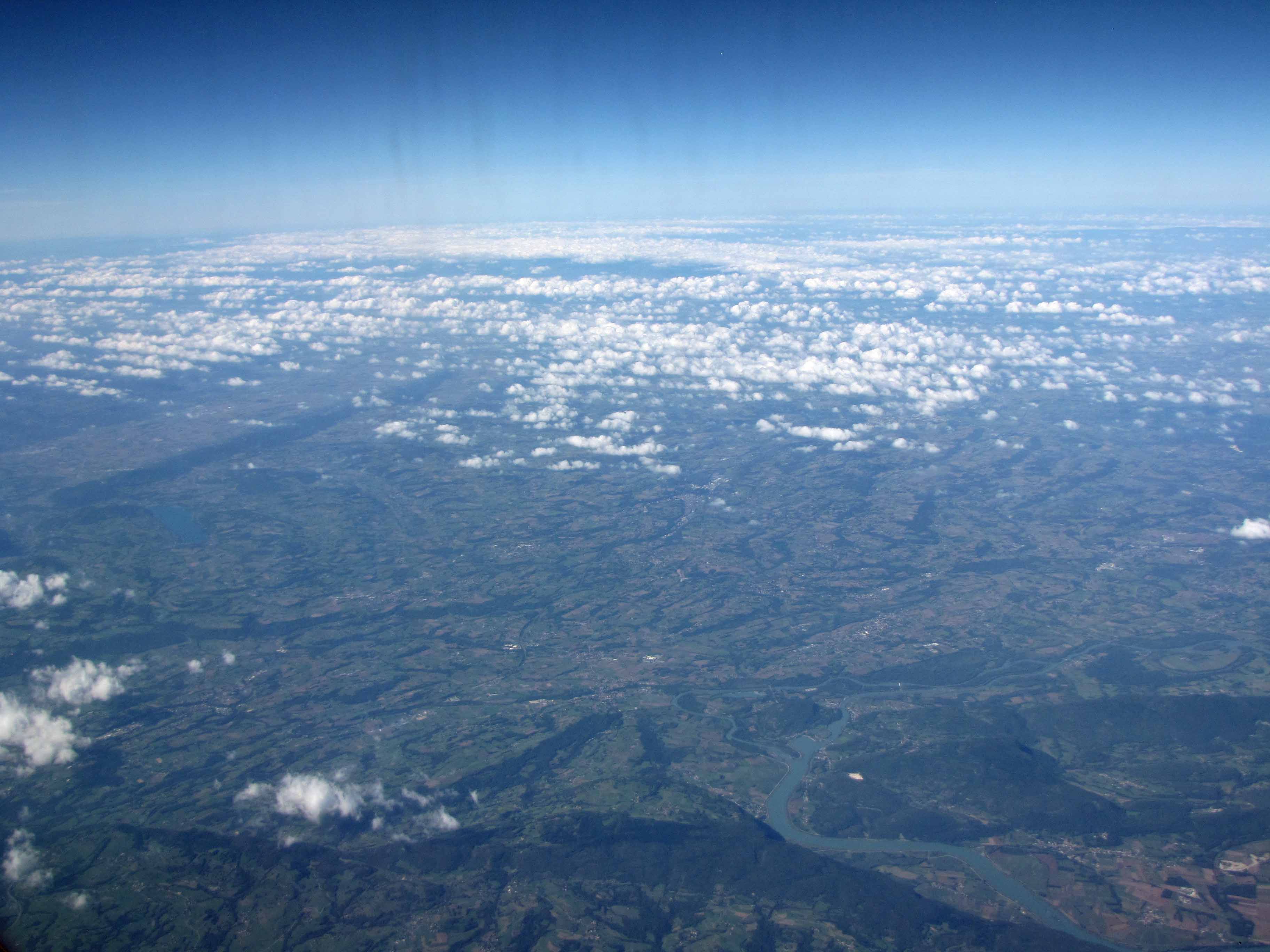
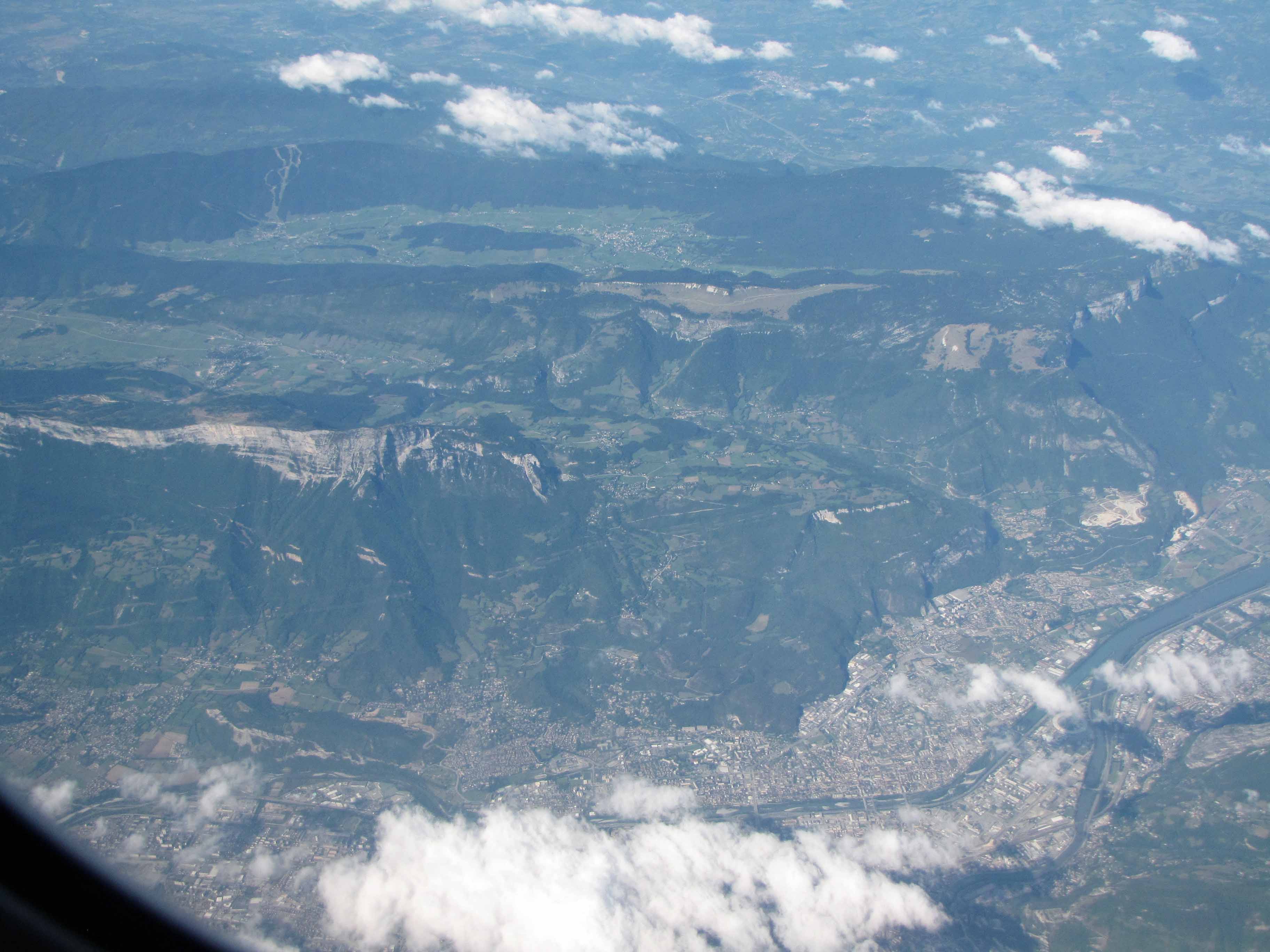
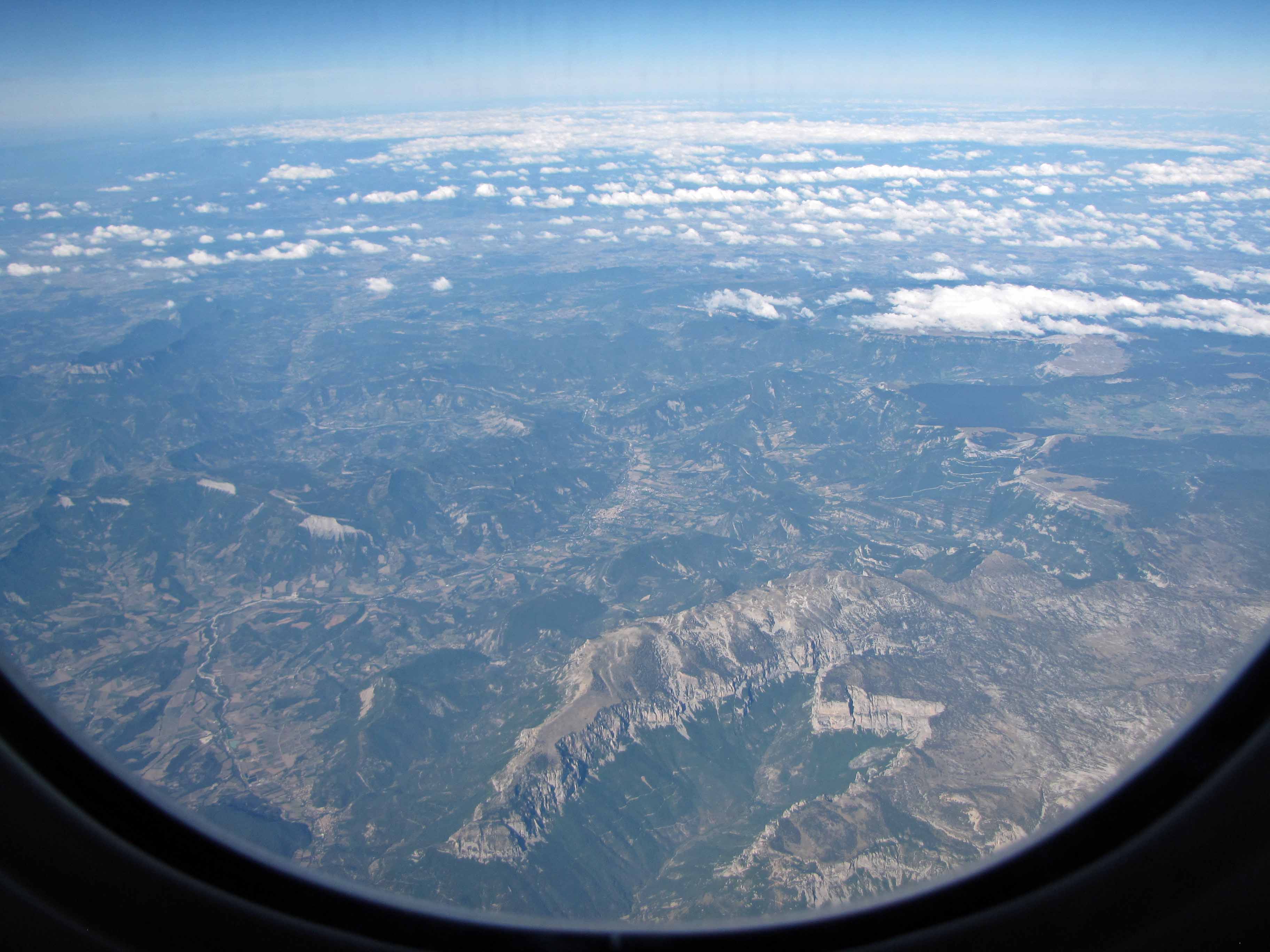
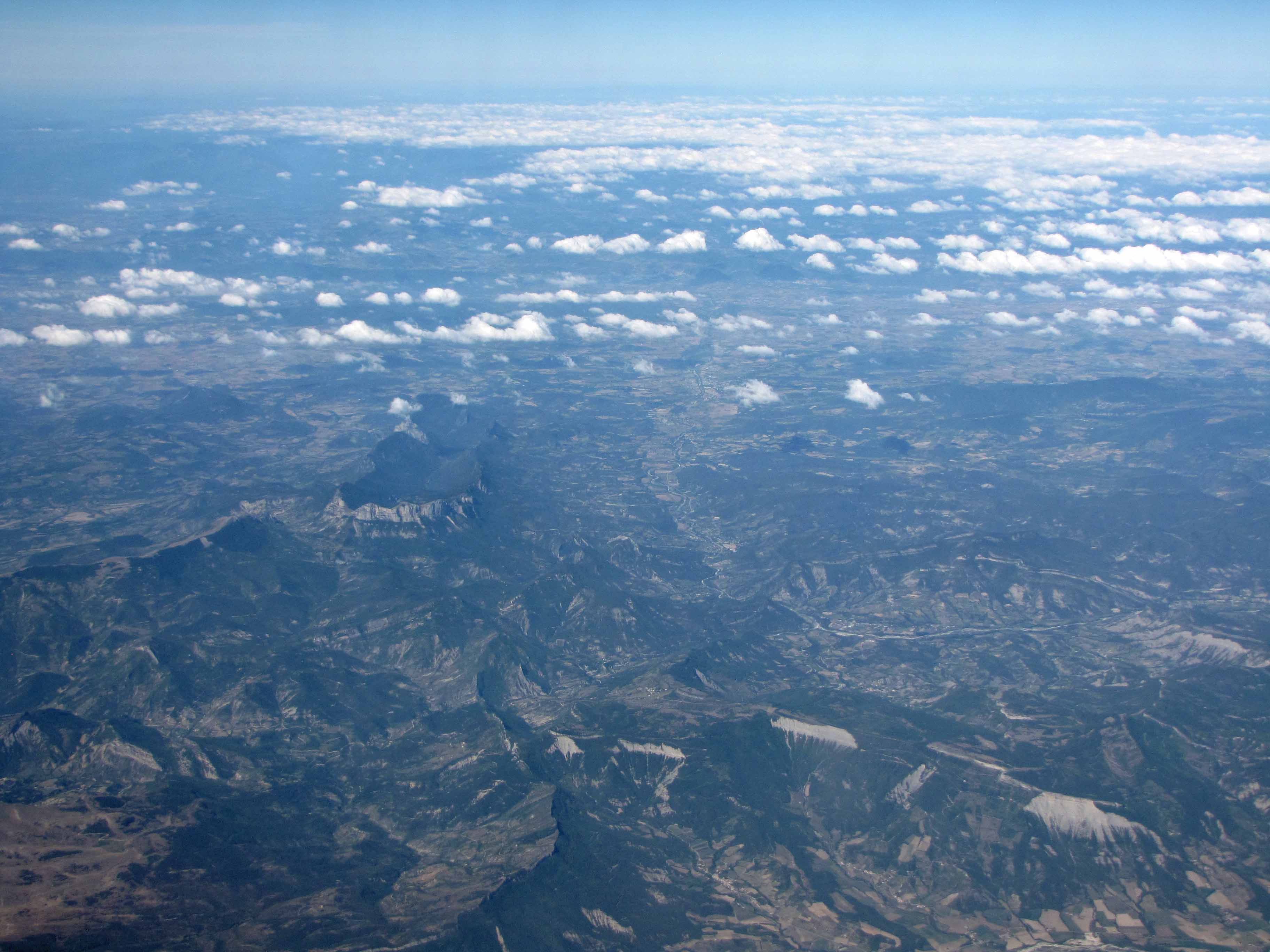
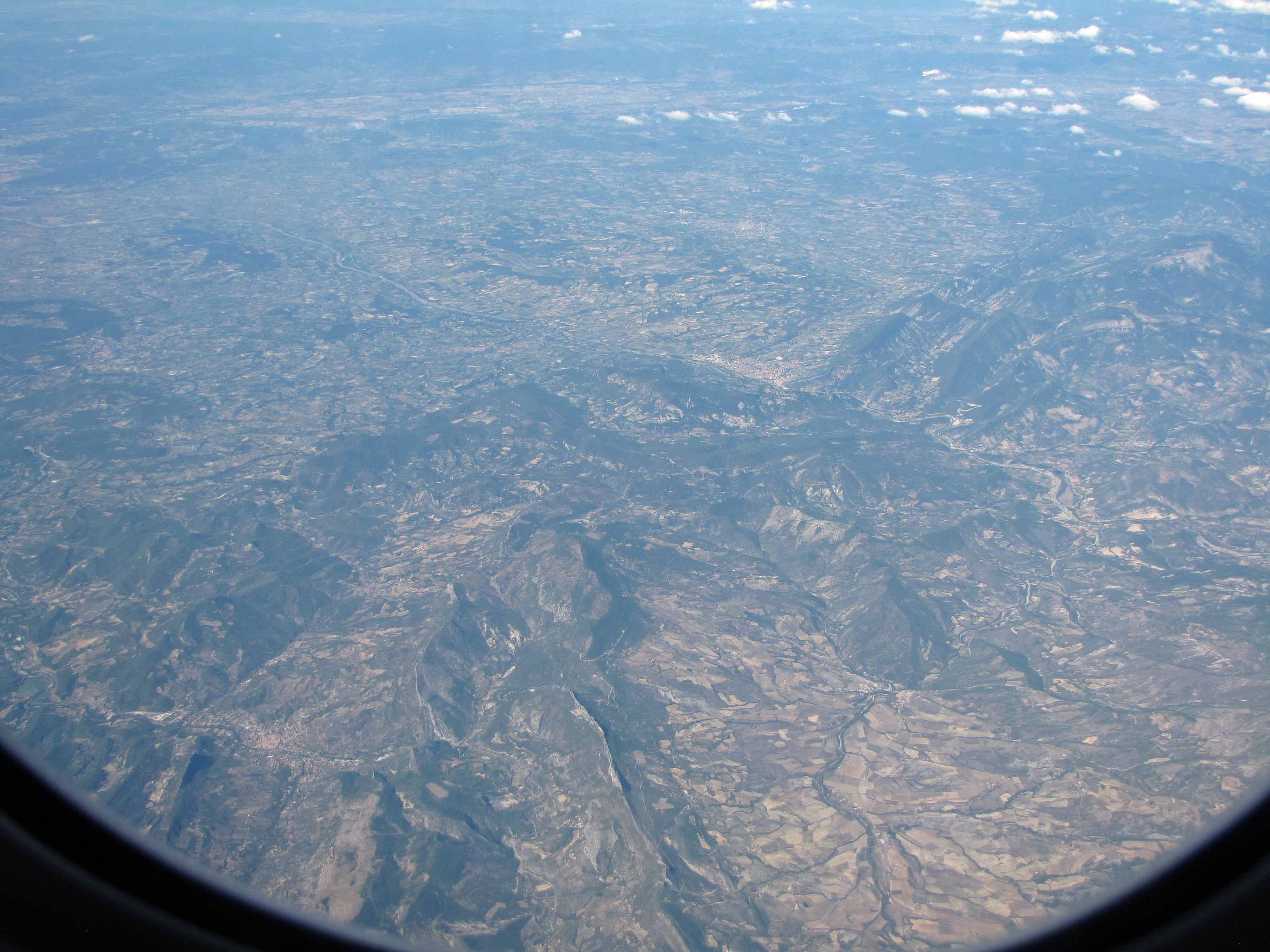
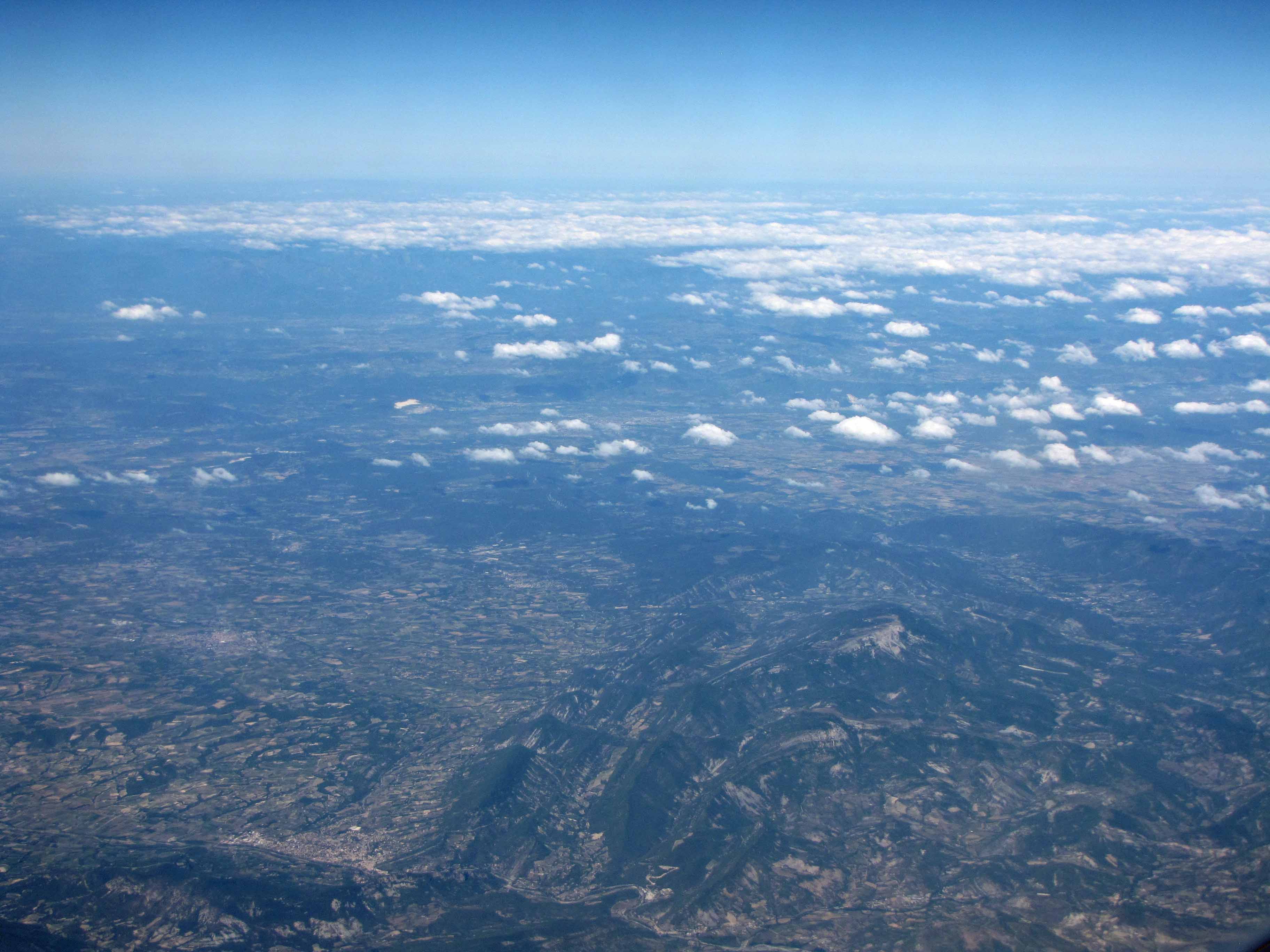
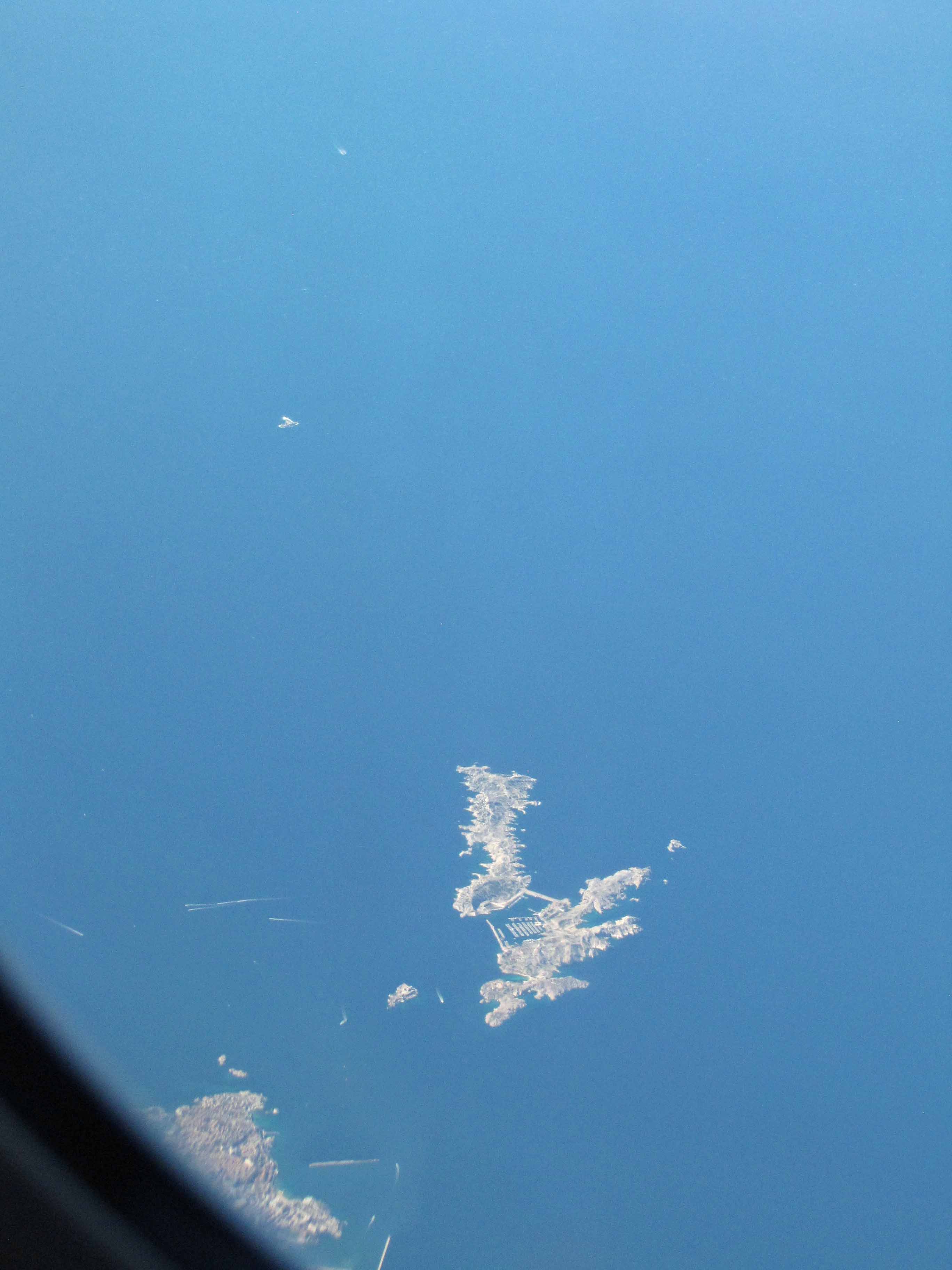
In this post I’m sharing some pictures that I took during this Amsterdam to Cape Town flight. I actually took so many great pictures during the flight that I’m going to share them in multiple posts. The pictures in this first post were taken over Europe before we flew over the Mediterranean and then over Africa. Please feel free to point out locations, geological features, and other interesting things in the pictures. Perhaps some people with strong Google Earth fu can help me pinpoint some of the locations. Enjoy! 

Amsterdam to Cape Town #2.
Amsterdam to Cape Town #3.
Amsterdam to Cape Town #4.
Amsterdam to Cape Town #5.
Amsterdam to Cape Town #6.
Amsterdam to Cape Town #7.
Amsterdam to Cape Town #8.
Amsterdam to Cape Town #9. Just stunning!
Amsterdam to Cape Town #10.
Amsterdam to Cape Town #11.
Amsterdam to Cape Town #12.
Amsterdam to Cape Town #13.
Amsterdam to Cape Town #14.
Amsterdam to Cape Town #15. Beautiful.
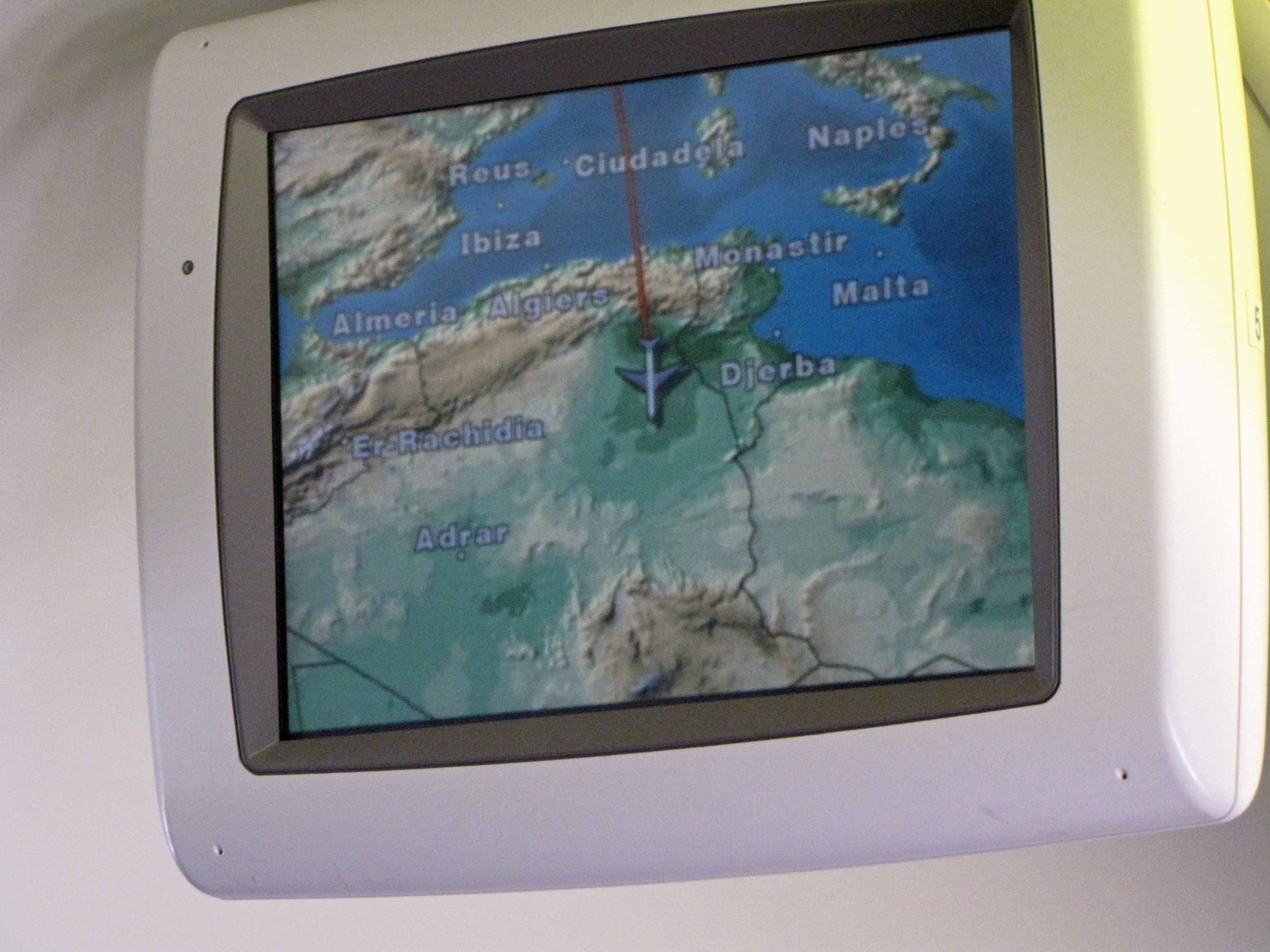
Amsterdam to Cape Town #16. Occasionally, I remembered to take pictures of our location on the monitor.
Amsterdam to Cape Town #17. A landslide feature for Dave?
Amsterdam to Cape Town #18.
Amsterdam to Cape Town #19. A Friday Fold for Callan?
Amsterdam to Cape Town #20.
Amsterdam to Cape Town #21. A stunning quarry / mine.
Amsterdam to Cape Town #23. The sea!
Amsterdam to Cape Town #24.
Amsterdam to Cape Town #25.
Amsterdam to Cape Town #26. A spikey, lovely island.
Amsterdam to Cape Town #27.
Amsterdam to Cape Town #28.

Plane Views: Seattle to Amsterdam

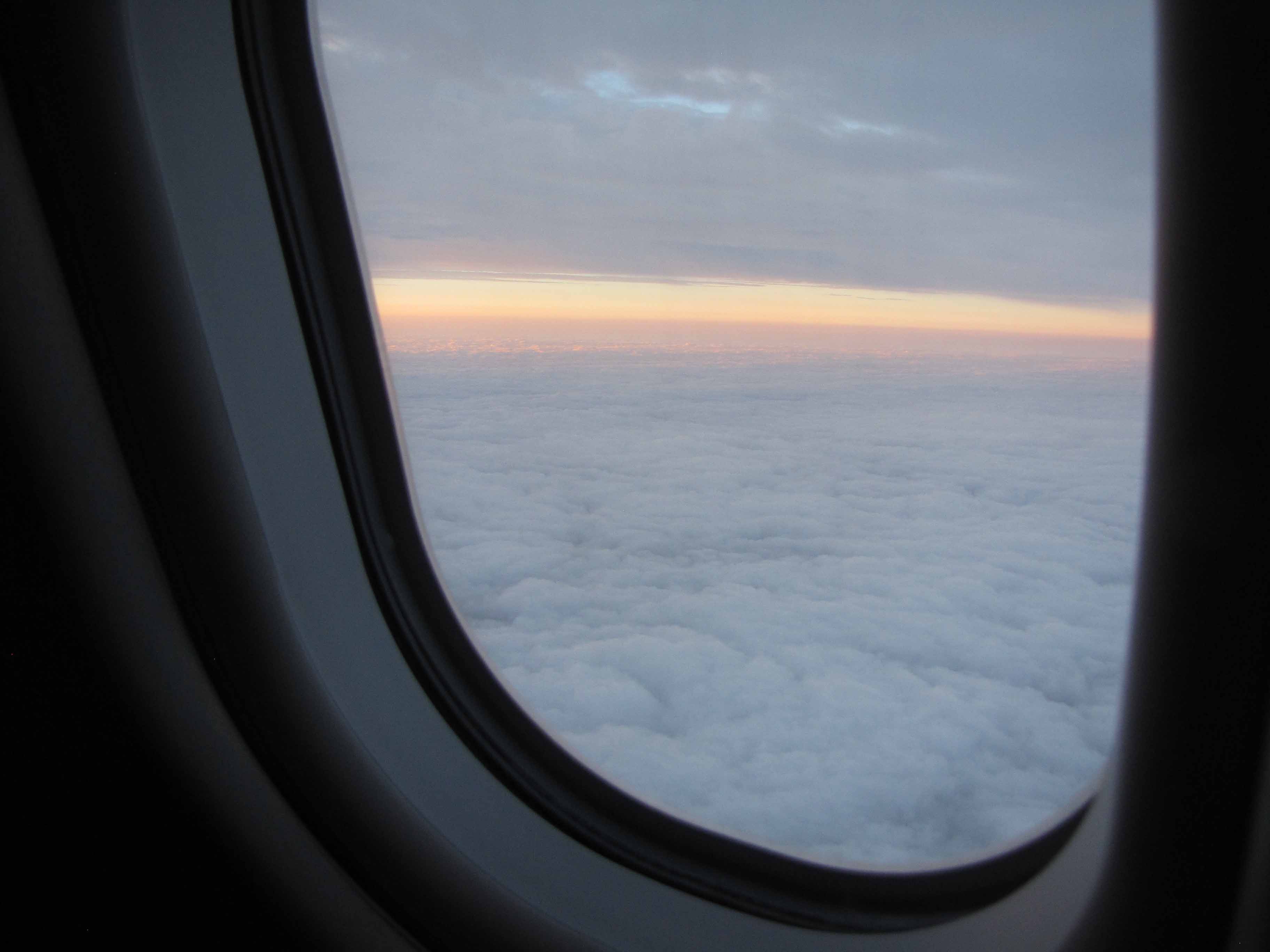
Most of the flight was dark, but there was a beautiful sunrise above the clouds when morning arrived.

I’m nearly done sharing all of my pictures from my trip to Alaska in July to September 2012. I just need to finish up two outstanding “Plane Views” posts and then share some pictures and information from a wonderful sea kayaking trip in Prince William Sound. However, I’m most likely going back to Alaska again in a few months, so there will probably be more about Alaska in the future here on Georneys.

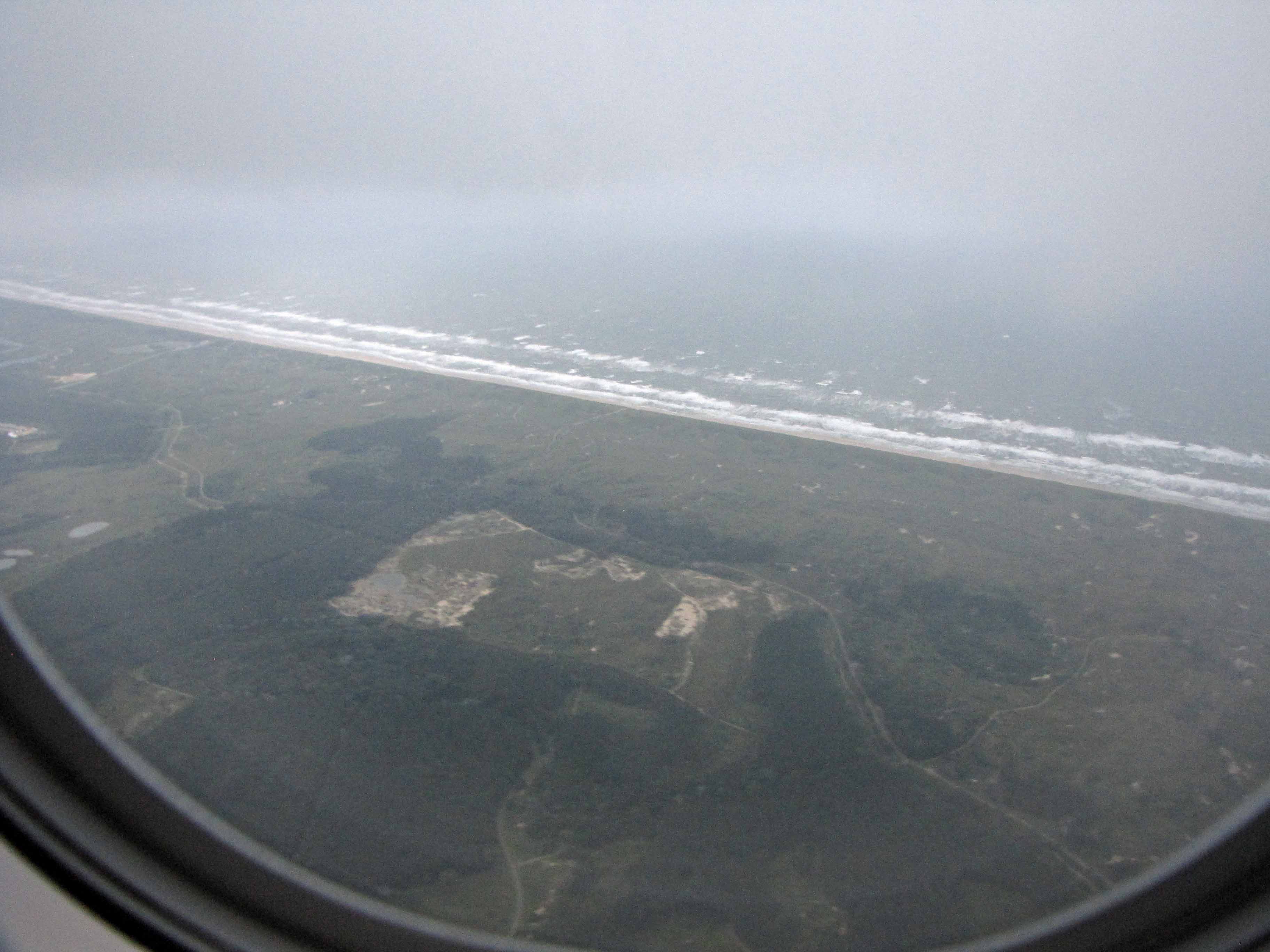
On to the airplane pictures, though! After flying from Nome to Anchorage and then from Anchorage to Seattle, my husband and I took a flight from Seattle to Amsterdam. We flew overnight and were often above the clouds, so I didn’t take very many pictures. Also, we were flying business class and were actually able to sleep on the airplane! However, I did take a few pictures as the plane landed in Europe on a somewhat rainy day.

I have some really amazing pictures from our next flight from Amsterdam to Cape Town, so stay tuned for those!

Approaching Amsterdam.
A rainy, choppy morning along the coast.
Heading inland.
Houses from above.
A scenic river / canal.
Another river view.
One last view before landing.