


Continuing with some pictures from the recent vacation of my friends Nia and Patrick to the Seychelles, here is a stunning sunset shot. This picture makes me want to take my own vacation to the Seychelles!
Continuing with some pictures from the recent vacation of my friends Nia and Patrick to the Seychelles, here is a stunning sunset shot. This picture makes me want to take my own vacation to the Seychelles!

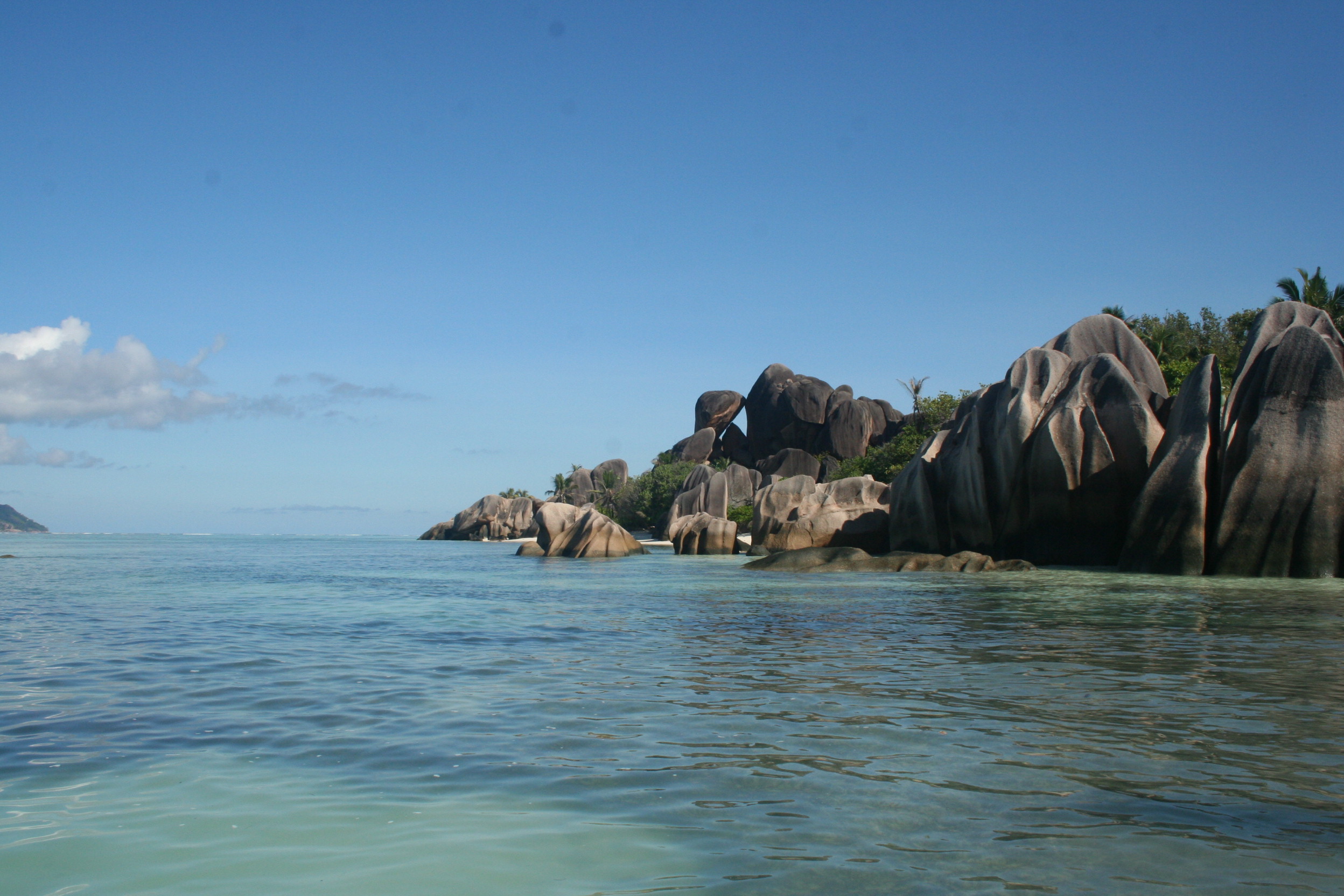
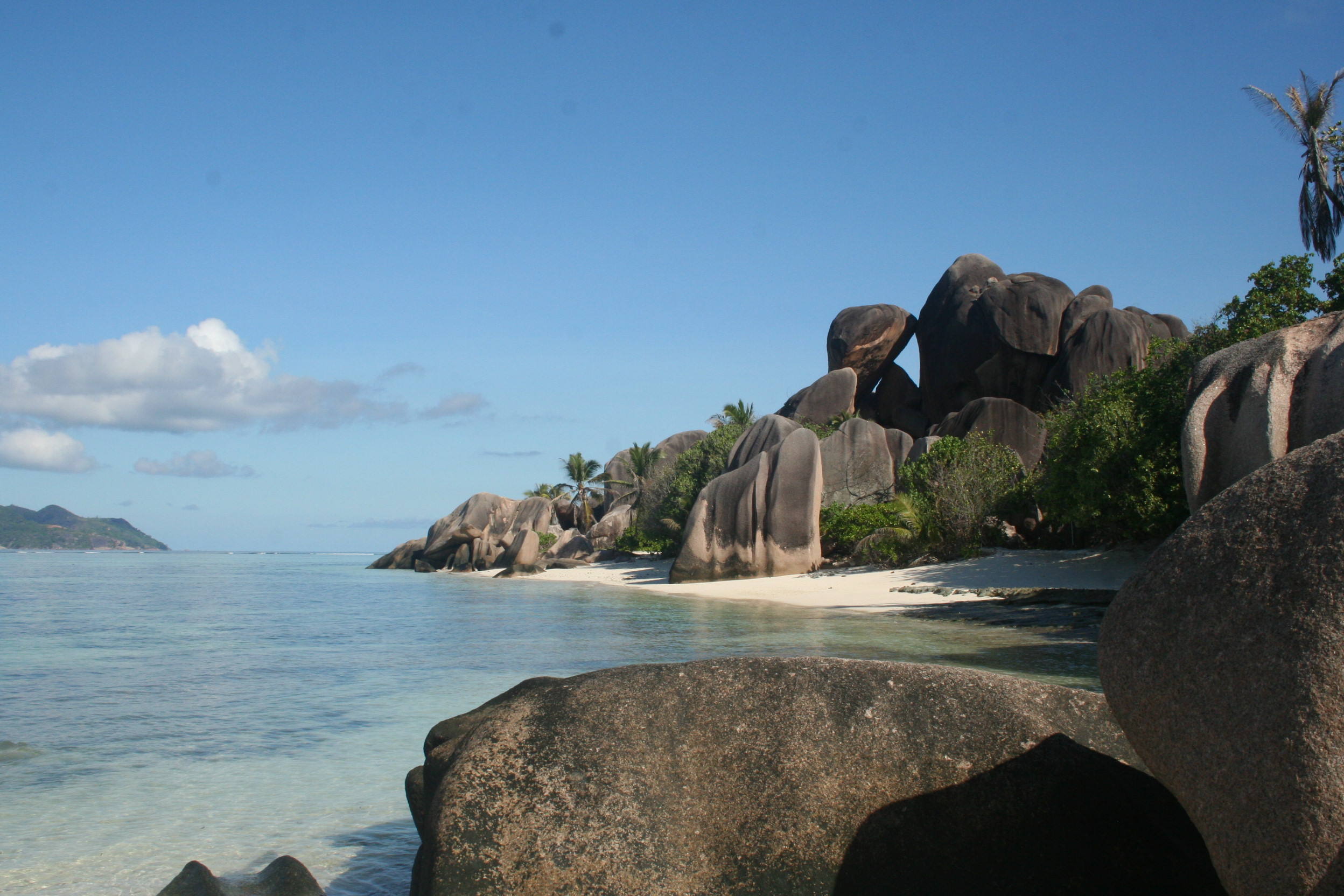
Last week I shared some pictures of Gondwana granites that were taken by my good friends Nia and Patrick on their recent holiday to the Seychelles. This week I thought I’d share a couple more pictures of Seychelles granites. Enjoy!
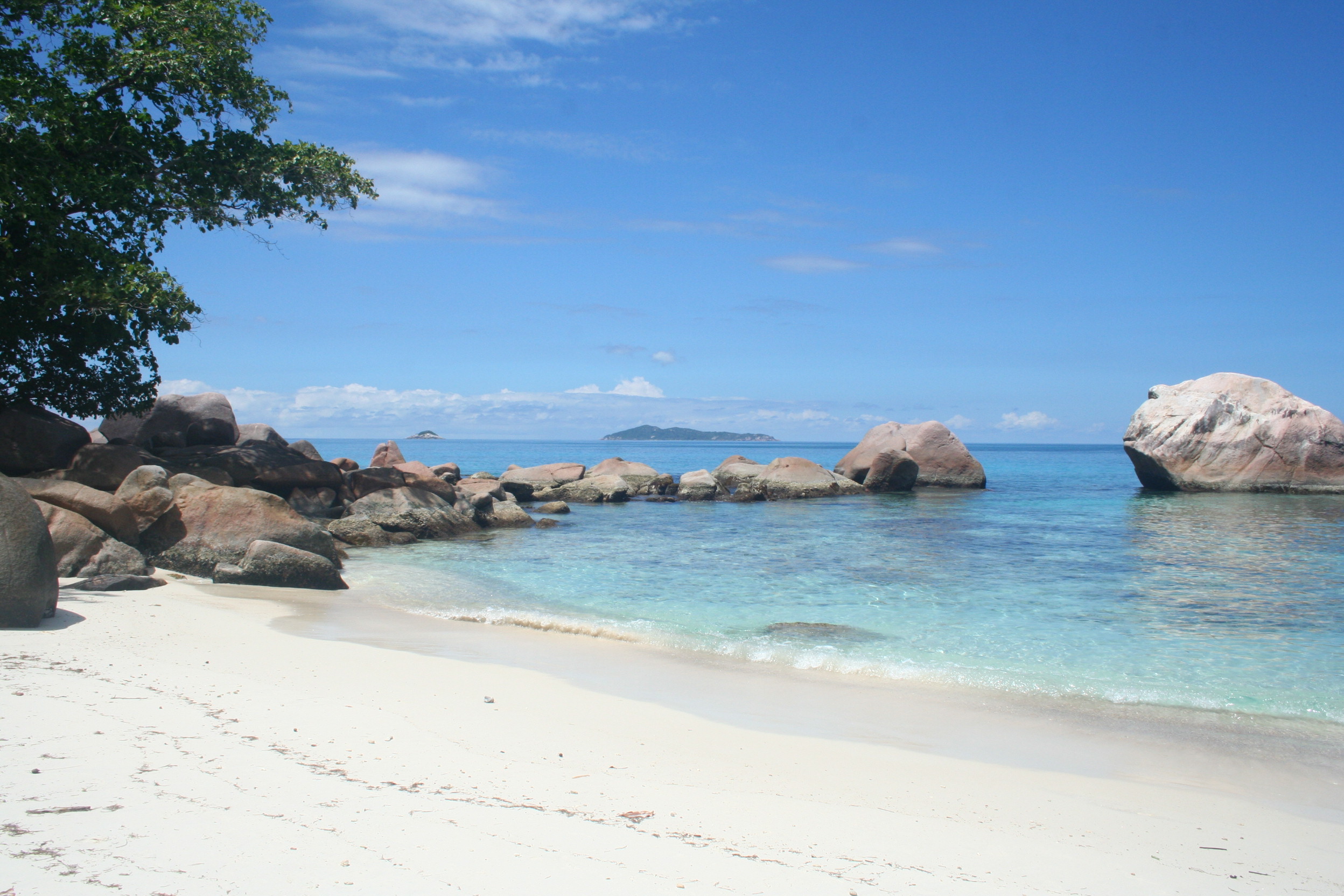
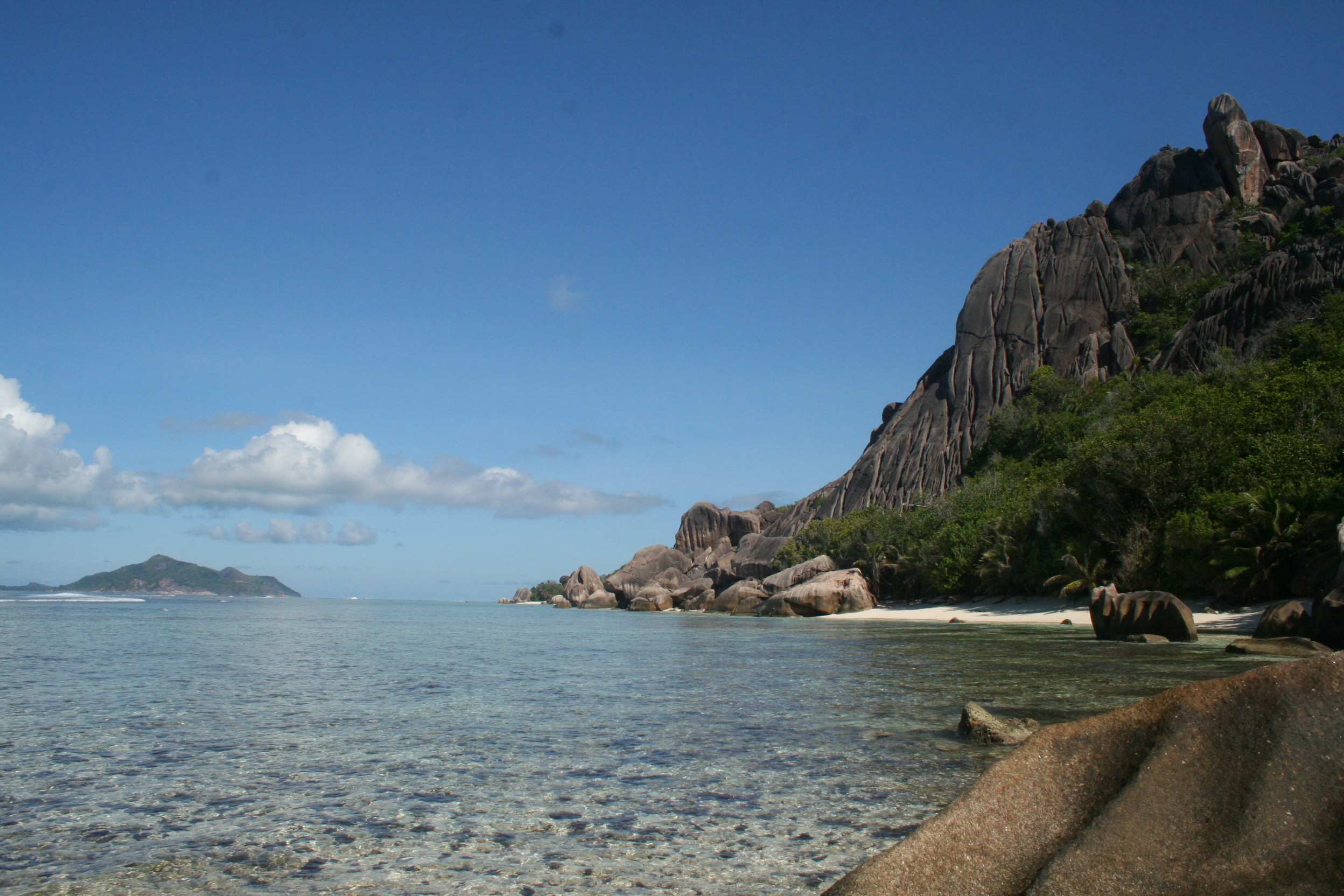
My good friends Nia and Patrick recently went on holiday in the Seychelles, an archipelago nation consisting of 115 islands. The Seychelles are located north of Madagascar. Along with Mauritius and Zanzibar, the Seychelles are a popular tropical vacation destination for South Africans.
Geologically, the Seychelles are very interesting. There are two types of islands in the Seychelles: young coral islands and older islands made of granite. There are approximately 40 granite islands in the “Inner Island” area, which is where the vast majority of the Seychelles population is located. The Seychelles islands are part of the Mascarene Plateau. The approximately 700 million year old granites found on some of the Seychelles islands (and on the northern Mascarene Plateau) are a fragment of the ancient supercontinent Gondwana. Pretty amazing, huh?
Over the next few weeks, I’ll be sharing some of Nia and Patrick’s Seychelles pictures for my “Monday Geology Picture” posts. I hope you enjoy seeing little fragments of Gondwana! The pictures in this post were all taken on the island of La Digue.

For this week’s geology picture, I thought I would share the view from my hotel room in Phuket, Thailand. You can see some of Phuket’s famous islands in this view. One of the Phuket islands is the famous James Bond Island that was featured in the 1974 Bond flick “The Man with the Golden Gun.” I was only in Phuket briefly and didn’t have time to visit James Bond Island, but I hope to do so on a future visit to Thailand.

This week I thought I would I share a picture of my beautiful sister-in-law Bonita on her honeymoon in Mpumalanga, South Africa back in September. In the above picture Bonita is standing in front of a geological feature known as “The Three Rondavels”.
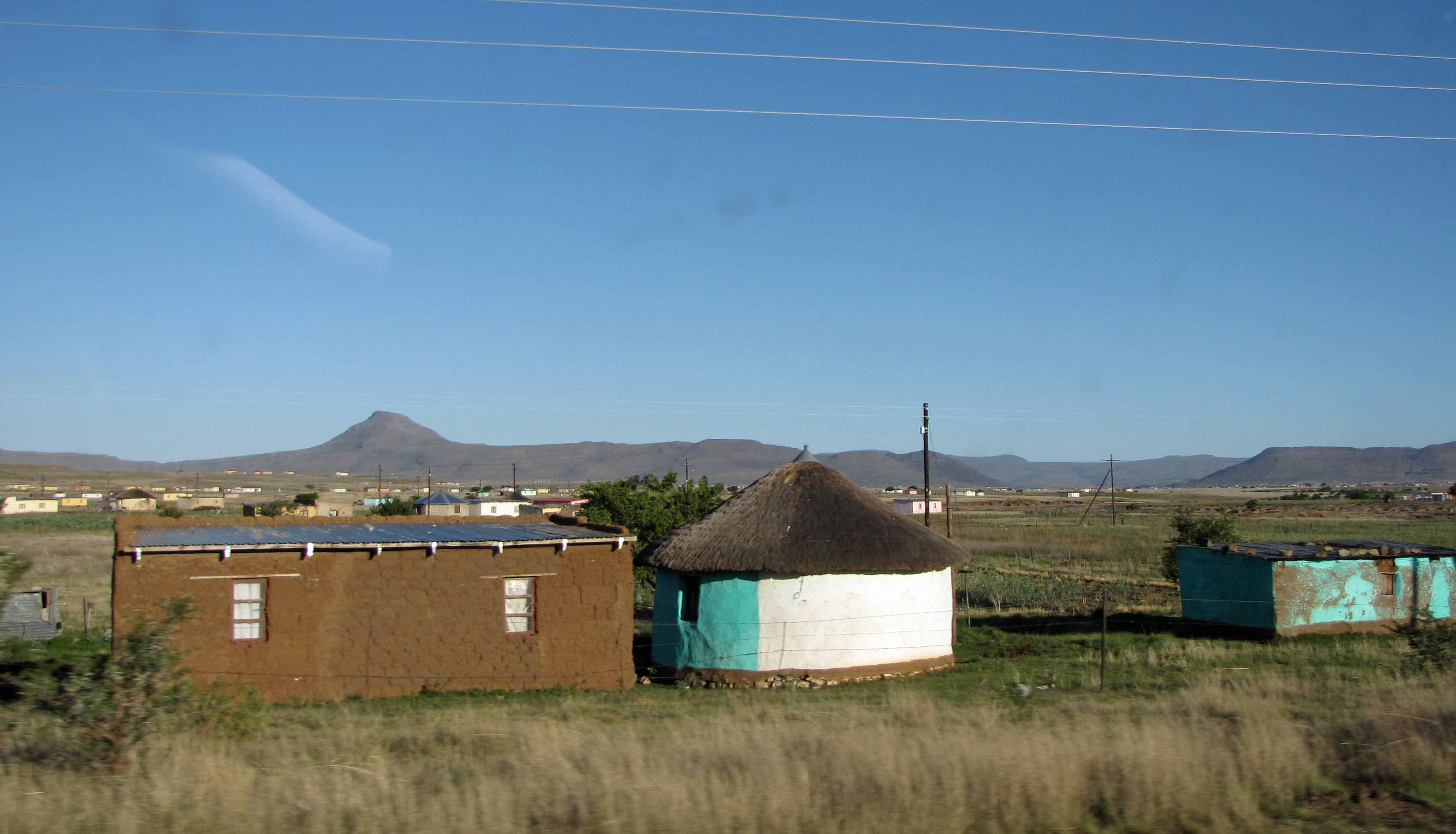
A rondavel is a type of traditional African house which is circular in shape. Here’s a picture of a rondavel in the Karoo region of South Africa:
My sister-in-law and her husband saw some other geological wonders on their honeymoon. Be sure to check out the previous posts on Berlin Falls and Bourke’s Luck Potholes. I’ll probably be sharing some more pictures from their honeymoon, too!
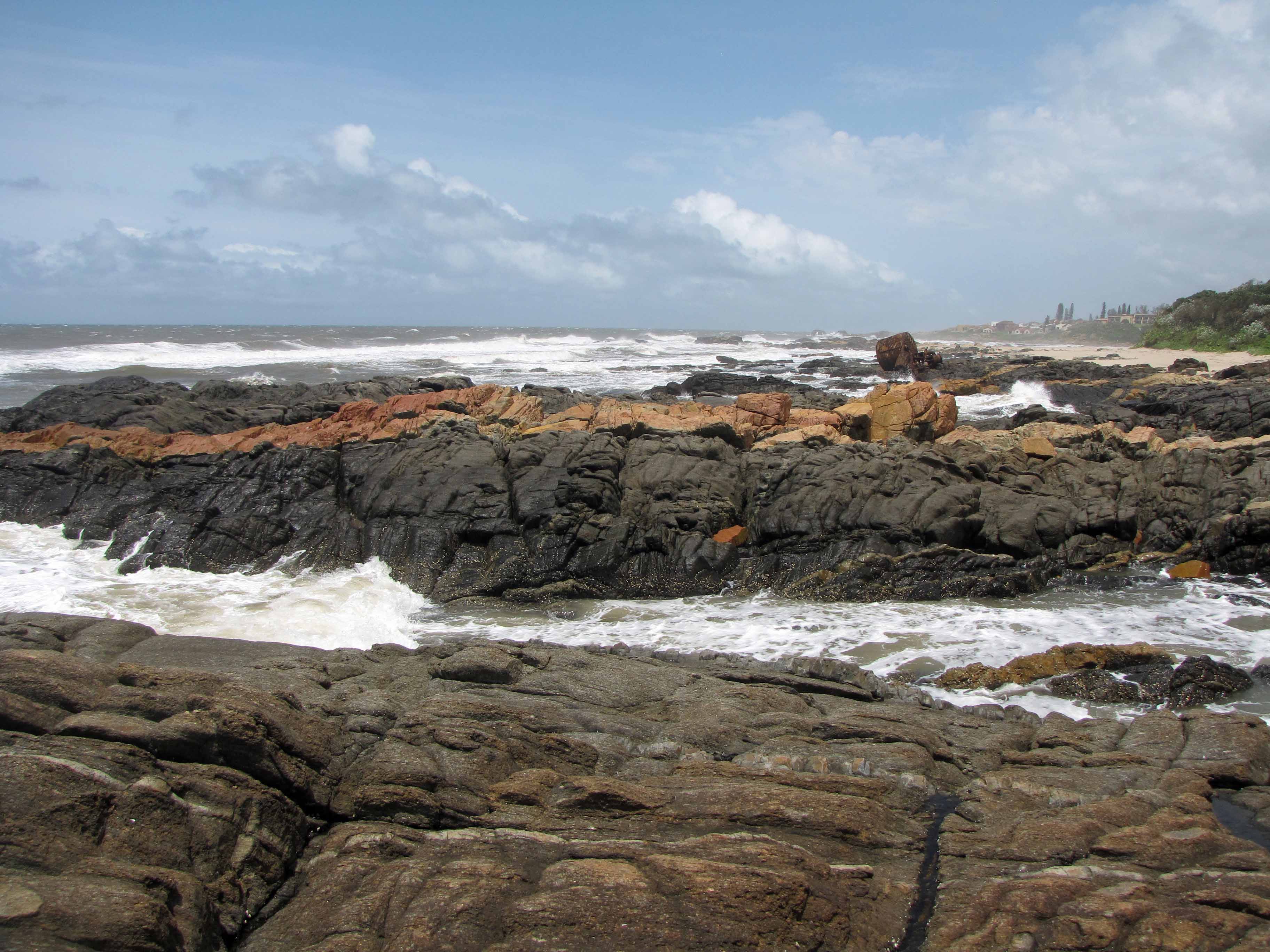
This week’s geology picture is a light-colored dyke amongst some darker rocks on the beach in the little town of Munster, South Africa. You can also see some metal in the background– that’s all that remains of the Nightingale, a fishing trawler which ran aground on the beach in 1933. Most of the metal is the ship’s boiler.

Over the past few years, my husband and I have become interested in board games. This is because some of our nerdy friends regularly get together to play board games such as Settlers of Catan, 7 Wonders, Agricola, and Puerto Rico. For awhile, we resisted buying our own games. We just owned a few basic games such as chess, checkers, and backgammon, and we relied on our friends’ collections of fancier, more modern board games. However, since I’m a big Star Trek fan (and my husband watches plenty of Star Trek, too), I just couldn’t resist acquiring this board game a couple of months ago:
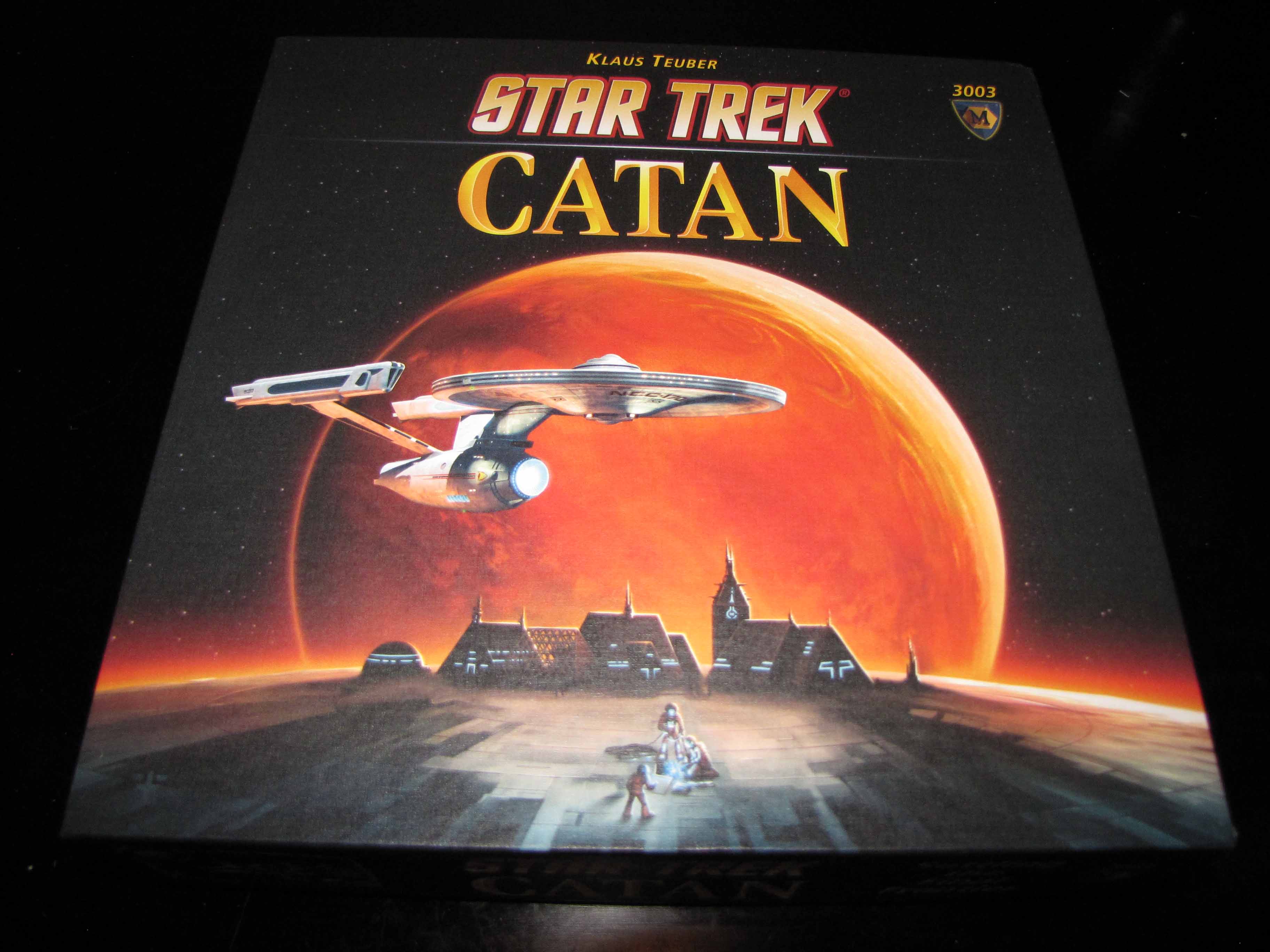
This past weekend, my husband and I went to a board game shop (one of the few such shops here in South Africa) to look for an expansion pack for “Star Trek Catan” to allow for more players. We found out that no such expansion pack exists yet, but we didn’t leave the game shop empty handed. We found a game called “Journey to the Center of the Earth,” which is based on the classic Jules Verne novel. We both adore the “Journey to the Center of the Earth” story, including some of the various movie adaptations. Sure, the story isn’t scientifically plausible, but the story helped inspire us to become geologists, so we have a soft spot for it, bad science and all. The “Journey to the Center of the Earth” board game came out a few years ago, and the copy we found in the shop was somewhat dusty– obviously, it had been sitting on the shelf for awhile. The good news was that the dusty game was on sale for only 1/3 of its original price! We were a little worried that perhaps the game was on sale because it wasn’t very fun, but we decided to purchase it anyway since it was such a bargain.
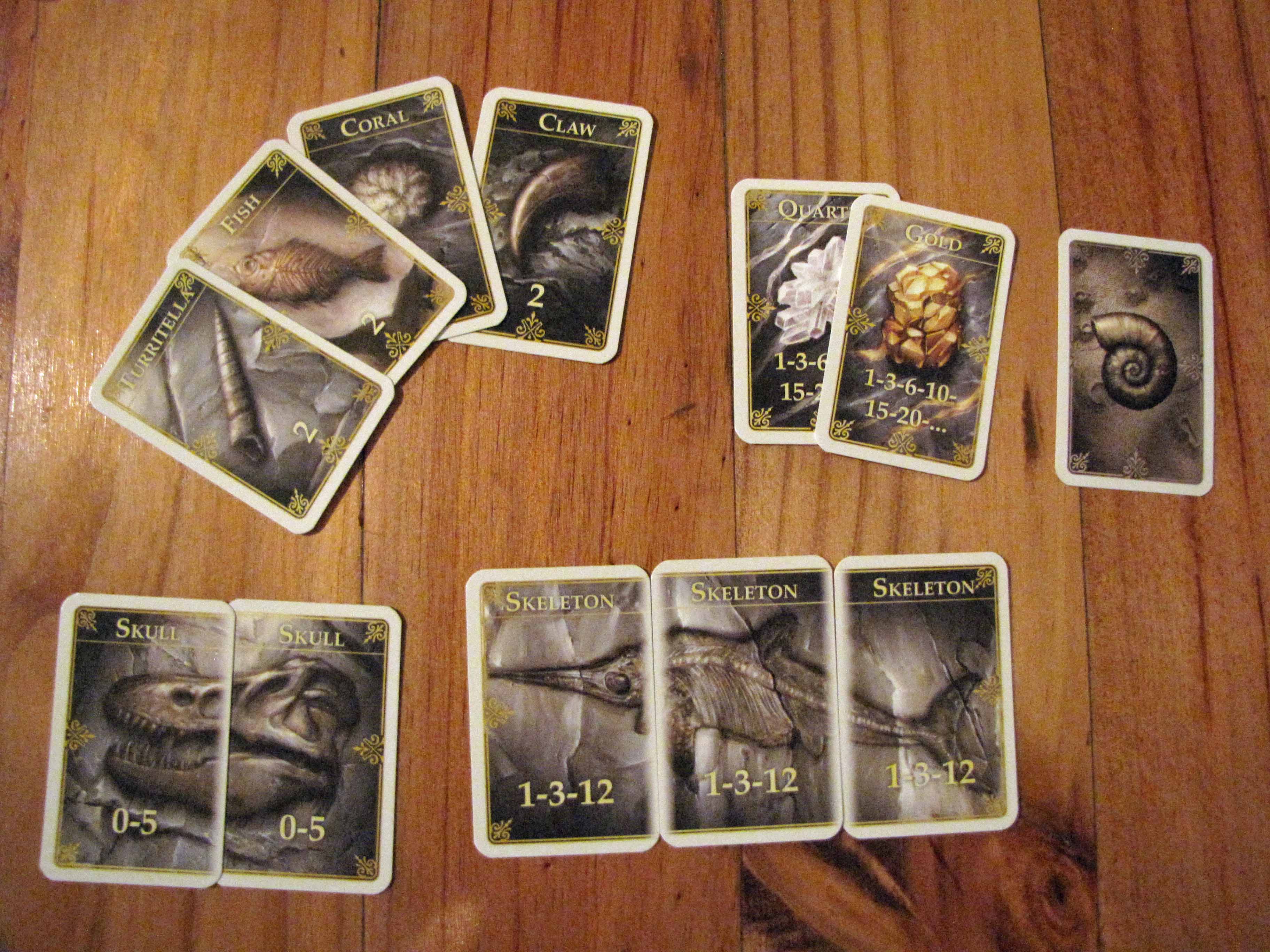
This past Sunday afternoon my husband and I spent a couple of hours playing “Journey to the Center of the Earth”, and we enjoyed it greatly! The game is actually very fun! The game is great for 2-person play and is challenging but not overwhelmingly complicated. The best part about the game is that you win by collecting the most fossils. How could you not like this game? At the end of our first game, my husband and I tied each other with sixty fossil points each. We’ll have to have a rematch soon.
Overall, I highly recommend the game, especially if you are interested in geology. I think I’ll put the game on my forthcoming annual “What to Buy a Geologist for Christmas” list!
Here’s a couple more shots of the game:


Well, I did it again. I forgot to post my Monday Geology Picture on Monday. Sorry about that! I had a long, busy day at work. After work, my husband and I went to see a movie with some friends and only arrived home fairly late.
This week, I thought I would share a picture of some old mining posters which I saw on an underground mine tour (of an inactive mine) at a place called Gold Reef City in Johannesburg, South Africa. At Gold Reef City the area surrounding an abandoned gold mine has been turned into a gold mining themed amusement park. Part of the old gold mine has been preserved for tours, and several of the park attractions are about the history of gold mining in Johannesburg. If you ever find yourself in Johannesburg, I highly recommend a visit to Gold Reef City. The history is very interesting, and the rollercoasters and other rides are pretty fun, too!
Here’s a closer view of the mining posters:

Some of the mining posters are written in an interesting pidgin language called Fanagalo, which is a mixture of primarily Zulu, English, and Afrikaans and has been used for many years as a lingua franca among mineworkers in South Africa and, to a lesser extent, in other southern African countries. In recent years, English has been replacing Fanagalo as a lingua franca in the mines, but there are still some mineworkers who speak Fanagalo. The mining posters likely date from the 1960s and 1970s and advocate safety in the mine.
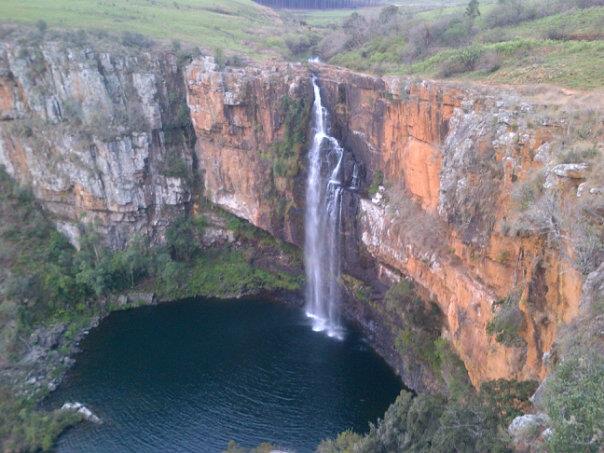
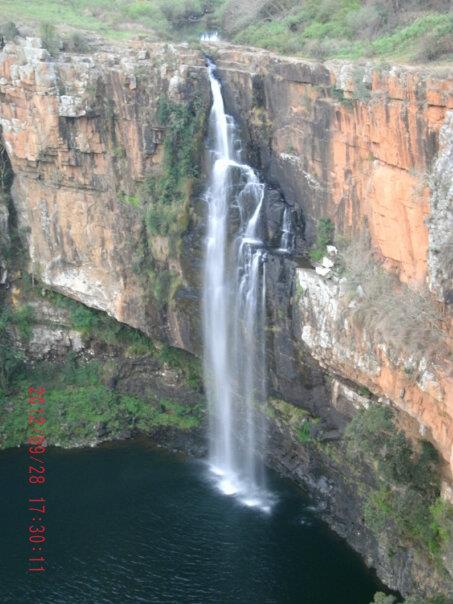
For this week’s geology picture post I thought I would share some more pictures from my sister-in-law’s recent honeymoon in the Mpumalanga region of South Africa. Last week I shared some pictures of Bourke’s Luck Potholes. This week I’m sharing two pictures of Berlin Falls. What a lovely waterfall!

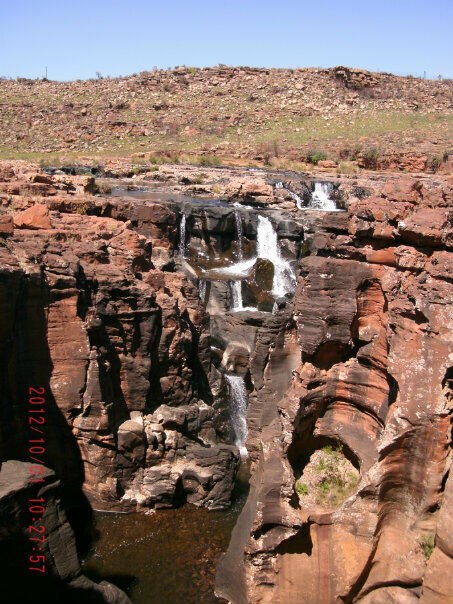
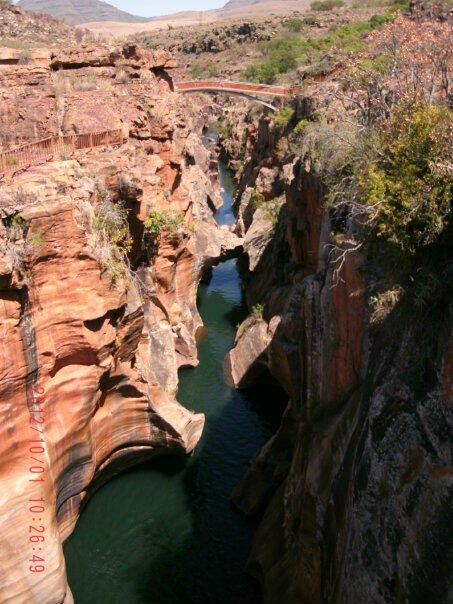
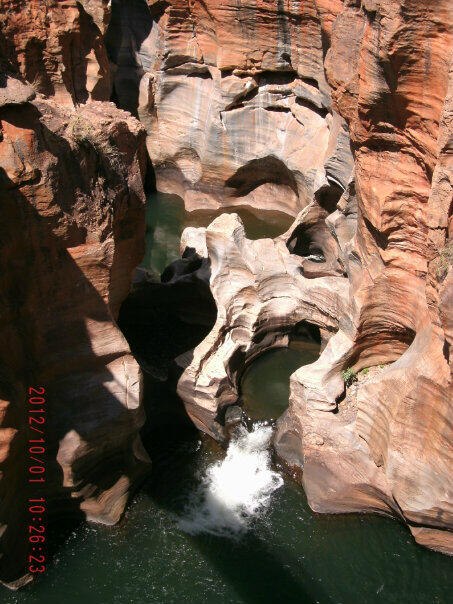
My sister-in-law Bonita was married last month. For her honeymoon she and her new husband Jonathan went to the Mpumalanga region of South Africa. Bonita and Jonathan saw some incredible geology on their honeymoon, and they’ve kindly given me permission to share some of their pictures here on Georneys. Today I am sharing some pictures of their visit to Bourke’s Luck Potholes. Impressive potholes, aren’t they?
 Georneys