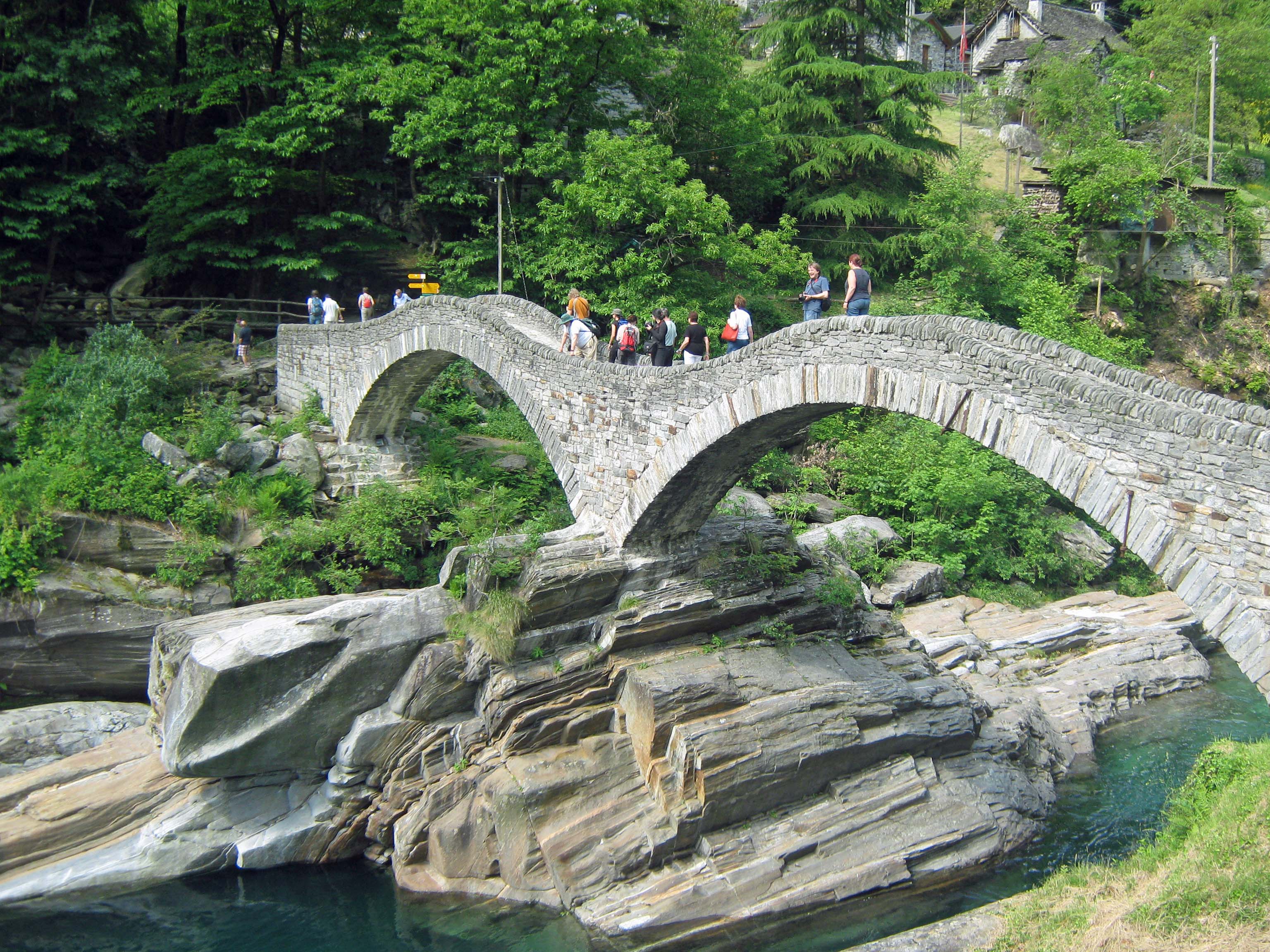
Tuesday Geology Picture: A Gneiss Double Arch Bridge in Valle Verzasca

An old stone bridge spanning the Verzasca River, Lavertezzo, Italy, June 2010.

Since I’m too busy for regular blogging, this week is geology picture-a-day week here at Georneys. Several other geobloggers have also decided to join me in this blogging meme. Feel free to start today, even if you didn’t post a picture yesterday.

Today’s geology picture is of a beautiful, old double arch bridge spanning the Verzasca River at Ponte dei Salti in Lavertezzo, Switzerland. The middle part of the bridge rests on a small section of uplifted gneiss. The Verzasca is a fast-moving mountain stream that has carved a narrow, V-shaped valley in the crystalline bedrock, which is gneiss of both sedimentary and igneous origin. The river is renowned for its bright color (turquoise in places), beautiful rocks (the gneiss ranges from light brown to gray, with the colors intermingling), and deep pools. The pools are so deep that they are often frequented by divers.

I visited the Verzasca River back in 2010 as part of a class field trip for the Geodynamics Course at Woods Hole Oceanographic Institution.

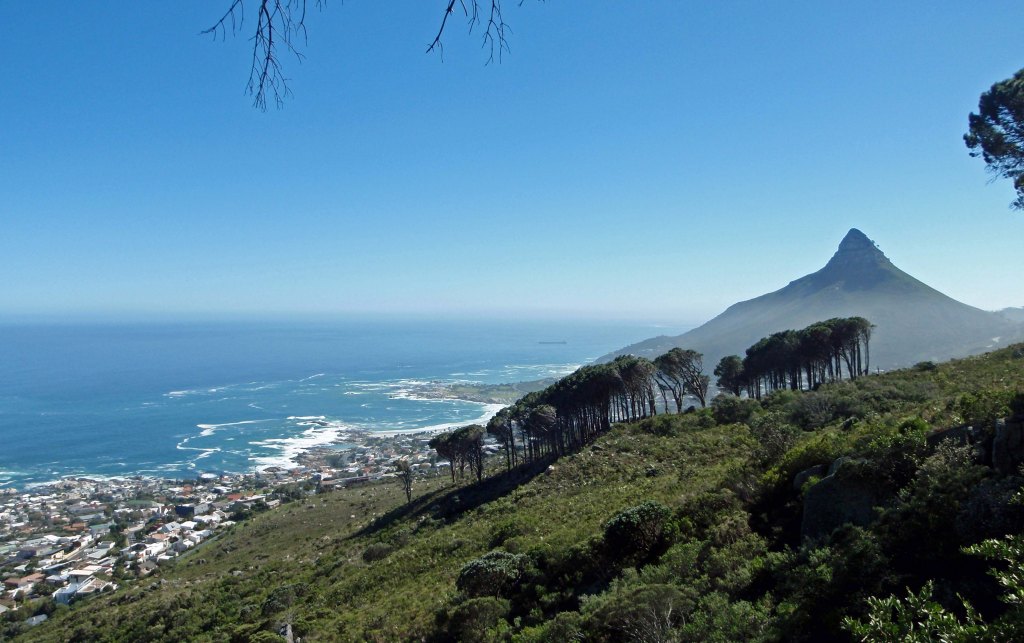
Monday Geology Picture: A Gorgeous Cape Town Inselberg

Cape Town view with an inselberg, September 2010.

Well, I’ve fallen somewhat behind with my regular posting, such as the Geology Word of the Week. I’m afraid that these final few months of my PhD are going to sometimes keep me from regular blogging. These last few months are tough!  Over the past few weeks, I have been very busy finishing up the very last of my labwork for my thesis (yay!), traveling between Cape Cod and Cape Town (yet again!), and also taking on important blogging tasks such as writing up my strong opinions on science kits for girls and coming up with the Georneys What to Buy a Geologist for Christmas: 2011 list.

This next week is going to be very busy with work, and I’m afraid I just won’t have time for substantial blogging. I’ll try to write up another Geology Word of the Week post next weekend. Meanwhile, to keep this blog active, I’ll post a pretty geology picture every day this week, starting with the beautiful Cape Town inselberg picture above. I’m sure that many other geobloggers and blog readers are feeling very busy finishing up tasks in time for the festive holiday season. Hopefully, these pretty pictures will help keep us motivated to finish out the year’s work.

Have you also been neglecting your geoblog recently and been feeling stressed? Is there just not enough time for blogging this week? Feel free to also post a picture-a-day with me this week, if you want. Everyone loves pretty geology pictures!

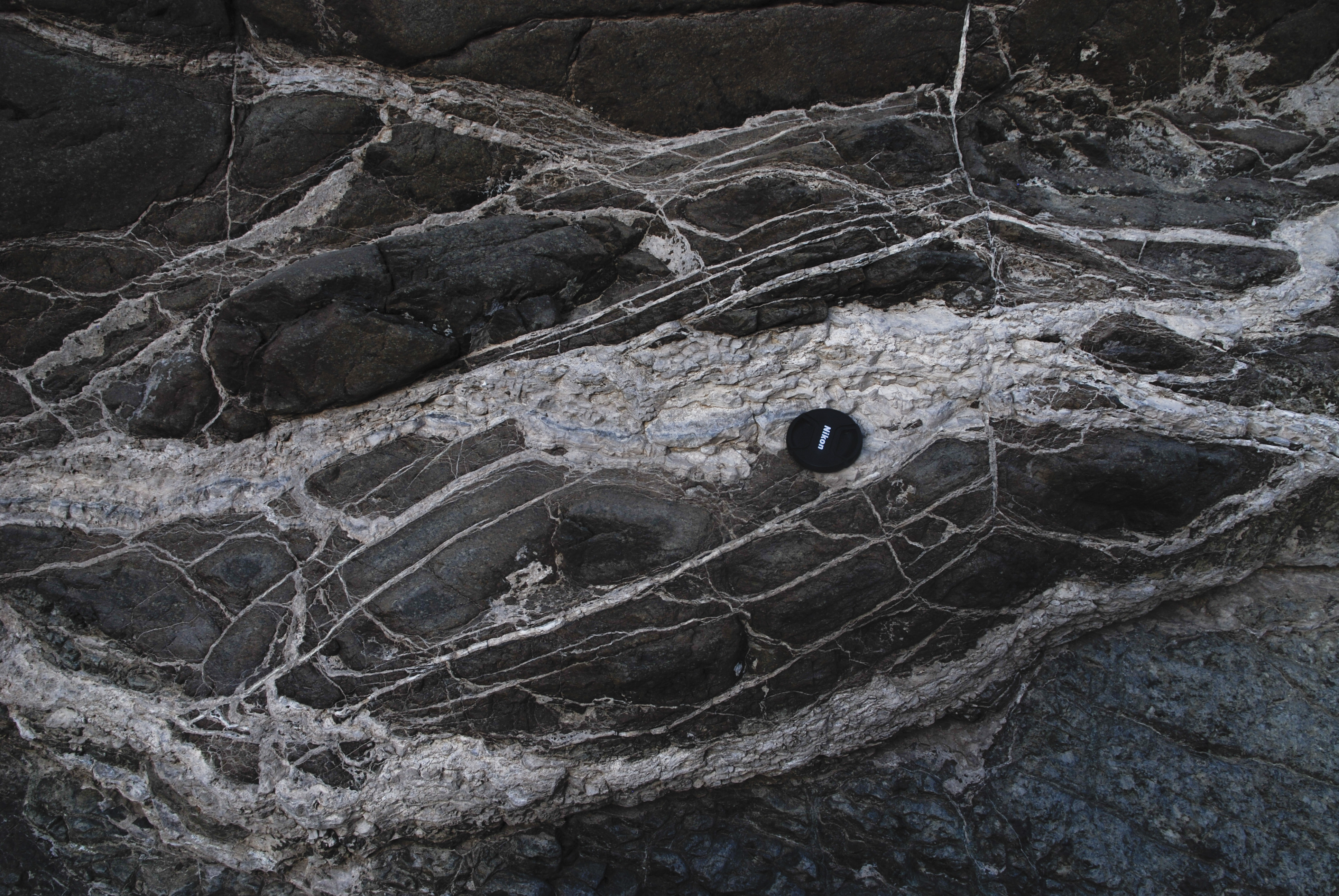
For Scale

Lens Cap for scale on a carbonated peridotite outcrop in Oman, 2009.

When geologists take photographs of rocks, they often include items to indicate scale.  When I’m doing fieldwork, I generally use a ruler or a hammer to indicate scale.  Sometimes, I use other items such as my field notebook or my camera lens cap. When I’m not doing fieldwork and I wander across some interesting rocks, I use anything available to indicate scale– from flip-flops to coins to my own hands and feet.

Below are a collection of scale pictures taken during my geological wanderings over the past several years. You can read some of my musings on scale in this older post of mine The Scale of Things.

Hand for scale on a sedimentary outcrop showing filled-in burrows (trace fossils), South Africa, 2011.
Ruler for scale on a manganese-covered basalt boulder, Indian Ocean, 2007.
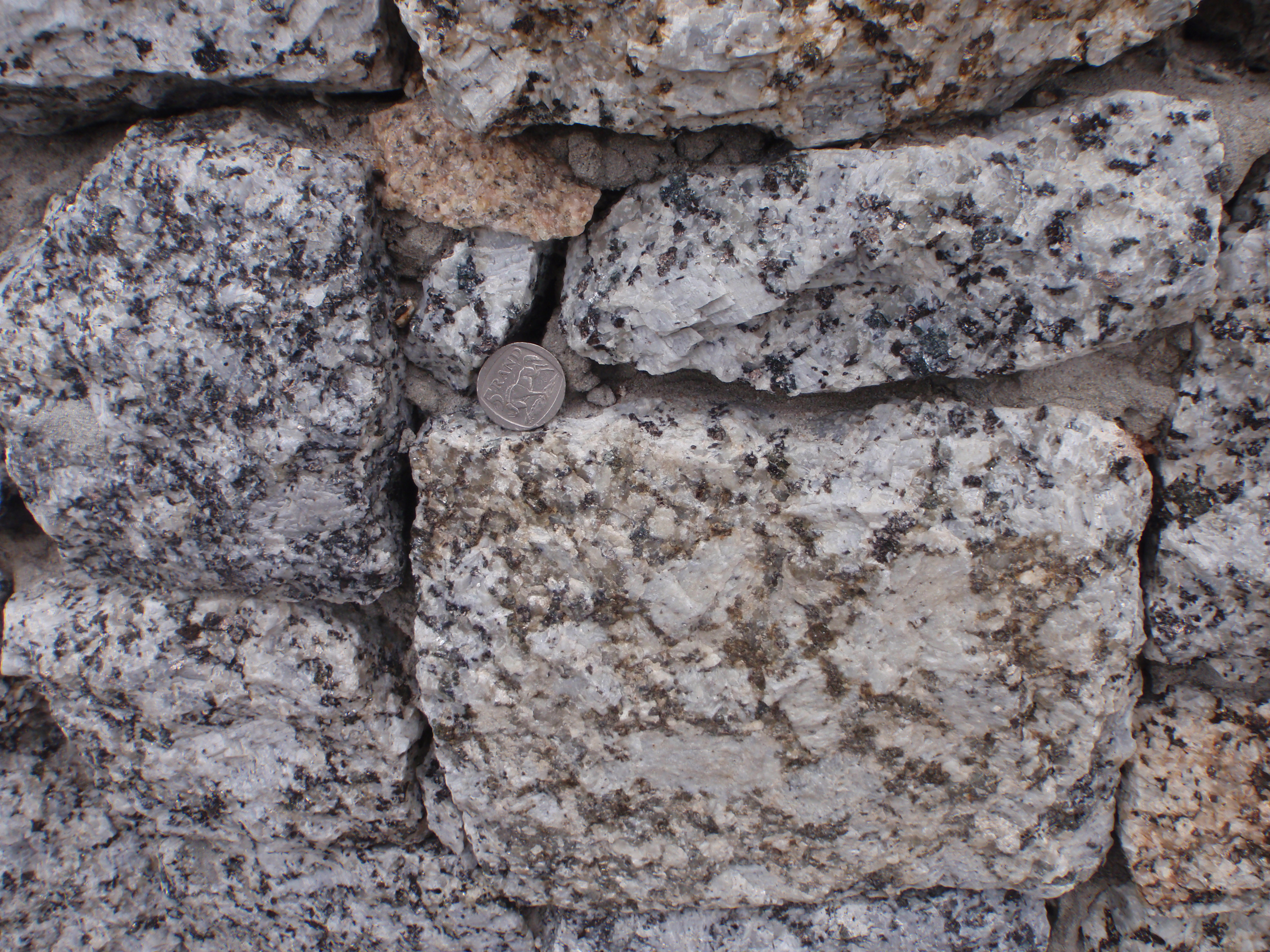
Coin for scale on a granite wall, South Africa, 2011.
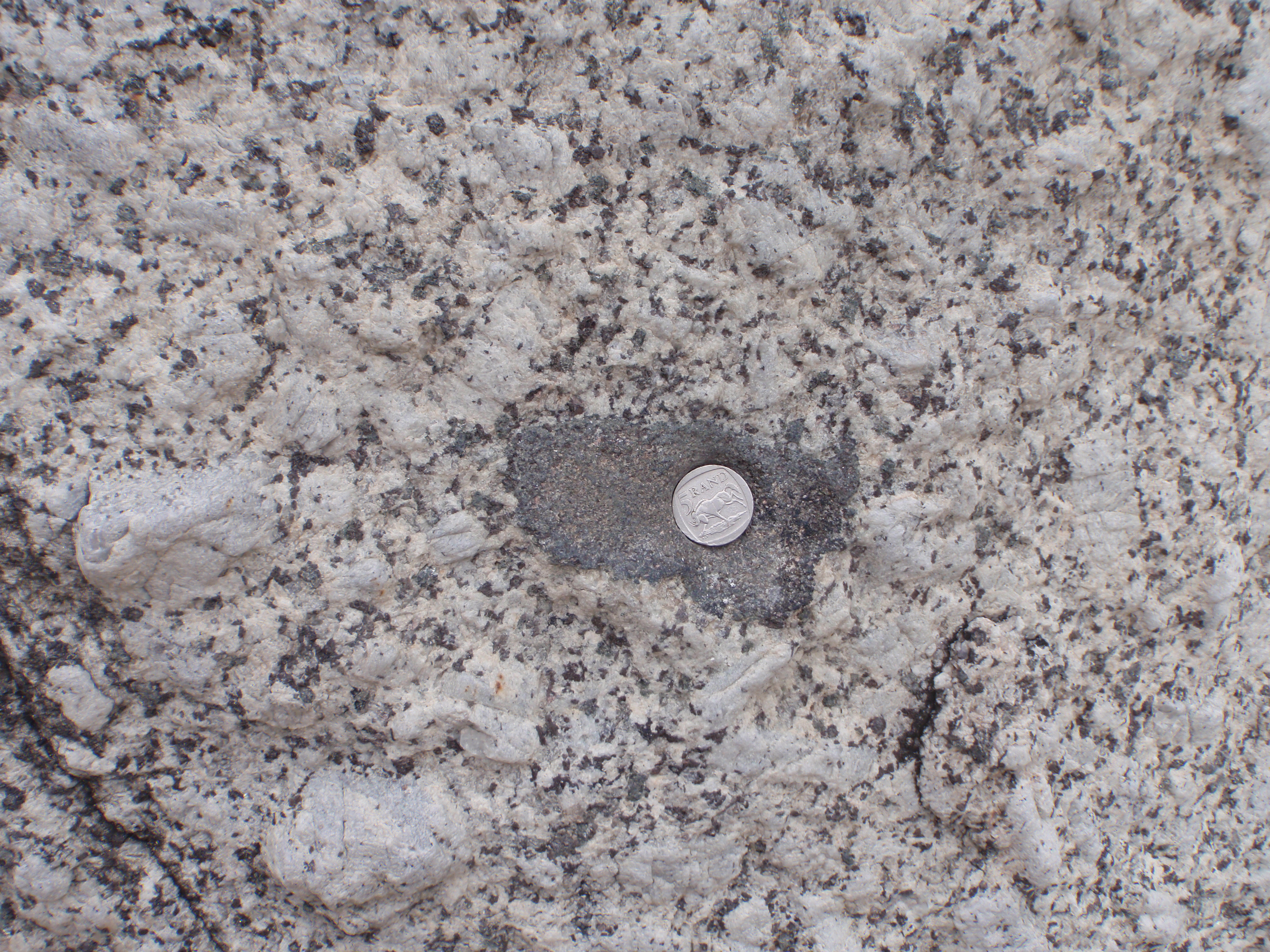
Coin for scale on a xenolith in granite, South Africa, 2011.
Hand for scale holding granite saprolite, South Africa, 2011.
Finger for scale on a loosely-consolidated sedimentary rock, South Africa, 2011.
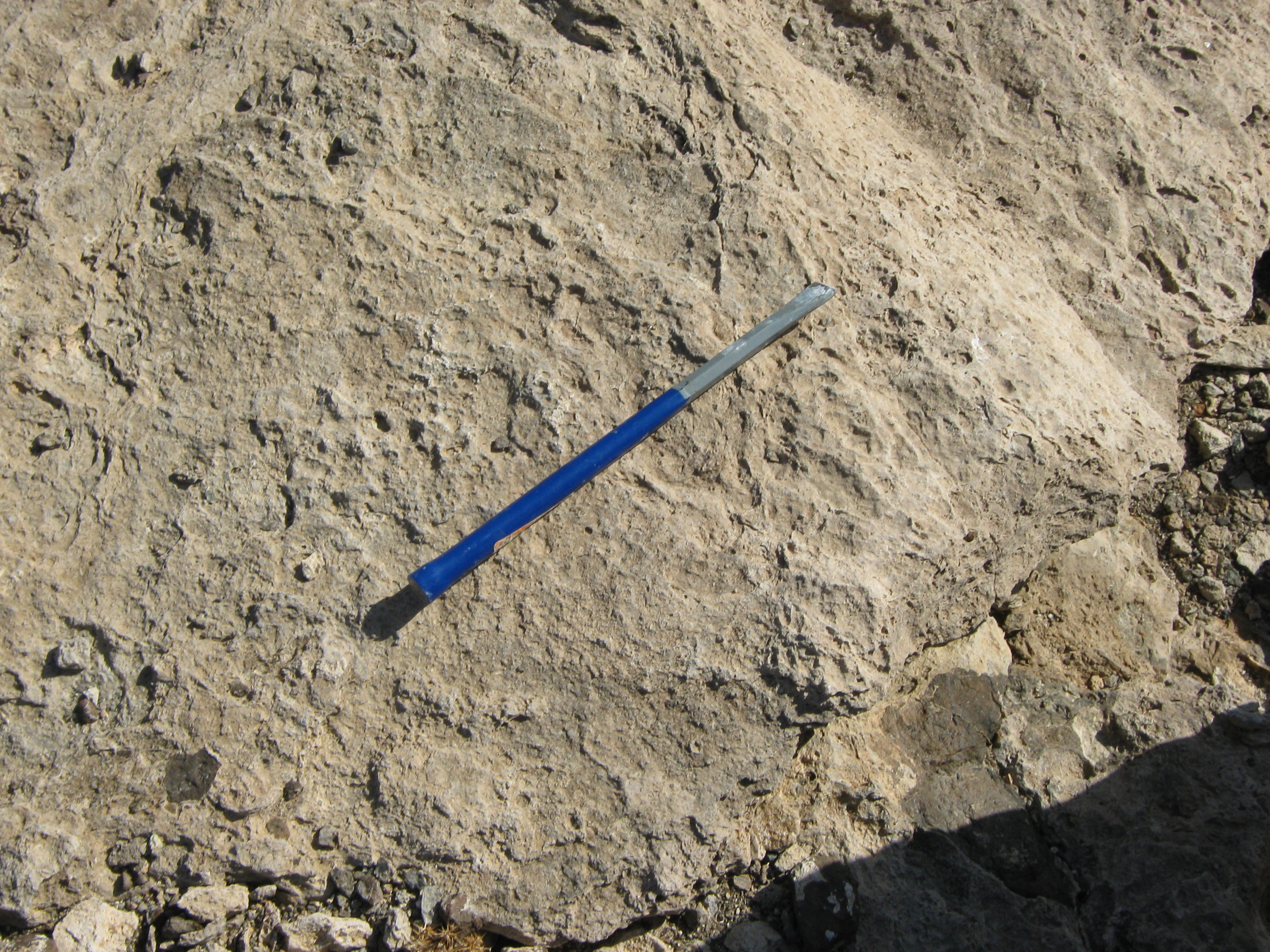
Chisel for scale on a travertine deposit, Oman, 2009.
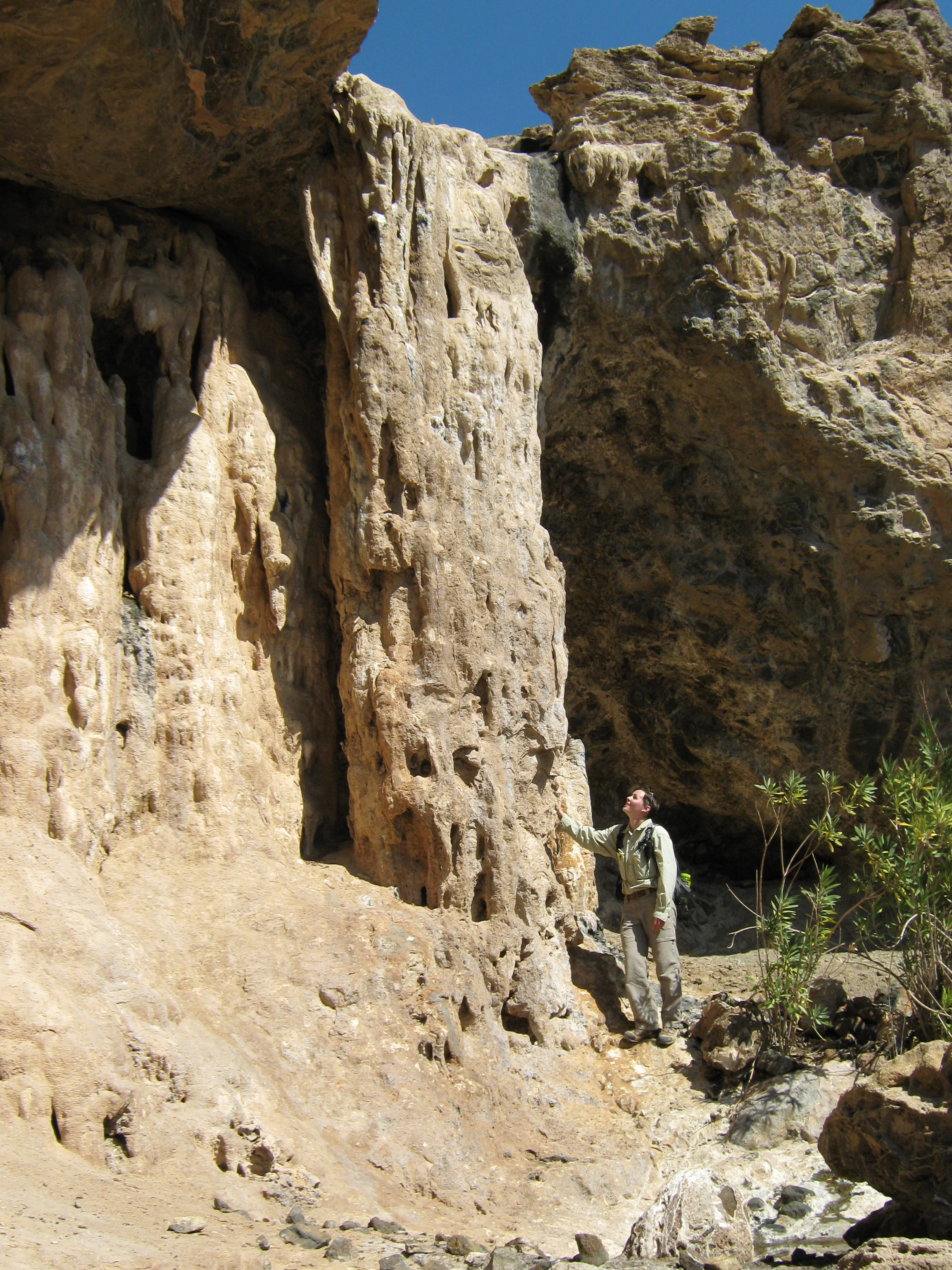
Geologist for scale next to a travertine pillar, Oman, 2009.
Field notebook for scale on carbonated peridotite, Oman, 2009.
Sharpie pen for scale next to a carbonate-serpentine vein in peridotite, Oman, 2009.
Hammer for scale on top of a travertine formation, Oman, 2009.
Bottle (trash found in stream) for scale in an alkaline streambed, Oman, 2009.
Rite-in-the-Rain ruler for scale on carbonated peridotite, Oman, 2009.
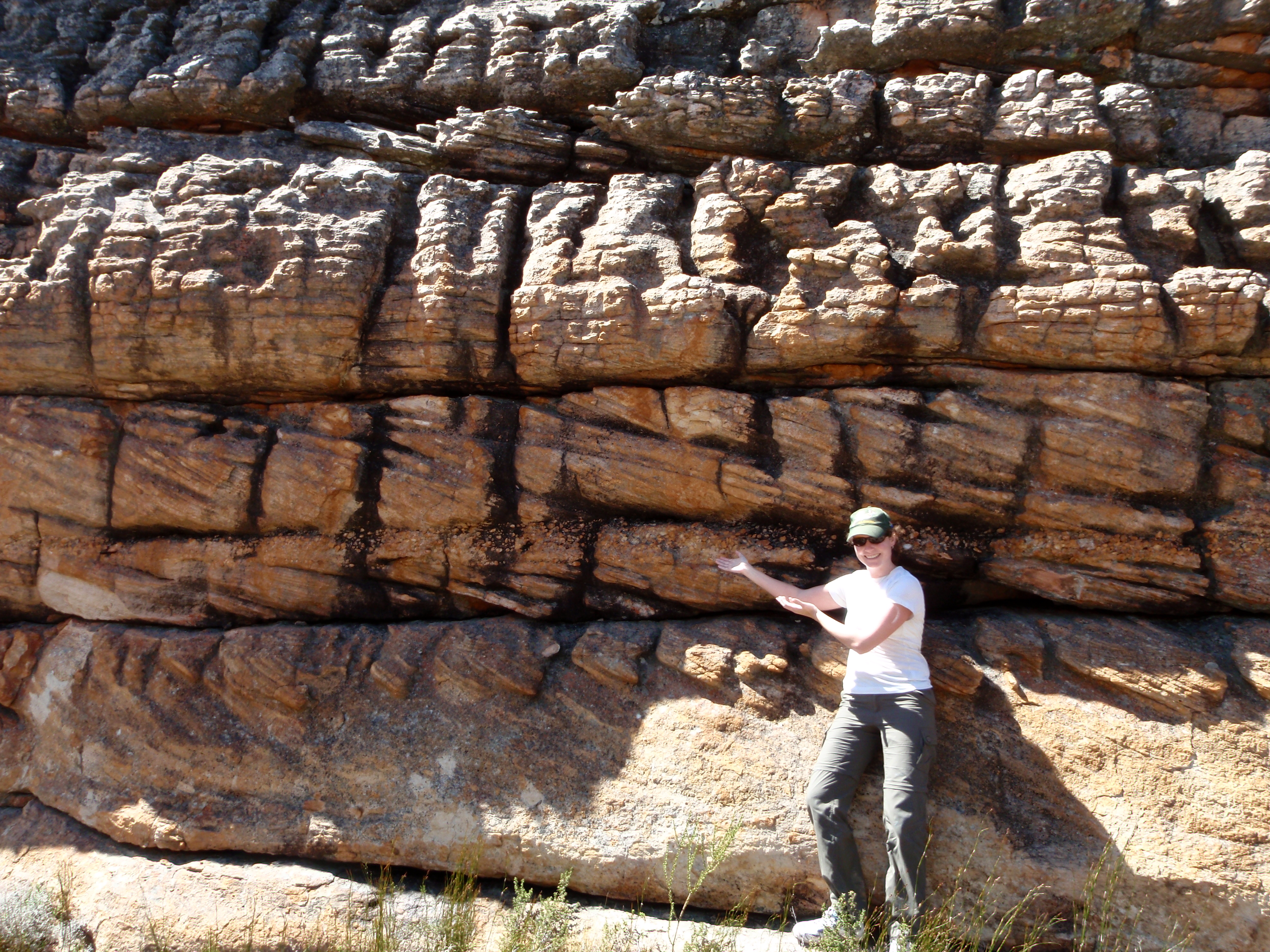
Geologist for scale in front of some sandstone cross-bedding, South Africa, 2010.
Hand for sale next to some rock art hands on sandstone, South Africa, 2010.
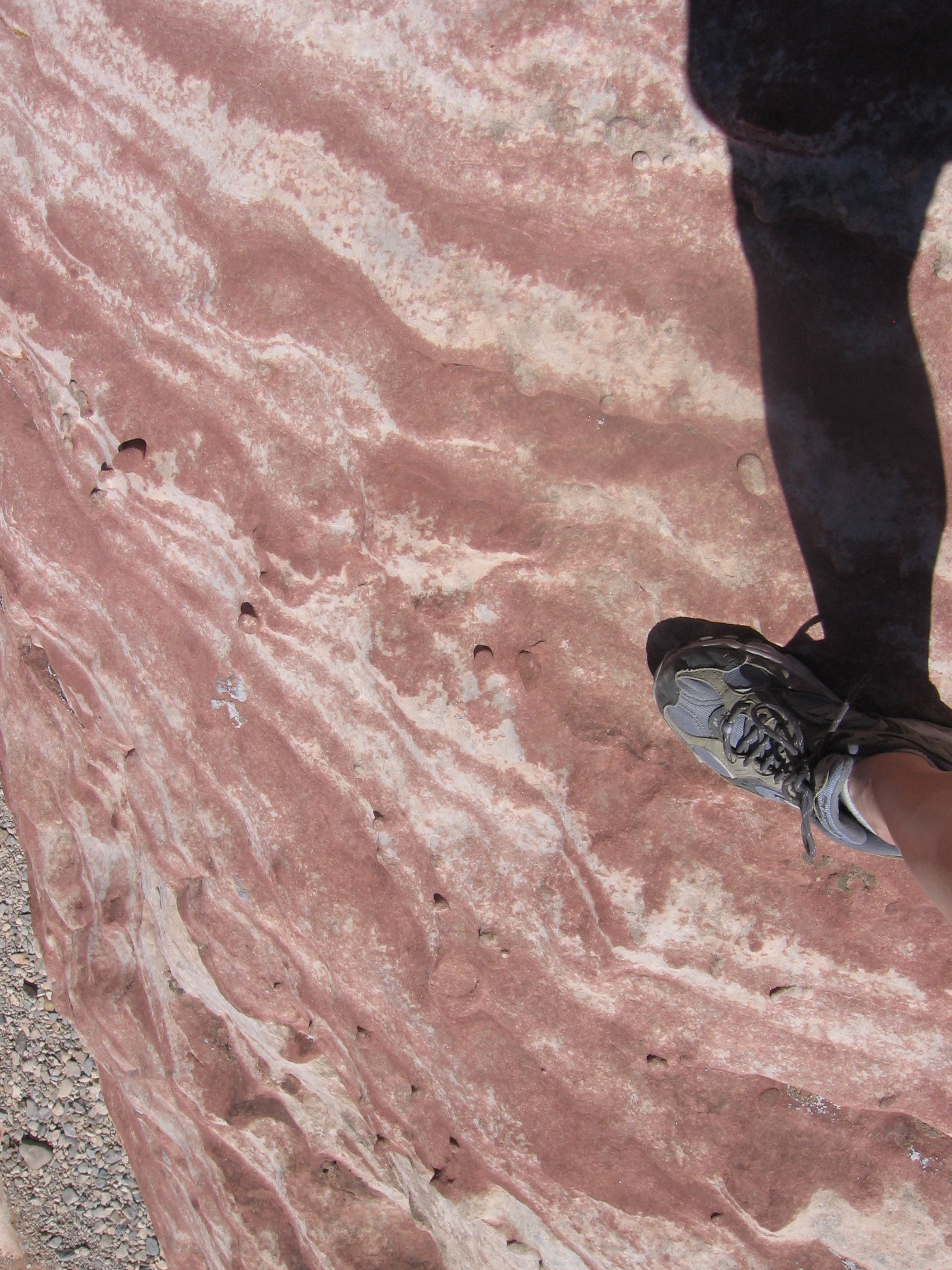
Foot for scale on sandstone, Red Rocks, Nevada, 2011.
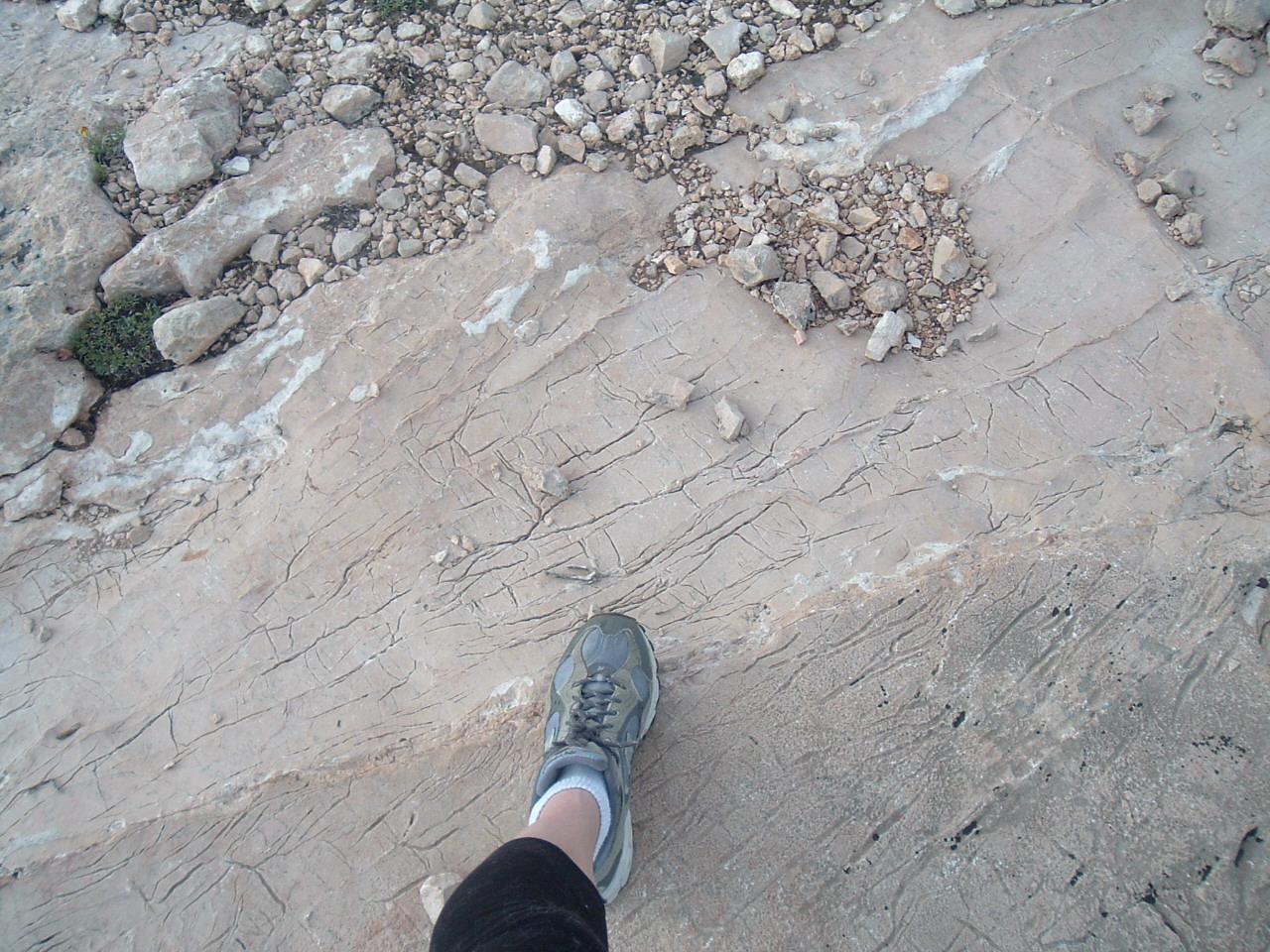
Foot for scale on limestone, Wyoming, 2011.
Sunglasses for scale on sandstone, South Africa, 2009.
Geologist for scale in front of sandstone cross-bedding, South Africa, 2009.
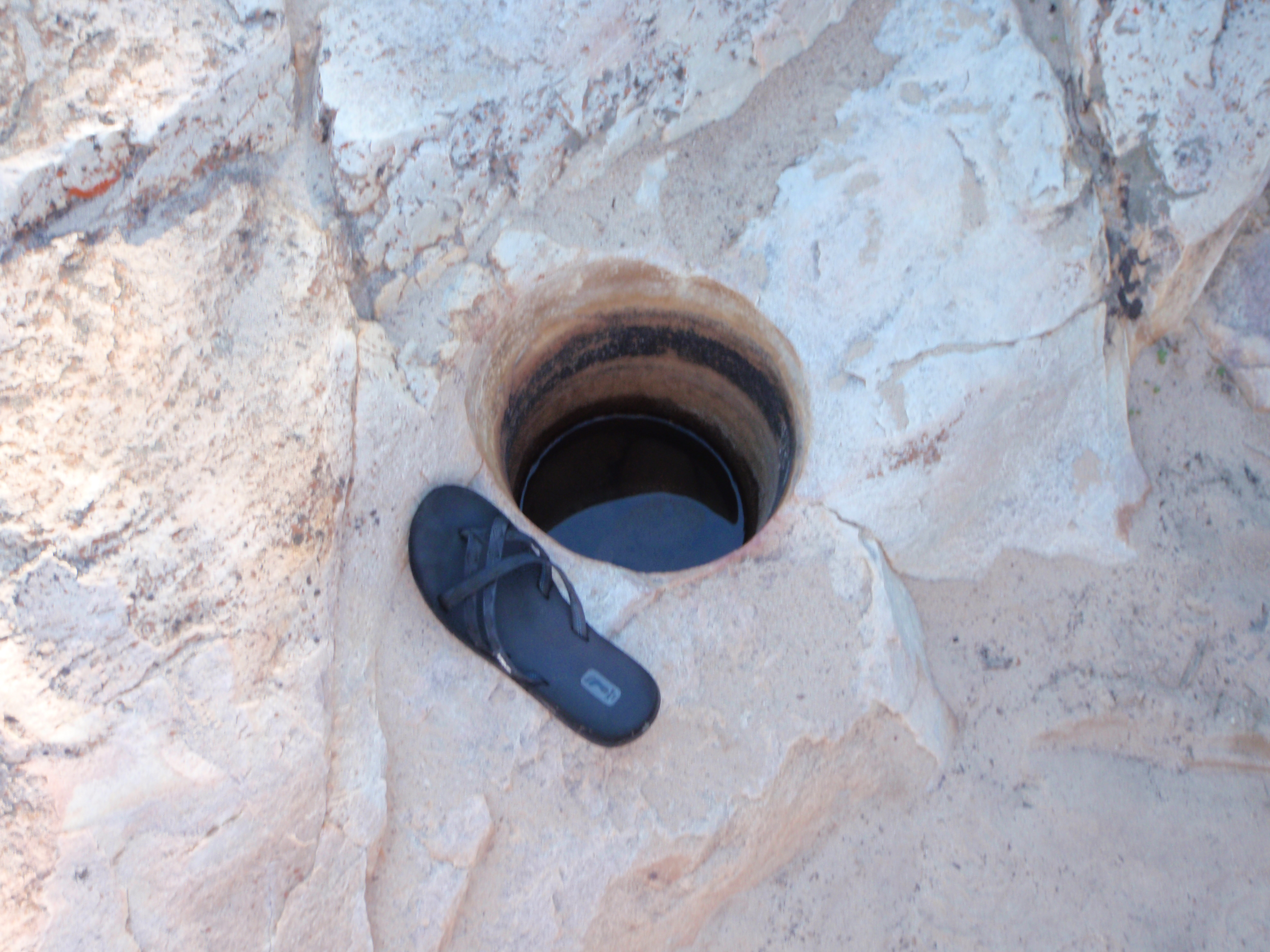
Flip-flop for scale next to a pot hole, South Africa, 2011.

Cango Caves in Pictures

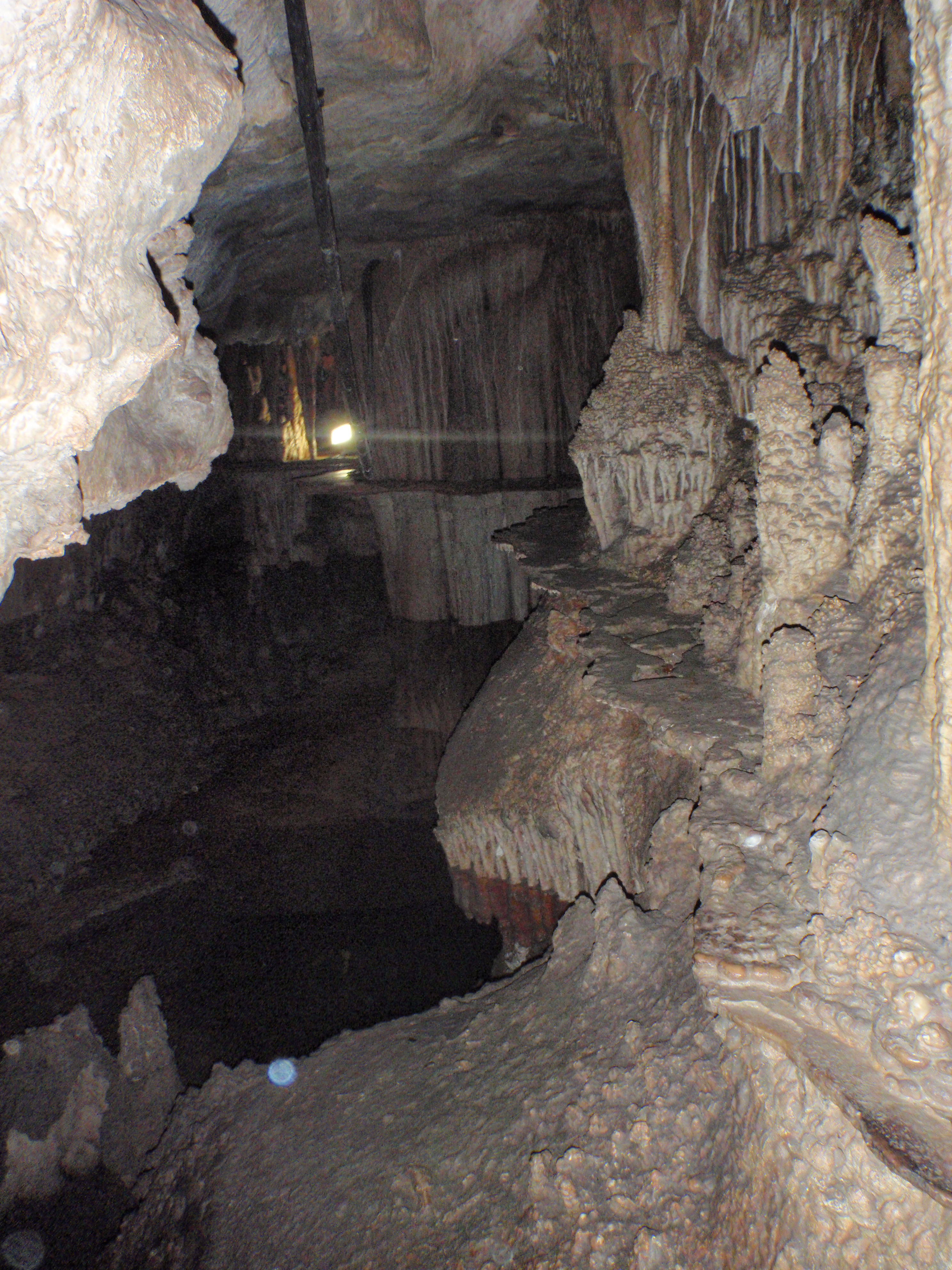
Miniature lake at Cango Cave.

I haven’t yet received a reply to my letter to Dr. Sheldon Cooper about why geology is a real and valuable science and why caves are interesting, but that’s okay. For those of you who agree that caves are interesting, I thought I’d share some pictures from my most recent spelunking trip.

Back in September, my husband and I took a weekend trip to Outdshoorn, South Africa, where I rode an Ostrich and also saw some weatherstones. We also visited the Cango Caves, a large, beautiful, and impressive network of limestone caves. We visited the excellent (though slightly worn-down) geology exhibit at the Interpretive Center (or Centre, to be properly South African) and then went on a guided tour of the caves. We decided to go on the “Adventure Tour.” We were pleasantly surprised to discover that the “Adventure Tour” is actually fairly adventurous, even for two adventurous geologists! My 6’3″ husband actually had some trouble making his way through some of the tight squeezes.

Below are some pictures (albeit not the best since they were taken with a waterproof point-and-shoot camera) from our adventure tour through Cango Caves. Enjoy! Click on any of the pictures in the gallery below for a larger version.


West Coast Flowers in Pictures

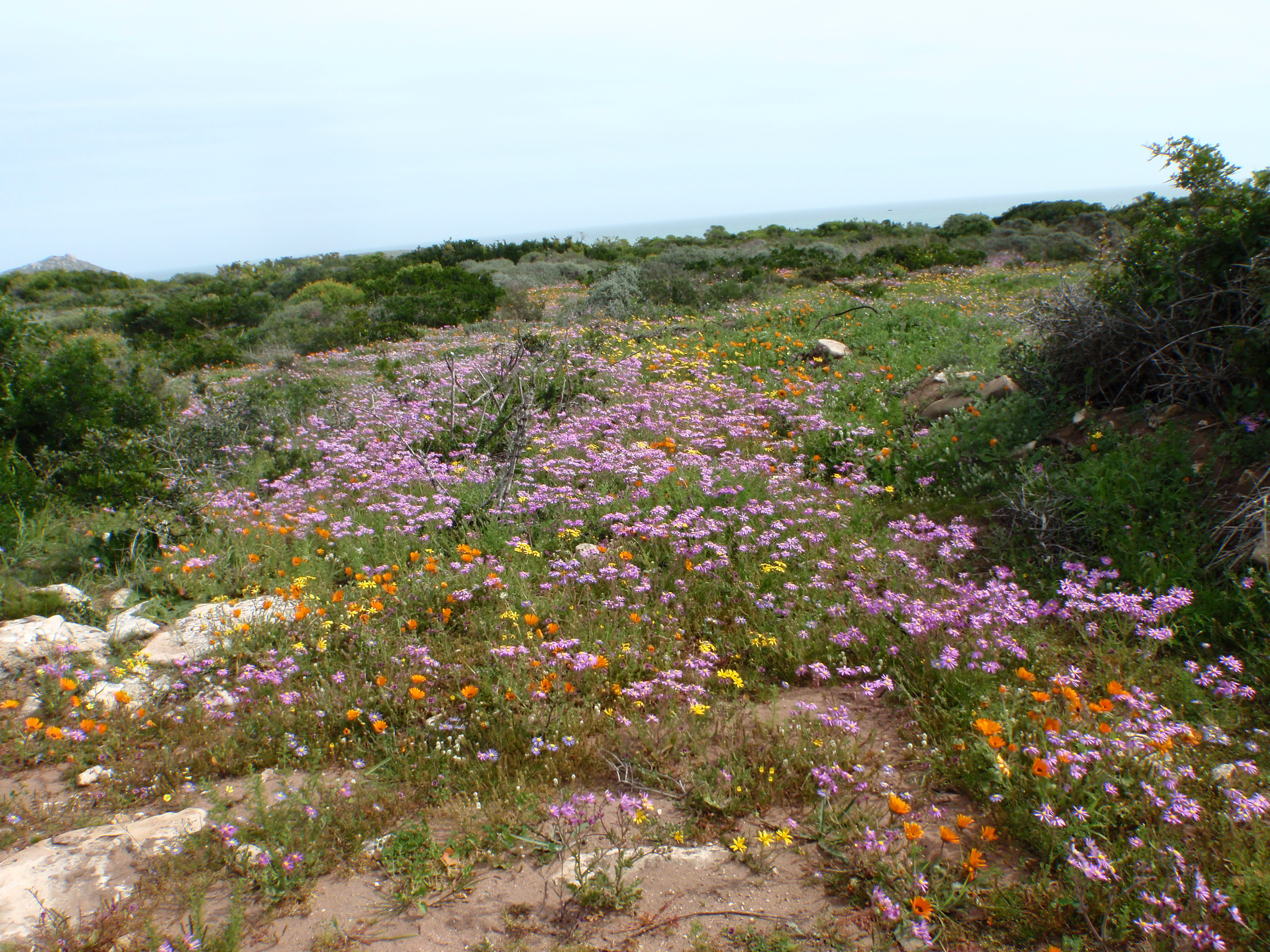
A field of lavender flowers. That's the ocean in the distance!

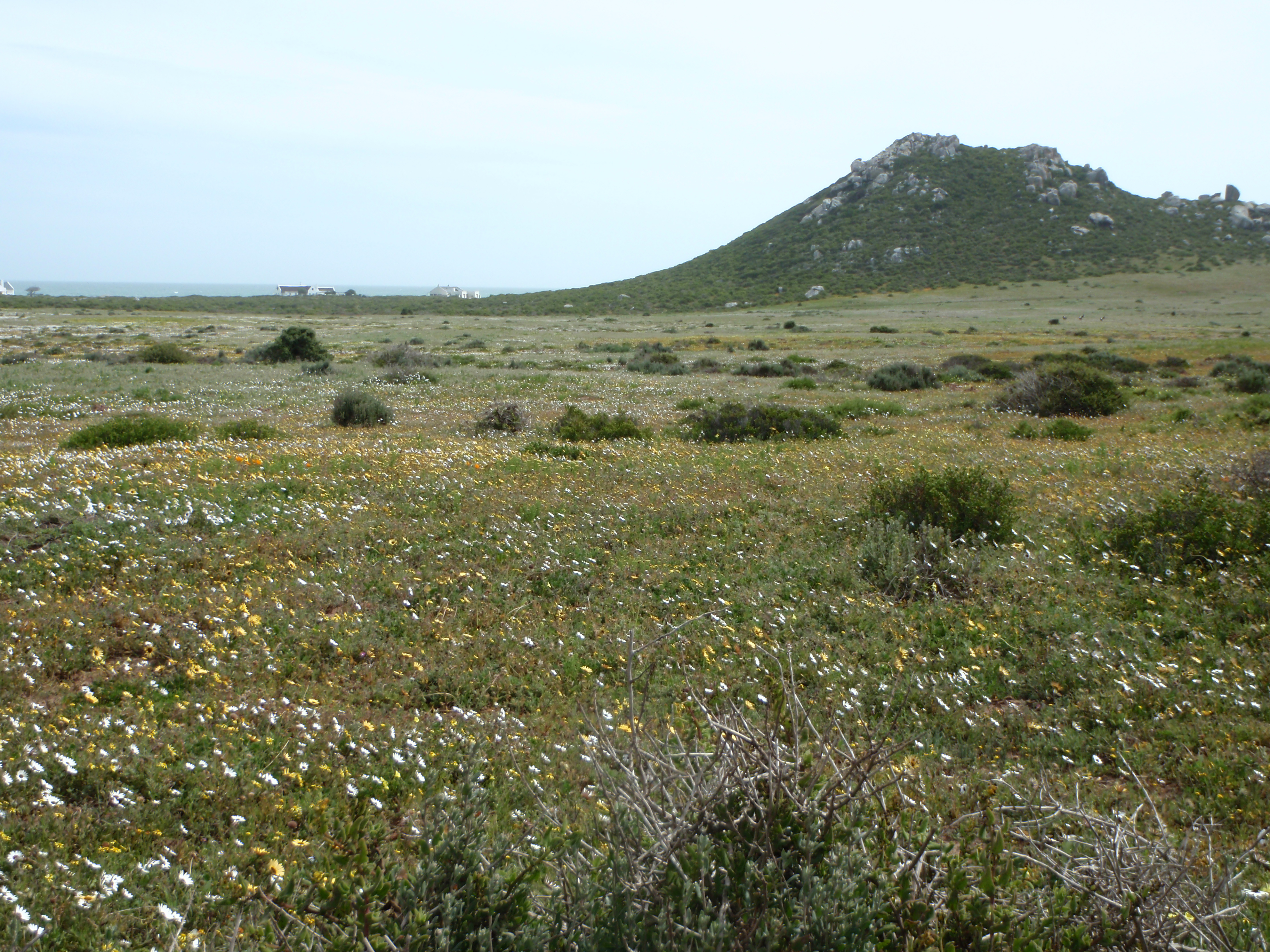
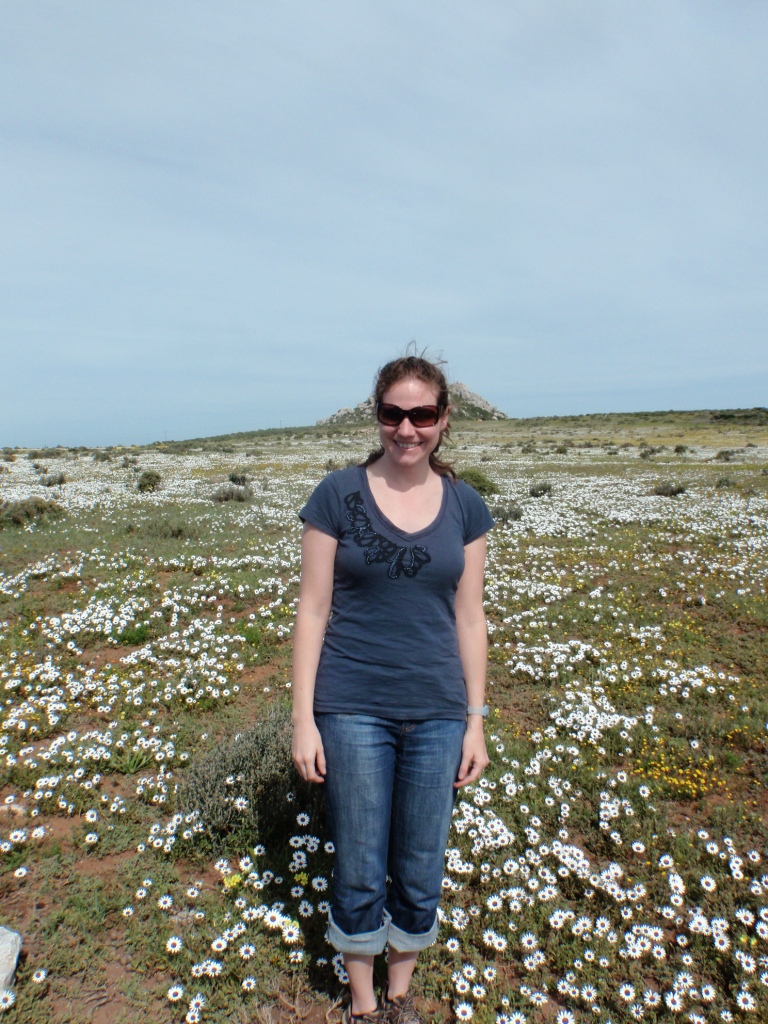
About a month ago I posted some pictures from a Saturday picnic at Langebaan Lagoon, which is located in the West Coast National Park just north of Cape Town, South Africa. I promised to post a few more pictures of our visit to the park. Here they are… mostly, these are pictures of the beautiful September flowers. The flower season in the park is brief– a little over a month– but spectacular. Enjoy!

A field of flowers with a granite hill in the distance.
White and yellow flowers.
Field of flowers, houses, ocean. Not a bad place to live!
Human for scale. Oh, wait... does that only work for rock pictures?
Beautiful beach. There were whales hanging out in this little bay!
Cluster of orange flowers.
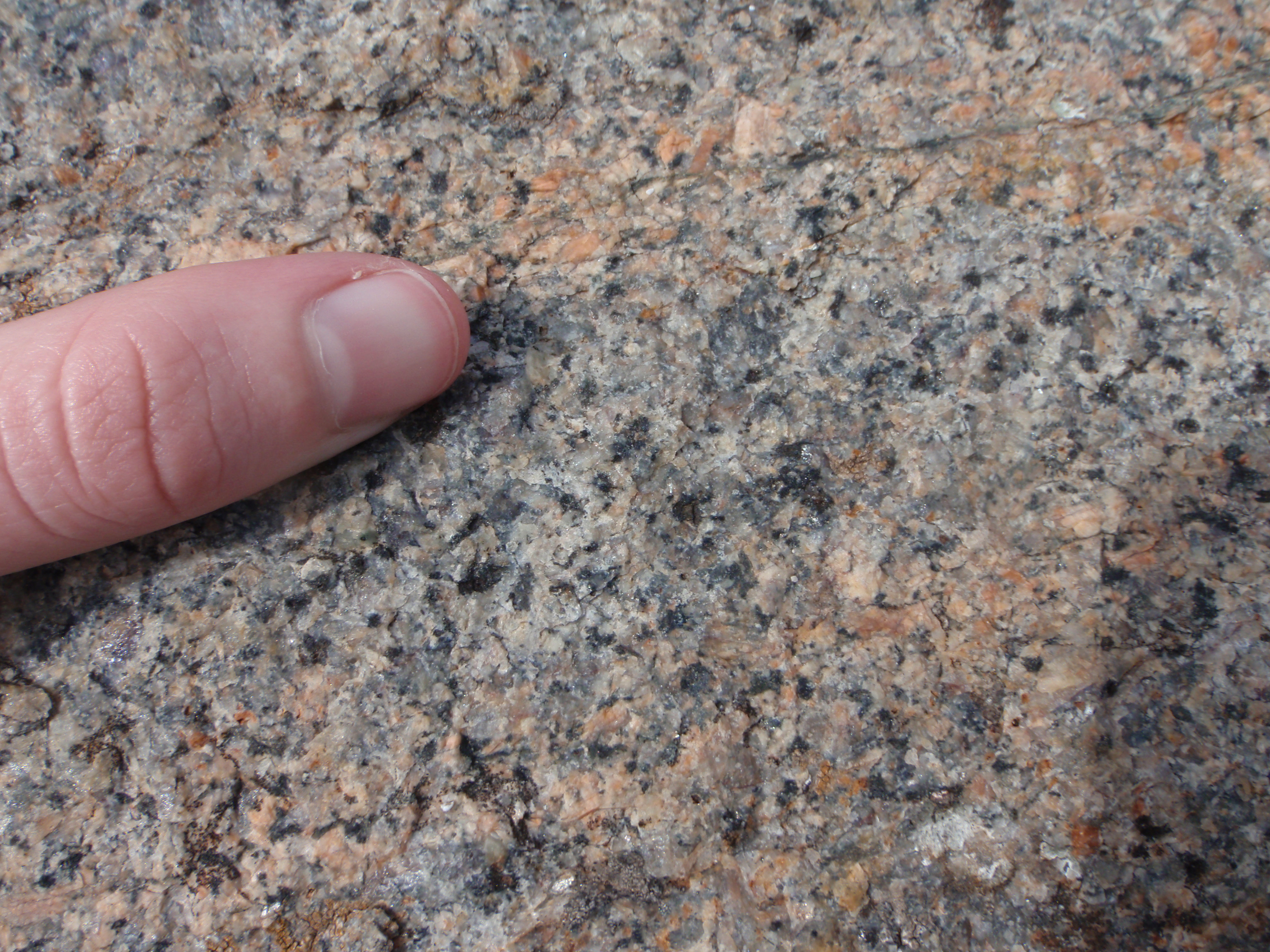
Okay, not a flower, but a close-up of the Cape Granite, which is found as small, rounded hills throughout the park. This is a geology blog, after all!
Moar granite!
A final view of the flowers.... pretty!

Langebaan Lagoon in Pictures

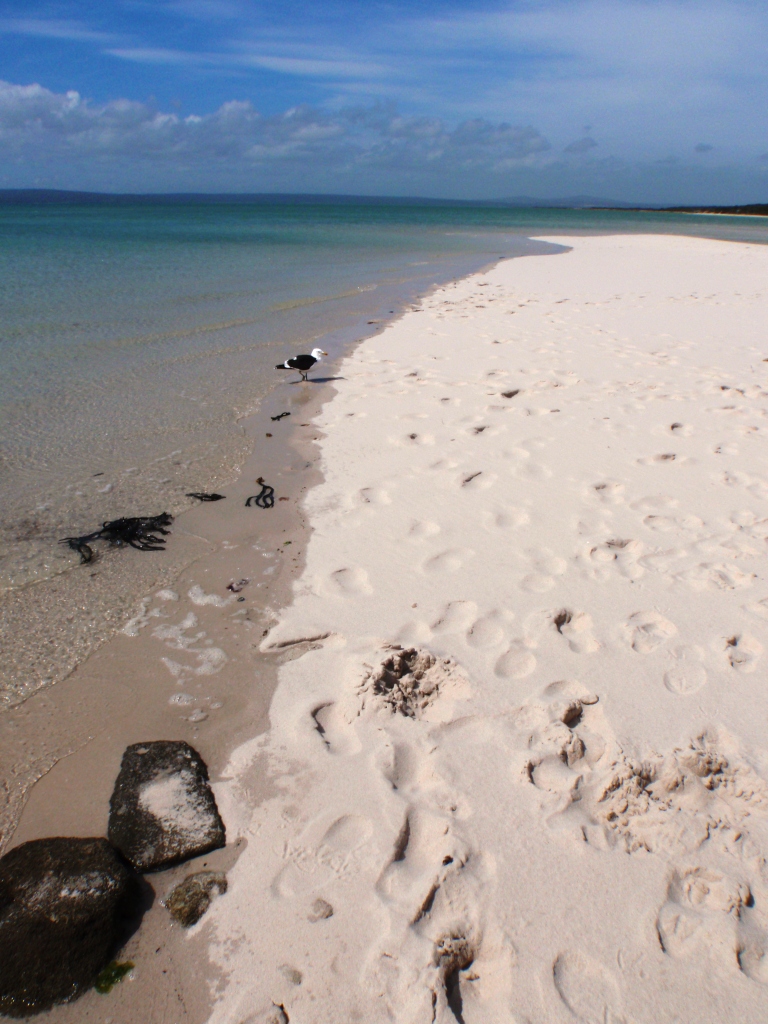
Seagull on the lagoon beach.

A few weeks ago, my fiance, some friends, and I took a day trip to the West Coast National Park, which is about an hour’s drive north of Cape Town, South Africa.  We had a picnic on Langebaan Lagoon and then drove around the park to see the beautiful flowers. If you’re ever in the Cape Town area, I highly recommend visiting the West Coast National Park. While you’re in the area, be sure to check out the nearby Fossil Park. Below are some pictures from our recent visit to Langebaan Lagoon. I’ll share some pictures from the rest of our visit to the park in a separate post… stay tuned!

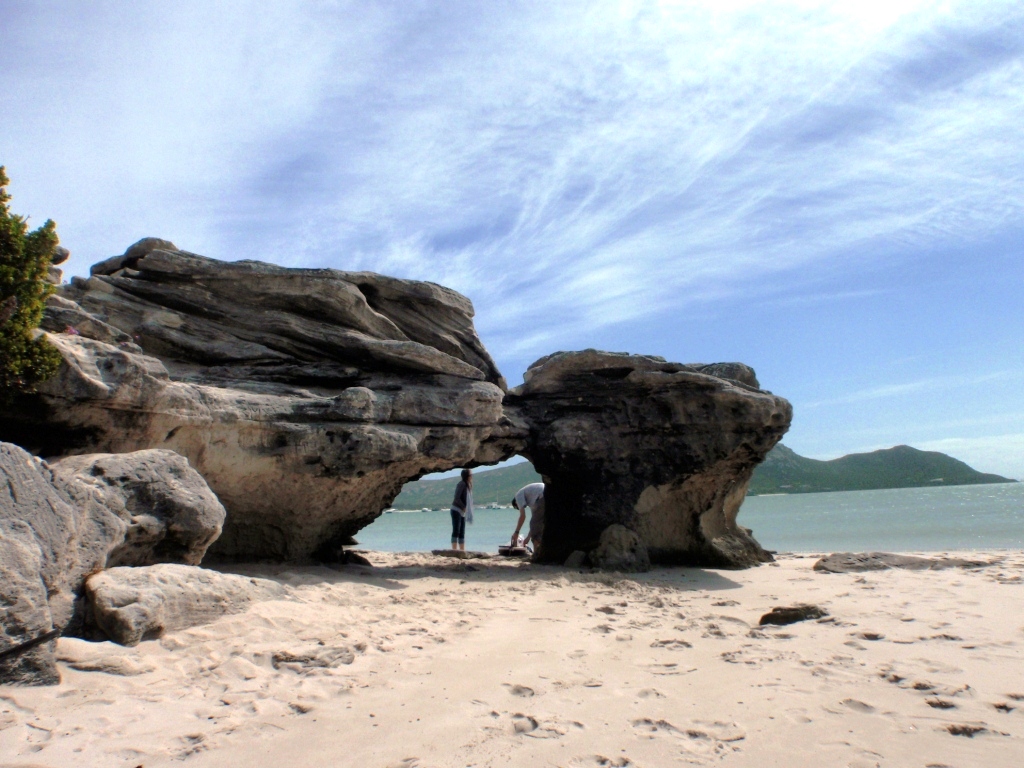
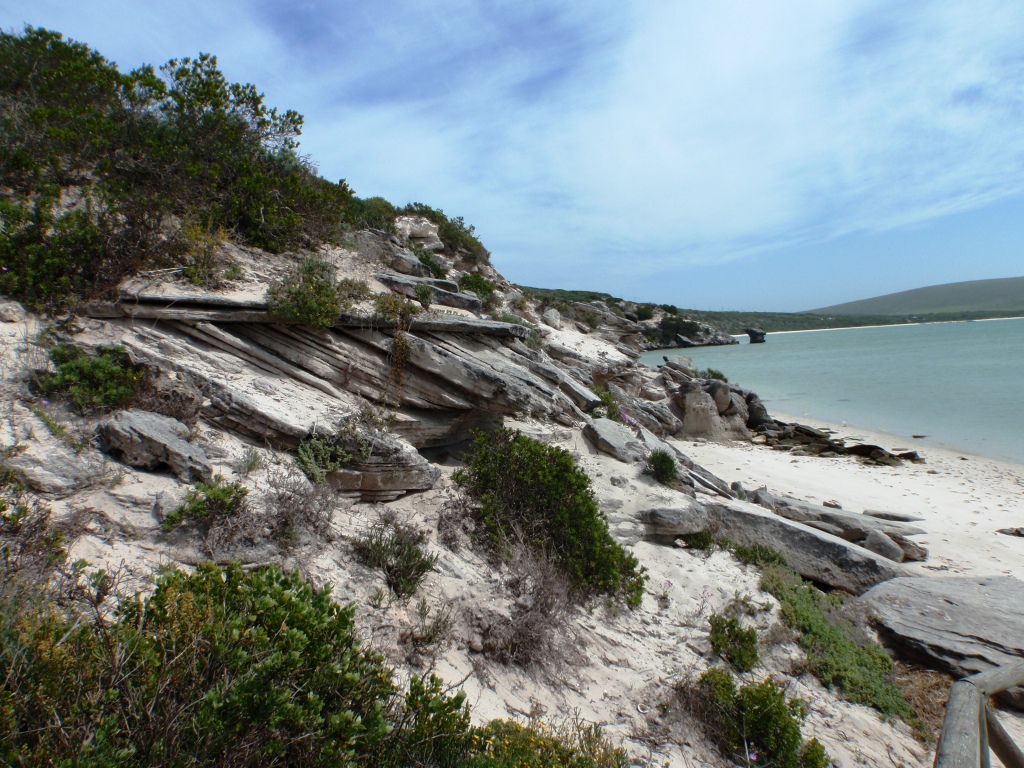
The lagoon is mostly surrounded by loosely-consolidated, very young sandstone. However, there are also a few granitic plutons in the area. I’ll show some more pictures of this granite in my next post.

Setting up a picnic near a sandstone rock arch.
Sandstone cross-bedding.
Look! Sandstone cross-bedding! And graffiti, unfortunately.
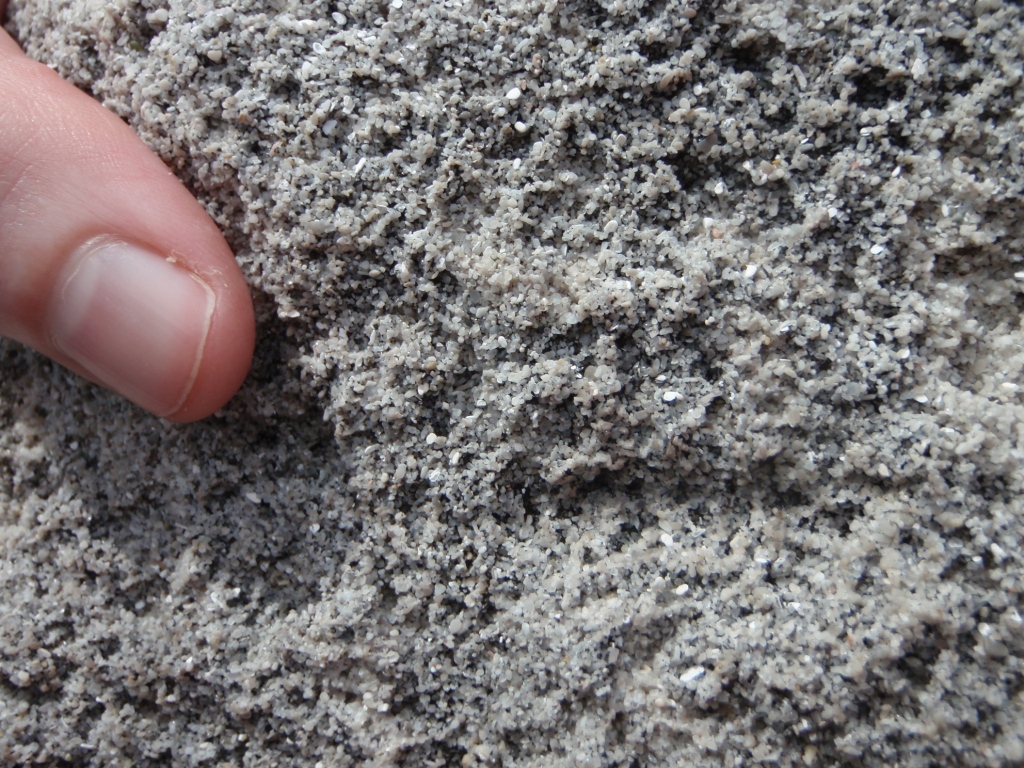
A close look at the young, soft sandstone.
A view across the lagoon, showing one of the granitic plutons.
Another view of Mr. Seagull.
Inviting waters.

Nuy Valley in Pictures

Nuy Valley stream with folded sandsontes in the distance.

Sorry posting has been a bit slow recently… I’ve been very busy re-locating to South Africa and trying to make good progress on writing up my thesis. Actually, the next few months may be somewhat lighter with posting as I actually write up this thesis of mine!

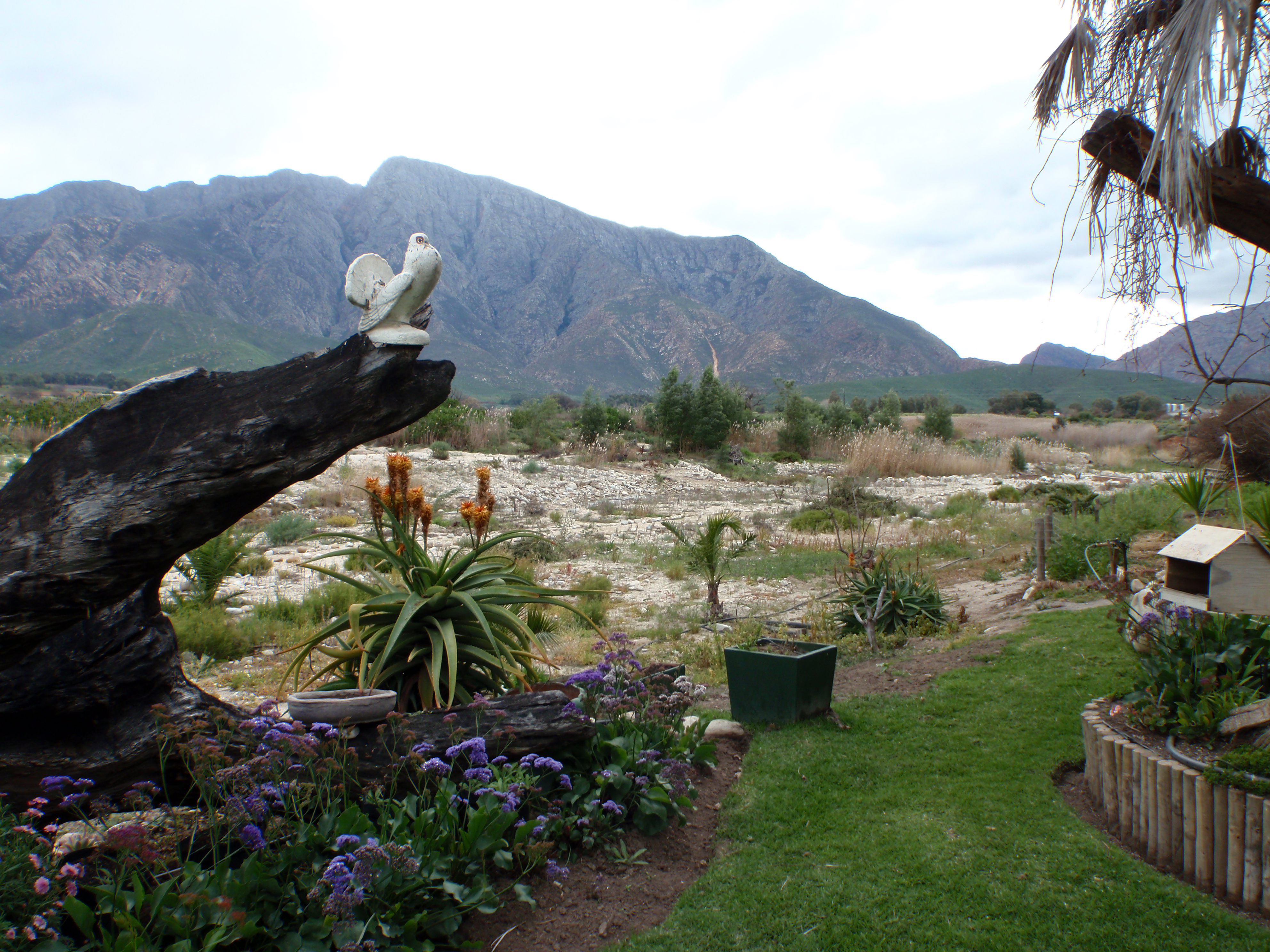
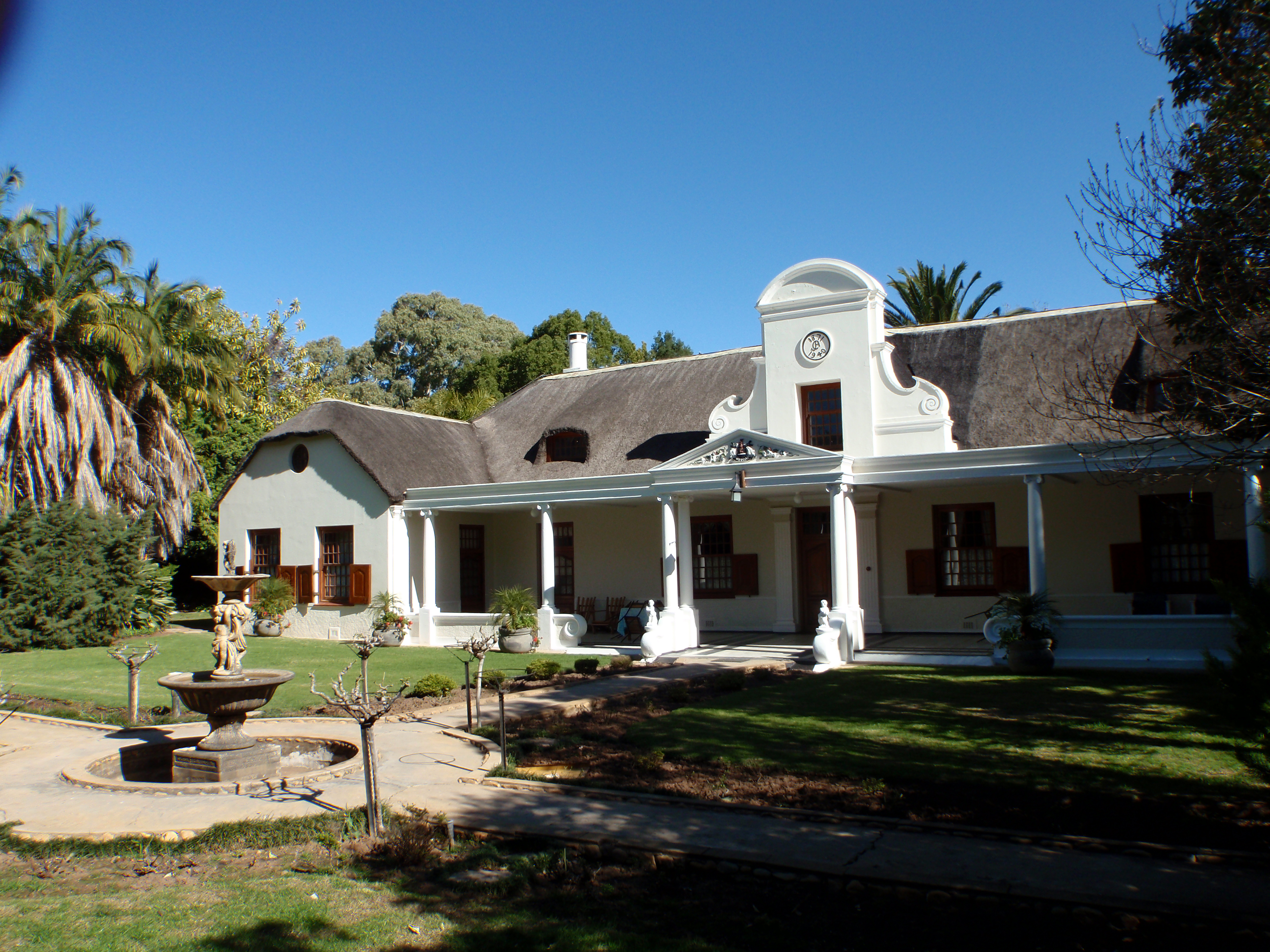
To tide over my blog readers, I thought I’d post a few pictures from my new home here in South Africa. Last weekend my fiance and I spent the weekend in Robertson, South Africa to visit family and take care of some arrangements for our upcoming wedding in October. The Robertson area is beautiful and also geological– the landscape around Nuy Valley, the wine farm where we are having our wedding, is dominated by folded and faulted sandstones hills and mountains.

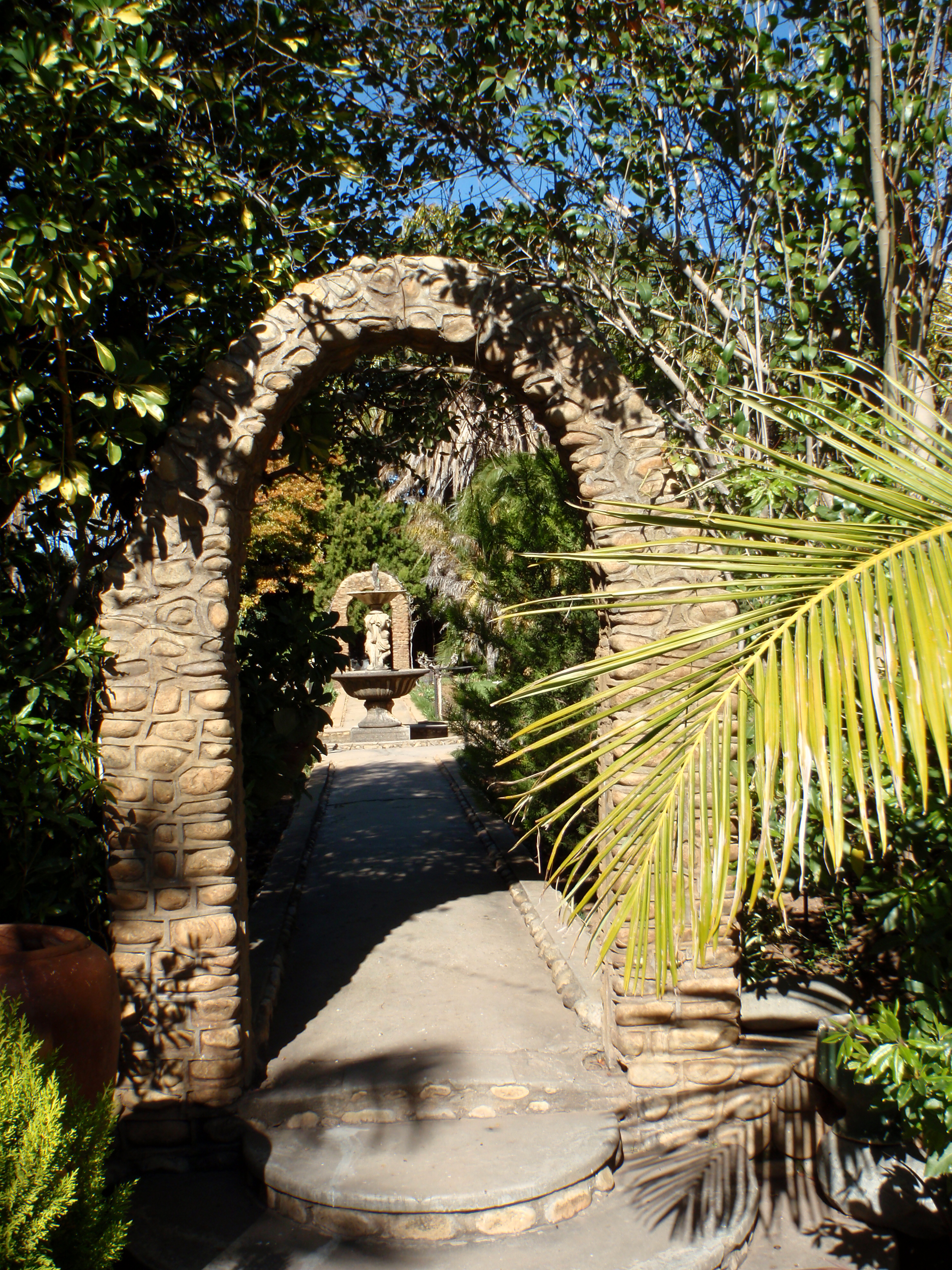
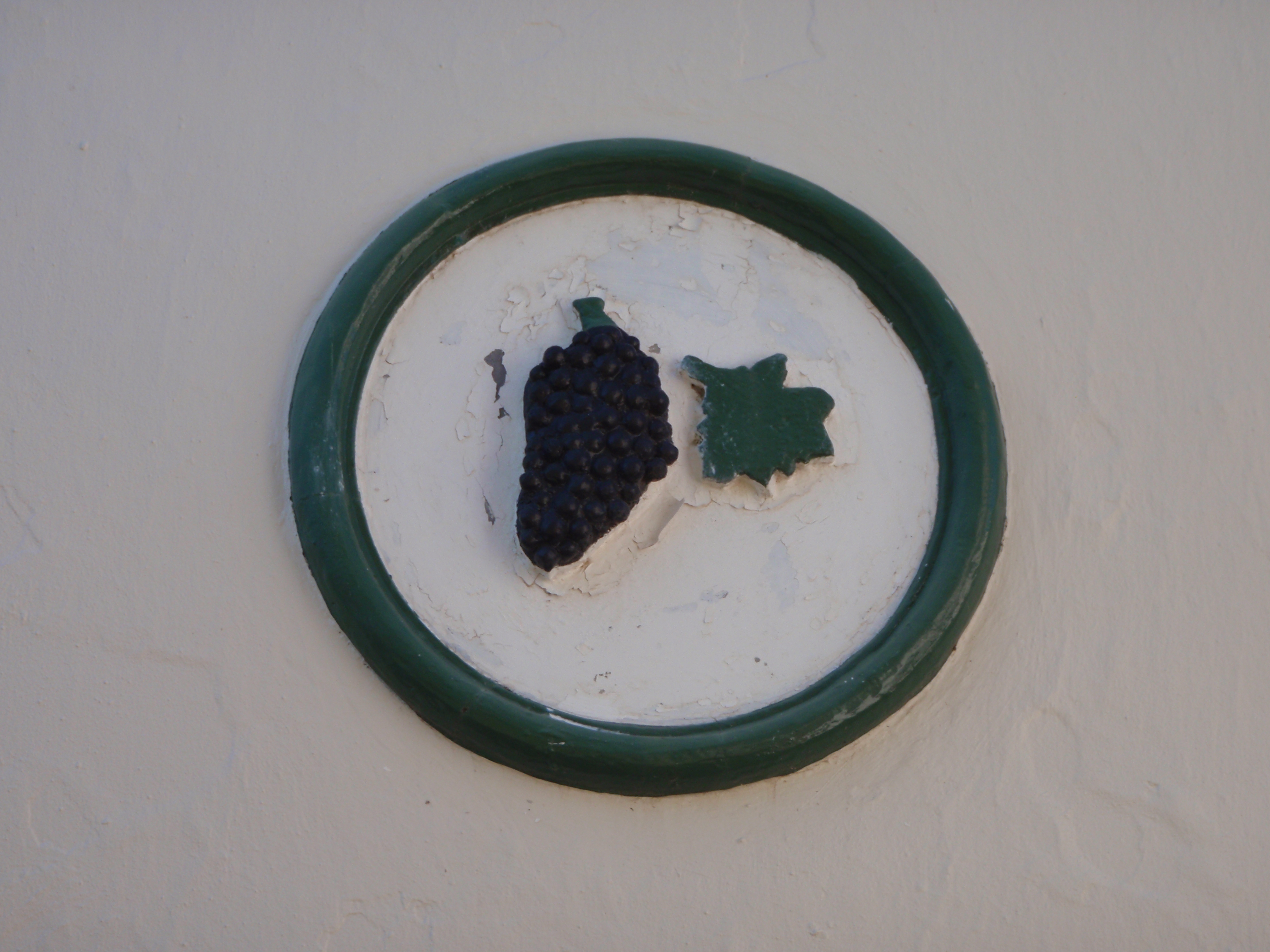
Below are a few pictures from the Nuy Valley Wine Farm. The skies are a bit overcast in some of the pictures because of winter rain, but even in winter the landscape is gorgeous. Enjoy!

A palm tree! And more sandstones in the distance.
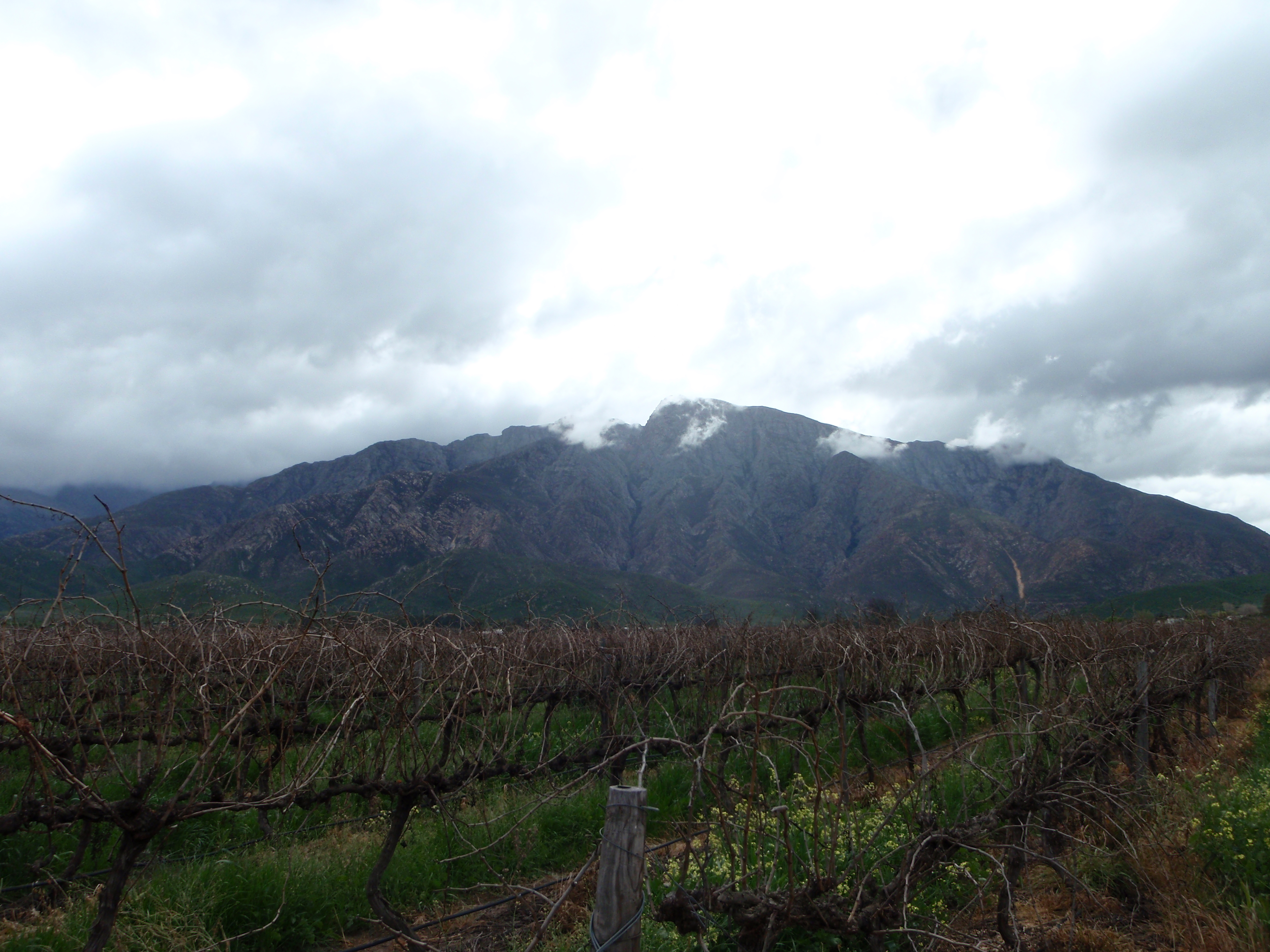
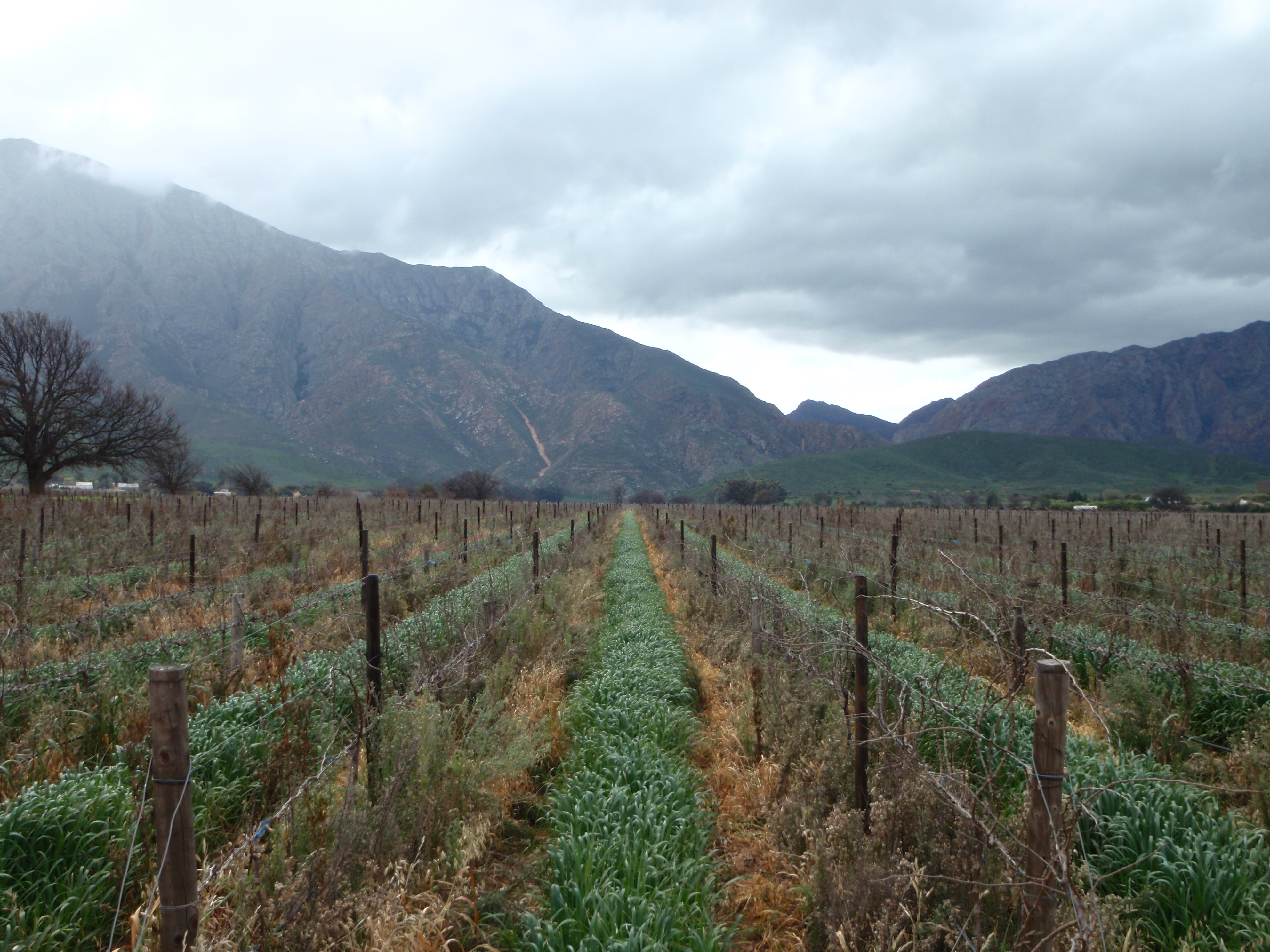
Rows of grapevines with sandstone mountains in the distance.
More grapevines and mountains. Note the thin landslide scar. Click to enlarge the view.
An eerie winter sky over grapevines.
Looking back towards the farmhouses.
A closer view of the farmhouses.
Pigeon statue.
Cape Dutch style farmhouse.
Pretty stone arches.
Detail on one of the farmhouses.
Terrace and more palm trees.

Cape Peninsula in Pictures

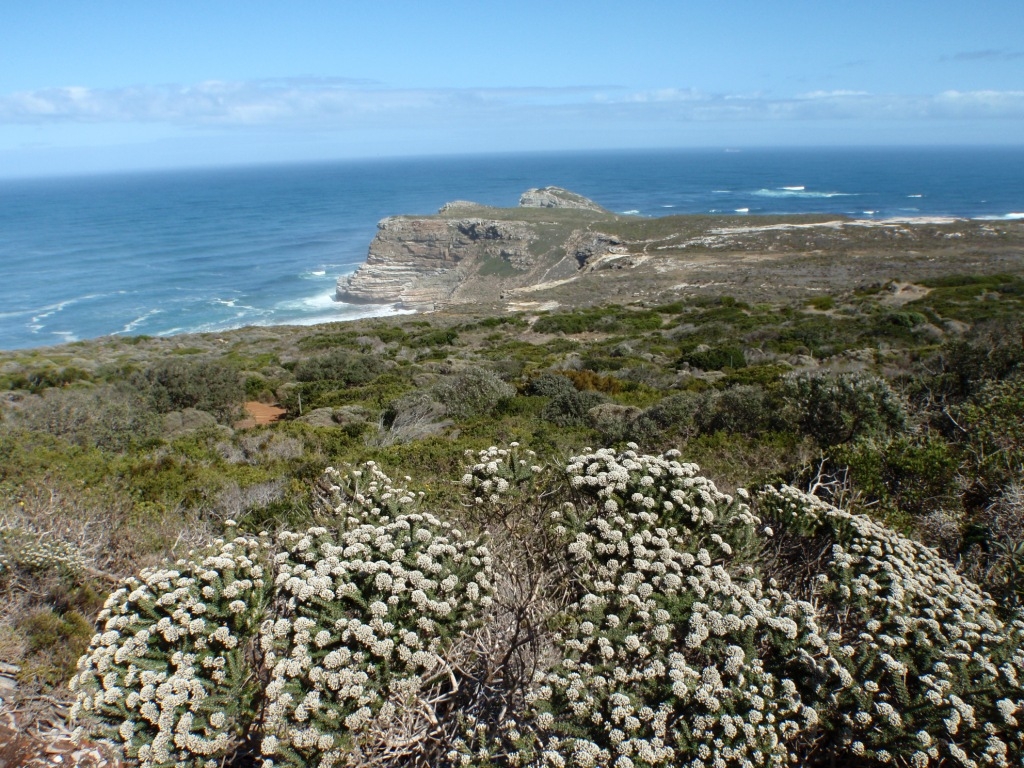
Flowers at Cape Point, South Africa. April 2011.

I’m working late tonight running samples on the mass spectrometer. I’ve been in lab since 8:30am and really should go home, but I’ve decided it’s better to stay up all night and run samples. Okay, maybe not all night. But probably until 2am or 3am. Actually, I’m happy about this long lab day. I spent a good four hours tuning the machine (which is a bit tempestuous, like many mass spectrometers) this morning, and the mass spectrometer is running beautifully right now. The machine is very stable, and the data quality is very high. So, rather than shut the machine down and return in the morning, I’m going to run as many samples as possible. As many of you know, I’m sure, mass spectrometers are usually happiest when they’re constantly being run. So, I don’t want to risk coming in tomorrow and losing all of the tuning and stability. Besides, I’ve been working on difficult chemistry for months, and the mass spectrometry is the final step. With every passing minute I am gathering more data that can be used in my thesis. Very exciting! I can sleep tomorrow.

Fortunately, now that the machine is tuned and running I only need to keep an eye on it and change something every few minutes. So, I have some time to post some more pictures of my recent trip to South Africa.

A few weeks ago I blogged about some interesting sandstone weathering that my fiance and I observed at Cape Point, South Africa. Below are some more pictures from our day visit to the Cape Peninsula. If you’re ever in the Cape Town area, I highly recommend visiting the national park located on the Cape Peninsula. The area is gorgeous, and you’re likely to see several different types of wild animals. You can also visit two lighthouses, take a picture next to a sign proclaiming the southwestern-most point of the African continent, see giant white crosses commemorating the voyages of famous explorers, and walk along a beach to a shipwreck. There are also some beautiful visitor centers (or centres, to be properly South African) that have some interesting displays about the history of the peninsula and about some of the local flora and fauna.

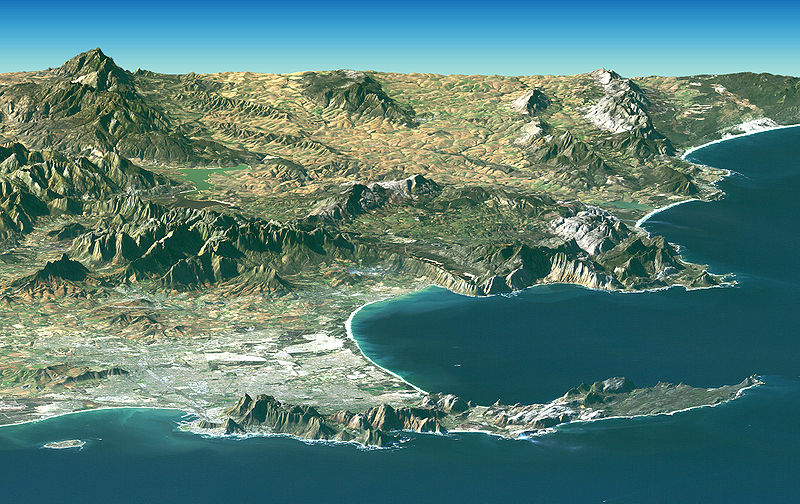
Before moving on to my pictures, here is an amazing satellite image of the Cape Peninsula:

Cape Point Satellite Image. Courtesy of NASA. Taken from wikipedia commons here.

And here’s a nice map showing the location of Cape Point and the Cape of Good Hope (which are both on the Cape Peninsula) relative to each other and the city of Cape Town:
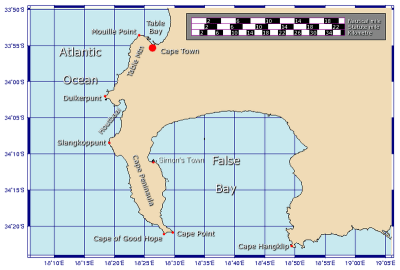
Map showing the Cape Peninsula and surrounding areas.
Taken from Wikipedia Commons here.

Now, on to my own pictures of the Cape Peninsula. First, some pictures of Cape Point:

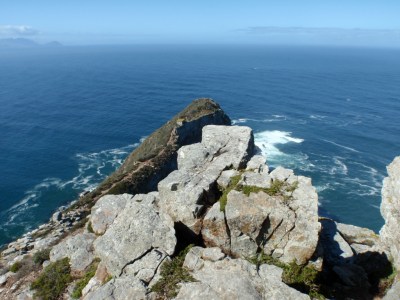
View walking up to the lighthouse. Cape Point, South Africa, April 2011.
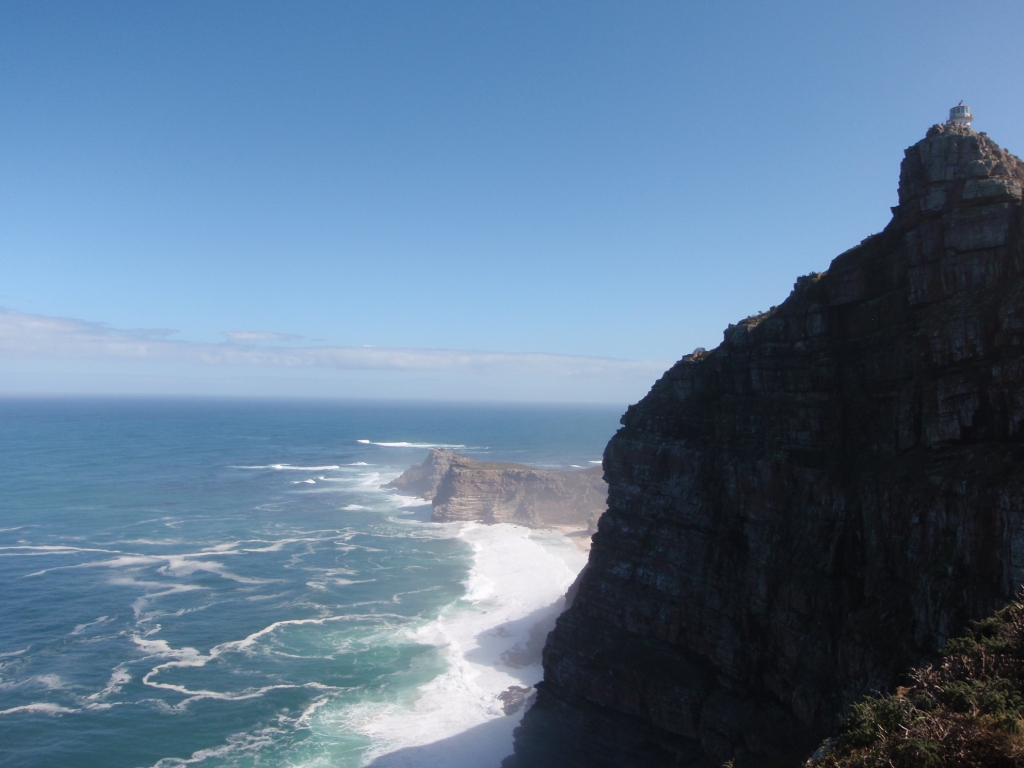
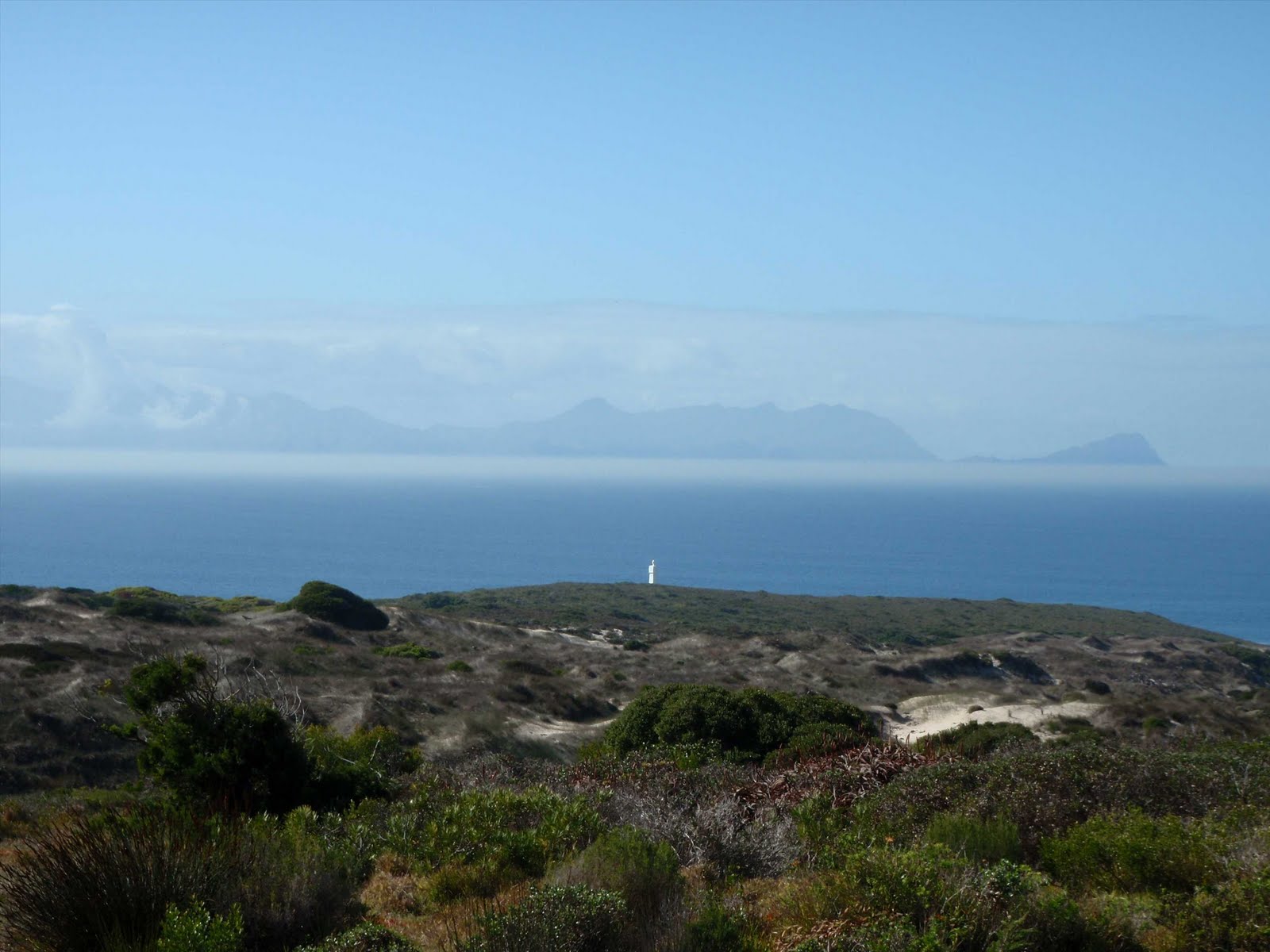
View looking out from the lighthouse. Cape Point, South Africa, April 2011.
Looking back on the old lighthouse. Cape Point, South Africa, April 2011.
Lookout point. Cape Point, South Africa, April 2011.
Lookout point and lighthouse. Cape Point, South Africa, April 2011.
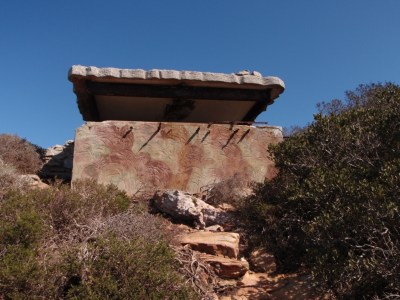
Old WWII bunker. Cape Point, South Africa, April 2011.
Ruins of WWII bunkers. Cape Point, South Africa, April 2011.

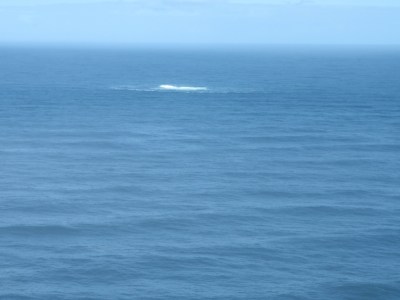
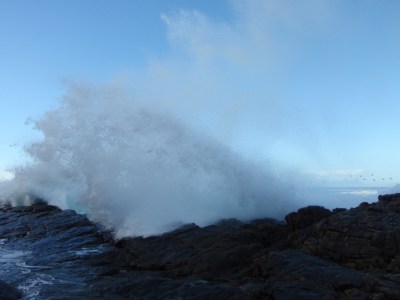
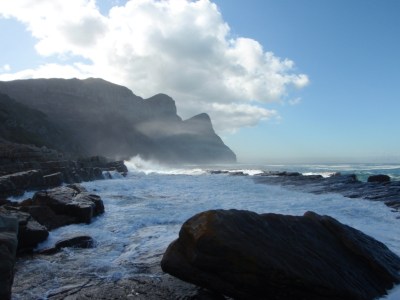
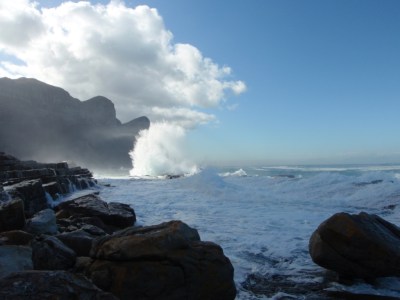
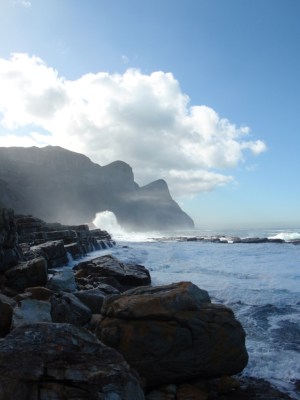
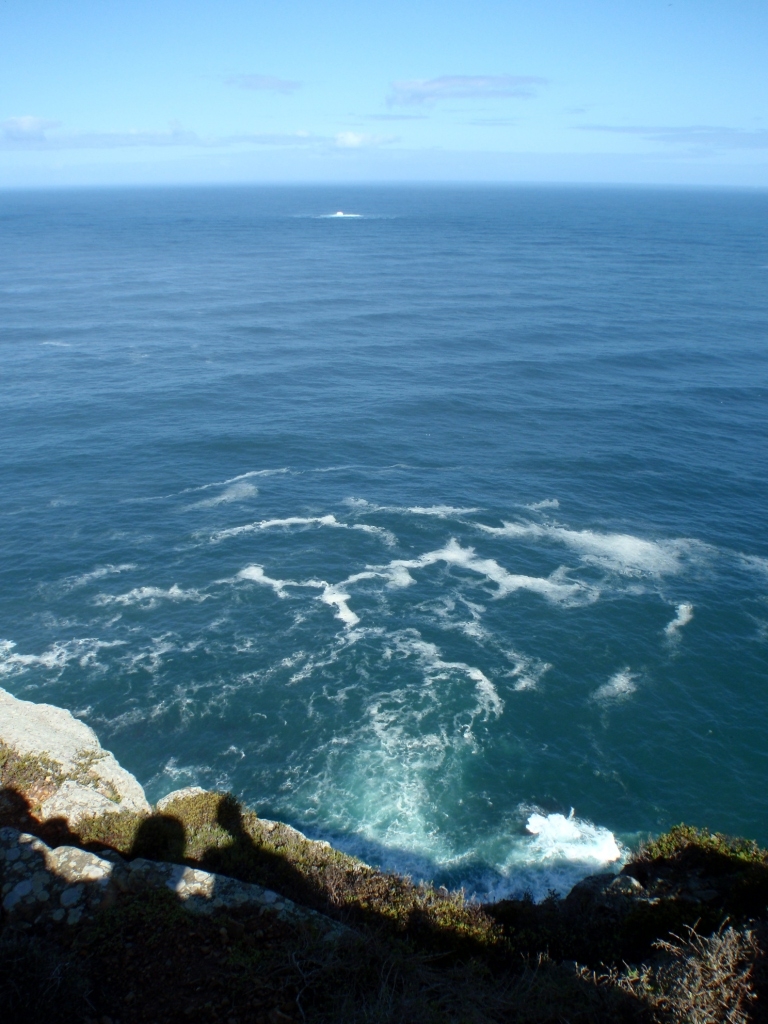
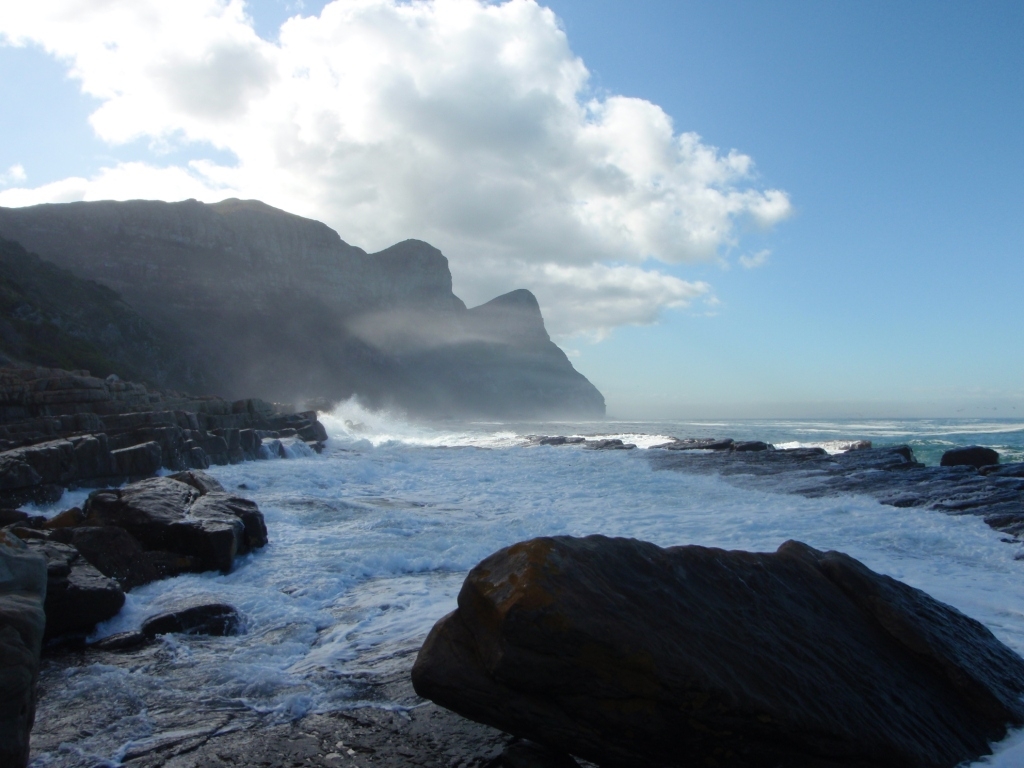
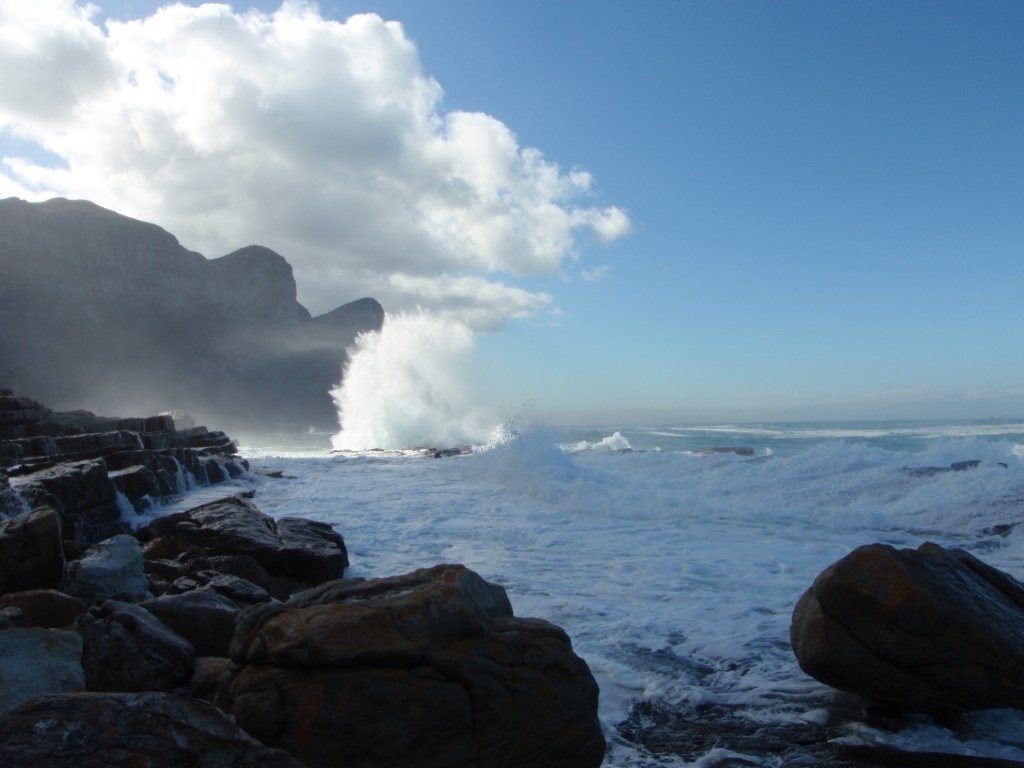
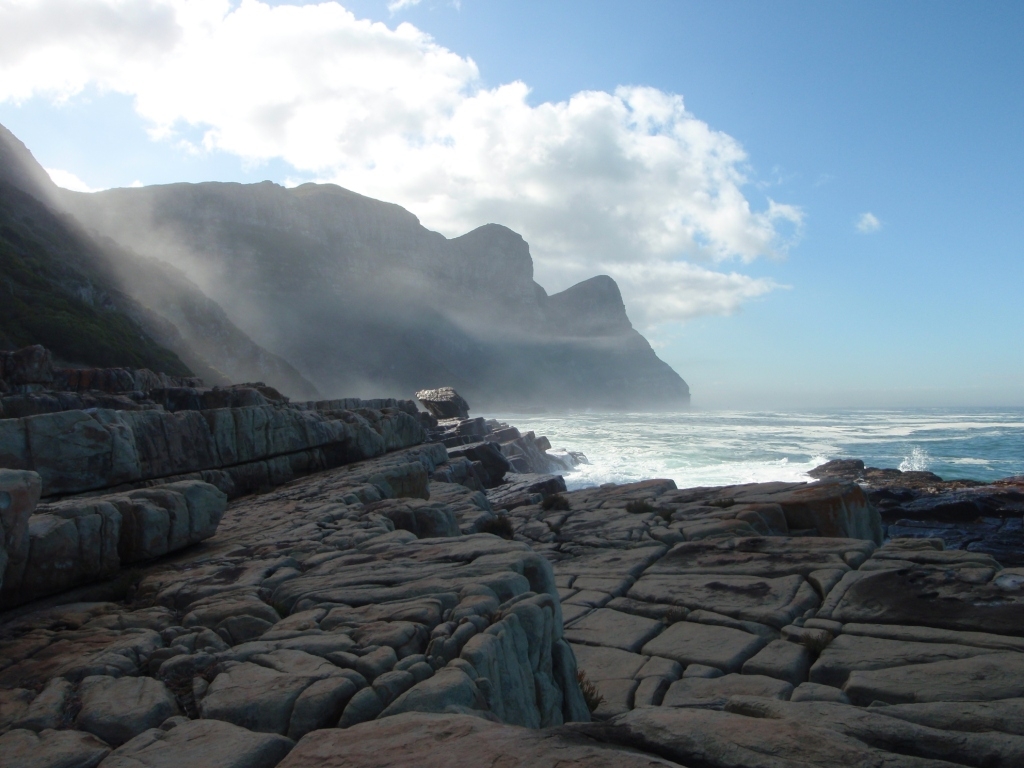
My fiance made fun of me for taking the two pictures below, but they’re cooler than they look. I promise! The waves are splashing just offshore of Cape Point because of an igneous intrusion (granite, I believe), which is a harder rock that doesn’t erode as much as the rest of the seafloor. This particular underwater igneous intrusion is called “Bellows Rock” and is responsible for at least one shipwreck (probably several). Most famously, in 1911 a ship named the Luisitania ran aground on Bellows Rock because the ship’s crew could not see the lighthouse in the fog. There are actually two lighthouses at Cape Point. The old lighthouse (on top of the cliffs in the previous photos and built in1860) is located on higher ground than the new lighthouse. The new lighthouse (low down on the very tip of the point and thus difficult to photograph) was built because the old lighthouse was too high up and often obscured by fog. The new lighthouse was built shortly after the wreck of the Luisitania on Bellows Rock and still guides ships navigating the dangerous waters around Cape Point.
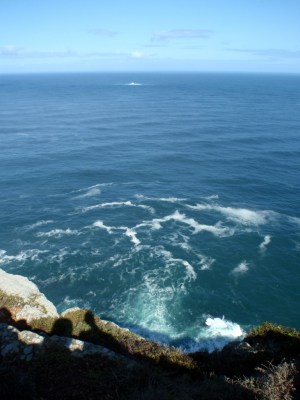
Bellows Rock 1. Cape Point, South Africa, April 2011.
Bellows Rock 2. Cape Point, South Africa, April 2011.

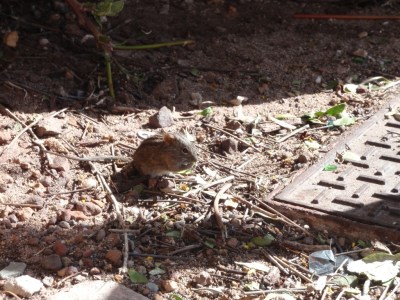
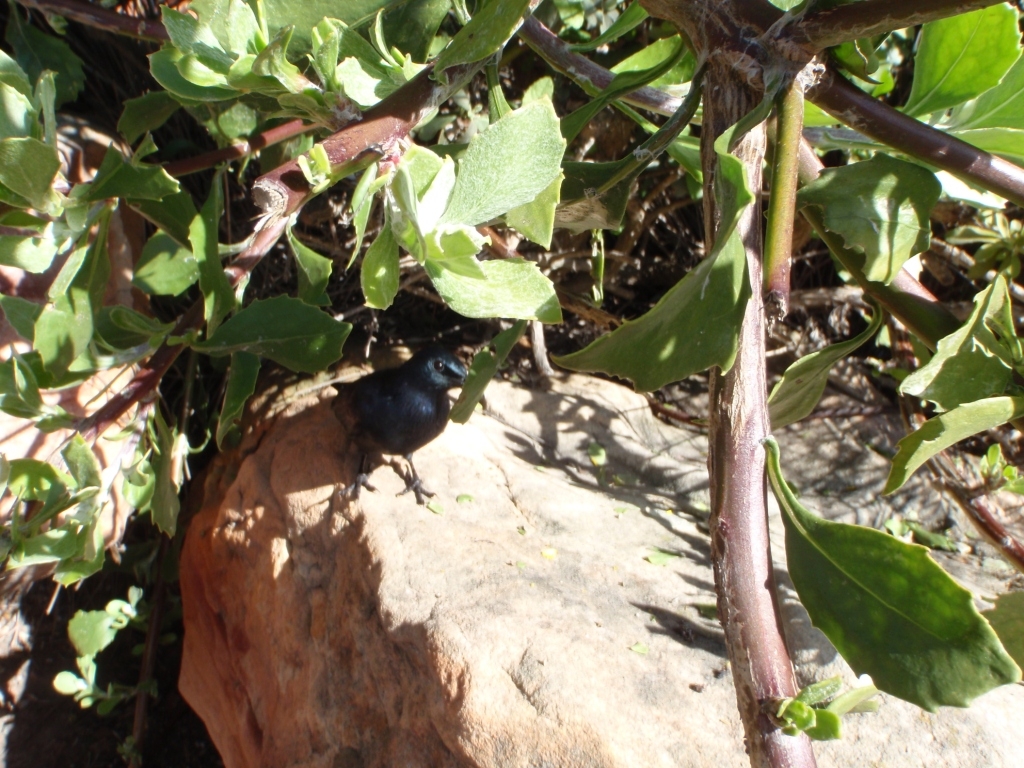
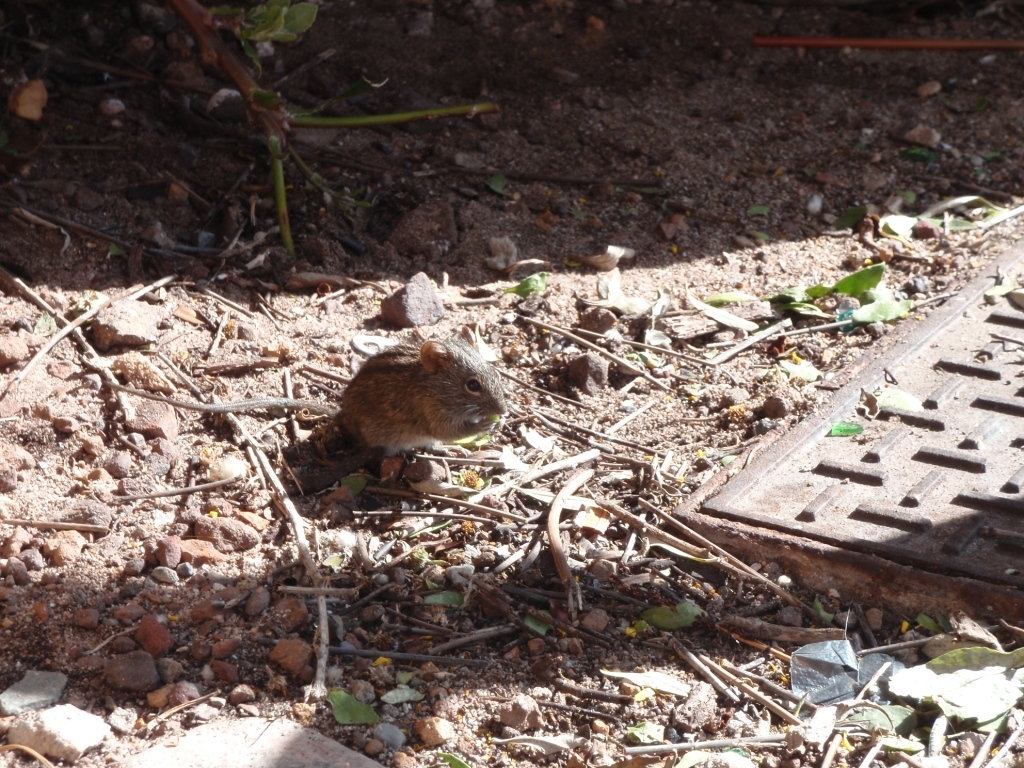
After hiking to the old and new lighthouses, we had lunch at the fancy visitor center (centre) near the Cape Point parking lot.We made some animal friends during lunch: a baboon statue, a bird, and a mouse. Actually, the bird was not our friend. The bird swooped in and– I kid you not– took off with a significant chunk of my fiance’s sandwich, which was in his hand at the time. The bird then perched on a rock near us and glared at us as we finished our lunch in a guarded fashion. As I was making a fool of myself trying to take a picture of the bird thief with tuna (from the sandwich) on his beak, I noticed an adorable little mouse eating crumbs underneath our table. I thought the mouse was cute, but some of the tourists around us did not share the same opinion when I excitedly pointed the mouse out to them.

Baboon statue. Cape Point, South Africa, April 2011.
Lunch thief. Cape Point, South Africa, April 2011.
Crumb-eating mouse. Cape Point, South Africa, April 2011.

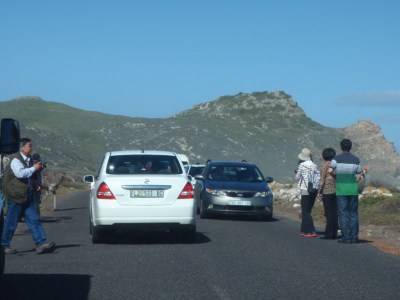
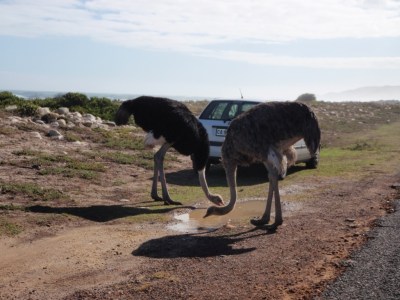
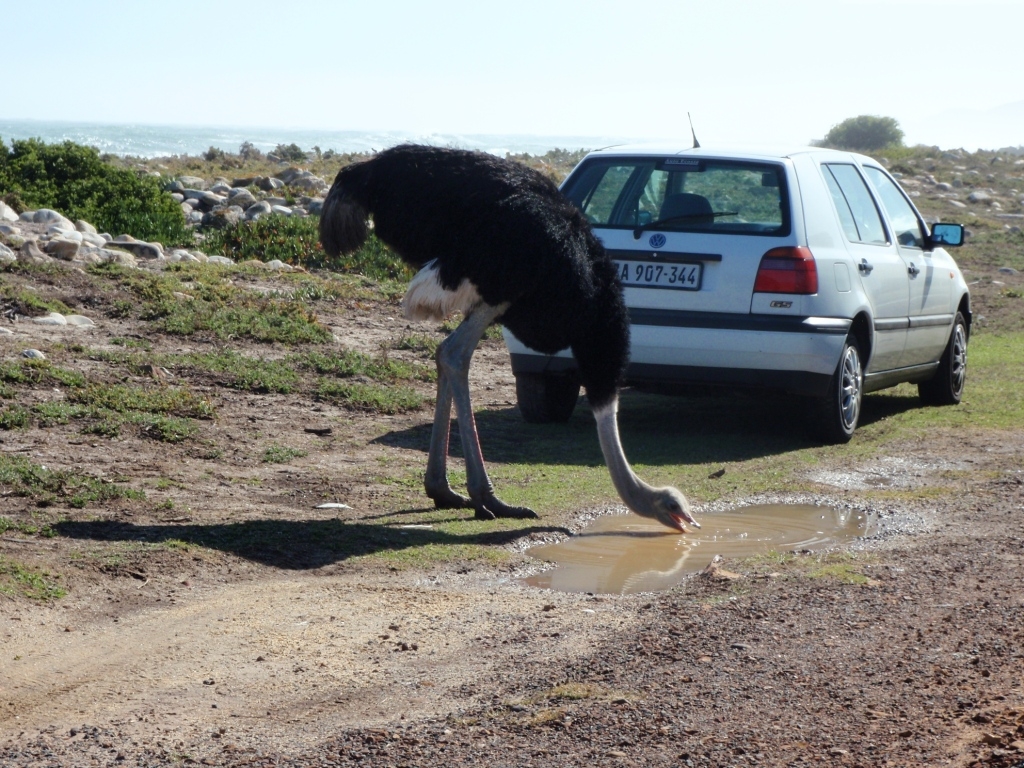
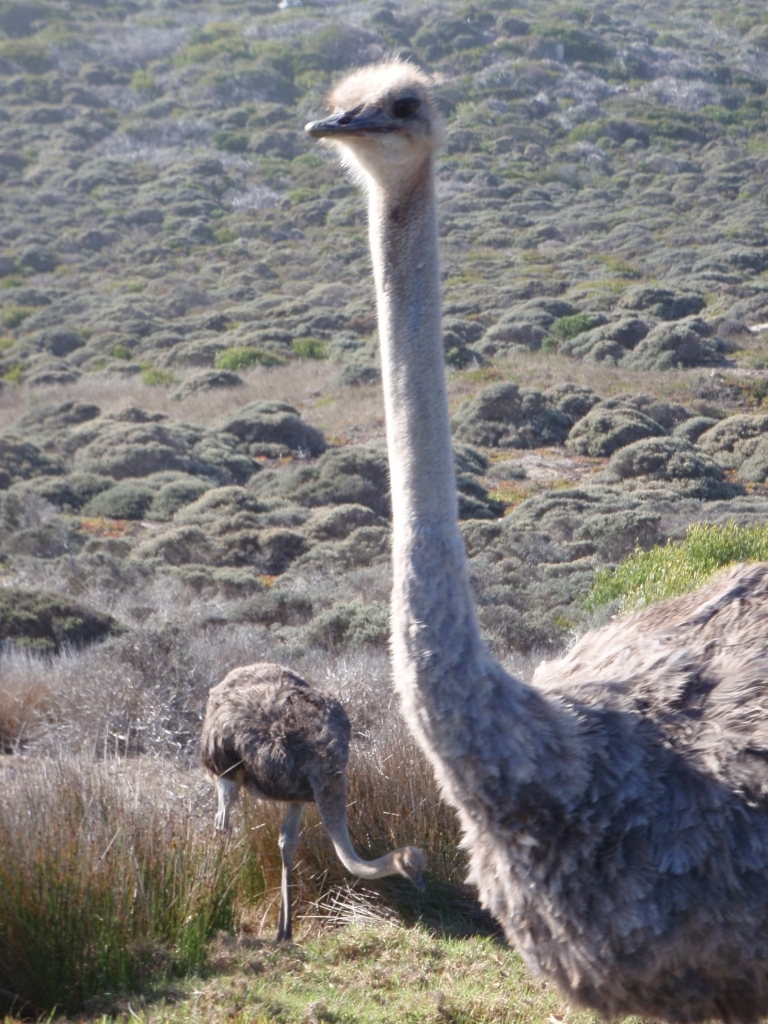
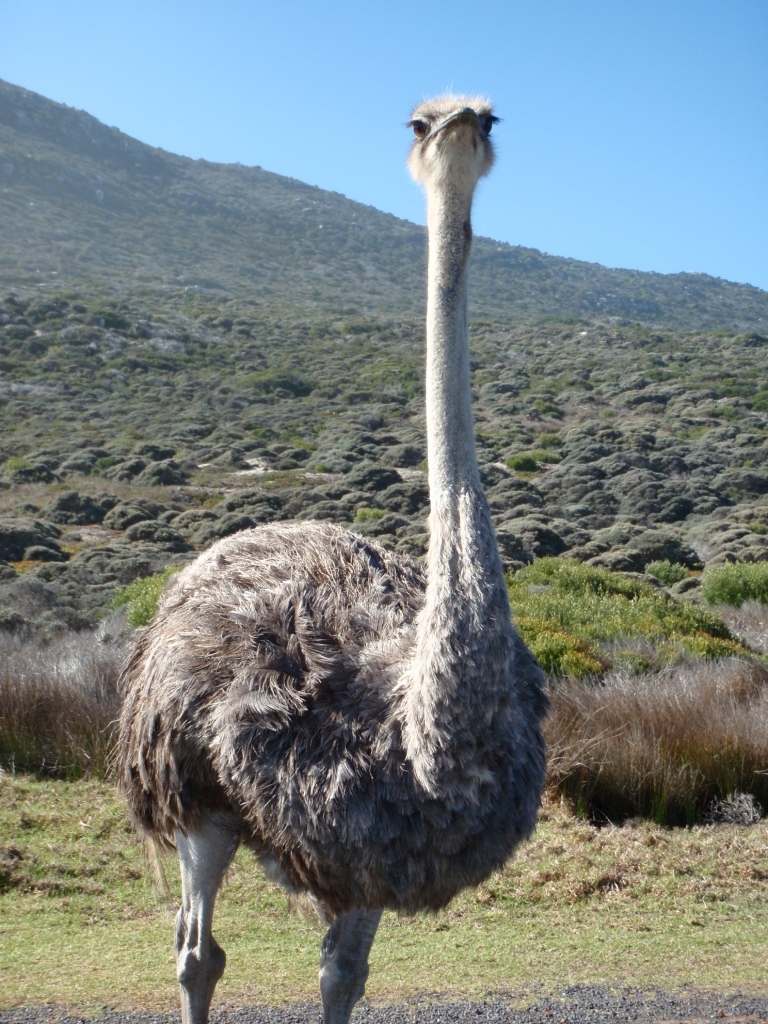
After lunch, we drove the short distance from Cape Point to the Cape of Good Hope (see above map). We took the obligatory picture next to the “South-Western Point of the African Continent” sign. We also encountered some rather naive (idiotic maybe?) Asian tourists on the drive. Part of the road was blocked by wild ostriches. We observed the ostriches safely from our car and patiently waited for the “ostrich jam” to pass. However, several Asian tourists emerged from their vehicles and started chasing the ostriches to take pictures of them. This is not a good idea. Ostriches, especially wild ones (there are also domesticated ostriches in South Africa; ostrich meat is delicious by the way), are dangerous animals. Ostriches can easily hurt or kill you with a peck or kick. A mighty ostrich kick can knock you senseless or rip your chest open. Fortunately, a park ranger came along and told the Asian tourists to return to their vehicles and leave the ostriches alone.
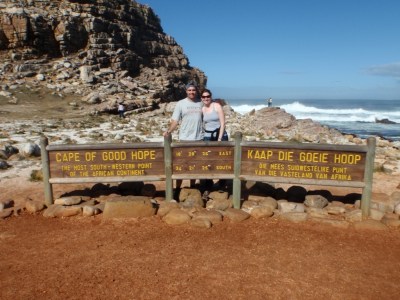
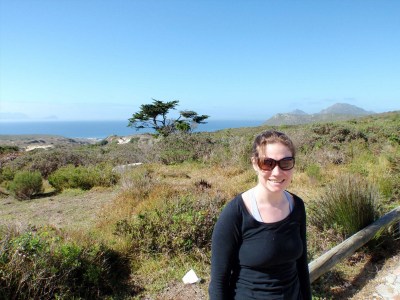
Jackie and I at the South-Western Point of Africa, April 2011.
Ostrich jam. And idiotic Asian tourists. Cape of Good Hope, South Africa, April 2011.
Tourists way too close to the ostriches. Cape of Good Hope, South Africa, April 2011.
Male and female ostrich, Cape of Good Hope, South Africa, April 2011.
Male ostrich. Cape of Good Hope, South Africa, April 2011.
Another ostrich, Cape of Good Hope, South Africa, April 2011.
Ostrich portrait 1, taken safely from the car. Cape of Good Hope,
South Africa, April 2011.
Ostrich portrait 2, Cape of Good Hope, South Africa, April 2011.

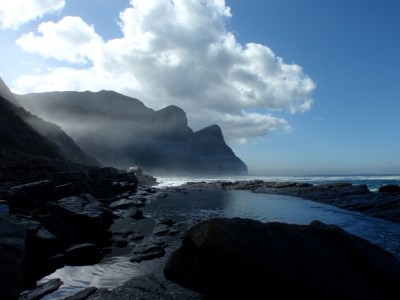
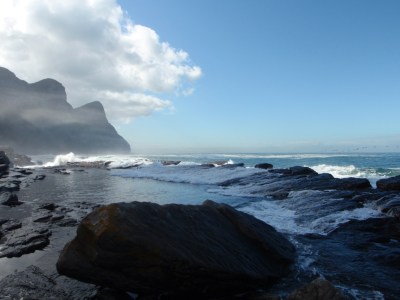
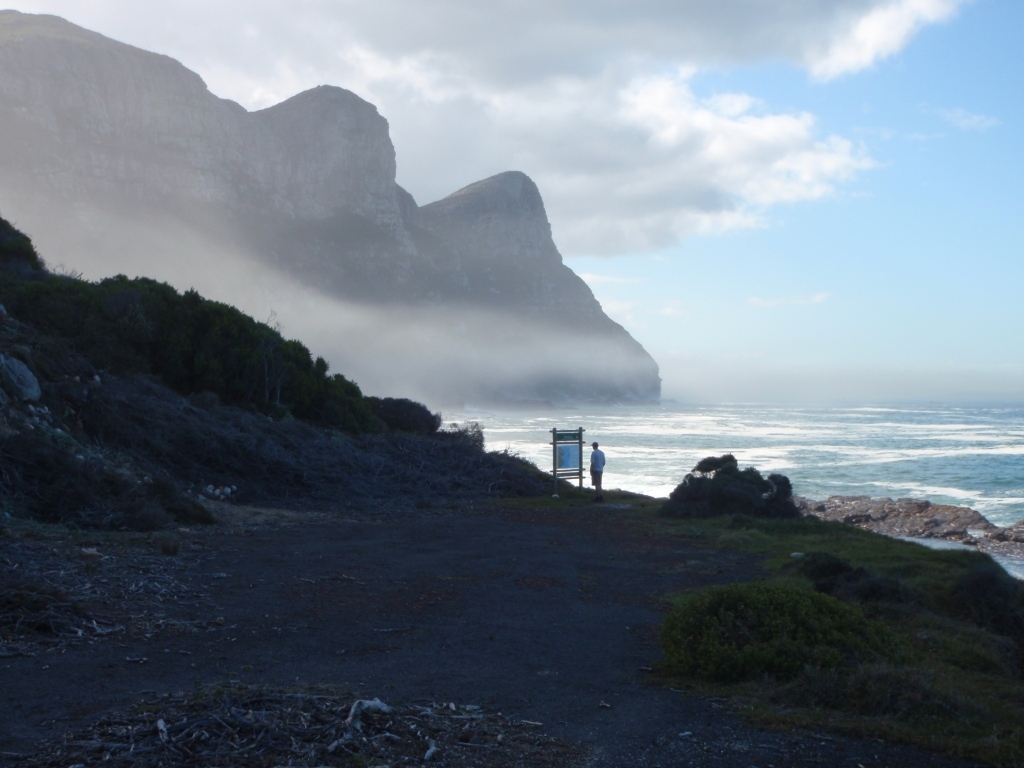
After visiting the Cape of Good Hope, we drove to a place called Venus Pools. Actually, we walked part of the way to the pools since the road on the map we had is no longer maintained. We enjoyed walking, though, and the pools were deserted except for us. At both Cape Point and the Cape of Good Hope there are usually large, noisy groups of tourists. The Venus Pools were lovely and quiet, except for the crashes of waves and subsequent rushes of water in the pools. We almost expected to catch a glimpse of Venus herself bathing there.

Male and female ostrich near Venus Pools. South Africa, April 2011.
Old, abandoned parking area near Venus Pools. South Africa, April 2011.
Venus Pools 1, South Africa, April 2011.
Venus Pools 2, South Africa, April 2011.
Venus Pools 3, South Africa, April 2011.
Venus Pools 4, South Africa, April 2011.
Venus Pools 5, South Africa, April 2011.
Venus Pools 6, South Africa, April 2011.
Venus Pools 7, South Africa, April 2011.
Interesting sandstone weathering at Venus Pools, South Africa, April 2011.

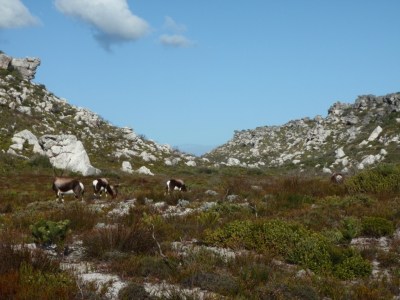
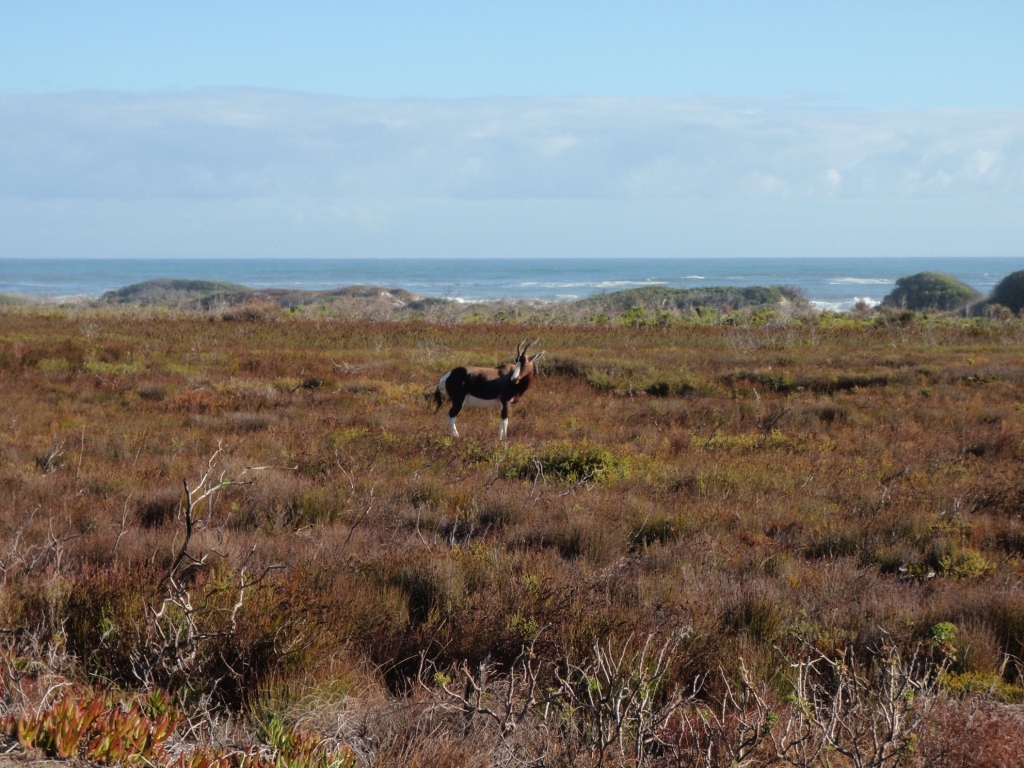
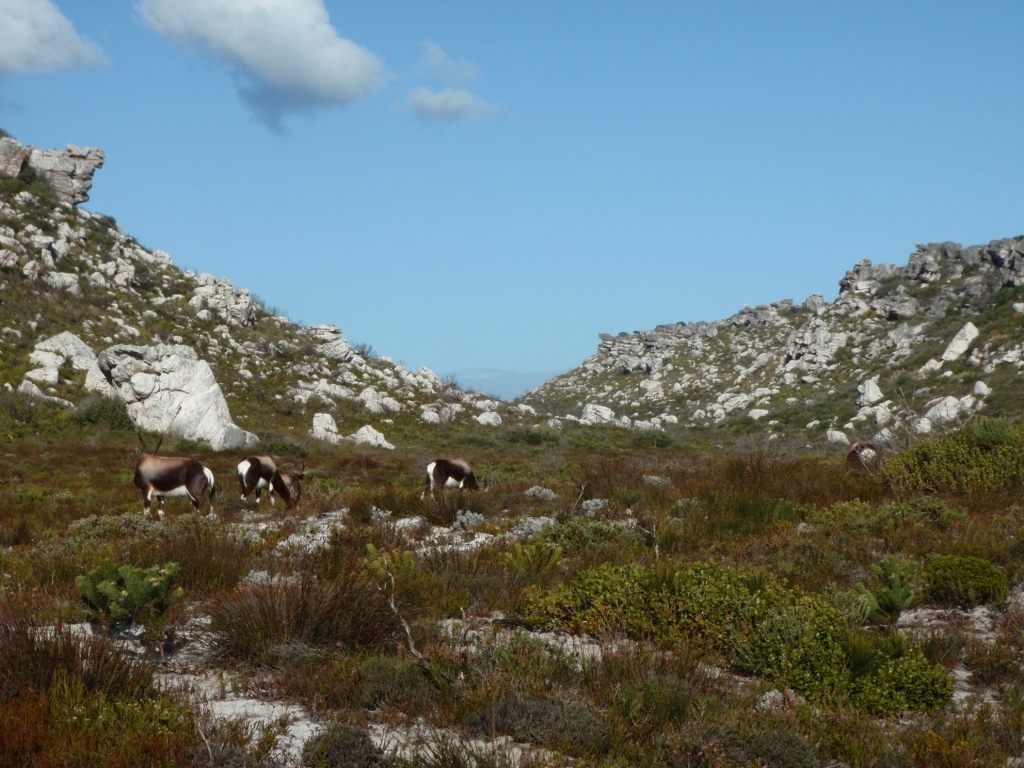
Next, we drove over to a beach where we took a walk to a shipwreck. On the drive, we saw some adorable bokkies.

Bokkie near the road 1, Cape Peninsula, South Africa, April 2011.
Bokkie near the road 2, Cape Peninsula, South Africa, April 2011.
Many bokkies, Cape Peninsula, South Africa, April 2011.
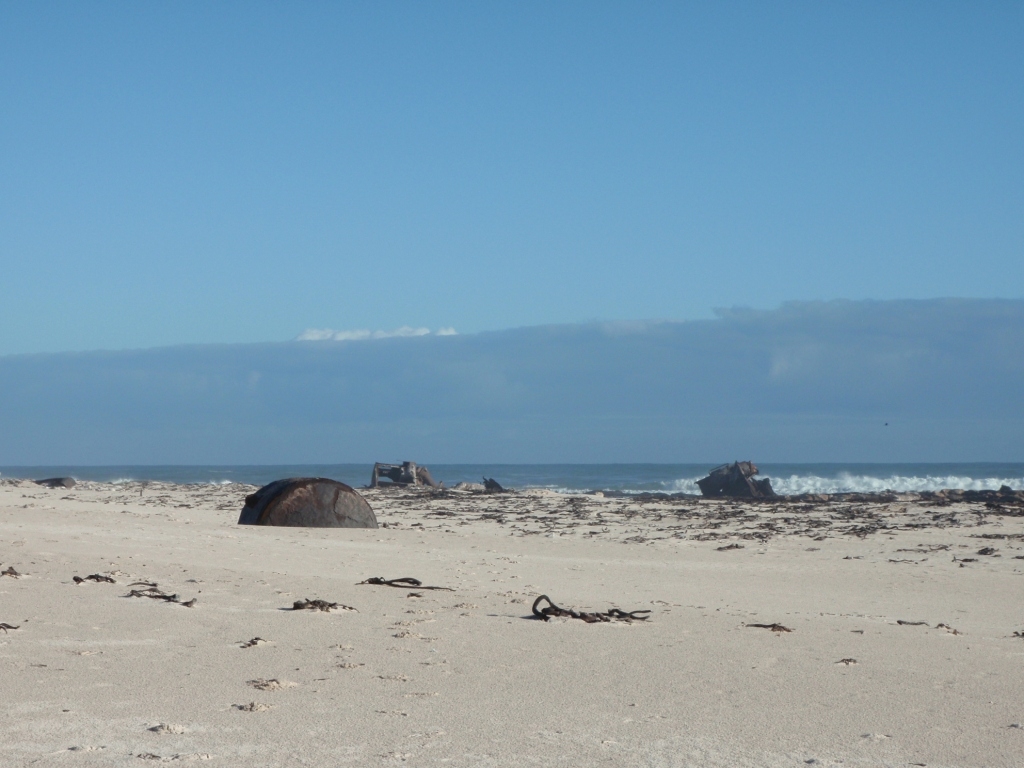
Scattered shipwreck, Cape Peninsula, South Africa, April 2011.
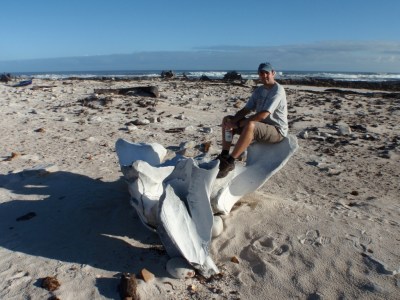
Jackie on a bleached whale bone, Cape Peninsula, South Africa, April 2011.
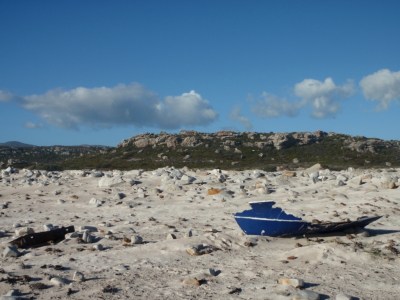
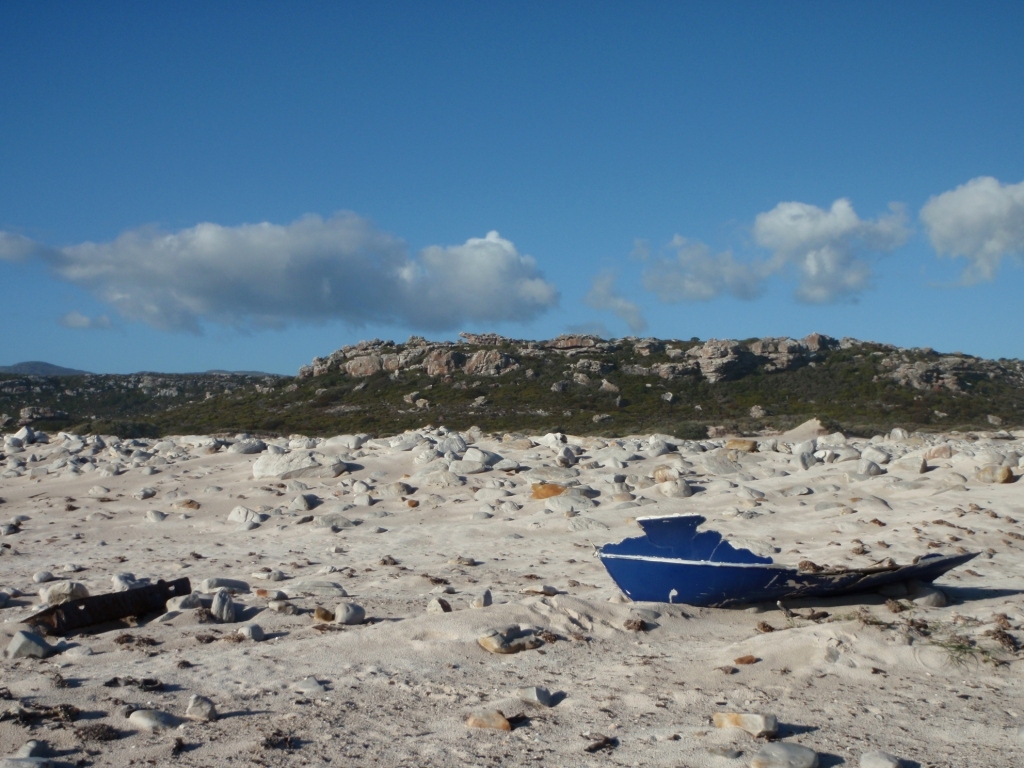
Rowboat mini-shipwreck, Cape Peninsula, South Africa, April 2011.

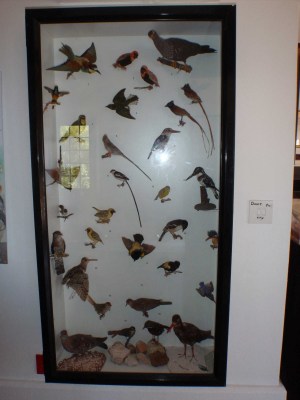
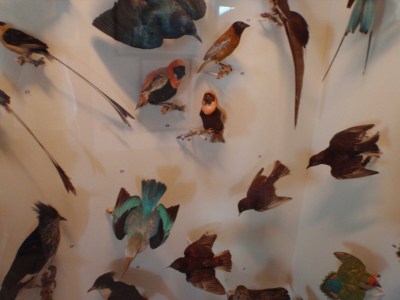
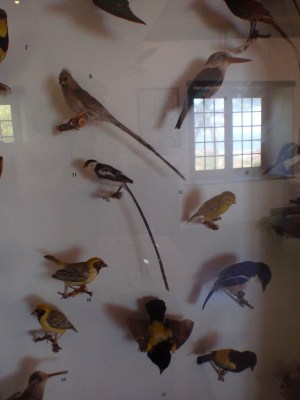
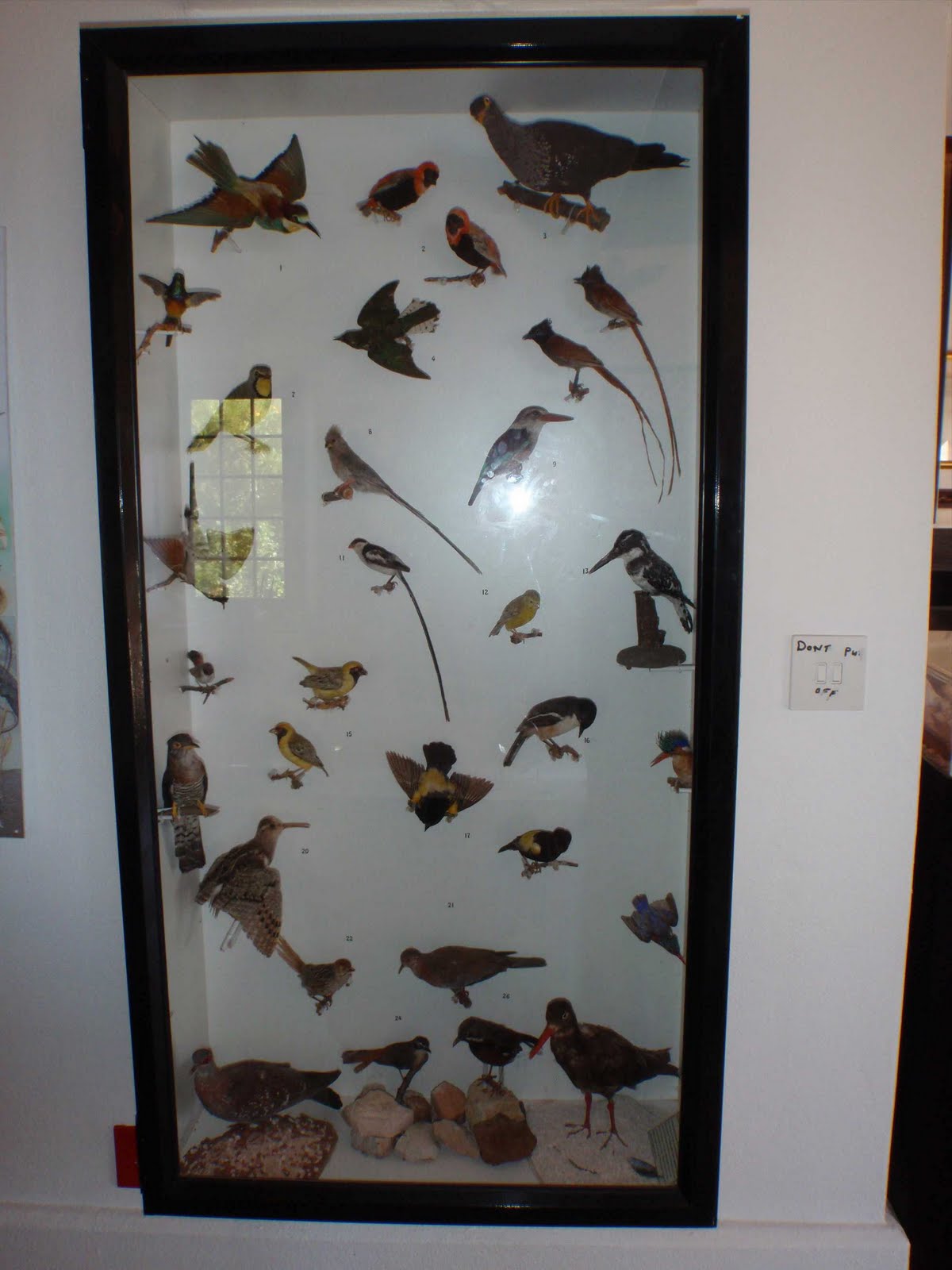
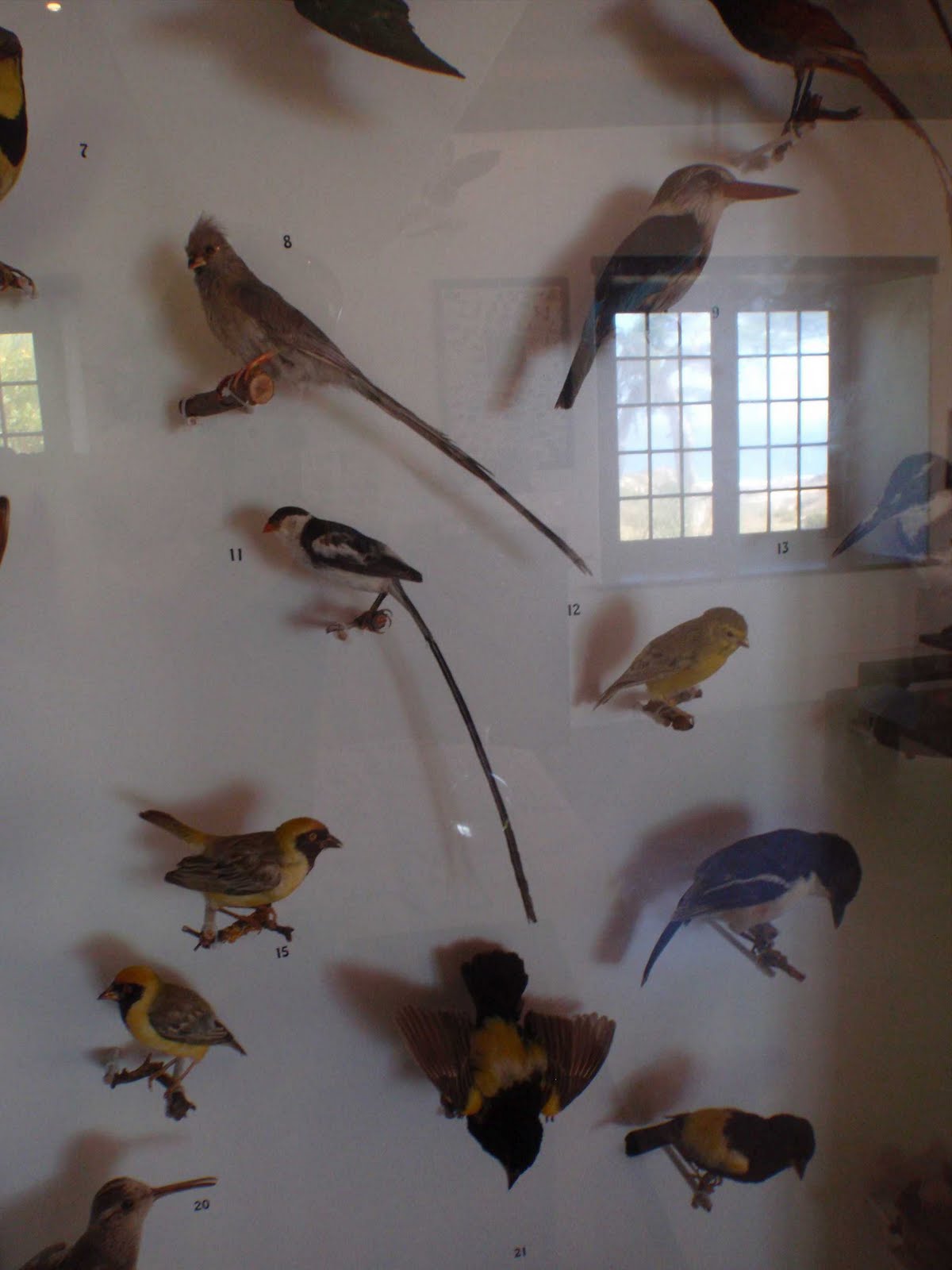
We also went to another visitor center (centre) with a view of one of the giant white crosses. Inside the center were several cases of beautiful stuffed birds. I think I will become a birder when I move to South Africa later this year. I really like the birds with the long tail feathers and the black birds with the bright orange heads. I once spent about an hour taking pictures of one of those orange-headed birds that was hanging out in a shrub Jackie’s parents’ yard. Jackie’s family thought I was crazy. I guess I can understand why they thought I was crazy. The first time Jackie visited me in America, he very excitedly told me to come to the window as there was “the most beautiful bird” outside. There was a blue jay in a tree outside. Blue jays are beautiful, I must admit, but I see them all the time so they seem quite ordinary to me.

Cross from a distance. Cape Peninsula, South Africa, April 2011.
View from visitor center parking lot, Cape Peninsula, South Africa, April 2011.
Gorgeous bird case, Cape Peninsula, South Africa, April 2011.
Look at those tail feathers! Cape Peninsula, South Africa, April 2011.
Seriously, how do those birds with the long tails fly? Cape Peninsula, South Africa, April 2011.
Pretty orange-headed birds. Cape Peninsula, South Africa, April 2011.
More crazy tail feathers. Cape Peninsula, South Africa, April 2011.
Beautiful orange-headed birds. Cape Peninsula, South Africa, April 2011.

Munich in Pictures

Because of mechanical problems with an airplane, I took an unexpected route to South Africa. Travel is often this way; you have to be prepared for the unexpected. Often, the unexpected makes for the best travel stories. Now that I’ve recovered from jetlag and travel exhaustion, I have a good story… even if still I don’t have my luggage four days after my arrival.

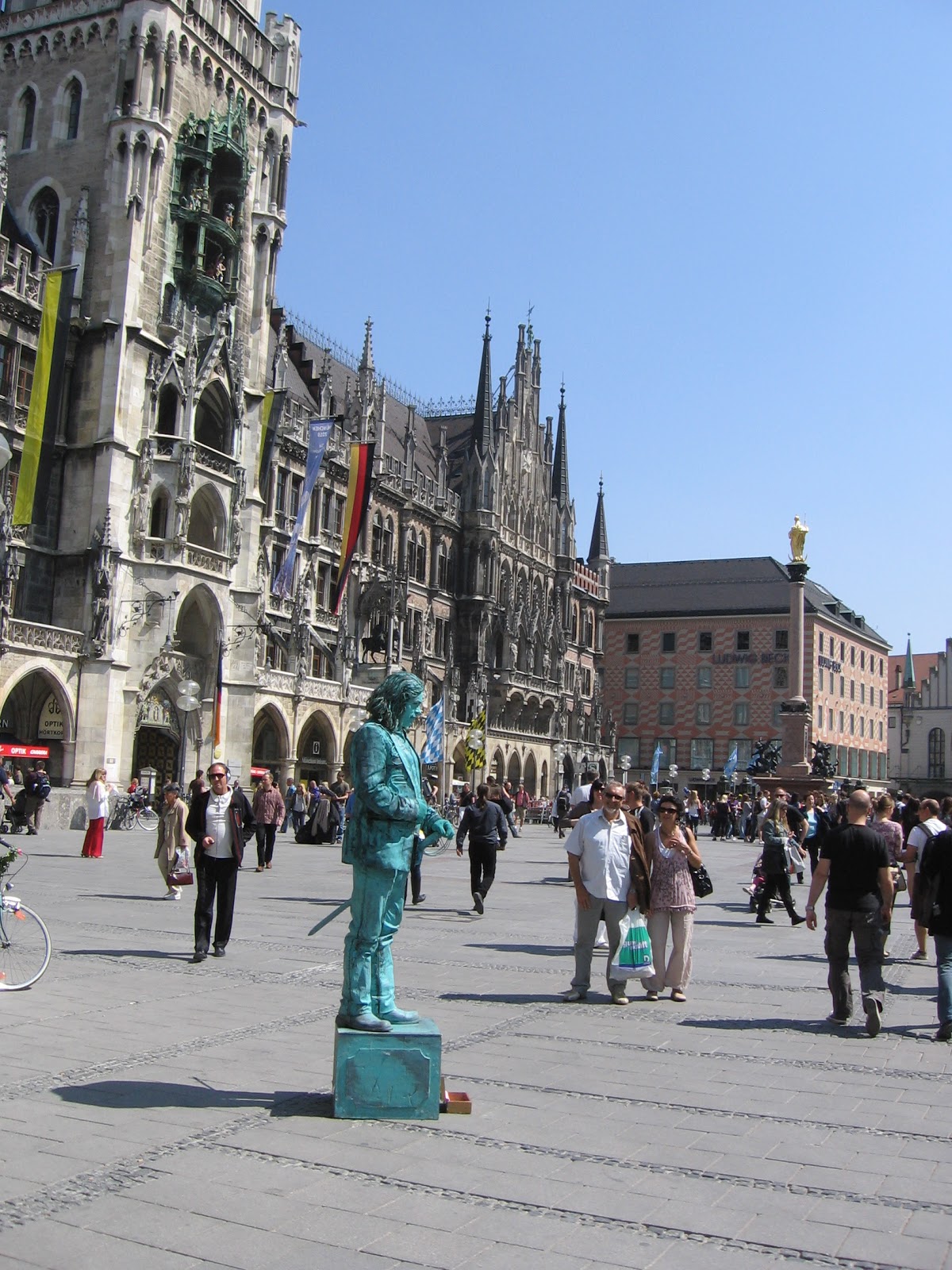
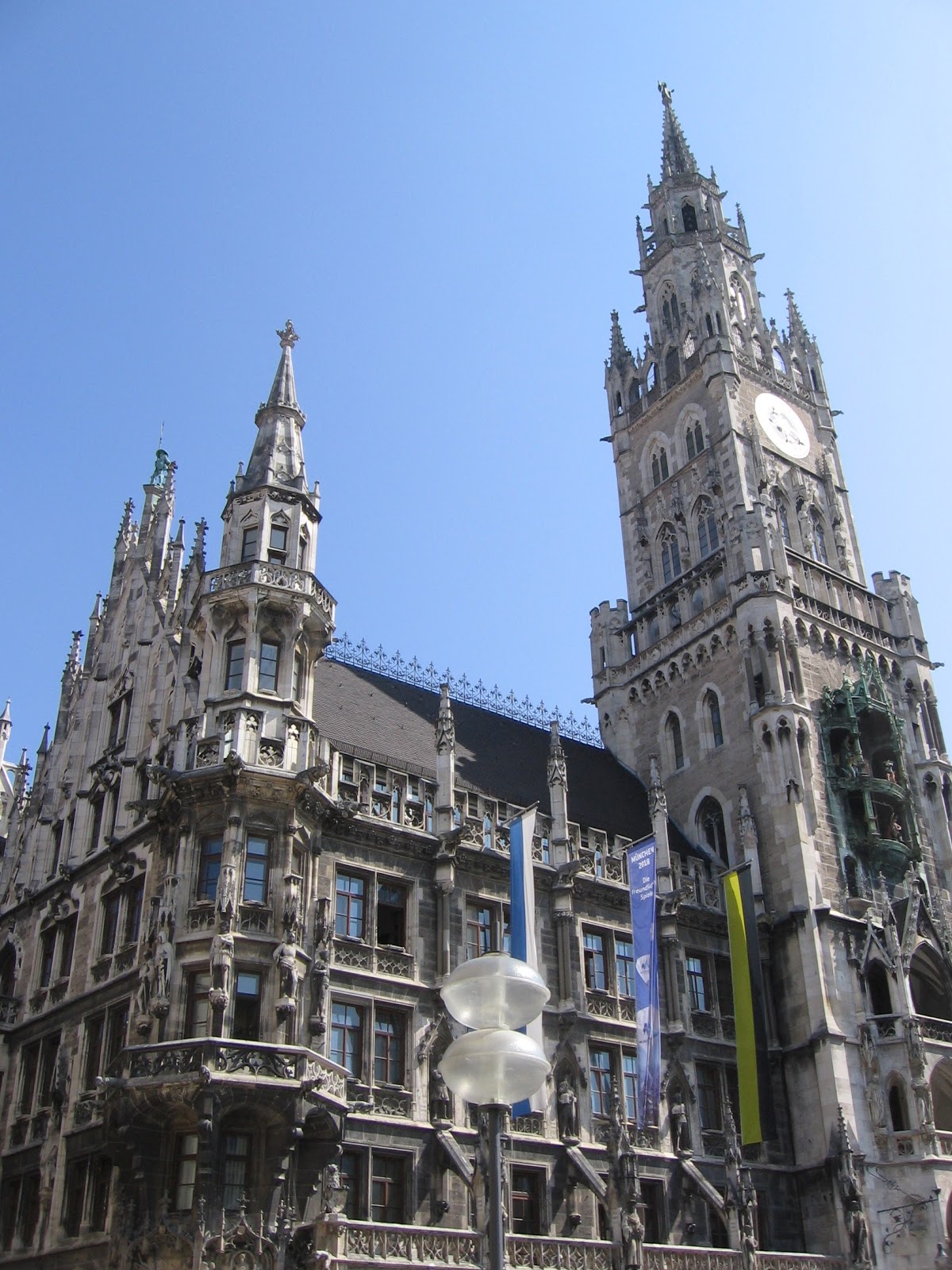
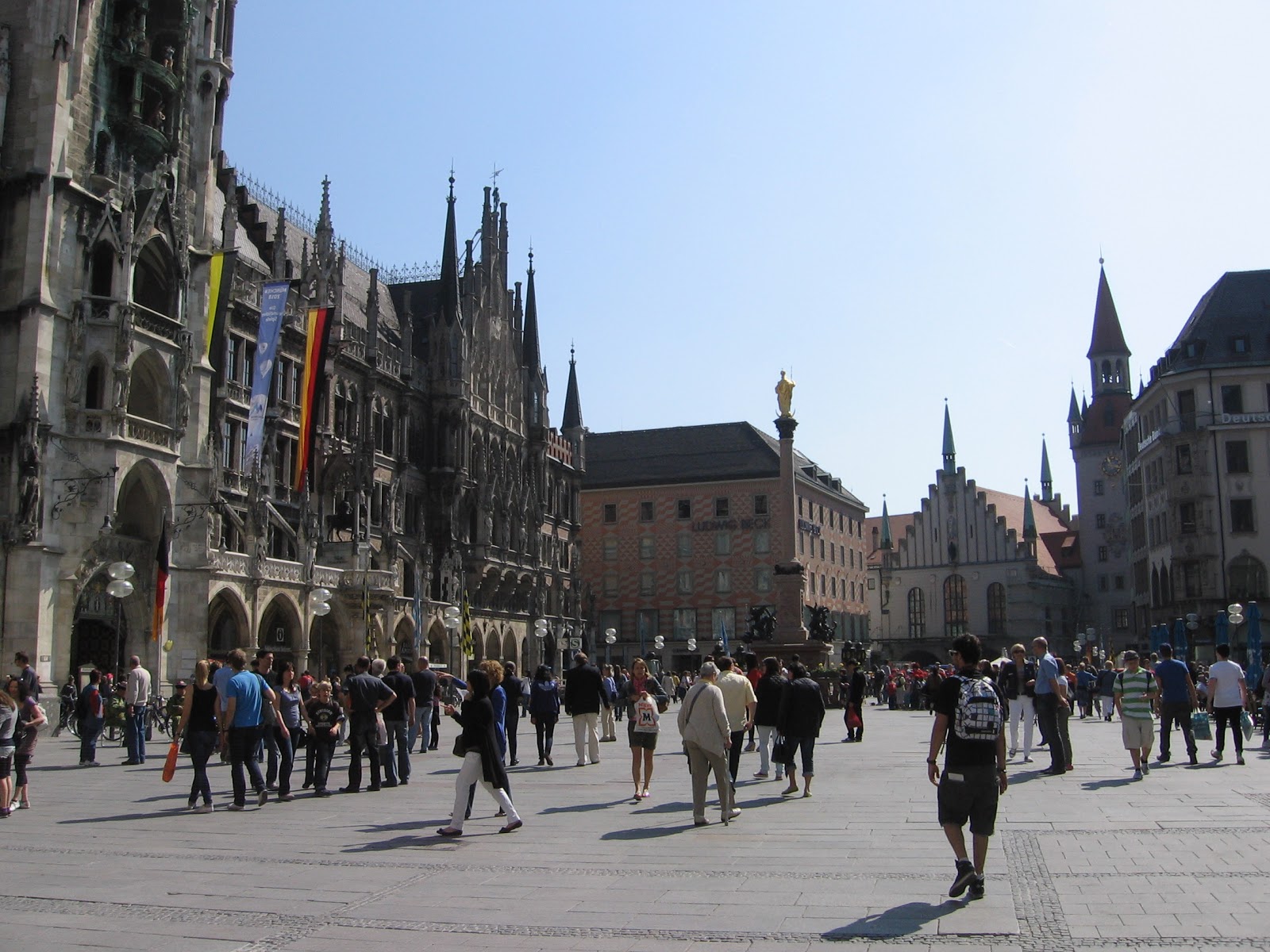
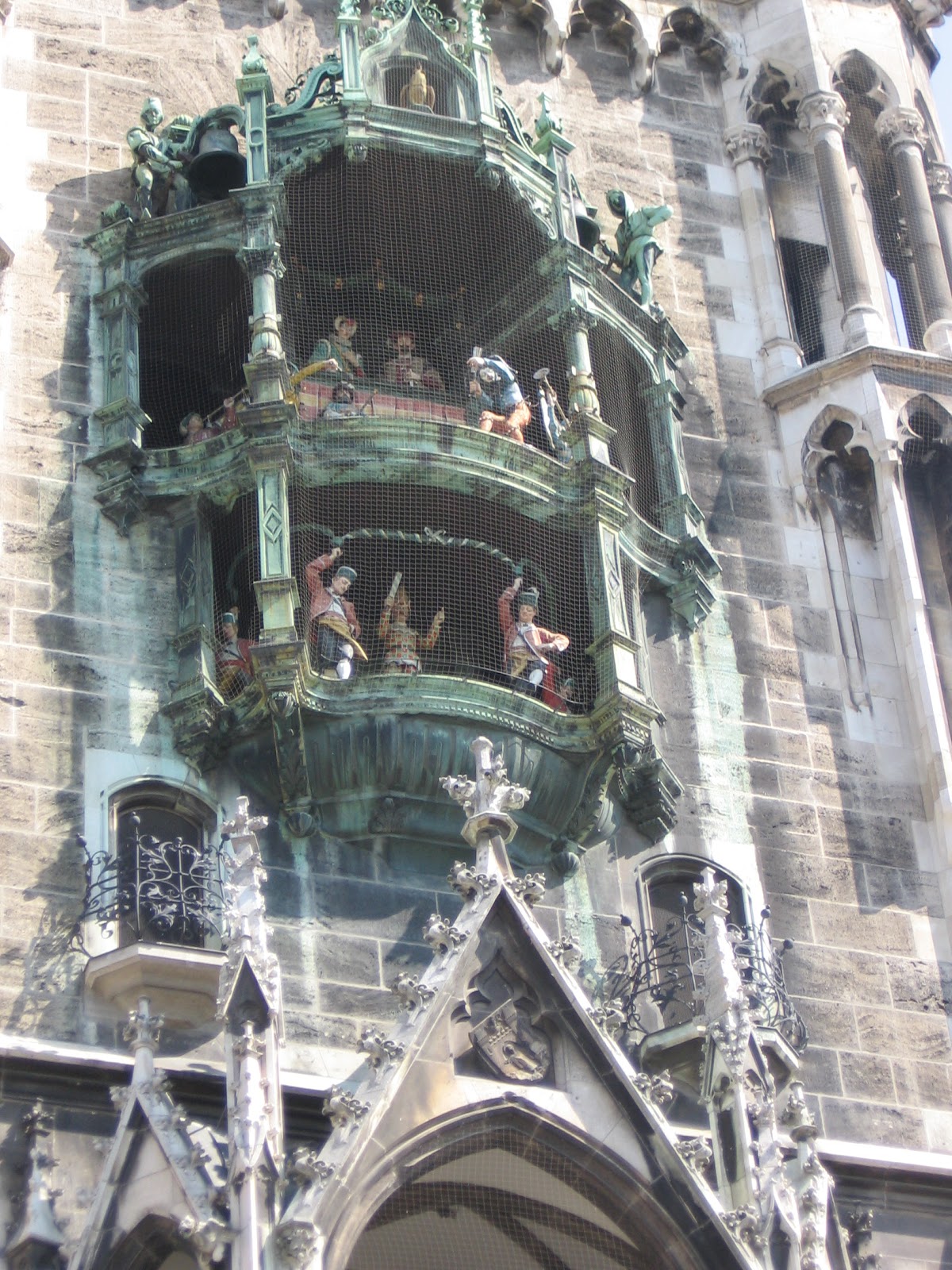
As a result of my changed travel schedule, I had a seven hour layover in beautiful Munich, Germany on April 21st.  Fortunately, the airport was not very busy, and I had enough time to make my way through customs, take the hour long train ride into the city, walk around the Marienplatz area for a few hours, and take the train back to the airport to check in for my flight to Cape Town. While I was having an early lunch in the Marienplatz, I was lucky enough to see the remarkable animation and music of the Rathaus-Glockenspiel.

Below are some pictures of my few hours in Munich. Click on any of the pictures to enlarge.

Statue man. If you come too close he threatens you with his sword!
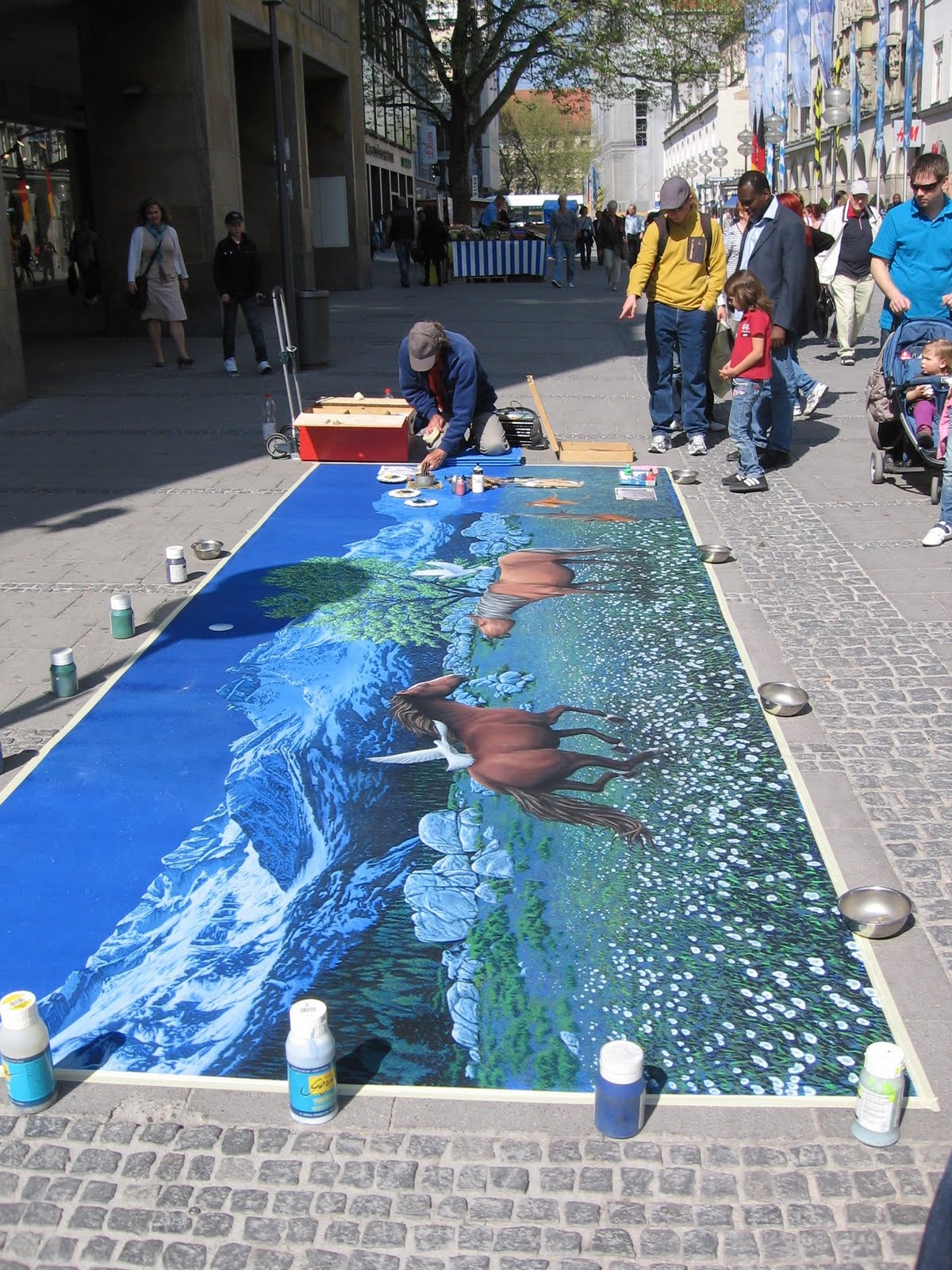
Horse mural 1.

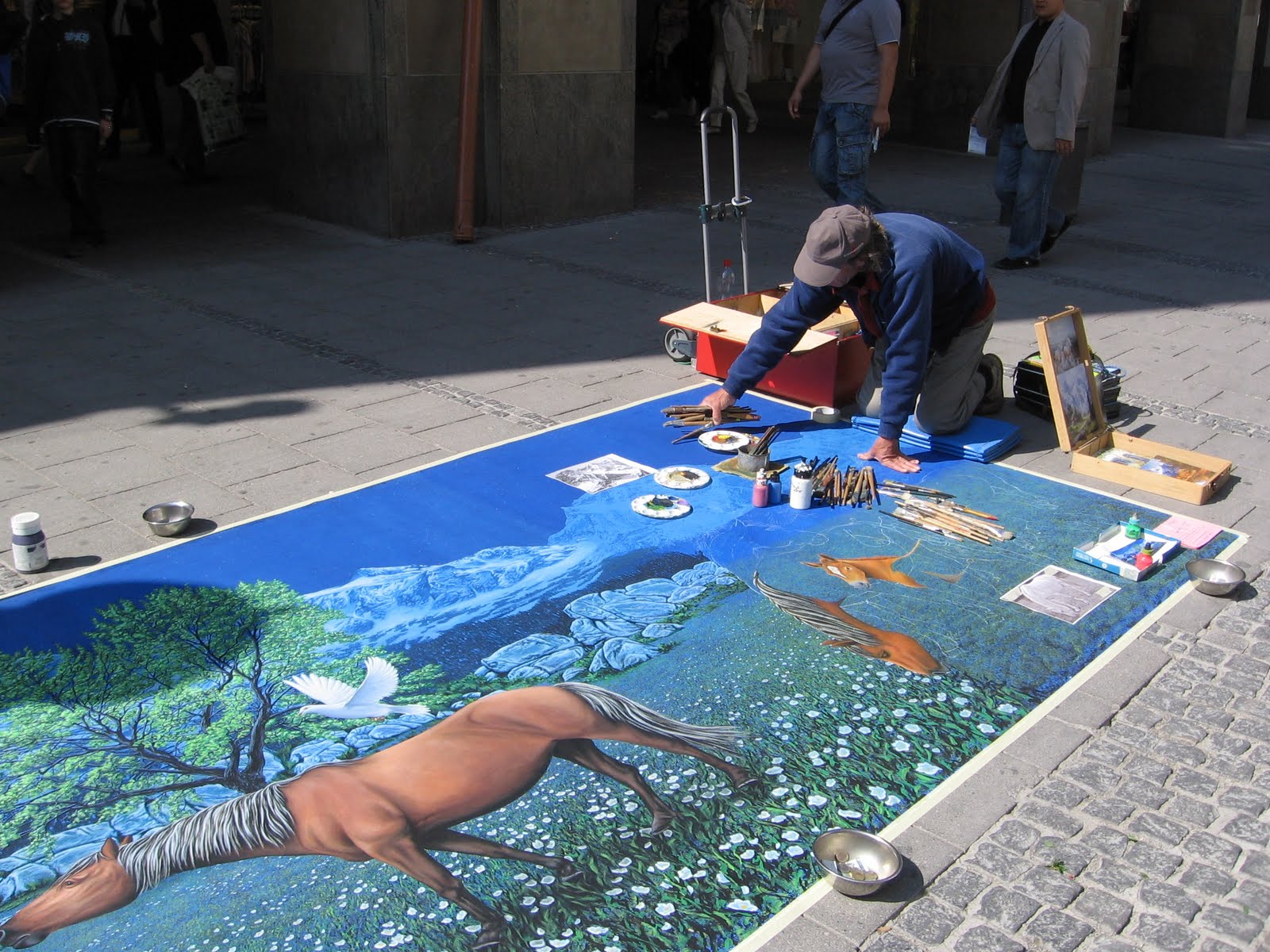
Horse mural 2.

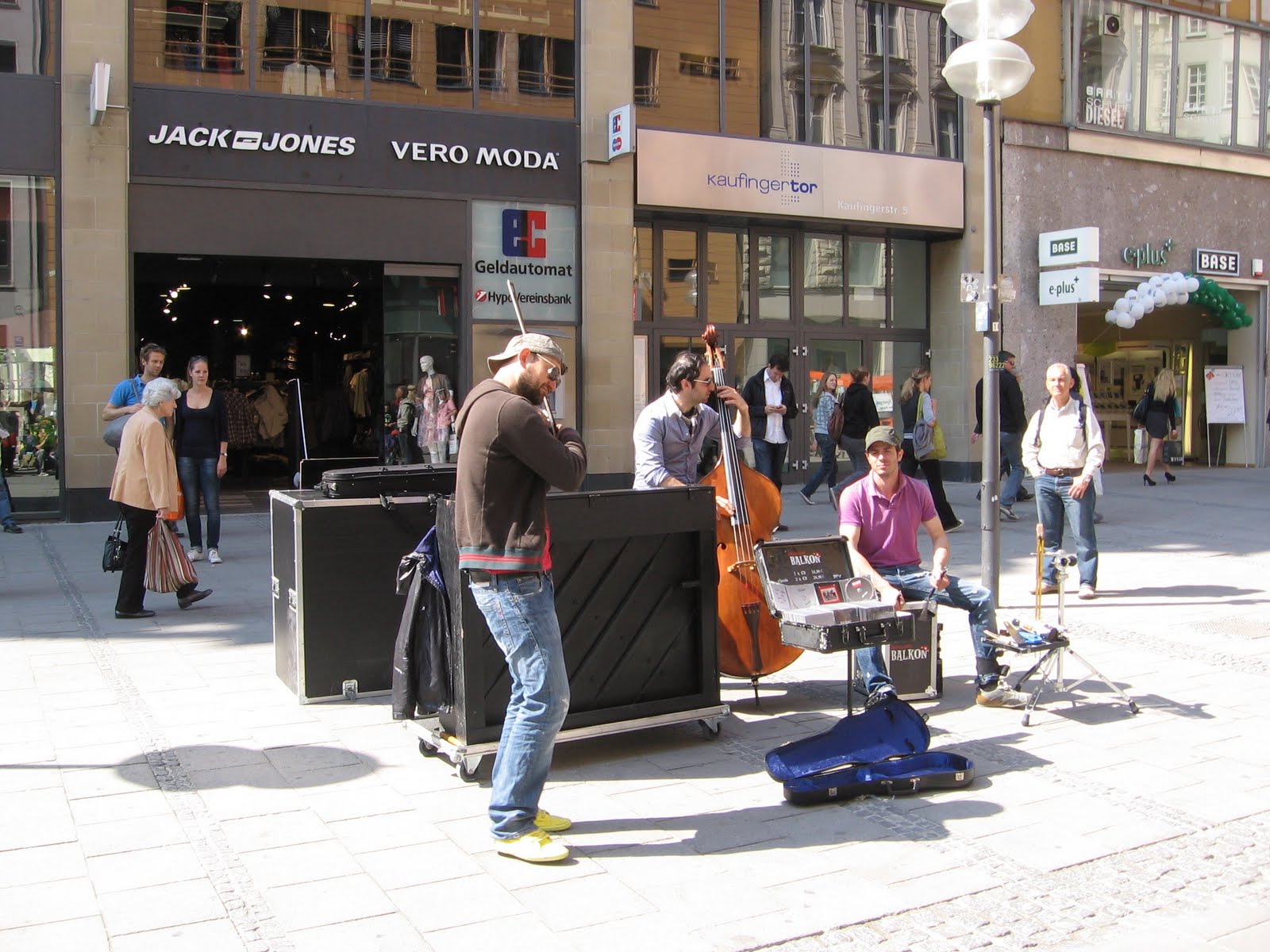
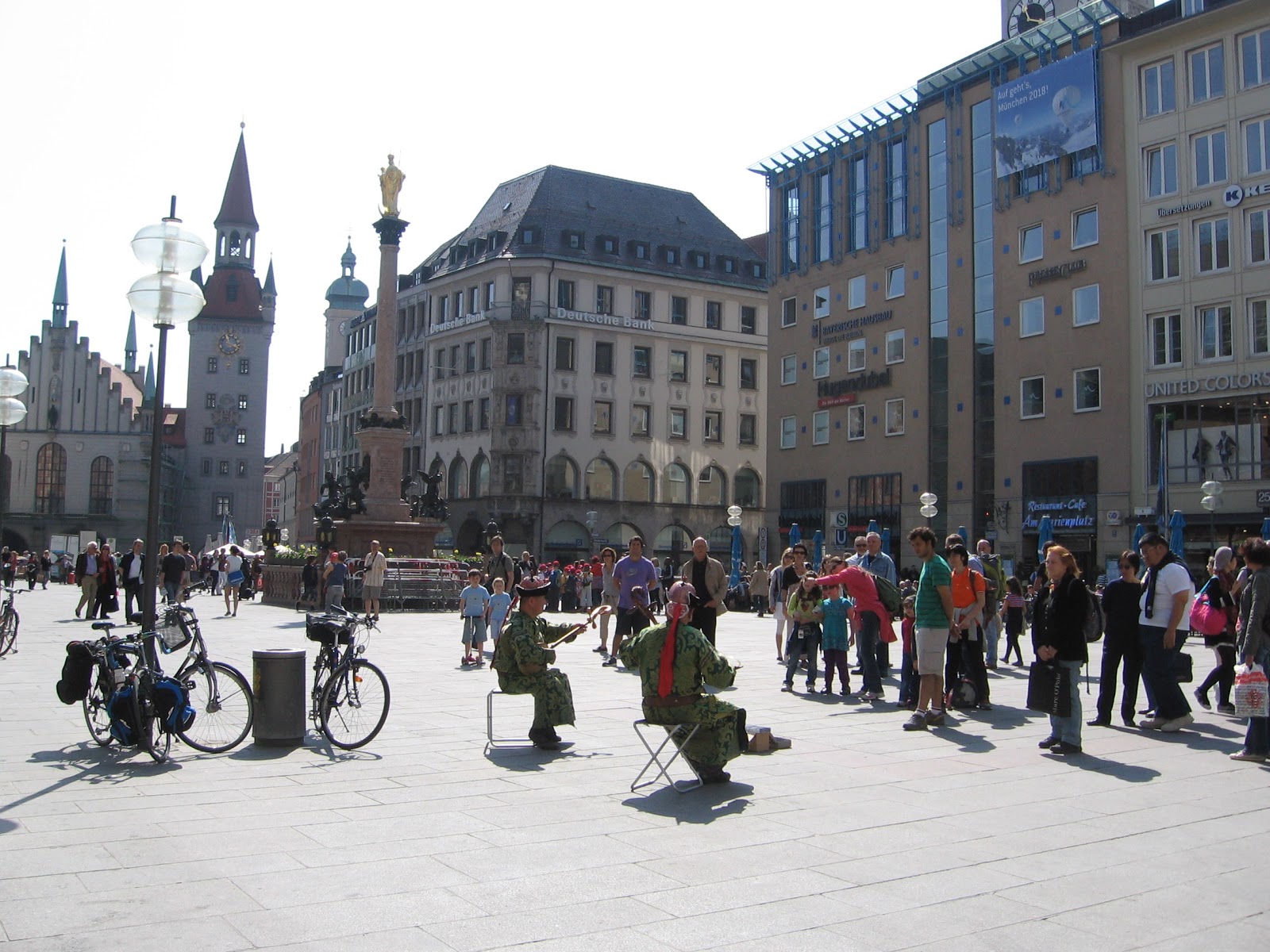
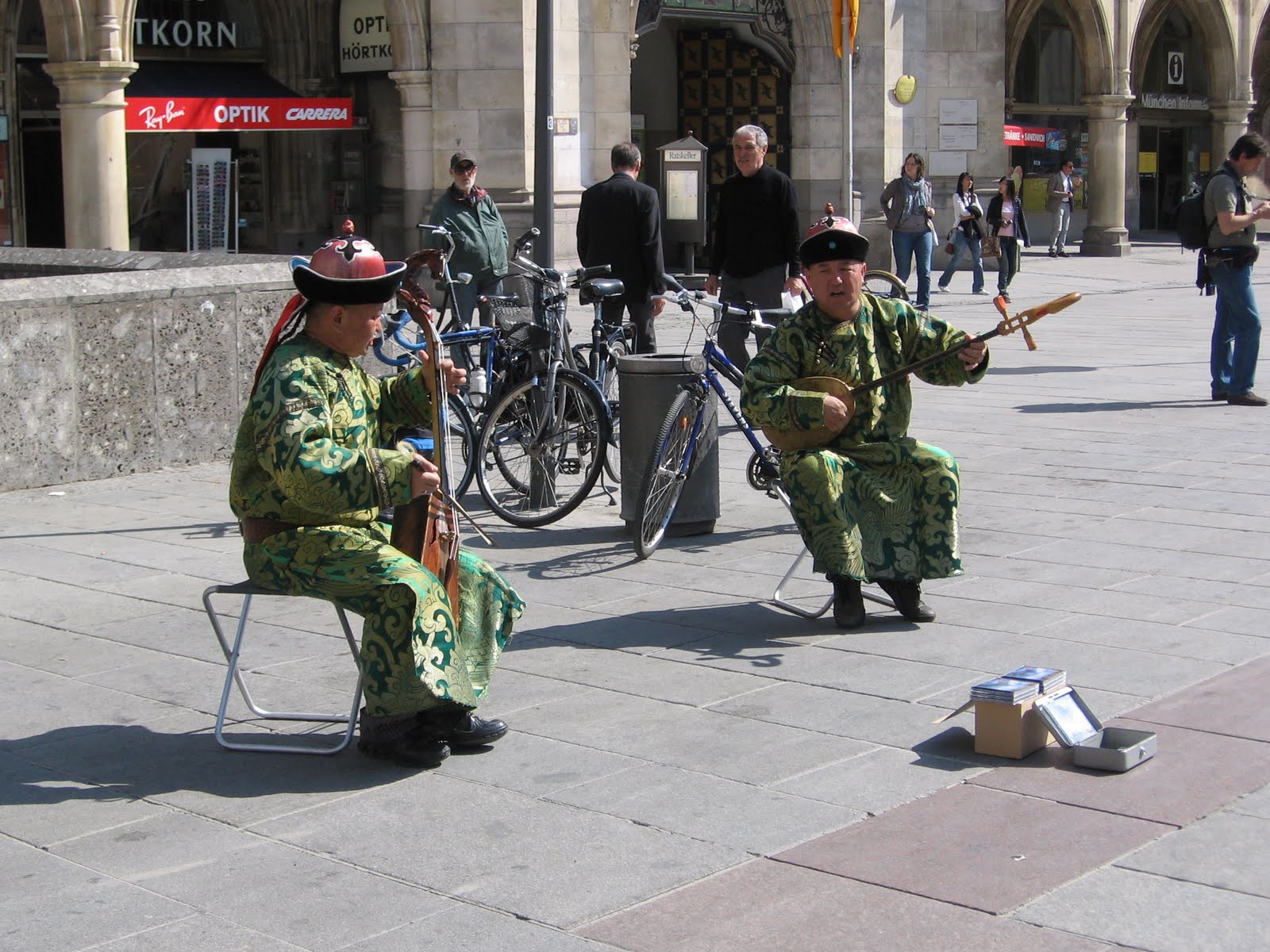
Excellent street music.

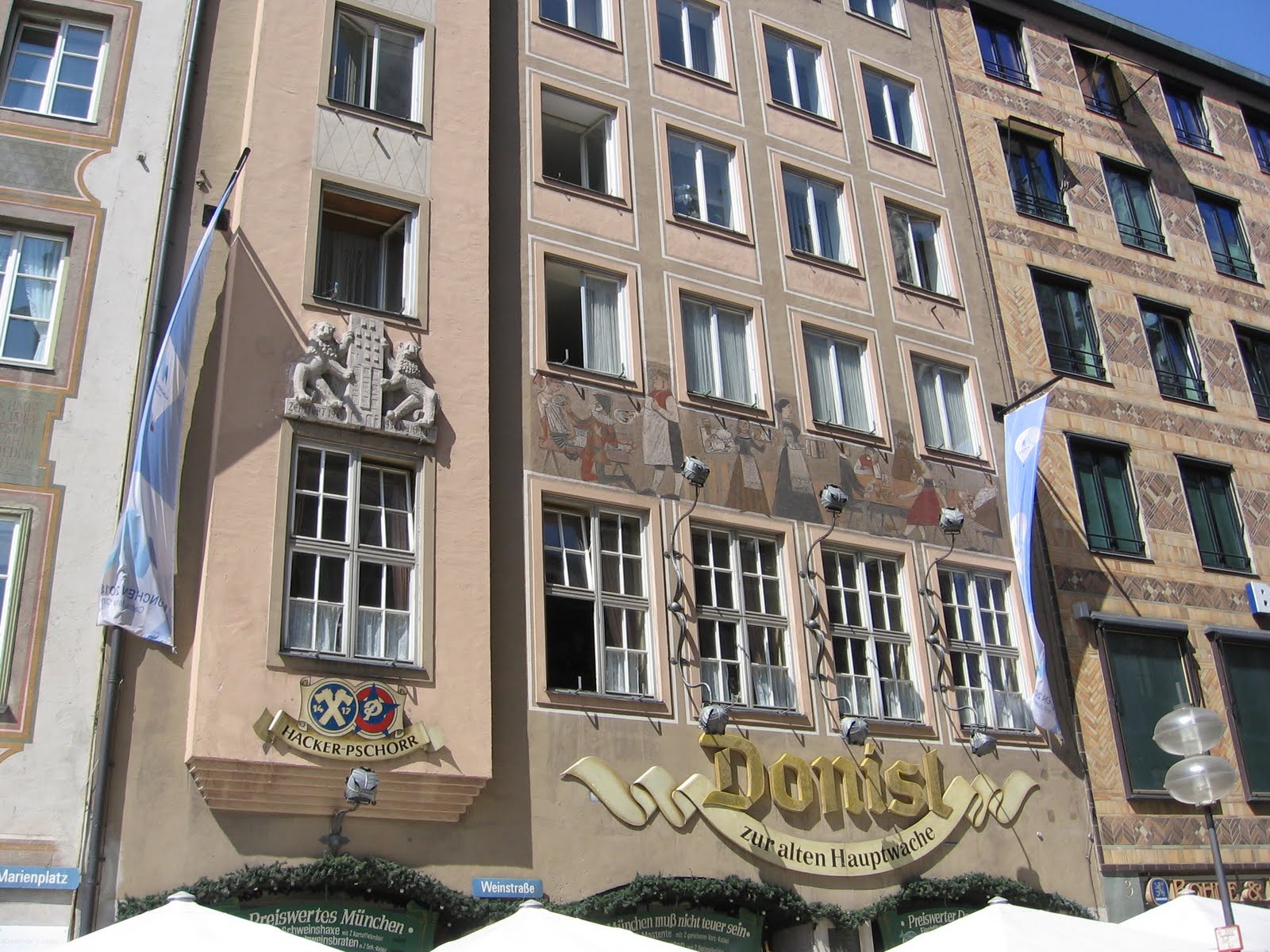
Beautiful, elaborately-decorated building.

Marienplatz + tourists.

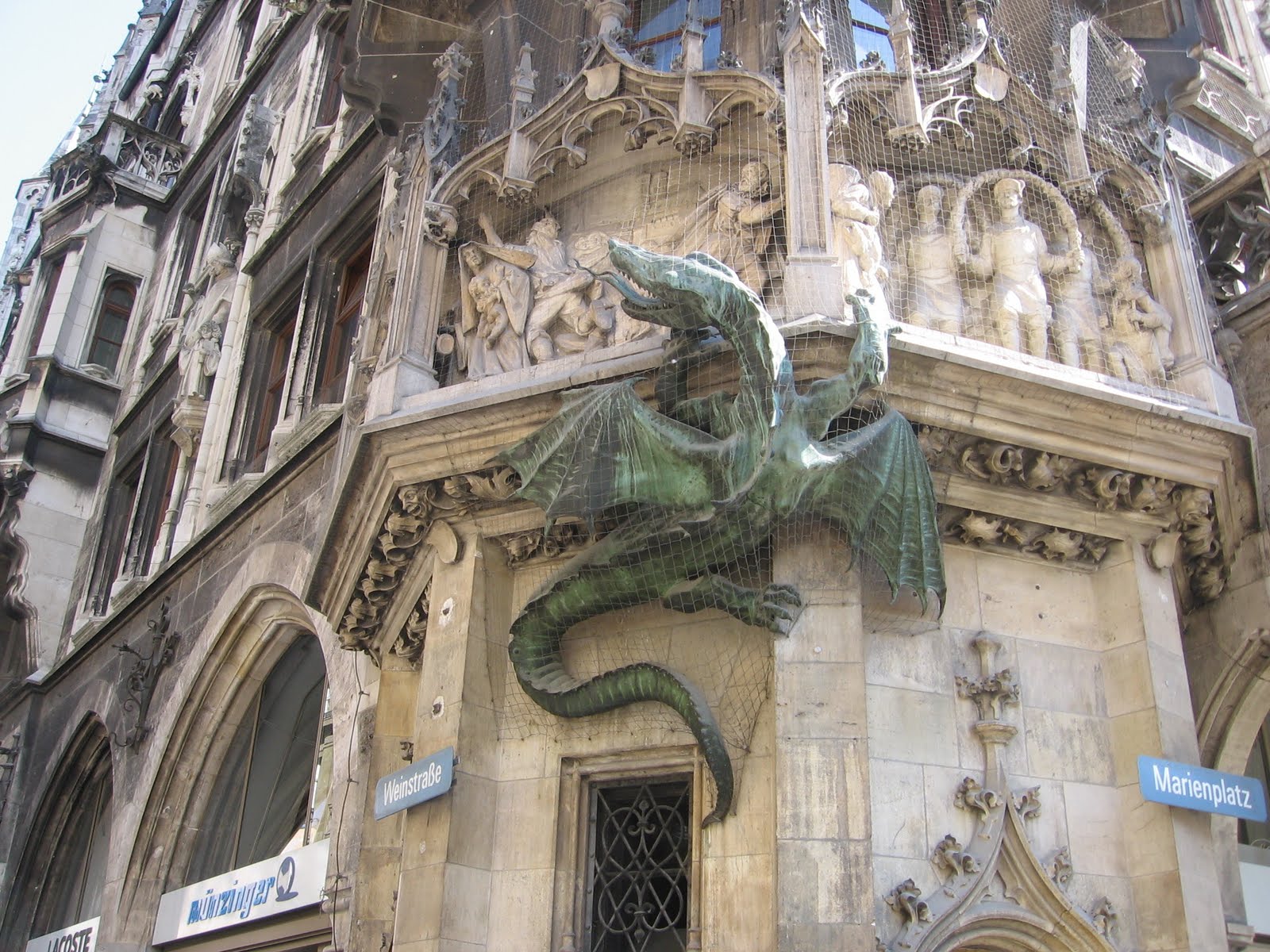
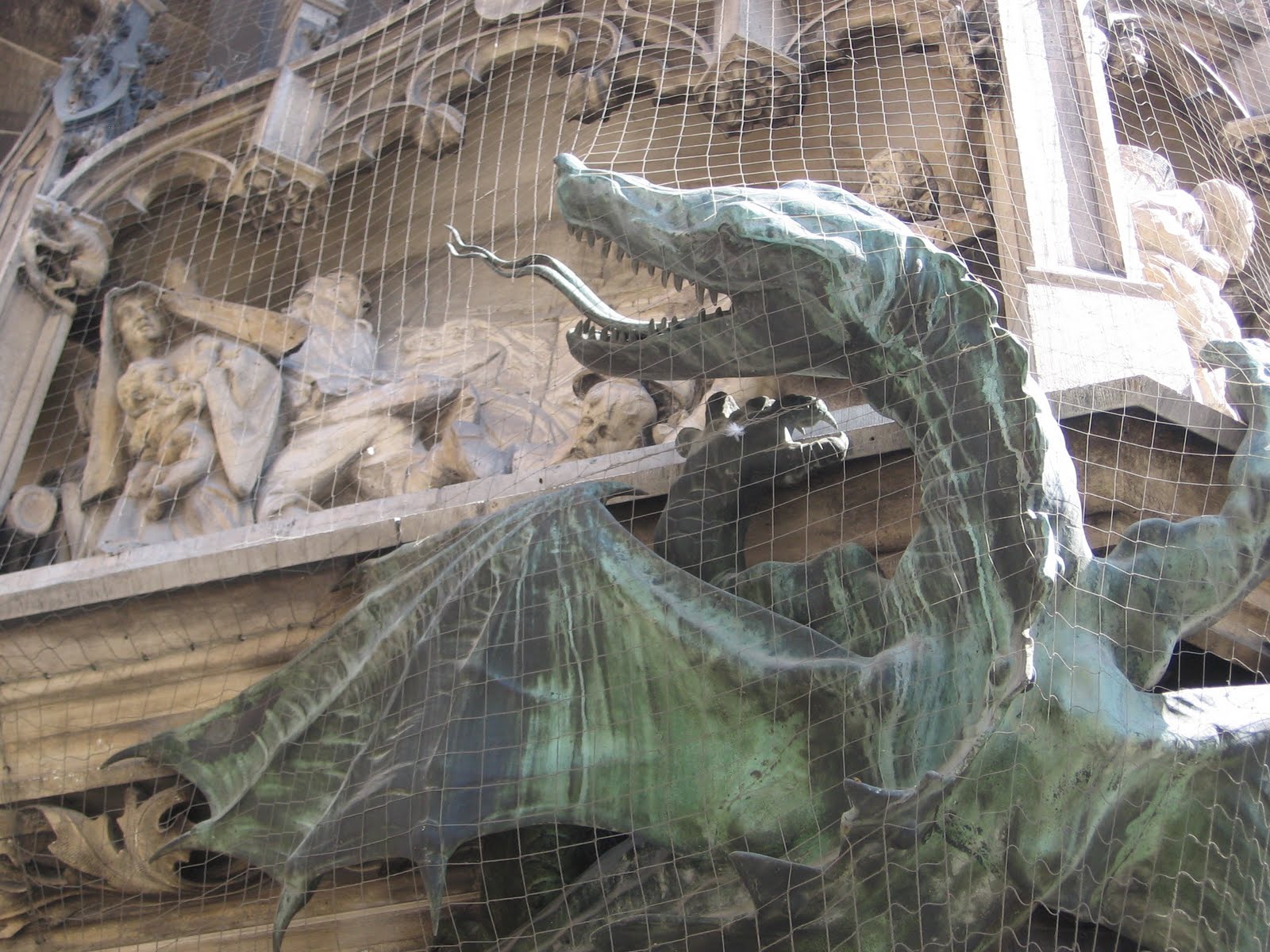
Dragon!

Murals, gargoyles, and a dragon, oh my!

More excellent street music… Chinese, I think?

Musician close-up.

Glockenspiel tower!

Incredible animation… the dancers dance! There are also jousting knights.

Typical doorframe in the Marienplatz.

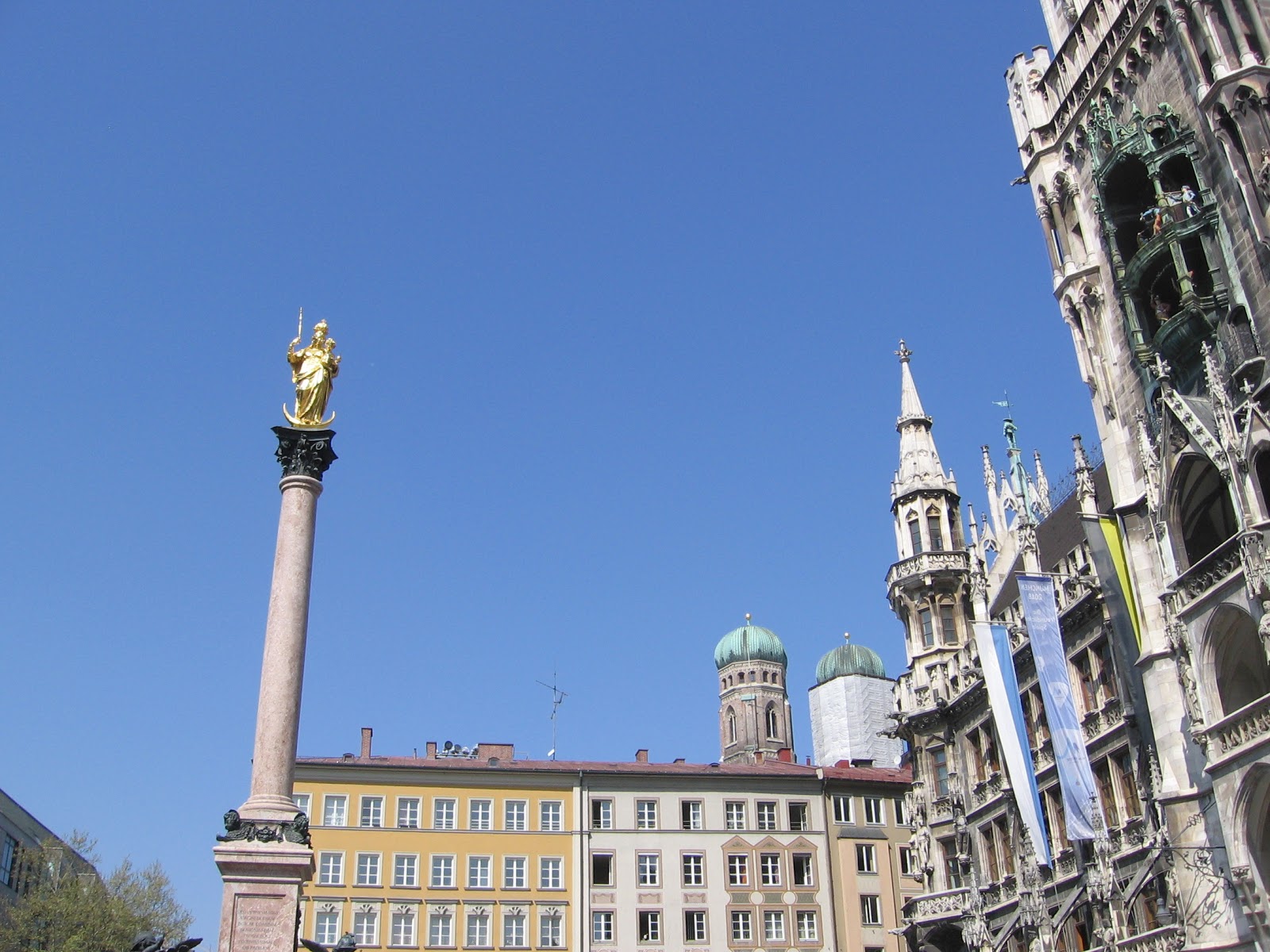
Center of the Marienplatz.

Marien herself.

The dragon was soooo cool I had to take more pictures.

Dragon close-up.

Paintings above some tourist shops.

Just down the street from the Marienplatz.

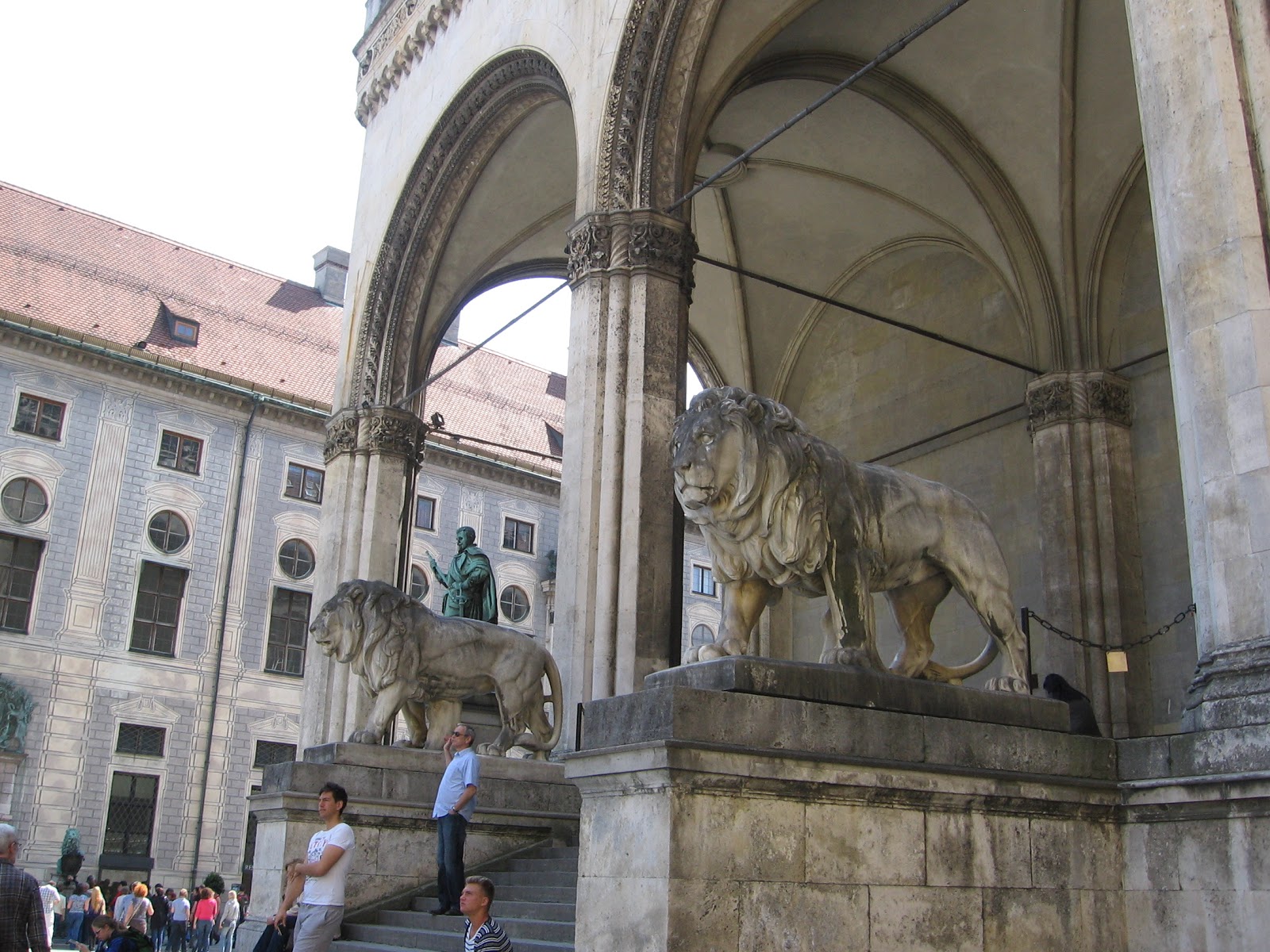
Lions… not *quite* as cool as the dragon.

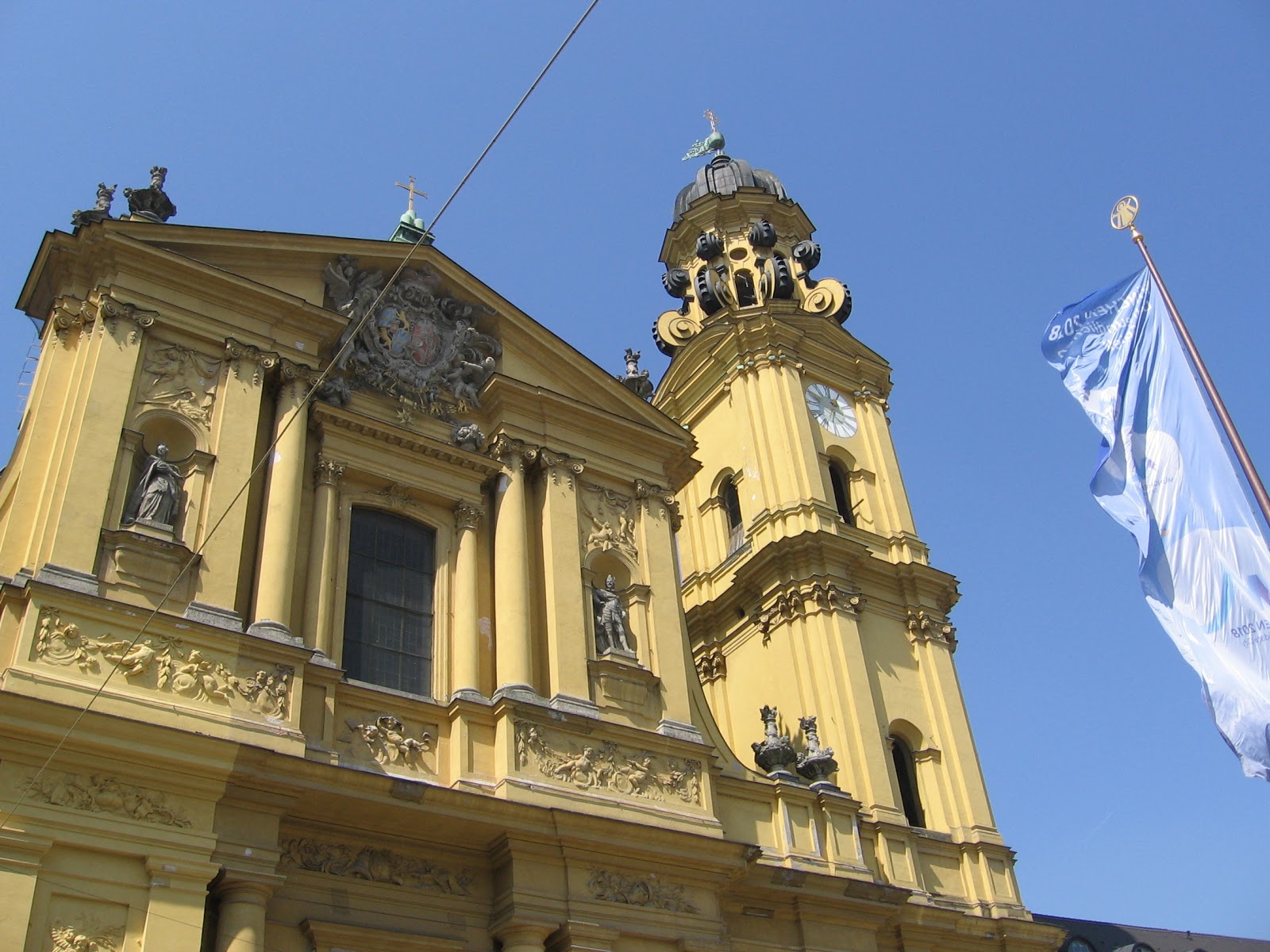
This yellow building is gorgeous!

Tired, luggageless tourist in Munich.

A final shot of the beautiful yellow building… anyone know what it is?

Cederberg in Pictures

Contemplative in the Cederberg.

It’s been awhile since I’ve done an “…in Pictures” post, so I thought I’d put up some pretty geology pictures today.

Exactly one week from today I fly to Cape Town, South Africa to visit my fiance and have a bit of a vacation after 4 1/2 months of hard work. I’ve only taken a weekend or two off since Christmas, so I’m definitely feeling tired and in need of some rejuvenation. This trip to South Africa is also an exciting one because I’m starting to make plans for my upcoming wedding and move; I plan to move to Cape Town permanently later this year.

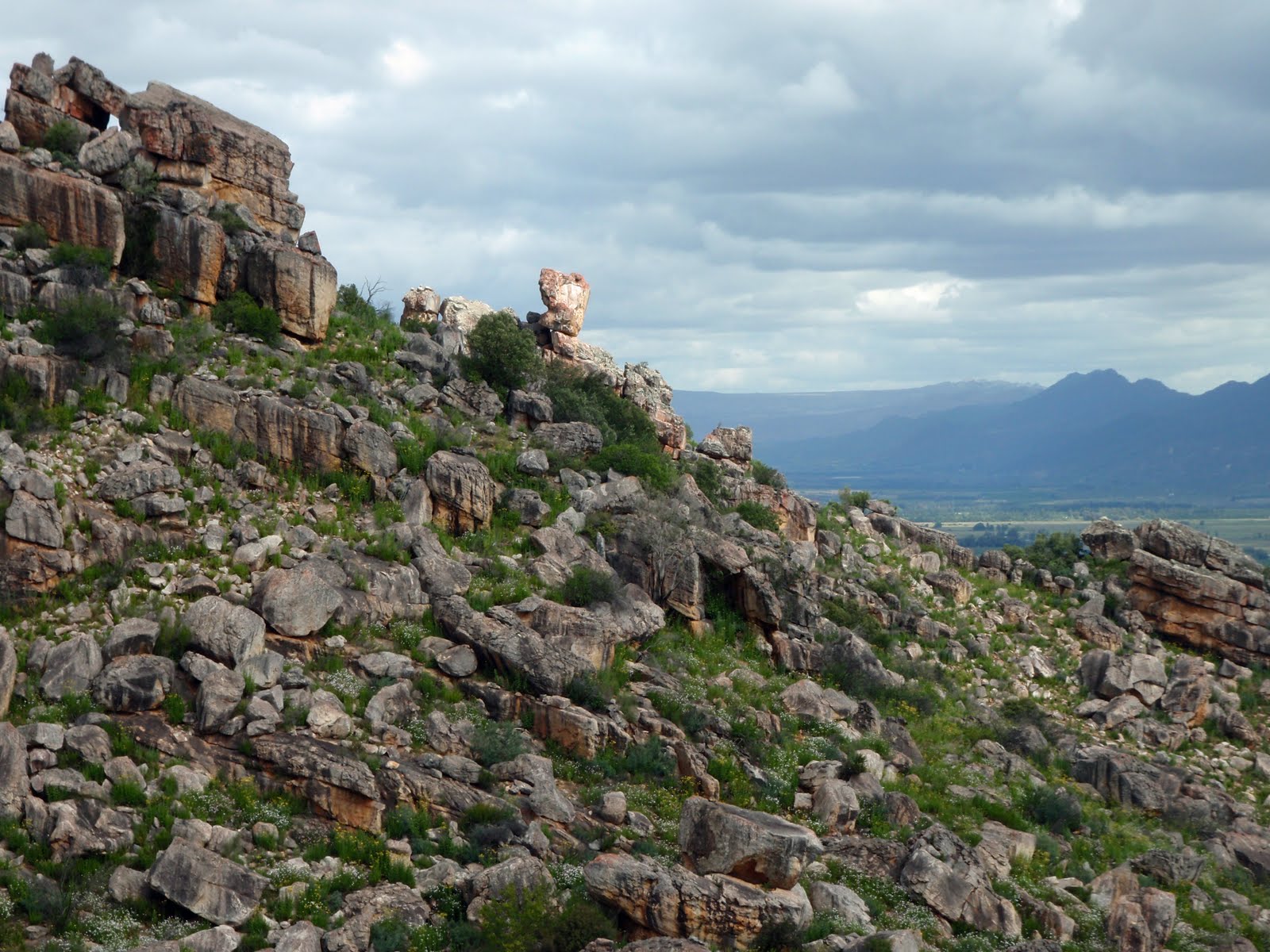
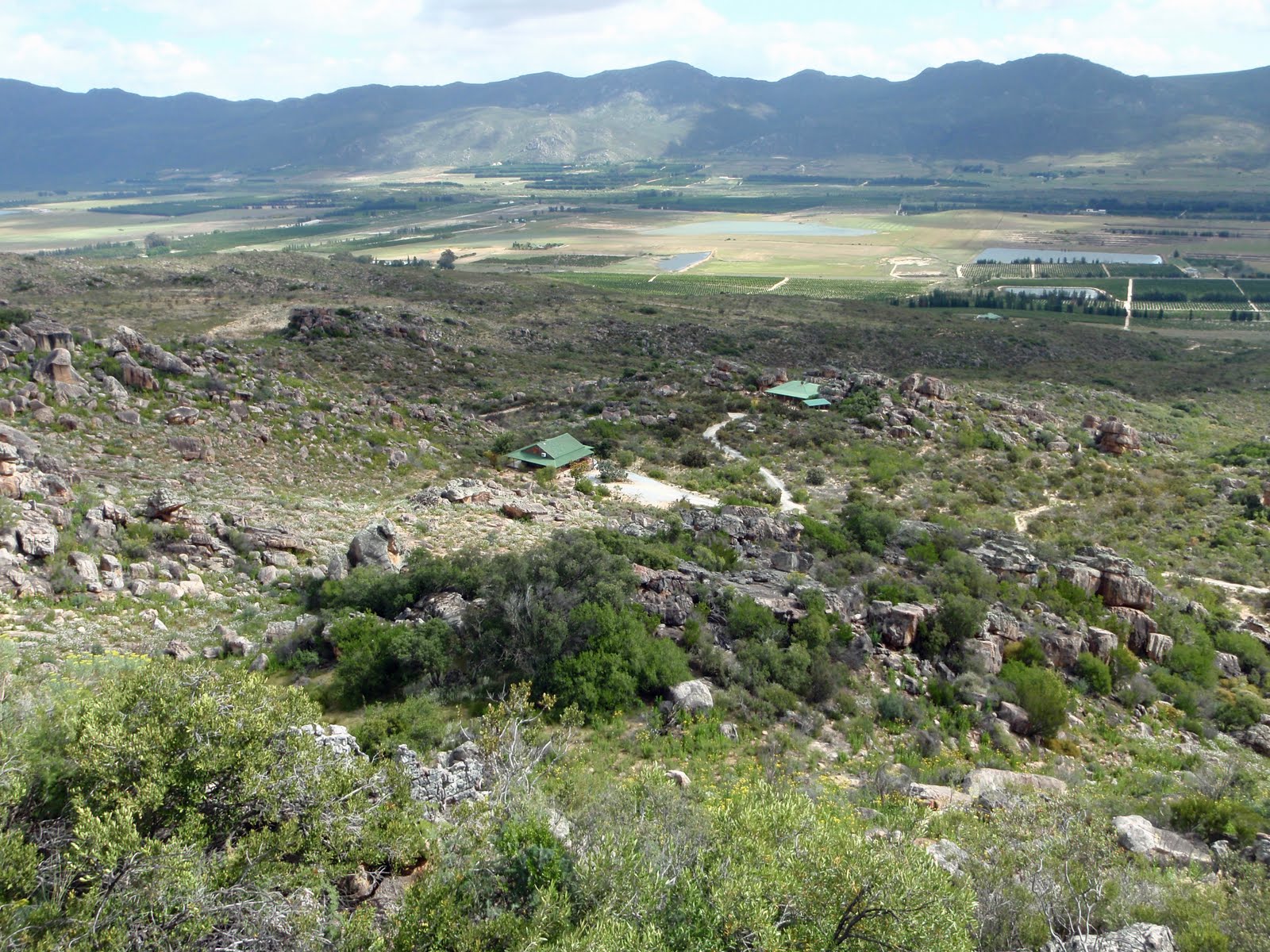
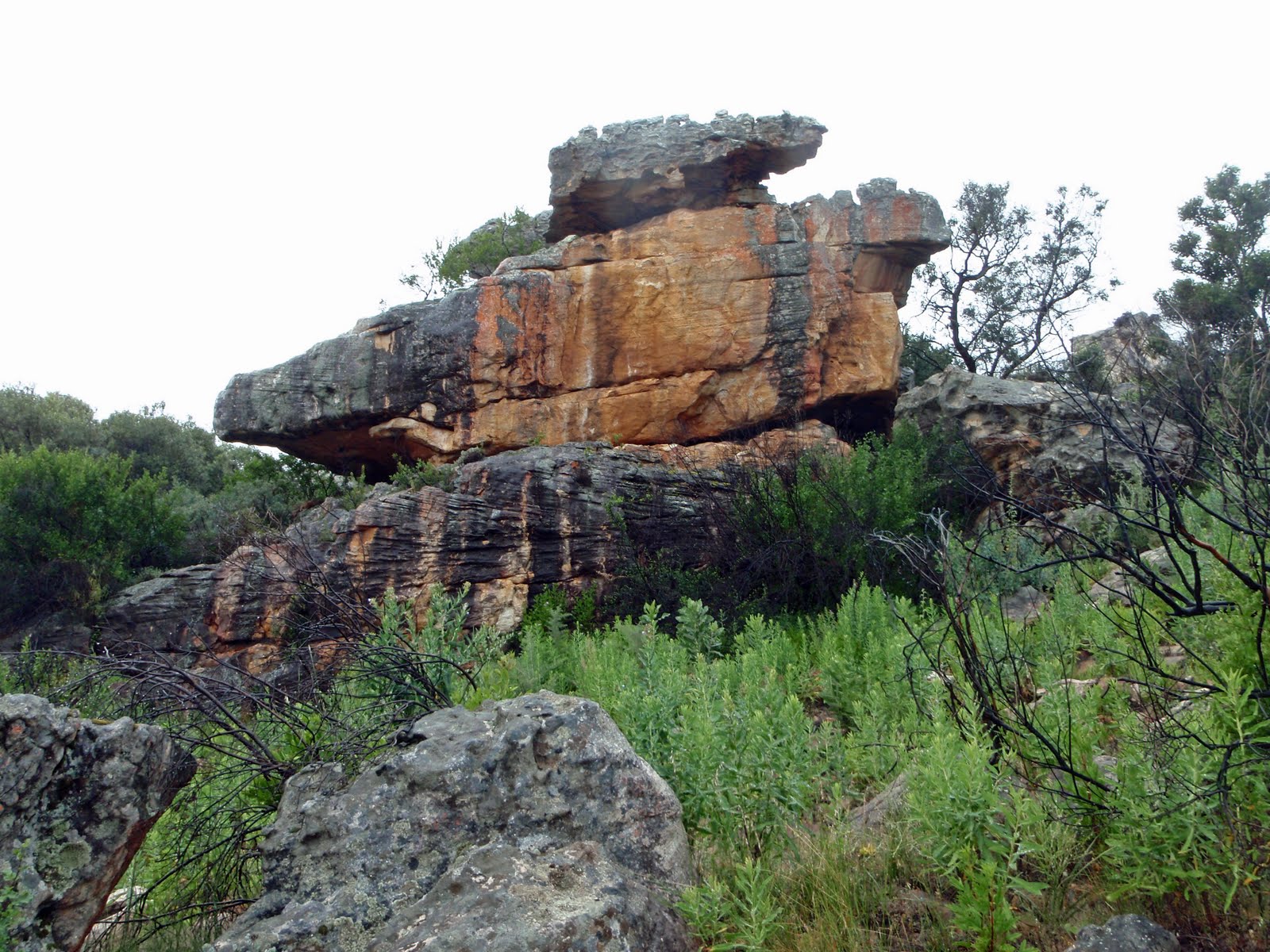
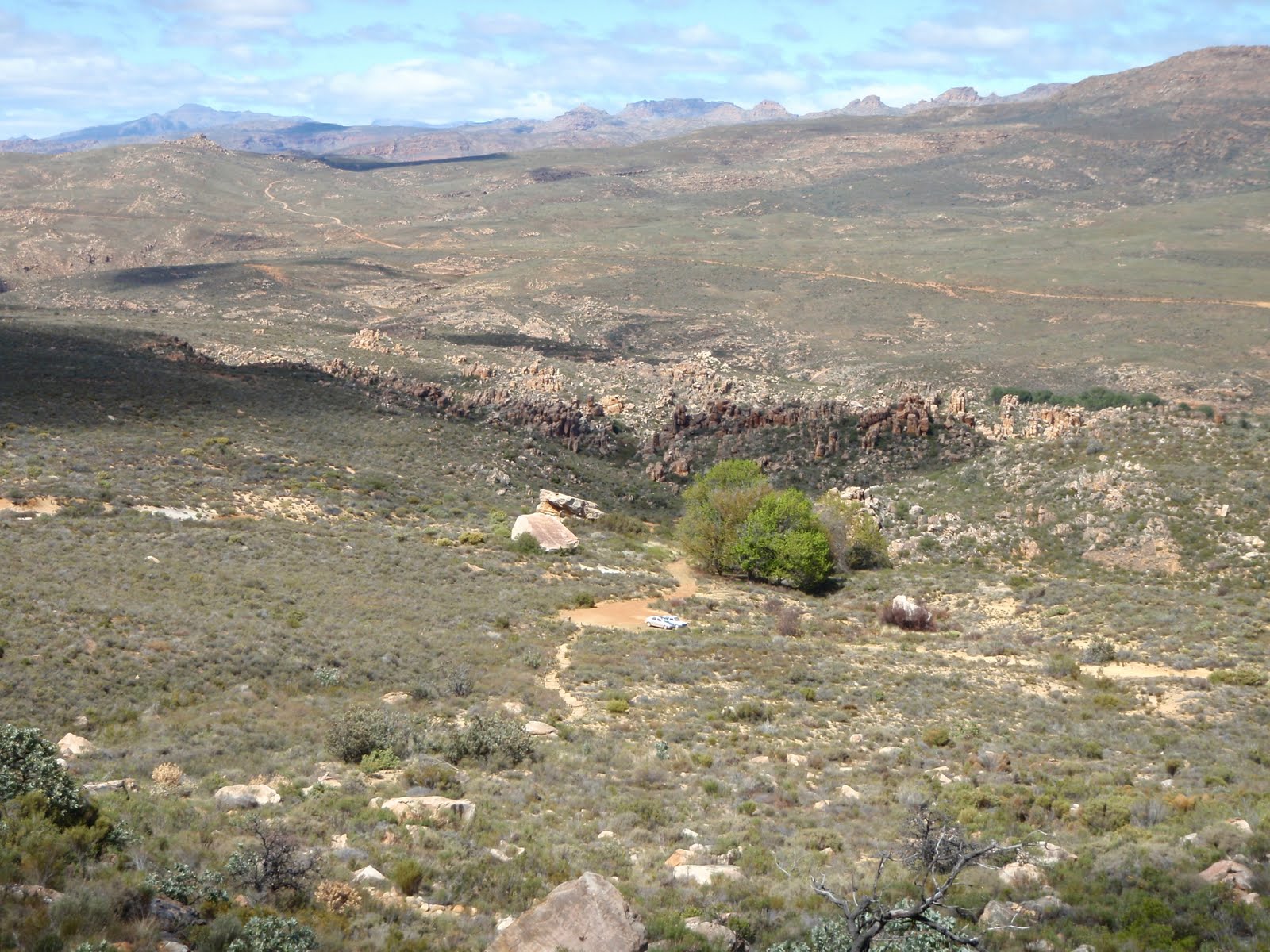
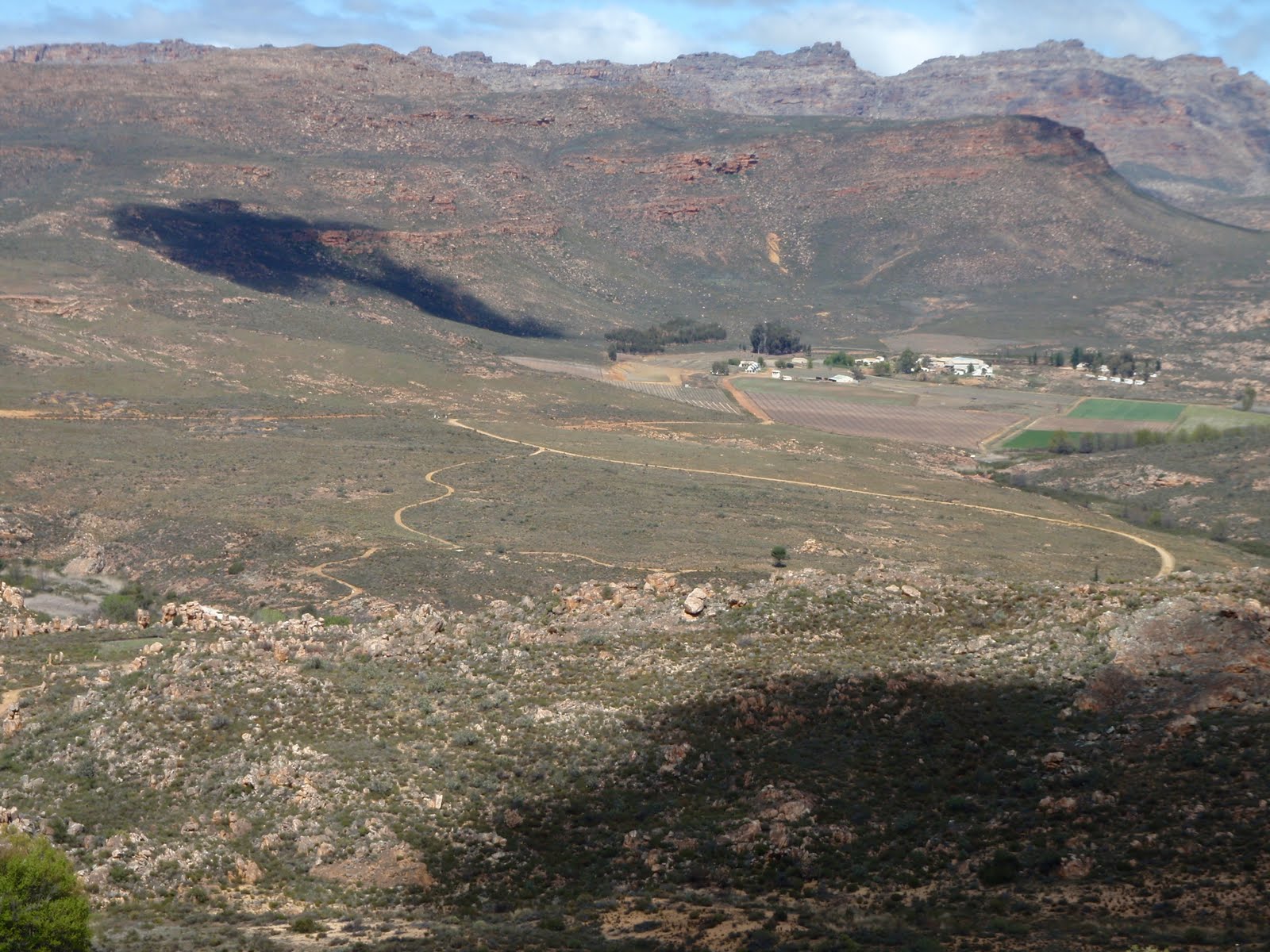
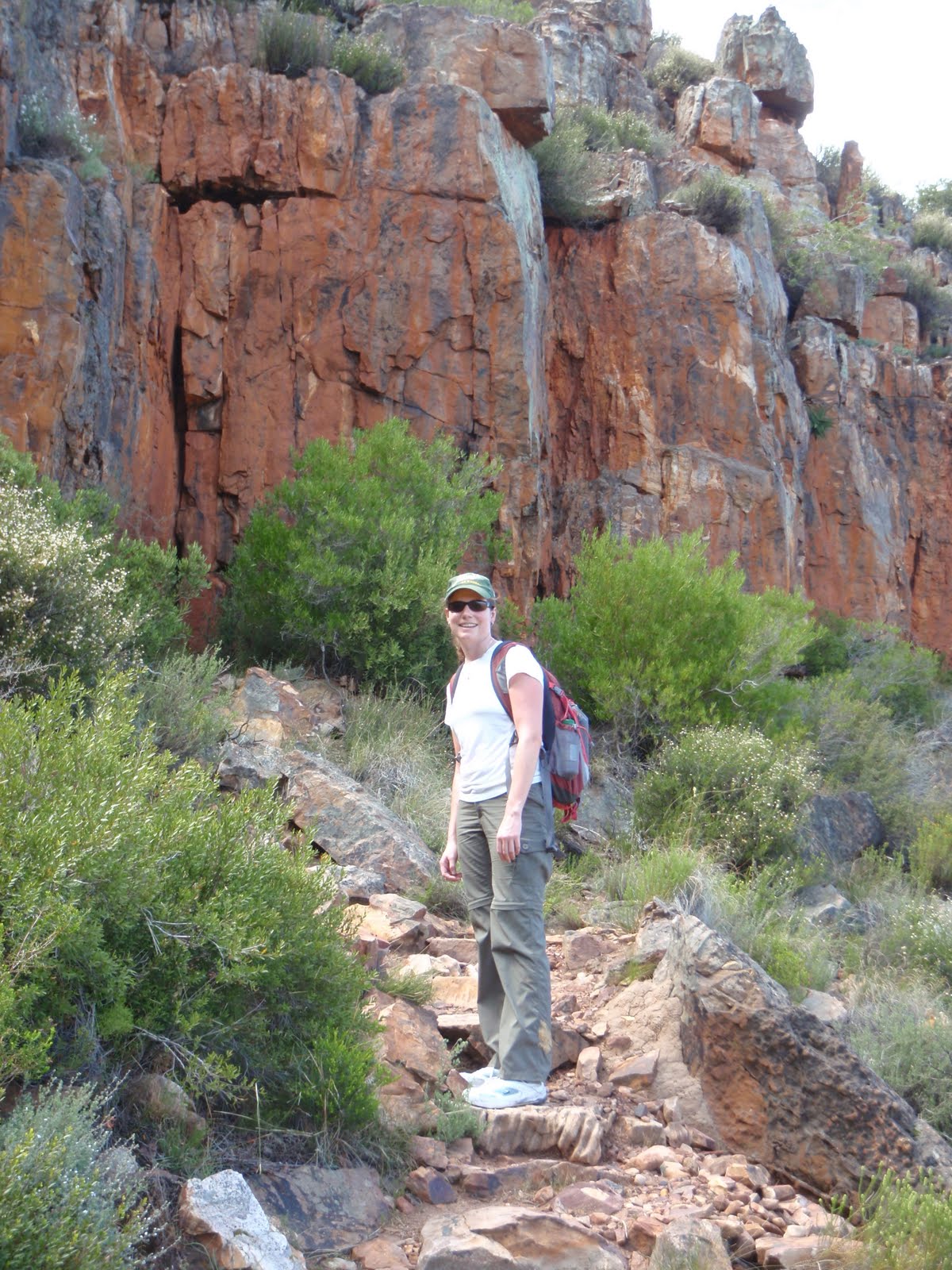
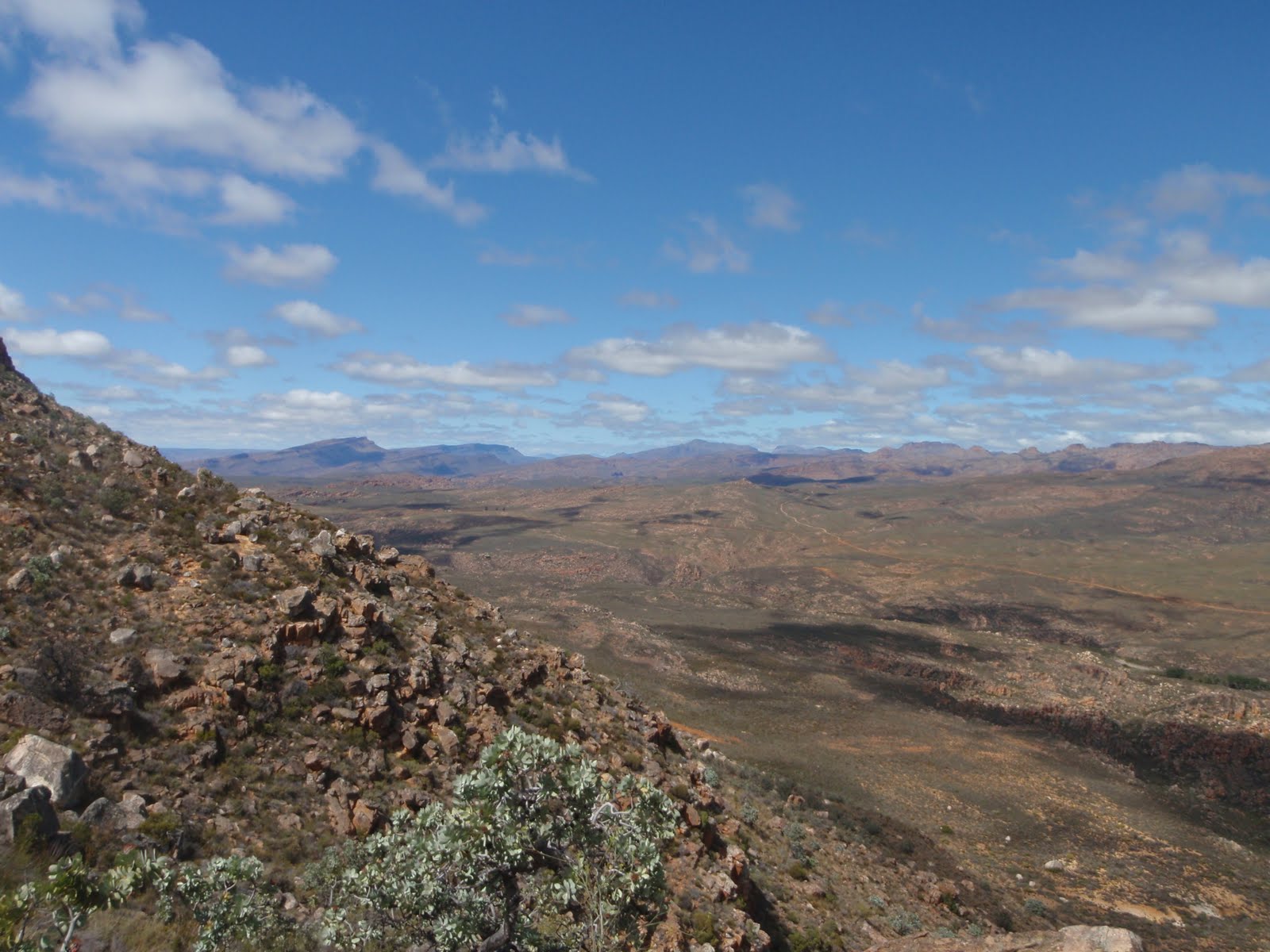
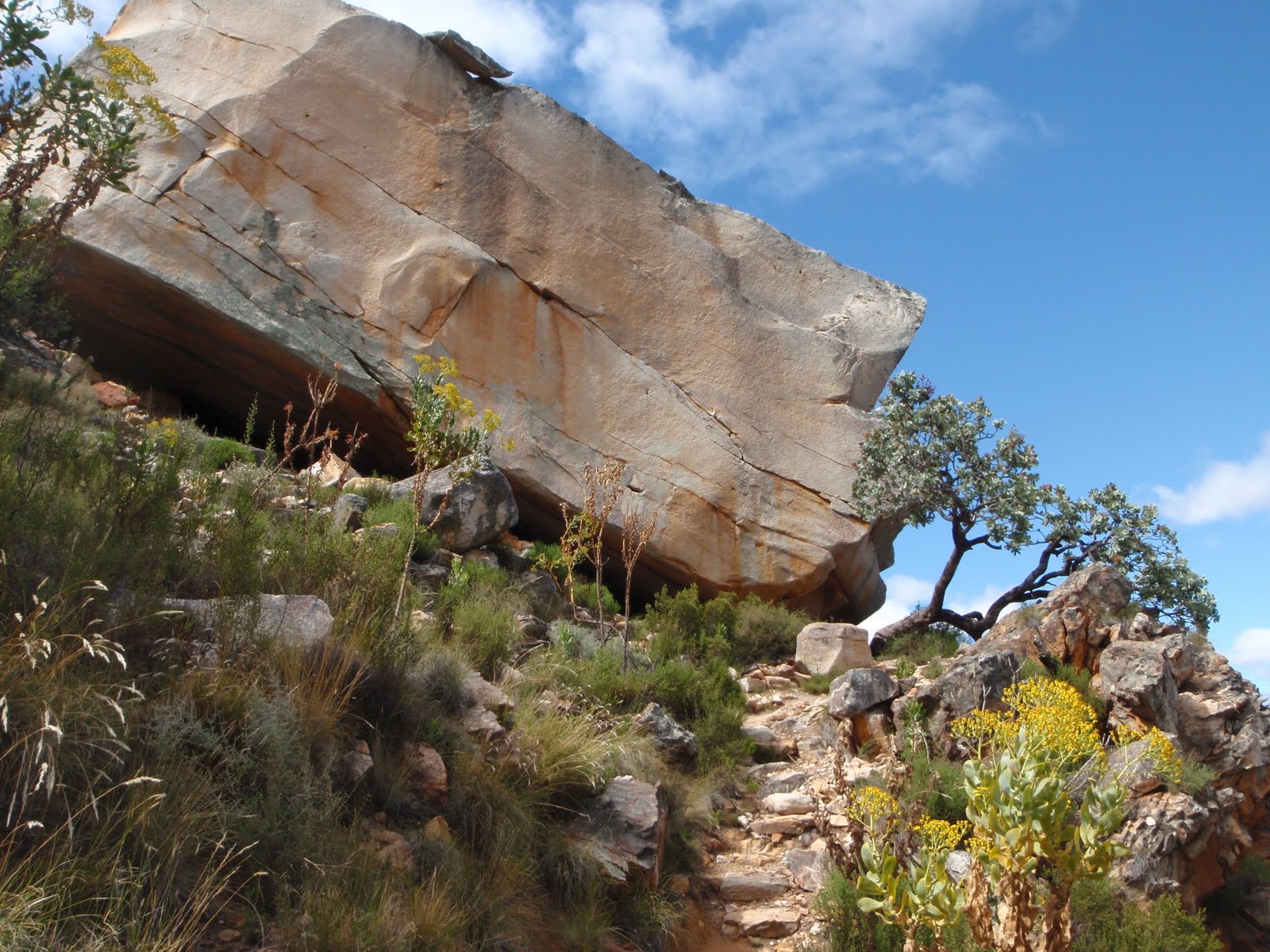
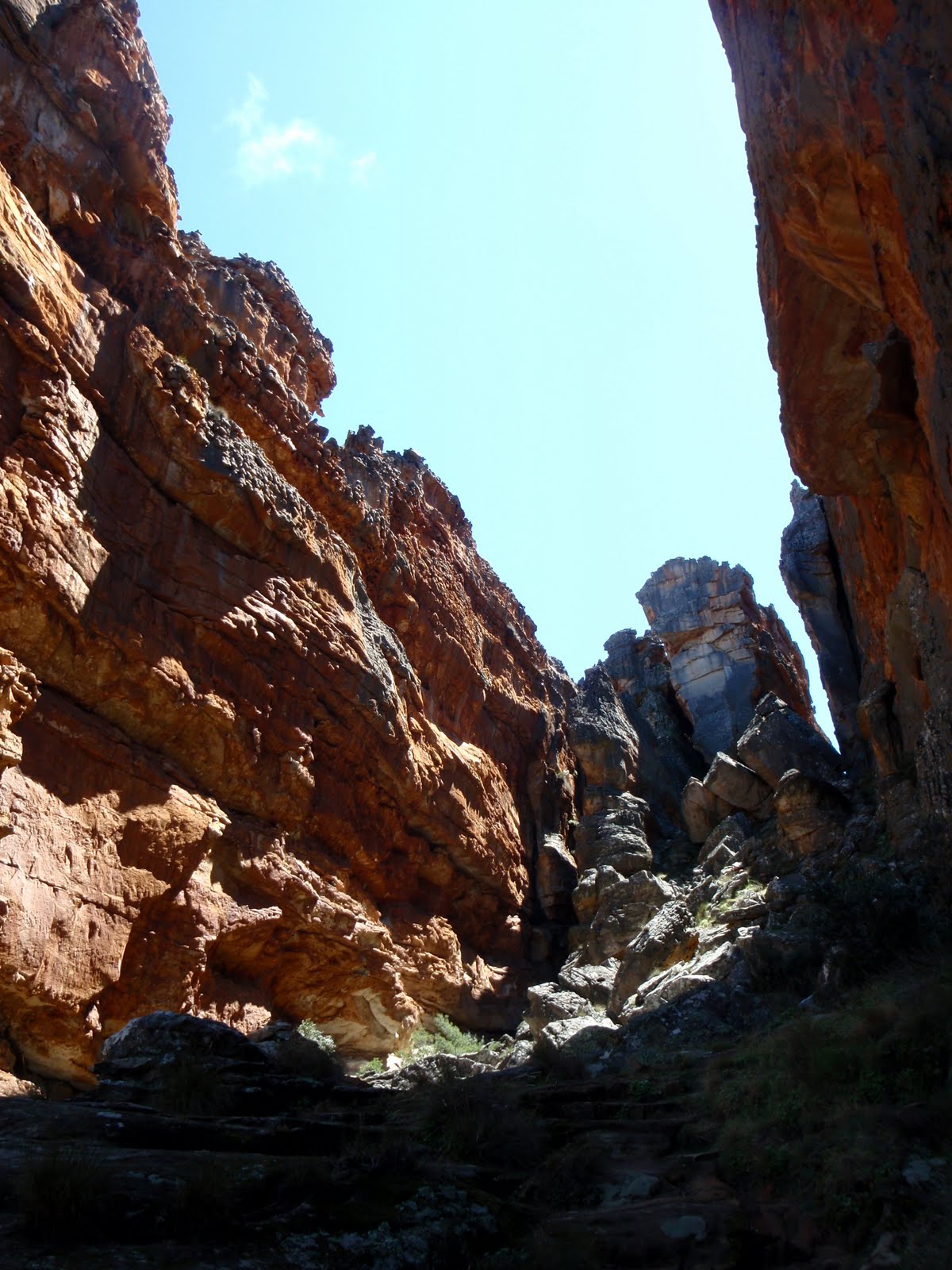
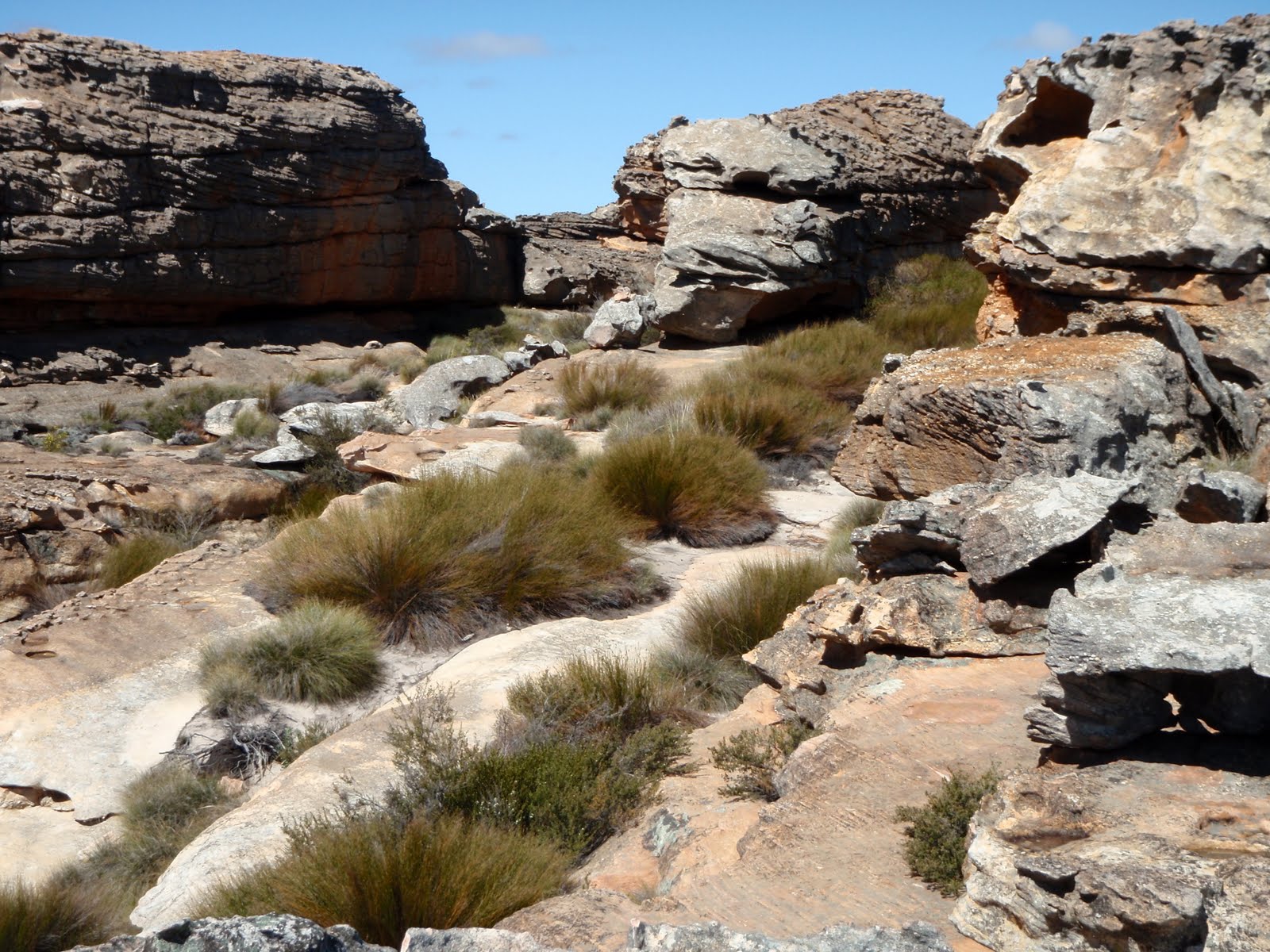
I am really looking forward to doing some hiking and spending some time outdoors on my upcoming trip. My fiance and I plan to spend several days hiking in the Cederberg Mountains, which are a couple of hours drive from Cape Town. I’ve been to the Cederberg twice before– once in January 2008 and again in September 2010– but there is much to explore there. You could spend weeks hiking in the Cederberg and not see everything. I find the Cederberg a magical, wonderful, relaxing place. I’m very much looking forward to returning there.

I’ll post some pictures of my upcoming trip to South Africa upon my return. Meanwhile, here are some pictures of my trip to the Cederberg in September 2010. Click on any of the pictures to enlarge.

Mini rock arch.

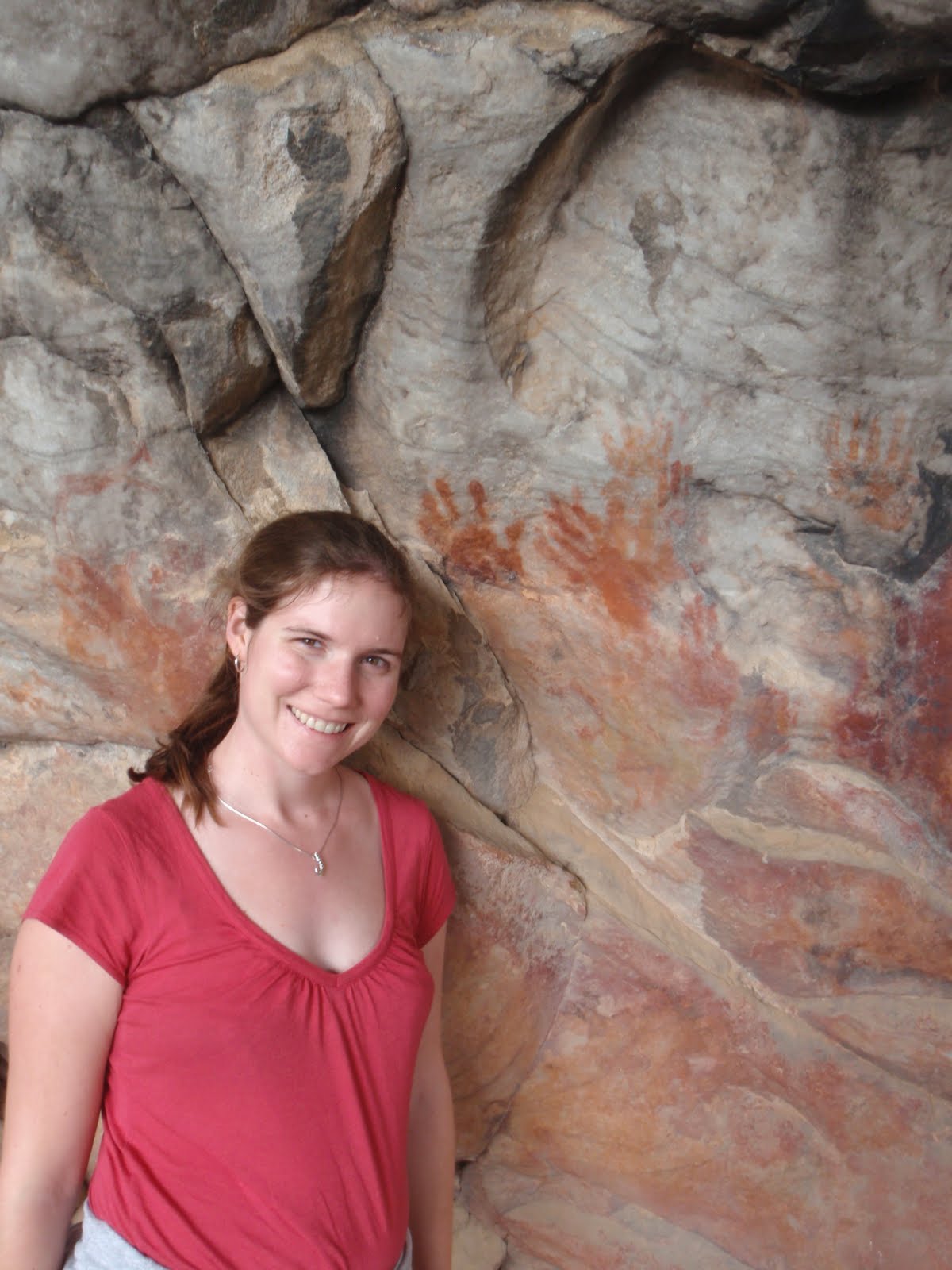
Hands.

Posing with petroglyphs.

Hill above our cabin 1.

Hill above our cabin 2.

A view of the beautiful cabin we rented from the hill above.

Food (healthy and not-so-healthy) for hungry hikers.

View from the front porch of our cabin.

Stew for hungry hikers.

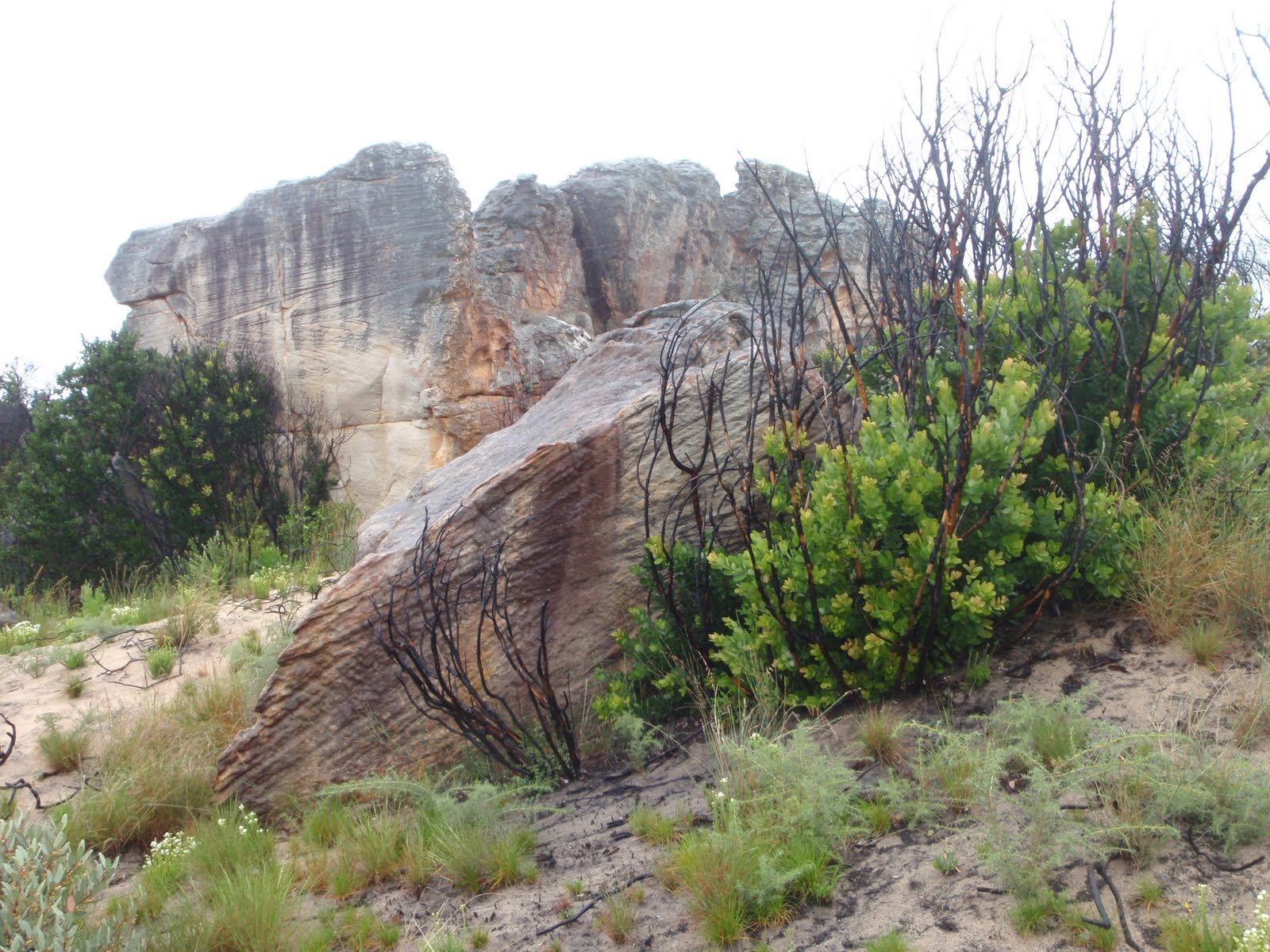
Large sandstone boulder.

Sandstone boulders.

Pretty biology.

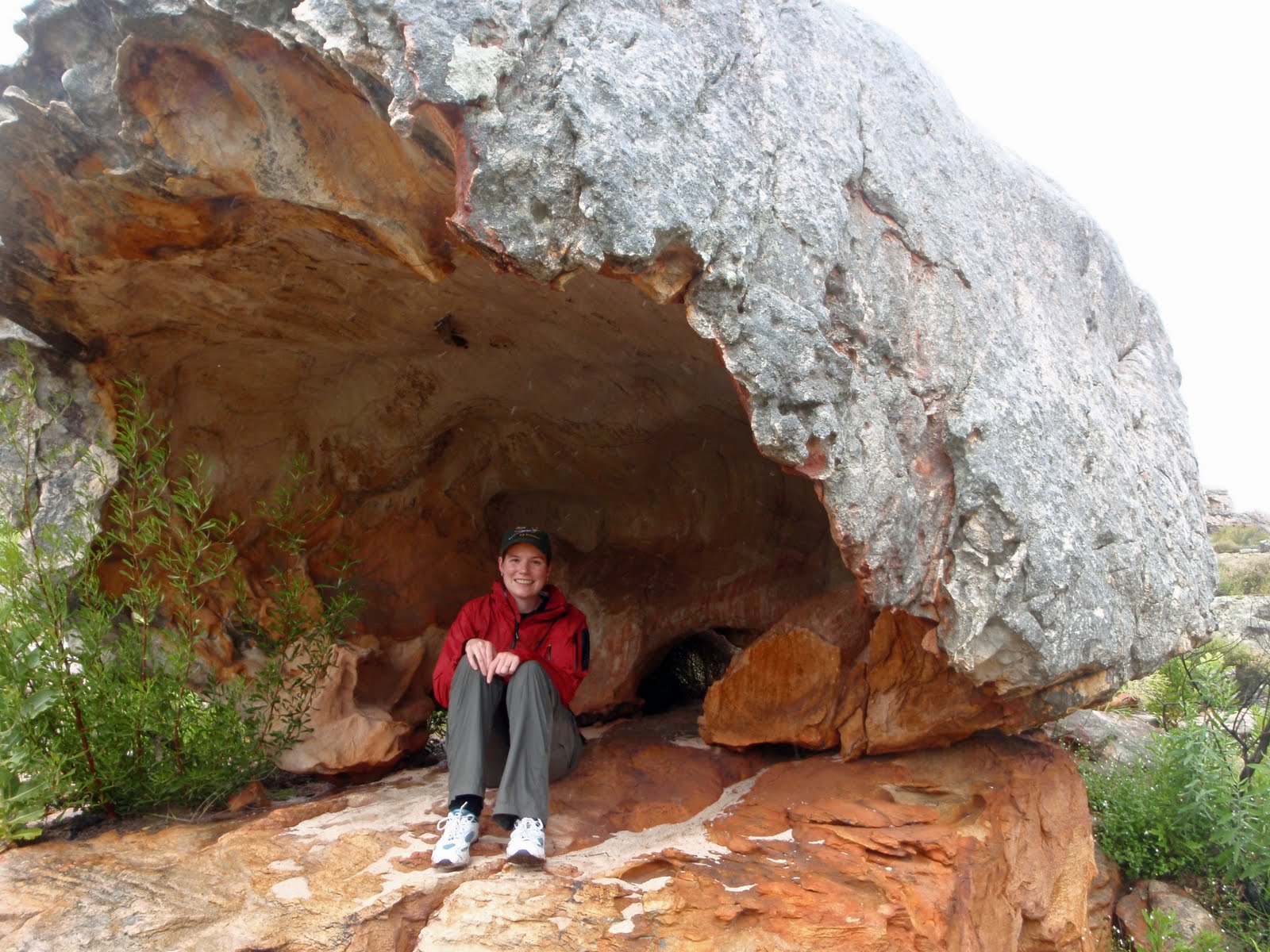
Rock shelter from the rain.

Oasis.

The trail and flowers.

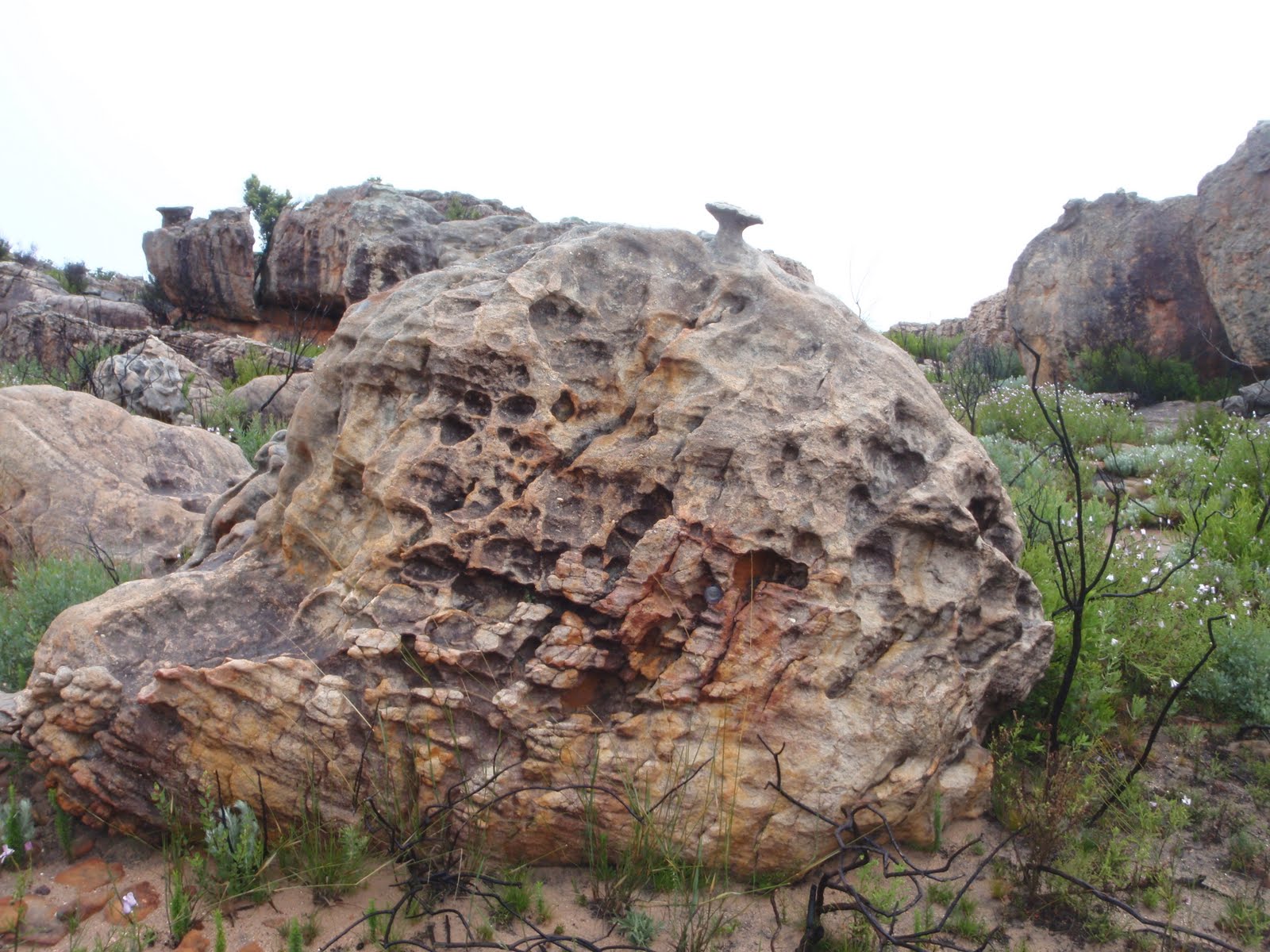
Interesting weathering on a boulder.

Weathering close-up.

The trail to Mordor?

Mordor tree 1.

Mordor tree 2.

Somehow I felt this plant wanted to reach out and grab us…

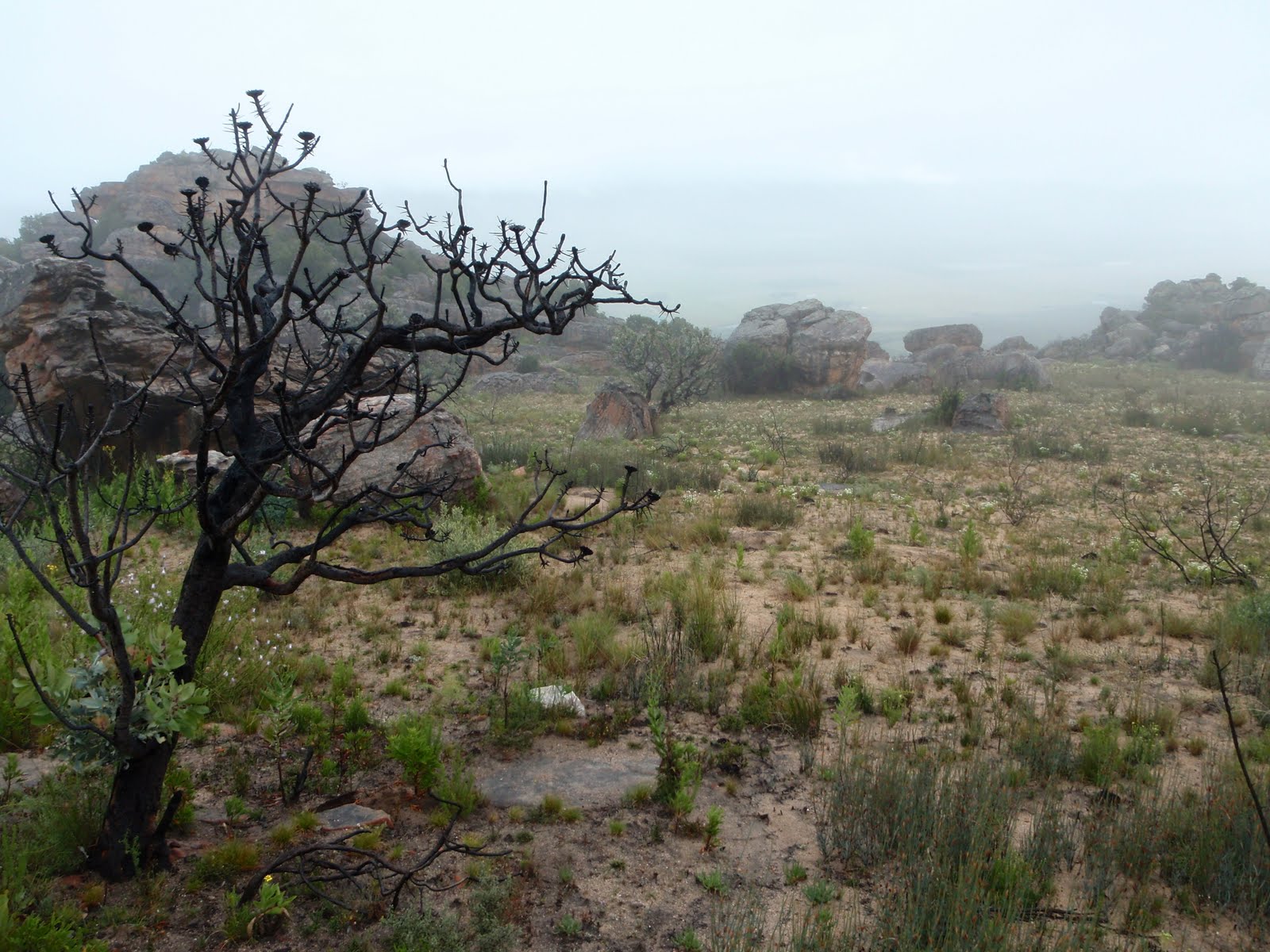
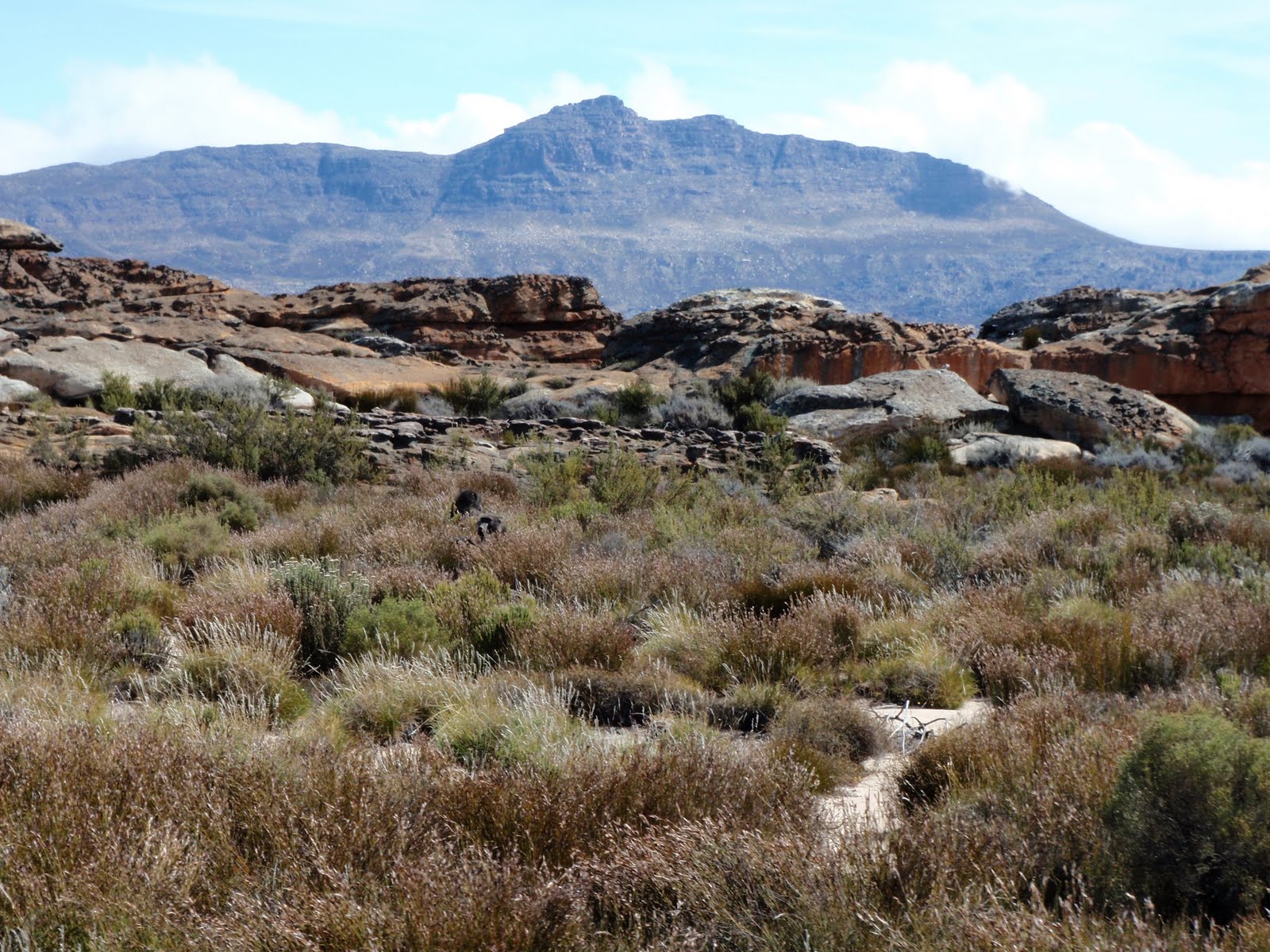
Typical Mordor landscape.

Cross-bedding on boulders.

Is there where Frodo needs to bring the ring?

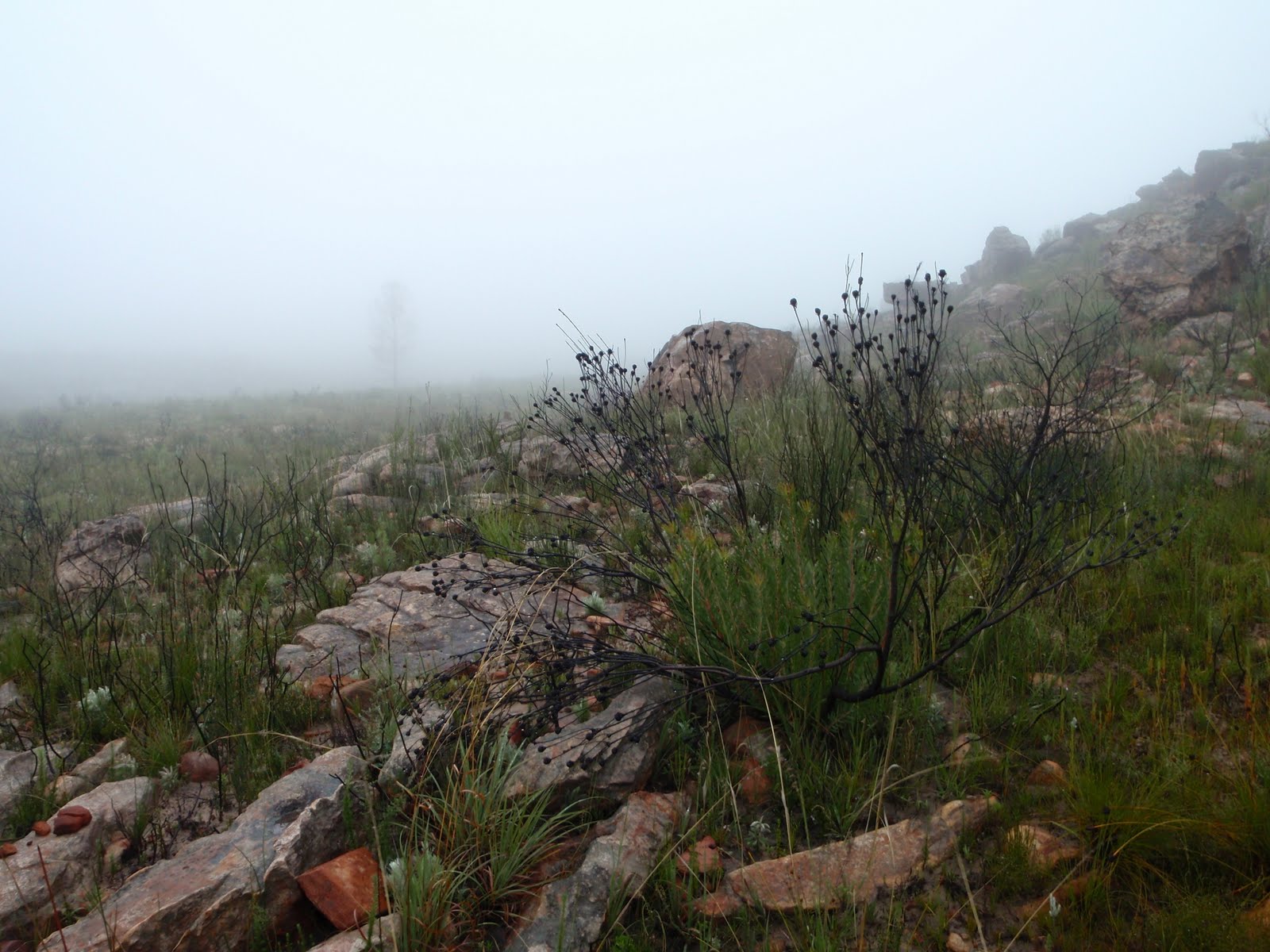
A misty trail.

Interesting biology thingy– this is called a “butt plant” or something.

A tree through the mist.

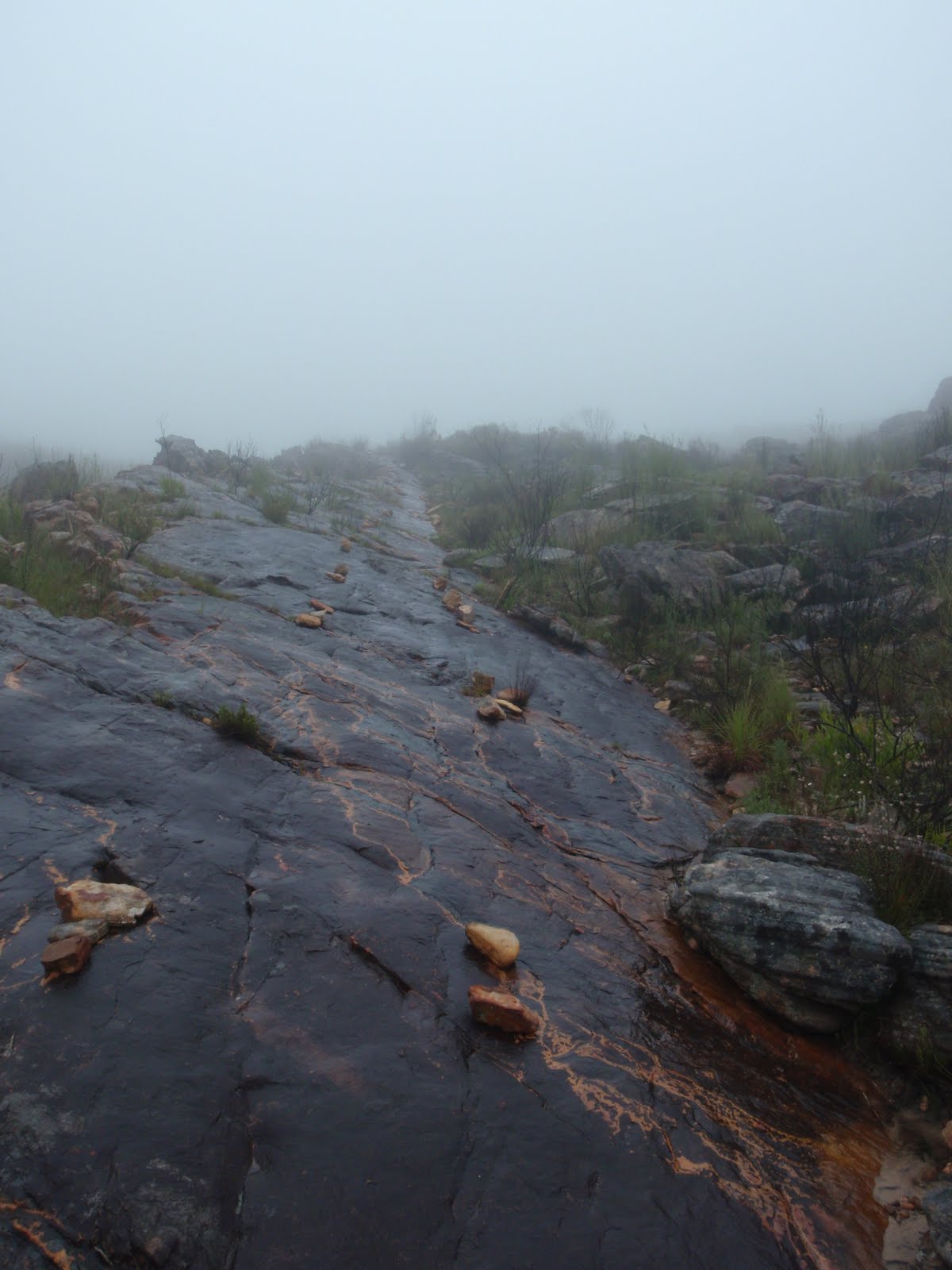
Trail marked by rocks.

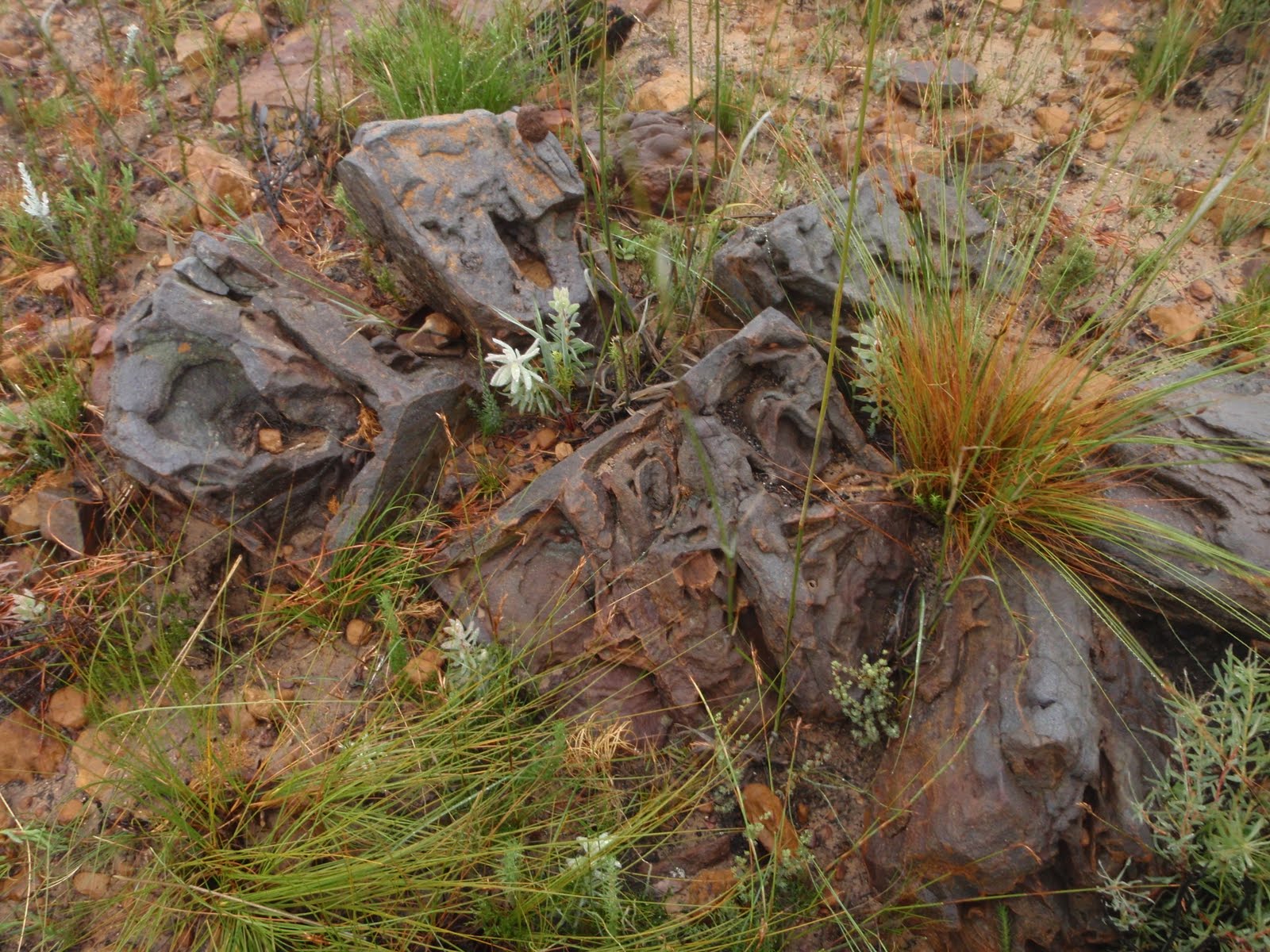
Interesting weathering 1.

Interesting weathering 2.

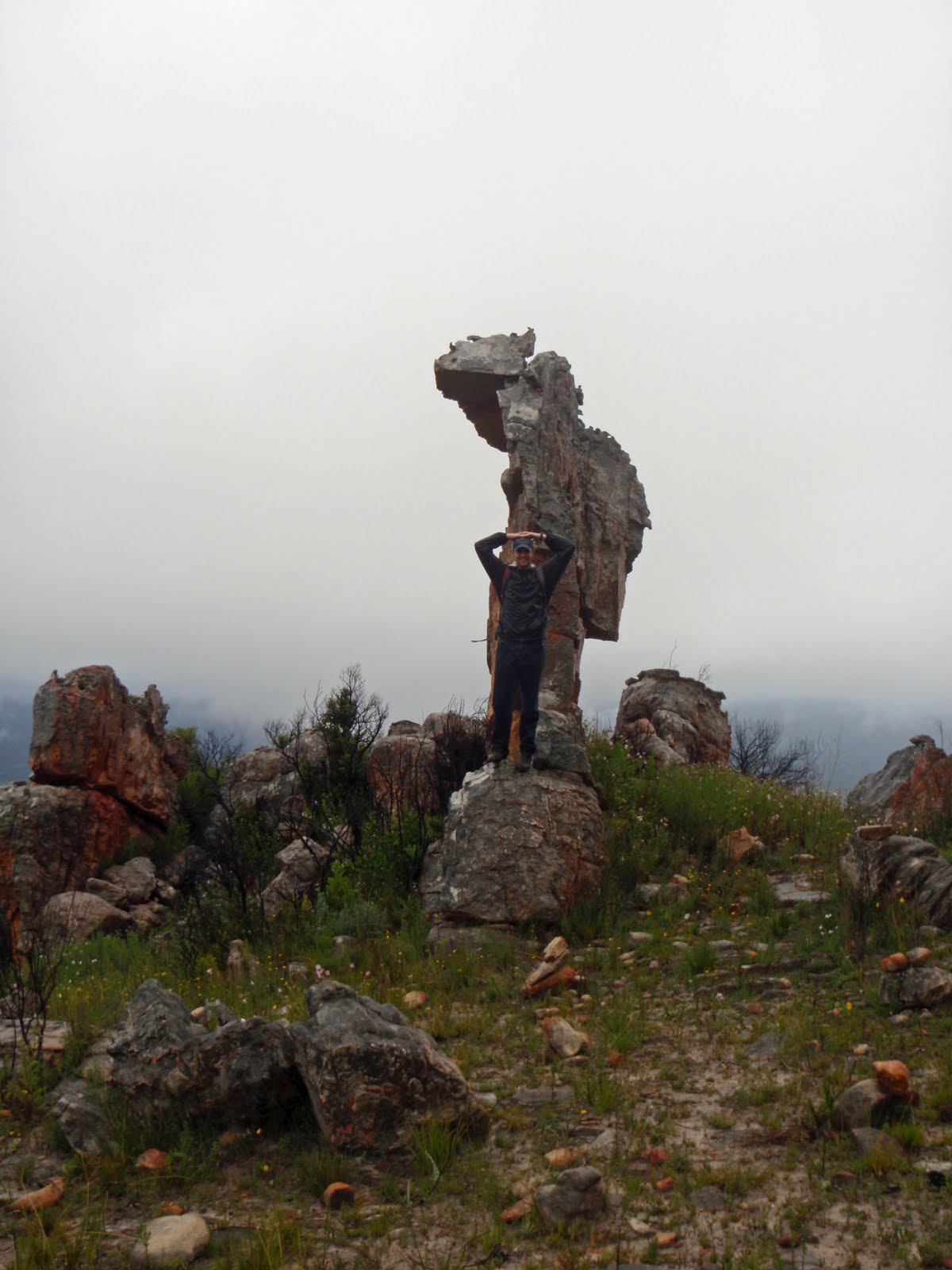
Man imitates rock.

Wet, tired, hungry, but happy hiker.

Valley through rock arch 1.

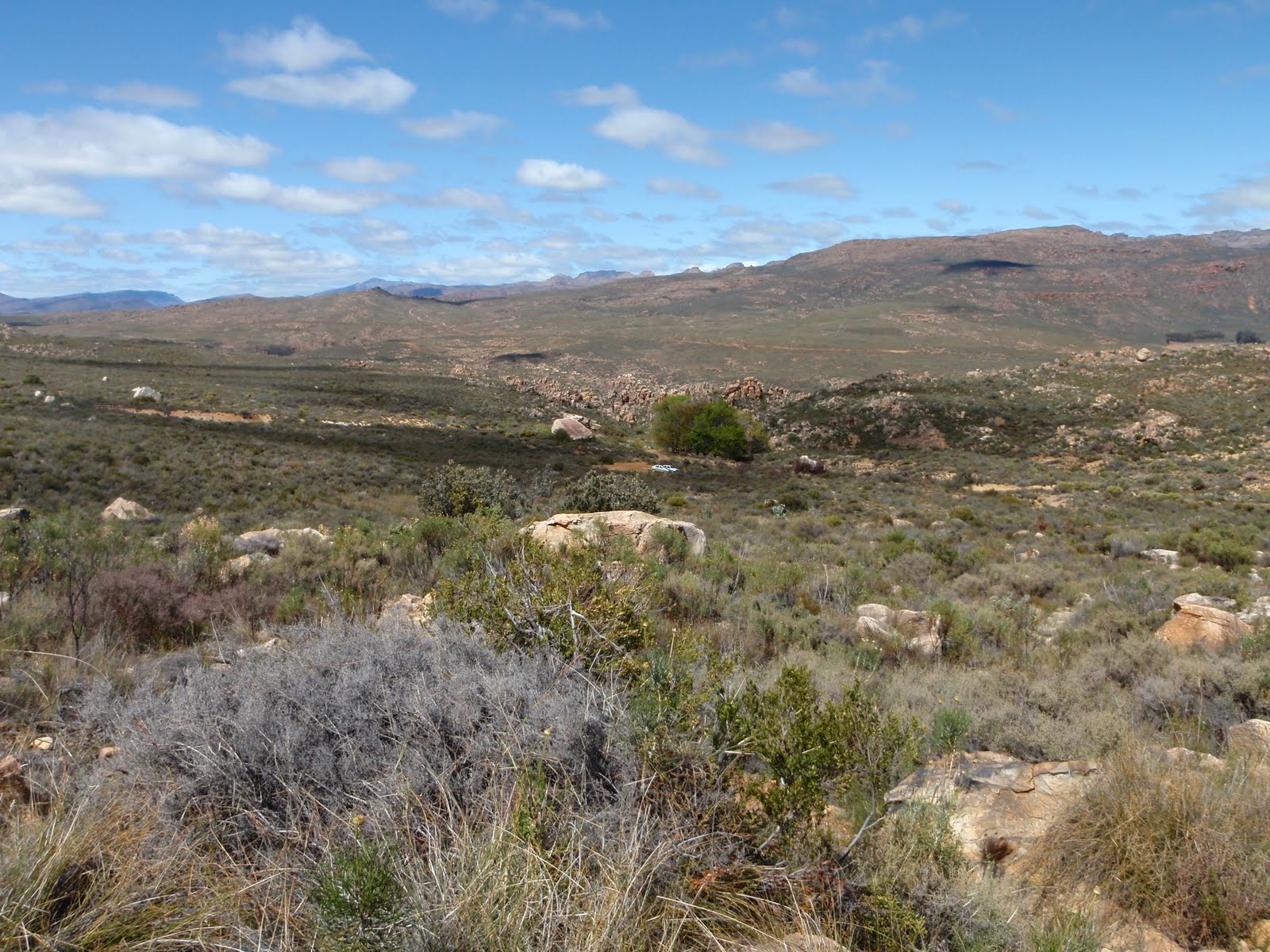
Valley view.

Valley through rock arch 2.

Sunburst 1.

Sunburst 2.

Into the great wide open.

View from partway up the mountain.

Distant wine farm 1.

Distant wine farm 2.

Interesting iron weathering.

Upwards and onwards.

A view down the valley.

Precarious boulder 1.

Precarious boulder 2.

Entering the “Easy Crack.”

View from inside the “Easy Crack.”

Interesting erosional features.

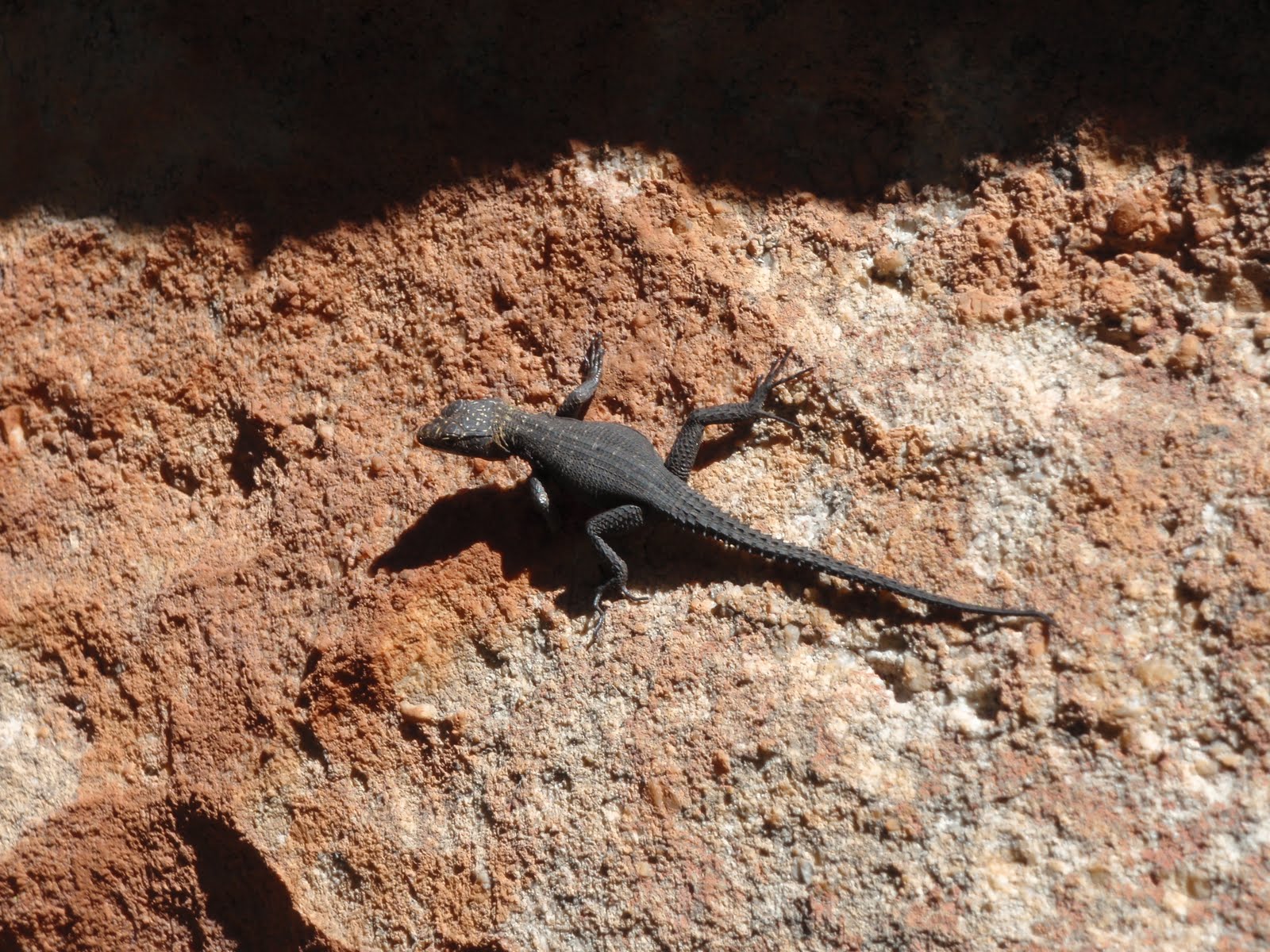
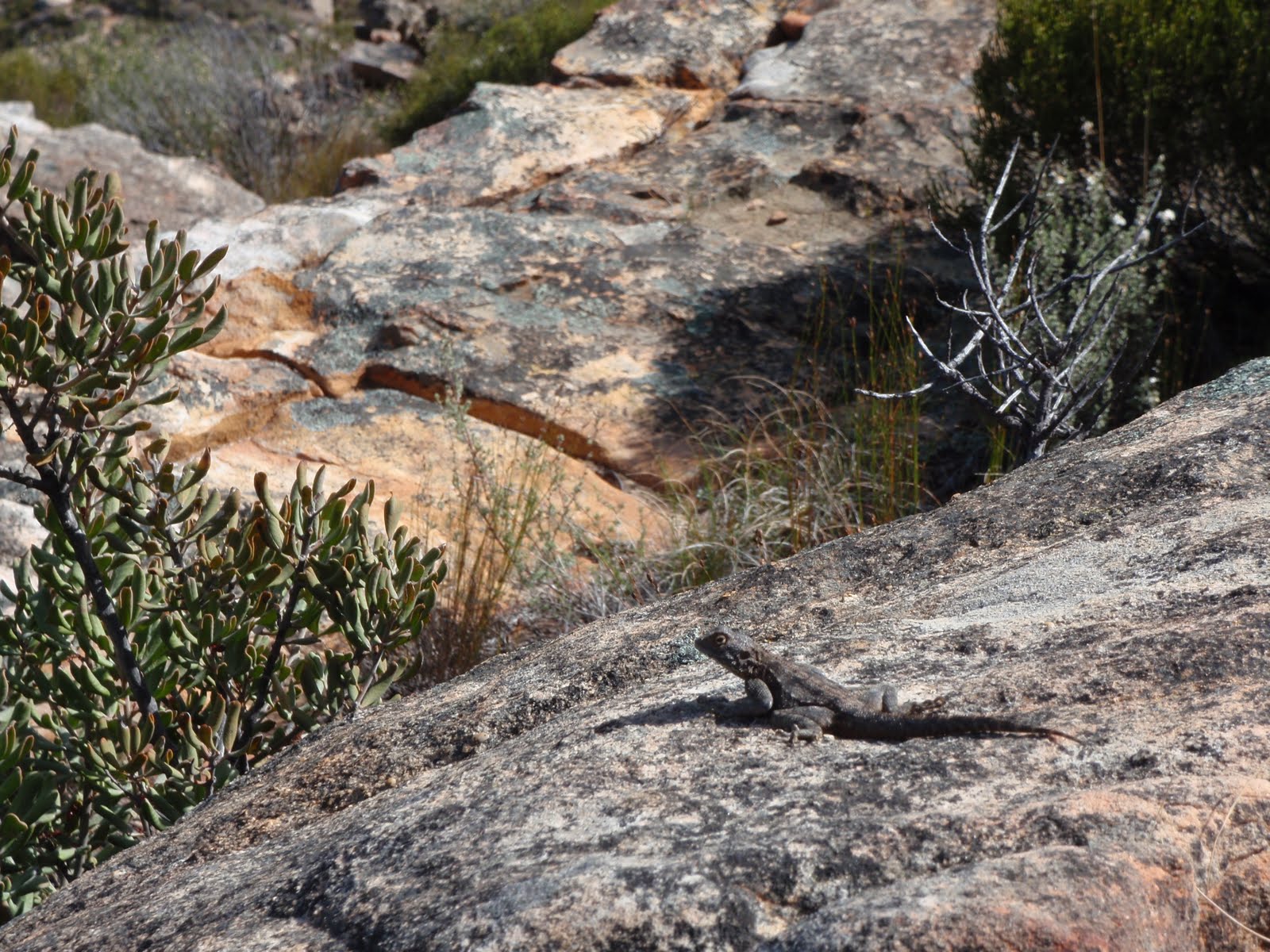
A lizard friend.

At the flat mountaintop.

Sandstone cross-bedding.

I am the Vanna White of cross-bedding.

Twisted rock.

The old man in the Cederberg Mountains.

Baboons!

More baboons! Including a baby!
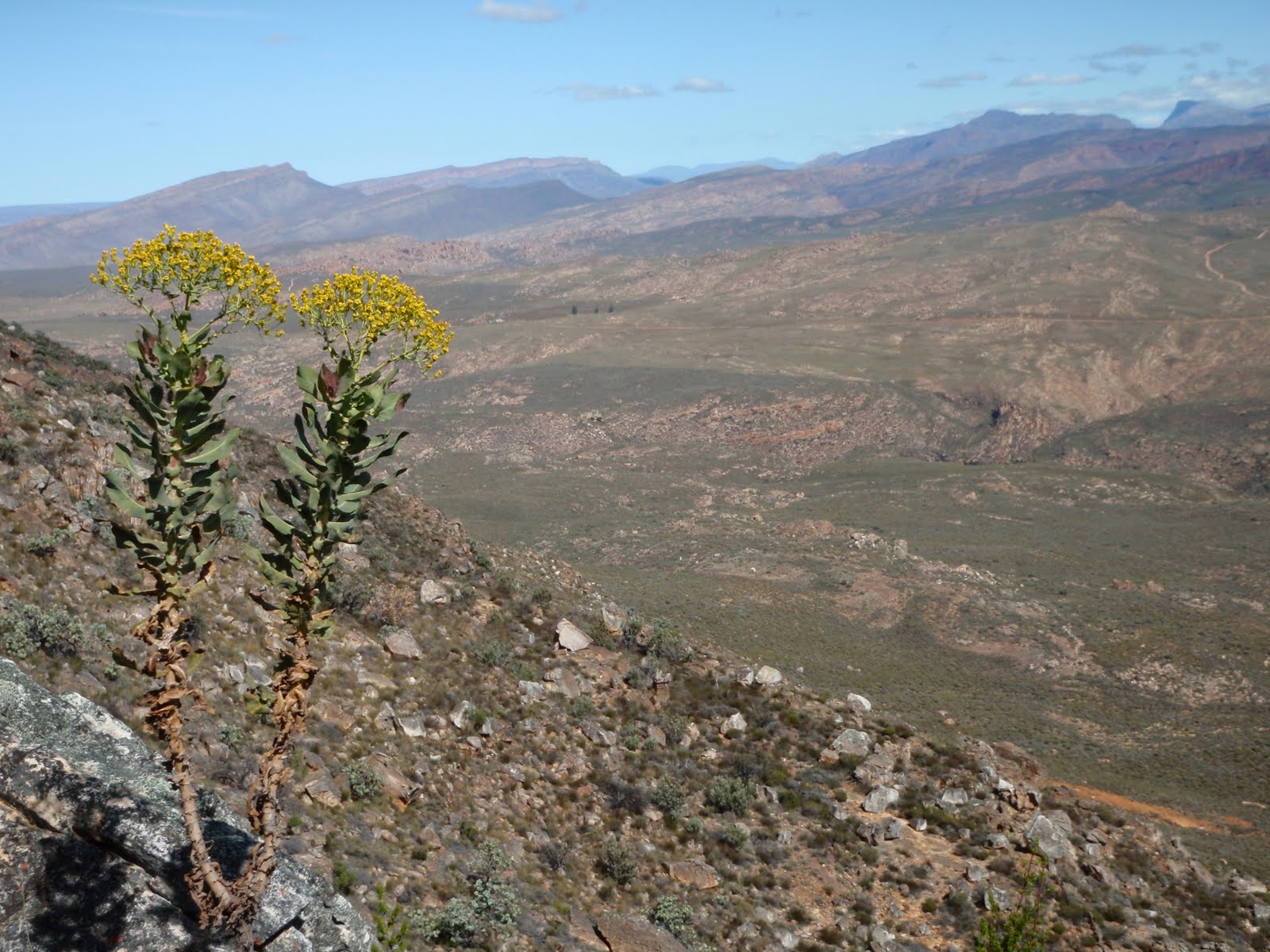
Overlooking the valley.

Another lizard friend.

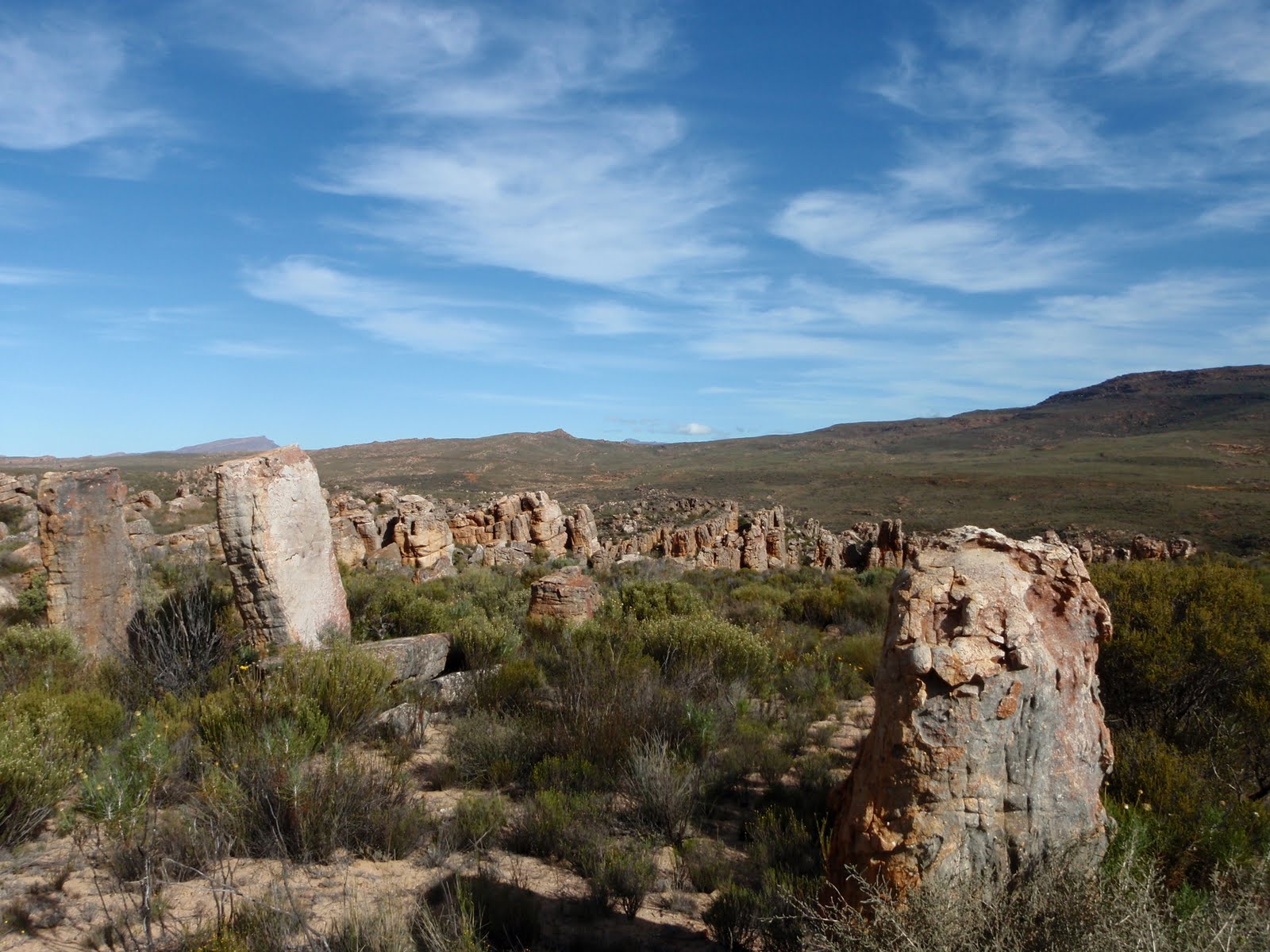
Rock monuments 1.

Rock monuments 2.

Rock monuments 3.

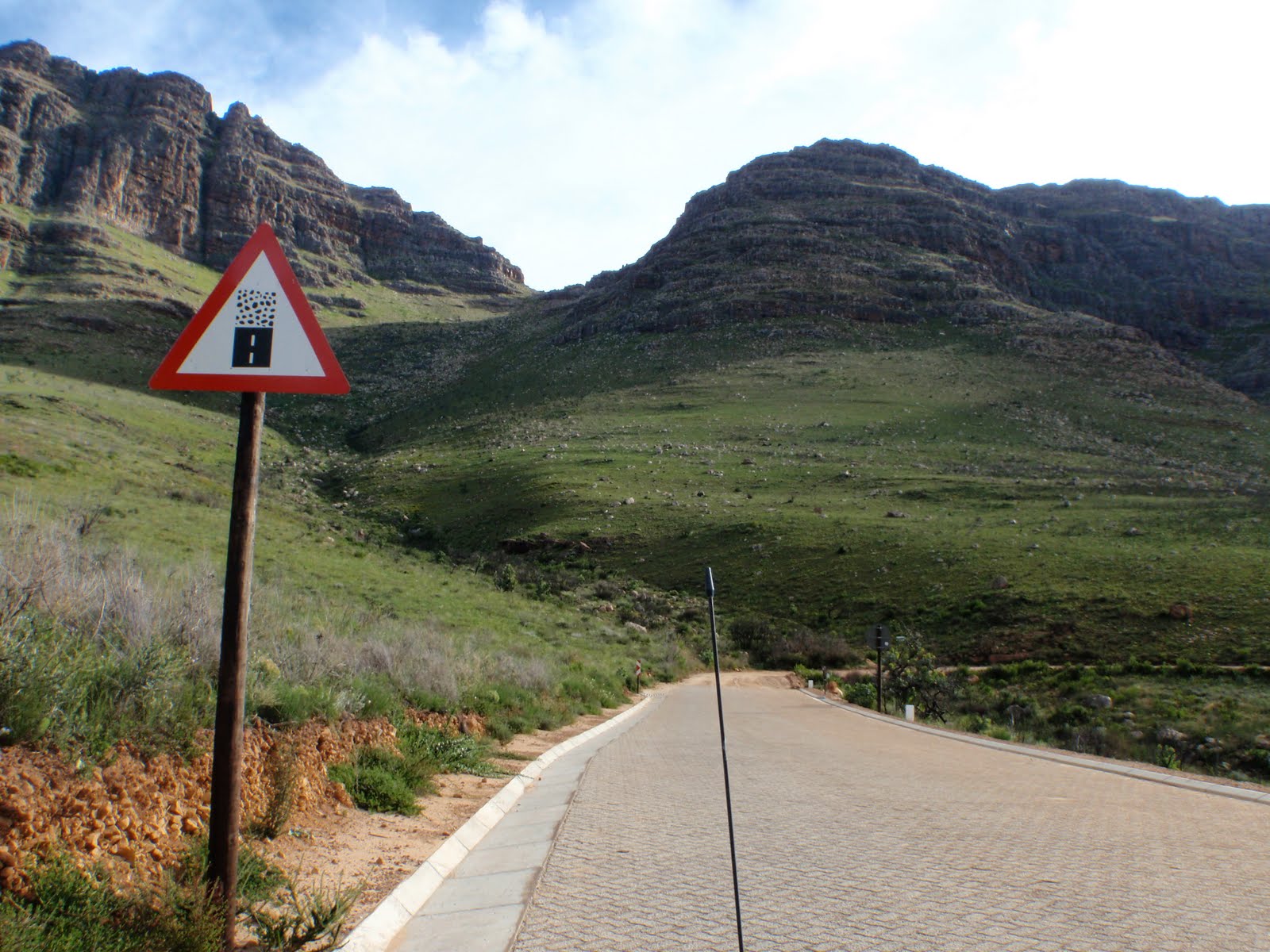
Why we need to buy a 4×4, Part I.

Yet more baboons!

Why we need to buy a 4×4, Part II.