Last week I shared some pictures of a coral palace in Zanzibar. This week, I’m sharing a few pictures of modern coral houses in the beachside village of Matemwe, which is located on Zanzibar’s northeastern coast. These days, more and more buildings in Zanzibar are being built out of concrete. This may be a good thing since mining of coral rock may not be the most eco-friendly building practice. However, some modern buildings, such as the one (in progress) in the photograph below, are still constructed from traditional coral building stone.
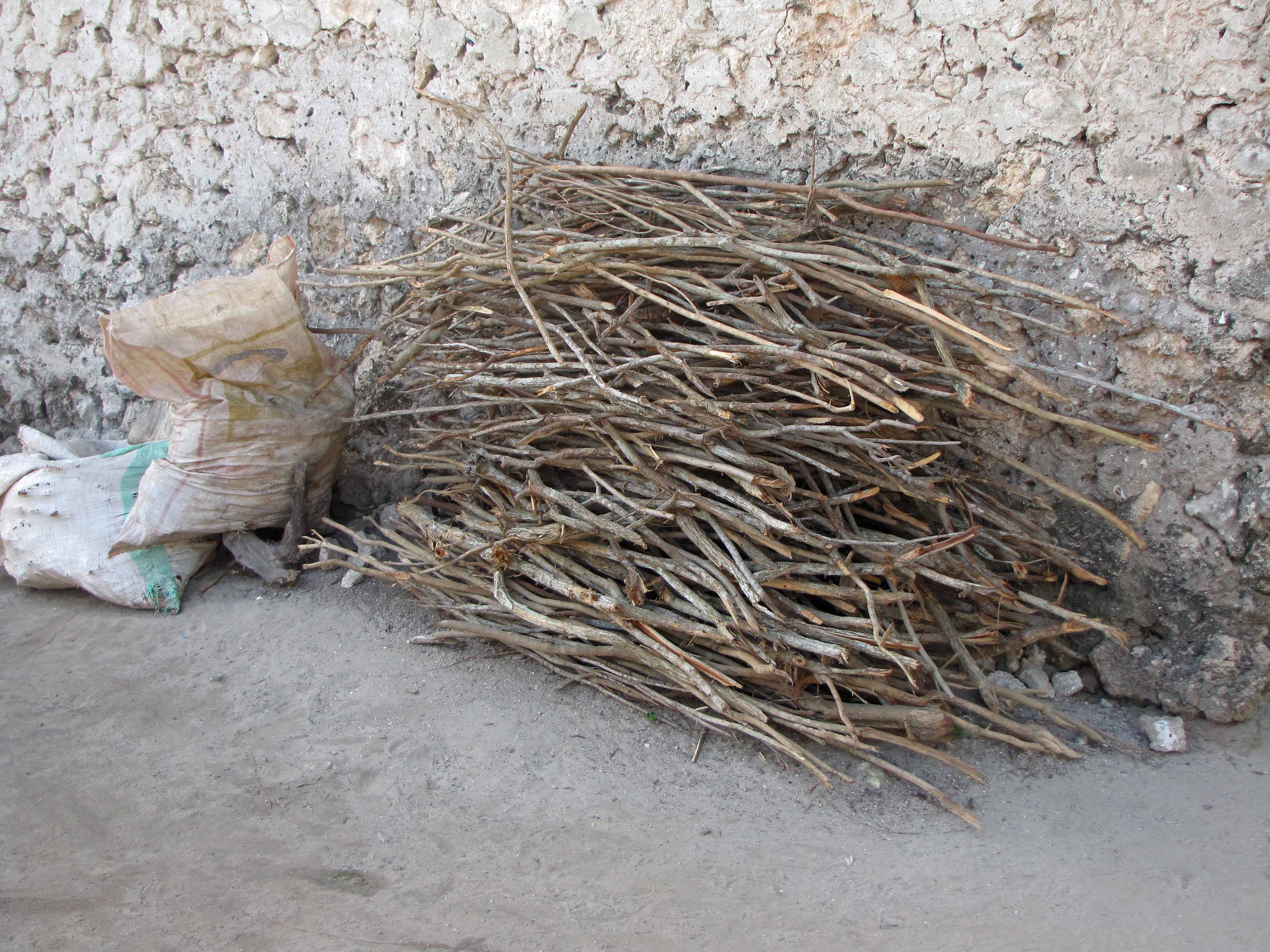
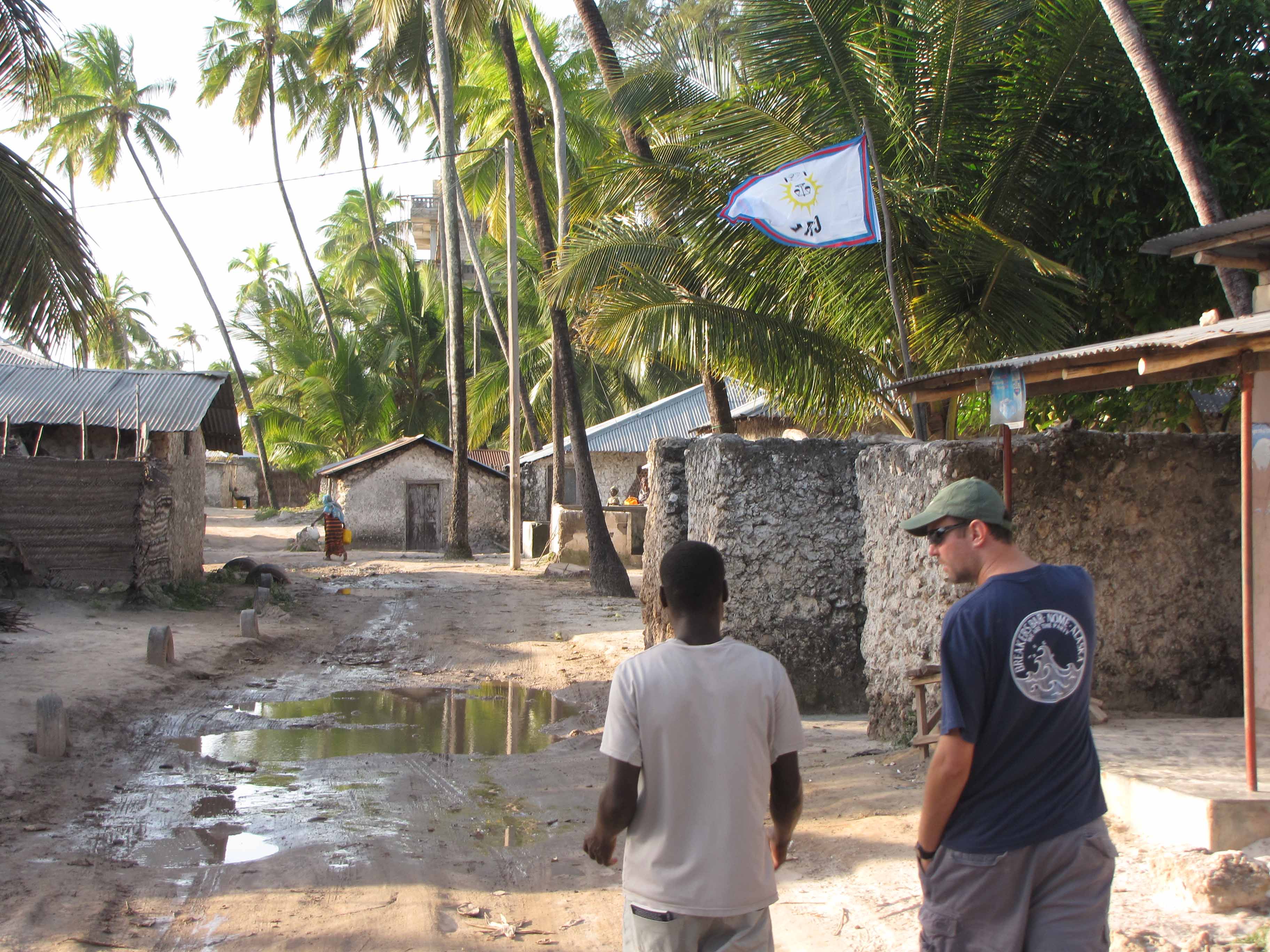
A wider view of a coral house under construction in Matemwe.A wooden door on a coral house, Matemwe.Firewood kindling stacked against a coral building in Matemwe.My husband and our guide walking down one of the main streets in Matemwe.Yours truly posing with some women outside a coral building in Matemwe. I bought one of the bags they were weaving out of palm leaves.
Coral building stone at the Princess Mtoni Ruins, Zanzibar.
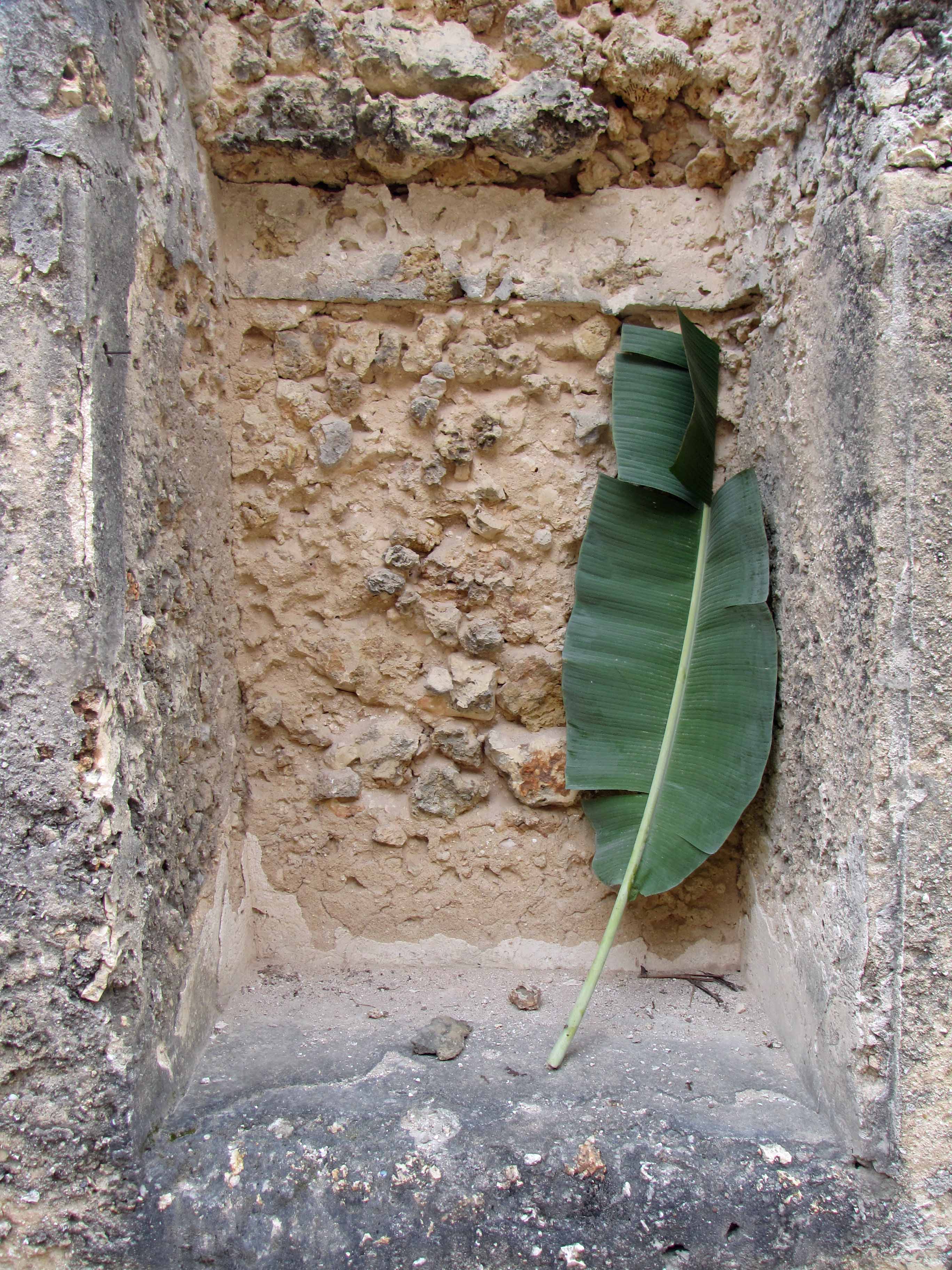
This week I’m continuing with sharing some pictures from my recent vacation in Zanzibar back in June 2013. There is plenty of coral around Zanzibar, and my husband and I noticed that many of Zanzibar’s buildings– both ancient and modern– have been built with coral blocks. As an example, the picture above shows a coral building stone in the Princess Mtoni Ruins, the remains of the childhood home of Princess Salme, a Zanzibari princess who in the 1860s eloped with a German merchant, converted to Christianity, and changed her name to Emily Ruete. While living in Germany, Emily / Princess Salme wrote an excellent book about her life: Memoirs of an Arabian Princess from Zanzibar. I read the book while I was in Zanzibar and highly recommend it. The book provides a rare, rich, colorful glimpse of Zanzibar– or at least of Zanzibari royal life– in the mid-1800s.
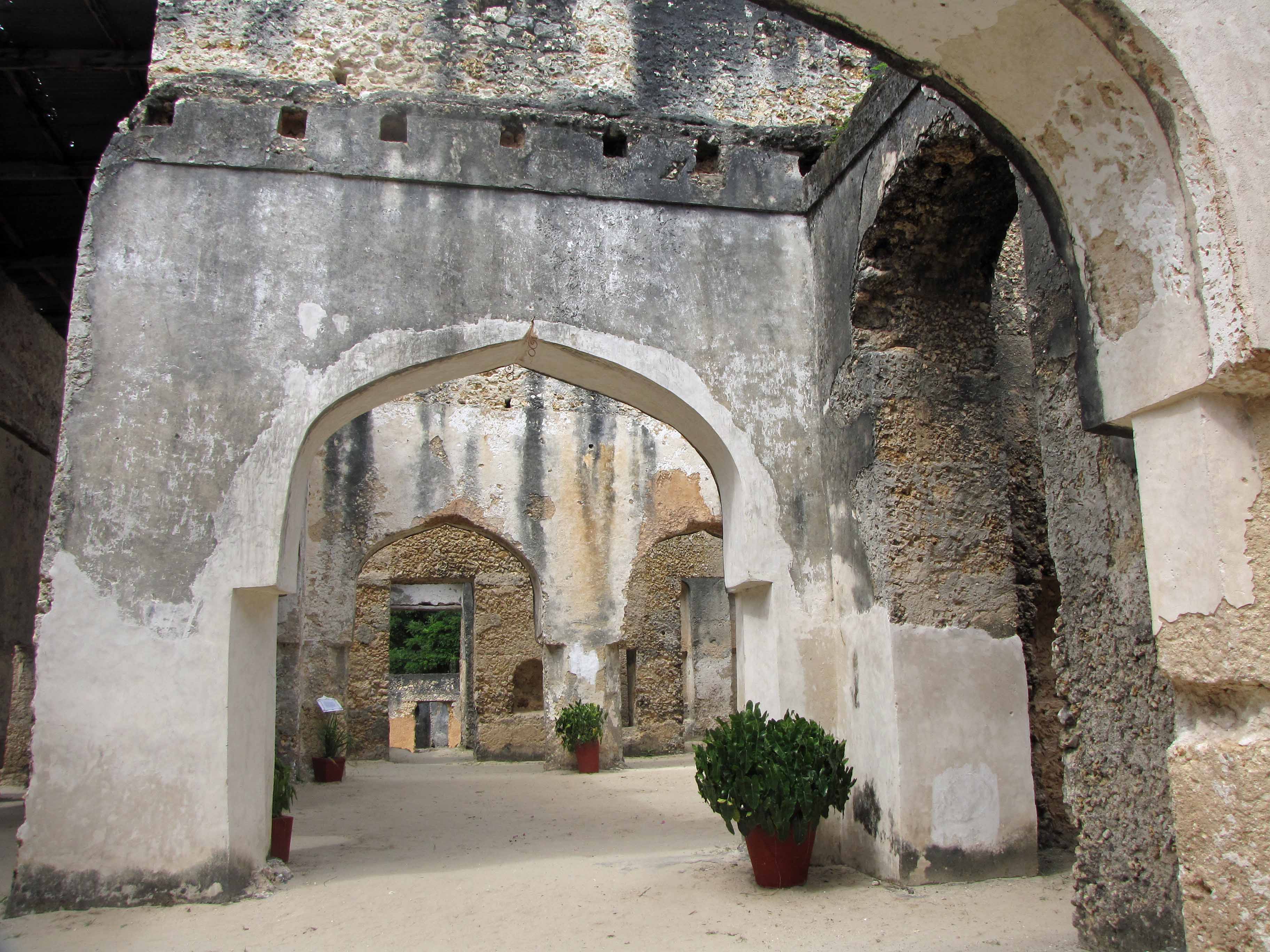
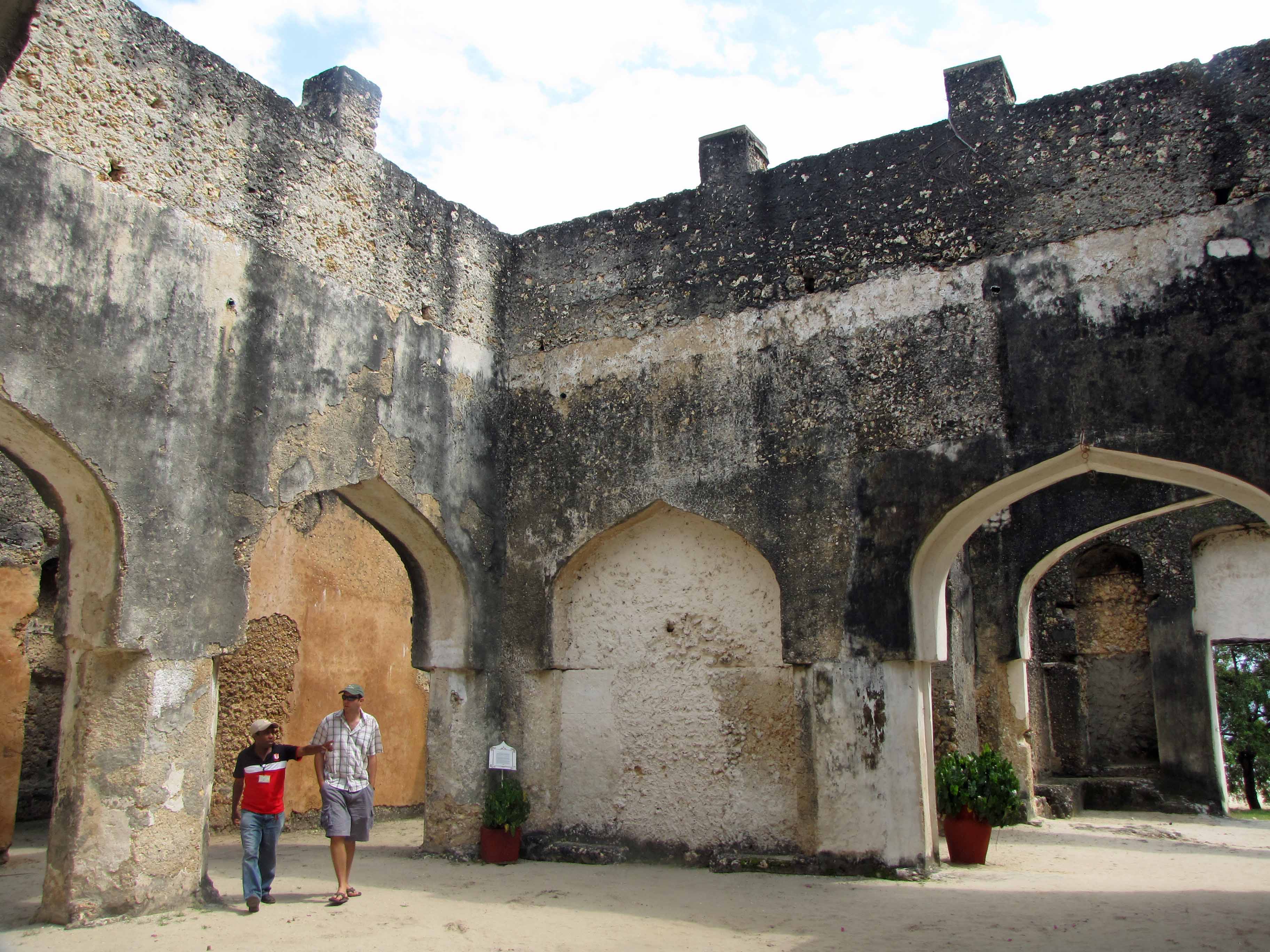
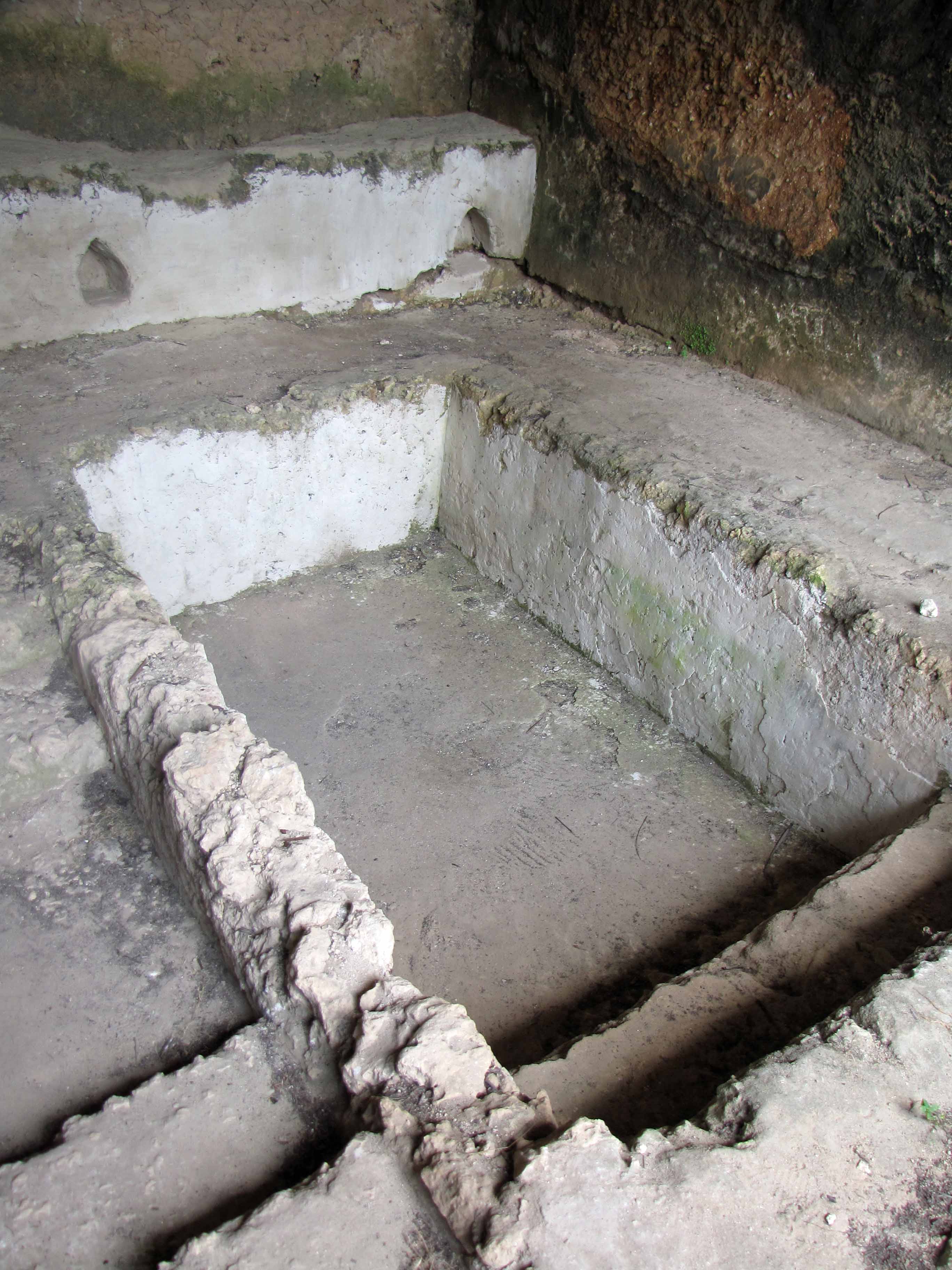
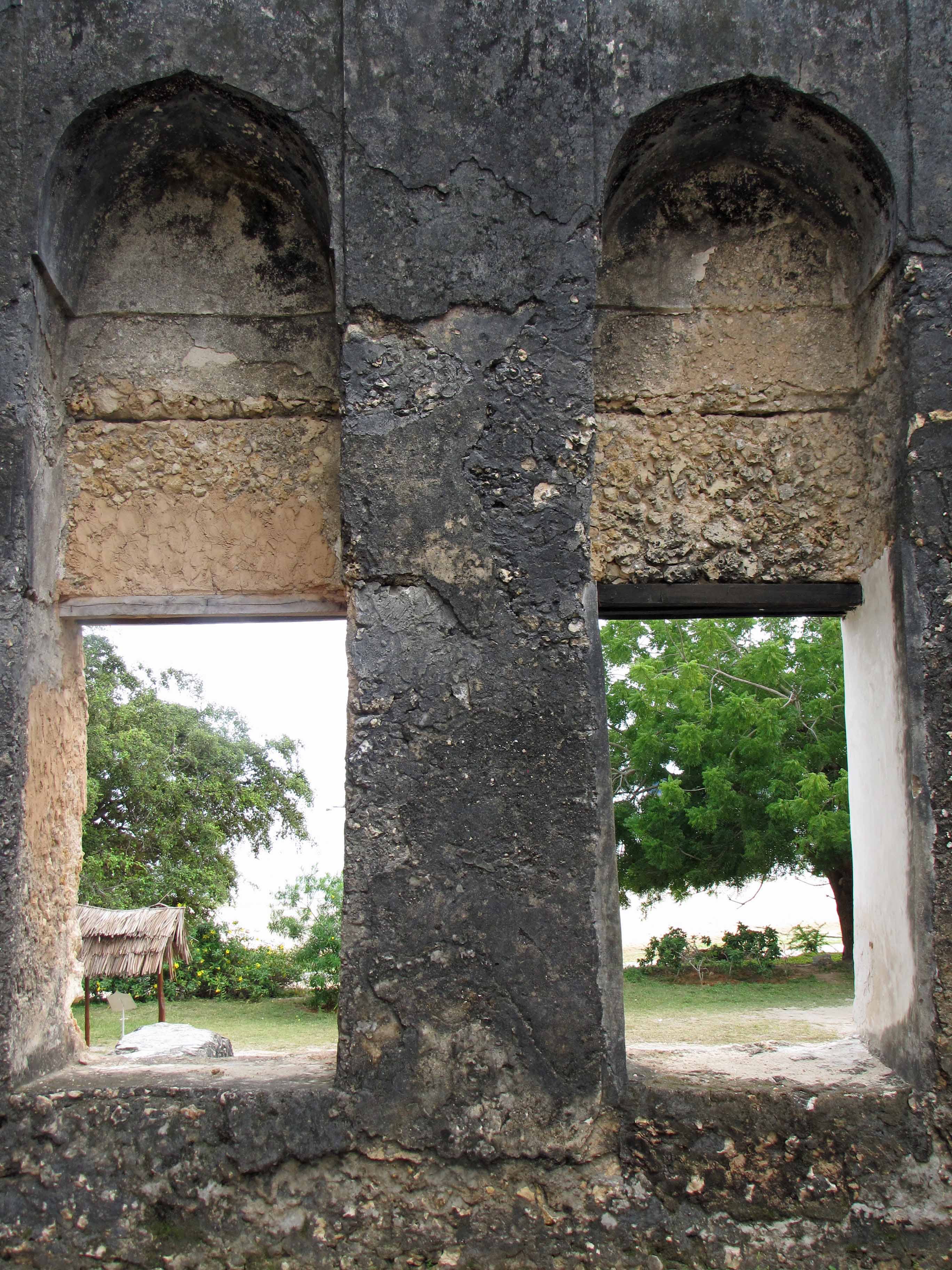
My husband and I visited the Mtoni Palace Ruins one morning on our way to Stone Town. We spent half and hour or so strolling through the ruins. Much of the Mtoni Palace that Princess Salme described in her memoirs has been destroyed or is in ruins, but the seaside palace is still definitely worth a visit. There are some interesting baths and toilets, and there are some beautiful arched doorways. I believe that much of the palace is constructed out of coral rock.
Here are a few more pictures from the Princess Mtoni Ruins:
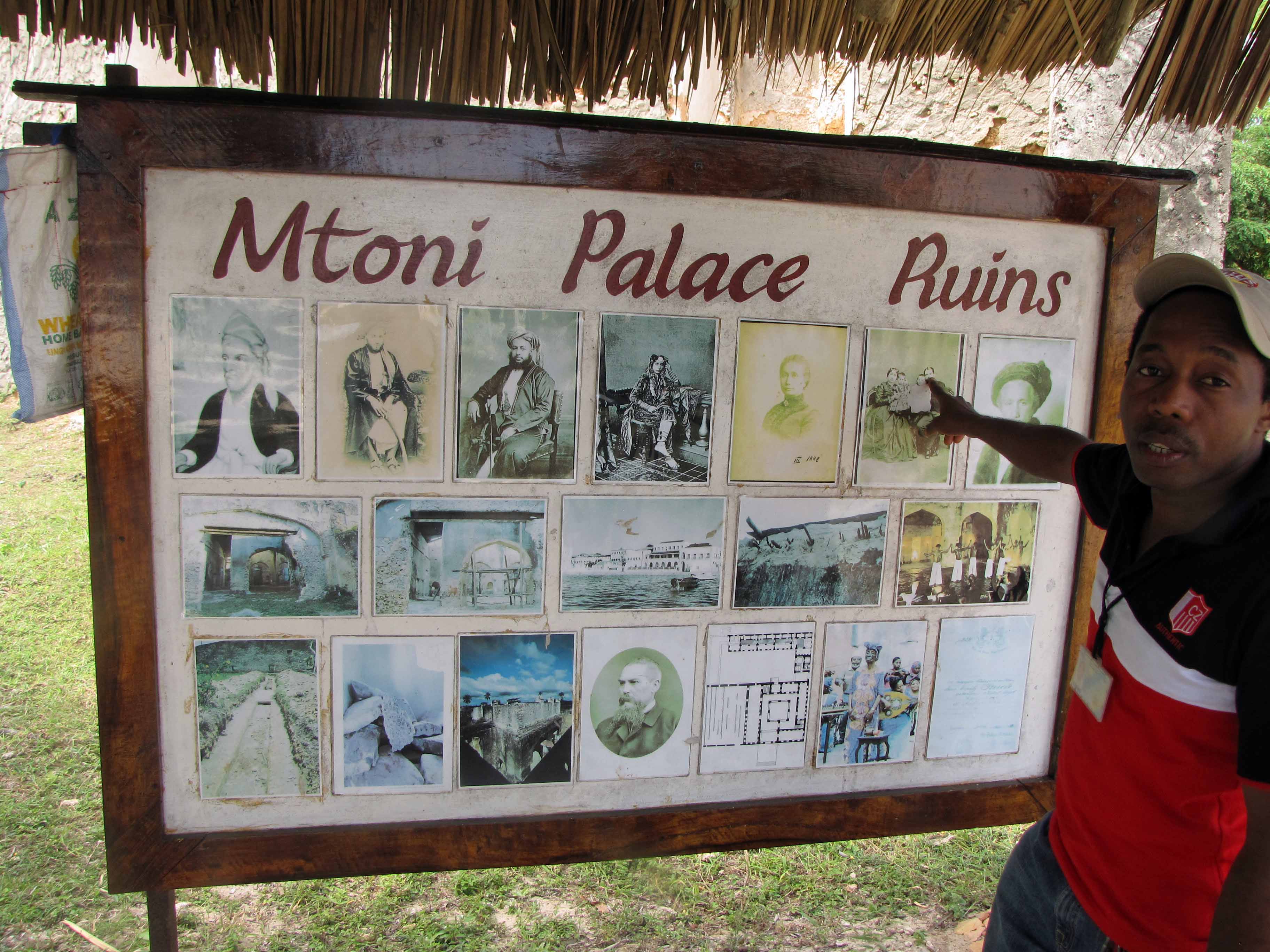
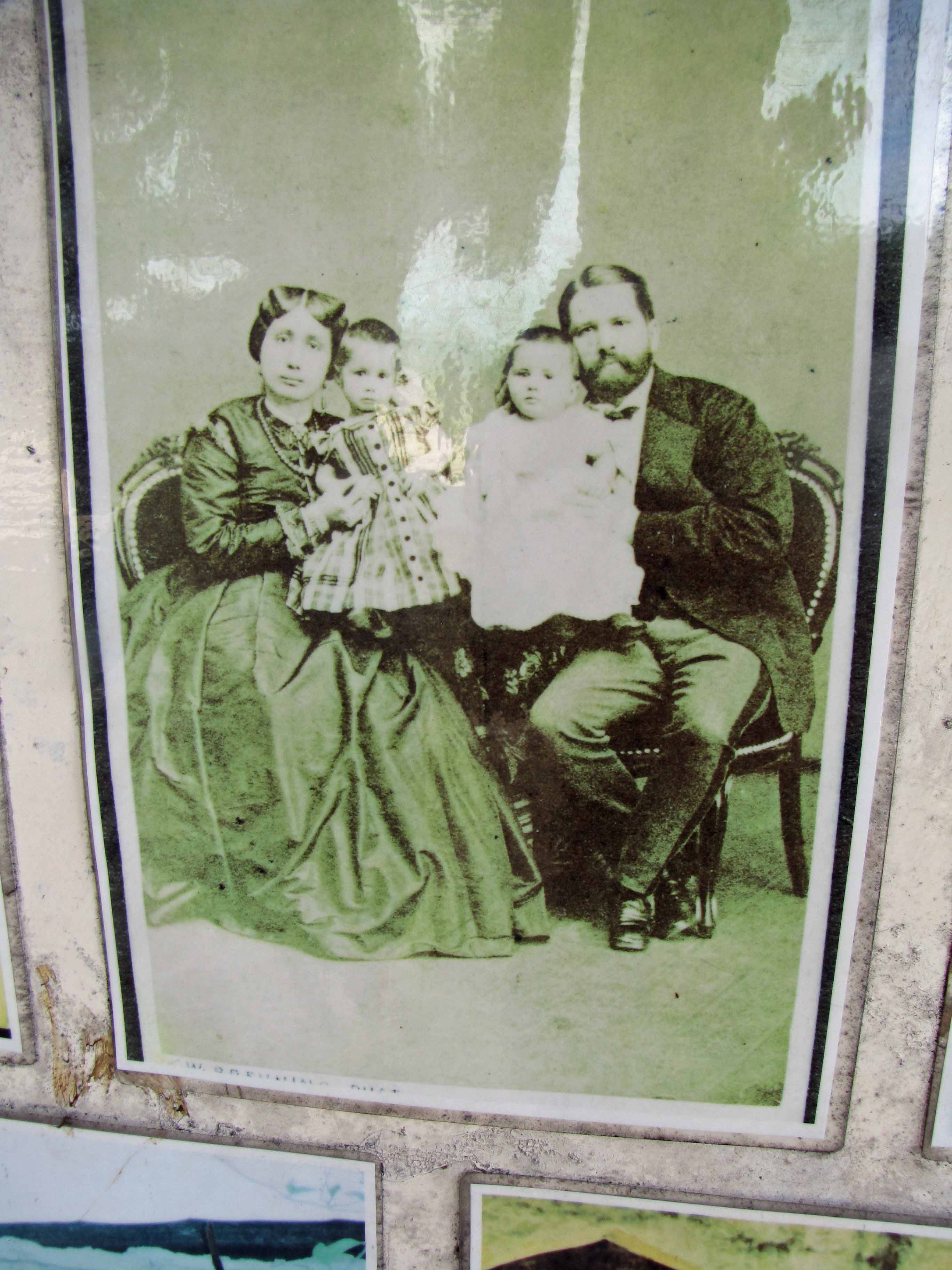
Sign for the ruins.Our guide pointing out a picture of Princess Salme and her family.Princess Salme, her German husband, and two of their children.Yours truly posing by the palace entrance.Beautiful arched doorways / passageways.My husband Jackie and our tour guide strolling through the ruins.Windows with a view of the sea.A little staircase.A stone toilet seat.A bath.Top of a stone wall.More windows with a view of the sea.The view through one palace window.A lone palm leaf resting in a coral alcove.Arches everywhere.Yours truly posing with a coral wall.
The Burj Khalifa, the world's tallest building. It's difficult to fit the building into one picture!
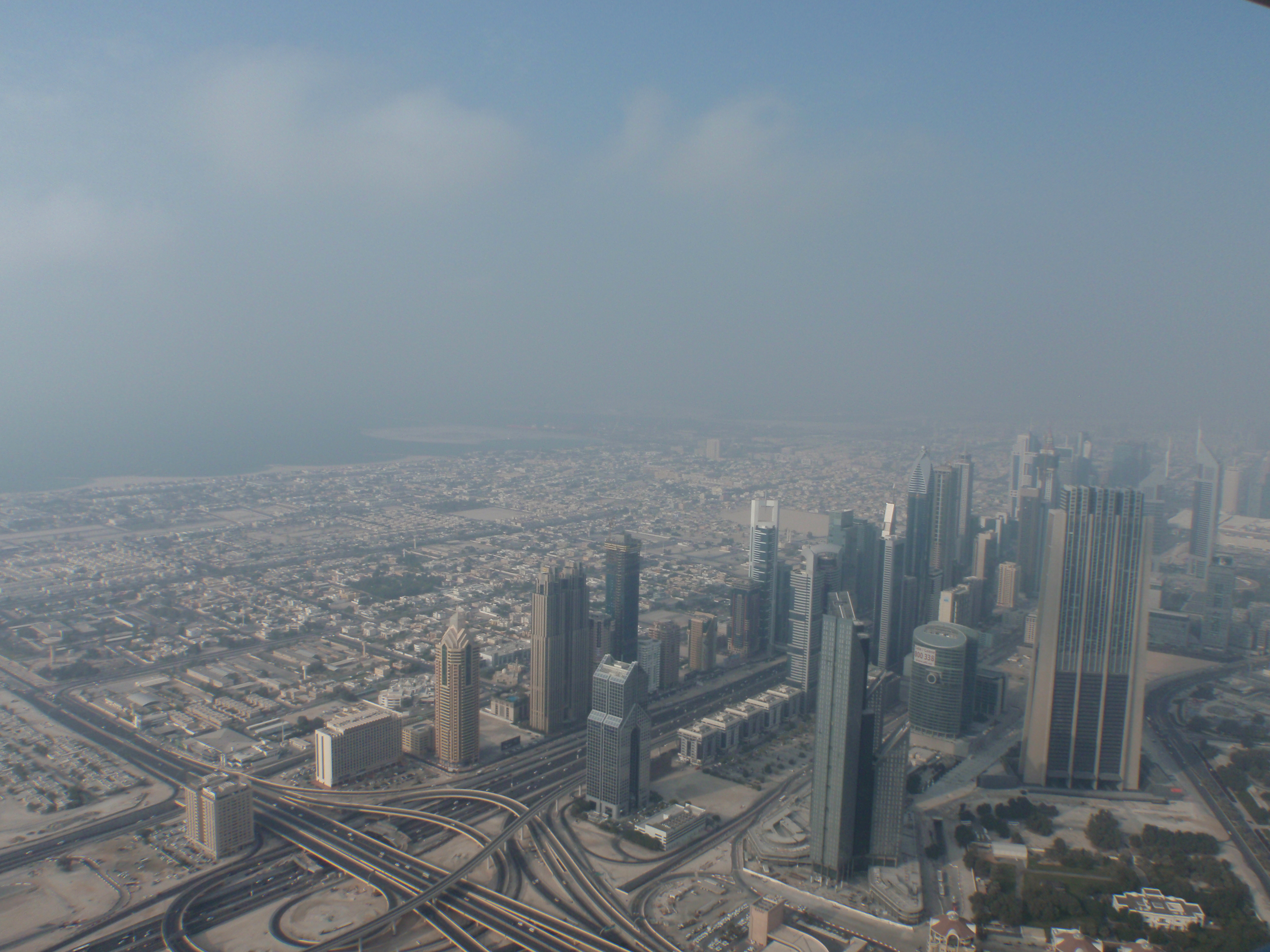
I’m continuing this week with sharing pictures from my January 2012 trip to visit my friend Karima in the United Arab Emirates. I mostly stayed with Karima and her family in Abu Dhabi, but one day we took a drive over to Dubai. While there, we visited the impressive Burj Khalifa, which is the tallest building in the world. Here on Georneys I often like to post Plane Views or images of the Earth as viewed from an airplane. Well, some of the photographs that I took from the observation deck near the top of the Burj Khalifa certainly resemble plane views! I took some shots of the city of Dubai far below. I certainly found the views very impressive! I wish that I could have a Burj Khalifa– or an airplane, I suppose– that I could take with me anywhere in the world for such fantastic aerial views of the Earth’s landscape.
Another view of the Burj Khalifa.A beautiful model of the Burj Khalifa.View from the Burj Khalifa observation deck. It was dusty in Dubai that day.Another view from the Burj Khalifa observation deck.Yet another view from the Burj Khalifa observation deck.
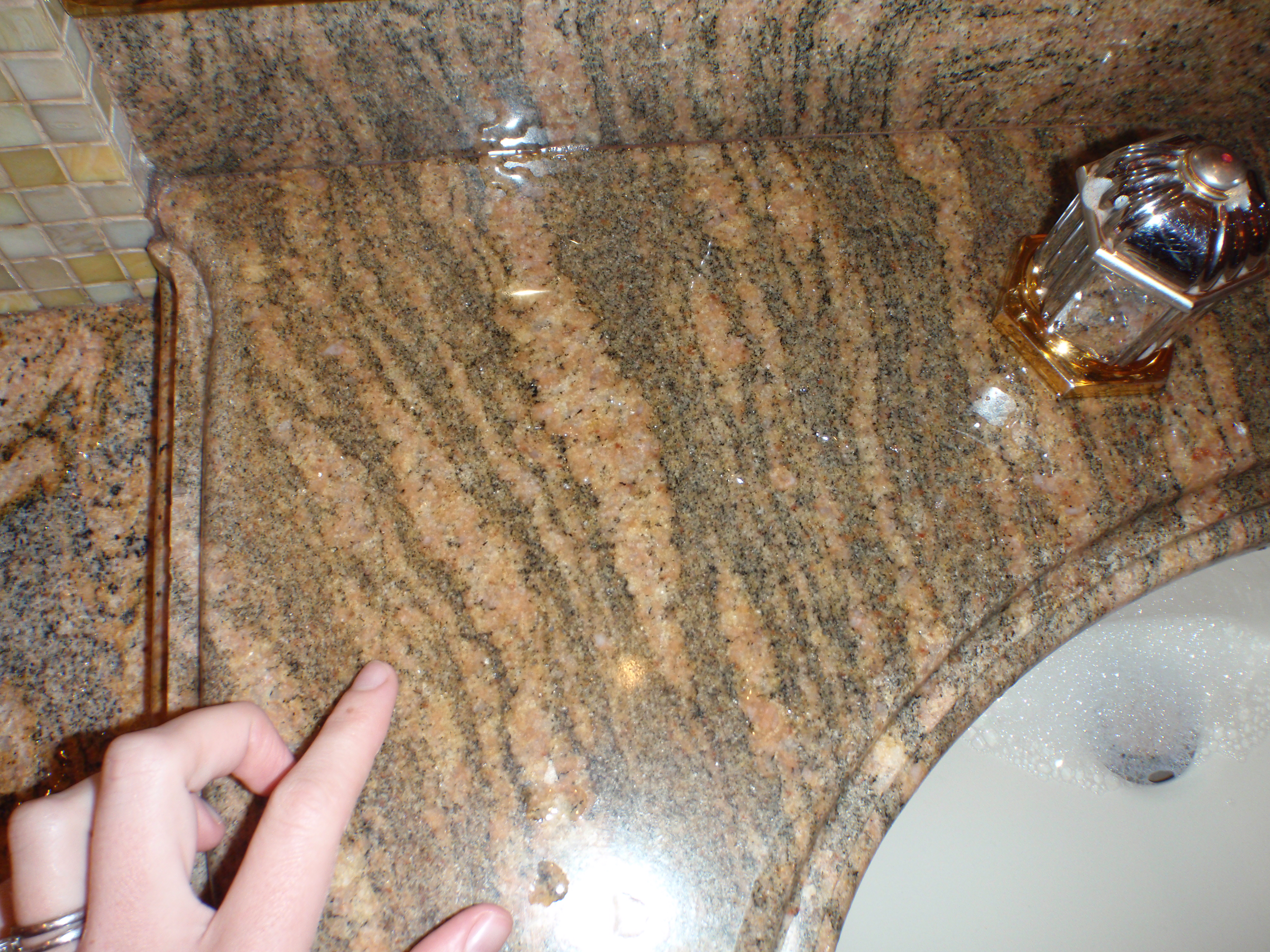
A fancy bathroom in the Emirates Palace Hotel, Abu Dhabi. Just look at those gorgeous deocorative stones!
This week I’m continuing with sharing some pictures from my January 2012 trip to visit my friend Karima in Abu Dhabi. During our fancy lunch at the Emirates Palace Hotel, we went to the women’s bathroom, which I immediately referred to as “a geologist’s dream bathroom” because of all of the beautiful decorative stones.
Geologists, what types of stones would you put in your dream bathroom?
A close-up of the gneiss bathroom countertop.Another close-up view of the gneiss countertop.
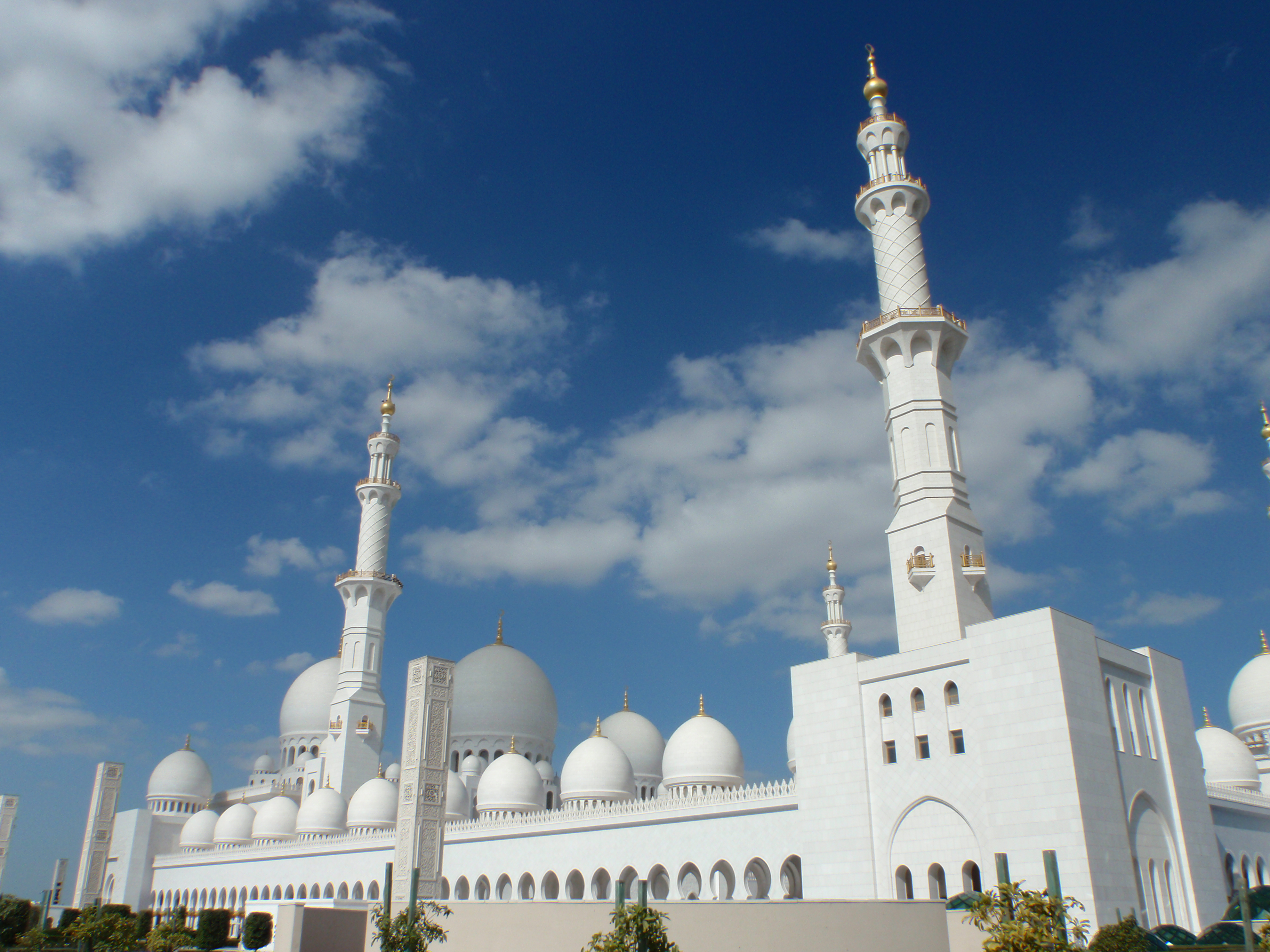
Some of the gorgeous decorative stones of the Sheikh Zayed Grand Mosque.
After putting up my recent blog post Decorative Stones of the Sheikh Zayed Grand Mosque – Part I, I decided to write to the mosque to inquire about the lithologies and origins of the various decorative stones. I promptly received this reply from Michelle Sabti, the Chief Tour Guide for the mosque:
Greetings to you Evelyn from the Sheikh Zayed Grand Mosque Center!
Thank you for your email, we are glad that your tour and experience with us was such a positive and memorable one!
I can provide you with the list of many of the marbles and semi-precious stones that were used in the Sheikh Zayed Grand Mosque construction. I trust this assists you.
The different types of major marble supplied on site:
– SIVEC Supplier FHL Country of Origin Greece/Macedonia
– LASA Supplier Lasa Quarry Country of Origin Italy
– MAKARANA Supplier Country of Origin India
– AQUABIANCA Country of Origin Italy
– BIANCO P Supplier Carrara Country of Origin Italy
– MING GREEN Supplier UMGG Country of Origin China
– EAST WHITE Supplier UMGG Country of Origin China
In the external columns the stones used are:
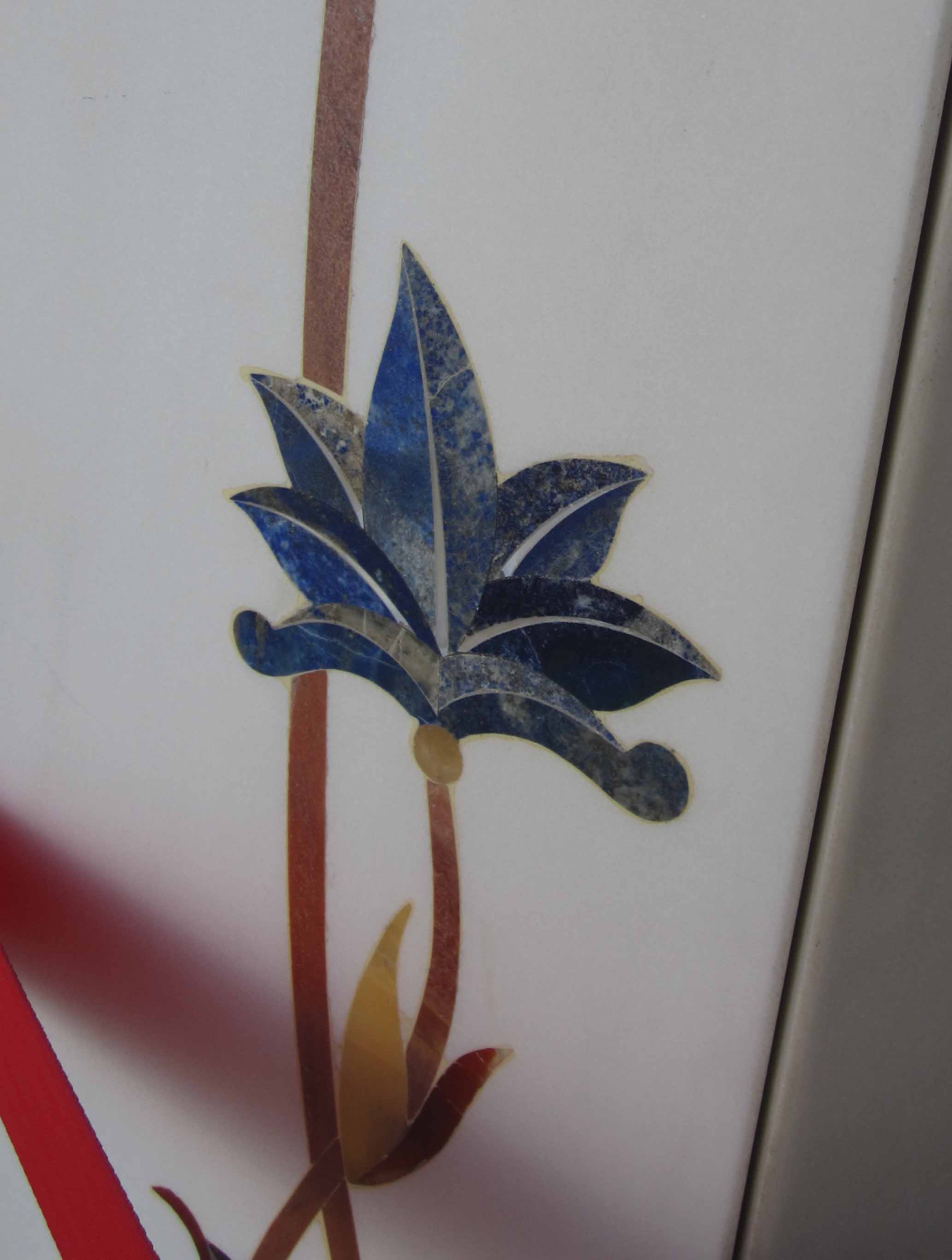
– 1) Dark Lapis lazuli
– 2) Light Lapis lazuli
– 3) Red Agate
– 4) Dark Amethyst
– 5) Light Amethyst
– 6) Dark Green Adventure
– 7) Light Green Adventure
– 8) Moss Agate
– 9) Pink Adventure
– 10) Dark Red Adventure
– 11) Light Red Adventure
– 12) Abalone Shell
– 13) White Mother of Pearl
– 14) Fancy Jasper
– 15) Sodalite
– 16) Haqiq Red
– 17) All Veins in Leaves: White Jambu
– 18) Mehndi Pfizer
Have a great day!
I am very grateful to Michelle for providing this information about the decorative stones.
I’m not sure about the lithology of the “adventure” (or the “white jambu” or “mehndi pfizer”) stones. I presume that these are names for decorative stones provided by a particular supplier– or possibly “adventure” could be referring to adventurine. I think that the “haqiq red” stone may be carnelian. I also noticed some green serpentine rocks around the mosque. Likely the green marble contains plenty of serpentine!
It is important to bear in mind that often decorative building stones are given names that are different from the actual lithologies. For example, a variety of rocks are sold as “granite” without actually being real granite! That’s because everyone wants granite countertops– even when other types of stones are just as good as (and often rarer and more beautiful than!) granite. Thus, some of the decorative stones used in the mosque could possibly have rock names that differ from the true (i.e. scientifically accurate) rock names.
Perhaps next time I visit Abu Dhabi (which I hope to do before too long!) I can inquire further about the decorative stones used in the mosque. I’d certainly love to learn even more about these beautiful building stones!
Detail of one of the stone flowers.
Again, I highly recommend visiting the Sheikh Zayed Grand Mosque if you ever find yourself in Abu Dhabi. I was very impressed with my (free!) tour and also impressed with the mosque’s quick reply to my inquiry email about the decorative stones. Above and beyond that, the mosque is the most stunning building that I have ever visited — it is a truly awe-inspiring place.
UPDATE: See Part II for some more information on the decorative stones used in the mosque.
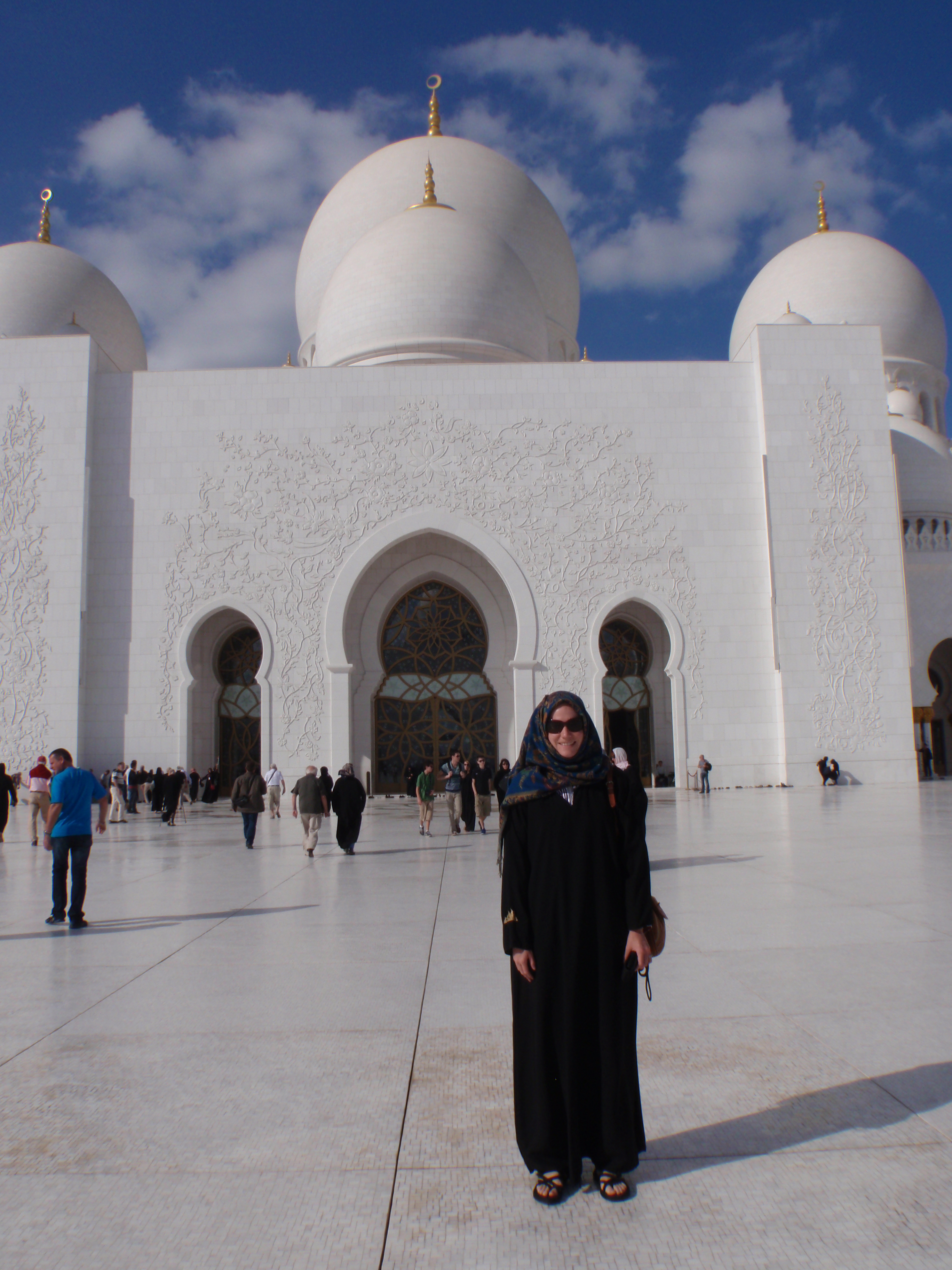
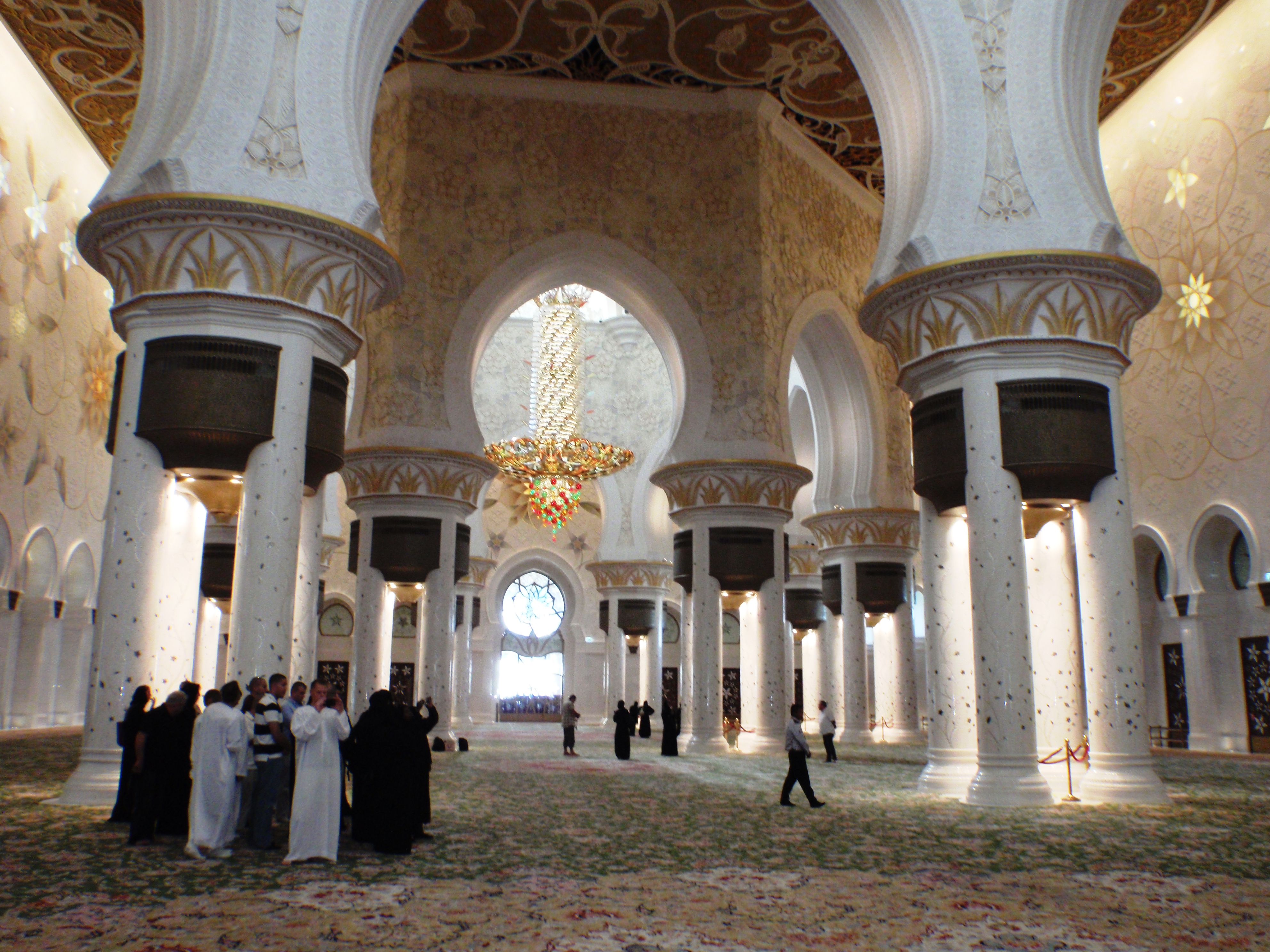
After sharing my mangrove kayaking pictures for this week’s “Monday Geology Picture” post, I thought I would share some more pictures from my January 2012 trip to Abu Dhabi, United Arab Emirates. The day after kayaking, my friend Karima and I visited the stunningly beautiful and elaborate Sheikh Zayed Grand Mosque. This impressive mosque was built for an estimated $545 million USD, is the size of 5 football fields, and can accommodate 40,000 worshipers. The mosque was built over many years and opened in 2007. The mosque welcomes tourists as well as Islamic worshipers. For our visit to the mosque, Karima and I donned conservative, respectful clothing (long skirts, long sleeves, and headscarves) and joined a tour group. The mosque is breath-taking– it was hard to believe, sometimes, that it was real. At times, I felt as if we had stepped into a magical world. I greatly enjoyed my visit to the mosque and highly recommend the tour to anyone visiting Abu Dhabi.
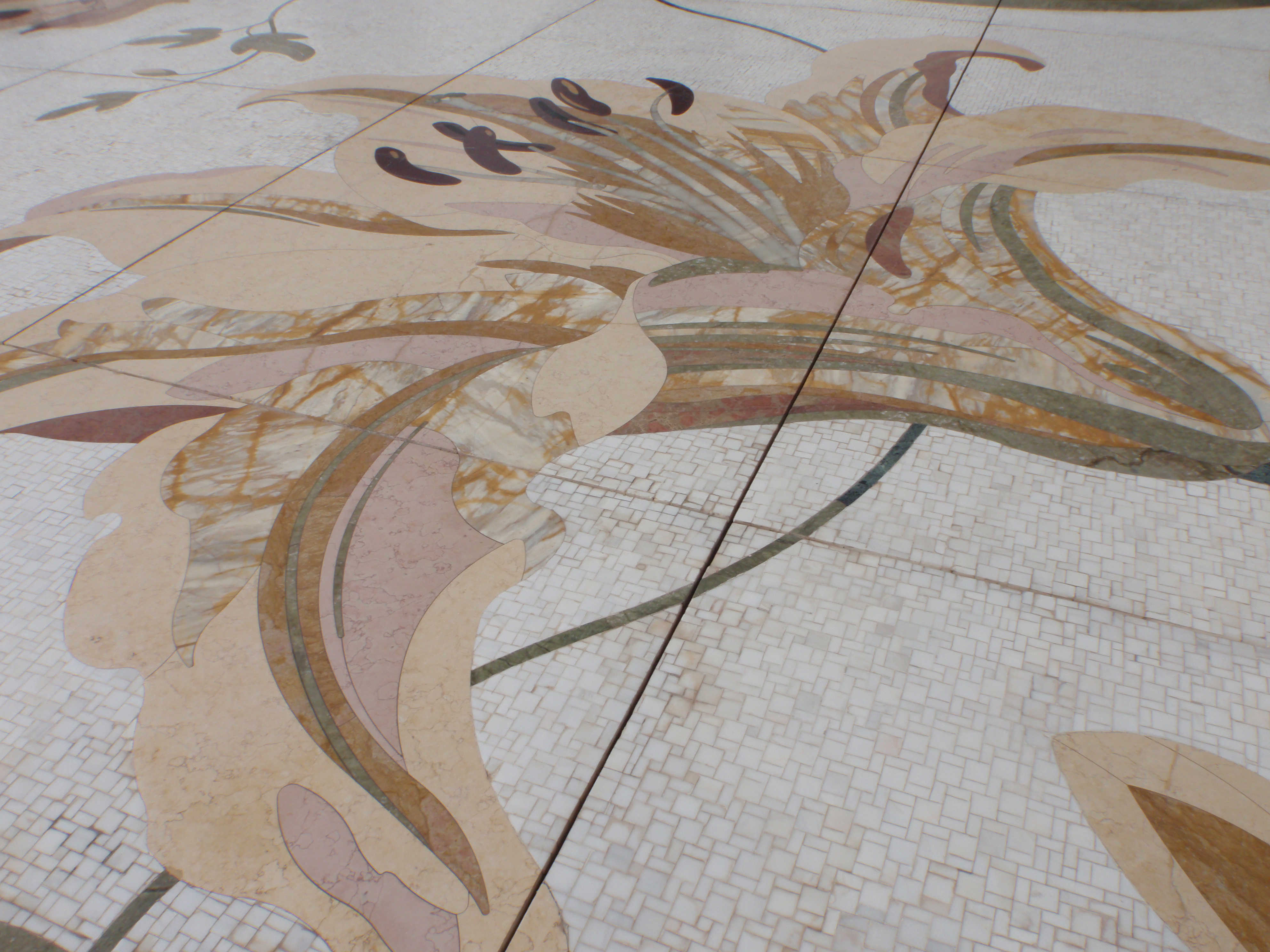
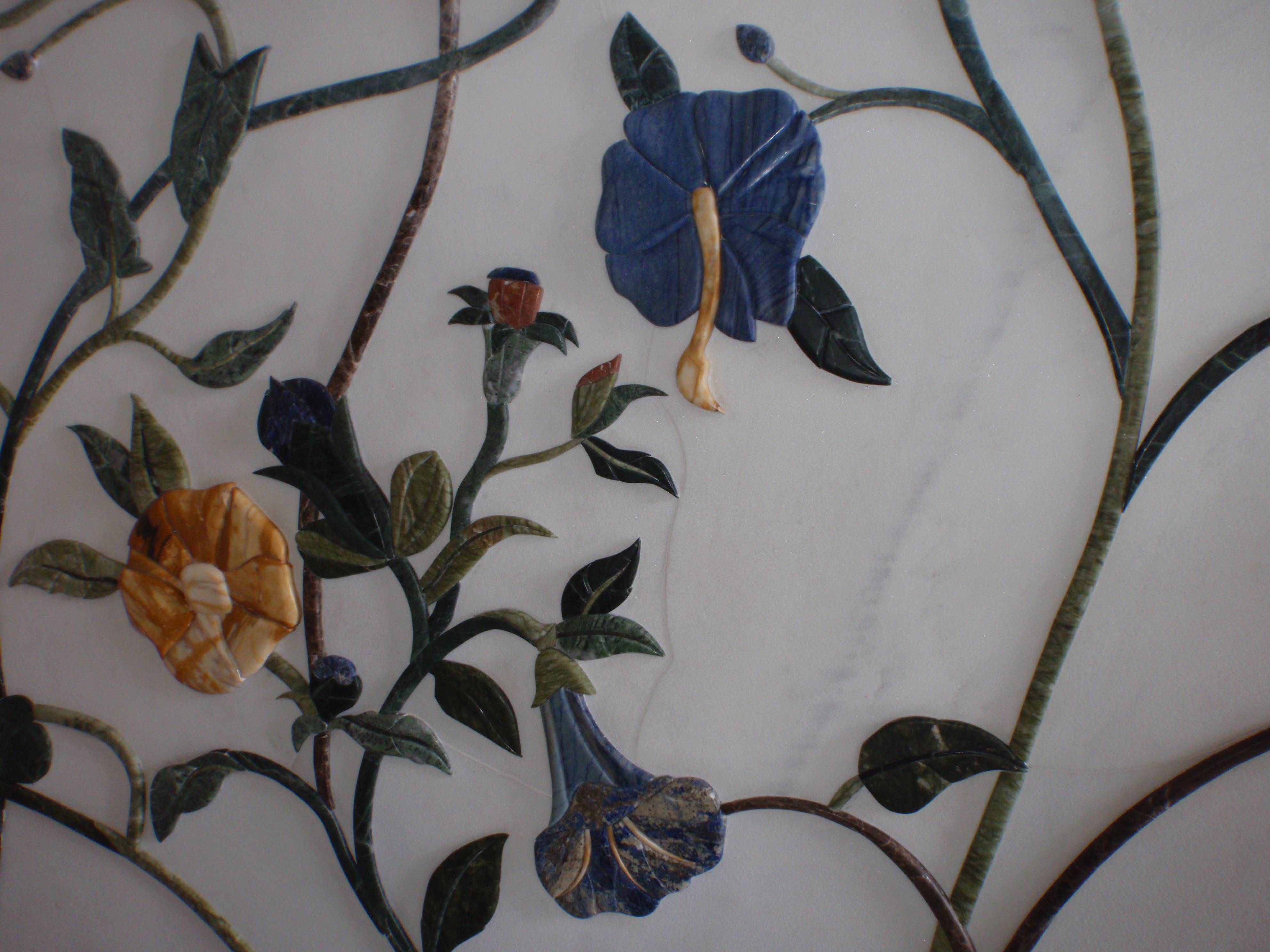
During the tour, I spent much of my time admiring the decorative building stones, which come in all colors, shapes, and lithologies and were likely sourced from all over the world. The primary building stone used in the mosque is a stunning white marble. I tried to identify the other decorative stones when I could. How many stones can you identify? Where do you think the stones might be from? Leave a comment below!
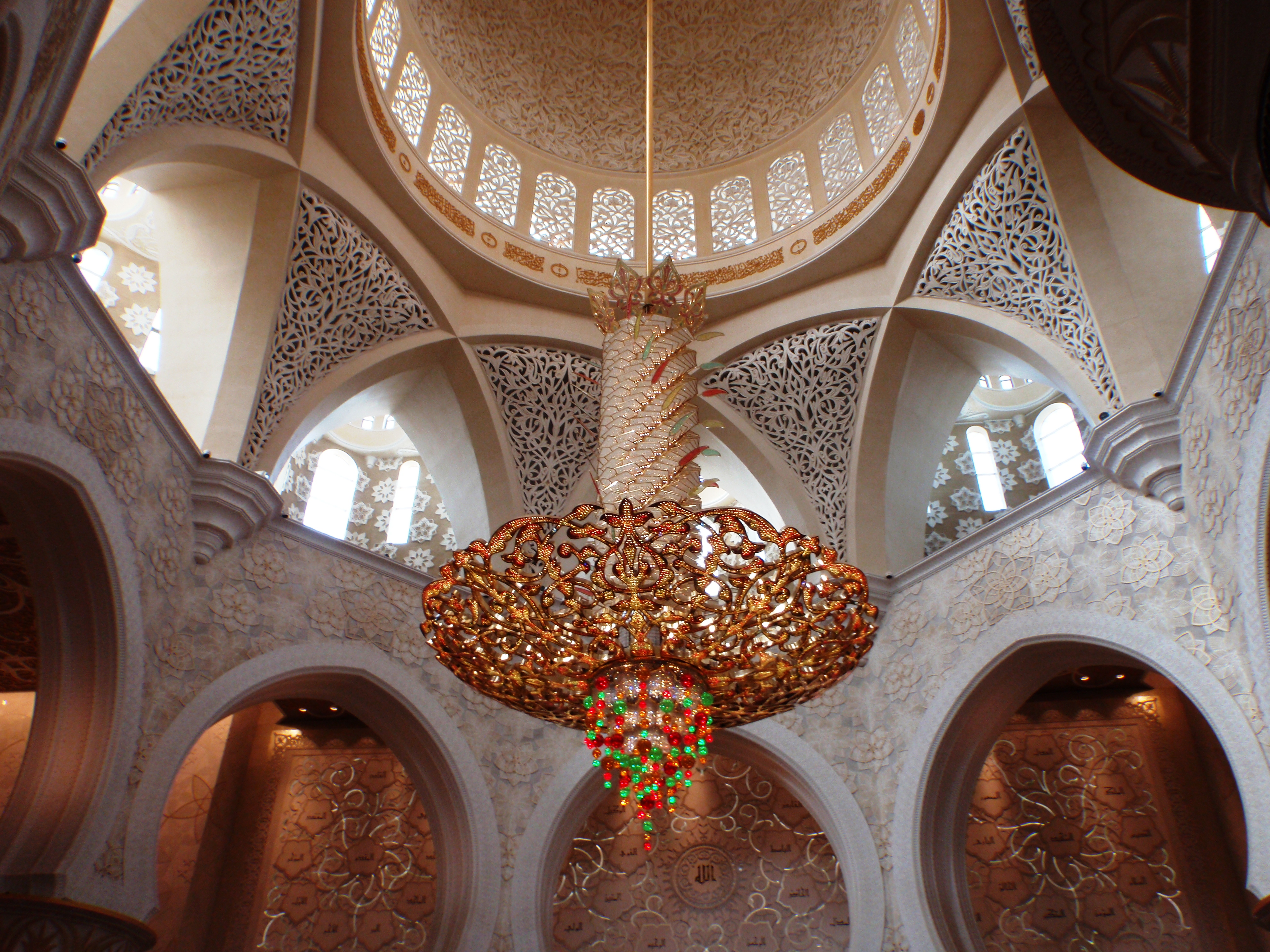
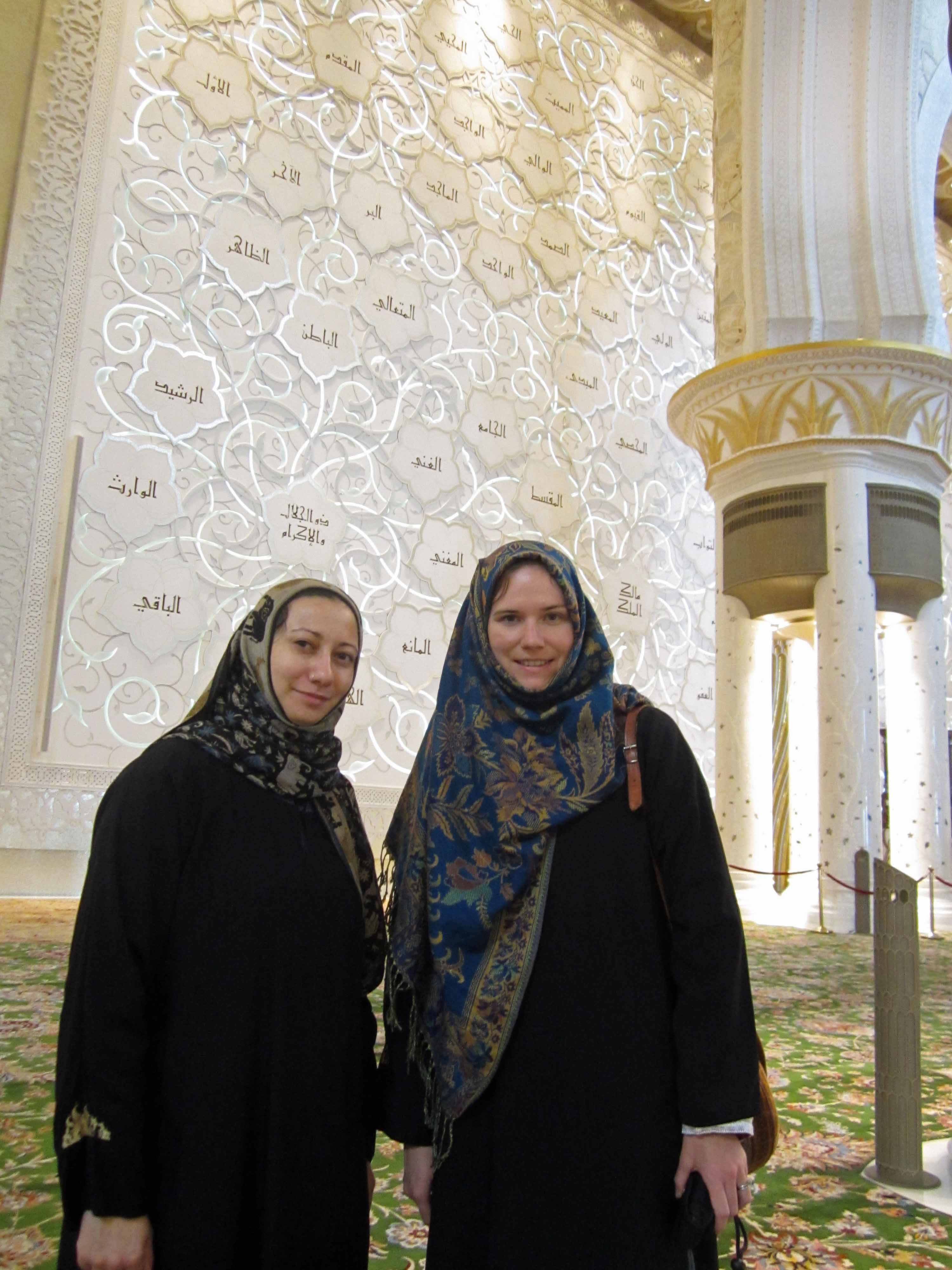
The Sheikh Zayed Grand Mosque #2.The Sheikh Zayed Grand Mosque #3. That's me dressed up in mosque-appropriate clothing.The Sheikh Zayed Grand Mosque #4. Shoes are left outside the mosque in the courtyard.The Sheikh Zayed Grand Mosque #5. More shoes in the courtyard.Sheikh Zayed Grand Mosque #6. An incredibel courtyard floor!Sheikh Zayed Grand Mosque #7. Detail of a leaf.Sheikh Zayed Grand Mosque #8.Sheikh Zayed Grand Mosque #9. Intricate stone flowers on the wall of the mosque. Sheikh Zayed Grand Mosque #10. More intricate stone flowers. How many different lithologies can you spot?Sheikh Zayed Grand Mosque #11.Sheikh Zayed Grand Mosque #12.Sheikh Zayed Grand Mosque #13.Sheikh Zayed Grand Mosque #14.Sheikh Zayed Grand Mosque #15. Stone flowers everywhere!Sheikh Zayed Grand Mosque #16.Sheikh Zayed Grand Mosque #17. A stunning chandelier.Sheikh Zayed Grand Mosque #18. Awestruck inside the mosque.Sheikh Zayed Grand Mosque #19. Karima and I inside the mosque. The wall behind us features the 99 names of God in Islam.Sheikh Zayed Grand Mosque #20. The carpet inside the mosque is incredible- intricate and very, very beautiful. And also one of the largest carpets in the world!Sheikh Zayed Grand Mosque #21. Another view of the amazing carpet.Sheikh Zayed Grand Mosque #22.Sheikh Zayed Grand Mosque #23. Beautifully carved stone.Sheikh Zayed Grand Mosque #24. Decorative tilework in one of the courtyards.Sheikh Zayed Grand Mosque #25. Yours truly posing with some beautiful tilework.Sheikh Zayed Grand Mosque #26. More decorative stones (outside the main courtyard areas) with shoe for scale.Sheikh Zayed Grand Mosque #27.Sheikh Zayed Grand Mosque #28.
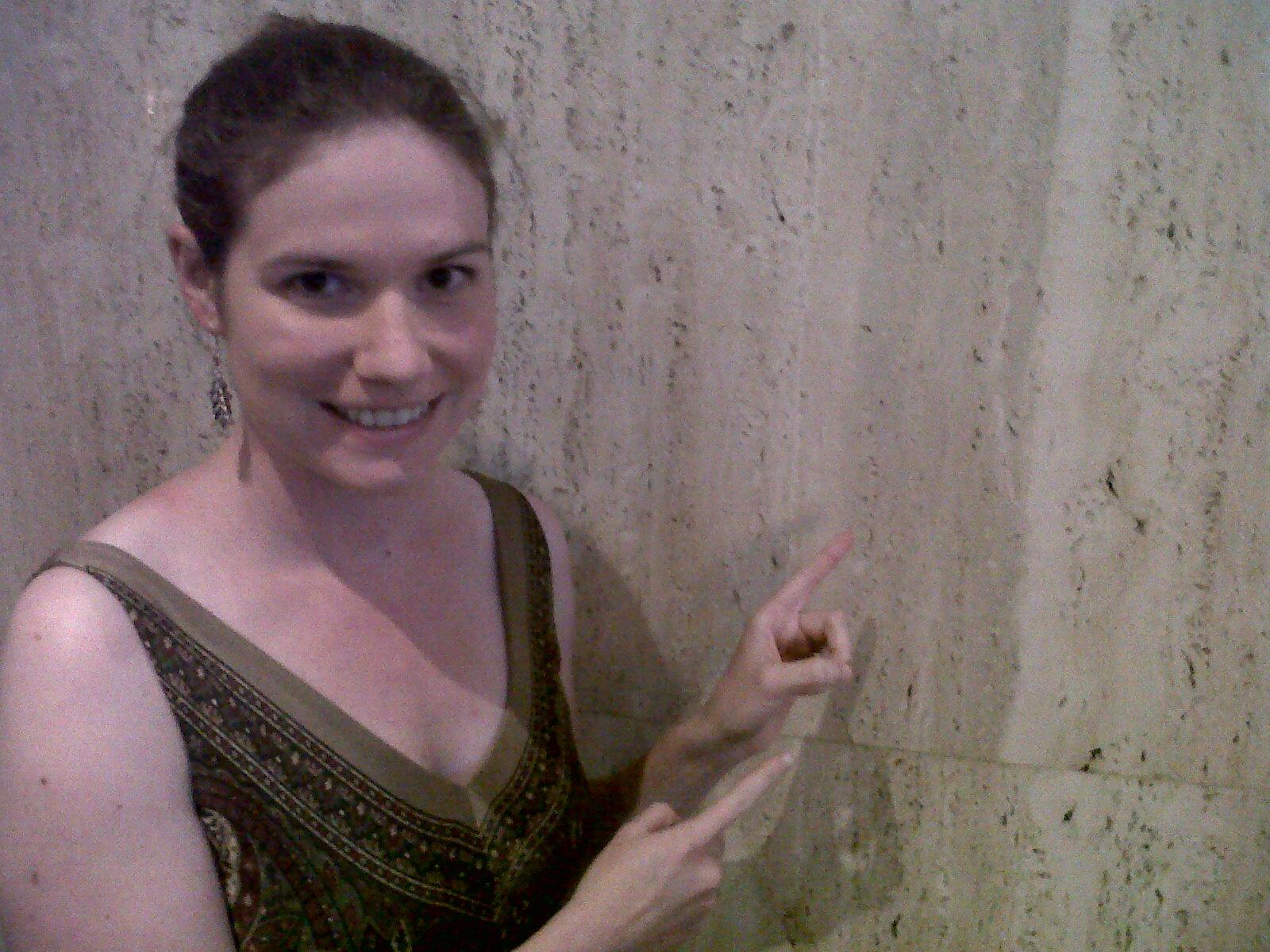
Travertine building stone at the Artscape Theatre in Cape Town, South Africa.
Several months ago, my husband and I went to the opera. Specifically, we went to see a South African production of “The Phantom of the Opera” at the Artscape Opera House in our home city of Cape Town. I had never visited the Opera House before, and I was impressed with the beautiful building. In this week’s geology picture, I am enthusiastically pointing out some travertine building stone in the Opera House. The opera was excellent– very enjoyable, particularly since I’d never seen a live production of “The Phantom of the Opera” before. I had the opera music stuck in my head for weeks!
Rollins Chapel at Dartmouth College in Hanover, NH.
Last week my husband and I visited my alma mater Dartmouth College in Hanover, New Hampshire. Dartmouth has a beautiful campus, and one of my favorite buildings on the campus is Rollins Chapel. The chapel is a multi-faith spiritual center that is used by students and alumni for a variety of purposes. The chapel is used for spiritual services, quiet reflection, weddings, seminars, speeches, and other events. When I was a student at Dartmouth several years ago, the climbing club even used the outside of Rollins Chapel as a bouldering or “buildering” location.
I’m not religious, but I enjoyed and continue to enjoy visiting Rollins Chapel for quiet reflection and also to admire the chapel’s beautiful building stones. The chapel was built with large, rounded blocks of gray-white granite that are complemented by rusty red, more square blocks of sandstone. The chapel also contains some stunning stained glass windows.
Here are some more pictures from our visit to Rollins Chapel last week:
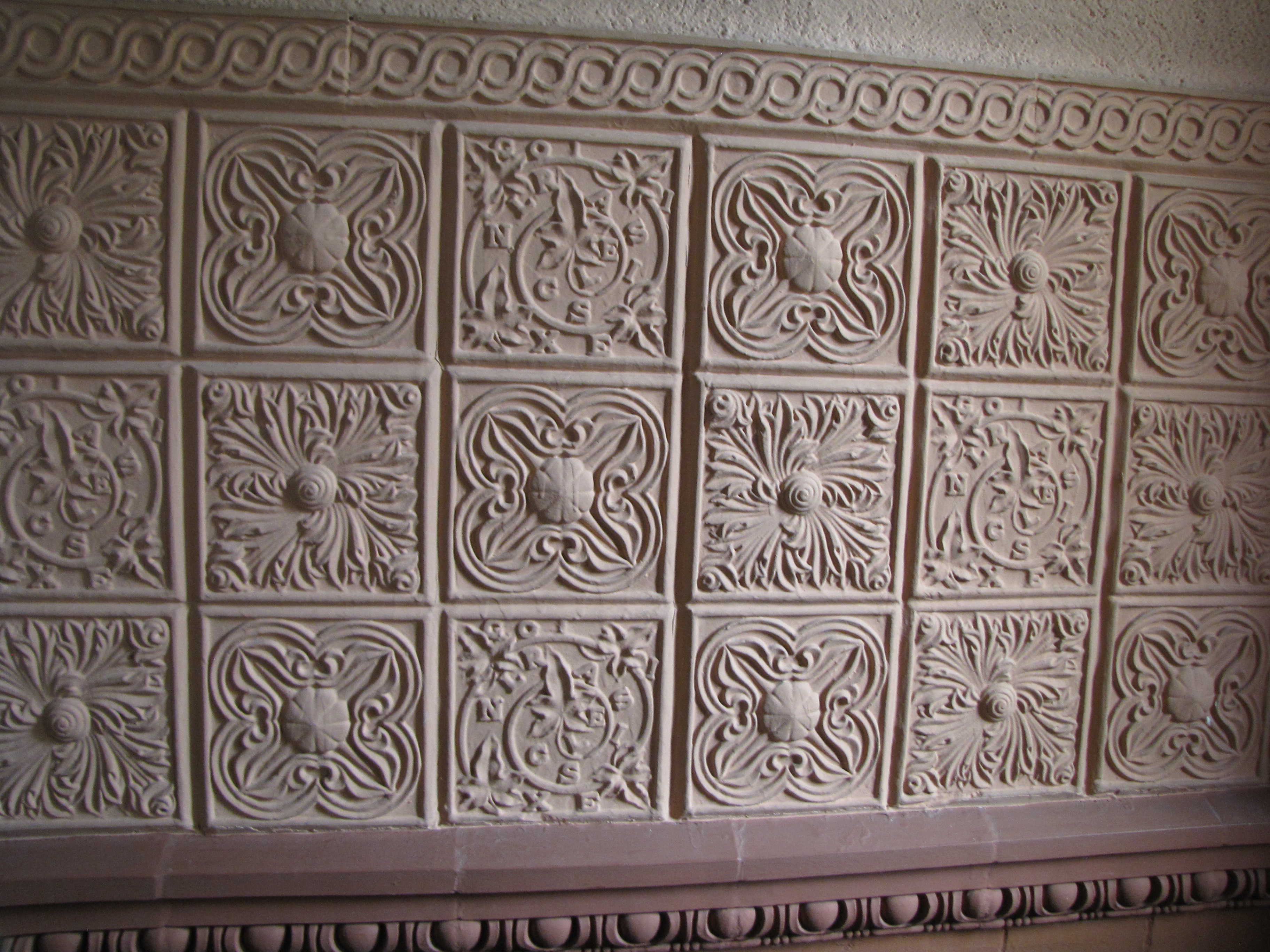
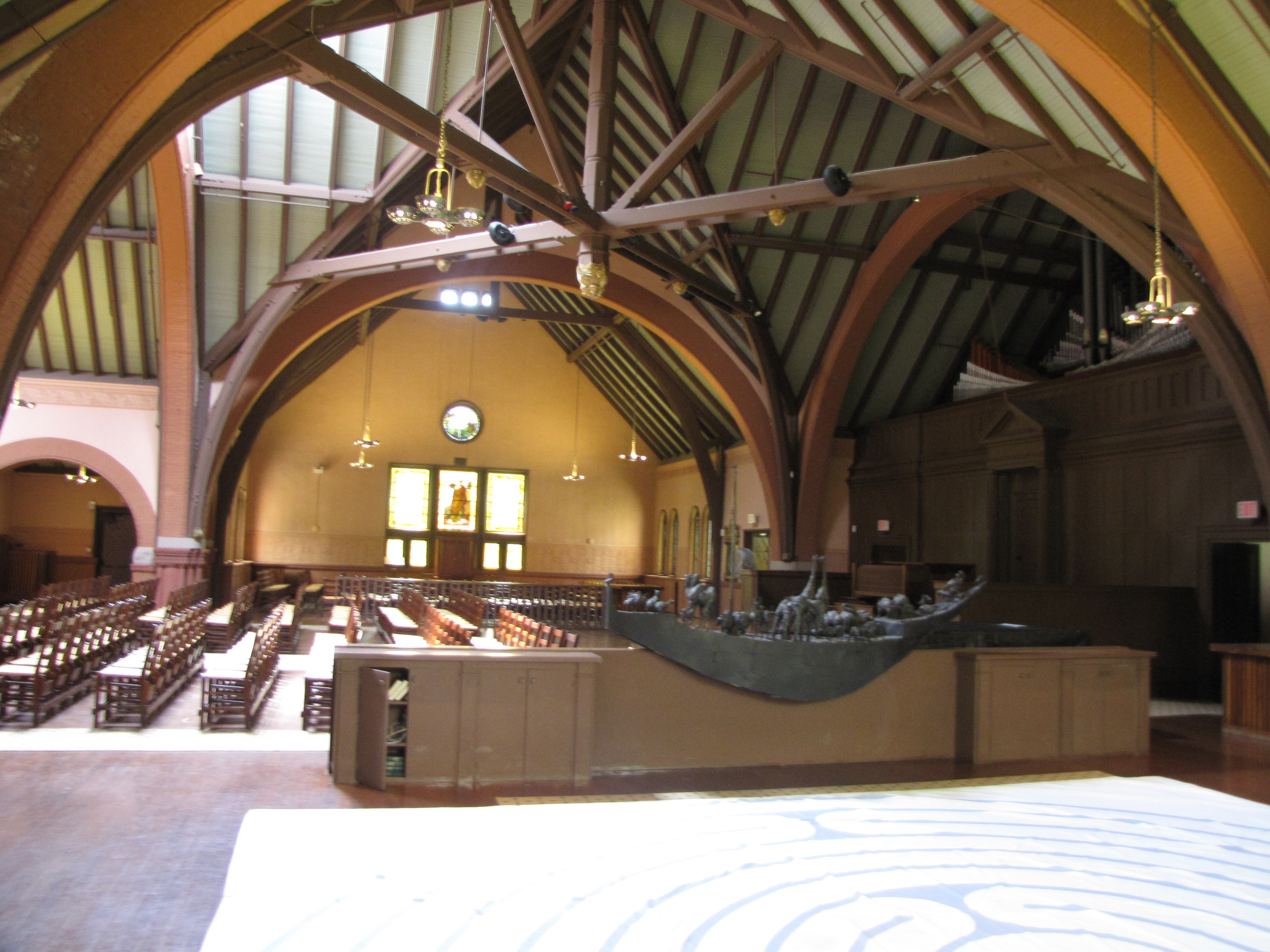
Close-up of the outside of the chapel #1.Close-up of the outside of the chapel #2.Inside of the chapel.A detail of the inside of the chapel. A closer look at some decorative trim inside the chapel.Another view inside the chapel.Carved sandstone inside the chapel.
I highly recommend a visit to Rollins Chapel if you’re ever on the Dartmouth College campus.

































 Georneys