

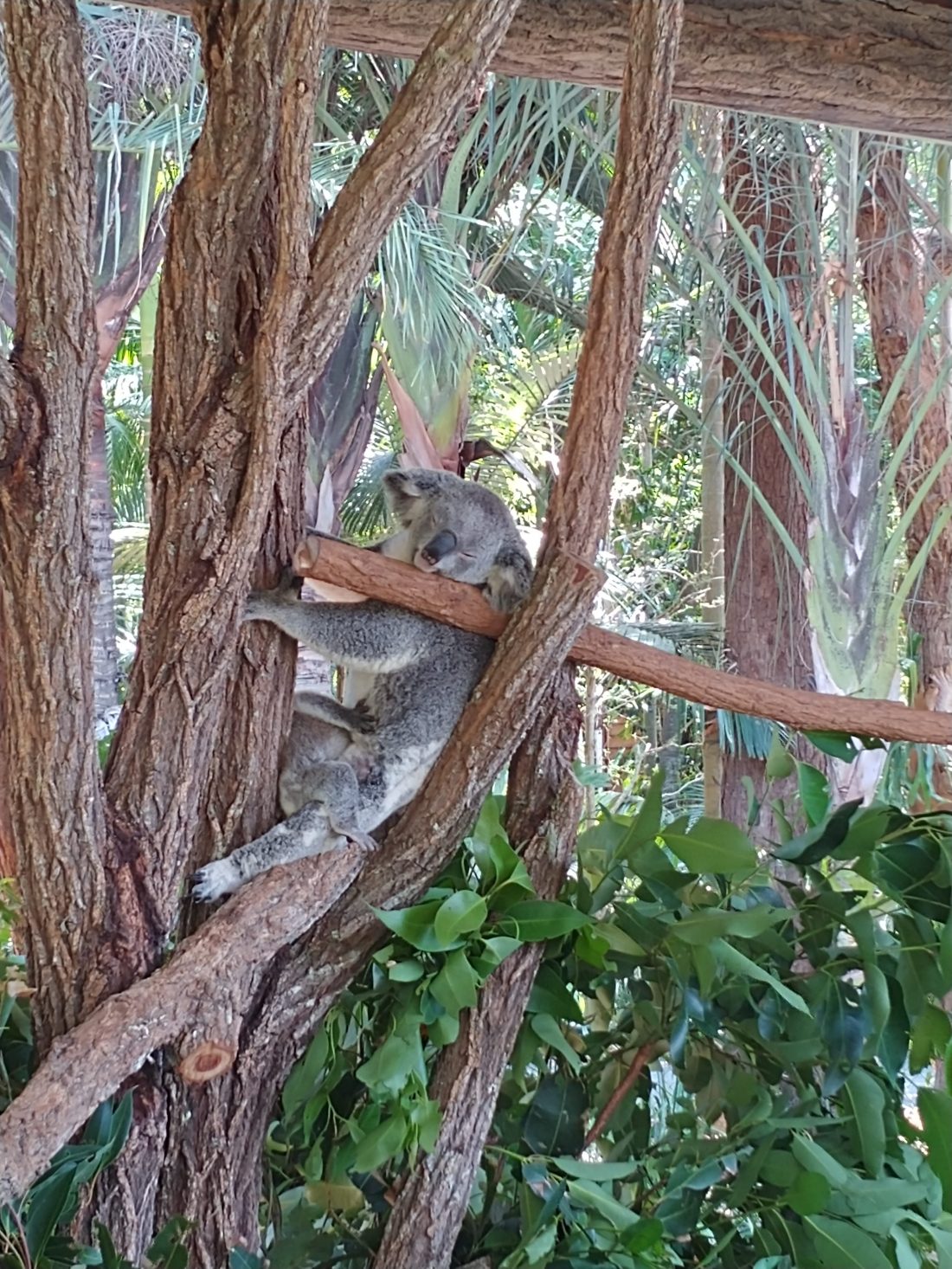

I moved to Australia last year, and I am very happy and proud to be living in this incredible country.
Recently, my heart has been breaking as I hear about the Australian bushfires, which are catastrophic and have grown much worse over the past couple of weeks. The extreme nature of the fires is no doubt due to climate change, as explained, for example, here and here.
I live in Brisbane, and fortunately I haven’t been very affected by the fires, aside from some days of poor air quality. The fires in the state of Queensland are, fortunately, a little better than they were a few weeks ago.
I have felt very emotional over the past couple of months – and especially over the past couple of days as I read about the fires getting much worse in New South Wales and Victoria. The news of fires ripping through Kangaroo Island also made me very upset. I feel sad and helpless – the scale of the devastation and environmental loss is enormous, monstrous, almost unimaginable. There are ecosystems that may never recover. I mourn the loss of these ecosystems, and I feel despair that the world may not wake up in time to avert more major losses as a result of climate change disasters.
I allowed myself some time to feel sad this weekend. Sometimes that is necessary. Then, I decided that I should try to do something to help, even if it is a very small something.
So, I started a birthday (my birthday is January 12th) fundraiser on Facebook for Australia Zoo, which is a zoo about an hour from Brisbane that does amazing work for animals. They have an incredible animal hospital that has treated thousands of animals affected by bushfires. You may know the zoo because it is owned by Steve Irwin’s family. We have a family pass to the zoo, so my husband and I take our son there often. He loves visiting and seeing all of the animals.
I set an initial goal of raising $500 AUD for the fundraiser, and I’m happy to say that I’ve already raised more than that, thanks to some generous donations from friends and family. However, I would love to raise more. If you have a few dollars to spare, please consider donating. If you do and are willing to message me your address, I’ll mail you a postcard from Australia as a thank you!
In fact, I won’t limit the postcard offer to my Facebook fundraiser, since I know that many people are not on Facebook — and also there are many Australian charities in need of aid right now. If you donate to any wildlife or humanitarian charity that is providing assistance for the Australian bushfires, I’ll send you a postcard. Just leave a comment below saying where you made a donation and then email your address to georneysblog (at) gmail (dot) com.
If you need some ideas of where to donate, there are some in this article. For example, my husband and I recently made a donation to the New South Wales Rural Fire Service, in addition to our donation to Australia Zoo.
If you can’t donate, then please share this post — or the link to my Facebook fundraiser.
I hope that I send many postcards out! It’s one small thing I can do. I still feel sad and overwhelmed by the bushfire news, but I’ll do my one small thing — and hopefully inspire others to do small things as well.






 Georneys