

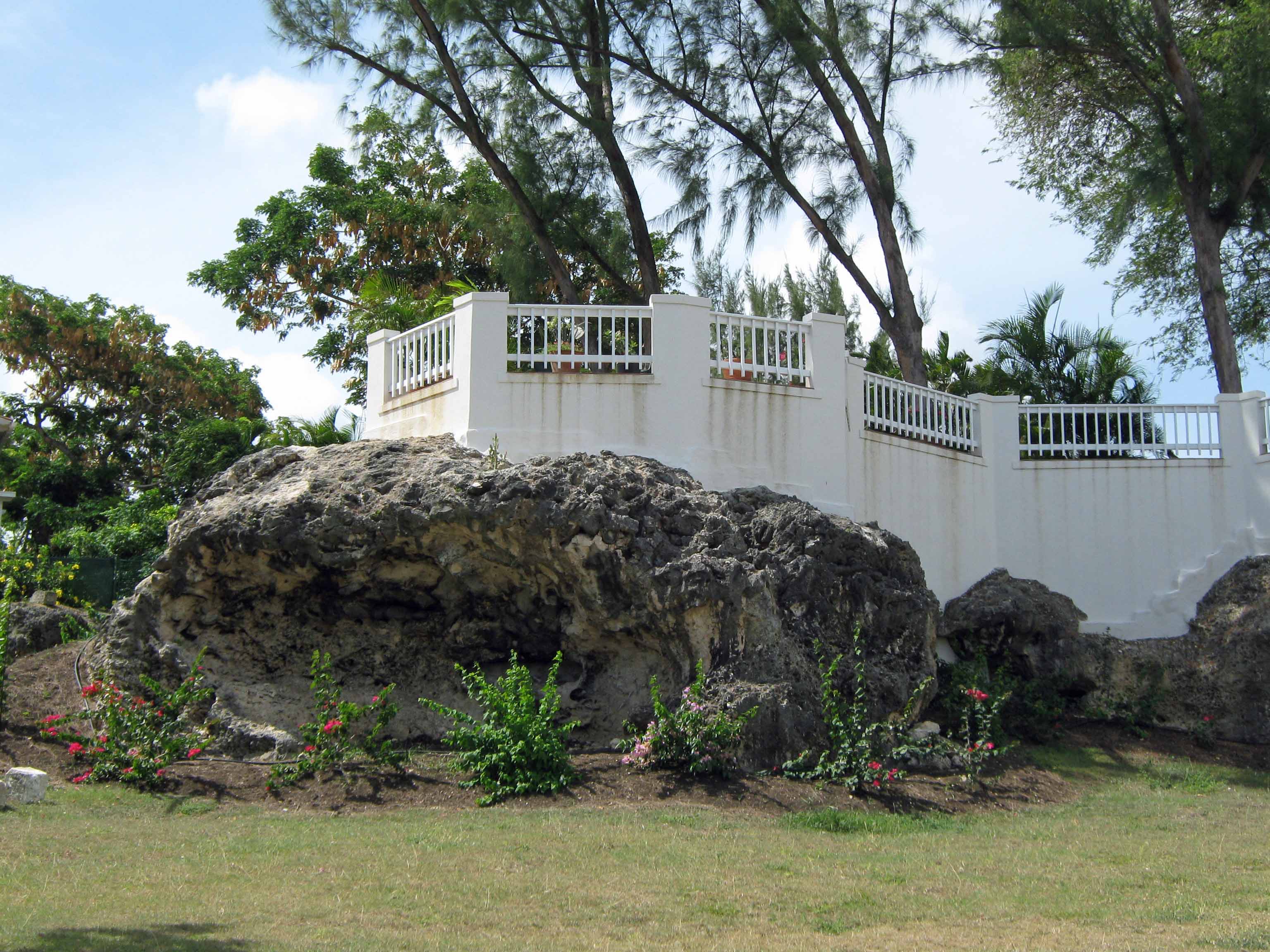
If you live in Barbados, don’t be surprised if one day a group of geologists shows up in your backyard… especially if there are coral rocks in your backyard, which is likely considering how much coral, both modern and fossil, is found on Barbados.
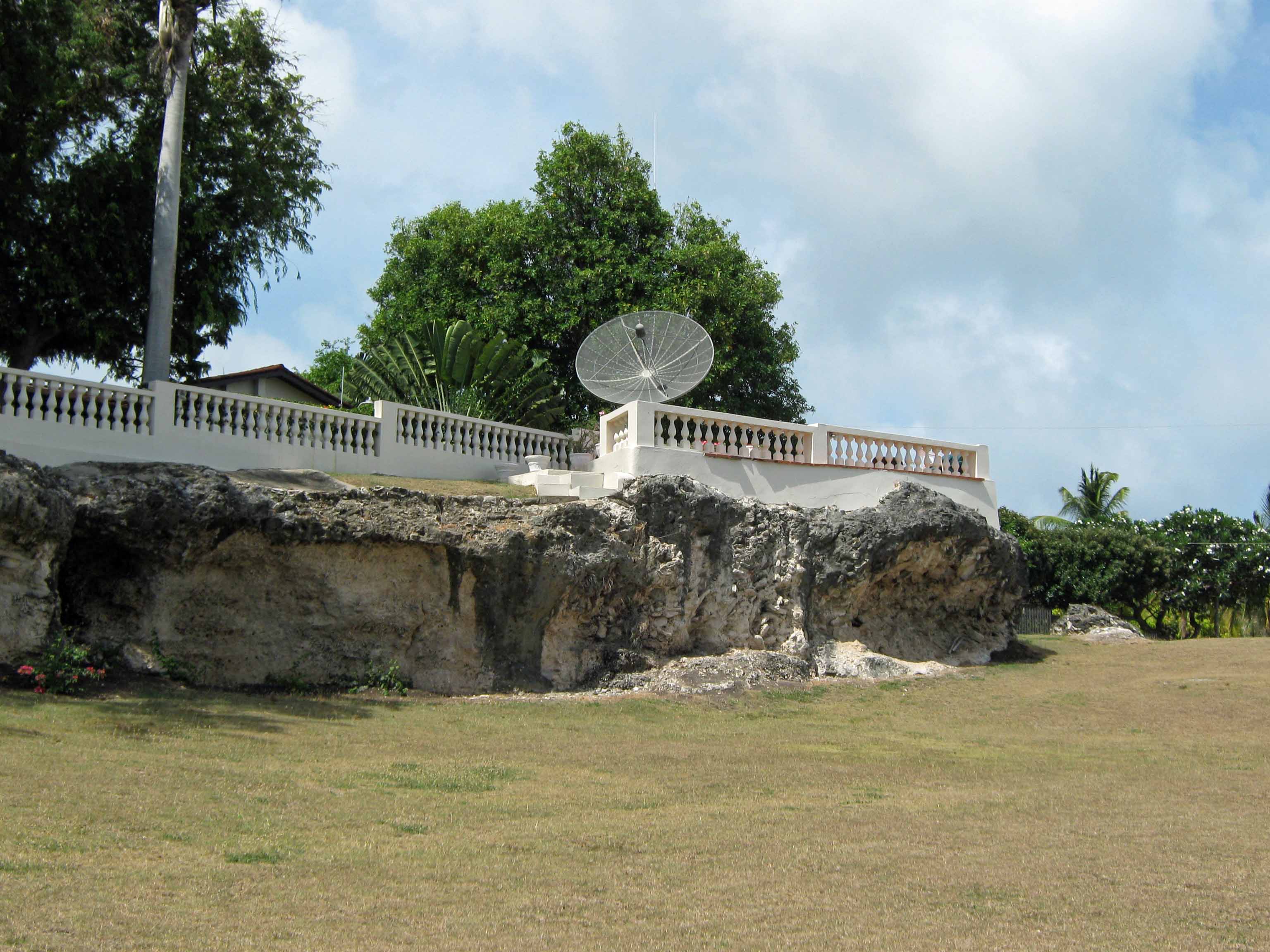
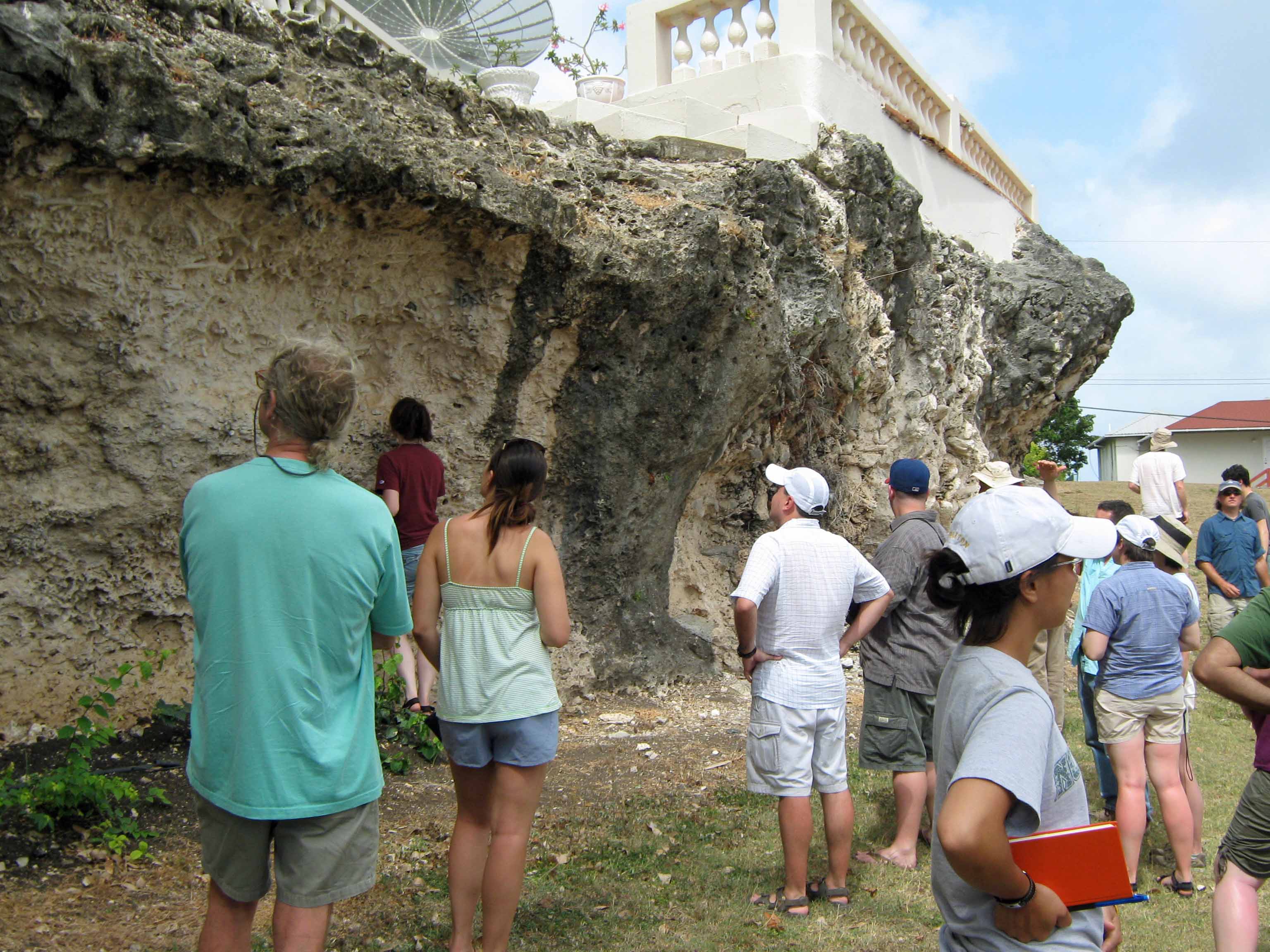

If you live in Barbados, don’t be surprised if one day a group of geologists shows up in your backyard… especially if there are coral rocks in your backyard, which is likely considering how much coral, both modern and fossil, is found on Barbados.

Back in June 2009 I visited the lovely tropical island of Barbados for a week for a paleoclimate field trip as part of one of my graduate school courses. I never blogged about this trip (I only started Georneys in late 2010), so I thought that I would share some pictures from this Barbados trip over the next few weeks. Hope you enjoy!
From the Woods Hole Oceanographic Institution website, here is an explanation of why Barbados is such an important and interesting location for the study of paleoclimate:
The study tour this year [2009] will to the Caribbean island of Barbados, a classic field area for Quaternary sea level study. Barbados is an actively rising island at the crest of the Barbados Ridge, an accretionary prism of the Lesser Antilles forearc. Strongly folded Eocene sedimentary rocks are capped by a sequence of Quaternary coral terraces that grew during sea level changes over the last 700,000 years or so.
A large fraction of what is known today about the rates and magnitudes of Quaternary sea level change comes from studies of the uplifted reef tracts of Barbados and cores recovered from the drowned deglacial coral reefs offshore. The first strong support for the Milankovitch theory of climate change came from the dating of the Last Interglacial terrace; locally know as First High Cliff. This date was key to establishing a timescale for the oxygen isotope record that remains our primary way of establising a stratigraphy and a timescale for all ocean cores.
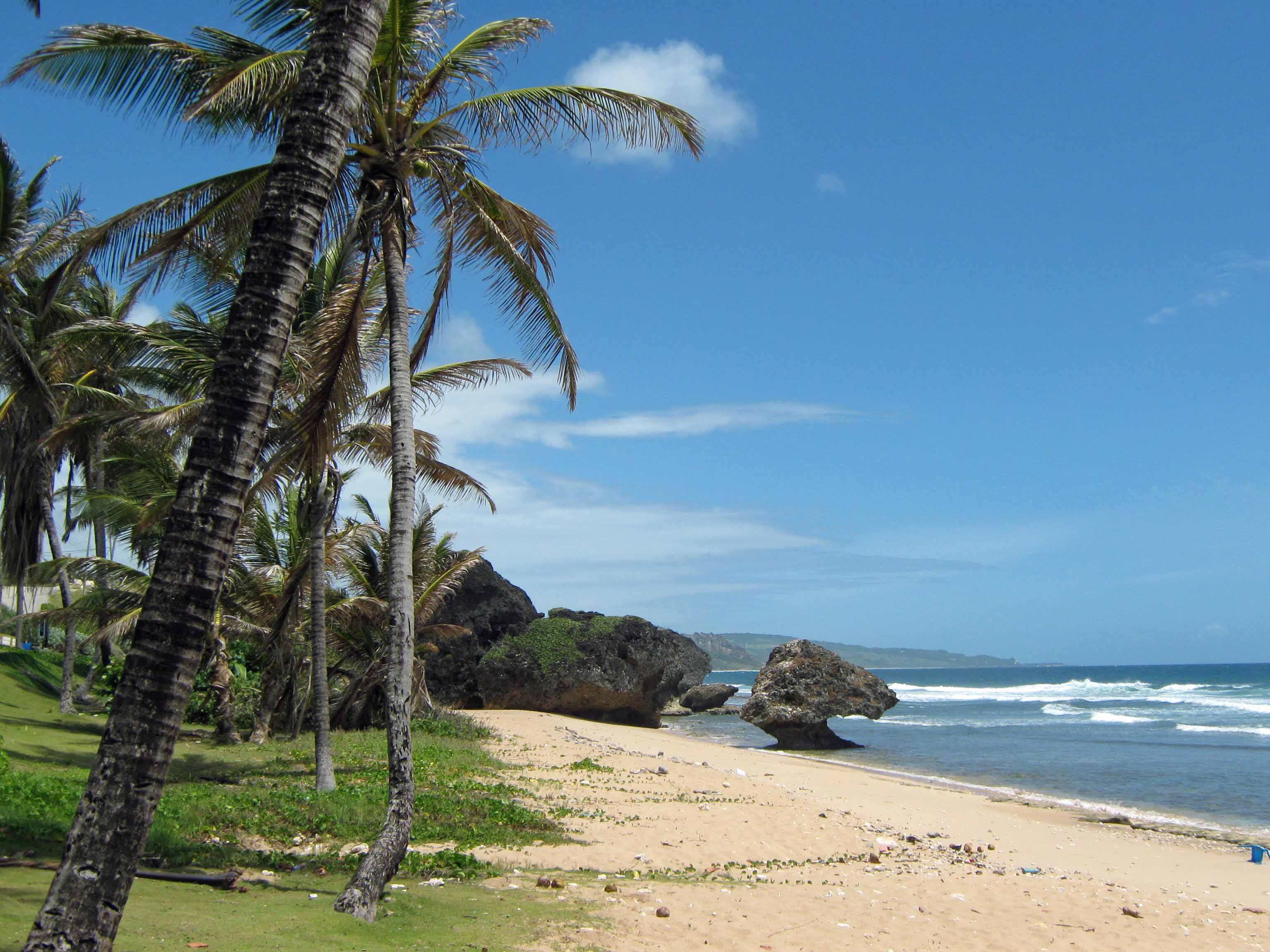
This week, I am sharing some pictures of some coral boulders along a Barbadian beach. I also shared some pictures of a similar coral boulder from the same beach back in 2011. Eroded by waves, the coral boulders weather into some fantastical, beautiful shapes.

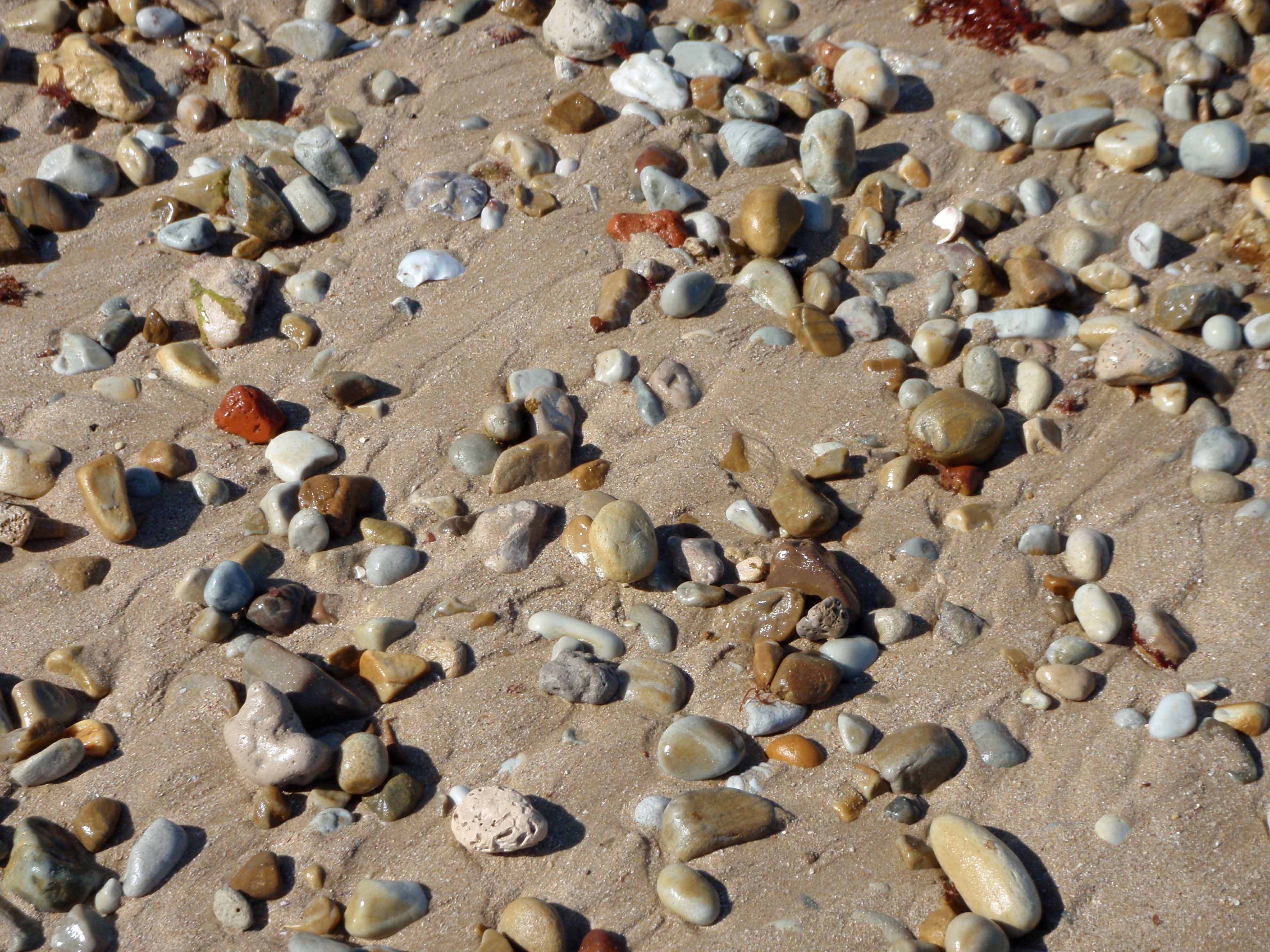
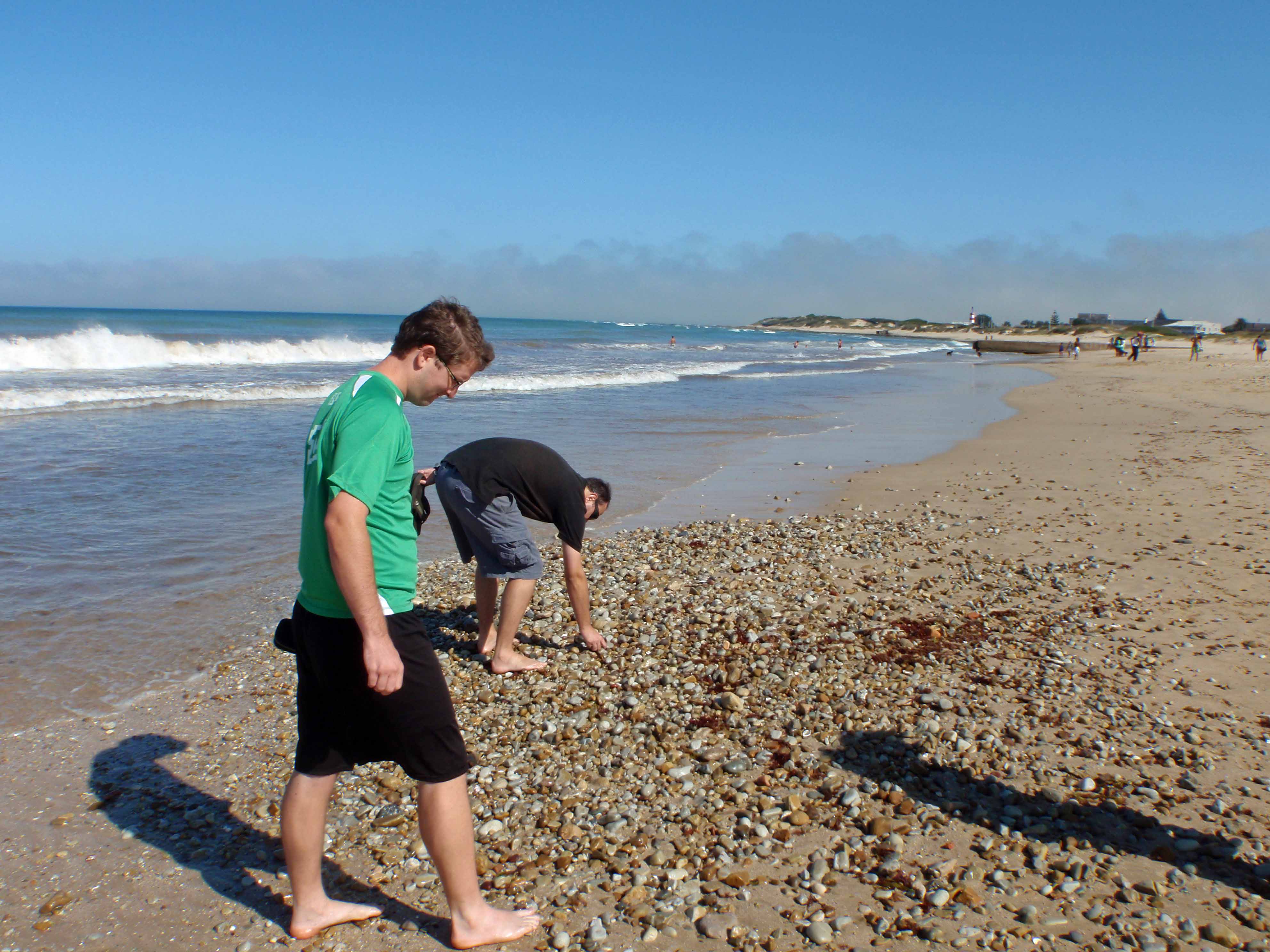
For this week’s Monday Geology Picture post, I thought I would share some pictures which I took last month on a beach in Port Elizabeth, South Africa. As I was walking along the beach with my husband and some friends, we came across a pile of rounded pebbles of various lithologies. Some of the rounded pebbles seem to be anthropogenic in origin– I think they are rounded pieces of brick.

Note: Dr. Steffi Burchardt, a senior lecturer in Structural Geology at Uppsala University in Sweden, presented a talk, “Xeno-pumice erupted offshore El Hierro, Canary Islands: A tale of stoped blocks in magma chambers?” at the LASI V workshop in Port Elizabeth, South Africa in October 2012. The article below is based on this talk and also an interview with Dr. Burchardt. Over a few weeks, I am highlighting some of the research that was presented at the LASI V workshop. This is the second post in that series.
Following a period of intense seismic activity, on October 10th, 2011 a submarine eruption began approximately 1 kilometer off the coast of El Hierro, the youngest and westernmost island in the Canary Islands, which is a group of volcanic islands believed to have been formed through hotspot volcanism. The eruption was evident from the unusual conditions on the sea surface: the sea bubbled, like a Jacuzzi, and was stained green. The large green stain was easily observable from space. In the midst of these strange conditions, some highly unusual rocks were erupted. For several days after the sea started bubbling, strange floating rocks were observed and collected off the coast of La Restinga, the closest town to the undersea eruption. These floating stones were generally tens of centimeters in size and resembled lava bombs in shape. The outsides of these floating rocks consisted of basanite , a rock type commonly observed in the Canary Islands and other volcanic ocean islands. Basanites don’t generally float. However, these basanite shells floated because their insides were filled with a white to light grey, pumice-like material. Pumice is a highly vesicular rock, which means that it is a rock full of voids or bubbles, which make the rock light enough to float on water.


While the pumice-like centers explained why the rocks floated, they also raised a multitude of questions and triggered some heated debates amongst geologists. This is because pumice is not commonly produced in the Canary Islands* or in other oceanic island hotspot environments, such as Hawaii and Iceland. The lavas erupted at oceanic island hotspots are generally mafic, low viscosity lavas such as basalts (and basanites). Viscosity is, in essence, a measure of how resistant lava is to flowing. The less viscous a lava, the more likely that lava is to flow. Therefore, low viscosity lavas such as basalts tend to flow easily and also tend to regularly release volatiles such as water and carbon dioxide. Therefore, the pressures in these lavas remain relatively low, and violent eruptions are uncommon. Pumice is most commonly produced during eruptions of felsic, highly viscous, volatile-rich lavas, which are found in environments such as island arcs, not oceanic island hotspots. The voids or bubbles in pumice represent places where volatiles have been rapidly released due to a pressure change, often during a violent eruption.
So, what was pumice-like material doing in an oceanic island eruption? A number of theories were put forward to try to explain the floating rocks that were erupted off of La Restinga. Some scientists thought the pumice-like material represented juvenile, highly silicic, highly viscous magma (such as rhyolite), which is very explosive. Other scientists proposed that the pumice-like material represented re-melted magmatic material, altered volcanic rock, or reheated hyaloclastite or zeolite from the slopes of El Hierro. Mysterious in origin, the floating stones were called “restingolites” after the nearby town of La Restinga.
After extensive analysis, a group of scientists (Troll et al., 2012) proposed an alternative hypothesis to explain the pumice-like material found in the restingolites. Based on the material’s high silica content, lack of igneous trace element signatures, and high oxygen isotope values as well as the presence of remnant quartz, jasper, carbonate, and wollastonite, Troll et al. concluded that the pumice-like material in the restingolites in fact represented xenolithic material from pre-island sedimentary layers that were picked up and heated by ascending magma, which caused the layers to partially melt and bubble. Looking like pumice and originating as xenoliths, Troll et al. dubbed the restingolites “xeno-pumice”.
Dr. Burchardt elaborates, “Xeno-pumice is definitely not an established term. We have coined it for the first time in the case of El Hierro eruption. The name comes from adding the preface ‘xeno-‘, which means foreign, to ‘pumice’. We used this term because the floating rocks of El Hierro present the characteristics of pumice, but they are actually not pumice in origin; they are actually xenoliths. We found out, based on mineralogy and also the fact that they contain detrital sand grains and fossils, that they are actually not magmatic in origin but rather that they are xenoliths from the sedimentary layers that underlay the Canary Islands. So, they are older than the volcanism. When the magma was rising, it stagnated at this level and interacted with the sedimentary rocks, sandstone and minor carbonate, and the magmas transported the xenoliths up with them to the ocean floor, where they were erupted. But in the process of the ascent of these xenoliths, they were subject to heat from the magma, so they started to melt. Since they contain a lot of water, this water started to boil and formed bubbles. The end product was something that looked like a pumice: lots of bubbles surrounded by a glassy matrix.”
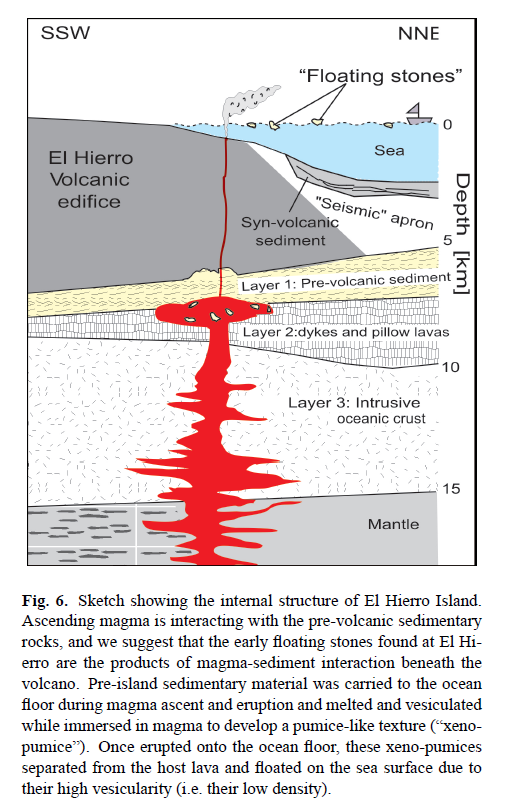
Even though xeno-pumice was not a known rock type before the 2011 El Hierro eruption, Dr. Burchardt and her colleagues think that xeno-pumice may actually be a common—if not commonly recognized—rock type in other parts of the world.
Dr. Burchardt explains, “The El Hierro eruption was a very fortuitous circumstance for our work because my colleagues and I had been working on similar rocks from volcanoes worldwide, but that they were not previously recognized as xeno-pumice. The El Hierro eruption was therefore some kind of a breakthrough for our research in this field, and there will be a whole series of papers dealing with xeno-pumice from different parts of the world.”
By November, the xeno-pumice rocks were no longer being erupted, and worries that a dangerous, explosive eruption could occur at El Hierro abated. The identification of the restingolites as xeno-pumice was also good news for the hazard risk at El Hierro.
Dr. Burchardt explains, “It was good news that these xenoliths are sedimentary in origin because it means that there is no rhyolitic magma beneath the island, which means that a big explosive eruption isn’t likely.”
While the xeno-pumice rocks do not carry the message that an explosive eruption is likely to occur at El Hierro, they do carry other important messages from the deep. The unusual xeno-pumice rocks observed erupting at El Hierro in 2011 can provide much direct information about the interaction of magma and oceanic sediments and also may indicate that recycling of oceanic sediments into magma is an important process at ocean islands. Further study of xeno-pumice from the Canary Islands—and also from other parts of the world—will go a long way towards helping geologists better understand how volcanic eruptions at ocean islands interact with oceanic crust and sediments as they make their way to the surface.
*Update: Commentor Siim Sepp points out that intermediate composition pumice is found on the Canary Islands, most notably on the island of Tenerife. This is a very good point. I have perhaps oversimplified the explanation– pumice can be found at volcanic ocean islands under certain conditions. Thanks for pointing this out, Siim!
Reference:
Troll, V.R., Klügel, A., Longpré, M.-A., Burchardt, S., Deegan, F. M., Carracedo, J. C., Wiesmaier, S., Kuepper, U., Dahren, B., Blythe, L. S., Hansteen, T., Freda, C., Budd, D., Jolis, E. M., Jonsson, E., Meade, F. C., Harris, C., Berg, S. E., Macini, L., Polacci, M., and Pedroza, K. 2012. Floating stones off El Hierro, Canary Islands: xenoliths of pre-island sedimentary origin in the early products of the October 2011 eruption. Solid Earth, Vol. 3: 97-110.
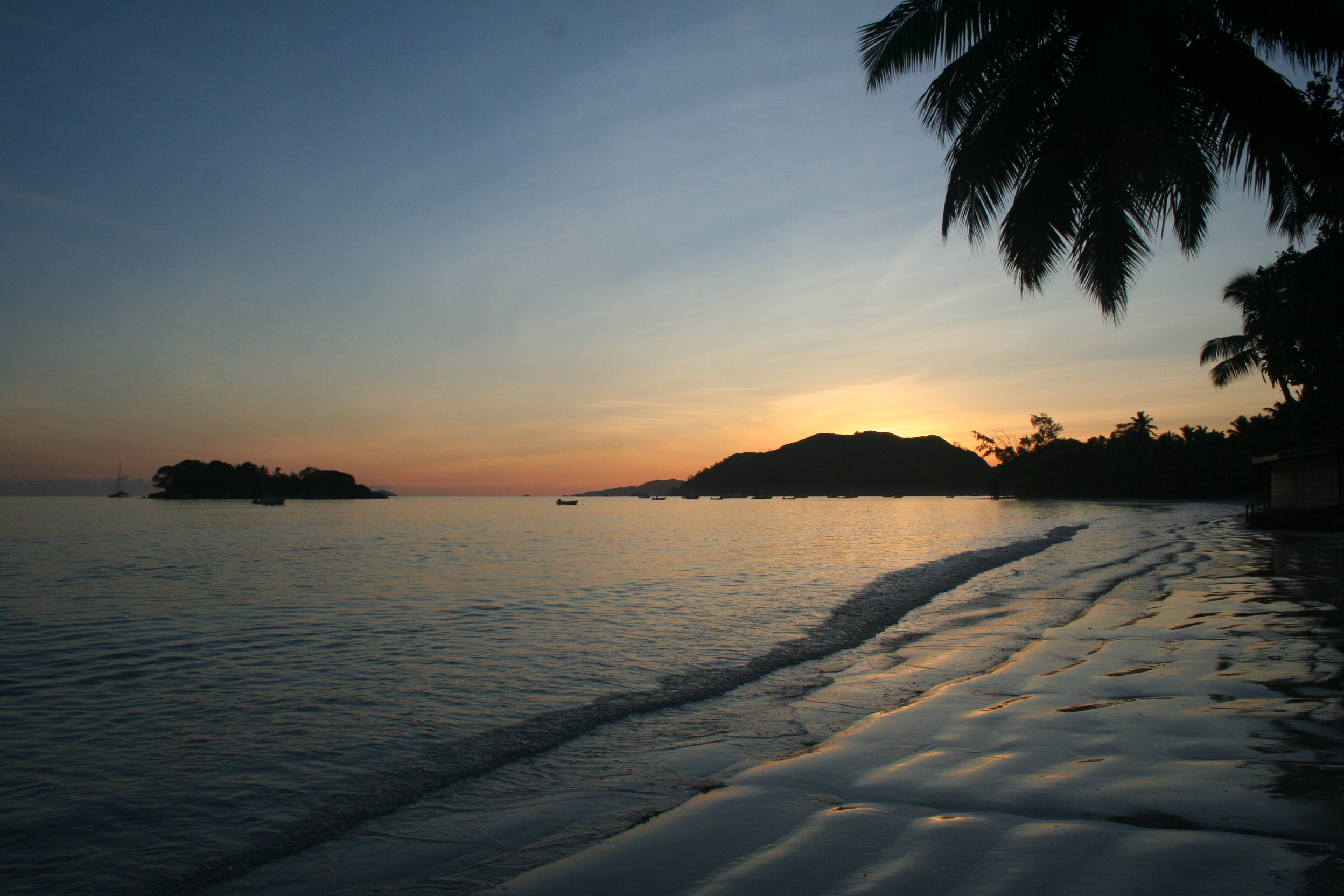
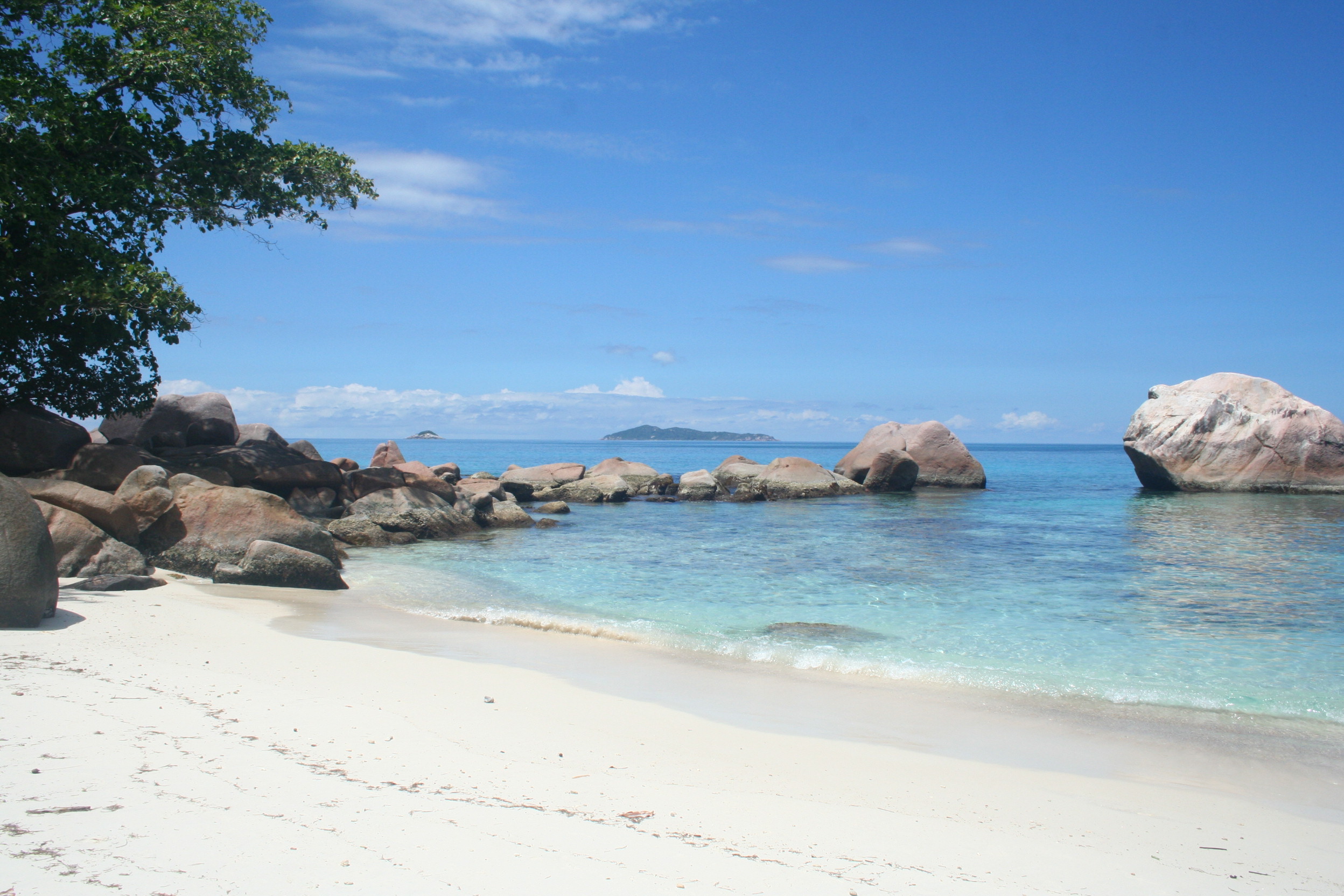
For this week’s Monday Geology Picture post, I thought I would share a few last pictures from the recent holiday visit of my friends Nia and Patrick to the Seychelles. These pictures have definitely inspired me to have my own Seychelles holiday one day! Beautiful beaches, warm weather, and fascinating geology– what a perfect vacation destination!
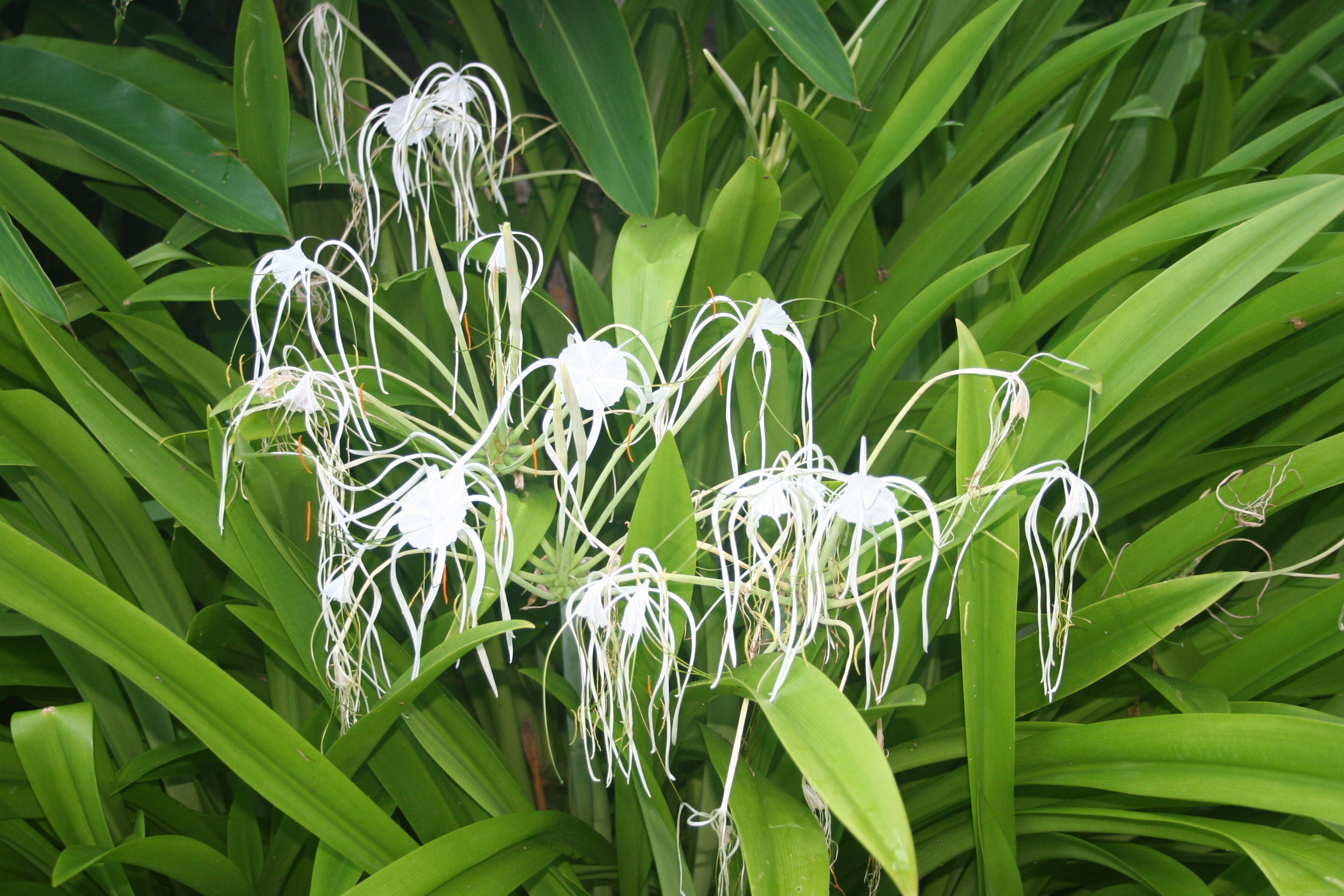
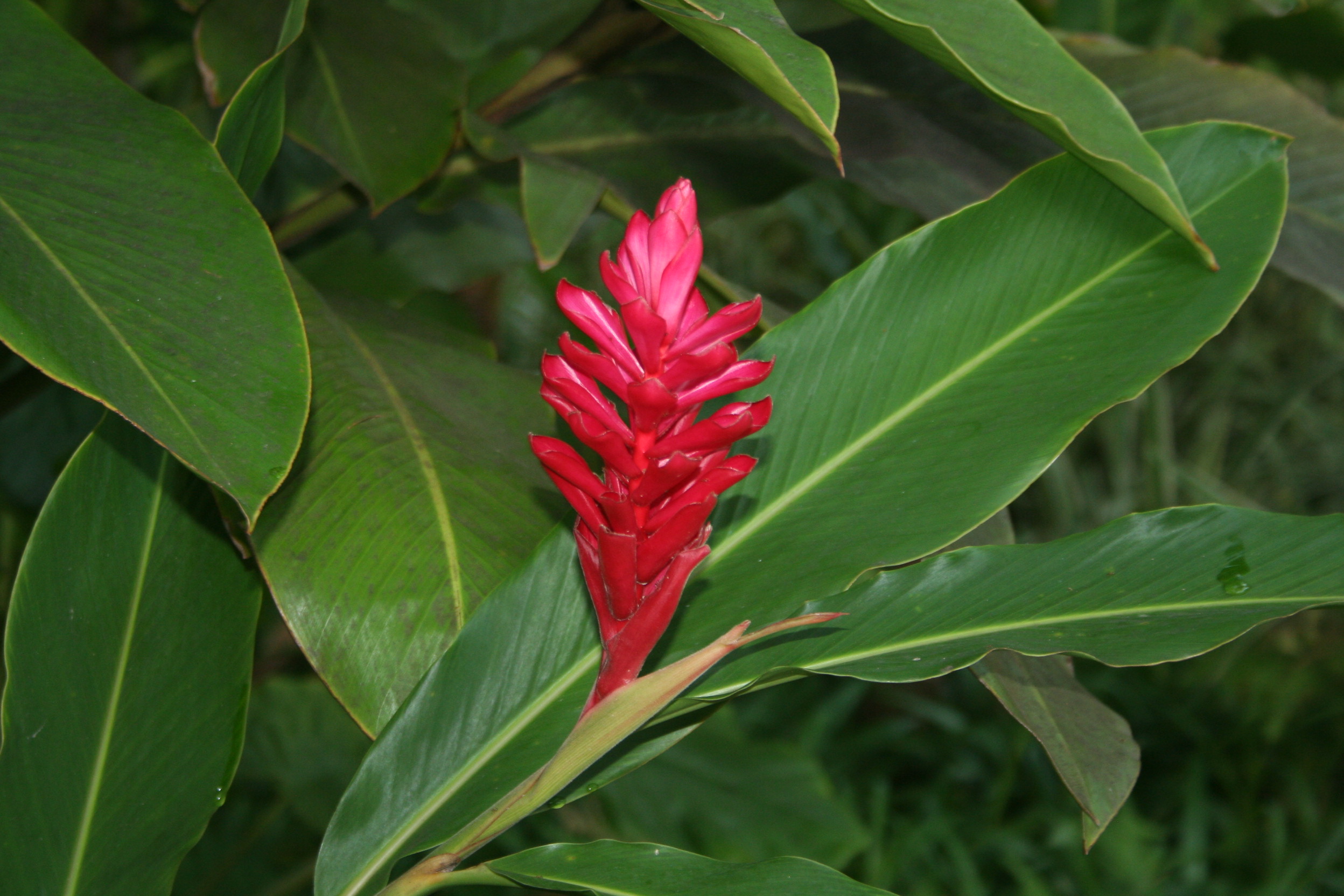
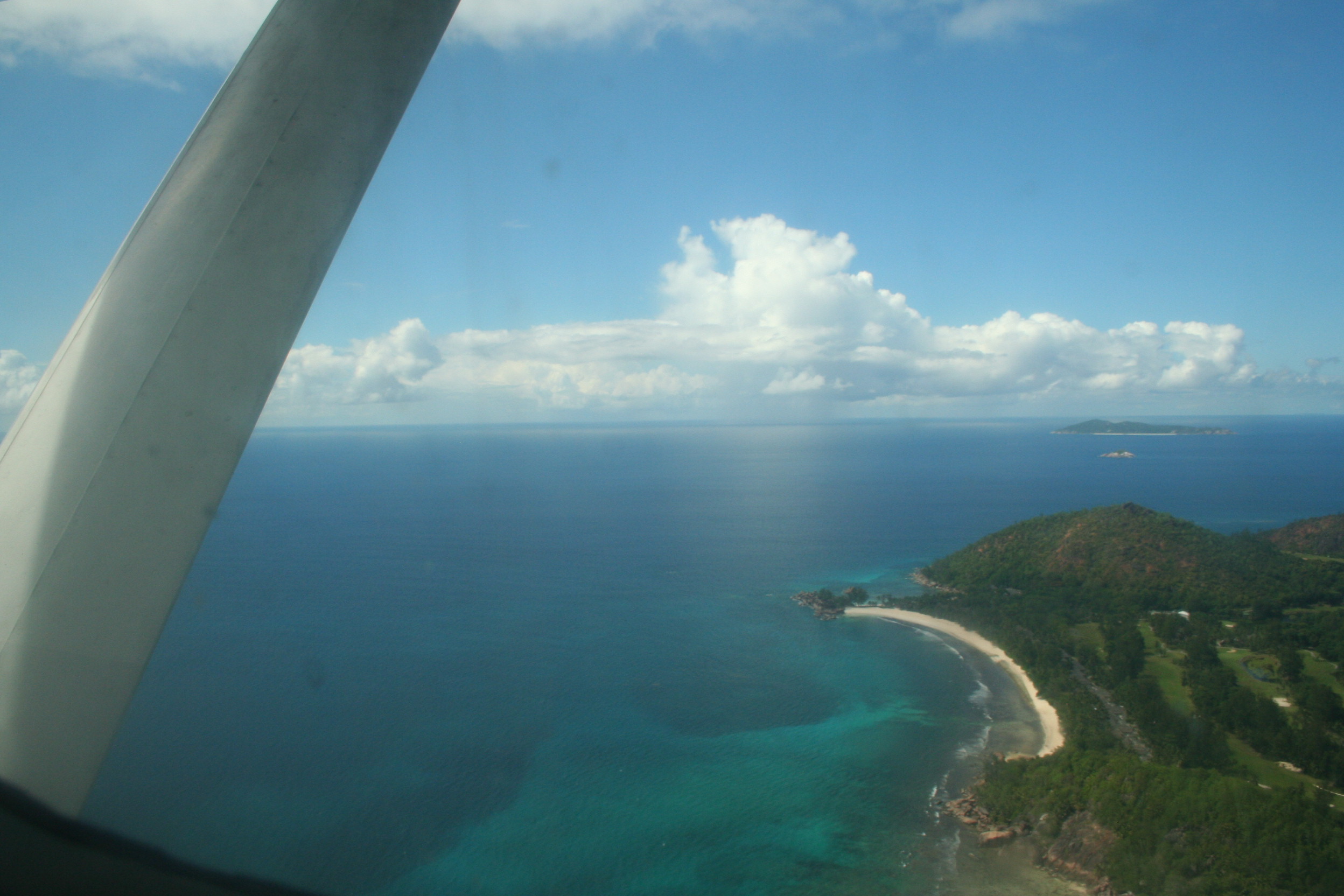


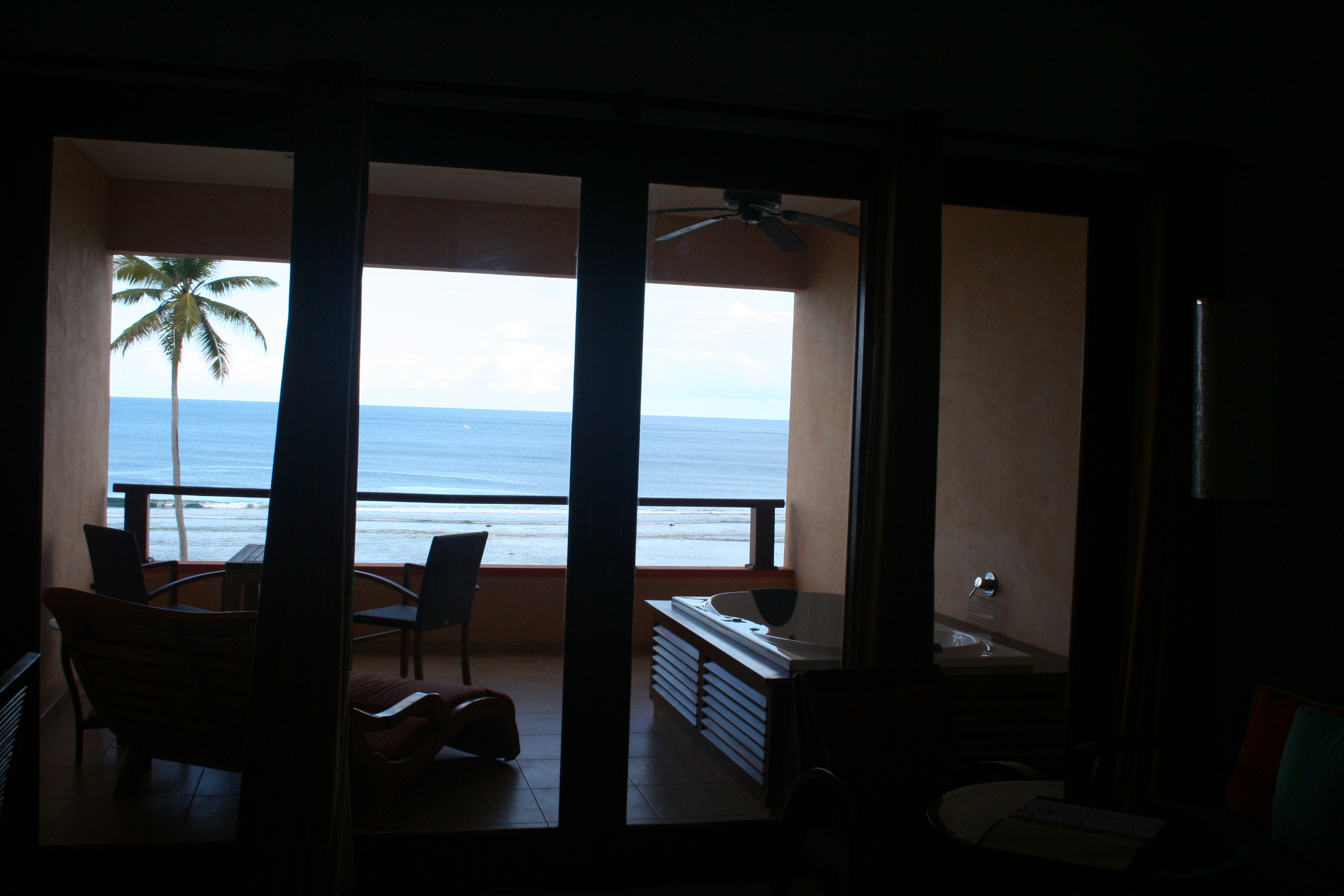

I am very fortunate to be able to travel often, both for work and my personal life. Like 2010 and 2011, 2012 was a busy year of travel!
January: Sultanate of Oman, United Arab Emirates, and South Africa
In January I was mostly in South Africa working on my PhD thesis. However, I also traveled to the Sultanate of Oman to attend a geology conference. After the conference, I traveled to the United Arab Emirates for a few days to visit my good friend Karima and her family.

February to Early May: Cape Cod, USA
In February I traveled back to Cape Cod, where I frantically worked to finish writing, submit, and defend my PhD thesis, which I successfully did on Friday, April 13th. I finished up my revisions by early May and then was DONE!

May to Early June: New Hampshire, Massachusetts, Connecticut, and Florida, USA
After finishing up my PhD, I headed up to New Hampshire, where I spent some time relaxing at my parents’ lakeside cabin near my favorite glacial erratic.


Shortly after I handed in my thesis, my good friend and fellow geoblogger Dana Hunter came to visit me in New Hampshire for a long weekend. We had a great time hanging out at the cabin and exploring some local geology.
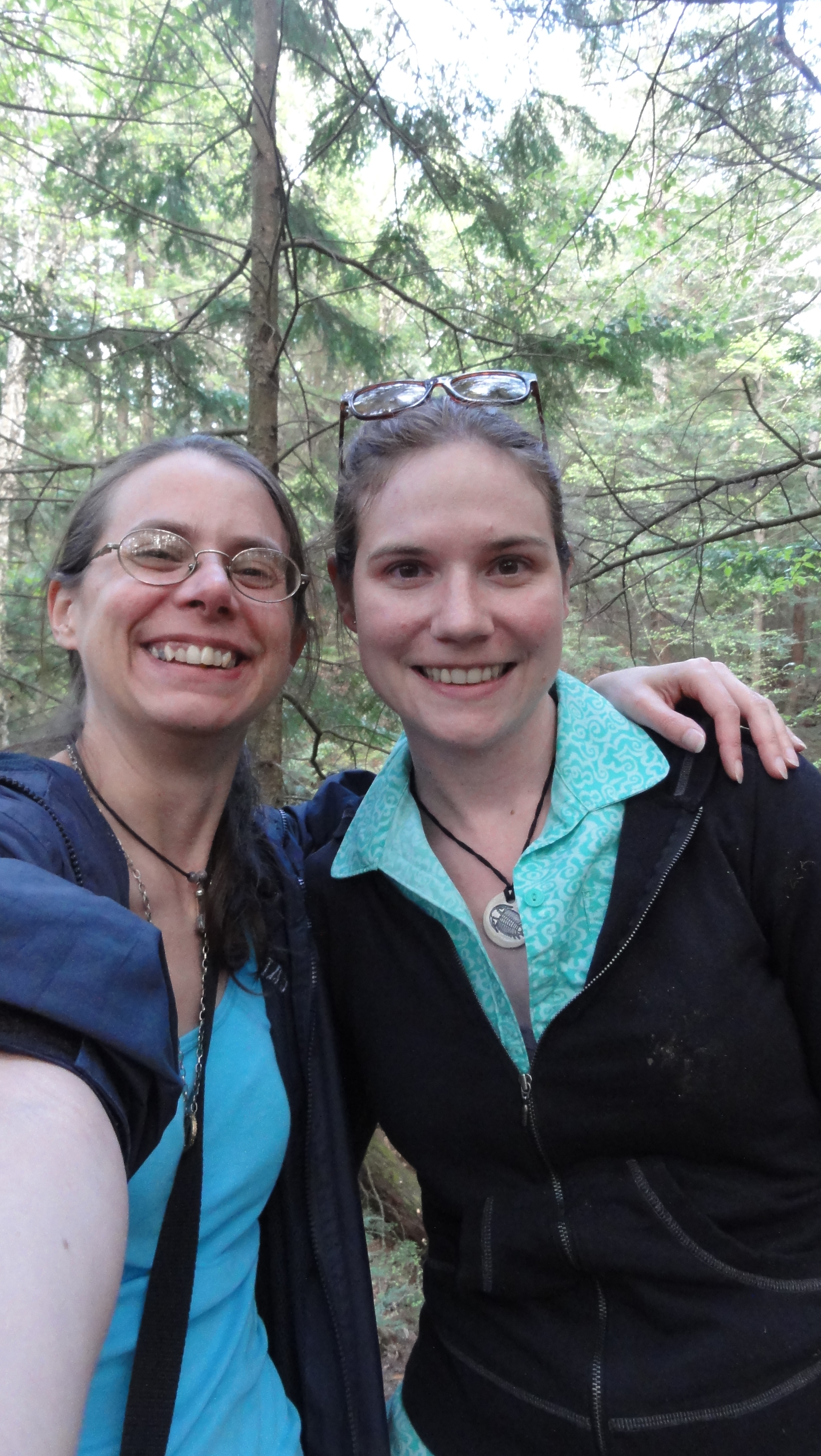
In mid May I was reunited with my husband Jackie, who flew over from South Africa for a few weeks to visit with family, go on a short Florida vacation, attend my 10-year high school reunion, attend my PhD graduation, and also participate in a second wedding ceremony. We had our first wedding in South Africa in October 2011, but many of our US family and friends were unable to attend, so we had a second celebration.
Jackie and I went down to Florida to enjoy the beach:

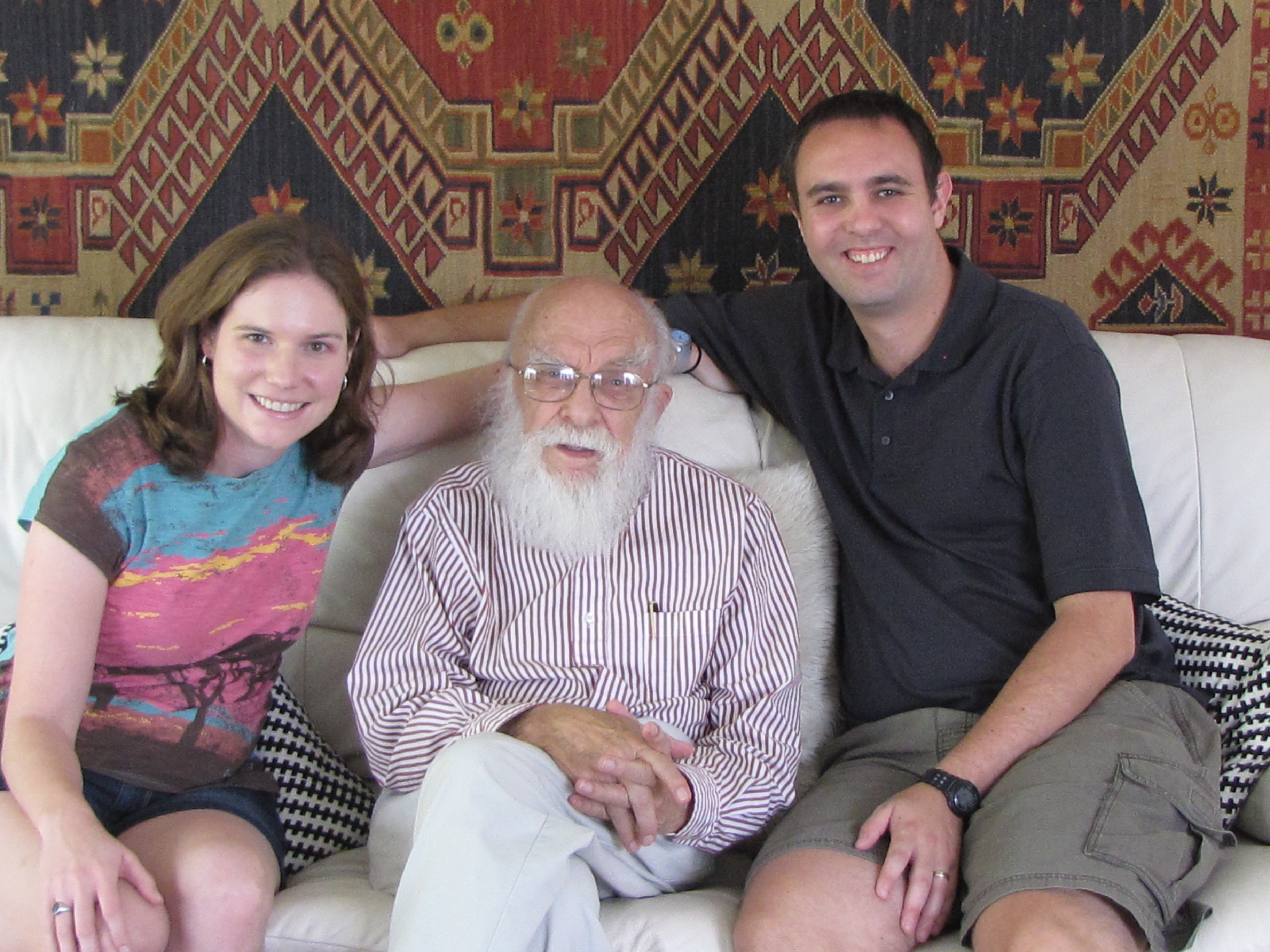
And also to visit with our good family friend James Randi:
We also visited the Billie Swamp Safari:

And the kitschy but sort of wonderful Mai Kai Restaurant:

In early June we had our second wedding celebration with friends and family in New Hampshire. The weather was terribly cold and rainy, but we huddled in our tent and had a good time anyway. I wore rain boots with my wedding dress.

Also in early June, I went to my PhD graduation ceremony at MIT. Jackie, my mom, and my dad were also there.

Mid June: Scotland
Shortly after my graduation, Jackie flew back to Cape Town to go back to work. On my way back to South Africa, I flew via the United Kingdom and stayed for a week in Ballater, Scotland to visit with a wonderful 86-year-old geologist named Dr. Ken Glennie. In the near future, there will be some blog posts about this Scotland trip, so stay tuned!

July: Cape Town and Robertson, South Africa
After my visit to Scotland, I headed back home to South Africa. Mostly I just enjoyed being back in beautiful Cape Town. However, my husband and I also did go on a small geological excursion to a place called Gnoem Gnoemskloof near Roberston.

End July to Mid September: Alaska, USA
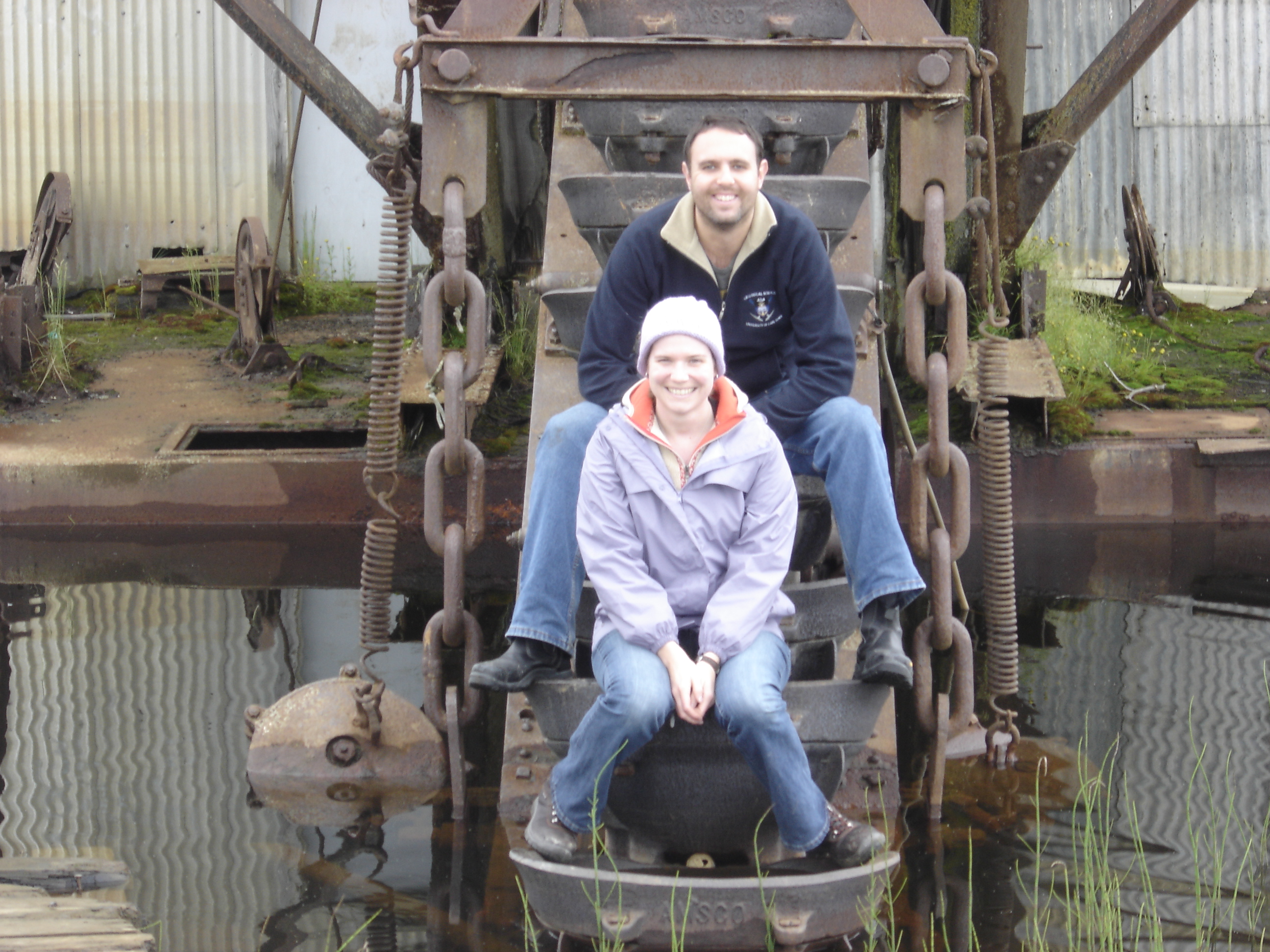
When I returned to South Africa, little did I know that about 6 weeks later I would be heading back to the United States. In July I received a job with AuruMar, a marine gold exploration company. A few days later I was on an airplane to Alaska to participate in a sampling campaign offshore of Nome. My husband works for the same company, and we were both sent to Nome for the campaign.
End September: Johannesburg, South Africa
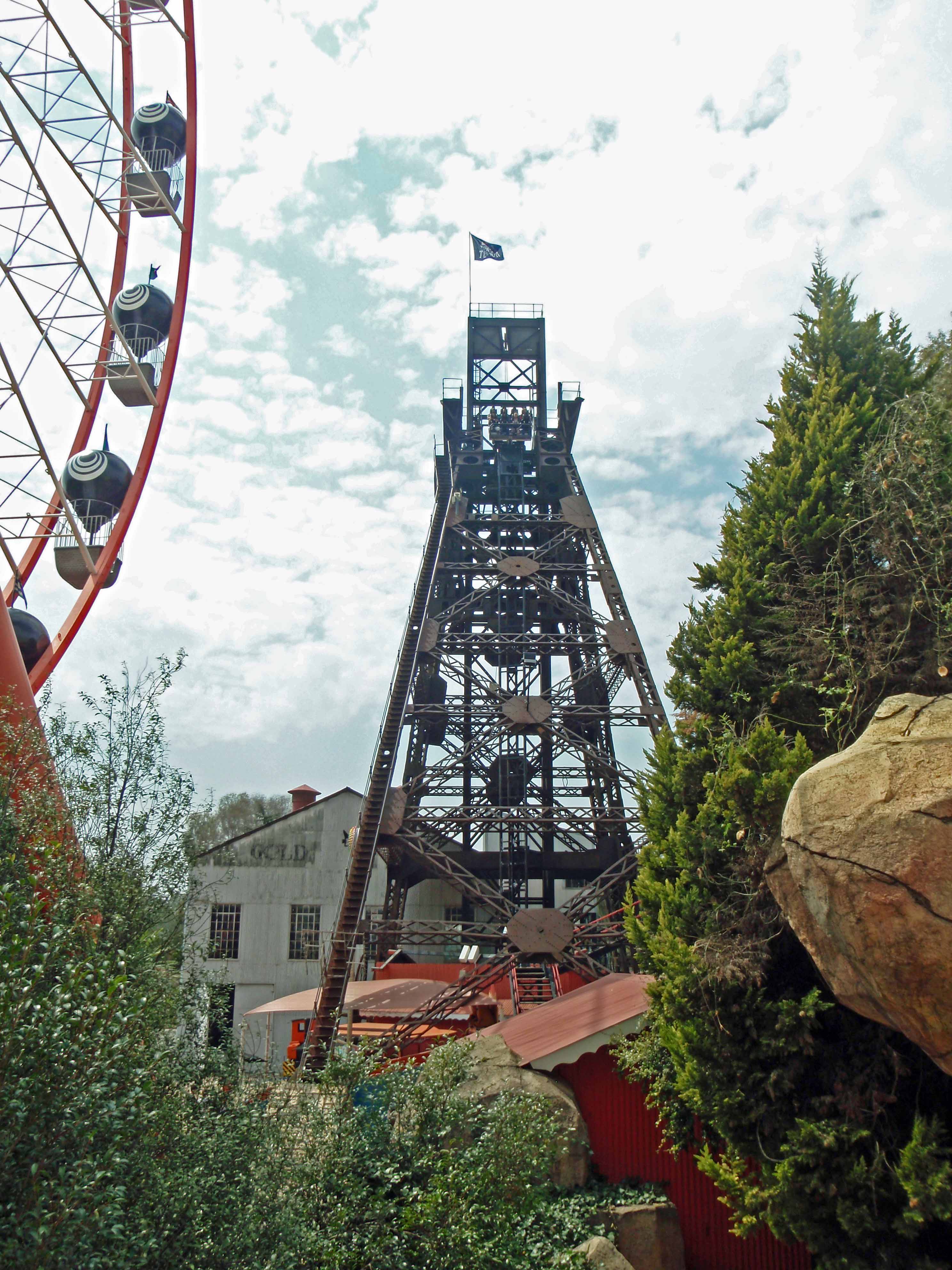
At the end of September, Jackie and I flew up to Johannesburg for Jackie’s sister’s wedding. The wedding was beautiful, and we also enjoyed visit to a theme park known as Gold Reef City. I’ll have to write some more about Gold Reef City sometime.
October: Durban, South Coast, and Wild Coast, South Africa
In October my husband and I took a week’s vacation to Durban, the South Coast, and the Wild Coast of South Africa for our one-year wedding anniversary, which was on October 22nd. Unfortunately, the weather was quite rainy, but we did have one nice beach day. The other days, we went exploring in the rain or stayed in our hotel room and read our books.


Late October to Early November: LASI V Workshop, Port Elizabeth and the Karoo, South Africa
Immediately after our week of vacation, I attended the LASI V workshop in Port Elizabeth and the Karoo. I’ve already written some blog posts about LASI V, and there will be more coming soon!

End December: Port Elizabeth, South Africa
Last but not least, recently Jackie and I– and our two cats– drove 8 1/2 hours from Cape Town to Port Elizabeth to spend Christmas with good friends. Among other things, we spent a day driving around Addo Elephant National Park. We had a great day and saw many amazing animals.

Overall, 2012 was a great year, and I did some wonderful traveling. I’m not completely sure yet what 2013 holds, but I’m sure there will be some fun trips and adventures!

Note: Dr. Dougal Jerram—aka “Dr. Volcano”— presented a talk, “When Shallow Intrusions Make Silver Mines—A Journey into Superman’s Cave, Naica, Mexico” at the LASI V workshop in Port Elizabeth, South Africa in October 2012. The article below is based on this talk and also an interview with Dr. Volcano. Over the next few weeks, I will be highlighting some of the research that was presented at the LASI V workshop. This is the first post in that series.

The title of this blog post, “Dr. Volcano in the Cave of Crystals”, may sound like the title of a comic book or a science fiction story, but I can assure you that both Dr. Volcano and the Cave of Crystals are very much real. I had the pleasure of meeting Dr. Volcano and hearing about his visit to the Cave of Crystals at the LASI V workshop back in October 2012.
Dr. Volcano is also known as Dr. Dougal Jerram, who in June 2011 left his academic position at Durham University to set up DougalEARTH Ltd. and embark on an exciting new career as an independent geological consultant, researcher, and also a media consultant, becoming involved in science outreach and popular science entertainment. On his website DougalEARTH, Dr. Jerram states that he is, “aiming to make science more accessible to the general public and promoting our understanding of the planet.” In his science outreach and media work, Dr. Jerram is known as “Dr. Volcano.” The title is certainly appropriate since he has published dozens of scientific research articles about volcanoes and has also penned two books about volcanoes, The Field Description of Igneous Rocks (with Nick Petford, 2011) and Introducing Volcanology: A Guide to Hot Rocks (also 2011). For his scientific outreach and media work, Dr. Volcano has appeared on television programs for stations such as the BBC, The History Channel, and National Geographic.
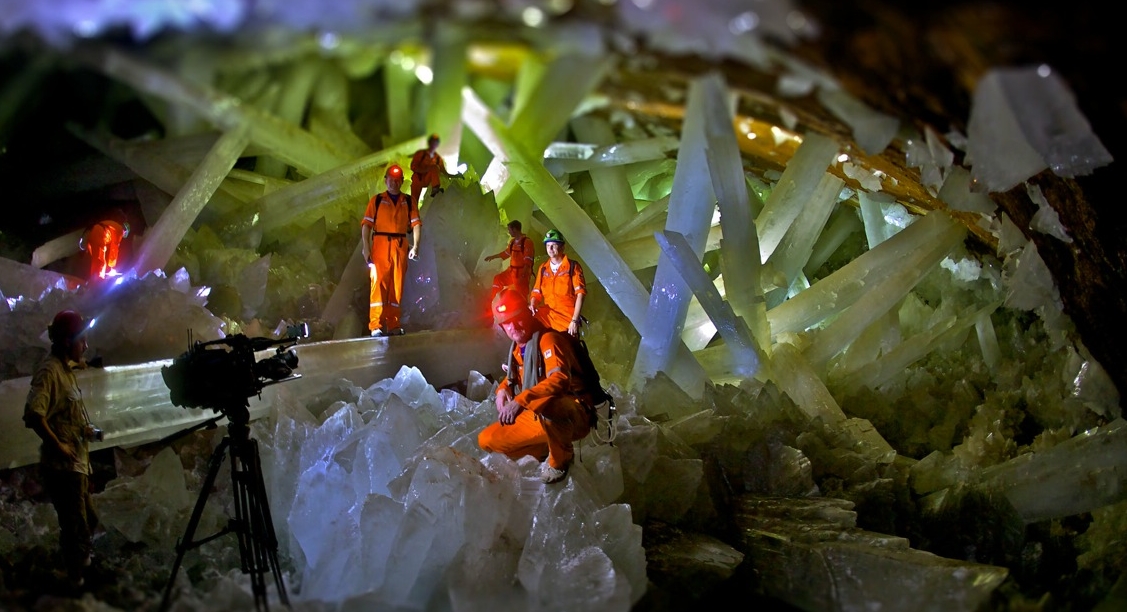
As part of his media work, Dr. Volcano had the extraordinary opportunity to visit a place in Naica, Mexico known as Cueva de los Cristales or the Cave of Crystals (http://en.wikipedia.org/wiki/Cave_of_the_Crystals) in the Fall of 2011. Dr. Volcano visited the cave as part of a news team for a 60 Minutes documentary for Channel 9 News, Australia. The cave is also known as the Giant Crystal Cave and Superman’s Cave, since it resembles the Arctic home of the comic book character Superman. Located about 1000 feet (about 300 meters) below the Earth’s surface, the cave contains gigantic crystals of selenite (gypsum, CaSO4•2H2O) that are some of the largest known crystals on Earth. The largest crystals in the cave are nearly 40 feet (12 meters) tall!
The Cave of Crystals was first discovered in 2000 by miners who were excavating a new tunnel for the silver, zinc, and lead mine owned by the Industrias Peñoles mining company. Previously, a similar cave known as Cueva de las Espadas or the Cave of Swords was discovered in 1910. This cave is also located at Naica but at a shallower depth of about 400 feet (about 120 meters). However, the selenite crystals in the Cave of Swords are smaller, with a maximum size of about 6 feet (2 meters). In addition, many of the crystals from the Cave of Swords have been removed from the cave and transported to other places, such as museums.

Dr. Volcano explains, “We had the very lucky opportunity to go into the Naica caves in Mexico. These caves are very special because they have—arguably—the largest crystals on the planet. These crystals are gypsum, which is calcium sulphate (dihydrate). We were able to get into these caves after two years of negotiation with the Mexican mine and the government there.”
Prior to mining, the Cave of Crystals was underwater. The cave is only exposed because the mining company has pumped water away, lowering the groundwater level so that mining can proceed deeper. Naturally, the groundwater level is about -110 meters. Once pumping stops, the Cave of Crystals will again fill with groundwater. And not just any groundwater. The cave will fill with very hot groundwater since the Earth is quite warm at 300 meters depth. Research (e.g. Ruiz-Garcia et al., 2007) suggests that the enormous selenite crystals found in the Cave of Crystals likely formed in low-salinity fluids that were at a temperature of approximately 54 degrees Celsius. The selenite crystals grew very slowly over hundreds of thousands of years, enabling the crystals to reach their enormous sizes.
While no longer filled with hot fluid, the Cave of Crystals nevertheless remains an inhospitable environment for humans. Temperatures in the cave are 45 to 50 degrees Celsius, and the humidity ranges from 90 to 100%. While the mining shafts are cooled for the workers, the Cave of Crystals is not cooled, which helps preserve the giant selenite crystals. Visiting the Cave of Crystals is therefore no easy feat.
Dr. Volcano describes, “You go inside the cave, and you’re in temperatures of around 50 degrees Celsius, and the humidity is around 100%. One of the biggest problems when you go into an environment like that is that your body is unable to cope with that environment, and you effectively start dying the minute you enter the cave.”
In such an extreme environment, humans can only survive unaided for a few minutes.
Dr. Volcano elaborates, “The biggest problem you have is that when your body temperature is the lowest temperature in the cave, everything that your body does to try to cool itself doesn’t work. It tries to sweat, but the sweat doesn’t evaporate because there’s 100% humidity, so there’s no cooling from evaporation. You breathe in air, but the air is hotter than your internal body, so it starts heating up your body. You start to pant, like a dog, which is a natural reaction to try to cool yourself, but as a result you end up heating the interior of your body more quickly. We found that after 9 minutes in the cave without any sort of protection, our body temperatures rose to 39.5 degrees Celsius, which is quite dangerous. We had an Australian medic with us (David Rosengren), and he said that if your body temperature goes over 40 degrees Celsius, you could very rapidly deteriorate and even die.”
Fortunately, the Channel 9 news team came prepared.
Dr. Volcano explains, “We had a kind of solution, which we called ‘Formula 1 Geology.’ We used the same sort of suit that people in extreme sports, such as Formula 1 racing, use in environments where they can get very hot very quickly. It’s a close-to-the-body suit with piping inside that pumps cold water around the body. You wear a backpack with ice water, and an electric pump moves that cold water around the suit. With the suit, we could safely stay in the cave for about 25-30 minutes. Ultimately, if other people could refill the backpacks with more ice cold water, people could possibly stay in the cave much longer.”
As difficult as it is for humans to explore the Cave of Crystals at present, if mining ever stops at the Naica mine then it may become impossible to visit the cave since it will again fill with hot fluid.
Dr. Volcano wonders, “The giant crystal caves are only exposed because man is pumping the groundwater out. The biggest dilemma that we have for this natural wonder of the earth is: if the mining stops, then in principle the water level will rise again, and the Naica caves will be underwater again. I pose to the general public: what should be done—if anything—to save the Naica caves?”
I wonder that, too. It may be that the unique and remarkable Cave of Crystals will only be accessible for a brief time, only as long as the Naica mine remains in business.
Links and References:
The 60 Minutes Channel 9 News Documentary on the Cave of Crystals

Continuing with some pictures from the recent vacation of my friends Nia and Patrick to the Seychelles, here is a stunning sunset shot. This picture makes me want to take my own vacation to the Seychelles!

Last week I shared some pictures of Gondwana granites that were taken by my good friends Nia and Patrick on their recent holiday to the Seychelles. This week I thought I’d share a couple more pictures of Seychelles granites. Enjoy!
I’d like to write a few more posts about my visit to Alaska earlier this year. In case you missed them, here are some earlier posts about Alaska:
Geology Word of the Week: G is for Glacial Erratic
A Drive to Salmon Lake, Alaska in Pictures
Nome, Alaska in Pictures: Part I
Nome, Alaska in Pictures: Part II
Nome, Alaska in Pictures: Part III
Monday Geology Picture(s): Garnet Sands in Nome, Alaska
Plane Views: Anchorage to Nome
Plane Views: Minneapolis to Anchorage
And, last but not least…
Whale Carcass on the Beach in Nome, Alaska
Clearly, I’ve already shared a fair amount about the two months I spent in Alaska. However, I still have some more to share! I’ll start out with a post about Anchorage and a very big earthquake.
My husband Jackie and I spent a few days in Anchorage back in July before traveling up to Nome, where we spent the months of August and September doing field work. One day when we were in Anchorage we had lunch at a place called Gwennie’s Old Alaska Restaurant, a place that had been recommended to us by some locals.
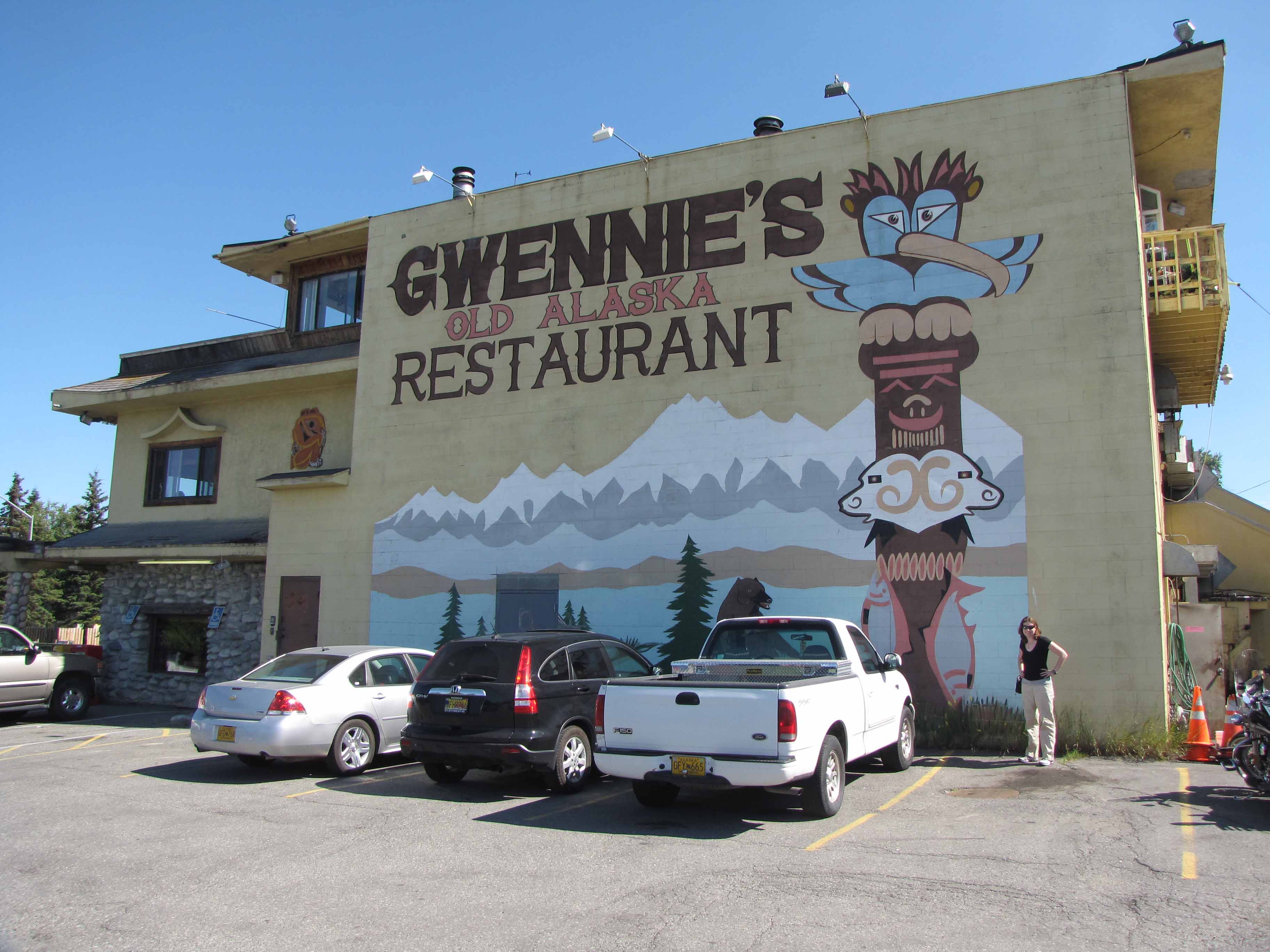
Gwennie’s is full of kitsch and crazy: taxidermied animals and antlers are strewn about everywhere, and in-between one finds everything from Iditarod posters to stained glass windows depicting gold prospectors. The food is served on cheap plates with cheap cutlery, but it’s pretty good. Both my husband and I enjoyed the reindeer sausage with fries and a large drink since we were dehydrated from running errands all over Anchorage on a beautiful, sunny, warm summer day.


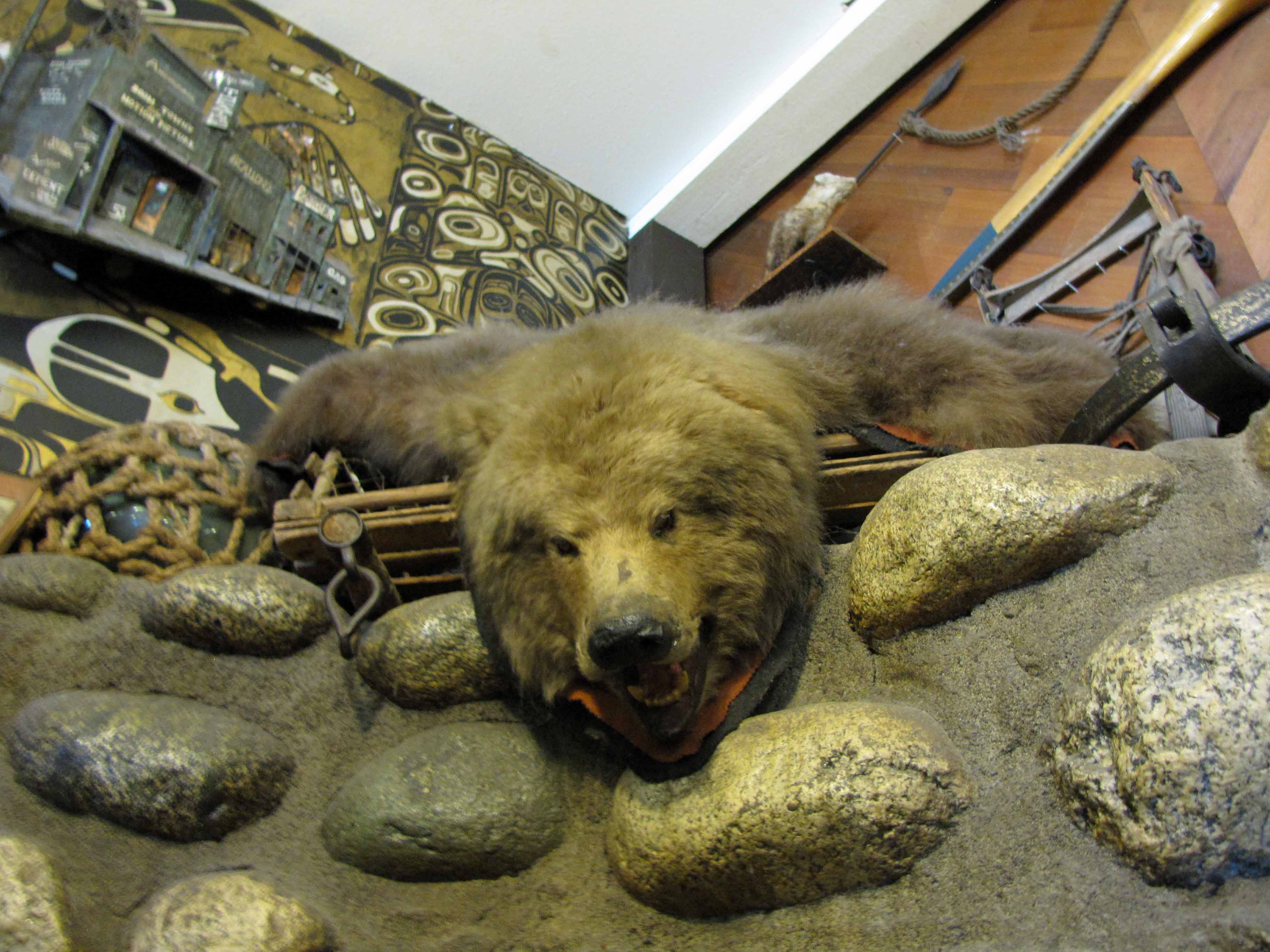

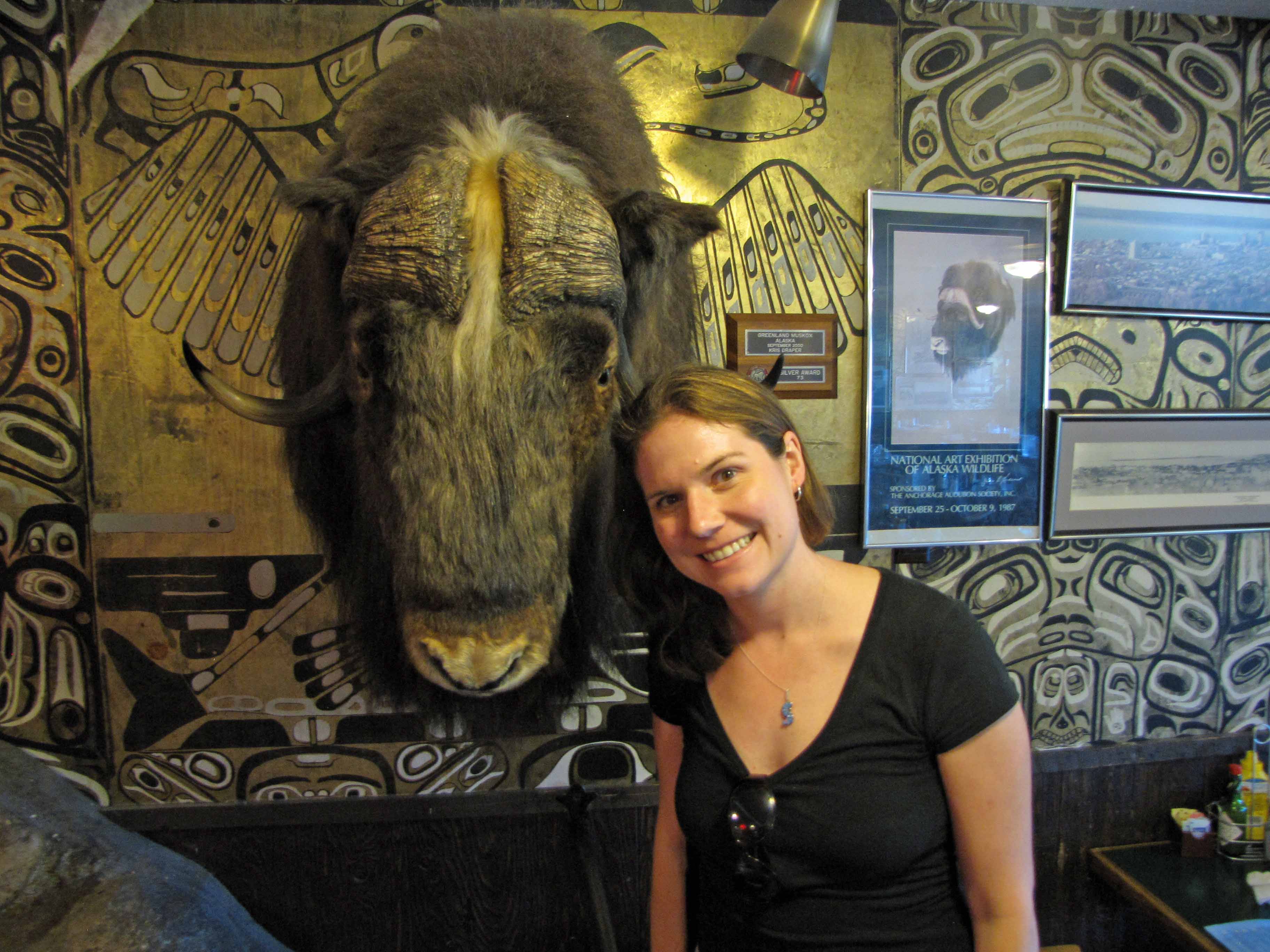

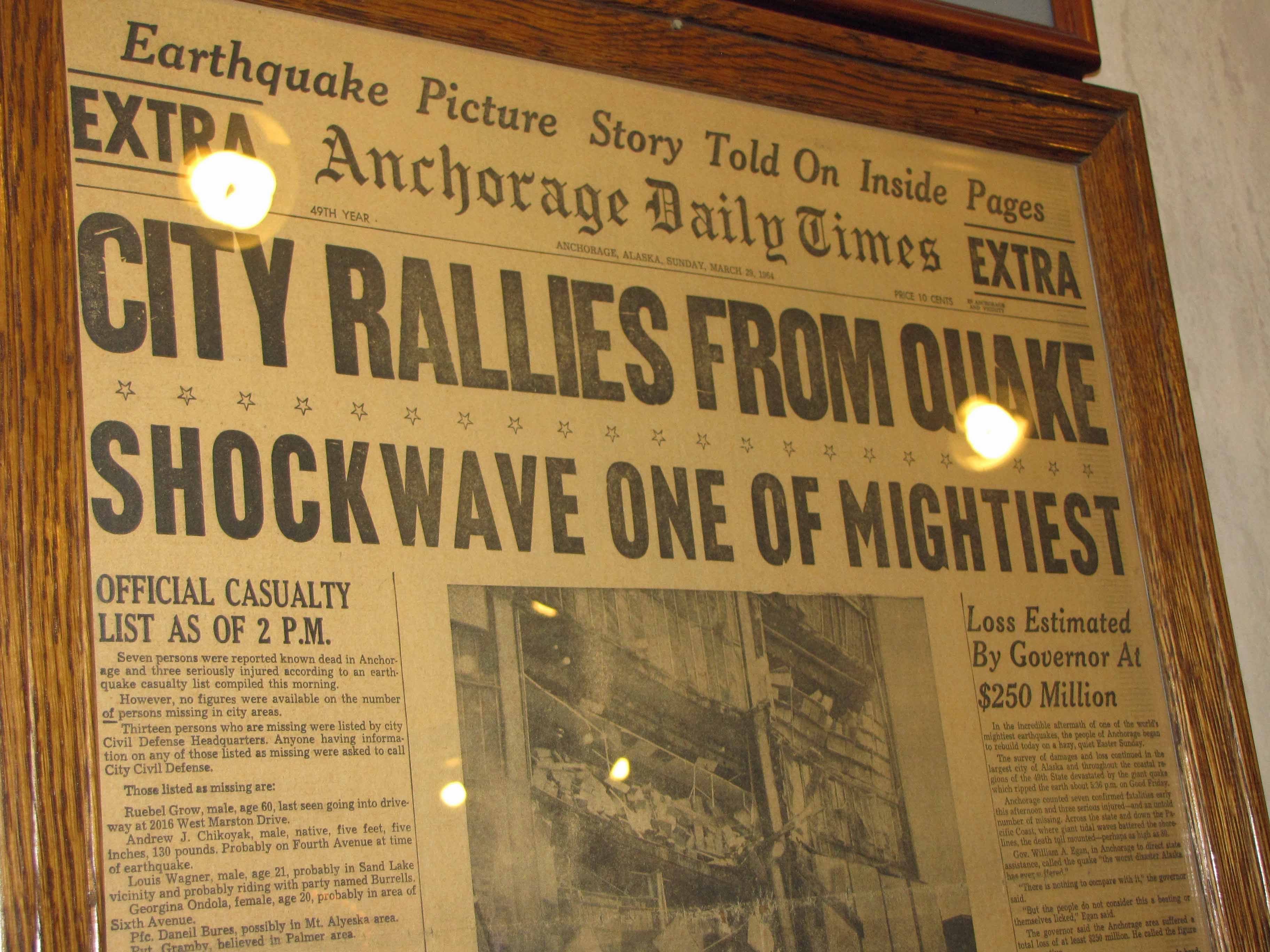
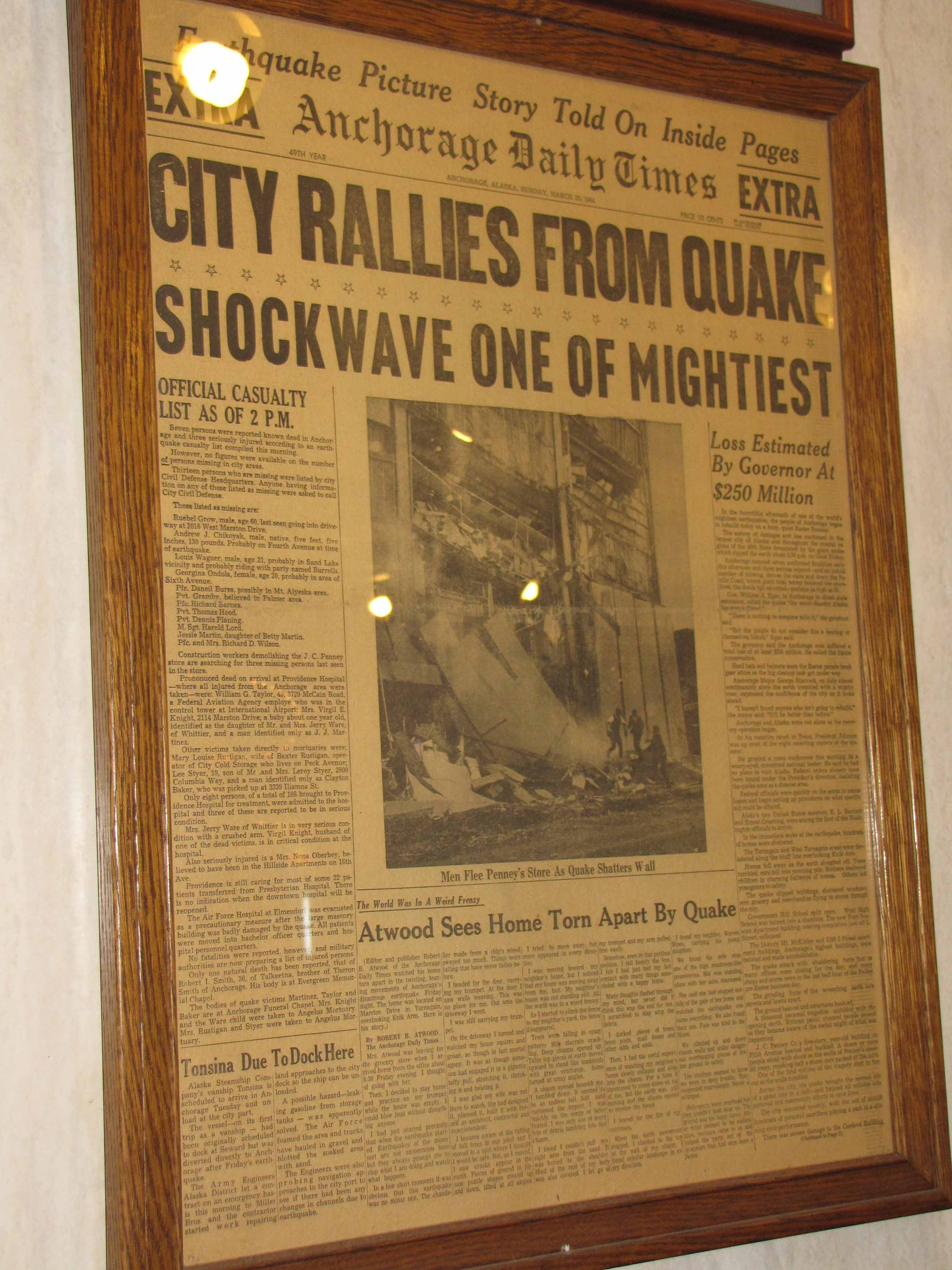
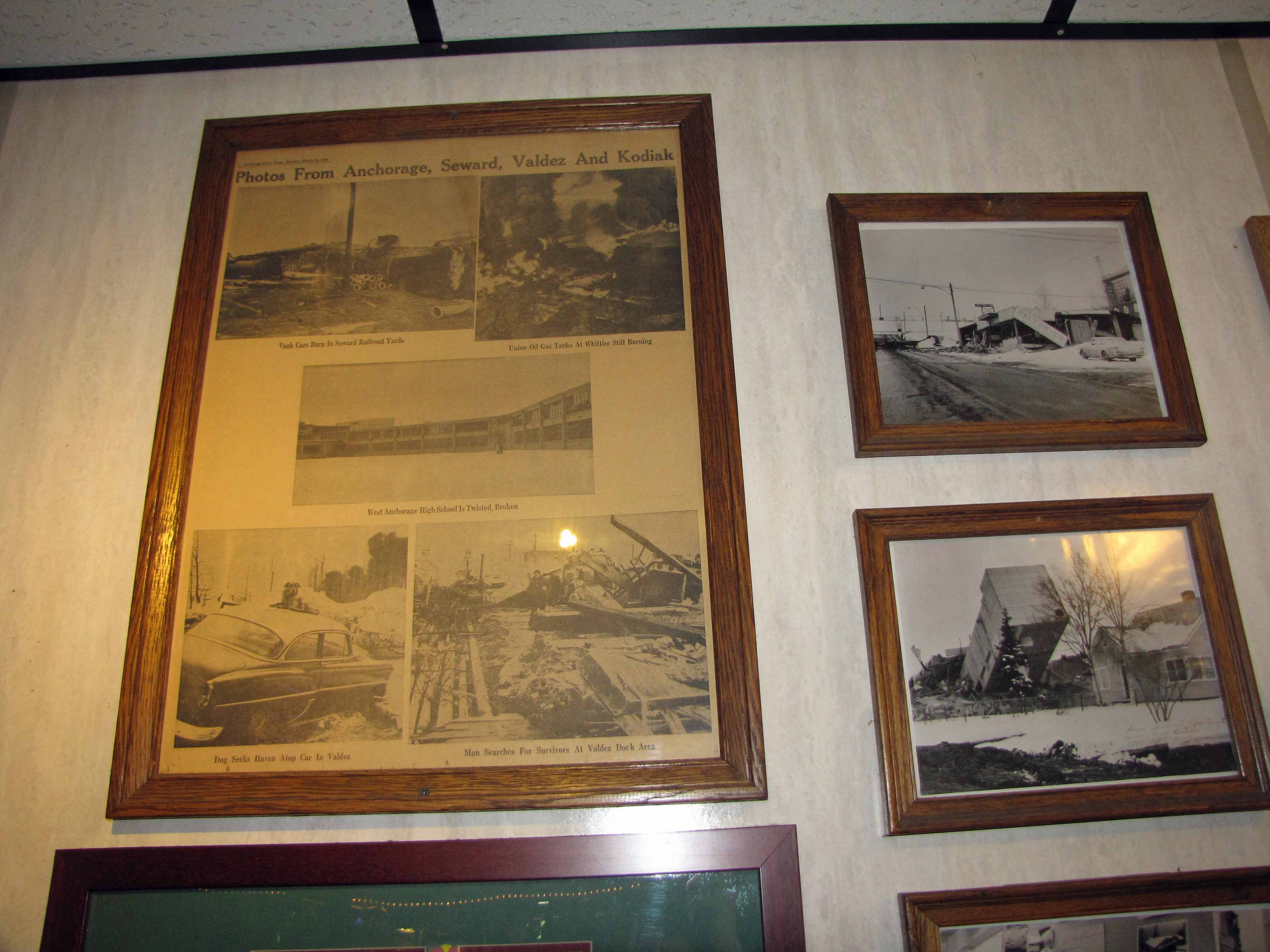
Jackie and I enjoyed looking at all of Gwennie’s unusual decorations, most of which had an Alaskan theme. As we were wandering around looking at the various decorations, one of the waitresses suggested that we go over to the bar to take a look at all of the newspaper clippings from the 1964 Alaska earthquake. This earthquake was enormous, registering 9.2 on the Richter Scale. For reference, that’s the same magnitude as the 2004 Indian Ocean earthquake that created the large tsunami that devastated parts of Asia. Jackie and I had heard and read about the 1964 Alaska earthquake before, but seeing the newspaper clippings and pictures really put the earthquake in perspective. The clippings put a human face on the earthquake, which was so destructive that some Alaskan towns never bothered to rebuild but simply were abandoned. Looking at the pictures of the earthquake’s destruction was fascinating, humbling, and awe-inspiring.
Here are some of the earthquake newspaper clippings that we saw at Gwennie’s:
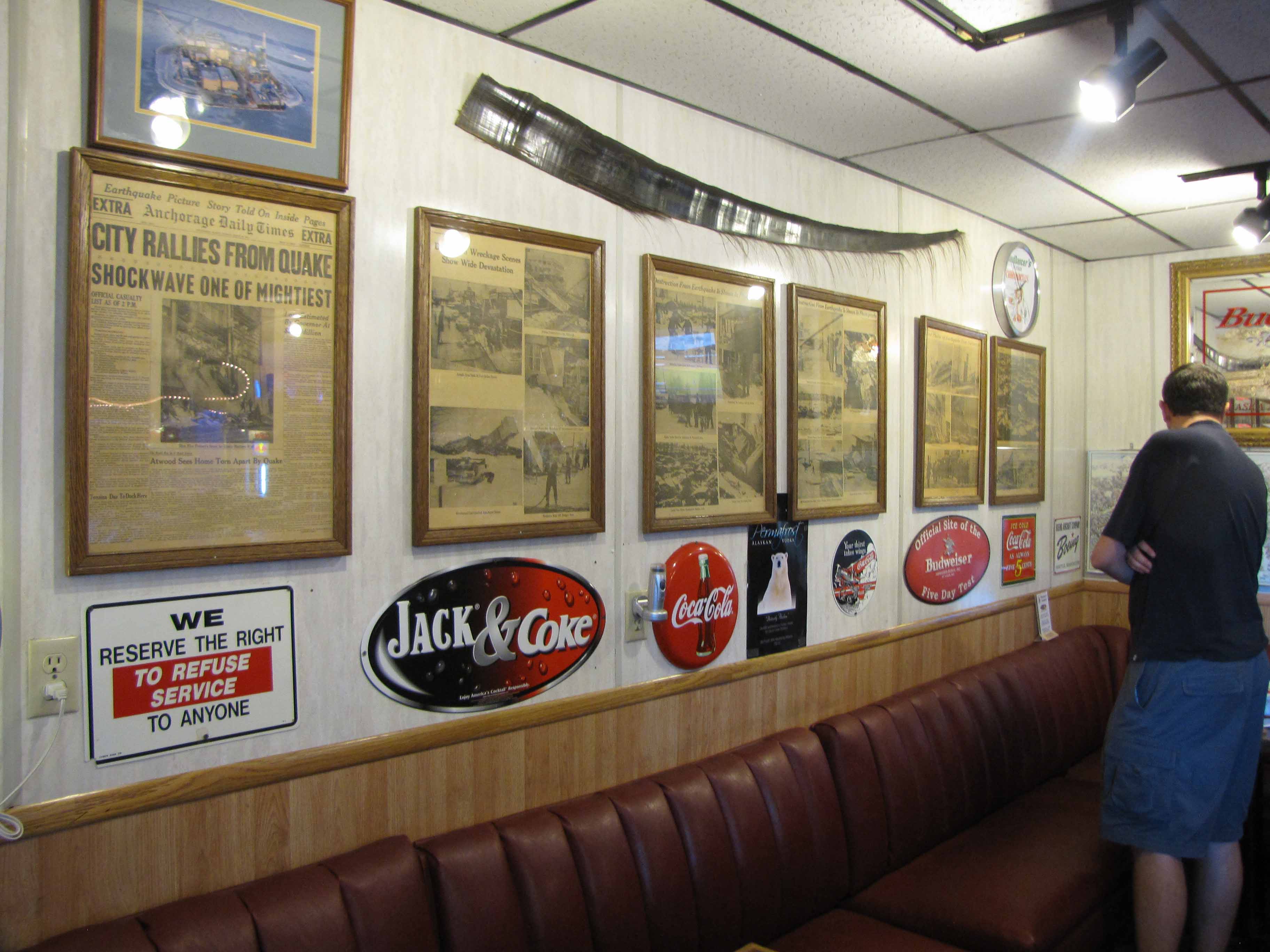
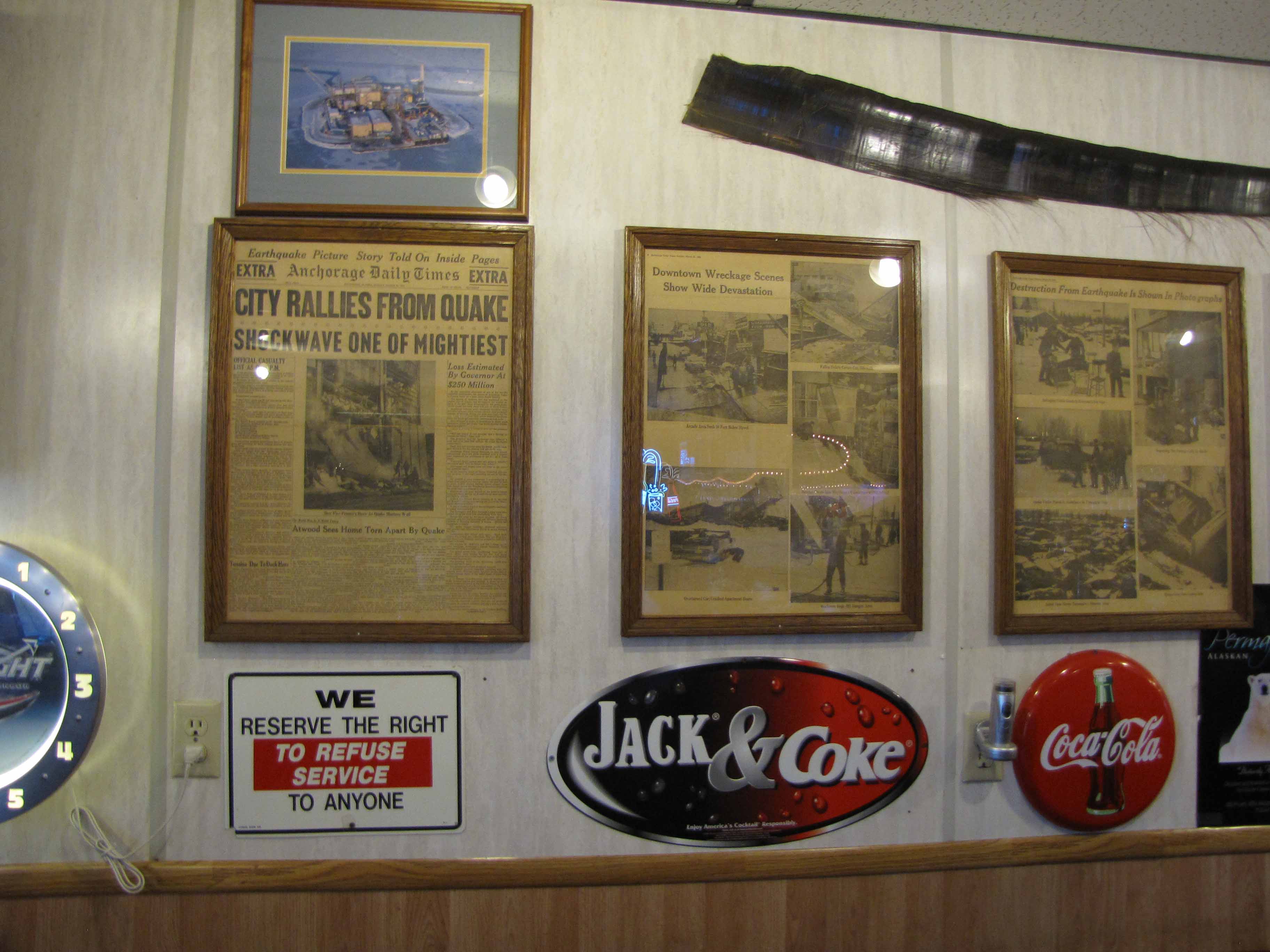


If you’re ever in Anchorage, I highly recommend going to Gwennie’s for a bite to eat and a look around. At least have a drink and take a look at the earthquake newspaper clippings.
 Georneys